

San Juan River Basin, Nicaragua Travel Guide
Discover the San Juan River Basin in Nicaragua: A captivating blend of lush rainforests, rich history, and vibrant culture, perfect for nature lovers and history enthusiasts.
The San Juan River Basin in Nicaragua is a hidden gem that offers a unique blend of natural beauty, rich history, and vibrant culture. Nestled in the heart of Central America, this river basin serves as a vital waterway, linking Lake Nicaragua to the Caribbean Sea. Its lush landscapes are home to a diverse range of wildlife, making it a paradise for nature lovers and adventure seekers alike. One of the main attractions of the San Juan River Basin is its pristine rainforests, which are teeming with exotic flora and fauna. Visitors can embark on guided jungle tours to explore these verdant surroundings, catching glimpses of monkeys, toucans, and even the elusive jaguar. The river itself is perfect for kayaking and boating, offering a serene way to take in the breathtaking scenery. History buffs will find the San Juan River Basin equally fascinating. The area is steeped in history, with numerous historical sites and forts that date back to the colonial era. The most notable of these is the Fortress of the Immaculate Conception, a well-preserved Spanish fort that provides stunning views of the river and surrounding jungle. For those interested in local culture, the river basin's small towns and villages offer a warm welcome and a chance to experience traditional Nicaraguan life. From sampling local cuisine to participating in cultural festivals, there is no shortage of ways to immerse oneself in the rich heritage of the region.

Know before you go
Hi, I'm Eve. Here are a few practical things to know before exploring San Juan River Basin.
- Bring insect repellent to protect against mosquitoes, especially if you plan on exploring the rainforests.
- Hire a local guide for jungle tours to enhance your experience and ensure safety.
- Visit the Fortress of the Immaculate Conception early in the morning to avoid crowds and enjoy the best views.
- Try the local dish 'vigorón' – a tasty combination of yucca, pork rinds, and cabbage salad.
- Carry cash, as many small towns and villages may not accept credit cards.
Top City Travel Guides in San Juan River Basin
The cities of San Juan River Basin, and the easiest places to base yourself.


Destinations in San Juan River Basin
Resorts, valleys and scenic spots worth a trip of their own.


Explore San Juan River Basin: Things to Do, Places to Eat, Hotels & More
Handpicked recommendations for top attractions, local dining, accommodations, and more

Top Attractions & Sightseeing in San Juan River Basin
Top-rated picks
Best Attractions

Cristo de La Misericordia
Explore the awe-inspiring Cristo de La Misericordia in San Juan del Sur – a towering statue offering breathtaking views and a glimpse into local culture.

Reserva Natural Volcán Mombacho
Explore the lush trails and stunning vistas of Mombacho Volcano Natural Reserve, a biodiversity hotspot near Granada, Nicaragua.

Lake Nicaragua
Experience the breathtaking beauty and vibrant culture of Lake Nicaragua, Central America's largest lake, perfect for adventure and relaxation.

Parque Nacional Volcán Masaya
Discover the breathtaking landscapes and rich cultural heritage of Parque Nacional Volcán Masaya, Nicaragua's stunning national park featuring an active volcano.

Best landmarks in San Juan River Basin
Top-rated picks
Best Landmarks

Augusto Cesar Sandino International Airport
Experience the vibrant culture and warm welcome of Nicaragua at Augusto Cesar Sandino International Airport, your gateway to adventure.

Plaza Nicaragua
Explore the enchanting Plaza Nicaragua, a serene promenade in Managua perfect for relaxation, local culture, and beautiful green spaces.

Granada Malecon
Explore the vibrant Granada Malecon, a serene waterfront park offering stunning views of Lake Nicaragua and a taste of local culture.

Mirador Calvary
Experience breathtaking views and rich cultural heritage at Mirador Calvary, the scenic gem of Matagalpa, Nicaragua.

Best restaurants in San Juan River Basin
Top-rated picks
Best Restaurants

Hotel Posada Ecologica la Abuela
Experience authentic Nicaraguan cuisine and cozy accommodations at Hotel Posada Ecologica la Abuela in Masaya.

Restaurante El Timón
Experience exquisite seafood dining with breathtaking views at Restaurante El Timón in San Juan del Sur.

Iguana Bar
Discover the lively flavors and vibrant atmosphere at Iguana Bar in San Juan del Sur—your ultimate beachfront dining experience.

Taska Kiko
Discover authentic Spanish cuisine at Taska Kiko in Managua, where delightful flavors meet exceptional service.

Best bars in San Juan River Basin
Top-rated picks
Best Bars

Iguana Bar
Iguana Bar offers a vibrant blend of local flavors and refreshing drinks, making it a must-visit hotspot in San Juan del Sur.

Ron Kon Rolas
Experience the vibrant nightlife of Managua at Ron Kon Rolas, where live music and a lively atmosphere create unforgettable memories.

Tuani's
Experience the best of San Juan del Sur at Tuani's, where culinary delights and vibrant nightlife come together for an unforgettable evening.

The Beach House Nicaragua
Experience the flavors of Nicaragua at The Beach House, where delicious cuisine meets stunning ocean views in San Juan del Sur.

Best nightclubs in San Juan River Basin
Top-rated picks
Best Nightclubs

Iguana Bar
Experience the vibrant flavors and lively atmosphere at Iguana Bar in San Juan del Sur, where culinary delights meet scenic views.

Ron Kon Rolas
Experience the vibrant nightlife of Managua at Ron Kon Rolas, where music and great drinks create unforgettable memories.

Tuani's
Tuani's in San Juan del Sur: A lively restaurant and bar offering delicious food, live music, and vibrant nightlife for an unforgettable experience.

El Chaman
Discover the electrifying nightlife at El Chaman, Managua's premier disco club and bar, where unforgettable dance experiences await.

Best shops in San Juan River Basin
Top-rated picks
Best Shops

Plaza Inter
Discover the vibrant shopping and dining experience at Plaza Inter, Managua's premier shopping destination that captures the essence of Nicaraguan culture.

Plaza Nicaragua
Explore the charm of Plaza Nicaragua, a serene promenade in Managua filled with greenery, culture, and the spirit of local artistry.

Plaza La Fe
Explore Plaza La Fe, Managua's premier shopping mall, blending local charm with international shopping and dining experiences.

Pelican Eyes Piedras Y Olas Resort
Experience luxury and tranquility at Pelican Eyes Piedras Y Olas Resort in San Juan del Sur, Nicaragua's premier coastal getaway.

Explore San Juan River Basin on the Map
A handpicked selection of must-see spots in San Juan River Basin, mapped for you.
San Juan River Basin Essentials
-
The San Juan River Basin in Nicaragua can be accessed via multiple routes. The most common point of entry is through Managua, the capital city, which is serviced by Augusto C. Sandino International Airport. From Managua, travelers can take domestic flights to San Carlos, the main gateway to the San Juan River Basin. Alternatively, you can take a bus or hire a private car from Managua to San Carlos, which takes approximately 5-6 hours by road. Another option is to travel by boat from San Carlos to various points along the river.
-
Within the San Juan River Basin, transportation options include riverboats, taxis, and local buses. Riverboats are a primary mode of transport and can take you to various towns and natural attractions along the river. Taxis are available in larger towns like San Carlos, but it's advisable to agree on the fare beforehand. Local buses operate between towns, but schedules can be irregular. Renting a car is an option, but be prepared for rough road conditions in some areas.
-
The official currency in Nicaragua is the Nicaraguan Córdoba (NIO). US Dollars are also widely accepted. Credit cards are accepted in some hotels, restaurants, and shops in larger towns, but it is advisable to carry cash, especially when traveling to more remote areas. ATMs are available in larger towns like San Carlos, but availability can be limited, so ensure you have sufficient cash before heading into the basin.
-
The San Juan River Basin is generally safe for tourists, but standard precautions should be taken. Avoid traveling alone at night, especially in unfamiliar areas. Keep an eye on your belongings in crowded places and avoid displaying valuable items. While the area does not have specific high-crime neighborhoods targeting tourists, it is always best to stay vigilant. Consult local guides or hotel staff for advice on safe areas to visit.
-
In case of emergency, dial 118 for police assistance or 128 for medical emergencies. Major towns like San Carlos have medical facilities and police stations. It is advisable to have travel insurance that covers medical emergencies and evacuation. For minor health issues, there are pharmacies in larger towns where you can purchase over-the-counter medications. Always keep a list of emergency contacts and the address of your country's embassy or consulate.
-
Fashion: Do dress modestly, particularly when visiting religious or rural areas. Avoid wearing overly revealing clothing. Religion: Do respect local customs and traditions. When visiting churches or other religious sites, dress conservatively and behave respectfully. Public Transport: Do be courteous and patient when using public transport. Don’t eat or drink on local buses. Greetings: Do greet people with a friendly 'Hola' or 'Buenos días'. A handshake is common in formal settings. Eating & Drinking: Do try local dishes and drinks but avoid tap water; opt for bottled water instead. Don’t refuse food or drink offerings, as it may be considered impolite.
-
To experience the San Juan River Basin like a local, visit the local markets where you can buy fresh produce, handmade crafts, and local delicacies. Engage with locals; they are often friendly and willing to share stories about the area's history and culture. Don't miss exploring the Indio Maíz Biological Reserve, one of the most biodiverse regions in the country. For a unique experience, consider staying in an eco-lodge along the river and participating in guided wildlife tours.
When is the best time to visit San Juan River Basin?
Useful Local Phrases for San Juan River Basin
You don't need to speak the language perfectly. Even learning a few simple words can make conversations warmer—and locals usually appreciate the effort.
— Eve

Here are the phrases I use most often in San Juan River Basin. Try a few—you'll be surprised how far they go! 😊
❤️
-
- HelloHola
[Oh-lah] - GoodbyeAdiós
[Ah-dee-ohs] - YesSí
[See] - NoNo
[Noh] - Please/You’re welcomePor favor/De nada
[Por fah-vor/Deh nah-dah] - Thank youGracias
[Grah-see-ahs] - Excuse me/SorryPerdón
[Pehr-dohn] - How are you?¿Cómo estás?
[Koh-moh es-tahs?] - Fine. And you?Bien. ¿Y tú?
[Byen. Ee too?] - Do you speak English?¿Hablas inglés?
[Ah-blahs een-gles?] - I don't understandNo entiendo
[Noh en-tee-en-doh]
- HelloHola
-
- I'd like to see the menu, pleaseQuisiera ver el menú, por favor
[Kee-see-eh-rah vehr el meh-noo, por fah-vor] - I don't eat meatNo como carne
[Noh koh-moh kar-neh] - Cheers!¡Salud!
[Sah-lood] - I would like to pay, pleaseQuisiera pagar, por favor
[Kee-see-eh-rah pah-gar, por fah-vor]
- I'd like to see the menu, pleaseQuisiera ver el menú, por favor
-
- Help!¡Ayuda!
[Ah-yoo-dah] - Go away!¡Vete!
[Veh-teh] - Call the Police!¡Llama a la policía!
[Yah-mah ah lah poh-lee-see-ah] - Call a doctor!¡Llama a un doctor!
[Yah-mah ah oon dok-tor] - I'm lostEstoy perdido
[Es-toy pehr-dee-doh] - I'm illEstoy enfermo/a
[Es-toy en-fehr-mo/a]
- Help!¡Ayuda!
-
- I'd like to buy...Quisiera comprar...
[Kee-see-eh-rah kom-prar...] - I'm just lookingSolo estoy mirando
[Soh-lo es-toy mee-ran-doh] - How much is it?¿Cuánto cuesta?
[Kwan-to kwes-tah?] - That's too expensiveEso es muy caro
[Eh-so es moo-ee kah-roh] - Can you lower the price?¿Puedes bajar el precio?
[Pweh-des bah-har el preh-syo?]
- I'd like to buy...Quisiera comprar...
-
- What time is it?¿Qué hora es?
[Keh oh-rah es?] - It's one o'clockEs la una
[Es lah oo-nah] - Half past (10)Diez y media
[Dyez ee meh-dee-ah] - MorningMañana
[Mah-nyah-nah] - AfternoonTarde
[Tar-deh] - EveningNoche
[Noh-cheh] - YesterdayAyer
[Ah-yehr] - TodayHoy
[Oy] - TomorrowMañana
[Mah-nyah-nah] - 1Uno
[Oo-noh] - 2Dos
[Dohs] - 3Tres
[Tres] - 4Cuatro
[Kwah-tro] - 5Cinco
[Seen-koh] - 6Seis
[Says] - 7Siete
[See-eh-teh] - 8Ocho
[Oh-choh] - 9Nueve
[Nweh-veh] - 10Diez
[Dyez]
- What time is it?¿Qué hora es?
-
- Where's a/the...?¿Dónde está un/una...?
[Dohn-deh es-tah oon/oo-nah...?] - What's the address?¿Cuál es la dirección?
[Kwahl es lah dee-rek-syon?] - Can you show me (on the map)?¿Puedes mostrarme (en el mapa)?
[Pweh-des mos-trar-me (en el mah-pah)?] - When's the next (bus)?¿Cuándo sale el próximo (autobús)?
[Kwan-doh sah-leh el prohk-see-mo (ow-toh-boos)?] - A ticket (to ....)Un boleto (a ...)
[Oon boh-leh-toh (ah ...)]
- Where's a/the...?¿Dónde está un/una...?
History of San Juan River Basin
-
Before the arrival of the Spanish, the San Juan River Basin was home to various indigenous groups, including the Rama and Maleku peoples. These tribes utilized the river for fishing, transportation, and as a vital source of fresh water. Their ancient customs and traditions, including intricate pottery and storytelling, are still celebrated in the region today.
-
The San Juan River Basin was first explored by Spanish conquistadors in the early 16th century. The river quickly became a crucial route for the Spanish as they transported gold and other valuable resources from the interior of Central America to the Caribbean Sea. The establishment of Spanish settlements led to the construction of forts and missions along the riverbanks.
-
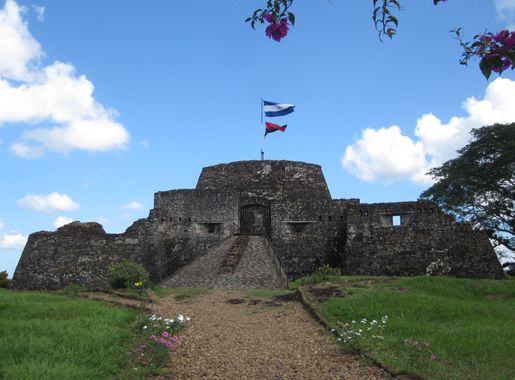
In the 17th century, the San Juan River Basin became a hotspot for pirate activity. The strategic importance of the river prompted the Spanish to build formidable fortifications, such as the Fortress of the Immaculate Conception (Castillo de la Inmaculada Concepción) in 1675. This fortress played a key role in defending the region from pirate incursions and British attacks.
-
In the mid-19th century, the San Juan River Basin was the stage for the infamous filibuster invasion led by American adventurer William Walker. In 1855, Walker and his mercenary forces sought to establish English-speaking colonies in Central America. After brief success in Nicaragua, Walker's regime was eventually overthrown, but the episode left a lasting impact on the region's political landscape.
-
Throughout the 19th and 20th centuries, the San Juan River Basin was considered a potential route for a transoceanic canal to rival the Panama Canal. Although the Nicaraguan Canal Project never came to fruition, the idea sparked international interest and investment. The legacy of these ambitious plans can still be felt in the region's infrastructure and economic development.
-
In recent decades, efforts have been made to preserve the rich biodiversity and cultural heritage of the San Juan River Basin. The region is home to numerous protected areas, such as the Indio Maíz Biological Reserve, which safeguard endangered species and indigenous lands. These conservation efforts aim to balance ecological sustainability with the cultural traditions of the local communities.
Neighbouring Regions of San Juan River Basin
The closest regions to San Juan River Basin, if you have time for more than one.



Your all‑in‑one travel companion app
Explore expert travel guides, compare and book tours, experiences, hotels, and more—all from the palm of your hand. Download now for seamless trip planning wherever your wanderlust takes you.


Explore More of Nicaragua
Looking beyond San Juan River Basin? Discover Nicaragua for broader travel guides, local hot-spots, and regional highlights.
Explore NicaraguaSan Juan River Basin in Photos
Browse through our photo collection highlighting the charm and character of the destination.




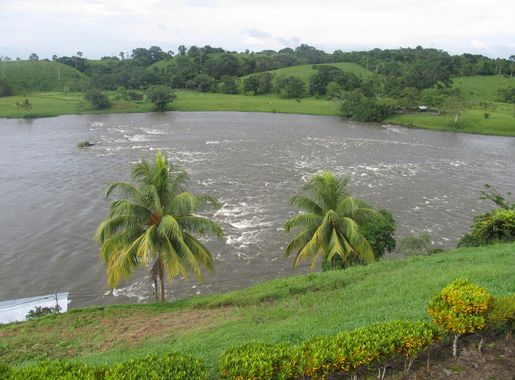


The Enchanting San Juan River Basin
The San Juan River Basin in Nicaragua is a hidden gem that offers a unique blend of natural beauty, rich history, and vibrant culture. Nestled in the heart of Central America, this river basin serves as a vital waterway, linking Lake Nicaragua to the Caribbean Sea. Its lush landscapes are home to a diverse range of wildlife, making it a paradise for nature lovers and adventure seekers alike. One of the main attractions of the San Juan River Basin is its pristine rainforests, which are teeming with exotic flora and fauna. Visitors can embark on guided jungle tours to explore these verdant surroundings, catching glimpses of monkeys, toucans, and even the elusive jaguar. The river itself is perfect for kayaking and boating, offering a serene way to take in the breathtaking scenery. History buffs will find the San Juan River Basin equally fascinating. The area is steeped in history, with numerous historical sites and forts that date back to the colonial era. The most notable of these is the Fortress of the Immaculate Conception, a well-preserved Spanish fort that provides stunning views of the river and surrounding jungle. For those interested in local culture, the river basin's small towns and villages offer a warm welcome and a chance to experience traditional Nicaraguan life. From sampling local cuisine to participating in cultural festivals, there is no shortage of ways to immerse oneself in the rich heritage of the region.