

Free Badlands Travel Guide & Mobile App
Explore Badlands with free travel guides. Discover regional history, expert tips, proposed trips, and audio guides on web or mobile app.


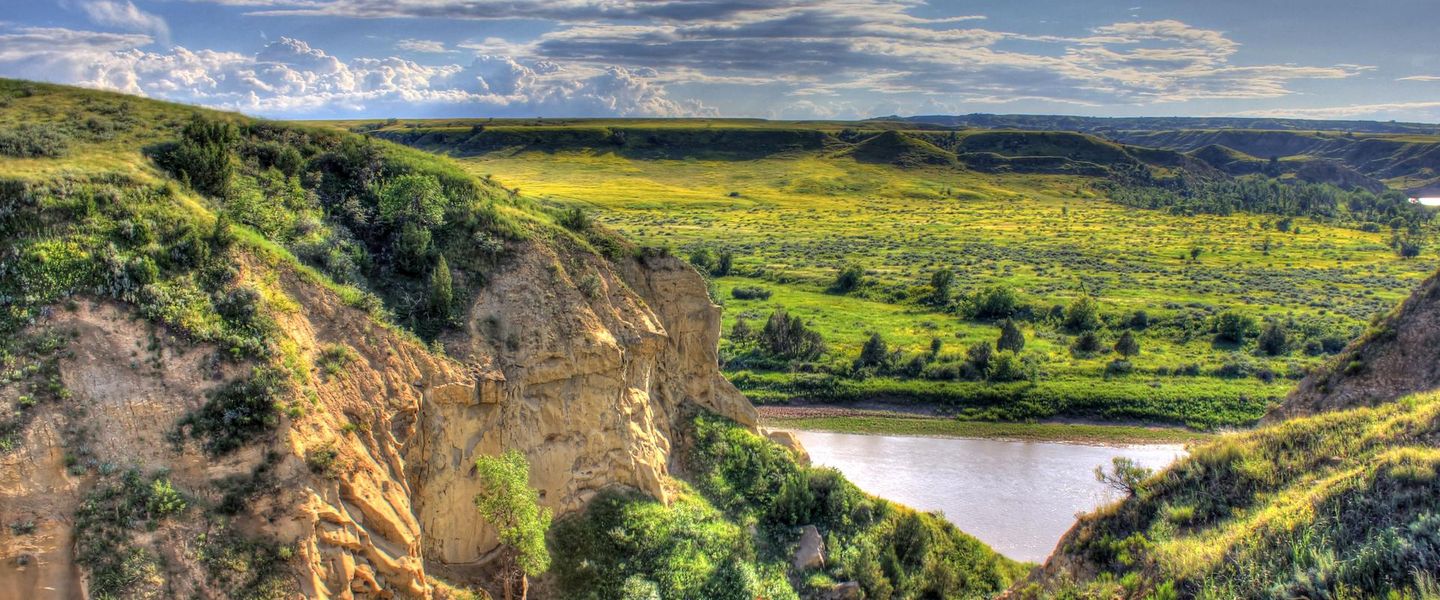


Explore North Dakota’s Badlands for Theodore Roosevelt history, wildlife, coloured buttes, prairie roads and wide-open western landscapes.
Read more about Badlands
Getting to and around Badlands
How to get there
Transportation
Top city travel guides in Badlands
The cities of Badlands, and the easiest places to base yourself.

Swipe for more cities
Destinations in Badlands
Resorts, valleys and scenic spots worth a trip of their own.
-

-


Swipe for more destinations
Best attractions in Badlands
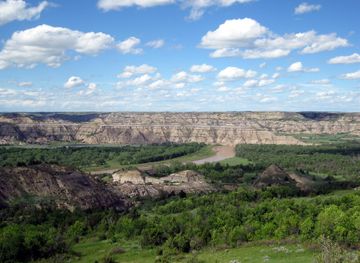
The Badlands’ principal attraction is Theodore Roosevelt National Park, whose South Unit near Medora and North Unit near Watford City offer contrasting ways to experience the Little Missouri landscape. Scenic drives, overlooks and short walks reveal layered buttes, grass-covered plateaux, cottonwood bottoms and changing views of the river valley, while longer trails lead into quieter country. Wildlife watching is central, with bison, pronghorn, mule deer, elk, wild horses and many prairie birds commonly associated with the park, although sightings are never guaranteed. Medora adds museums, historic buildings and seasonal cultural entertainment, including the town’s long-established musical theatre tradition. Outside the park, the Little Missouri National Grassland provides a much larger setting for hiking, camping, horseback riding, hunting where authorised and dispersed observation of prairie scenery. Geological interests include exposed sedimentary formations, coal beds and the erosion processes that continue to reshape the slopes. The region is best explored through a mixture of planned park visits and unhurried driving, with enough time for weather, wildlife and road conditions to alter the day’s schedule.
-
Tourist attraction
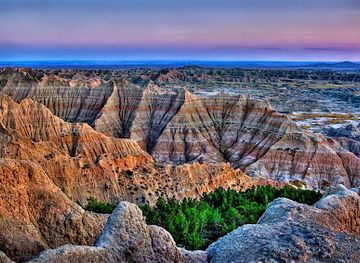
Badlands National Park
Explore the breathtaking beauty of Badlands National Park in South Dakota, where stunning landscapes meet diverse wildlife and endless outdoor adventures.
-
Tourist attraction
Theodore Roosevelt National Park
Explore Theodore Roosevelt National Park, where the rugged beauty of North Dakota meets rich wildlife and cultural history in an unforgettable outdoor experience.
-
Tourist attraction
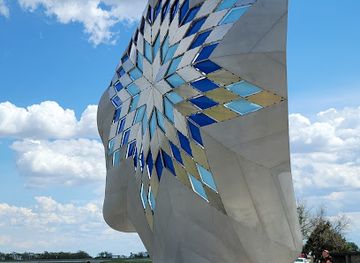
Dignity of Earth and Sky
Explore the Dignity of Earth and Sky, a breathtaking cultural landmark celebrating Native American heritage in Chamberlain, South Dakota.
-
Tourist attraction
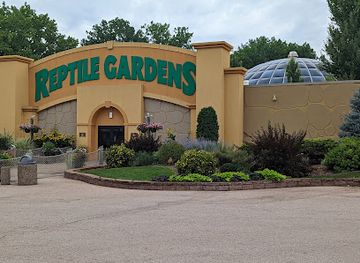
Reptile Gardens
Discover a captivating world of reptiles and exotic plants at Reptile Gardens in Rapid City, South Dakota, a family-friendly attraction for all ages.
Best landmarks in Badlands
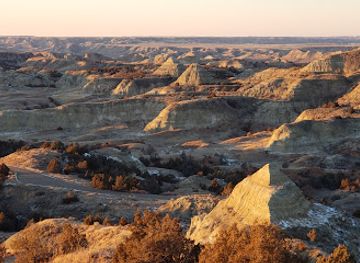
Theodore Roosevelt National Park’s layered badland formations are the region’s defining natural landmarks, especially the sharply eroded buttes and valley walls visible along the South Unit’s scenic road near Medora. The Little Missouri River provides the geographical thread connecting the park’s broken terrain, cottonwood groves and grassland plateaux. Roosevelt’s Maltese Cross Cabin, preserved in Medora, is a small but important historic landmark associated with Theodore Roosevelt’s first Dakota ranching period; the nearby town’s heritage buildings and museums develop that story further. In the North Unit, River Bend Overlook is recognised for its broad view across the Little Missouri valley and surrounding formations. The Painted Canyon viewpoint, reached from Interstate 94 east of Medora, presents a particularly accessible panorama of the region’s coloured strata, although it is outside Theodore Roosevelt National Park itself. Together these places show the Badlands as both a geological landscape and a setting shaped by ranching, conservation and presidential history.
-
Tourist attraction
Badlands National Park
Discover the breathtaking landscapes and unique geological wonders of Badlands National Park, a must-visit destination in South Dakota for nature lovers.
-
State park
Custer State Park
Discover the breathtaking beauty and adventure of Custer State Park in South Dakota, where stunning landscapes and wildlife await every traveler.
-
Tourist attraction
Black Hills National Forest
Discover the breathtaking landscapes, rich wildlife, and outdoor adventures waiting for you at Black Hills National Forest in South Dakota.
-
Tourist attraction
Theodore Roosevelt National Park
Explore the breathtaking landscapes and rich wildlife of Theodore Roosevelt National Park, a true gem of North Dakota’s natural beauty.


Explore Badlands on the map
Plan your trip on one map. See where the top cities, national parks and sights are, and book hotels and experiences in a few clicks.
Best hotels in Badlands
Best restaurants in Badlands
Dining in the Badlands reflects the hearty food culture of the northern Great Plains, with beef, bison, burgers, chilli, sandwiches and substantial breakfasts widely represented in cafés, grills and western-style restaurants. Medora has the region’s most concentrated visitor dining scene, ranging from casual meals and ice cream to establishments geared towards summer tourism, while Dickinson and Watford City provide broader choices outside the immediate park gateways. Local menus may feature bison or other prairie influences, but visitors should distinguish regional ingredients from dishes that are simply common across the American West. Ranch-country breakfasts, baked goods and coffee are useful staples for early starts, and picnic supplies are important for long drives and park outings. Seasonal restaurants and event-linked dining are more prominent in summer, whereas quieter periods can bring reduced choice in smaller communities. Farmers’ markets and local food outlets, where operating, offer a more direct connection to regional producers than souvenir-focused dining venues.
-
Inn
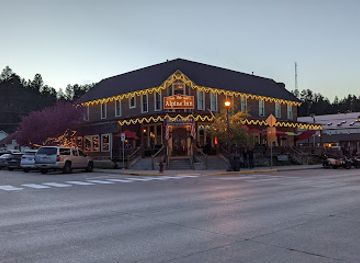
Alpine Inn
Discover comfort and charm at Alpine Inn in Hill City – your gateway to exploring South Dakota's stunning Black Hills.
-
Grill
Blue Moose Bar & Grill
Experience vibrant dining at Blue Moose Bar & Grill in East Grand Forks—famous for its unique burgers and lively atmosphere.
-
Bar
Full Throttle Saloon
Experience the thrill of biking culture at Full Throttle Saloon in South Dakota – great food, live music & unforgettable memories await!
-
American
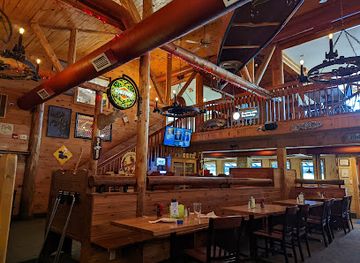
Buglin' Bull Restaurant and Sports Bar
Experience authentic American dining with family-friendly vibes at Buglin' Bull Restaurant and Sports Bar in Custer, SD.
Best bars in Badlands
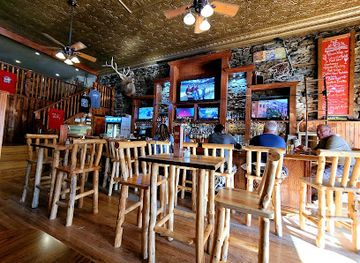
Nightlife in the Badlands is modest and town-centred rather than club-oriented. Medora’s evening activity is strongest during the main visitor season, when theatre, live entertainment, restaurants and western-themed venues keep the town active after sunset. Traditional bars and grills in Medora, Dickinson and Watford City serve as social spaces for residents, workers and visitors, while some dining venues offer locally brewed beer or familiar American drinks. Dickinson and Watford City have the broadest selection of late-evening establishments, but neither should be treated as a major national nightlife destination. In rural areas, evenings are more likely to involve a meal, conversation, a community event or stargazing than a nightclub. Travellers should check current seasonal arrangements locally, arrange a safe return to accommodation and avoid driving after drinking, particularly on dark roads where distances and wildlife create additional hazards.
-
Bar
Full Throttle Saloon
Experience the ultimate motorcycle culture at Full Throttle Saloon in South Dakota, a vibrant bar and grill with live music and camping!
-
Grill
Badlands Saloon & Grille
Discover the heart of Wall, South Dakota, at Badlands Saloon & Grille, where delicious grilled favorites meet a lively atmosphere.
-
Restaurant
Badlands Restaurant and Bar
Discover the vibrant culinary scene at Badlands Restaurant and Bar in Minot, ND, where delicious food meets warm hospitality.
-
Irish pub
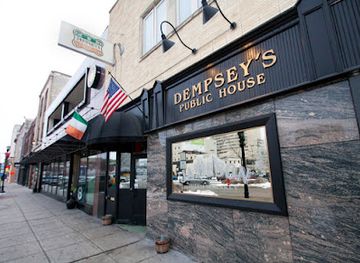
Dempsey's Public House
Experience the lively ambiance of Dempsey's Public House, Fargo's premier Irish pub offering delicious food, live music, and unforgettable nights out.
Best nightclubs in Badlands
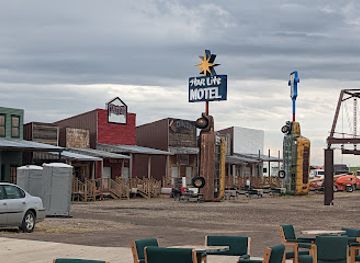
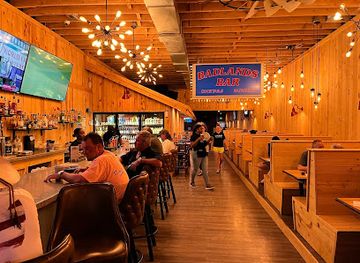
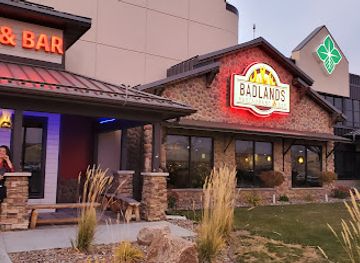
Nightlife in the Badlands is modest and town-centred rather than club-oriented. Medora’s evening activity is strongest during the main visitor season, when theatre, live entertainment, restaurants and western-themed venues keep the town active after sunset. Traditional bars and grills in Medora, Dickinson and Watford City serve as social spaces for residents, workers and visitors, while some dining venues offer locally brewed beer or familiar American drinks. Dickinson and Watford City have the broadest selection of late-evening establishments, but neither should be treated as a major national nightlife destination. In rural areas, evenings are more likely to involve a meal, conversation, a community event or stargazing than a nightclub. Travellers should check current seasonal arrangements locally, arrange a safe return to accommodation and avoid driving after drinking, particularly on dark roads where distances and wildlife create additional hazards.
-
Night club
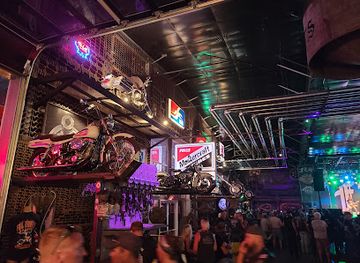
Full Throttle Saloon
Discover the vibrant energy of Full Throttle Saloon, the ultimate biker bar in South Dakota, offering live music, great food, and unforgettable camping experiences.
-
Grill
Badlands Saloon & Grille
Experience the true taste of South Dakota at Badlands Saloon & Grille, where hearty meals and a vibrant atmosphere await visitors.
-
Irish pub
Dempsey's Public House
Discover the lively atmosphere of Dempsey's Public House, a premier Irish pub in Fargo, offering delicious food, live music, and unforgettable nights out.
-
Bar
The Windbreak
Experience the pulse of Fargo at The Windbreak, a lively bar featuring local live music, craft drinks, and an inviting atmosphere perfect for tourists.

Best shops in Badlands
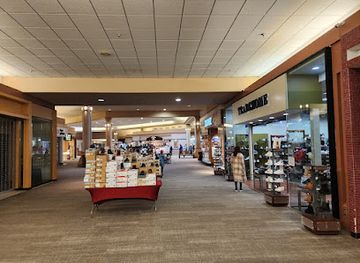
Shopping is concentrated in Medora, Dickinson and Watford City rather than spread through a network of large retail districts. Medora’s seasonal shops focus on books about Theodore Roosevelt and the Badlands, western clothing, Native-inspired and regional craft items, artwork, souvenirs and locally themed food products; visitors should buy respectfully and ask about provenance where cultural designs are involved. Dickinson offers more everyday retail, galleries, antiques and supplies for road travel, while Watford City serves as a practical northern service centre with a mixture of local businesses and general shops. Regional purchases can include North Dakota food products, prairie-themed art, leather goods, pottery, books and small ranch or wildlife souvenirs. Farmers’ markets and community markets may be available seasonally, but dates and locations vary. Because remote routes have few commercial stops, purchase fuel, water and basic provisions before leaving the larger towns, particularly when exploring the national grassland or the North Unit.
-
Shopping mall
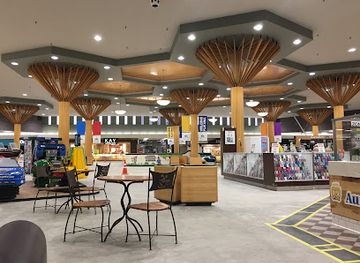
West Acres Mall
Experience the best shopping, dining, and entertainment at West Acres Mall in Fargo, your ultimate retail destination.
-
Drug store
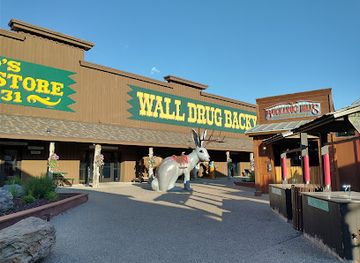
Wall Drug Store
Experience a slice of American history at Wall Drug Store, a quirky, must-visit tourist attraction in South Dakota offering shopping, dining, and art.
-
Shopping mall
Kirkwood Mall
Discover Kirkwood Mall, Bismarck's top shopping spot with unique stores, delicious dining, and a family-friendly atmosphere ideal for tourists.
-
Shopping mall
Columbia Mall
Explore Columbia Mall in Grand Forks for an unforgettable shopping and dining experience with something for everyone.

Get your free copy of our complete guide to Badlands, delivered straight to you.
Everything on this page, from attractions and restaurants to essentials and local phrases, in one PDF you can read offline, print or share.
Already have an account? Sign in
Your Badlands guide is ready.
We'll send it to · Not you? Sign out

Getting your guide ready…
We are putting together a fresh copy of the Badlands guide. This can take up to a minute.
This can take a few moments. If your browser asks, choose Allow so the download can start. You'll find the guide in your Downloads folder.
Nothing happened? Download it again
Sorry, the guide is taking longer than usual. Please try again in a minute, or get it by email instead.
Badlands essentials
Currency and Payment
Safety
Emergency Situations
Do's and Don'ts
Local Tips
From Eve
Local phrases worth knowing
You don't need to get them perfect. A few words go a long way, and locals appreciate the effort.
Basics
| English | Local | Say it |
|---|---|---|
| Hello | Howdy | [How-dee] |
| Goodbye | See ya later | [See ya lay-ter] |
| Yes | Yep | [Yep] |
| No | Nope | [Nope] |
| Please/You're welcome | Please/No problem | [Please/No prob-lem] |
| Thank you | Thanks a lot | [Thanks a lot] |
| Excuse me/Sorry | Pardon me/Sorry | [Par-don me/Sor-ree] |
| How are you? | How's it going? | [How's it go-ing?] |
| Fine. And you? | Good. And you? | [Good. And you?] |
| Do you speak English? | You speakin' English? | [You speak-in' English?] |
| I don't understand | I ain't gettin' it | [I ain't get-tin' it] |
Eating & Drinking
| English | Local | Say it |
|---|---|---|
| I'd like to see the menu, please | Can I see the menu, please? | [Can I see the men-u, please?] |
| I don't eat meat | I don't do meat | [I don't do meat] |
| Cheers! | Cheers! | [Cheers!] |
| I would like to pay, please | I'd like to settle up, please | [I'd like to set-tle up, please] |
Emergencies
| English | Local | Say it |
|---|---|---|
| Help! | Help! | [Help!] |
| Go away! | Get lost! | [Get lost!] |
| Call the Police! | Call the cops! | [Call the cops!] |
| Call a doctor! | Get a doc! | [Get a doc!] |
| I'm lost | I’m turned around | [I’m turned a-round] |
| I'm ill | I ain't feelin' good | [I ain't feel-in' good] |
Shopping
| English | Local | Say it |
|---|---|---|
| I'd like to buy... | I'm lookin' to buy... | [I'm look-in' to buy...] |
| I'm just looking | Just browsin' | [Just brow-zin'] |
| How much is it? | What’s the price? | [What’s the price?] |
| That's too expensive | That's way too high | [That's way too high] |
| Can you lower the price? | Can ya cut the price? | [Can ya cut the price?] |
Time & Numbers
| English | Local | Say it |
|---|---|---|
| What time is it? | What time ya got? | [What time ya got?] |
| It's one o'clock | It's one o'clock | [It's one o'clock] |
| Half past (10) | Half past ten | [Half past ten] |
| Morning | Mornin' | [Morn-in'] |
| Afternoon | Afternoon | [Af-ter-noon] |
| Evening | Evenin' | [Eve-nin'] |
| Yesterday | Yest'day | [Yest'-day] |
| Today | Today | [To-day] |
| Tomorrow | Tomorrah | [To-mor-rah] |
| 1 | One | [One] |
| 2 | Two | [Two] |
| 3 | Three | [Three] |
| 4 | Four | [Four] |
| 5 | Five | [Five] |
| 6 | Six | [Six] |
| 7 | Seven | [Seven] |
| 8 | Eight | [Eight] |
| 9 | Nine | [Nine] |
| 10 | Ten | [Ten] |
Transport & Directions
| English | Local | Say it |
|---|---|---|
| Where's a/the...? | Where's a...? | [Where's a...?] |
| What's the address? | What's the address? | [What's the ad-dress?] |
| Can you show me (on the map)? | Can ya point it out? | [Can ya point it out?] |
| When's the next (bus)? | When's the next bus? | [When's the next bus?] |
| A ticket (to ....) | A ticket to... | [A tick-et to...] |
History of Badlands
Indigenous Homelands and River Corridors
The Badlands lie within the long-used homelands and travel networks of Indigenous peoples, including communities associated with the Mandan, Hidatsa, Arikara, Lakota and Dakota histories of the northern Great Plains. The Little Missouri River and its tributary valleys provided routes through otherwise open country, while the surrounding grasslands supported hunting and seasonal movement. Indigenous knowledge of water, weather, plants and animals remains an essential part of understanding the landscape. The region’s later ranching and tourism narratives should therefore be viewed alongside, not in place of, its much older Indigenous history.
Fur Trade, Exploration and the Little Missouri
During the nineteenth century, traders, military expeditions and surveyors travelled through the Little Missouri country as the United States expanded across the northern plains. The river valleys were difficult to cross but served as corridors through the broken terrain. Maps, military reports and commercial travel gradually made the area better known to outsiders, while treaty-making and federal expansion profoundly disrupted Indigenous political control and land use. The period established many of the routes and place associations later used by ranchers, settlers and visitors.
Theodore Roosevelt in the Badlands, 1883–1887
The future US president Theodore Roosevelt first came to the Badlands in 1883 to hunt bison and later invested in cattle ranches in the Little Missouri region. His time there followed personal bereavement and helped shape his public image as a strenuous outdoorsman. The ranching venture was not permanently successful, particularly after severe winters and the difficult economics of open-range cattle raising, but Roosevelt retained a lasting attachment to the landscape. His experiences later influenced his conservation policies and helped give the region national significance.
Open-Range Ranching and Settlement
Late nineteenth-century settlement brought cattle operations, homesteads, rail connections and small commercial communities to western North Dakota. Ranching adapted to the Badlands’ broken topography and limited water, with the Little Missouri River and scattered springs especially important. Harsh winters, drought and fluctuating markets repeatedly tested the industry, while fencing and changing land laws altered the open range. Working ranches remain part of the region’s identity, although modern operations and land use are very different from the short-lived cattle boom associated with Roosevelt’s era.
Medora and the Growth of Heritage Tourism
Medora developed as a service and ranching settlement and later became the principal visitor gateway to the South Unit of Theodore Roosevelt National Park. The town’s historic associations, museums and summer entertainment helped transform a small western community into a heritage-tourism centre. The Medora Musical, introduced in the twentieth century, built a seasonal cultural economy around regional history and patriotic western spectacle. Today, tourism operates alongside ranching and public-land management, with the town serving visitors exploring both the national park and the wider Little Missouri landscape.
Theodore Roosevelt National Park and Conservation
The protected landscape began as Roosevelt Recreation Demonstration Area in 1947 and was redesignated Theodore Roosevelt National Memorial Park in 1949; it became Theodore Roosevelt National Park in 1978. The park preserves badlands scenery, mixed-grass prairie and wildlife habitat associated with the Little Missouri River. Its establishment reflected the growing American conservation movement and the symbolic importance of Roosevelt’s connection with the area. The park also illustrates the continuing challenges of managing bison, wild horses, fire, invasive plants, drought and visitor access in an arid, changing environment.
Badlands in Photos
Browse through our photo collection highlighting the charm and character of the destination.
Neighbouring regions of Badlands
The closest regions to Badlands, if you have time for more than one.
-

-

-
-

-


Swipe for more regions
Explore more
Explore more of North Dakota
Discover the rugged beauty, rich history, and warm hospitality of North Dakota, the untamed frontier of the United States.
Explore North Dakota