

Maah Daah Hey Trail Travel Guide - Free Web & App
Your ultimate guide to Maah Daah Hey Trail. Discover top landmarks, proposed trips, and local tips. Free on the web or via the Evendo companion app.


Explore the Maah Daah Hey Trail in North Dakota: A Scenic Adventure Through the Badlands, Perfect for Hiking, Biking, and Horseback Riding Enthusiasts.
Read more about Maah Daah Hey Trail
When is the best time to visit Maah Daah Hey Trail?
Best: June–August · 24–27°C| Month | High (°C) | Rainfall (mm) |
|---|---|---|
| January | -4 | 13 |
| February | -2 | 11 |
| March | 6 | 15 |
| April | 14 | 20 |
| May | 19 | 31 |
| June (best) | 24 | 41 |
| July (best) | 27 | 36 |
| August (best) | 26 | 31 |
| September | 20 | 25 |
| October | 14 | 20 |
| November | 4 | 15 |
| December | -2 | 13 |
Getting to and around Maah Daah Hey Trail
How to get there
Transportation
Best attractions in Maah Daah Hey Trail
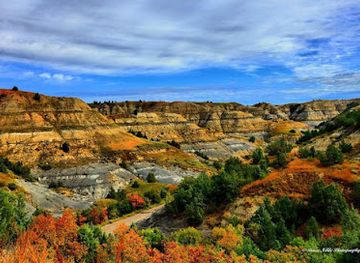
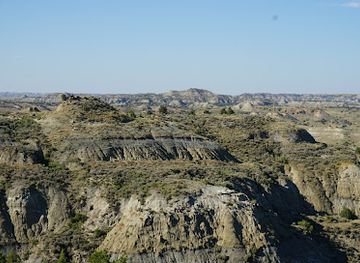
Maah Daah Hey Trail offers visitors a rugged and breathtaking adventure through the Badlands of North Dakota, showcasing stunning views of canyons, cliffs, and prairies. The trail is perfect for hiking, mountain biking, and horseback riding, with opportunities to spot wildlife such as bison, elk, and wild horses. Visitors can explore unique rock formations, historic sites, and Native American petroglyphs along the way, immersing themselves in the rich history and natural beauty of the area.
-
National reserve
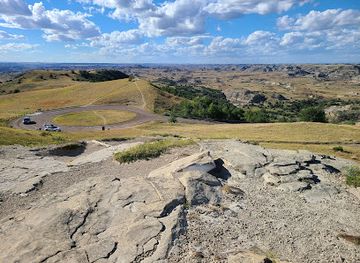
Theodore Roosevelt National Park, South Unit.
Discover the breathtaking landscapes and rich wildlife of Theodore Roosevelt National Park, South Unit - a true gem of North Dakota's natural beauty.
-
Visitor center
South Unit Visitor Center
Explore the South Unit Visitor Center in Medora, ND, your gateway to the majestic landscapes and rich wildlife of Theodore Roosevelt National Park.
-
Tourist attraction
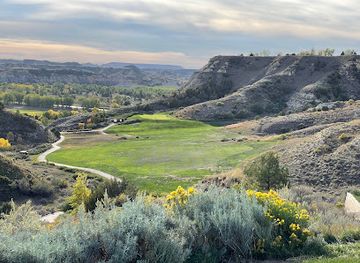
Bully Pulpit Golf Course
Discover the stunning Bully Pulpit Golf Course, where breathtaking landscapes meet a world-class golfing experience in North Dakota's Badlands.
-
Local history museum
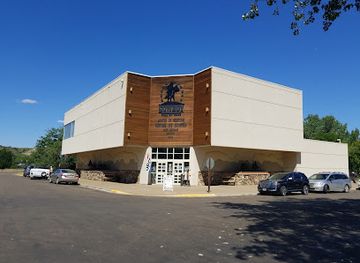
North Dakota Cowboy Hall of Fame
Explore the North Dakota Cowboy Hall of Fame, where rich cowboy culture and Native American traditions come to life in the heart of Medora.
Best landmarks in Maah Daah Hey Trail
Maah Daah Hey Trail offers visitors a rugged and breathtaking landscape filled with unique geological formations, stunning badlands scenery, and an abundance of wildlife. From the towering rock formations of Sentinel Butte to the serene Little Missouri River, visitors can expect to be immersed in the natural beauty of North Dakota. The trail also showcases historical sites such as old homesteads and Native American rock art, providing a glimpse into the region's rich cultural past. Whether hiking, biking, or horseback riding, adventurers will be captivated by the raw beauty and untamed wilderness of Maah Daah Hey Trail.
Explore Maah Daah Hey Trail on the map
Plan your trip on one map. See where the top attractions, landmarks, restaurants and hotels are, and book hotels and experiences in a few clicks.
Best hotels in Maah Daah Hey Trail
Best bars in Maah Daah Hey Trail
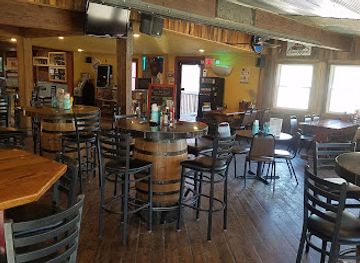
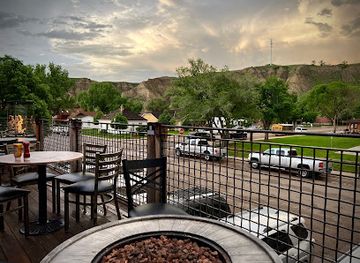
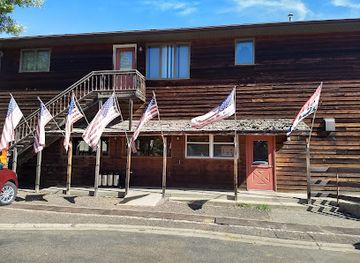
The nightlife scene of Maah Daah Hey Trail offers a unique experience for visitors, with a variety of cozy bars and lively nightclubs scattered throughout the area. From rustic saloons serving up local brews to modern cocktail lounges with live music, there is something for everyone to enjoy after a day of exploring the beautiful trail. Whether you're looking to unwind with a drink by the campfire or dance the night away, Maah Daah Hey Trail's nightlife scene is sure to leave a lasting impression on all who visit.
-
Grill
Boots Bar & Grill
Experience the essence of North Dakota at Boots Bar & Grill, where delicious grilled dishes and local charm await in Medora.
-
Grill
Little Missouri Saloon & Dining Room
Discover the heart of Medora at Little Missouri Saloon & Dining Room, where rustic charm meets delicious American cuisine.
-
Family-friendly
Cowboy Cafe
Experience a taste of the Wild West at Cowboy Cafe in Medora, ND, offering hearty meals in a family-friendly atmosphere.
-
Pizza
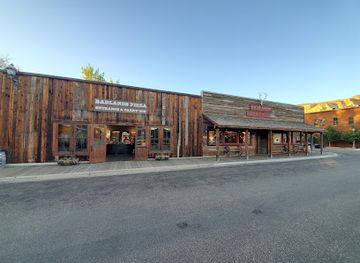
Badlands Pizza Parlor
Experience the taste of the Badlands with delicious pizzas and a cozy atmosphere at Badlands Pizza Parlor in Medora, North Dakota.
Best shops in Maah Daah Hey Trail
Embark on a unique shopping experience along Maah Daah Hey Trail, where you can discover locally made souvenirs, handcrafted jewelry, and authentic Native American artwork. Browse through charming boutiques and galleries showcasing the rich cultural heritage of the region, and pick up one-of-a-kind treasures to cherish as mementos of your journey through this picturesque landscape.
-
Coffee shop
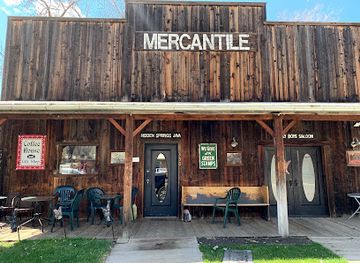
Hidden Springs Java
Experience the rich flavors and cozy ambiance of Hidden Springs Java in Medora, North Dakota – a top destination for coffee lovers.
-
Restaurant
Hatlee & Brae (Ice Cream, Coffee & Gifts)
Discover the charm of Hatlee & Brae in Medora, where delicious ice cream and coffee meet unique gifts in a cozy atmosphere.
-
Dessert shop
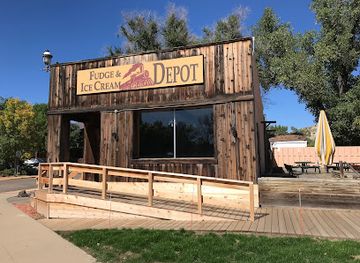
Fudge & Ice Cream Depot
Experience homemade fudge and creamy ice cream delights in Medora, North Dakota's Fudge & Ice Cream Depot, a sweet treat for every traveler.
-
Gift shop
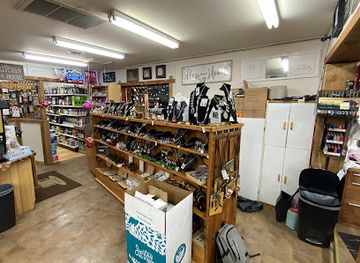
Medora Convenience & Liquor Store
Explore the Medora Convenience & Liquor Store for unique gifts, local brews, and essentials, all in one welcoming stop in scenic Medora.
Get your free copy of our complete guide to Maah Daah Hey Trail, delivered straight to you.
Everything on this page, from attractions and restaurants to essentials and local phrases, in one PDF you can read offline, print or share.
Already have an account? Sign in
Your Maah Daah Hey Trail guide is ready.
We'll send it to · Not you? Sign out

Getting your guide ready…
We are putting together a fresh copy of the Maah Daah Hey Trail guide. This can take up to a minute.
This can take a few moments. If your browser asks, choose Allow so the download can start. You'll find the guide in your Downloads folder.
Nothing happened? Download it again
Sorry, the guide is taking longer than usual. Please try again in a minute, or get it by email instead.
Maah Daah Hey Trail essentials
Currency and Payment
Safety
Emergency Situations
Do's and Don'ts
Local Tips
From Eve
Local phrases worth knowing
You don't need to get them perfect. A few words go a long way, and locals appreciate the effort.
Basics
| English | Local | Say it |
|---|---|---|
| Hello | Howdy | [haw-dee] |
| Goodbye | See ya | [see yah] |
| Yes | Yup | [yuhp] |
| No | Nope | [nohp] |
| Please/You're welcome | Please/You're welcome | [please/yer welcome] |
| Thank you | Thanks | [thaynks] |
| Excuse me/Sorry | Pardon | [par-dun] |
| How are you? | Howdy | [haw-dee] |
| Fine. And you? | Fine. And you? | [fine. and yuh] |
| Do you speak English? | Ya speak English? | [yah speak ing-lish] |
| I don't understand | I don't getcha | [ah don't getch-uh] |
Eating & Drinking
| English | Local | Say it |
|---|---|---|
| I'd like to see the menu, please | Show me the grub list, please | [shoh me the gruhb list, please] |
| I don't eat meat | I don't eat meat | [ah don't eat meet] |
| Cheers! | Cheers! | [cheers] |
| I would like to pay, please | I'll settle up, please | [ahll set-tul up, please] |
Emergencies
| English | Local | Say it |
|---|---|---|
| Help! | Help! | [help] |
| Go away! | Git! | [git] |
| Call the Police! | Get the law! | [get the law] |
| Call a doctor! | Get the doc! | [get the doc] |
| I'm lost | I'm turned around | [ahm turned around] |
| I'm ill | I'm feelin' poorly | [ahm feel-in' poor-lee] |
Shopping
| English | Local | Say it |
|---|---|---|
| I'd like to buy... | I'm fixin' to buy... | [ahm fix-in' tuh buy...] |
| I'm just looking | I'm just lookin' | [ahm just look-in'] |
| How much is it? | How much for it? | [how much fer it?] |
| That's too expensive | That's steep | [thats steep] |
| Can you lower the price? | Can ya budge on the price? | [can yuh buhj on the price?] |
Time & Numbers
| English | Local | Say it |
|---|---|---|
| What time is it? | What's the time? | [whats the time] |
| It's one o'clock | It's one | [its one] |
| Half past (10) | Half past (10) | [half past (10)] |
| Morning | Mornin' | [mornin'] |
| Afternoon | Afternoon | [afternoon] |
| Evening | Evenin' | [evenin'] |
| Yesterday | Yest'day | [yest-day] |
| Today | Today | [today] |
| Tomorrow | Mornin' | [mornin'] |
| 1 | 1 | [1] |
| 2 | 2 | [2] |
| 3 | 3 | [3] |
| 4 | 4 | [4] |
| 5 | 5 | [5] |
| 6 | 6 | [6] |
| 7 | 7 | [7] |
| 8 | 8 | [8] |
| 9 | 9 | [9] |
| 10 | 10 | [10] |
Transport & Directions
| English | Local | Say it |
|---|---|---|
| Where's a/the...? | Where's the...? | [wheres the] |
| What's the address? | Where's the address? | [wheres the address] |
| Can you show me (on the map)? | Can you show me (on the map)? | [can yuh show me (on the map)] |
| When's the next (bus)? | When's the next (bus)? | [whens the next (bus)] |
| A ticket (to ....) | A ticket (to ....) | [a ticket (to)] |
History of Maah Daah Hey Trail
Native American Heritage
The Maah Daah Hey Trail winds through lands that were once home to the Mandan, Hidatsa, and Arikara tribes. These tribes have a rich history that dates back thousands of years, with archaeological evidence of their settlements found throughout the region. The name 'Maah Daah Hey' itself is derived from the Mandan language, meaning 'an area that has been or will be around for a long time.' The trail provides a glimpse into the cultural and spiritual life of these tribes, who relied on the natural resources of the Badlands for survival.
The Lewis and Clark Expedition
In the early 1800s, the Maah Daah Hey region was traversed by the Lewis and Clark Expedition. The explorers documented the landscape and indigenous peoples, providing some of the first recorded descriptions of the area. Their journey through the Badlands added to the United States' understanding of the western territories and paved the way for future exploration and settlement.
The Arrival of the Northern Pacific Railway
The late 19th century saw the arrival of the Northern Pacific Railway, which significantly impacted the development of the Maah Daah Hey region. The railway brought settlers, commerce, and industry to the area, transforming the landscape and economy. The construction of the railway also led to conflicts with the native tribes, who were gradually displaced from their ancestral lands.
Theodore Roosevelt and the Badlands
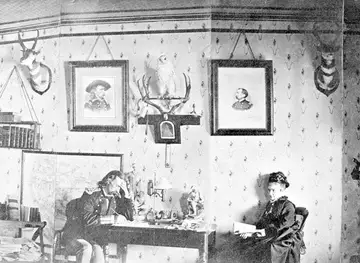
Theodore Roosevelt's connection to the Maah Daah Hey Trail is a significant part of its history. After suffering personal tragedies, Roosevelt retreated to the Badlands in the 1880s, where he found solace and inspiration. His experiences in the rugged terrain influenced his conservation policies as President of the United States. The Theodore Roosevelt National Park, through which parts of the Maah Daah Hey Trail run, stands as a testament to his enduring legacy.
The Establishment of the Maah Daah Hey Trail
The Maah Daah Hey Trail was officially established in 1999, thanks to the collaborative efforts of local communities, government agencies, and conservation groups. The trail was designed to promote outdoor recreation while preserving the natural beauty and historical significance of the Badlands. Stretching over 140 miles, it connects the North and South units of Theodore Roosevelt National Park and offers hikers, bikers, and horseback riders an immersive experience in the landscape's diverse ecosystems.
Cultural and Recreational Significance Today
Today, the Maah Daah Hey Trail is a cultural and recreational treasure. It hosts various events, such as the Maah Daah Hey 100 mountain bike race and the Maah Daah Hey Trail Run, attracting outdoor enthusiasts from around the world. The trail also serves as a living museum, where visitors can learn about the history, geology, and ecology of the North Dakota Badlands. The ongoing efforts to maintain and protect the trail ensure that it remains a vital part of the region's heritage.
Maah Daah Hey Trail in Photos
Browse through our photo collection highlighting the charm and character of the destination.
Neighbouring destination travel guides
The closest destinations to Maah Daah Hey Trail, if you have time for more than one.
-

-

-
-

-


Swipe for more destinations
Explore more
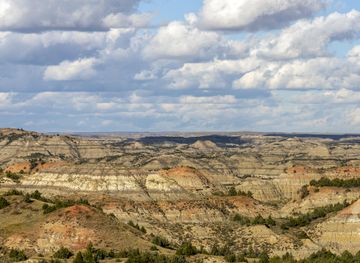
Explore more of Theodore Roosevelt National Park
Explore the rugged landscapes and abundant wildlife of Theodore Roosevelt National Park in North Dakota, where history and nature intertwine.
Explore Theodore Roosevelt National Park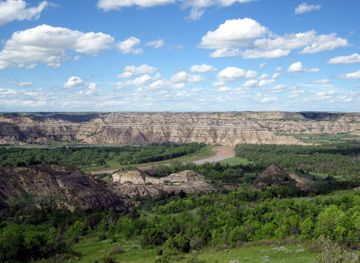
Explore more of North Dakota
Discover the rugged beauty, rich history, and warm hospitality of North Dakota, the untamed frontier of the United States.
Explore North Dakota