

Lake Sakakawea Travel Guide - Free Web & App
Your ultimate guide to Lake Sakakawea. Discover top landmarks, proposed trips, and local tips. Free on the web or via the Evendo companion app.


Discover Lake Sakakawea, North Dakota's premier destination for fishing, boating, hiking, and camping, set amidst stunning natural beauty and rich cultural history.
Read more about Lake Sakakawea
When is the best time to visit Lake Sakakawea?
Best: June–August · 24–28°C| Month | High (°C) | Rainfall (mm) |
|---|---|---|
| January | -6 | 16 |
| February | -4 | 12 |
| March | 5 | 20 |
| April | 13 | 31 |
| May | 20 | 51 |
| June (best) | 24 | 61 |
| July (best) | 28 | 56 |
| August (best) | 26 | 48 |
| September | 19 | 41 |
| October | 12 | 28 |
| November | 2 | 21 |
| December | -4 | 15 |
Getting to and around Lake Sakakawea
How to get there
Transportation
Best attractions in Lake Sakakawea
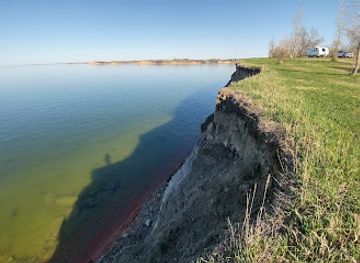
Lake Sakakawea in North Dakota offers visitors a unique blend of outdoor adventure and historical exploration. With over 1,300 miles of shoreline, the lake provides ample opportunities for fishing, boating, and water sports. Surrounding the lake are picturesque hiking trails, perfect for nature enthusiasts. History buffs will appreciate the nearby Lewis and Clark Interpretive Center, which showcases the journey of the famous explorers. Additionally, the area is home to Native American heritage sites, such as the Knife River Indian Villages National Historic Site. Whether you're seeking outdoor thrills or cultural experiences, Lake Sakakawea has something for everyone.
-
Lake Sakakawea State Park
Discover the scenic beauty and outdoor adventures at Lake Sakakawea State Park in North Dakota, a perfect getaway for nature lovers and adventure seekers.
-
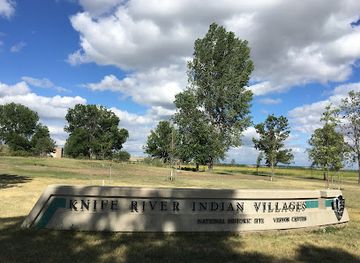
Knife River Indian Villages National Historic Site
Immerse yourself in the history and culture of the Northern Plains tribes at Knife River Indian Villages National Historic Site, a true gem in North Dakota.
-
Fort Stevenson State Park
Explore Fort Stevenson State Park: Where Adventure Meets Natural Beauty on Lake Sakakawea.
-
Fort Mandan State Historic Site
Discover the historic Fort Mandan in North Dakota, where the legacy of the Lewis and Clark Expedition comes to life in a captivating setting.
Best landmarks in Lake Sakakawea
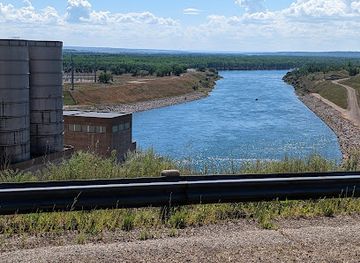
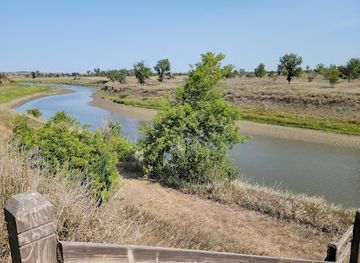
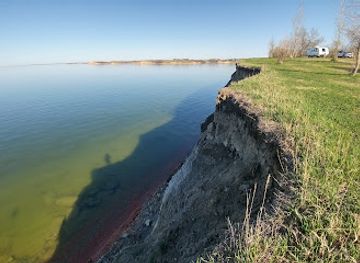
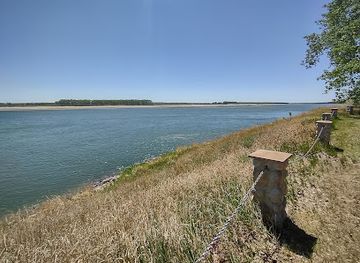
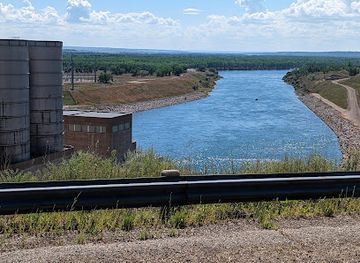
The landmarks of Lake Sakakawea offer visitors a captivating blend of natural beauty and historical significance. From the majestic Garrison Dam to the picturesque Four Bears Bridge, visitors can marvel at the engineering feats that shaped the landscape. Explore the Lewis and Clark Interpretive Center to learn about the expedition that passed through the area, or take a scenic drive along the rugged Maah Daah Hey Trail for stunning views of the Badlands. Whether you're interested in outdoor adventures, cultural experiences, or simply relaxing by the water, Lake Sakakawea has something for everyone to enjoy.
-
State park
Lake Sakakawea State Park
Explore the serene landscapes and outdoor adventures at Lake Sakakawea State Park, a true gem in North Dakota's natural beauty.
-
Historical place
Knife River Indian Villages National Historic Site
Discover the cultural heritage of the Hidatsa and Mandan tribes at Knife River Indian Villages National Historic Site in North Dakota, a blend of history and nature.
-
State park
Fort Stevenson State Park
Explore the wonders of Fort Stevenson State Park, where outdoor adventures meet rich history in the heart of North Dakota.
Explore Lake Sakakawea on the map
Plan your trip on one map. See where the top attractions, landmarks, restaurants and hotels are, and book hotels and experiences in a few clicks.
Best hotels in Lake Sakakawea
Best restaurants in Lake Sakakawea
The dining scene at Lake Sakakawea offers a delightful mix of local flavors and classic American cuisine, with waterfront views that enhance the dining experience. Visitors can enjoy fresh seafood dishes at lakeside restaurants, indulge in juicy steaks at rustic lodges, or savor homemade pies at charming cafes. With a focus on farm-to-table ingredients and a welcoming atmosphere, dining at Lake Sakakawea is a memorable experience that showcases the region's culinary diversity.
-
Grill
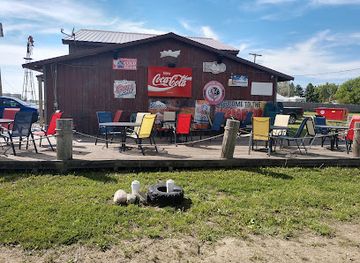
Totten Trail
Experience authentic North Dakota cuisine at Totten Trail – your perfect grill and campground destination for adventure and relaxation.
-
Fast Food
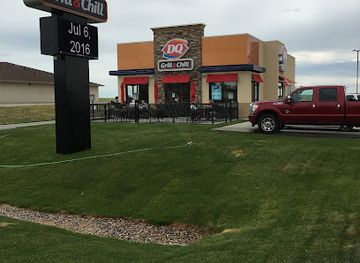
Dairy Queen Grill & Chill
Savor fast food favorites and creamy ice cream delights at Dairy Queen Grill & Chill in Garrison - perfect for every traveler!
Best bars in Lake Sakakawea
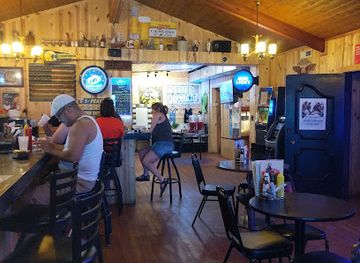
When the sun sets over Lake Sakakawea, the nightlife scene comes alive with a variety of bars and clubs offering entertainment for every taste. From cozy waterfront pubs serving local craft beers to lively dance clubs with live music and DJs, visitors can expect a vibrant atmosphere and friendly locals eager to show off their favorite spots. Whether you're looking to unwind with a cocktail while enjoying stunning lake views or dance the night away with new friends, Lake Sakakawea's nightlife scene has something for everyone.
-
Grill
Totten Trail
Experience the charm of Totten Trail, where delicious grilled meals meet the beauty of North Dakota's nature in a perfect getaway.
-
Grill
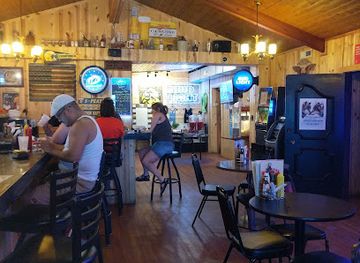
Harbor Bar
Experience delicious grill favorites at Harbor Bar in Coleharbor, North Dakota, where fresh ingredients and a welcoming atmosphere await.
-
Grill
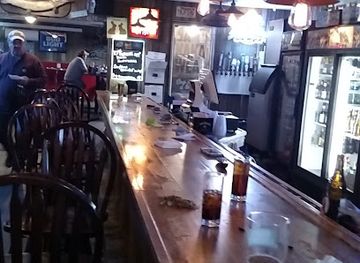
Littles Bar & Grill
Experience the warmth of North Dakota at Littles Bar & Grill, where delicious grilled dishes meet a lively atmosphere.
-
Grill
Riverdale High Lodge & Knights Bar & Grill
Discover Riverdale High Lodge & Knights Bar & Grill, where delicious grilled cuisine meets a charming event venue in scenic North Dakota.
Best nightclubs in Lake Sakakawea
When the sun sets over Lake Sakakawea, the nightlife scene comes alive with a variety of bars and clubs offering entertainment for every taste. From cozy waterfront pubs serving local craft beers to lively dance clubs with live music and DJs, visitors can expect a vibrant atmosphere and friendly locals eager to show off their favorite spots. Whether you're looking to unwind with a cocktail while enjoying stunning lake views or dance the night away with new friends, Lake Sakakawea's nightlife scene has something for everyone.
Best shops in Lake Sakakawea
The shopping scene at Lake Sakakawea offers a unique blend of local charm and modern convenience. Visitors can explore quaint boutiques and souvenir shops, where they can find handcrafted items and one-of-a-kind treasures. For those looking for more mainstream options, there are also larger stores and shopping centers with a variety of goods to choose from. Whether you're in search of a special gift or simply want to indulge in some retail therapy, Lake Sakakawea's shopping scene has something for everyone to enjoy.
-
State park
Lake Sakakawea State Park
Unveil the stunning landscapes and diverse recreational activities at Lake Sakakawea State Park, North Dakota's outdoor paradise.
-
American
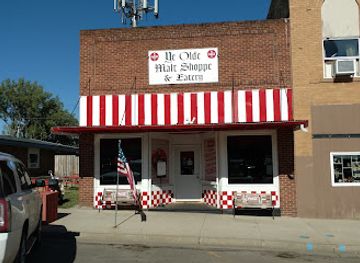
Ye Olde Malt Shoppe
Indulge in classic American breakfasts and delightful homemade ice cream at Ye Olde Malt Shoppe in Garrison, ND.
-
Resort hotel
Indian Hills Resort
Discover the beauty of North Dakota at Indian Hills Resort, your ultimate destination for relaxation, adventure, and unforgettable memories.
-
Campground
Dakota Waters Resort
Discover Dakota Waters Resort: A serene campground in North Dakota offering fishing, hiking, and cozy accommodations amidst nature's beauty.
Get your free copy of our complete guide to Lake Sakakawea, delivered straight to you.
Everything on this page, from attractions and restaurants to essentials and local phrases, in one PDF you can read offline, print or share.
Already have an account? Sign in
Your Lake Sakakawea guide is ready.
We'll send it to · Not you? Sign out

Getting your guide ready…
We are putting together a fresh copy of the Lake Sakakawea guide. This can take up to a minute.
This can take a few moments. If your browser asks, choose Allow so the download can start. You'll find the guide in your Downloads folder.
Nothing happened? Download it again
Sorry, the guide is taking longer than usual. Please try again in a minute, or get it by email instead.
Lake Sakakawea essentials
Currency and Payment
Safety
Emergency Situations
Do's and Don'ts
Local Tips
From Eve
Local phrases worth knowing
You don't need to get them perfect. A few words go a long way, and locals appreciate the effort.
Basics
| English | Local | Say it |
|---|---|---|
| Hello | Howdy | [haw-dee] |
| Goodbye | See ya | [see yah] |
| Yes | Yah | [yah] |
| No | Nah | [nah] |
| Please/You're welcome | Please/You're welcome | [pleez/yur wel-come] |
| Thank you | Thanks a lot | [thanks uh lot] |
| Excuse me/Sorry | Pardon/Sorry | [par-dun/sor-ree] |
| How are you? | How ya doin'? | [how yah doo-in] |
| Fine. And you? | Fine. How 'bout you? | [fine. how bout yah] |
| Do you speak English? | Ya speak English? | [yah speak ing-glish] |
| I don't understand | I ain't gettin' it | [I aint get-tin it] |
Eating & Drinking
| English | Local | Say it |
|---|---|---|
| I'd like to see the menu, please | Can I take a gander at the menu? | [can I take uh gan-der at the menu] |
| I don't eat meat | I don't do meat | [I dont do meat] |
| Cheers! | Cheers! | [cheers] |
| I would like to pay, please | I'll settle up now, please | [I'll set-tle up now please] |
Emergencies
| English | Local | Say it |
|---|---|---|
| Help! | Help! | [help] |
| Go away! | Get outta here! | [get out-ta here] |
| Call the Police! | Get the cops! | [get the cops] |
| Call a doctor! | Get the doc! | [get the doc] |
| I'm lost | I'm all turned around | [I'm all turned around] |
| I'm ill | I'm feelin' poorly | [I'm feelin poorly] |
Shopping
| English | Local | Say it |
|---|---|---|
| I'd like to buy... | I'm lookin' to purchase... | [I'm lookin to pur-chase] |
| I'm just looking | Just browsin' | [just brow-sin] |
| How much is it? | What's the damage? | [whats the dam-age] |
| That's too expensive | That's a bit steep | [thats uh bit steep] |
| Can you lower the price? | Can ya cut me a deal? | [can yah cut me uh deal] |
Time & Numbers
| English | Local | Say it |
|---|---|---|
| What time is it? | What's the time? | [whats the time] |
| It's one o'clock | It's one | [its one] |
| Half past (10) | Ten-thirty | [ten-thur-tee] |
| Morning | Mornin' | [mornin] |
| Afternoon | Afternoon | [after-noon] |
| Evening | Evenin' | [evenin] |
| Yesterday | Yesterday | [yester-day] |
| Today | Today | [to-day] |
| Tomorrow | Tomorrow | [to-mor-row] |
| 1 | One | [wun] |
| 2 | Two | [too] |
| 3 | Three | [three] |
| 4 | Four | [four] |
| 5 | Five | [five] |
| 6 | Six | [six] |
| 7 | Seven | [seven] |
| 8 | Eight | [ate] |
| 9 | Nine | [nine] |
| 10 | Ten | [ten] |
Transport & Directions
| English | Local | Say it |
|---|---|---|
| Where's a/the...? | Where's the...? | [wheres the] |
| What's the address? | What's the addy? | [whats the addy] |
| Can you show me (on the map)? | Can ya point it out (on the map)? | [can yah point it out on the map] |
| When's the next (bus)? | When's the next (bus)? | [whens the next bus] |
| A ticket (to ....) | A ticket (to ....) | [uh ticket to] |
History of Lake Sakakawea
Formation of Lake Sakakawea
Lake Sakakawea, named after the Shoshone-Hidatsa woman who accompanied the Lewis and Clark Expedition, was formed as a result of the Garrison Dam construction on the Missouri River. Completed in 1956, the dam is one of the largest earth-filled dams in the world. The creation of the lake led to the flooding of numerous towns and displacing of communities, including the Fort Berthold Indian Reservation.
Lewis and Clark Expedition
Before the formation of Lake Sakakawea, the region was a significant part of the route taken by the Lewis and Clark Expedition from 1804 to 1806. The expedition's interaction with the Native American tribes in the area, including the Mandan and Hidatsa, was crucial for their journey westward. Sakakawea herself played a key role as an interpreter and guide.
The Impact on Native American Communities
The creation of Lake Sakakawea had profound effects on the Native American tribes in the region, particularly the Three Affiliated Tribes: the Mandan, Hidatsa, and Arikara Nation. The flooding of their ancestral lands led to loss of homes, farmlands, and cultural sites, forcing them to relocate to higher grounds within the Fort Berthold Indian Reservation.
Garrison Dam and Hydroelectric Power
The Garrison Dam, which led to the formation of Lake Sakakawea, is a pivotal structure for hydroelectric power in the region. The dam's power plant has a capacity of 583 megawatts, providing electricity to a vast area. This development marked a significant advancement in the region's infrastructure and energy resource management.
Recreational Development
With the establishment of Lake Sakakawea, the area has become a hub for recreational activities. The lake offers opportunities for boating, fishing, camping, and hiking, attracting tourists year-round. The formation of state parks such as the Lake Sakakawea State Park and the Fort Stevenson State Park has further enhanced the area's appeal as a travel destination.
Ecological and Environmental Changes
The creation of Lake Sakakawea brought substantial ecological changes to the region. The new aquatic habitat has supported diverse fish species, including walleye, northern pike, and smallmouth bass, making it a popular fishing destination. However, the alteration of natural landscapes and water flow has also impacted local wildlife and ecosystems.
Lake Sakakawea in Photos
Browse through our photo collection highlighting the charm and character of the destination.
Neighbouring destination travel guides
The closest destinations to Lake Sakakawea, if you have time for more than one.
-
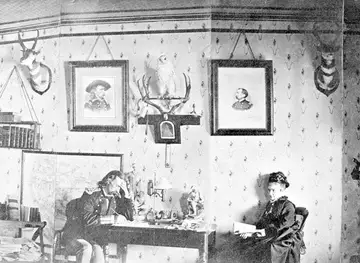 Fort Abraham Lincoln State Park
Explore Fort Abraham Lincoln State Park: Dive into history, enjoy outdoor adventures, and experience the beauty of North Dakota along the Missouri River.
Fort Abraham Lincoln State Park
Explore Fort Abraham Lincoln State Park: Dive into history, enjoy outdoor adventures, and experience the beauty of North Dakota along the Missouri River.
-
 Theodore Roosevelt National Park
Explore the rugged landscapes and rich history of Theodore Roosevelt National Park, where the spirit of the American frontier comes alive in North Dakota.
Theodore Roosevelt National Park
Explore the rugged landscapes and rich history of Theodore Roosevelt National Park, where the spirit of the American frontier comes alive in North Dakota.
-
 Maah Daah Hey Trail
Explore the Maah Daah Hey Trail in North Dakota: A Scenic Adventure Through the Badlands, Perfect for Hiking, Biking, and Horseback Riding Enthusiasts.
Maah Daah Hey Trail
Explore the Maah Daah Hey Trail in North Dakota: A Scenic Adventure Through the Badlands, Perfect for Hiking, Biking, and Horseback Riding Enthusiasts.
-
 Lake Metigoshe State Park
Discover the natural beauty and serene landscapes of Lake Metigoshe State Park, a hidden gem in North Dakota's Turtle Mountains. Perfect for outdoor enthusiasts and nature lovers.
Lake Metigoshe State Park
Discover the natural beauty and serene landscapes of Lake Metigoshe State Park, a hidden gem in North Dakota's Turtle Mountains. Perfect for outdoor enthusiasts and nature lovers.
-
 Jamestown Reservoir
Explore the serene waters and scenic landscapes of Jamestown Reservoir in North Dakota, a perfect spot for fishing, boating, hiking, and camping adventures.
Jamestown Reservoir
Explore the serene waters and scenic landscapes of Jamestown Reservoir in North Dakota, a perfect spot for fishing, boating, hiking, and camping adventures.
Swipe for more destinations
Explore more

Explore more of Lake Sakakawea
Explore Lake Sakakawea, North Dakota's expansive reservoir offering boating, fishing, hiking, and rich historical insights, set against a backdrop of natural beauty and tranquility.
Explore Lake Sakakawea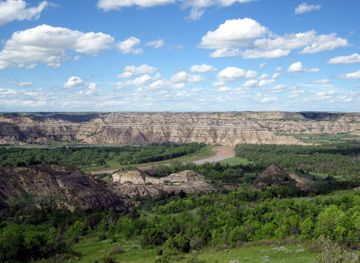
Explore more of North Dakota
Discover the rugged beauty, rich history, and warm hospitality of North Dakota, the untamed frontier of the United States.
Explore North Dakota