
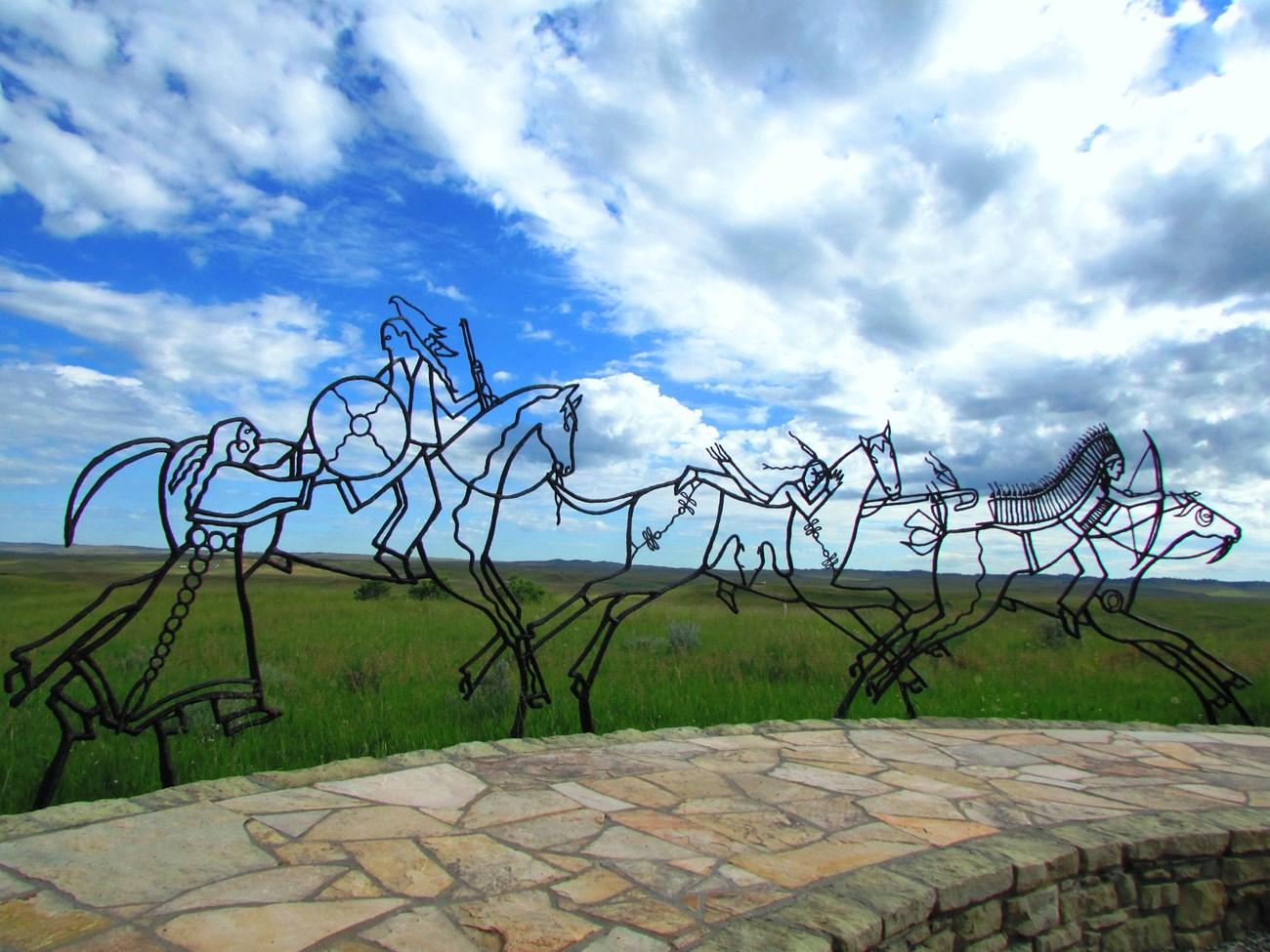
Standing Rock Indian Reservation, North Dakota Travel Guide
Explore the timeless culture and breathtaking landscapes of the Standing Rock Indian Reservation, where the spirit of the Sioux tribes comes alive.
The Standing Rock Indian Reservation, straddling the states of North Dakota and South Dakota, is a profound testament to Native American culture and history. Encompassing over two million acres, it is home to the Lakota and Dakota Sioux tribes, offering visitors a deep dive into their rich traditions and way of life. At Standing Rock, the landscape is as captivating as the stories it holds. Endless prairies, rolling hills, and the majestic Missouri River create a picturesque backdrop. The reservation is also a hub for cultural experiences, where you can partake in powwows, traditional dances, and visit historical sites that tell the story of the Sioux's resilience and spirit. The Standing Rock Sioux Tribe's dedication to preserving their heritage is evident in the numerous cultural centers and museums scattered across the reservation. Here, you will find artifacts, art, and narratives that provide insight into the Sioux's past and present. Moreover, the reservation played a significant role in the recent protests against the Dakota Access Pipeline, symbolizing the ongoing struggle for Native American rights and environmental stewardship.

Know before you go
Hi, I'm Eve. Here are a few practical things to know before exploring Standing Rock Indian Reservation.
- Respect local customs and traditions; always ask for permission before taking photos of people or sacred sites.
- Attend a powwow if possible; it's a vibrant cultural experience with music, dance, and traditional attire.
- Visit the Sitting Bull Visitor Center for a comprehensive understanding of the tribe's history and culture.
- Plan your visit during the warmer months, as North Dakota winters can be extremely harsh.
- Support local artisans by purchasing handmade crafts and jewelry directly from tribal members.

Best landmarks in Standing Rock Indian Reservation
Top-rated picks
Best Landmarks

Knife River Indian Villages
Experience the rich cultural heritage of Native American tribes at Knife River Indian Villages, a historical site offering education, hiking, and scenic beauty.

Standing Rock Sioux Tribe
Discover the vibrant culture, stunning landscapes, and rich heritage of the Standing Rock Sioux Tribe in North Dakota.

Custer House
Explore the legacy of General Custer at Custer House, a historical museum in Mandan, ND, showcasing artifacts and stories from the American frontier.

Double Ditch Indian Village State Historic Site
Explore Double Ditch Indian Village State Historic Site, a treasure of Native American history and stunning natural beauty near Bismarck, North Dakota.

Best restaurants in Standing Rock Indian Reservation


Best bars in Standing Rock Indian Reservation
Top-rated picks
Best Bars

Prairie Knights Casino & Resort
Immerse yourself in the excitement of Prairie Knights Casino & Resort – North Dakota's ultimate destination for gaming, dining, and entertainment.

Grand River Casino & Resort
Discover the vibrant allure of Grand River Casino & Resort in Mobridge, South Dakota, where entertainment meets relaxation in a stunning setting.

Rusty's Saloon & Grill
Experience the vibrant flavors and rustic charm of Rusty's Saloon & Grill in St. Anthony, North Dakota, where every meal tells a story.

Stage Stop Saloon & Grill
Discover the vibrant atmosphere of Stage Stop Saloon & Grill in Mandan, where live music and delicious food come together for an unforgettable experience.

Best nightclubs in Standing Rock Indian Reservation


Best shops in Standing Rock Indian Reservation
Top-rated picks
Best Shops

Runnings
Explore the diverse offerings at Runnings in Mobridge, SD, your ultimate destination for clothing, outdoor gear, and pet supplies.

Standing Rock Sioux Tribe
Discover the rich culture and history at the Standing Rock Sioux Tribe, a hub for Native American heritage and community engagement in North Dakota.

White Buffalo Foods
Experience the local flavors of North Dakota at White Buffalo Foods, a grocery store that offers an array of regional products and culinary delights.

Oahes Corner Market & Floral
Explore Oahes Corner Market & Floral, a vibrant gift shop in Mobridge, SD, offering unique gifts, floral designs, and a taste of local charm.

Explore Standing Rock Indian Reservation on the Map
A handpicked selection of must-see spots in Standing Rock Indian Reservation, mapped for you.
Standing Rock Indian Reservation Essentials
-
Standing Rock Indian Reservation is located in North Dakota, United States. The nearest major airport is Bismarck Municipal Airport (BIS) in Bismarck, approximately 70 miles away. From Bismarck, you can rent a car or take a shuttle service to the reservation. Alternatively, you can fly into Hector International Airport (FAR) in Fargo, North Dakota, and drive approximately 250 miles to reach Standing Rock. Public transportation options are limited, so renting a car or arranging for a shuttle service is recommended.
-
While on the Standing Rock Indian Reservation, having your own vehicle is highly recommended due to the rural nature of the area. Rental cars are available in Bismarck and other nearby cities. There are some local taxi services, but they may not be as readily available as in urban areas. Bicycles can also be a convenient way to explore smaller sections of the reservation, but be prepared for varying road conditions.
-
The official currency is the United States Dollar (USD). Credit and debit cards are widely accepted at most hotels, restaurants, and shops on the reservation. However, it is advisable to carry some cash, especially when visiting smaller establishments or rural areas where card payment options might be limited. ATMs are available in major towns within the reservation.
-
Standing Rock Indian Reservation is generally safe for tourists. However, it is advisable to take standard safety precautions such as not leaving valuables in your car and avoiding walking alone at night in unfamiliar areas. While there are no specific high-crime areas targeting tourists, staying vigilant and aware of your surroundings is always a good practice.
-
In case of emergency, dial 911 for immediate assistance. The reservation has local police and medical facilities available. It is recommended to have travel insurance that covers medical emergencies. Be aware of the locations of the nearest hospitals and clinics. For minor health issues, there are pharmacies where you can purchase over-the-counter medications.
-
Fashion: Do dress modestly, especially when participating in local events or visiting sacred sites. Avoid overly revealing clothing. Religion: Do respect local customs and traditions. Always ask for permission before taking photographs of people or ceremonies. Public Transport: Public transport options are limited, so plan ahead. Do respect local traffic laws if driving. Greetings: Do greet people with a friendly handshake or a nod. Address elders with respect. Eating & Drinking: Do try local delicacies and accept food offerings graciously. Don't waste food, as it is considered disrespectful.
-
To experience Standing Rock Indian Reservation like a local, visit the local markets and participate in community events and powwows. Engage with locals and show genuine interest in their history and culture. Take the time to visit the Sitting Bull Visitor Center and learn about the profound history and culture of the Lakota and Dakota people. Respect the natural environment by following Leave No Trace principles when hiking or exploring the landscape.
When is the best time to visit Standing Rock Indian Reservation?
Useful Local Phrases for Standing Rock Indian Reservation
You don't need to speak the language perfectly. Even learning a few simple words can make conversations warmer—and locals usually appreciate the effort.
— Eve

Here are the phrases I use most often in Standing Rock Indian Reservation. Try a few—you'll be surprised how far they go! 😊
❤️
-
- HelloHau
[How] - GoodbyeHokshi
[Hok-shee] - YesEya
[Eh-yah] - NoAye
[Eye] - Please/You’re welcomeT’ahk’ta
[Tahk-tah] - Thank youWopila
[Woh-pee-lah] - Excuse me/SorryNagi
[Nah-gee] - How are you?T’akuyapi?
[Tah-koo-yah-pee] - Fine. And you?K’uyapi. T’akuyapi?
[Koo-yah-pee. Tah-koo-yah-pee] - Do you speak English?T’akuyapi na wíiyukta?
[Tah-koo-yah-pee nah wee-yook-tah] - I don’t understandNa wíiyukta na.
[Nah wee-yook-tah nah]
- HelloHau
-
- I’d like to see the menu, pleaseT’ahk’ta, na wíiyukta menu.
[Tahk-tah, nah wee-yook-tah meh-noo] - I don’t eat meatNa wíiyukta míta.
[Nah wee-yook-tah mee-tah] - Cheers!WíyakA!
[Wee-yah-kah] - I would like to pay, pleaseT’ahk’ta, na wíiyukta pay.
[Tahk-tah, nah wee-yook-tah pay]
- I’d like to see the menu, pleaseT’ahk’ta, na wíiyukta menu.
-
- Help!T’áku wíiyu!
[Tah-koo wee-yoo] - Go away!T’ahk’ta, wíiyu!
[Tahk-tah, wee-yoo] - Call the Police!T’áku wíiyu, na wíiyukta Políci.
[Tah-koo wee-yoo, nah wee-yook-tah poh-lee-chee] - Call a doctor!T’áku wíiyu, na wíiyukta dokótA.
[Tah-koo wee-yoo, nah wee-yook-tah doh-koh-tah] - I’m lostNa wíiyukta k’áŋka.
[Nah wee-yook-tah k’ahn-kah] - I’m illNa wíiyukta wíiyu.
[Nah wee-yook-tah wee-yoo]
- Help!T’áku wíiyu!
-
- I’d like to buy...T’ahk’ta, na wíiyukta wíiyu.
[Tahk-tah, nah wee-yook-tah wee-yoo] - I’m just lookingNa wíiyukta wíiyu akíŋ.
[Nah wee-yook-tah wee-yoo ah-keen] - How much is it?T’akuyapi yuhá?
[Tah-koo-yah-pee yoo-hah] - That’s too expensiveHéčha, t’akíŋyA.
[Heh-chah, tah-keen-yah] - Can you lower the price?T’akuyapi wíiyukta yuhá t’akíŋyA?
[Tah-koo-yah-pee wee-yook-tah yoo-hah tah-keen-yah]
- I’d like to buy...T’ahk’ta, na wíiyukta wíiyu.
-
- What time is it?T’akuyapi wíiyu?
[Tah-koo-yah-pee wee-yoo] - It’s one o’clockWíiyu t’áŋka.
[Wee-yoo tahn-kah] - Half past (10)T’akuyapi t’áŋka (10).
[Tah-koo-yah-pee tahn-kah (10)] - MorningWíiyukta
[Wee-yook-tah] - AfternoonWíiyukta t’áŋka.
[Wee-yook-tah tahn-kah] - EveningWíiyukta t’áŋka wíiyu.
[Wee-yook-tah tahn-kah wee-yoo] - YesterdayWíiyukta wíiyu t’áŋka.
[Wee-yook-tah wee-yoo tahn-kah] - TodayWíiyukta na.
[Wee-yook-tah nah] - TomorrowWíiyukta wíiyu t’áŋka.
[Wee-yook-tah wee-yoo tahn-kah] - 1T’áŋka
[Tahn-kah] - 2NíyA
[Nee-yah] - 3Né
[Neh] - 4Néš
[Nehsh] - 5Níš
[Neesh] - 6NíyA t’áŋka
[Nee-yah tahn-kah] - 7Né t’áŋka
[Neh tahn-kah] - 8Néš t’áŋka
[Nehsh tahn-kah] - 9Níš t’áŋka
[Neesh tahn-kah] - 10T’áŋka wíiyu
[Tahn-kah wee-yoo]
- What time is it?T’akuyapi wíiyu?
-
- Where's a/the...?T’akuyapi ...?
[Tah-koo-yah-pee ...] - What’s the address?T’akuyapi wíiyu k’áŋka?
[Tah-koo-yah-pee wee-yoo k’ahn-kah] - Can you show me (on the map)?T’akuyapi, t’ahk’ta wíiyukta (na wíiyu)?
[Tah-koo-yah-pee, tahk-tah wee-yook-tah (nah wee-yoo)] - When’s the next (bus)?T’akuyapi t’áŋka (bus)?
[Tah-koo-yah-pee tahn-kah (bus)] - A ticket (to ....)Wíiyu t’áŋka (to ...).
[Wee-yoo tahn-kah (to ...)]
- Where's a/the...?T’akuyapi ...?
History of Standing Rock Indian Reservation
-
Standing Rock Indian Reservation was established in 1868 as part of the Treaty of Fort Laramie. This treaty was negotiated between the United States government and the Sioux Nation, aiming to bring peace between the settlers and the Native American tribes. The reservation straddles the border between North Dakota and South Dakota and is home to the Hunkpapa Lakota and Yanktonai Dakota tribes.
-
Sitting Bull, one of the most renowned leaders of the Hunkpapa Lakota, played a significant role in the history of Standing Rock. Known for his leadership during the Battle of Little Bighorn in 1876, he later resided on the reservation after surrendering to U.S. forces in 1881. His leadership and resistance against U.S. policies have left a lasting legacy on the reservation.
-
In the late 19th century, the Ghost Dance Movement, a spiritual and political movement among Native American tribes, gained traction at Standing Rock. The movement promised the return of the buffalo and the disappearance of white settlers. The U.S. government saw it as a threat, leading to increased military presence on the reservation and the eventual death of Sitting Bull in 1890.
-
The Indian Reorganization Act (IRA) of 1934 marked a significant shift in U.S. policy towards Native American tribes, promoting self-governance and economic development. Standing Rock Indian Reservation adopted a tribal constitution under the IRA, which allowed for greater self-determination and the establishment of a tribal government.
-
In 2016, Standing Rock gained international attention during the Dakota Access Pipeline (DAPL) protests. The Standing Rock Sioux Tribe opposed the construction of the pipeline due to concerns over water contamination and the destruction of sacred sites. The protests drew support from various tribes and environmental activists, highlighting ongoing struggles for Native American rights and environmental justice.
-
Standing Rock Indian Reservation is rich in cultural heritage and traditions. The annual powwows, which include traditional dancing, drumming, and singing, are a vibrant expression of the community’s cultural identity. The reservation also hosts various cultural events and workshops aimed at preserving and promoting the Lakota and Dakota languages and traditions.
Neighbouring Regions of Standing Rock Indian Reservation
The closest regions to Standing Rock Indian Reservation, if you have time for more than one.

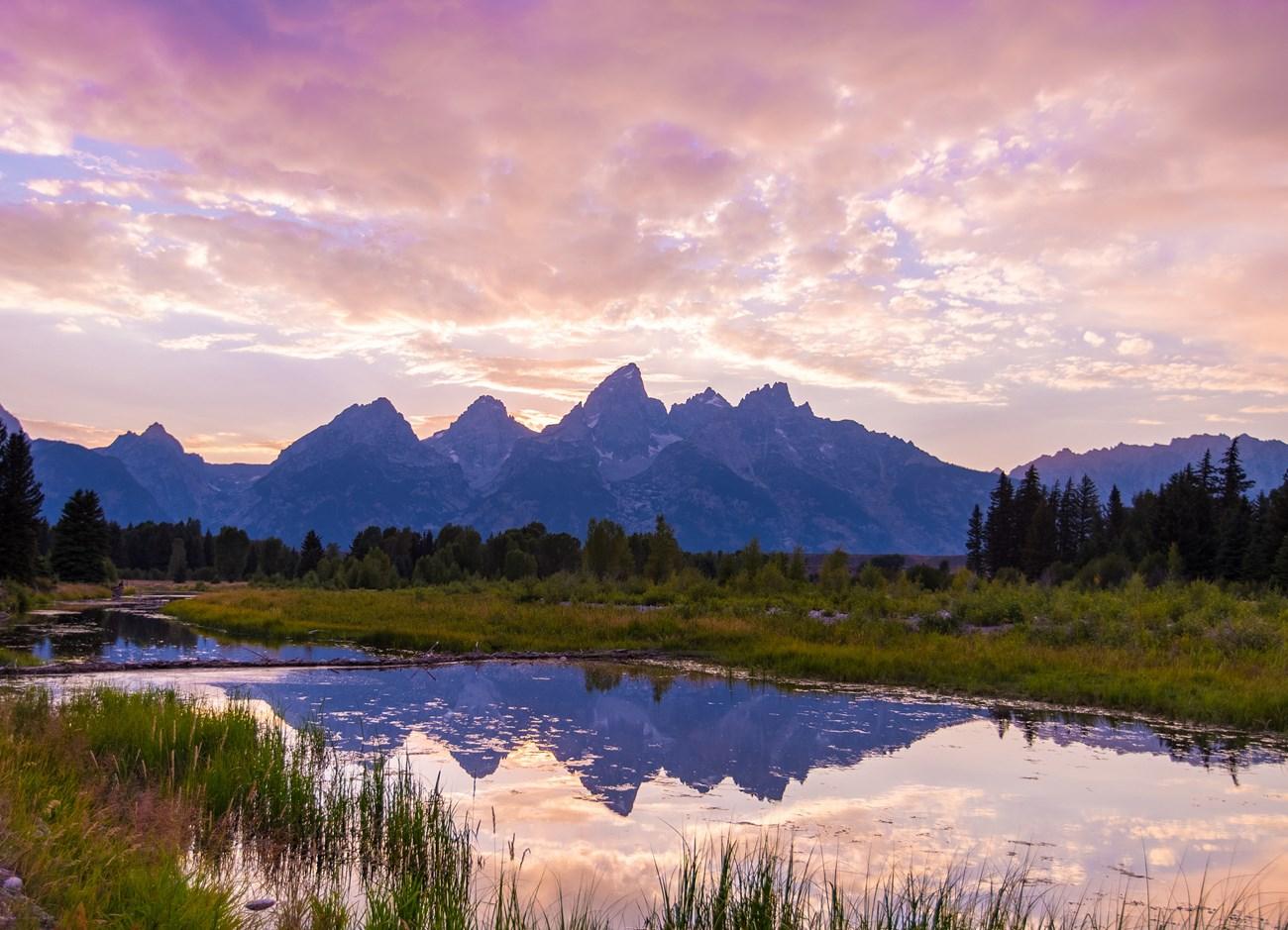


Your all‑in‑one travel companion app
Explore expert travel guides, compare and book tours, experiences, hotels, and more—all from the palm of your hand. Download now for seamless trip planning wherever your wanderlust takes you.


Explore More of North Dakota
Looking beyond Standing Rock Indian Reservation? Discover North Dakota for broader travel guides, local hot-spots, and regional highlights.
Explore North DakotaStanding Rock Indian Reservation in Photos
Browse through our photo collection highlighting the charm and character of the destination.


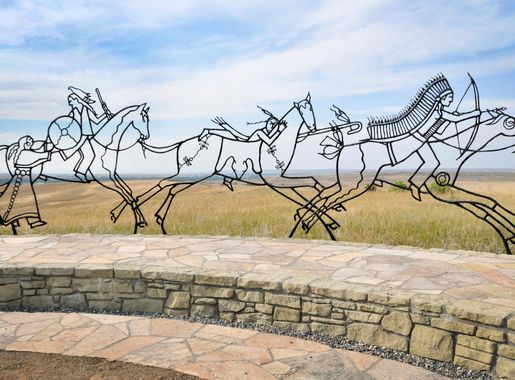
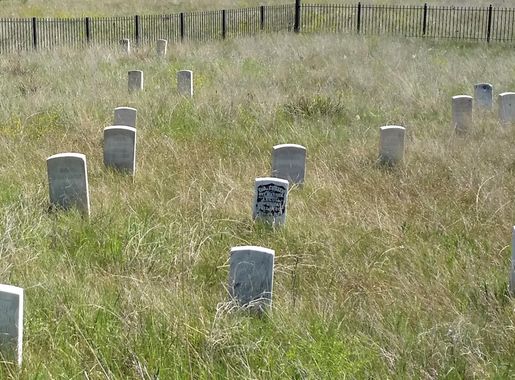

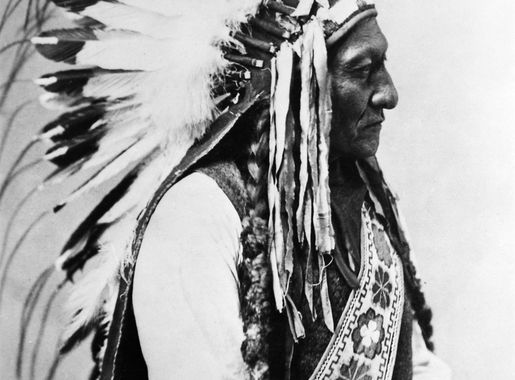


The Spirit of Standing Rock: A Journey into Native American Heritage
The Standing Rock Indian Reservation, straddling the states of North Dakota and South Dakota, is a profound testament to Native American culture and history. Encompassing over two million acres, it is home to the Lakota and Dakota Sioux tribes, offering visitors a deep dive into their rich traditions and way of life. At Standing Rock, the landscape is as captivating as the stories it holds. Endless prairies, rolling hills, and the majestic Missouri River create a picturesque backdrop. The reservation is also a hub for cultural experiences, where you can partake in powwows, traditional dances, and visit historical sites that tell the story of the Sioux's resilience and spirit. The Standing Rock Sioux Tribe's dedication to preserving their heritage is evident in the numerous cultural centers and museums scattered across the reservation. Here, you will find artifacts, art, and narratives that provide insight into the Sioux's past and present. Moreover, the reservation played a significant role in the recent protests against the Dakota Access Pipeline, symbolizing the ongoing struggle for Native American rights and environmental stewardship.