

Hovden Travel Guide - Free Web & App
Your ultimate guide to Hovden. Discover top landmarks, proposed trips, and local tips. Free on the web or via the Evendo companion app.


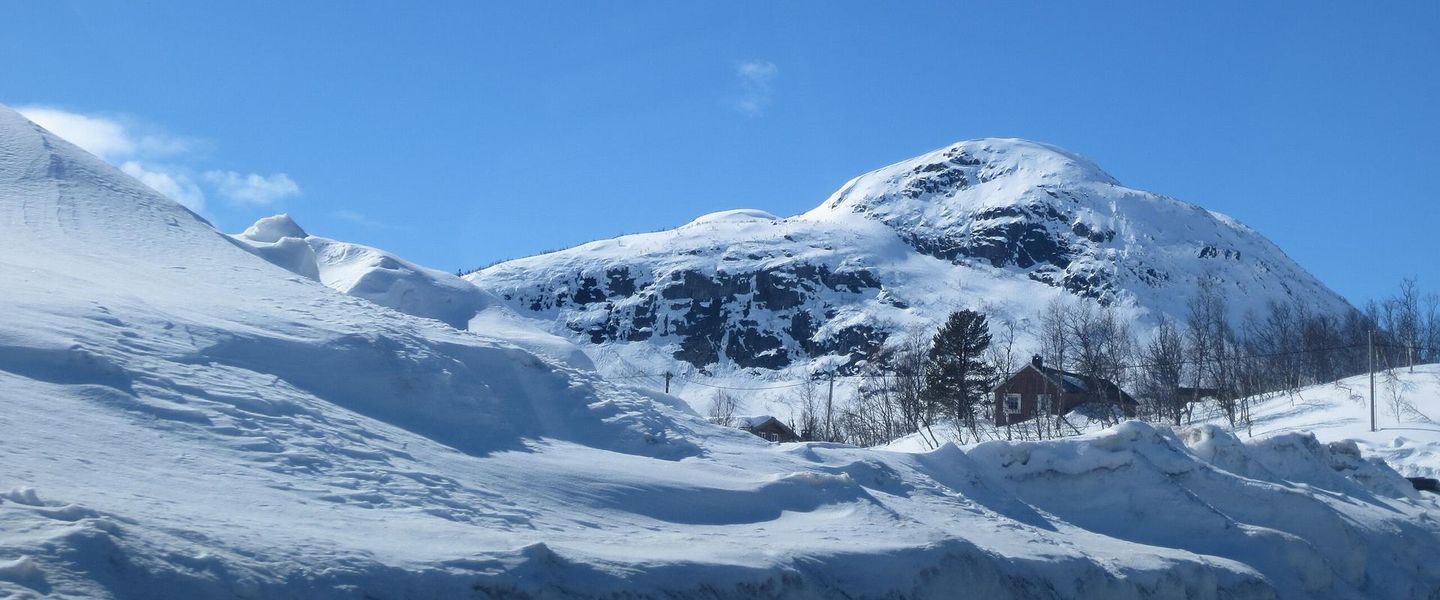


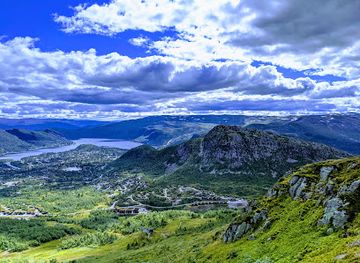
Discover Hovden, Norway's hidden gem in the Setesdal Valley, offering world-class skiing, scenic hiking, and a rich cultural experience year-round.
Read more about Hovden
When is the best time to visit Hovden?
Best: June–August · 17–19°C| Month | High (°C) | Rainfall (mm) |
|---|---|---|
| January | -4 | 70 |
| February | -2 | 60 |
| March | 0 | 50 |
| April | 6 | 40 |
| May | 12 | 30 |
| June (best) | 17 | 30 |
| July (best) | 19 | 30 |
| August (best) | 18 | 40 |
| September | 12 | 50 |
| October | 6 | 60 |
| November | 2 | 70 |
| December | -2 | 70 |
Getting to and around Hovden
How to get there
Transportation
Best attractions in Hovden
Hovden in Norway offers a unique blend of natural beauty, outdoor activities, and cultural experiences. Visitors can explore the stunning mountains and forests through hiking, biking, and skiing trails, or relax in the peaceful lakes and rivers. The area is also home to traditional Norwegian architecture and local artisans, providing a glimpse into the rich history and culture of the region. With charming accommodations and delicious local cuisine, Hovden is the perfect destination for those seeking adventure and relaxation in a picturesque setting.
-
Tourist attraction
Hovden Alpinsenter
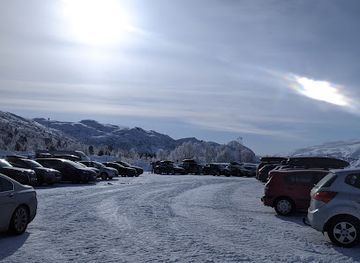
Discover exhilarating skiing and breathtaking views at Hovden Alpinsenter, Norway's premier ski resort in the heart of nature.
-
Tourist attraction
Hovden Jernvinnemuseum
Explore Norway's industrial past at Hovden Jernvinnemuseum, where history and stunning nature combine for an unforgettable experience.
-
Church
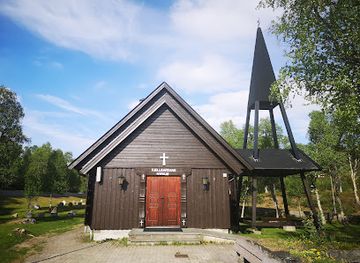
Fjellgardane kyrkje
Explore the tranquil beauty and rich heritage of Fjellgardane Kyrkje, a hidden gem in the heart of Setesdal, Norway.
Best landmarks in Hovden
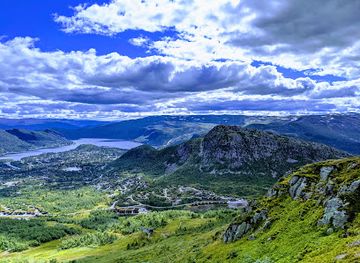
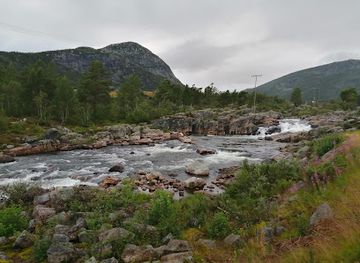
Hovden in Norway is a hidden gem for outdoor enthusiasts and history buffs alike. From the breathtaking views at the top of Mount Nos to the stunning waterfalls at Hovdefossen, visitors will be in awe of the natural beauty that surrounds them. Explore the ancient stone carvings at Austdalsfossen and learn about the rich history of the area at the Hovden Museum. For those seeking adventure, the Hovden Alpine Centre offers world-class skiing and snowboarding opportunities. With its charming village atmosphere and diverse range of activities, Hovden is a must-visit destination for anyone looking to experience the best of Norway.
-
Ski resort
Hovden Alpinsenter
Discover the thrill of winter sports at Hovden Alpinsenter, Norway's premier ski resort, perfect for adventurers and families alike.
-
Hotel
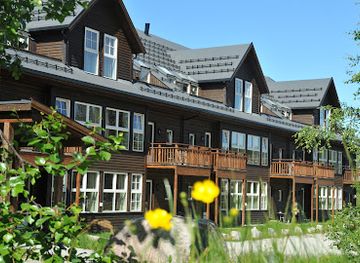
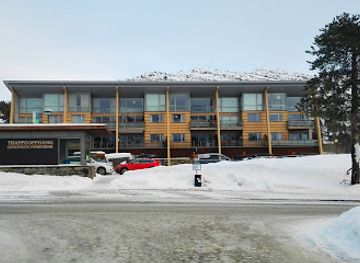
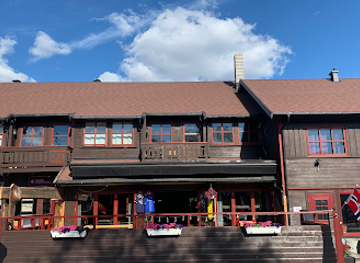
Hovdestøylen
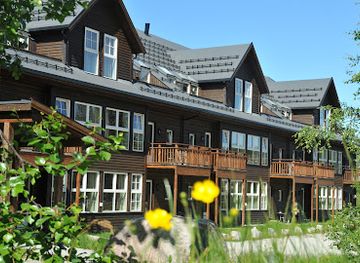
Discover Hovdestøylen, a serene hotel retreat in Norway's stunning landscapes, perfect for relaxation and unforgettable adventures.
-
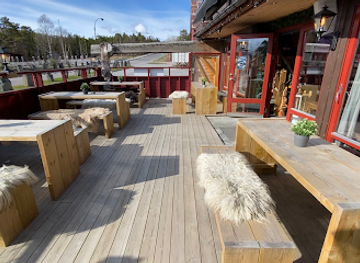
Pub
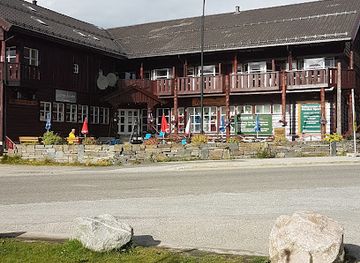
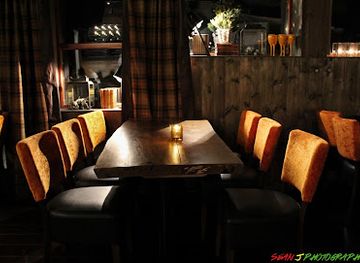
Offpiste Hovden
Discover Offpiste Hovden, the perfect blend of cozy dining and vibrant nightlife in the heart of Norway's stunning landscapes.
-
Holiday apartment
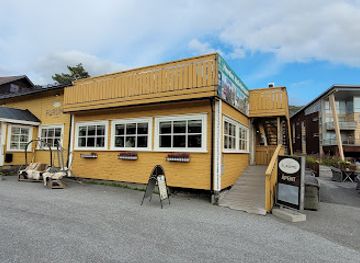
Hovdehytta Bistro
Experience the best of Norwegian hospitality and cuisine at Hovdehytta Bistro in the scenic Setesdal valley.
Explore Hovden on the map
Plan your trip on one map. See where the top attractions, landmarks, restaurants and hotels are, and book hotels and experiences in a few clicks.
Best hotels in Hovden
Best restaurants in Hovden
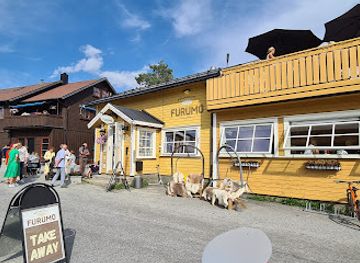
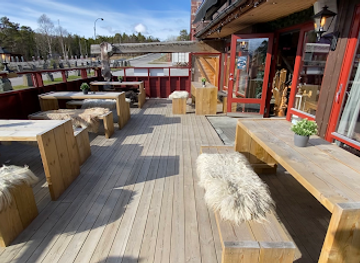
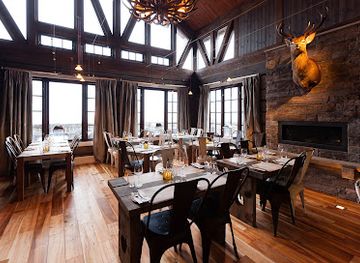
In Hovden, visitors can expect a unique dining experience that combines traditional Norwegian cuisine with modern twists. From cozy cafes serving freshly baked pastries and locally sourced coffee to high-end restaurants offering reindeer fillets and Arctic char, there is something for every palate. The atmosphere is warm and inviting, with many establishments featuring rustic decor and stunning views of the surrounding mountains. Don't miss the chance to try traditional dishes like rømmegrøt and fårikål, or indulge in a gourmet meal after a day of outdoor adventures. Whether you're looking for a quick bite or a fine dining experience, Hovden's dining scene is sure to delight food enthusiasts and culture seekers alike.
-
Restaurant
Furumo
Experience authentic Norwegian cuisine at Furumo in Hovden - where every pizza tells a story of freshness and flavor.
-
Restaurant
Fjols til fjells
Discover Fjols til fjells: A perfect blend of dining delights and vibrant nightlife in the heart of Hovden.
-
Restaurant
Offpiste Hovden
Experience delightful pizzas and vibrant nightlife at Offpiste Hovden – your ultimate destination for fun in Norway's breathtaking landscapes.
-
Restaurant
Hovden Alpin Lodge
Experience exquisite dining at Hovden Alpin Lodge, where culinary excellence meets breathtaking Norwegian landscapes.
Best bars in Hovden
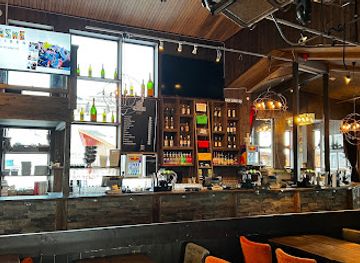
When the sun sets in Hovden, the vibrant nightlife scene comes alive with a variety of cozy bars and lively nightclubs that cater to every taste. From traditional Norwegian pubs serving local brews to modern cocktail lounges with trendy music, visitors can enjoy a night out in a relaxed and welcoming atmosphere. Whether you're looking to unwind after a day of outdoor adventures or dance the night away, Hovden offers a diverse and exciting nightlife experience for all travelers.
-
Hotel
Hovdestøylen
Experience comfort and nature at Hovdestøylen, the ideal hotel for travelers seeking relaxation and adventure in Norway's stunning landscapes.
-
Grocery store
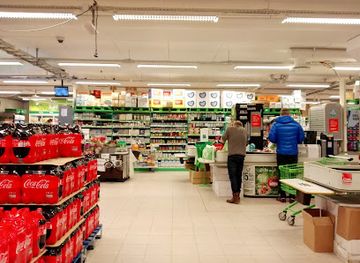
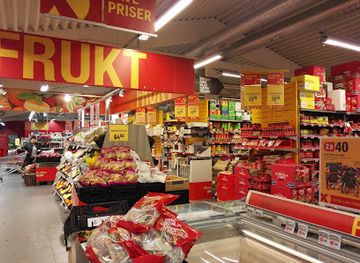
Kiwi Hovden
Explore Kiwi Hovden for a delightful selection of groceries and local specialties in the heart of Setesdal, making your travel experience even more enjoyable.
-
Grocery store
Extra Hovden
Discover the best local groceries and fresh produce at Extra Hovden, your ultimate supermarket destination in the heart of Hovde, Norway.
-
Restaurant
Furumo
Discover the flavors of Norway at Furumo, a cozy restaurant in Hovden, offering exquisite local cuisine amidst breathtaking landscapes.
Best nightclubs in Hovden
When the sun sets in Hovden, the vibrant nightlife scene comes alive with a variety of cozy bars and lively nightclubs that cater to every taste. From traditional Norwegian pubs serving local brews to modern cocktail lounges with trendy music, visitors can enjoy a night out in a relaxed and welcoming atmosphere. Whether you're looking to unwind after a day of outdoor adventures or dance the night away, Hovden offers a diverse and exciting nightlife experience for all travelers.
-
Night club
Fjols til fjells
Discover the vibrant nightlife and culinary delights at Fjols til fjells, your go-to destination for fun and flavor in Hovden, Norway.
-
Night club
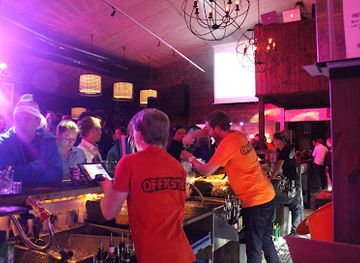
Offpiste Hovden
Discover the lively atmosphere of Offpiste Hovden, a premier night club and dining spot offering delicious food and drinks in the heart of Hovden i Setesdal.
-
Recreation center
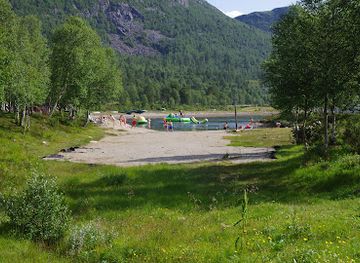
Hegni Beach
Experience the tranquil beauty of Hegni Beach, a perfect getaway for relaxation, recreation, and stunning coastal views in Norway.
-
Restaurant
Hovden Alpin Lodge
Experience the culinary delights of Hovden Alpin Lodge amidst breathtaking alpine scenery, perfect for memorable dining and special occasions.
Best shops in Hovden
Hovden offers a unique shopping experience for visitors, with a charming array of local shops and boutiques showcasing traditional Norwegian crafts, clothing, and souvenirs. From handcrafted wool sweaters to intricate wood carvings, visitors can find authentic treasures to take home as mementos of their time in this picturesque mountain town. The bustling market square is a hub of activity, with vendors selling fresh produce, local delicacies, and handmade goods. Whether browsing for gifts or hunting for a special keepsake, the shopping scene in Hovden is sure to delight and surprise visitors with its diverse offerings.
-
Grocery store
Kiwi Hovden
Explore the flavors of Hovden i Setesdal at Kiwi Hovden, your go-to grocery store for local produce and essentials during your travels.
-
Grocery store
Extra Hovden
Discover the best local ingredients and snacks at Extra Hovden, your premier grocery store in the heart of Hovde, Norway.
-
Restaurant
Fjols til fjells
Experience the vibrant culinary scene at Fjols til fjells, a restaurant, bakery, and nightlife destination in Hovde, Norway.
-
Pub
Offpiste Hovden
Experience the lively atmosphere and delicious pizza at Offpiste Hovden, the ultimate pub and nightlife destination in stunning Hovden i Setesdal.
Get your free copy of our complete guide to Hovden, delivered straight to you.
Everything on this page, from attractions and restaurants to essentials and local phrases, in one PDF you can read offline, print or share.
Already have an account? Sign in
Your Hovden guide is ready.
We'll send it to · Not you? Sign out

Getting your guide ready…
We are putting together a fresh copy of the Hovden guide. This can take up to a minute.
This can take a few moments. If your browser asks, choose Allow so the download can start. You'll find the guide in your Downloads folder.
Nothing happened? Download it again
Sorry, the guide is taking longer than usual. Please try again in a minute, or get it by email instead.
Hovden essentials
Currency and Payment
Safety
Emergency Situations
Do's and Don'ts
Local Tips
From Eve
Local phrases worth knowing
You don't need to get them perfect. A few words go a long way, and locals appreciate the effort.
Basics
| English | Local | Say it |
|---|---|---|
| Hello | Hei | [Hey] |
| Goodbye | Ha det bra | [Ha deh brah] |
| Yes | Ja | [Yah] |
| No | Nei | [Nay] |
| Please/You're welcome | Vær så god | [Vehr soh goh] |
| Thank you | Takk | [Tahk] |
| Excuse me/Sorry | Unnskyld | [Oonskyld] |
| How are you? | Hvordan har du det? | [Vohr-dahn har doo deh] |
| Fine. And you? | Bra. Og du? | [Bra. Oh doo] |
| Do you speak English? | Snakker du engelsk? | [Snah-ker doo engelsk] |
| I don't understand | Jeg forstår ikke | [Yay for-stor e-nuh] |
Eating & Drinking
| English | Local | Say it |
|---|---|---|
| I'd like to see the menu, please | Jeg vil gjerne se menyen, takk | [Yay vil gyer-neh seh meh-nyen, tahk] |
| I don't eat meat | Jeg spiser ikke kjøtt | [Yay spee-sehr e-nuh shyutt] |
| Cheers! | Skål! | [Skohl] |
| I would like to pay, please | Jeg vil gjerne betale, takk | [Yay vil gyer-neh beh-tah-leh, tahk] |
Emergencies
| English | Local | Say it |
|---|---|---|
| Help! | Hjelp! | [Yelp] |
| Go away! | Gå vekk! | [Goh vehk] |
| Call the Police! | Ring politiet! | [Ring poh-li-tee-eh] |
| Call a doctor! | Ring en lege! | [Ring ehn leh-geh] |
| I'm lost | Jeg er lost | [Yay ehr lost] |
| I'm ill | Jeg er syk | [Yay ehr sook] |
Shopping
| English | Local | Say it |
|---|---|---|
| I'd like to buy... | Jeg vil kjøpe... | [Yay vil shyuh-peh] |
| I'm just looking | Jeg bare ser | [Yay bah-reh sehr] |
| How much is it? | Hvor mye koster det? | [Vohr mye kus-ter deh] |
| That's too expensive | Det er for dyrt | [Deh ehr for deert] |
| Can you lower the price? | Kan du senke prisen? | [Kahn doo sen-keh prees-en] |
Time & Numbers
| English | Local | Say it |
|---|---|---|
| What time is it? | Hva er klokka? | [Vah ehr kloh-kah] |
| It's one o'clock | Klokken er ett | [Kloh-ken ehr eht] |
| Half past (10) | Halv ti | [Hahlv tee] |
| Morning | Morgen | [Mohr-gehn] |
| Afternoon | Ettermiddag | [Eht-ter-meed-dahg] |
| Evening | Kveld | [Kvehld] |
| Yesterday | I går | [Ee gohr] |
| Today | I dag | [Ee dahg] |
| Tomorrow | I morgen | [Ee mohr-gehn] |
| 1 | En | [Ehn] |
| 2 | To | [Too] |
| 3 | Tre | [Treh] |
| 4 | Fire | [Fee-reh] |
| 5 | Fem | [Fehm] |
| 6 | Seks | [Sehks] |
| 7 | Syv | [Seev] |
| 8 | Åtte | [Ott-eh] |
| 9 | Ni | [Nee] |
| 10 | Ti | [Tee] |
Transport & Directions
| English | Local | Say it |
|---|---|---|
| Where's a/the...? | Hvor er en/et...? | [Vohr ehr ehn/et] |
| What's the address? | Hva er adressen? | [Vah ehr ah-drahss-sehn] |
| Can you show me (on the map)? | Kan du vise meg (på kartet)? | [Kahn doo vee-seh mayg (poh kahr-teh)] |
| When's the next (bus)? | Når går neste (buss)? | [Nohr gohr neh-steh (booss)] |
| A ticket (to ....) | En billett (til ....) | [Ehn bee-leht (teel)] |
History of Hovden
Early Settlement and Viking Era
Hovden, nestled in the Setesdal valley, has a history that stretches back to the Viking Age. Archaeological findings suggest that the area was inhabited as early as the 9th century. The landscape, with its rugged mountains and fertile valleys, provided a strategic location for early settlers. These settlers were predominantly farmers and hunters, utilizing the natural resources of the region. The presence of ancient burial mounds and runestones in the surrounding areas further attests to the region's historical significance during the Viking period.
Medieval Period and Christianization
The medieval period brought significant changes to Hovden as Christianity began to spread throughout Norway. This era saw the construction of several stave churches in the Setesdal valley, which played a crucial role in the Christianization of the region. The influence of the church is evident in the cultural and social transformation that took place during this period. Hovden became a waypoint for pilgrims traveling to the larger religious centers in Norway, fostering a sense of community and spiritual growth.
19th Century Industrialization
The 19th century marked a period of industrialization and modernization for Hovden. The discovery of rich mineral deposits in the region led to the establishment of mining operations, which significantly boosted the local economy. The construction of roads and railways during this time improved connectivity, facilitating trade and the movement of people. This era also saw the development of hydroelectric power, harnessing the energy of the region's rivers and waterfalls, which further propelled industrial growth.
World War II and Resistance
During World War II, Hovden and the surrounding areas played a notable role in the Norwegian resistance against the German occupation. The rugged terrain provided an ideal location for resistance fighters to carry out guerrilla operations and sabotage missions. The local population supported these efforts, offering shelter and aid to the resistance members. Several monuments and memorials in the area honor the bravery and sacrifice of those who fought for Norway's freedom during this tumultuous period.
Post-War Development and Tourism
In the post-war era, Hovden transformed into a popular tourist destination. The development of ski resorts and outdoor recreational facilities attracted visitors from across Norway and beyond. The natural beauty of the area, combined with its rich cultural heritage, made it an attractive spot for tourists seeking both adventure and relaxation. Investments in infrastructure, such as hotels and restaurants, further boosted the local economy and solidified Hovden's reputation as a premier travel destination.
Hovden in Photos
Browse through our photo collection highlighting the charm and character of the destination.
Neighbouring destination travel guides
The closest destinations to Hovden, if you have time for more than one.
-

-

-

-

-


Swipe for more destinations
Explore more
Explore more of Rogaland
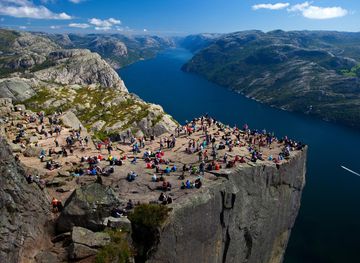
Explore the stunning landscapes and rich cultural heritage of Rogaland, Norway’s coastal gem, from the iconic Preikestolen to the charming streets of Stavanger.
Explore Rogaland
Explore more of Norway
Explore Norway's spectacular fjords, vibrant cities, and natural wonders. Experience the Northern Lights, Midnight Sun, and rich cultural heritage in this Scandinavian gem.
Explore Norway