

Free Rogaland Travel Guide & Mobile App
Explore Rogaland with free travel guides. Discover regional history, expert tips, proposed trips, and audio guides on web or mobile app.


Explore Rogaland’s fjords, coastal beaches, Viking heritage, Stavanger culture and mountain trails across south-western Norway.
Read more about Rogaland
When is the best time to visit Rogaland?
Best: June–August · 18–21°C| Month | High (°C) | Rainfall (mm) |
|---|---|---|
| January | 6 | 120 |
| February | 6 | 105 |
| March | 7 | 110 |
| April | 10 | 90 |
| May | 15 | 70 |
| June (best) | 18 | 75 |
| July (best) | 21 | 85 |
| August (best) | 20 | 95 |
| September | 16 | 105 |
| October | 12 | 120 |
| November | 8 | 130 |
| December | 6 | 140 |
Getting to and around Rogaland
How to get there
Transportation
Top city travel guides in Rogaland
The cities of Rogaland, and the easiest places to base yourself.

Swipe for more cities
Destinations in Rogaland
Resorts, valleys and scenic spots worth a trip of their own.
-

-

-


Swipe for more destinations
Best attractions in Rogaland
Rogaland’s attractions range from major mountain viewpoints to working landscapes and maritime heritage. The Lysefjord is the region’s best-known natural setting, with boat trips, road excursions and demanding hikes leading to Preikestolen and Kjerag. Around Stavanger, the Norwegian Petroleum Museum explains the social and technological history of North Sea energy, while the old town and Stavanger Museum offer a different perspective on urban and cultural development. Jæren’s long beaches, dunes and bird-rich coastal environments provide space for walking, surfing and quiet observation, particularly around the Sola and Orre areas. Karmøy combines beaches, fishing communities and the Avaldsnes heritage site, where the Nordvegen History Centre interprets Viking-age political power. In Ryfylke, orchards, waterfalls, fjord villages and mountain roads create a slower, more dispersed attraction landscape. Utstein Abbey brings medieval religious history into the island scenery north of Stavanger, and Flor and Fjære on Sør-Hidle offers formal gardens reached by boat. Check access arrangements before visiting remote trails, islands and seasonal attractions.
-
Historic city center
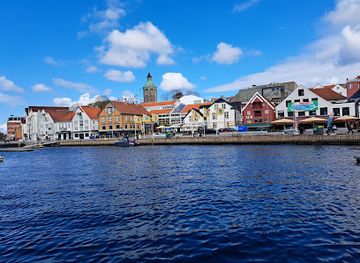
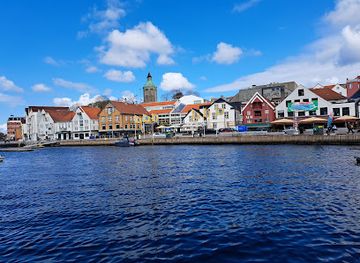
Gamle Stavanger
Explore the historic charm of Gamle Stavanger, a picturesque neighborhood filled with wooden houses, cobblestone streets, and rich maritime heritage.
-
 Monument
Sverd i fjell
Discover Sverd i fjell, a monumental tribute to Viking heritage, where history meets breathtaking natural beauty in Norway's stunning Hafrsfjord.
-
Tourist attraction
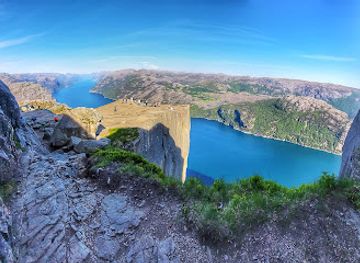
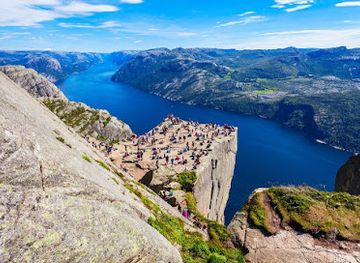
Preikestolen
Discover Preikestolen, the iconic Pulpit Rock in Norway, where breathtaking views and natural beauty await every adventurer.
-
Museum
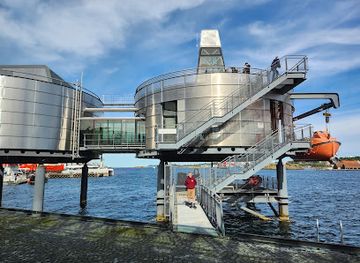
Norwegian Petroleum Museum
Explore Norway's oil heritage at the Norwegian Petroleum Museum, where history, technology, and sustainability meet in a captivating experience.
Best landmarks in Rogaland
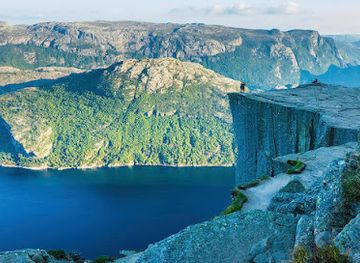
Preikestolen is Rogaland’s defining natural landmark: a near-vertical rock platform rising high above the Lysefjord and reached by a demanding but well-established mountain path. Kjerag, farther along the same fjord, is another major geological landmark, known for its elevated plateau and distinctive boulder suspended in a mountain cleft. In Stavanger, the medieval Stavanger Cathedral is an architectural reminder of the city’s ecclesiastical importance, while the tightly packed white wooden houses of Gamle Stavanger express its later maritime and residential history. The Sverd i fjell monument beside Hafrsfjord commemorates the traditional account of Harald Fairhair’s victory and the consolidation of Norway, although the landscape’s importance combines history, symbolism and modern public art. On Karmøy, Avaldsnes and its church mark a former royal and strategic centre beside the Karmsund. Utstein Abbey on Mosterøy remains one of Norway’s most significant medieval monastic landmarks, set within a coastal island landscape. Jæren’s open beaches and dunes are natural landmarks of a different scale, defined by exposure, light and the meeting of farmland with the Atlantic.
-
Historic city center
Gamle Stavanger
Experience the timeless charm of Gamle Stavanger, where history meets culture in Norway's picturesque coastal city.
-
Monument
Sverd i fjell
Discover the majestic Sverd i Fjell, a historical landmark in Hafrsfjord, symbolizing Norway's rich heritage and the unification under King Harald Fairhair.
-
Cliff
Pulpit Rock
Discover the breathtaking views and exhilarating hike at Pulpit Rock, Norway's iconic cliff rising majestically over the stunning Lysefjord.
-
Hotel
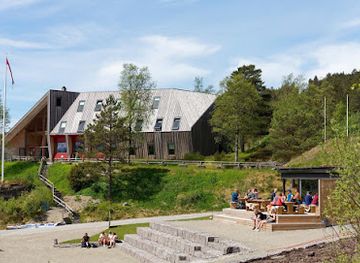
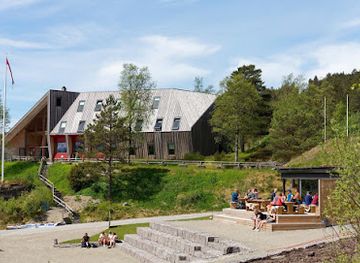
Preikestolen Fjellstue
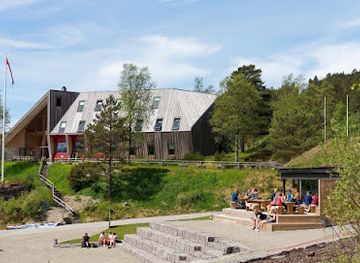
Discover Norway's breathtaking landscapes at Preikestolen Fjellstue, your gateway to iconic hikes and local culinary delights.
Explore Rogaland on the map
Plan your trip on one map. See where the top cities, national parks and sights are, and book hotels and experiences in a few clicks.
Best hotels in Rogaland
Best restaurants in Rogaland
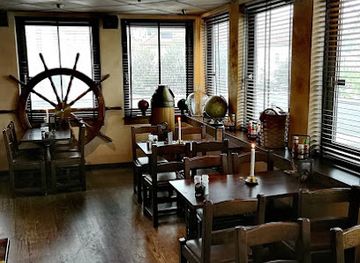
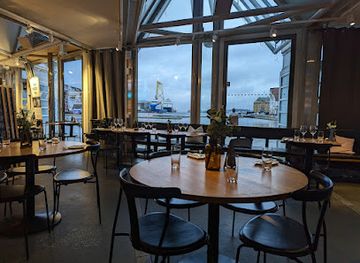
Rogaland’s dining reflects its position between productive farmland and the North Sea. Jæren supplies dairy products, vegetables, grain and meat, while coastal communities contribute fish, shellfish and traditions shaped by fishing and preservation. Stavanger has the region’s broadest choice, from cafés and contemporary restaurants to traditional restaurants and pubs serving Norwegian ingredients in modern formats. Haugesund and Karmøy provide strong maritime connections, with seafood and locally sourced produce prominent in many menus. Farm shops and food producers around Jæren are useful for discovering cheeses, baked goods, vegetables and other regional ingredients, while markets and seasonal events may offer a more direct connection to local agriculture. In rural areas, restaurants and inns can be widely spaced, so booking and checking transport are sensible. Norwegian dining is often informal but comparatively expensive, and menus may change with the season rather than follow a single fixed Rogaland cuisine.
-
Restaurant
Preikestolen Fjellstue
Experience nature's splendor at Preikestolen Fjellstue – your gateway to Norway's iconic Pulpit Rock and breathtaking adventures.
-
American
Døgnvill Burger Stavanger
Experience top-notch American-style burgers at Døgnvill Burger in Stavanger - a must-visit culinary delight!
-
Restaurant
Egon
Discover Egon in Stavanger: A vibrant restaurant offering diverse menus and stunning waterfront views perfect for any occasion.
-
Seafood
Fisketorget Stavanger
Discover fresh flavors at Fisketorget Stavanger - where culinary tradition meets vibrant waterfront charm in Norway's seafood capital.
Best bars in Rogaland
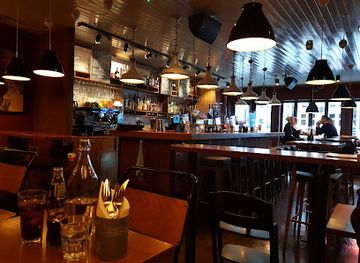
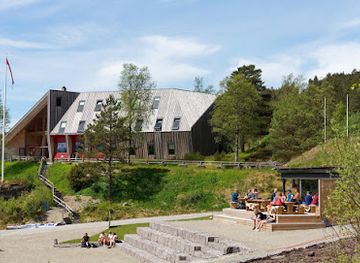
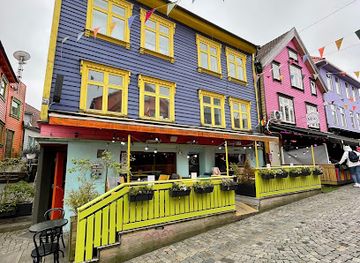
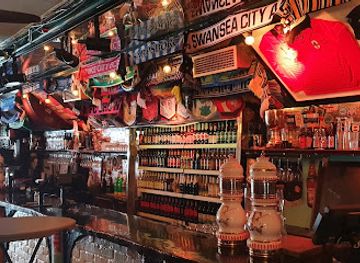
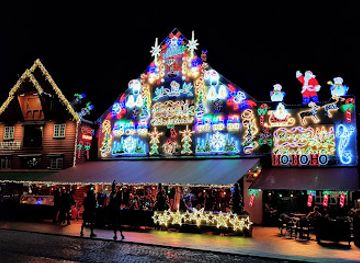
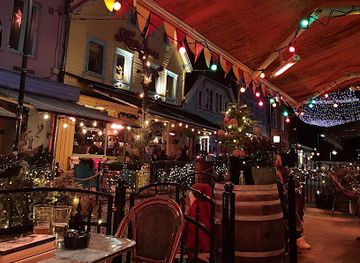
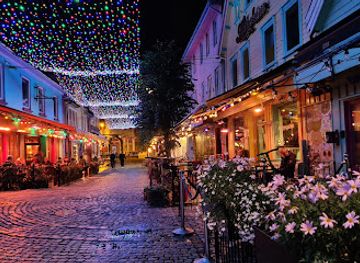
Stavanger has Rogaland’s most varied evening scene, concentrated around its central streets and harbour area. Traditional pubs, craft-beer venues, wine bars, cocktail establishments and restaurants create a lively urban choice without making nightlife the sole focus of the city. Live music and cultural programming are also important, particularly during festival periods, though venues and schedules change. Haugesund offers a smaller selection of pubs, bars, restaurants and music venues linked to its compact centre and maritime identity. Outside the main towns, evenings generally centre on local pubs, hotel bars, restaurants and occasional community or cultural events rather than large clubs. Ryfylke, Jæren and Karmøy are better suited to quiet evenings, scenic walks and locally oriented dining. Visitors should check current arrangements, especially outside summer and in smaller settlements, where late-night transport can be limited.
-
Hotel
Preikestolen Fjellstue
Discover breathtaking landscapes and outdoor adventures at Preikestolen Fjellstue, your gateway to Norway's iconic Pulpit Rock.
-
Pub
Cardinal Pub
Explore a diverse selection of craft beers at Cardinal Pub, Stavanger's ultimate destination for beer lovers and vibrant nightlife.
-
Pub
Bøker og Børst
Discover Bøker og Børst, Stavanger's unique pub and coffee shop offering a cozy atmosphere, delicious drinks, and homemade cakes perfect for tourists.
-
Bar
Beverly Hills Fun Pub
Experience the vibrant nightlife at Beverly Hills Fun Pub in Stavanger, where fun meets flavor for an unforgettable evening.

Best nightclubs in Rogaland
Stavanger has Rogaland’s most varied evening scene, concentrated around its central streets and harbour area. Traditional pubs, craft-beer venues, wine bars, cocktail establishments and restaurants create a lively urban choice without making nightlife the sole focus of the city. Live music and cultural programming are also important, particularly during festival periods, though venues and schedules change. Haugesund offers a smaller selection of pubs, bars, restaurants and music venues linked to its compact centre and maritime identity. Outside the main towns, evenings generally centre on local pubs, hotel bars, restaurants and occasional community or cultural events rather than large clubs. Ryfylke, Jæren and Karmøy are better suited to quiet evenings, scenic walks and locally oriented dining. Visitors should check current arrangements, especially outside summer and in smaller settlements, where late-night transport can be limited.
-
Bar
Beverly Hills Fun Pub
Discover the vibrant nightlife at Beverly Hills Fun Pub in Stavanger, where great drinks and an inviting atmosphere await every visitor.
-
Bar
CIRKUS
Experience the lively atmosphere and diverse drink selection at CIRKUS, Stavanger's premier bar for nightlife and socializing.
-
Bar
Hanekam
Experience the vibrant nightlife at Hanekam, Stavanger's top bar offering a delightful selection of drinks and lively entertainment.
-
Bar
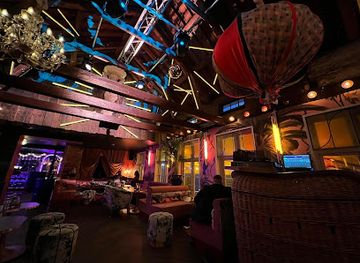
LOFT
Discover the vibrant atmosphere of LOFT, Stavanger's premier bar offering innovative cocktails and a lively social scene.
Best shops in Rogaland
Stavanger offers Rogaland’s widest range of shopping, with independent shops, galleries, design retailers, booksellers and food outlets spread through the centre and surrounding districts. The old wooden quarter is primarily historic and residential, while central commercial streets provide more conventional retail. In Jæren, market towns such as Bryne and Sandnes serve local communities and are useful for regional food, practical goods and independent businesses rather than luxury shopping. Farm shops and producers sell dairy products, baked goods, vegetables and other foods associated with the area’s agricultural economy. Karmøy and Haugesund have a mixture of high-street retail, local crafts, maritime-themed goods and galleries, with character varying between town centres and out-of-town commercial areas. Suitable souvenirs include Norwegian design, woollen goods, locally made food and carefully sourced craftwork. Opening patterns can be more limited in rural districts and on Sundays, so do not assume that every shop operates on city-centre hours.
-
Tourist attraction
Preikestolen
Explore Preikestolen: A breathtaking natural landmark offering iconic views of Norway's Lysefjord, perfect for hiking and photography.
-
Shopping mall
Kvadrat kjøpesenter
Discover the ultimate shopping experience at Kvadrat Kjøpesenter, where fashion, dining, and entertainment come together in Sandnes, Norway.
-
Hotel
Preikestolen Fjellstue
Experience the breathtaking beauty of Preikestolen Fjellstue, your gateway to adventure in Norway's stunning natural landscapes.
-
Shopping mall
AMFI Madla
Discover the ultimate shopping experience at AMFI Madla, a vibrant mall in Hafrsfjord, Norway, offering diverse shops and delicious dining options.
Get your free copy of our complete guide to Rogaland, delivered straight to you.
Everything on this page, from attractions and restaurants to essentials and local phrases, in one PDF you can read offline, print or share.
Already have an account? Sign in
Your Rogaland guide is ready.
We'll send it to · Not you? Sign out

Getting your guide ready…
We are putting together a fresh copy of the Rogaland guide. This can take up to a minute.
This can take a few moments. If your browser asks, choose Allow so the download can start. You'll find the guide in your Downloads folder.
Nothing happened? Download it again
Sorry, the guide is taking longer than usual. Please try again in a minute, or get it by email instead.
Rogaland essentials
Currency and Payment
Safety
Emergency Situations
Do's and Don'ts
Local Tips
From Eve
Local phrases worth knowing
You don't need to get them perfect. A few words go a long way, and locals appreciate the effort.
Basics
| English | Local | Say it |
|---|---|---|
| Hello | Hei | [hay] |
| Goodbye | Ha det | [ha deh] |
| Yes | Ja | [yah] |
| No | Nei | [nay] |
| Please/You're welcome | Vær så snill | [vair so sneel] |
| Thank you | Takk | [tahk] |
| Excuse me/Sorry | Unnskyld | [oon-sheel] |
| How are you? | Hvordan har du det? | [vor-dahn har do deh] |
| Fine. And you? | Bra. Og du? | [bra. oh doo] |
| Do you speak English? | Snakker du engelsk? | [snah-kker doo eng-elsk] |
| I don't understand | Jeg forstår ikke | [yay for-stor ee-keh] |
Eating & Drinking
| English | Local | Say it |
|---|---|---|
| I'd like to see the menu, please | Jeg vil gjerne se menyen, vær så snill | [yay vil yair-na se men-yen, vair so sneel] |
| I don't eat meat | Jeg spiser ikke kjøtt | [yay spee-ser ee-keh shott] |
| Cheers! | Skål! | [skoal] |
| I would like to pay, please | Jeg vil gjerne betale, vær så snill | [yay vil yair-na be-ta-leh, vair so sneel] |
Emergencies
| English | Local | Say it |
|---|---|---|
| Help! | Hjelp! | [yelp] |
| Go away! | Gå vekk! | [go vek] |
| Call the Police! | Ring politiet! | [ring po-li-teet] |
| Call a doctor! | Ring en lege! | [ring en lay-geh] |
| I'm lost | Jeg er tapt | [yay air tahpt] |
| I'm ill | Jeg er syk | [yay air seek] |
Shopping
| English | Local | Say it |
|---|---|---|
| I'd like to buy... | Jeg vil gjerne kjøpe... | [yay vil yair-na shoo-peh...] |
| I'm just looking | Jeg bare ser | [yay bah-reh ser] |
| How much is it? | Hvor mye koster det? | [vor mye kost-er deh] |
| That's too expensive | Det er for dyrt | [deh air for deer-t] |
| Can you lower the price? | Kan du senke prisen? | [kan doo sen-keh pree-sen] |
Time & Numbers
| English | Local | Say it |
|---|---|---|
| What time is it? | Hva er klokka? | [vah air klok-ka] |
| It's one o'clock | Den er ett | [den air ett] |
| Half past (10) | Halv (10) | [halv (ten)] |
| Morning | Morgen | [mor-gen] |
| Afternoon | Ettermiddag | [et-ter-mid-dahg] |
| Evening | Kveld | [kveld] |
| Yesterday | I går | [ee gor] |
| Today | I dag | [ee dahg] |
| Tomorrow | I morgen | [ee mor-gen] |
| 1 | 1 | [1] |
| 2 | 2 | [2] |
| 3 | 3 | [3] |
| 4 | 4 | [4] |
| 5 | 5 | [5] |
| 6 | 6 | [6] |
| 7 | 7 | [7] |
| 8 | 8 | [8] |
| 9 | 9 | [9] |
| 10 | 10 | [10] |
Transport & Directions
| English | Local | Say it |
|---|---|---|
| Where's a/the...? | Hvor er en...? | [vor air en...?] |
| What's the address? | Hva er adressen? | [vah air ad-res-sen] |
| Can you show me (on the map)? | Kan du vise meg (på kartet)? | [kan doo vee-seh mai (po kar-tet)?] |
| When's the next (bus)? | Når går neste (buss)? | [nor gor nes-teh (boos)?] |
| A ticket (to ....) | En billett (til ....) | [en bee-lett (til ....)] |
History of Rogaland
Stone Age, Bronze Age and Coastal Settlement
Rogaland’s earliest communities were shaped by the sea, fertile lowlands and sheltered fjords. Archaeological remains across Jæren, Karmøy and the Stavanger area record settlement, farming, fishing and long-distance exchange over thousands of years. Bronze Age burial monuments and rock carvings reveal changing religious and social practices, while the rich agricultural plain around Jæren supported a comparatively dense rural population. The landscape’s combination of ocean access and productive soil helped make south-western Norway an important zone of contact long before written history.
Avaldsnes and the Viking Age
Avaldsnes on Karmøy occupied a strategic position beside the Karmsund, a sheltered maritime route linking the North Sea with the Norwegian coast. It developed as a royal estate and political centre during the Viking Age and later medieval period. Archaeological discoveries, including elite burials and evidence of craft and trade, reflect the authority concentrated there. Today, the Avaldsnes heritage area and Nordvegen History Centre interpret the site’s role in the formation of early Norwegian kingship without reducing the wider region’s history to a single Viking narrative.
Medieval Stavanger and Utstein Abbey
Stavanger became an important ecclesiastical centre during the Middle Ages, and Stavanger Cathedral remains one of Norway’s major medieval churches. The bishopric helped connect the region to wider European religious and trading networks. On the island of Mosterøy, Utstein Abbey developed as an Augustinian monastery and later became an important historic estate; it is widely regarded as Norway’s best-preserved medieval monastery. Together, these sites show the religious, administrative and architectural influence that shaped Rogaland after the Christianisation of Norway.
Maritime Trade, Herring and Coastal Towns
For centuries, Rogaland’s economy depended on fishing, shipping, farming and trade. Coastal communities benefited particularly from the herring fisheries that expanded in the nineteenth century, although the industry was subject to sharp fluctuations in fish stocks and markets. Haugesund grew from this maritime economy and became associated with shipping and the North Sea coast, while Stavanger developed related commercial, shipbuilding and canning interests. The region’s harbours, warehouses, boat traditions and coastal settlements still reflect this period of intense economic connection with the wider North Atlantic.
Industrialisation and Stavanger’s Canning Era
During the late nineteenth and early twentieth centuries, Stavanger became a major centre of fish processing, particularly canned sardines and other seafood products. Canning created employment, encouraged migration and linked local factories to international markets. The industry left a lasting mark on the city’s working districts, commercial buildings and museums, although it later declined as economic conditions and production patterns changed. Stavanger’s transformation from a maritime and industrial town into a service, cultural and energy centre is one of the key modern developments in Rogaland.
The Petroleum Era from the 1960s
The discovery and development of North Sea oil and gas transformed Stavanger and the wider region from the late 1960s onwards. Stavanger became Norway’s principal petroleum hub, attracting companies, engineers, workers and international connections. Offshore activity generated prosperity and technical expertise but also created dependence on a globally changing energy sector. The Norwegian Petroleum Museum in Stavanger documents this history, including industrial achievements, working life, safety, environmental questions and the impact of petroleum on Norwegian society. Energy remains central to the region’s economy, alongside growing interest in lower-carbon industries.
Contemporary Cultural and Culinary Development
In recent decades, Rogaland has broadened its public identity beyond heavy industry and maritime commerce. Stavanger has developed a substantial museum, restaurant and festival scene, while rural areas have promoted farm produce, coastal food traditions and outdoor tourism. Haugesund and Karmøy continue to draw on maritime history, and Jæren’s agricultural economy remains important rather than merely decorative. The region’s contemporary character is therefore built from several strands: international energy expertise, active farming communities, fishing and shipping traditions, and a cultural sector connected to both Norway and the wider North Atlantic.
Rogaland in Photos
Browse through our photo collection highlighting the charm and character of the destination.
Neighbouring regions of Rogaland
The closest regions to Rogaland, if you have time for more than one.
-

-

-

-

-


Swipe for more regions
Explore more

Explore more of Norway
Explore Norway's spectacular fjords, vibrant cities, and natural wonders. Experience the Northern Lights, Midnight Sun, and rich cultural heritage in this Scandinavian gem.
Explore Norway