

Rauland Travel Guide - Free Web & App
Your ultimate guide to Rauland. Discover top landmarks, proposed trips, and local tips. Free on the web or via the Evendo companion app.


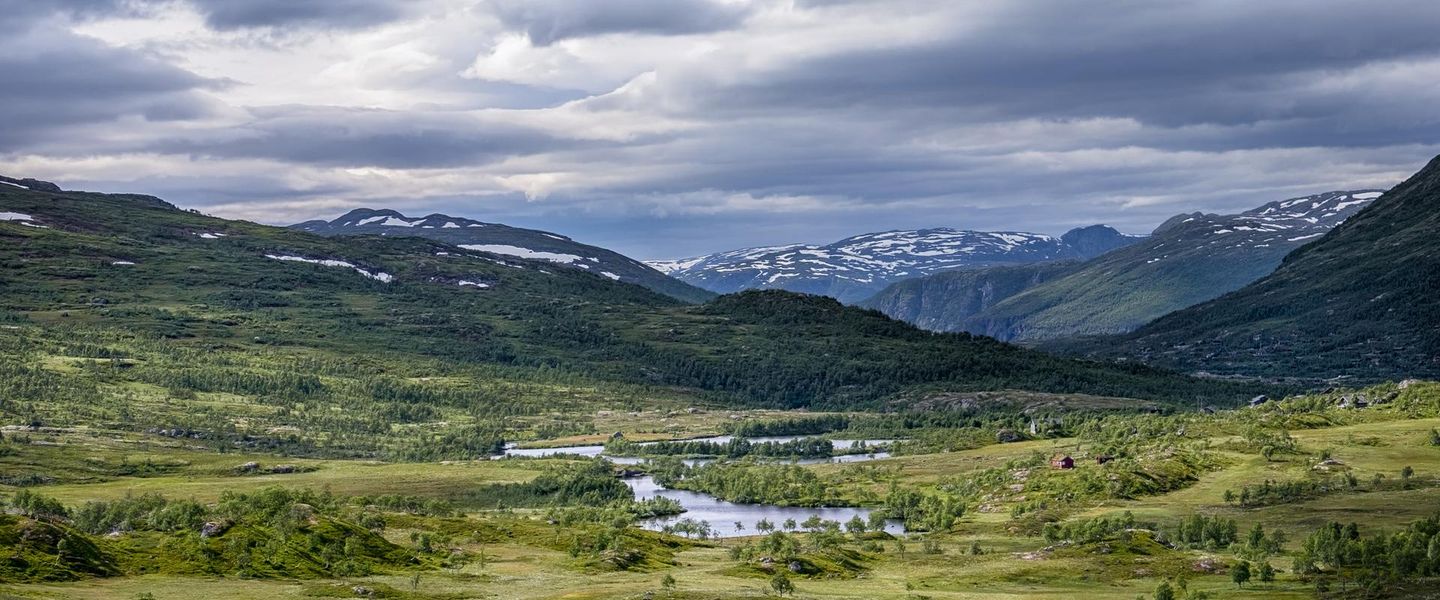


Rauland, Norway combines Telemark folk culture, mountain lakes, cross-country skiing, hiking and scenic highland landscapes near Hardangervidda.
Highland Landscapes
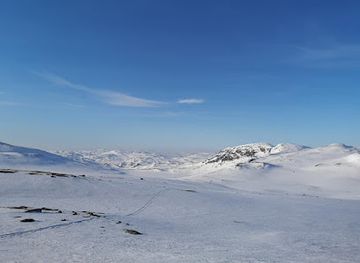
Rauland lies in western Telemark, within Vinje municipality, where forested valleys rise towards the open uplands of Hardangervidda. The settlement is spread around lakes including Totak and Raulandsfjorden, with broad views towards rounded mountains, birch woodland and high plateaux. Its elevation, snow cover and varied terrain make it a recognised base for winter skiing, while summer brings opportunities for walking, cycling, fishing and quiet exploration of the surrounding landscape. The area is rural rather than urban, and distances between hamlets, trailheads and lakes mean that a car is often useful.Read more about Rauland
Telemark Culture
Outdoor Life and Seasonal Character
When is the best time to visit Rauland?
Best: June–August · 18–20°C| Month | High (°C) | Rainfall (mm) |
|---|---|---|
| January | -4 | 45 |
| February | -2 | 40 |
| March | 1 | 35 |
| April | 7 | 30 |
| May | 13 | 25 |
| June (best) | 18 | 20 |
| July (best) | 20 | 20 |
| August (best) | 19 | 20 |
| September | 14 | 30 |
| October | 8 | 35 |
| November | 3 | 40 |
| December | -3 | 45 |
Getting to and around Rauland
How to get there
Transportation
Best attractions in Rauland
Rauland's attractions are spread through a broad mountain landscape rather than concentrated in a single centre. The lakes Totak and Raulandsfjorden provide the area's defining water scenery, with wooded shores and mountain horizons suited to quiet walking, fishing and photography where local access permits. The Rauland ski area is the principal winter focus, combining alpine skiing with cross-country opportunities in the surrounding highlands. In summer, visitors can explore rural roads, mountain paths and viewpoints across the upland terrain, while the Rauland Kunstmuseum offers an important cultural counterpoint through its presentation of Telemark art and craft. Traditional farm landscapes and scattered settlements reveal the region's older agricultural character, and routes towards Møsstrond and the Møsvatn area broaden the experience for travellers prepared to venture beyond the village. Conditions, distances and seasonal access vary considerably, so local information is valuable when planning excursions.
-
Tourist attraction
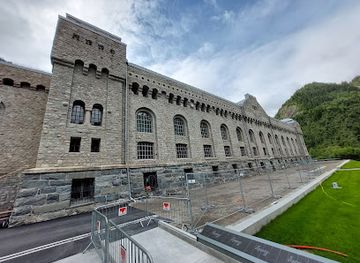
Norwegian Industrial Workers Museum
Discover the industrial heritage of Norway at the Norwegian Industrial Workers Museum in Rjukan, where history and breathtaking landscapes intertwine.
-
Visitor center
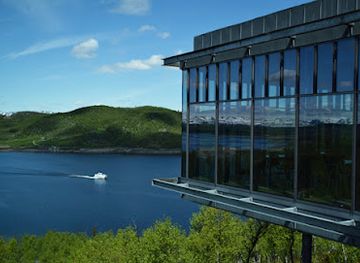
Hardangervidda National Park Center
Discover the natural beauty and cultural heritage at Hardangervidda National Park Center, your gateway to Norway's stunning landscapes.
-
Tourist attraction
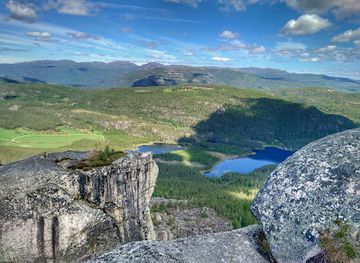
Gygrestolen
Explore Gygrestolen, Telemark's captivating tourist attraction, where adventure meets breathtaking scenery in the heart of Norway.
-
Tourist attraction
Raven gorge
Explore the awe-inspiring beauty of Raven Gorge in Dalen, Norway - a scenic spot perfect for hiking and photography amidst breathtaking landscapes.
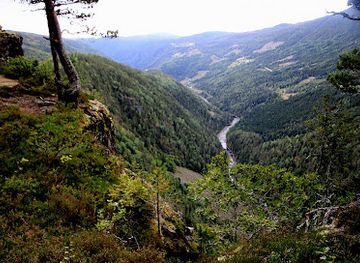
Best landmarks in Rauland
Rauland's most recognisable landmarks are natural and cultural features rather than monumental urban buildings. Lake Totak is a major visual presence, stretching through the mountain settlement landscape, while Raulandsfjorden and the surrounding rounded uplands express the area's transition between forested valleys and open high country. The Rauland Kunstmuseum is a significant cultural landmark, linking the place to Telemark's painting, sculpture and craft traditions. The wider landscape also contains traditional farm buildings and rural settlement forms that illustrate how communities adapted to a demanding mountain environment. The nearby Møsvatn region, reached beyond Rauland towards Møsstrond, is an important highland landscape but should be treated as a neighbouring area rather than automatically part of the village itself. Together, these features give Rauland an identity grounded in water, upland terrain, folk culture and dispersed rural heritage.
-
Ski resort
Rauland Skisenter
Discover the thrill of skiing and winter adventure at Rauland Skisenter, Norway's top ski resort offering diverse slopes and stunning alpine views.
-
Hiking area
Falkenuten
Explore Falkenuten in Vinje, Norway – a picturesque hiking area offering breathtaking views and diverse trails for adventurers and nature lovers alike.
-
Lodging
Vierli Hyttegrend
Discover the beauty of Rauland at Vierli Hyttegrend, where cozy cabins meet stunning nature, perfect for all outdoor enthusiasts.
-
 Hotel
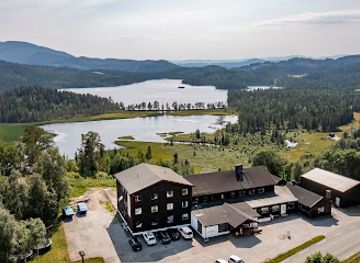
HotelRauland Høgfjellshotell
Discover the charm of Rauland Høgfjellshotell, where adventure meets comfort in the stunning Norwegian mountains.
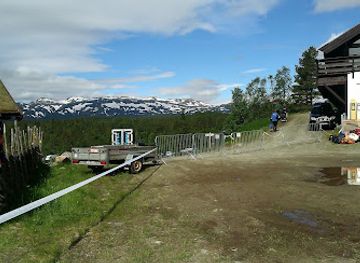
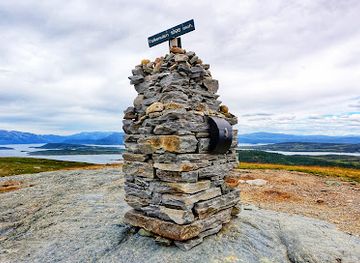
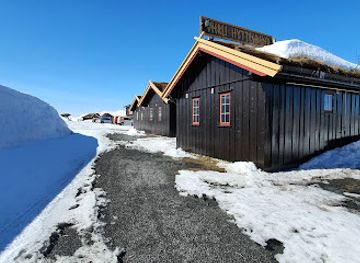
Explore Rauland on the map
Plan your trip on one map. See where the top attractions, landmarks, restaurants and hotels are, and book hotels and experiences in a few clicks.
Best hotels in Rauland
Best restaurants in Rauland
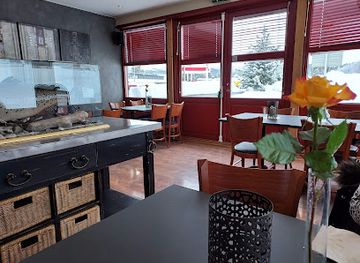
Rauland's dining scene reflects its size and mountain setting, with food generally found through hotels, lodges, cafés and other accommodation-based venues rather than a dense restaurant district. Menus in the wider Telemark region commonly draw on Norwegian produce such as potatoes, dairy products, game, freshwater fish and preserved meats, while café fare and bakery items suit walkers, skiers and road travellers. The village and ski area provide the most convenient places to look for meals, but opening patterns can be seasonal and options become fewer away from established visitor bases. Åmot, outside Rauland in the wider Vinje municipality, offers additional everyday services and places to eat. Visitors travelling into the mountains should not assume that food is available at trailheads or beside remote lakes, and self-catering accommodation can be useful for longer stays.
-
Restaurant
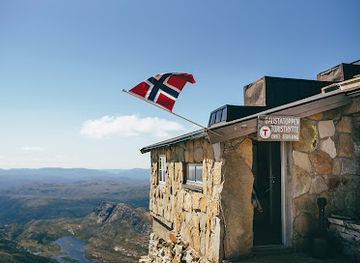
Gaustatoppen Turisthytte
Discover breathtaking views and warm hospitality at Gaustatoppen Turisthytte - your gateway to Norway's stunning mountain landscapes.
-
Restaurant
Haukeliseter fjellstue
Experience the charm of Haukeliseter Fjellstue - your gateway to stunning hikes and cozy hospitality amidst Norway's majestic mountains.
-
Restaurant
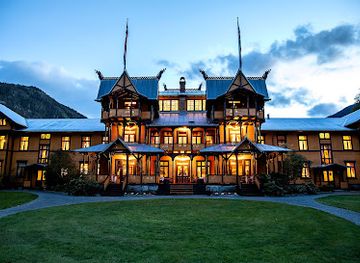
Dalen Hotel
Discover the charm of Dalen Hotel - where history meets luxury amidst Norway's stunning landscapes.
-
Restaurant
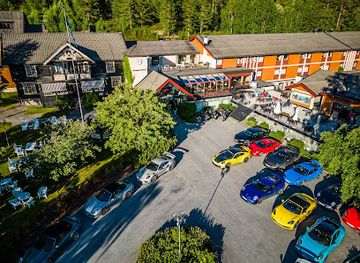
Straand Hotel AS
Experience authentic Norwegian hospitality at Straand Hotel AS, where comfort meets nature's beauty in Vrådal.
Best bars in Rauland
Rauland does not have a nightclub scene or a concentrated late-night entertainment quarter. Evenings are more likely to centre on hotel lounges, lodge dining rooms, après-ski settings and traditional Norwegian social venues, with the atmosphere shaped by the winter season and the rhythm of outdoor days. Village pubs and accommodation bars may provide a place for a drink when operating, while local cultural life is more closely connected with folk music, community events and seasonal programmes than with commercial nightlife. Visitors seeking a wider choice of bars should look towards larger settlements along the E134 corridor, although these are outside Rauland and require transport. In rural Norway, distances, weather and limited late public transport make advance planning important, particularly after an evening meal or event.
-
Cafe
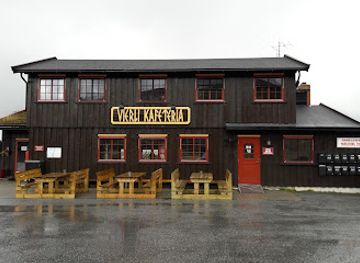
Vierli tourist center AS
Experience the charm of Vierli Tourist Center, a cozy cafe nestled in the scenic Rauland region, perfect for food lovers and nature enthusiasts alike.
-
Restaurant
Raulandstoga AS
Experience the heart of Norwegian cuisine at Raulandstoga AS, where local flavors meet warm hospitality in the scenic village of Rauland.
-
Restaurant
Rauland Høgfjellshotell
Discover the perfect blend of comfort and adventure at Rauland Høgfjellshotell, your gateway to Norway's stunning landscapes and outdoor activities.
-
Restaurant
Austbø Hotell
Discover the charm of Austbø Hotell in Rauland, where delicious local cuisine meets cozy accommodations amidst breathtaking Norwegian landscapes.
Best nightclubs in Rauland
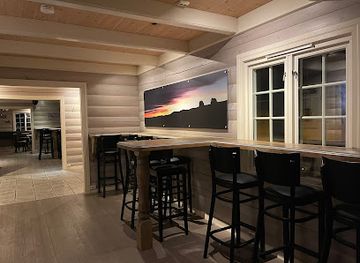
Rauland does not have a nightclub scene or a concentrated late-night entertainment quarter. Evenings are more likely to centre on hotel lounges, lodge dining rooms, après-ski settings and traditional Norwegian social venues, with the atmosphere shaped by the winter season and the rhythm of outdoor days. Village pubs and accommodation bars may provide a place for a drink when operating, while local cultural life is more closely connected with folk music, community events and seasonal programmes than with commercial nightlife. Visitors seeking a wider choice of bars should look towards larger settlements along the E134 corridor, although these are outside Rauland and require transport. In rural Norway, distances, weather and limited late public transport make advance planning important, particularly after an evening meal or event.
-
Hotel
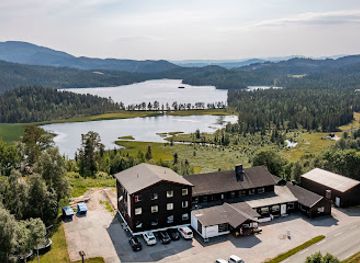
Rauland Høgfjellshotell
Discover Rauland Høgfjellshotell, your gateway to outdoor adventures and authentic Norwegian experiences amidst breathtaking mountainous landscapes.
-
Hotel
Austbø Hotell
Discover tranquility at Austbø Hotell, a charming hotel and restaurant in Rauland, the gateway to Norway's stunning natural wonders.
-
Pub
Krossen Pub
Discover the charm of Krossen Pub in Rauland, where local brews and friendly faces come together in a cozy Norwegian setting.
-
Outdoor activity organiser
Telemark Husky Tour
Discover the magic of dog sledding with Telemark Husky Tour, a thrilling outdoor adventure amidst Norway's stunning winter landscapes.
Best shops in Rauland
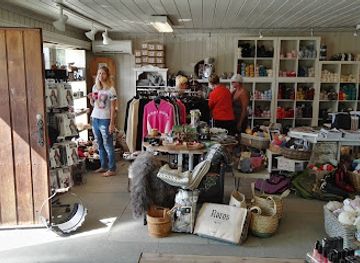
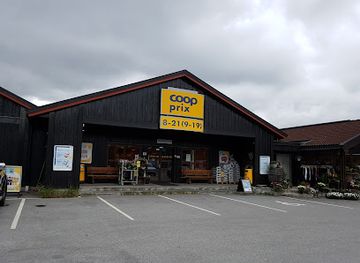
Shopping in Rauland is modest and practical, with opportunities concentrated around the village, ski area and local visitor businesses rather than a substantial retail district. Visitors may find regional food, outdoor supplies, books, gifts and locally made craft products, while Telemark's broader artistic tradition is represented through woodwork, textiles, decorative objects and other forms of handcraft. The Rauland Kunstmuseum and local cultural institutions can help visitors understand the area's artistic heritage, though they should check current arrangements before planning purchases. For larger grocery shops, fuel and everyday services, Åmot is the more substantial nearby centre in Vinje municipality. Remote mountain roads and lake areas have little retail provision, so food, equipment and weather essentials are best obtained before leaving the main settlements.
-
Grocery store
SPAR Rauland
Explore local flavors and fresh produce at SPAR Rauland, your convenient grocery store in the heart of Rauland, Norway.
-
Grocery store
Extra Rauland
Explore Extra Rauland: A delightful grocery store offering local produce and essentials in the beautiful village of Rauland, Norway.
-
Cheese shop
Lega
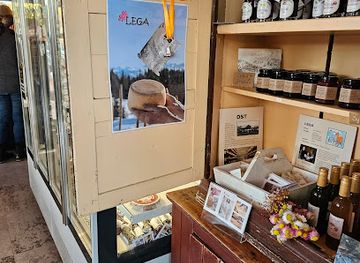
Experience the rich flavors of artisanal cheeses and baked goods at Lega, Rauland's charming cheese shop and café.
-
Car dealer
Snøscooterservice AS
Experience the thrill of winter adventure at Snøscooterservice AS in Rauland, Norway. Explore stunning snowy landscapes with expert guidance.
Get your free copy of our complete guide to Rauland, delivered straight to you.
Everything on this page, from attractions and restaurants to essentials and local phrases, in one PDF you can read offline, print or share.
Already have an account? Sign in
Your Rauland guide is ready.
We'll send it to · Not you? Sign out

Getting your guide ready…
We are putting together a fresh copy of the Rauland guide. This can take up to a minute.
This can take a few moments. If your browser asks, choose Allow so the download can start. You'll find the guide in your Downloads folder.
Nothing happened? Download it again
Sorry, the guide is taking longer than usual. Please try again in a minute, or get it by email instead.
Rauland essentials
Currency and Payment
Safety
Emergency Situations
Do's and Don'ts
Local Tips
From Eve
Local phrases worth knowing
You don't need to get them perfect. A few words go a long way, and locals appreciate the effort.
Basics
| English | Local | Say it |
|---|---|---|
| Hello | Hei | [hay] |
| Goodbye | Ha det | [ha deh] |
| Yes | Ja | [ya] |
| No | Nei | [nay] |
| Please/You're welcome | Vær så god | [ver so good] |
| Thank you | Takk | [tahk] |
| Excuse me/Sorry | Unnskyld | [oon-shil] |
| How are you? | Hvordan har du det? | [vor-dan har doo deh] |
| Fine. And you? | Bra. Og du? | [bra oh doo] |
| Do you speak English? | Snakker du engelsk? | [snah-ker doo eng-elsk] |
| I don't understand | Jeg forstår ikke | [yay for-stor ee-neh] |
Eating & Drinking
| English | Local | Say it |
|---|---|---|
| I'd like to see the menu, please | Jeg vil gjerne se menyen, takk | [yay vil yer-neh seh meh-nyen, tahk] |
| I don't eat meat | Jeg spiser ikke kjøtt | [yay spee-ser ee-neh shøt] |
| Cheers! | Skål! | [skohl] |
| I would like to pay, please | Jeg vil gjerne betale, takk | [yay vil yer-neh beh-tah-leh, tahk] |
Emergencies
| English | Local | Say it |
|---|---|---|
| Help! | Hjelp! | [yel-p] |
| Go away! | Gå vekk! | [goh vehk] |
| Call the Police! | Ring politiet! | [ring poh-lee-tee-et] |
| Call a doctor! | Ring en lege! | [ring en leh-geh] |
| I'm lost | Jeg er lost | [yay er lohst] |
| I'm ill | Jeg er syk | [yay er sook] |
Shopping
| English | Local | Say it |
|---|---|---|
| I'd like to buy... | Jeg vil kjøpe... | [yay vil shur-peh] |
| I'm just looking | Jeg bare ser | [yay bah-reh sehr] |
| How much is it? | Hvor mye koster det? | [vor mee-eh kost-er deh] |
| That's too expensive | Det er for dyrt | [deh er for deert] |
| Can you lower the price? | Kan du senke prisen? | [kan doo sen-keh pree-sen] |
Time & Numbers
| English | Local | Say it |
|---|---|---|
| What time is it? | Hva er klokka? | [vah er klok-ah] |
| It's one o'clock | Klokka er ett | [klok-ah er et] |
| Half past (10) | Halv ti | [hahlv tee] |
| Morning | Morgen | [mor-gen] |
| Afternoon | Ettermiddag | [et-ter-mee-dahg] |
| Evening | Kveld | [kvehld] |
| Yesterday | I går | [ee gohr] |
| Today | I dag | [ee dahg] |
| Tomorrow | I morgen | [ee mor-gen] |
| 1 | En | [ehn] |
| 2 | To | [too] |
| 3 | Tre | [treh] |
| 4 | Fire | [fee-reh] |
| 5 | Fem | [fem] |
| 6 | Seks | [seks] |
| 7 | Syv | [siv] |
| 8 | Åtte | [oh-teh] |
| 9 | Ni | [nee] |
| 10 | Ti | [tee] |
Transport & Directions
| English | Local | Say it |
|---|---|---|
| Where's a/the...? | Hvor er en/et...? | [vor er en/et] |
| What's the address? | Hva er adressen? | [vah er ah-dress-en] |
| Can you show me (on the map)? | Kan du vise meg (på kartet)? | [kan doo vee-seh may (poh kahr-teh)] |
| When's the next (bus)? | Når går neste (buss)? | [nor gor neh-steh (boos)] |
| A ticket (to ....) | En billett (til ....) | [ehn bee-let (teel)] |
History of Rauland
A Landscape Shaped by Ice and Water
Rauland's setting was formed by the long geological history of the Scandinavian mountains and later modified by repeated glaciations. Ice carved the valleys and basins that now hold lakes such as Totak and Raulandsfjorden, while the retreat of the ice left a landscape of rounded uplands, wooded slopes and open mountain terrain. These physical conditions influenced where people could farm, travel and settle. The contrast between sheltered valley land and exposed high ground remains central to understanding Rauland's geography, from its clustered rural buildings to the routes crossing towards the Hardangervidda plateau.
Farming and Mountain Settlement
For centuries, life in Rauland was organised around small farms, livestock and the seasonal use of outlying mountain pastures. The demanding terrain encouraged a dispersed settlement pattern, with movement between valley farms and higher grazing areas forming part of the agricultural year. Local communities also relied on woodland resources, fishing and practical exchanges with neighbouring settlements in Vinje and across Telemark. Traditional houses, farm landscapes and knowledge of mountain routes preserve elements of this older rural economy, even though modern transport and tourism have transformed how the area is inhabited and visited.
Telemark Music and Craft
Rauland became an important centre for the study and continuation of Telemark's folk culture, especially music, handicrafts and traditional forms of knowledge. The district is associated with the celebrated fiddler Myllarguten, born Torgeir Augundsson, whose playing helped make Telemark's musical traditions widely known in the nineteenth century. The area's artistic identity also includes woodcarving, textile work, metalwork and the characteristic decorative culture of rural Telemark. These traditions are represented through museums, teaching and craft activity, giving Rauland a cultural role that extends beyond its value as a mountain resort.
Roads, Tourism and Conservation
Improved roads connected Rauland more closely with Åmot, Haukeli and the wider Telemark region, making the area increasingly accessible to visitors. Tourism developed around the scenery, winter snow and cultural heritage rather than dense urban growth. Skiing became an important part of the modern visitor economy, while summer recreation brought walkers, cyclists and anglers to the lakes and uplands. Contemporary Rauland balances this tourism with care for a sensitive mountain environment, where weather, seasonal access, grazing landscapes and outdoor-use pressures all influence how the area is managed.
Rauland in Photos
Browse through our photo collection highlighting the charm and character of the destination.
Neighbouring destination travel guides
The closest destinations to Rauland, if you have time for more than one.
-

-

-

-

-


Swipe for more destinations
Explore more

Explore more of Vestfold og Telemark
Discover Vestfold og Telemark: A blend of coastal beauty and inland charm, rich history, stunning landscapes, and vibrant culture in the heart of Norway.
Explore Vestfold og Telemark
Explore more of Norway
Explore Norway's spectacular fjords, vibrant cities, and natural wonders. Experience the Northern Lights, Midnight Sun, and rich cultural heritage in this Scandinavian gem.
Explore Norway