

Free Sogn og Fjordane Travel Guide & Mobile App
Explore Sogn og Fjordane with free travel guides. Discover regional history, expert tips, proposed trips, and audio guides on web or mobile app.


Explore Sogn og Fjordane’s deep fjords, glacier valleys, stave churches, coastal communities and mountain roads in western Norway.
Read more about Sogn og Fjordane
When is the best time to visit Sogn og Fjordane?
Best: May–July · 16–21°C| Month | High (°C) | Rainfall (mm) |
|---|---|---|
| January | 6 | 120 |
| February | 6 | 110 |
| March | 9 | 111 |
| April | 11 | 85 |
| May (best) | 16 | 63 |
| June (best) | 20 | 80 |
| July (best) | 21 | 90 |
| August | 21 | 120 |
| September | 17 | 130 |
| October | 12 | 150 |
| November | 8 | 140 |
| December | 6 | 125 |
Getting to and around Sogn og Fjordane
How to get there
Transportation
Top city travel guides in Sogn og Fjordane
The cities of Sogn og Fjordane, and the easiest places to base yourself.
-

-

-


Swipe for more cities
Destinations in Sogn og Fjordane
Resorts, valleys and scenic spots worth a trip of their own.
-

-

-

-

-

-


Swipe for more destinations
Best attractions in Sogn og Fjordane
Sogn og Fjordane’s attractions are primarily landscape-based, with the Sognefjord, Nordfjord and their branching inlets providing the framework for cruises, kayaking, scenic drives and village visits. Jostedalsbreen National Park protects a high glacial landscape reached through valleys such as Jostedalen, Oldedalen and Fjærland; the Norwegian Glacier Museum in Fjærland adds scientific and environmental context. Historic attractions include Urnes, Borgund, Hopperstad and Kaupanger stave churches, while Lærdalsøyri offers a well-preserved timber townscape. Coastal visitors can explore maritime museums and fishing communities around Florø, Måløy and Bremanger, and Selja combines island scenery with early Christian history. Art and cultural interests are represented by Astruptunet near Jølster and museums in larger centres such as Førde and Sogndal. Hiking ranges from accessible valley walks to demanding mountain routes, and the region also supports fishing, cycling and wildlife observation. Distances, weather and seasonal access matter: the appeal lies in linking several contrasting landscapes rather than collecting attractions from a single compact centre.
-
Tourist attraction
Flåmsbana
Experience the breathtaking beauty of Norway aboard the iconic Flåmsbana, one of the world's most scenic train journeys through stunning landscapes and charming villages.
-
Tourist attraction
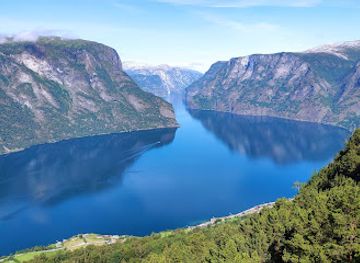
Stegastein viewpoint
Experience the breathtaking vistas of Aurlandsfjord from Stegastein Viewpoint, a stunning architectural gem that offers panoramic views of Norway's natural beauty.
-
Tourist attraction
Flydalsjuvet
Explore Flydalsjuvet, a breathtaking viewpoint in Geiranger, Norway, offering stunning fjord views and unforgettable natural beauty.
-
Tourist attraction
Viking Valley
Experience the Viking Age at Viking Valley in Gudvangen, Norway - a captivating cultural center filled with history, adventure, and breathtaking landscapes.
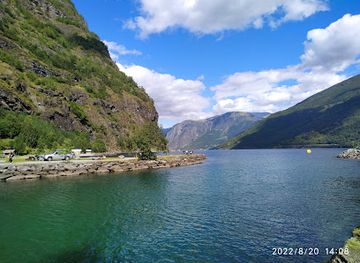
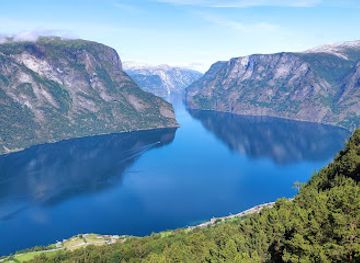
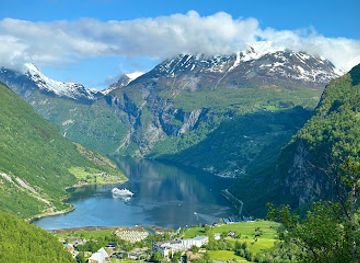
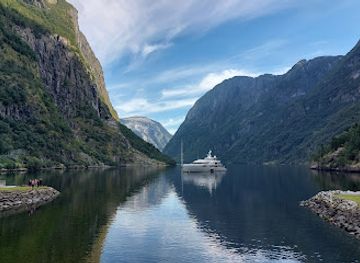
Best landmarks in Sogn og Fjordane
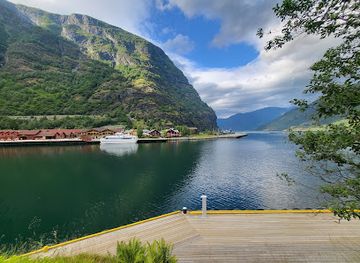
The region’s most recognisable landmarks include the deep blue waterways and steep walls of the Sognefjord, whose inner branches create some of western Norway’s clearest expressions of fjord geography. Urnes Stave Church stands above the Lustrafjord and is especially important for its medieval timber architecture and carved ornament; Borgund Stave Church is another celebrated example, with a distinctive multi-tiered roofline and surviving medieval character. The white-painted church at Balestrand and its historic villas reflect the nineteenth-century era of fjord tourism, while Lærdalsøyri’s timber streets preserve the architectural memory of a trading settlement. The icefalls of Jostedalsbreen, including the accessible viewpoints towards Nigardsbreen and Bøyabreen, are natural landmarks rather than static monuments: their appearance changes with season, weather and long-term climate trends. Along the coast, the island of Selja and its monastery ruins carry early Christian associations, while Vingen’s prehistoric rock art records a much older human presence near Bremanger. Together these places show how geology, belief, trade and tourism have shaped the region.
-
Tourist attraction
Flåmsbana
Discover the Flåmsbana, a breathtaking railway journey through Norway's stunning fjords and mountains, perfect for travelers seeking unforgettable landscapes.
-
Scenic spot
Stegastein viewpoint
Experience the breathtaking views of Aurlandsfjord at Stegastein Viewpoint, a must-visit scenic spot in Norway's stunning landscape.
-
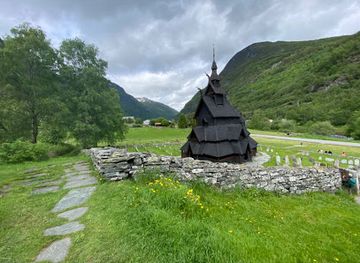
Stave church
Borgund Stave Church
Explore the architectural marvel of Borgund Stave Church, a stunning medieval structure nestled in Norway's breathtaking landscapes, showcasing rich history and craftsmanship.
-
Scenic spot
Flydalsjuvet
Experience the stunning vistas of Flydalsjuvet in Geiranger, Norway, where breathtaking fjord views meet majestic natural landscapes.

Explore Sogn og Fjordane on the map
Plan your trip on one map. See where the top cities, national parks and sights are, and book hotels and experiences in a few clicks.
Best hotels in Sogn og Fjordane
Best restaurants in Sogn og Fjordane
Dining in Sogn og Fjordane reflects the contrast between fertile inner fjords, mountain farms and the exposed coast. Apples, pears and plums thrive in sheltered districts around the Sognefjord, and local cider is an important part of the region’s modern food culture. Menus may feature lamb, game, freshwater fish, brown cheese, berries and bread made from regional agricultural produce, while coastal communities place greater emphasis on cod, herring, shellfish and other seafood. Cafés and bakeries are useful stops in fjord villages and market towns, and traditional pubs or rural inns often provide straightforward regional meals. Farmers’ markets and farm shops offer opportunities to buy fruit, preserves, cheese and drinks directly from producers when operating. Larger settlements such as Førde, Florø and Sogndal have the broadest choice of contemporary restaurants, while smaller villages may have limited evening service. Reservations are sensible in the high season, particularly where accommodation and dining are concentrated in one small community.
-
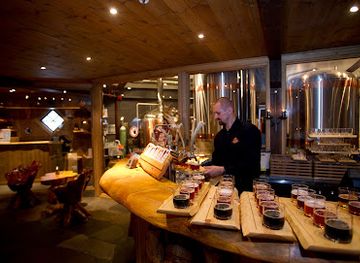
Brewpub
Ægir microbrewery
Discover Ægir Microbrewery: A Craft Beer Haven in Flåm Offering Unique Brews and Traditional Norwegian Cuisine.
-
Restaurant
Stryn Kaffebar & Vertshus
Experience the heart of Norwegian culture at Stryn Kaffebar & Vertshus – where exceptional coffee meets warm hospitality.
-
Restaurant
Hoven Restaurant
Experience exquisite Norwegian cuisine with breathtaking views at Hoven Restaurant in Loen—where every meal is a scenic delight.
-
 Restaurant
Flåmsbrygga Hotel
Experience culinary delights and breathtaking views at Flåmsbrygga Hotel in scenic Flåm, Norway—your gateway to adventure and relaxation.
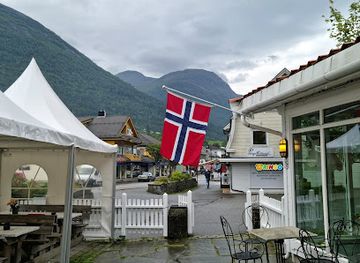
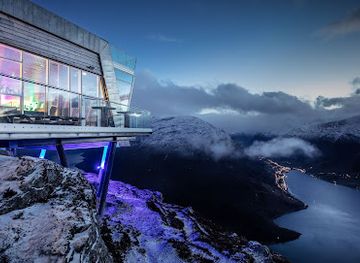
Best bars in Sogn og Fjordane
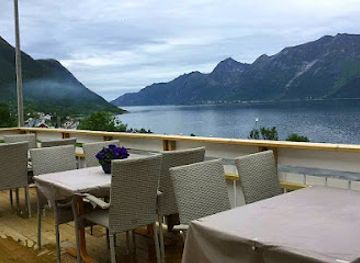
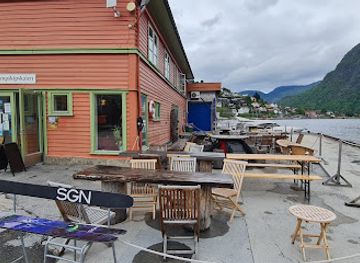
Evening life in Sogn og Fjordane is generally sociable but low-key, centred on pubs, hotel bars, cafés and restaurants rather than a large nightclub scene. Sogndal and Førde offer the widest choice of late venues, with a younger atmosphere linked partly to education, music and cultural events. Florø provides a more maritime setting, while smaller fjord settlements usually rely on traditional pubs, seasonal hotel bars and occasional live music. Local breweries and cider producers may offer tastings or visitor experiences, but arrangements vary and should be checked in advance. In rural districts, evenings are more often spent dining, walking beside the water or attending a local cultural event than moving between clubs. Visitors should remember that villages are close-knit residential places: keep noise considerate, follow venue rules and avoid assuming that a scenic tourist settlement has nightlife outside the main travel season.
-
Brewpub
Ægir microbrewery
Discover the finest craft beers and local cuisine at Ægir Microbrewery in Flåm, where Viking heritage meets modern brewing excellence.
-
Restaurant
Stryn Kaffebar & Vertshus
Discover the perfect blend of comfort and flavor at Stryn Kaffebar & Vertshus, where local ingredients meet warm hospitality.
-
Grill
Segla Grill & Pub
Discover the flavors of Norway at Segla Grill & Pub in Fjordgard, where delicious cuisine meets stunning fjord views.
-
Bar
Dampskipskaien Cafe , Bar
Experience the charm of Sogndalsfjøra at Dampskipskaien Cafe & Bar, where local flavors and stunning fjord views come together.
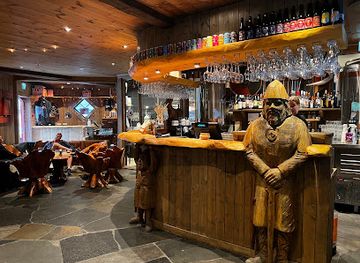
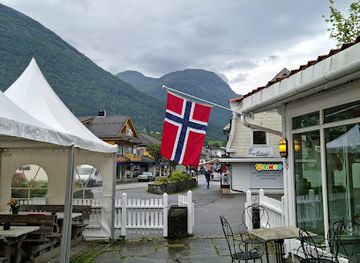
Best nightclubs in Sogn og Fjordane
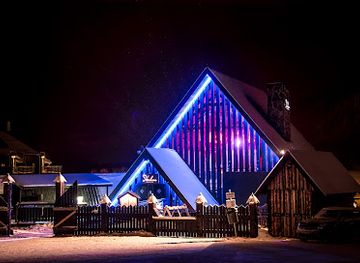
Evening life in Sogn og Fjordane is generally sociable but low-key, centred on pubs, hotel bars, cafés and restaurants rather than a large nightclub scene. Sogndal and Førde offer the widest choice of late venues, with a younger atmosphere linked partly to education, music and cultural events. Florø provides a more maritime setting, while smaller fjord settlements usually rely on traditional pubs, seasonal hotel bars and occasional live music. Local breweries and cider producers may offer tastings or visitor experiences, but arrangements vary and should be checked in advance. In rural districts, evenings are more often spent dining, walking beside the water or attending a local cultural event than moving between clubs. Visitors should remember that villages are close-knit residential places: keep noise considerate, follow venue rules and avoid assuming that a scenic tourist settlement has nightlife outside the main travel season.
-
Night club
Stavkroa
Experience Hemsedal's nightlife at Stavkroa, the go-to spot for dancing, live music, and a vibrant sports bar atmosphere.
-
Bar
Sogndal Fjell- og fjordsportsenter
Experience the thrill of adventure and the comfort of relaxation at Sogndal Fjell- og fjordsportsenter, your gateway to Norway’s stunning fjords and mountains.
-
Pub
Studenthuset Meieriet
Discover the lively ambiance of Studenthuset Meieriet, a student-run pub and live music venue in Sogndal, where local culture comes alive.
-
Night club
Bachus Lounge & Club
Discover the vibrant nightlife at Bachus Lounge & Club in Ålesund, where music, dancing, and unforgettable moments await.

Best shops in Sogn og Fjordane
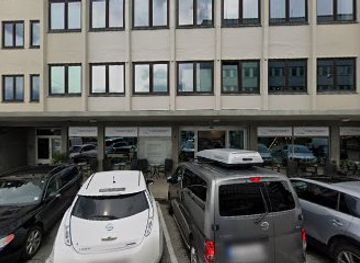
Shopping in Sogn og Fjordane is concentrated in the larger centres and historic market settlements rather than in extensive retail districts. Førde and Sogndal provide the broadest everyday choice, including national chains, outdoor equipment, groceries and practical supplies. Florø and other coastal towns add maritime character, while Lærdalsøyri is suited to browsing independent shops, galleries and historic streets. Farm shops and seasonal markets are the best places to look for local apples, cider, preserves, cheese, baked goods and other regional produce. Craft outlets and museum shops may carry woollen goods, ceramics, woodwork, jewellery, books and products connected with stave churches or the landscape. Visitors should distinguish genuinely local produce from generic Norway-themed souvenirs, and should expect opening hours to be shorter in small villages and outside the main summer period. Outdoor clothing and equipment are particularly practical purchases because hiking, rain and changing mountain conditions are central to many itineraries.
-
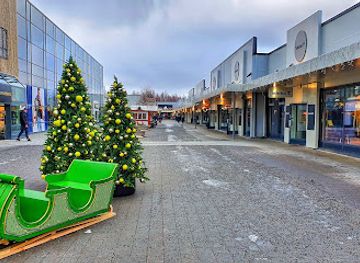
Outlet mall
Oslo Fashion Outlet Vestby
Discover unbeatable deals on designer brands at Oslo Fashion Outlet Vestby, Norway's ultimate shopping destination for style and savings.
-
Tourist attraction
Norwegian Fjord Centre
Discover the breathtaking beauty and rich heritage of Norway's fjords at the Norwegian Fjord Centre in Geiranger.
-
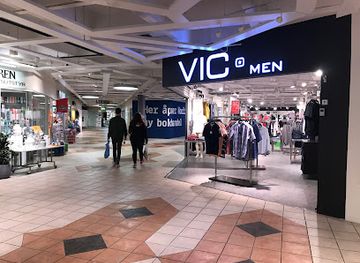
Shopping mall
AMFI Sogningen
Explore AMFI Sogningen, Sogndal's premier shopping destination, offering a blend of local and international brands in a vibrant atmosphere.
-
Shopping mall
AMFI Geilo
Explore AMFI Geilo, a vibrant shopping mall in Norway offering local boutiques, international brands, and delightful dining options in a picturesque setting.
Get your free copy of our complete guide to Sogn og Fjordane, delivered straight to you.
Everything on this page, from attractions and restaurants to essentials and local phrases, in one PDF you can read offline, print or share.
Already have an account? Sign in
Your Sogn og Fjordane guide is ready.
We'll send it to · Not you? Sign out

Getting your guide ready…
We are putting together a fresh copy of the Sogn og Fjordane guide. This can take up to a minute.
This can take a few moments. If your browser asks, choose Allow so the download can start. You'll find the guide in your Downloads folder.
Nothing happened? Download it again
Sorry, the guide is taking longer than usual. Please try again in a minute, or get it by email instead.
Sogn og Fjordane essentials
Currency and Payment
Safety
Emergency Situations
Do's and Don'ts
Local Tips
From Eve
Local phrases worth knowing
You don't need to get them perfect. A few words go a long way, and locals appreciate the effort.
Basics
| English | Local | Say it |
|---|---|---|
| Hello | Hei | [Hay] |
| Goodbye | Ha det | [Hah deh] |
| Yes | Ja | [Yah] |
| No | Nei | [Nay] |
| Please/You're welcome | Vær så snill | [Vair sho snill] |
| Thank you | Takk | [Tahk] |
| Excuse me/Sorry | Unnskyld | [Oon-shild] |
| How are you? | Hvordan har du det? | [Vor-dahn har do deh?] |
| Fine. And you? | Bra. Og du? | [Bra. Oh do?] |
| Do you speak English? | Snakker du engelsk? | [Snahk-er do eng-elsk?] |
| I don't understand | Jeg forstår ikke | [Yay for-stor ik-ke] |
Eating & Drinking
| English | Local | Say it |
|---|---|---|
| I'd like to see the menu, please | Jeg vil gjerne se menyen, vær så snill | [Yay vil yar-ne seh meh-nuen, vair sho snill] |
| I don't eat meat | Jeg spiser ikke kjøtt | [Yay spee-ser ik-ke shutt] |
| Cheers! | Skål! | [Skawl] |
| I would like to pay, please | Jeg vil gjerne betale, vær så snill | [Yay vil yar-ne beh-tah-leh, vair sho snill] |
Emergencies
| English | Local | Say it |
|---|---|---|
| Help! | Hjelp! | [Yelp] |
| Go away! | Gå bort! | [Gaw bort] |
| Call the Police! | Ring politiet! | [Ring poh-lee-teet] |
| Call a doctor! | Ring en lege! | [Ring en lay-geh] |
| I'm lost | Jeg er tapt | [Yay er tahpt] |
| I'm ill | Jeg er syk | [Yay er seek] |
Shopping
| English | Local | Say it |
|---|---|---|
| I'd like to buy... | Jeg vil gjerne kjøpe... | [Yay vil yar-ne shuh-peh...] |
| I'm just looking | Jeg ser bare | [Yay ser bar-eh] |
| How much is it? | Hvor mye koster det? | [Vor mee-eh kohs-ter deh?] |
| That's too expensive | Det er for dyrt | [Deh er for deer-t] |
| Can you lower the price? | Kan du senke prisen? | [Kahn do sen-keh pree-sen?] |
Time & Numbers
| English | Local | Say it |
|---|---|---|
| What time is it? | Hva er klokka? | [Vah er klok-ka?] |
| It's one o'clock | Den er ett | [Den er ett] |
| Half past (10) | Halv elleve | [Halv el-leh-ve] |
| Morning | Morgen | [Mor-gen] |
| Afternoon | Ettermiddag | [Et-ter-mid-dahg] |
| Evening | Kveld | [Kveld] |
| Yesterday | I går | [Ee gor] |
| Today | I dag | [Ee dahg] |
| Tomorrow | I morgen | [Ee mor-gen] |
| 1 | 1 | [1] |
| 2 | 2 | [2] |
| 3 | 3 | [3] |
| 4 | 4 | [4] |
| 5 | 5 | [5] |
| 6 | 6 | [6] |
| 7 | 7 | [7] |
| 8 | 8 | [8] |
| 9 | 9 | [9] |
| 10 | 10 | [10] |
Transport & Directions
| English | Local | Say it |
|---|---|---|
| Where's a/the...? | Hvor er en...? | [Vor er en...?] |
| What's the address? | Hva er adressen? | [Vah er ad-reh-sen?] |
| Can you show me (on the map)? | Kan du vise meg (på kartet)? | [Kahn do vee-seh my (paw kar-teh)?] |
| When's the next (bus)? | Når går neste (buss)? | [Nawr gor nes-teh (boos)?] |
| A ticket (to ....) | En billett (til ....) | [En bee-lett (til ....)] |
History of Sogn og Fjordane
Prehistoric settlement and the Vingen rock art
People have used the fjords and coastal valleys of present-day Sogn og Fjordane since prehistory, taking advantage of marine resources, sheltered farmland and routes between the coast and interior. The Vingen rock-art site near Bremanger is among the most important prehistoric cultural landscapes in Norway, with hundreds of carvings, including deer and other animal figures, dating mainly from the Stone Age. Its remote setting and imagery offer evidence of hunter-gatherer activity in a coastal environment long before the agricultural communities that later shaped the fjords.
Iron Age farms and maritime networks
During the Iron Age, settlement expanded across the region’s productive fjord margins and valleys. Farms were not isolated units: sea routes connected communities along the Sognefjord, Nordfjord and the outer coast, while mountain passes linked western Norway with inland districts. Burial monuments, place names and archaeological remains indicate social differences and the importance of land, livestock and maritime movement. Many later medieval settlements developed from these older farm landscapes, whose pattern of fields, pasture and clustered buildings remains visible in parts of the region.
Viking-age power and Christianisation
The fjords formed important communications routes during the Viking Age, when local chieftains and farming elites competed for influence and participated in wider Scandinavian trade and raiding networks. Christianity gradually reshaped political and cultural life from the late first millennium onwards. Churches replaced or absorbed earlier religious sites, and the conversion period established institutions that would influence settlement, law and landholding for centuries. The region’s later concentration of medieval churches reflects this transformation rather than a single event or ruler.
Medieval stave churches and royal Norway
Between the eleventh and fourteenth centuries, timber churches became a defining expression of Norwegian Christianity and craftsmanship. Urnes, Borgund, Hopperstad and Kaupanger preserve different stages and forms of the stave-church tradition, although several were altered or restored over time. Urnes is especially significant for its carved ornament and architectural history and is recognised by UNESCO. Medieval royal administration, church landholding and trading networks tied the fjord districts more closely to the Norwegian kingdom, while farms and ports continued to underpin local life.
Trade, farms and the growth of Lærdal
Fjord and mountain routes supported trade between western Norway and the interior. Lærdal became an important exchange point because routes from the Sognefjord led towards eastern valleys, and its timber buildings preserve the character of a historic trading settlement. Agricultural communities also adapted to highly varied conditions: orchards flourished in sheltered inner-fjord districts, while livestock, fishing and seasonal mountain pastures were more important elsewhere. The region’s historic economy was therefore diverse, combining subsistence, commerce and transport rather than relying on one industry.
Nineteenth-century travel and the birth of fjord tourism
Improved steamship services and better roads made western Norway more accessible during the nineteenth century. Artists, writers and affluent travellers increasingly visited the Sognefjord and Nordfjord, helping establish the international image of Norway’s fjords. Hotels, villas and landing places appeared in settlements such as Balestrand, where architecture and tourism developed together. This early tourism did not replace farming and fishing, but added a new seasonal economy and encouraged improvements in transport, accommodation and guiding that still influence travel patterns today.
Modern transport, industry and regional change
The twentieth century brought roads, tunnels, ferries, aviation and hydroelectric development to a region previously shaped mainly by water and mountain paths. Industrial communities grew around hydropower and aluminium production in places such as Årdal, while fishing and maritime industries remained important along the coast. New transport links reduced isolation but also changed settlement patterns and encouraged movement towards larger centres such as Førde and Sogndal. Since 2020, the former county has been part of Vestland, although Sogn og Fjordane remains a strong historical and travel identity.
Sogn og Fjordane in Photos
Browse through our photo collection highlighting the charm and character of the destination.
Neighbouring regions of Sogn og Fjordane
The closest regions to Sogn og Fjordane, if you have time for more than one.
-

-

-

-

-


Swipe for more regions
Explore more

Explore more of Norway
Explore Norway's spectacular fjords, vibrant cities, and natural wonders. Experience the Northern Lights, Midnight Sun, and rich cultural heritage in this Scandinavian gem.
Explore Norway