

Free Western Norway Travel Guide & Mobile App
Explore Western Norway with free travel guides. Discover regional history, expert tips, proposed trips, and audio guides on web or mobile app.


Explore Western Norway's fjords, glaciers, mountain trails, historic cities and Atlantic coast through scenic roads, ferries and local food.
Read more about Western Norway
When is the best time to visit Western Norway?
Best: June–August · 18–20°C| Month | High (°C) | Rainfall (mm) |
|---|---|---|
| January | 3 | 150 |
| February | 4 | 130 |
| March | 6 | 140 |
| April | 9 | 120 |
| May | 14 | 100 |
| June (best) | 18 | 90 |
| July (best) | 20 | 110 |
| August (best) | 19 | 120 |
| September | 16 | 130 |
| October | 11 | 140 |
| November | 6 | 150 |
| December | 3 | 160 |
Getting to and around Western Norway
How to get there
Transportation
Top city travel guides in Western Norway
The cities of Western Norway, and the easiest places to base yourself.
-

-

-

-

-


Swipe for more cities
Destinations in Western Norway
Resorts, valleys and scenic spots worth a trip of their own.
-

-

-

-

-

-


Swipe for more destinations
Best attractions in Western Norway
Western Norway's attractions are defined by the relationship between dramatic nature and long-settled communities. The fjords provide the central experience, from boat journeys and shore excursions on the Sognefjord, Hardangerfjord and Geirangerfjord to kayaking, fishing and village walks. The Nærøyfjord landscape and the historic waterfront of Bryggen in Bergen form part of a UNESCO World Heritage listing, while the Jostedalsbreen area offers access to Norway's largest mainland glacier through guided activities and viewpoints. Mountain routes range from the demanding Trolltunga, Preikestolen and Kjerag walks to shorter paths around fjord farms, valleys and waterfalls. Cities add museums, galleries, aquariums and maritime collections: Bergen is particularly strong in history and seafaring, Stavanger in industrial and oil heritage, and Ålesund in coastal and Art Nouveau culture. Further north and west, Runde's seabird cliffs, the Atlantic coast of Møre og Romsdal and the scenic roads around fjord settlements provide a more ocean-facing experience. Stave churches, farm museums, gardens and small local heritage centres show how people adapted agriculture and architecture to steep terrain, limited arable land and difficult transport.
-
Historical landmark
Kvarven Fort
Explore Kvarven Fort, a historical landmark in Bergen offering breathtaking views and a deep dive into Norway's military heritage.
-
Evangelical church
Hove steinkyrkje
Discover the charm of Hove Steinkyrkje in Vik i Sogn, a medieval stone church surrounded by breathtaking Norwegian landscapes.
-
Farm
Steim farm visit
Discover the charm of rural Norway with a visit to Steim Farm, where tradition and nature come together in breathtaking Vik i Sogn.
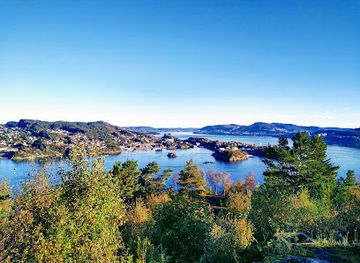

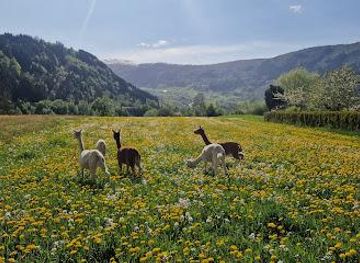
Best landmarks in Western Norway
Bryggen in Bergen is Western Norway's best-known urban landmark: its tightly packed timber buildings preserve the form of the medieval Hanseatic wharf, despite repeated fires and rebuilding. Stavanger's Old Town, Gamle Stavanger, presents a large and coherent collection of white wooden houses, while Ålesund's centre is marked by Art Nouveau buildings reconstructed after the 1904 fire. Urnes Stave Church on the Lustrafjord is an outstanding medieval wooden monument, and the surviving churches at Hopperstad and Kaupanger extend that architectural story. In the natural landscape, the steep-sided Geirangerfjord and the narrower Nærøyfjord are defining landmarks of fjord Norway, with historic farmsteads and waterfalls emphasising their cultural as well as geological importance. Preikestolen is a dramatic rock platform above the Lysefjord, while Trolltunga projects above Ringedalsvatnet and has become a powerful symbol of the region's mountain scenery. On the outer coast, Runde's cliffs and bird colonies and the bridges and islands of the Atlantic Ocean Road express Western Norway's more exposed maritime character.
-
Historical place
North Cape
Discover the breathtaking beauty and rich history of North Cape, the northernmost point of mainland Europe, where land meets the Arctic Ocean.
-
Fortress
Akershus Fortress
Discover the historic Akershus Fortress in Oslo, a stunning blend of medieval architecture, scenic parks, and rich Norwegian heritage.
-
Tourist attraction
Flåmsbana
Explore the breathtaking beauty of Norway aboard the Flåmsbana, a scenic train journey through stunning landscapes and iconic fjords.
-
History museum
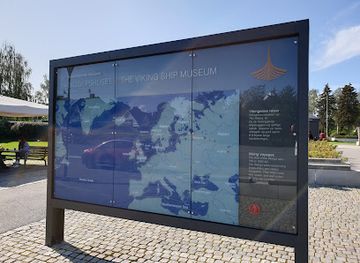
Viking Ship Museum
Explore the Viking Ship Museum in Oslo, where ancient maritime heritage meets interactive history for an unforgettable experience.

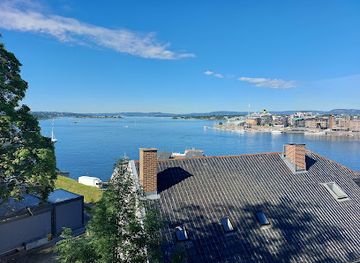
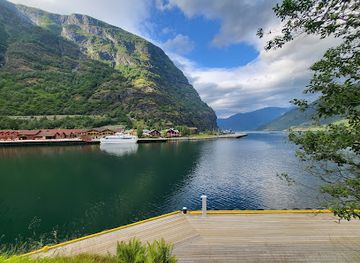
Explore Western Norway on the map
Plan your trip on one map. See where the top cities, national parks and sights are, and book hotels and experiences in a few clicks.
Best hotels in Western Norway
Best restaurants in Western Norway
Dining in Western Norway draws on the coast, mountain pastures and productive fjord districts. Fresh fish, prawns, mussels and crab are widely available, while salmon and trout reflect both traditional fishing and modern aquaculture. Lamb, game, potatoes, dairy products and cured meats such as fenalår appear in regional cooking, and raspeballer, also known in different areas as komle or klubb, is a substantial traditional potato dumpling dish. Hardanger is associated with apples, pears and cider, particularly in the orchard villages along the fjord. Bergen and Stavanger offer the widest range of contemporary restaurants, bakeries, cafés and international food, while smaller towns tend to centre on cafés, hotels, pubs and seasonal seafood restaurants. Farmers' markets and local food shops are useful for tasting cheeses, preserves, smoked fish, flatbreads and other provisions for a self-catering journey. Restaurant prices are high, and rural kitchens may have limited service outside the main season, so advance planning is sensible when travelling beyond the cities.
-
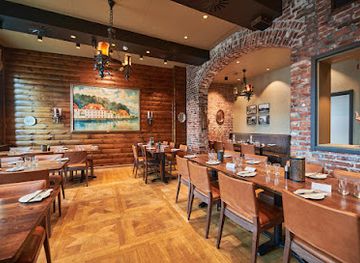
Traditional Norwegian restaurant
Den Glade Gris
Experience the heart of Norwegian cuisine at Den Glade Gris – where tradition meets flavor in the heart of Oslo.
-
Restaurant
AS Bryggestuen - Bryggeloftet
Discover exquisite seafood dining at AS Bryggestuen - Bryggeloftet in Bergen's historic harbor area.
-
Norwegian
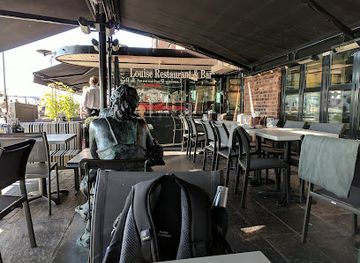
Louise Restaurant & Bar
Experience authentic Norwegian flavors with stunning views at Louise Restaurant & Bar in Oslo – perfect for food lovers and special occasions.
-
Gastropub
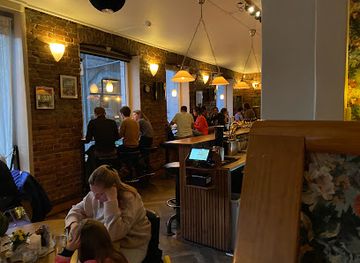
Pingvinen
Discover the essence of Norwegian flavors at Pingvinen - where tradition meets modern gastropub charm in Bergen.

Best bars in Western Norway
Evening life varies considerably across Western Norway. Bergen has the region's broadest concentration of pubs, bars, live music venues and student-oriented nightlife, particularly around the central streets and harbour area, while Stavanger combines cocktail bars, restaurants, traditional pubs and venues influenced by its international business community. Ålesund and Haugesund have smaller but active evening scenes, with bars, cafés, live performances and seasonal events rather than a continuous nightclub culture. In fjord villages and rural districts, evenings usually revolve around hotel restaurants, local pubs, cultural performances or quiet waterfront cafés, and many places close earlier than visitors from major cities may expect. Craft breweries and modern bars have expanded the choice in larger towns, but alcohol is expensive and regulated nationally. During summer, longer daylight encourages outdoor dining and late walks, while winter nightlife is more concentrated in the cities and larger settlements.
-
Brewpub
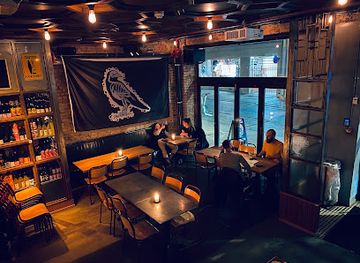
Crow Bar & Brewery
Discover the vibrant craft beer culture at Crow Bar & Brewery, a brewpub in Oslo's lively Grünerløkka, offering unique brews and delicious pub food.
-
Cocktail bar
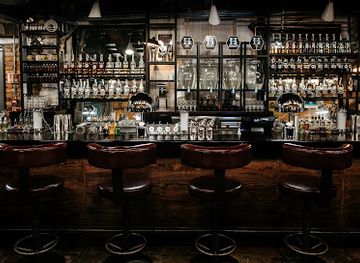
HIMKOK Storgata Destilleri
Experience the artistry of cocktails at HIMKOK Storgata Destilleri, Oslo's premier destination for mixology enthusiasts.
-
Pub
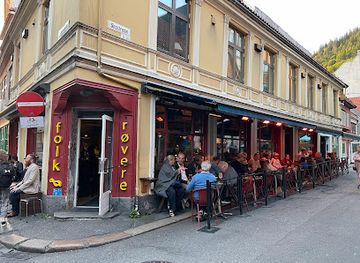
Folk & Røvere
Experience the vibrant atmosphere and local flavors at Folk & Røvere, Bergen's premier pub for relaxation and entertainment.
-
Bar
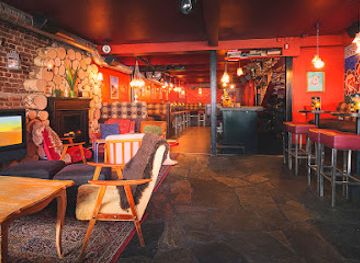
No Stress Bergen
Experience the vibrant nightlife at No Stress Bergen, a cozy bar in the heart of the city, offering a wide selection of drinks and a welcoming atmosphere.
Best nightclubs in Western Norway
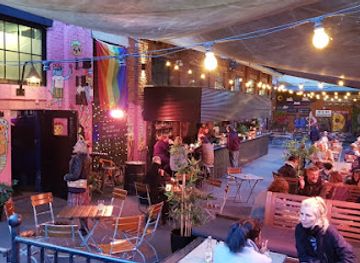
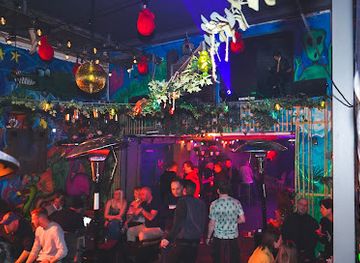
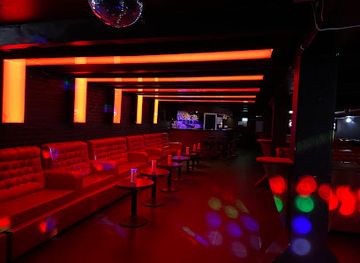
Evening life varies considerably across Western Norway. Bergen has the region's broadest concentration of pubs, bars, live music venues and student-oriented nightlife, particularly around the central streets and harbour area, while Stavanger combines cocktail bars, restaurants, traditional pubs and venues influenced by its international business community. Ålesund and Haugesund have smaller but active evening scenes, with bars, cafés, live performances and seasonal events rather than a continuous nightclub culture. In fjord villages and rural districts, evenings usually revolve around hotel restaurants, local pubs, cultural performances or quiet waterfront cafés, and many places close earlier than visitors from major cities may expect. Craft breweries and modern bars have expanded the choice in larger towns, but alcohol is expensive and regulated nationally. During summer, longer daylight encourages outdoor dining and late walks, while winter nightlife is more concentrated in the cities and larger settlements.
-
Night club
Ingensteds
Experience the vibrant nightlife of Oslo at Ingensteds, a premier night club known for its great music and lively atmosphere.
-
Night club
Storgata 26
Explore the vibrant nightlife of Oslo at Storgata 26, a lively night club offering cocktails, live music, and a cultural experience.
-
Night club
The Villa Oslo Dancing
Discover Oslo's vibrant nightlife at The Villa, a premier night club offering an unforgettable dancing experience with eclectic beats and a lively atmosphere.
-
Adult entertainment club
Paradise Showbar - Strip club and showbar in central Oslo
Discover the electrifying nightlife at Paradise Showbar, Oslo's premier adult entertainment venue, offering stunning performances and a vibrant atmosphere.
Best shops in Western Norway
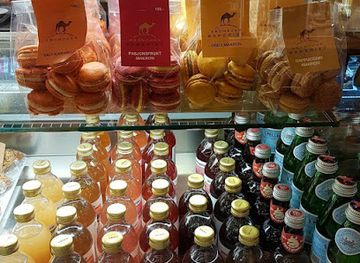
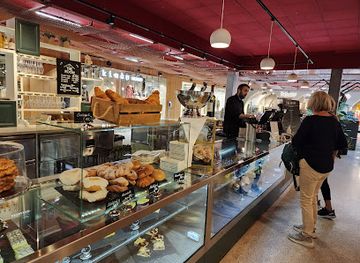
Shopping in Western Norway is strongest in Bergen, Stavanger and Ålesund, whose central streets combine national retailers with independent design shops, bookshops, galleries, bakeries and outdoor-equipment stores. Bergen's historic centre is useful for crafts, food products and maritime-themed goods, while Stavanger has a notable concentration of independent shops in and around its old wooden quarters. In smaller fjord towns, shopping is more practical and seasonal, with supermarkets, local bakeries, farm outlets and galleries rather than large retail centres. Regional purchases might include woollen knitwear, ceramics, woodwork, handmade jewellery, books about local landscapes and packaged seafood. Hardanger cider and other apple products, cheeses, preserves, smoked fish and chocolate are popular food gifts, subject to customs rules for the destination country. Farmers' markets and farm shops offer a more direct connection with western producers, but their opening days vary. Outdoor clothing and equipment are widely available, reflecting the region's strong walking culture, though specialist gear may cost more than visitors expect.
-
Shopping mall
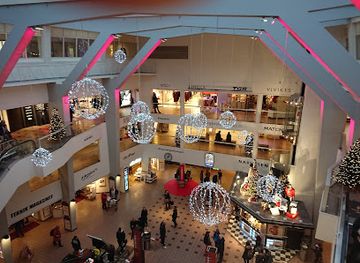
Galleriet
Discover the vibrant shopping experience at Galleriet, Bergen's premier mall featuring diverse stores, delicious dining, and unique local finds.
-
Shopping mall
Bergen Storsenter
Discover Bergen Storsenter, a vibrant shopping mall in Bergen that offers a wide array of stores, dining options, and a lively atmosphere for all visitors.
-
Shopping mall
Paleet
Explore Paleet: Oslo's vibrant shopping mall with fashion, dining, and local culture in the heart of the city.
-
Outlet mall
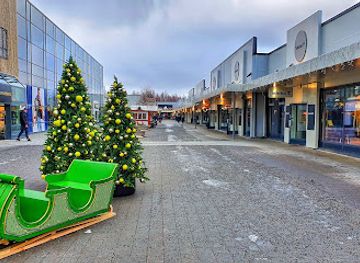
Oslo Fashion Outlet Vestby
Discover unbeatable deals on top fashion brands at Oslo Fashion Outlet Vestby, where style meets savings in a vibrant shopping atmosphere.
Get your free copy of our complete guide to Western Norway, delivered straight to you.
Everything on this page, from attractions and restaurants to essentials and local phrases, in one PDF you can read offline, print or share.
Already have an account? Sign in
Your Western Norway guide is ready.
We'll send it to · Not you? Sign out

Getting your guide ready…
We are putting together a fresh copy of the Western Norway guide. This can take up to a minute.
This can take a few moments. If your browser asks, choose Allow so the download can start. You'll find the guide in your Downloads folder.
Nothing happened? Download it again
Sorry, the guide is taking longer than usual. Please try again in a minute, or get it by email instead.
Western Norway essentials
Currency and Payment
Safety
Emergency Situations
Do's and Don'ts
Local Tips
From Eve
Local phrases worth knowing
You don't need to get them perfect. A few words go a long way, and locals appreciate the effort.
Basics
| English | Local | Say it |
|---|---|---|
| Hello | Hei | [hay] |
| Goodbye | Ha det | [hah deh] |
| Yes | Ja | [yah] |
| No | Nei | [nay] |
| Please/You're welcome | Vær så snill | [vair so sneel] |
| Thank you | Takk | [tahk] |
| Excuse me/Sorry | Unnskyld | [oon-sheel] |
| How are you? | Hvordan har du det? | [vor-dahn har doo deh] |
| Fine. And you? | Bra. Og du? | [brah. oh doo?] |
| Do you speak English? | Snakker du engelsk? | [snah-ker doo eng-elsk?] |
| I don't understand | Jeg forstår ikke | [yai for-stor ik-ke] |
Eating & Drinking
| English | Local | Say it |
|---|---|---|
| I'd like to see the menu, please | Jeg vil gjerne se menyen, vær så snill | [yai vil yar-ne seh meh-nyeen, vair so sneel] |
| I don't eat meat | Jeg spiser ikke kjøtt | [yai spee-ser ik-ke yut] |
| Cheers! | Skål! | [skawl] |
| I would like to pay, please | Jeg vil gjerne betale, vær så snill | [yai vil yar-ne beh-tah-le, vair so sneel] |
Emergencies
| English | Local | Say it |
|---|---|---|
| Help! | Hjelp! | [yelp] |
| Go away! | Gå bort! | [gaw bort] |
| Call the Police! | Ring politiet! | [ring poh-lee-teet] |
| Call a doctor! | Ring en lege! | [ring en leh-geh] |
| I'm lost | Jeg er tapt | [yai air tahpt] |
| I'm ill | Jeg er syk | [yai air seek] |
Shopping
| English | Local | Say it |
|---|---|---|
| I'd like to buy... | Jeg vil gjerne kjøpe... | [yai vil yar-ne shoo-peh] |
| I'm just looking | Jeg ser bare | [yai seer bah-reh] |
| How much is it? | Hvor mye koster det? | [vor mee-eh kost-er deh] |
| That's too expensive | Det er for dyrt | [deh air for deert] |
| Can you lower the price? | Kan du senke prisen? | [kan doo sen-keh pree-sen] |
Time & Numbers
| English | Local | Say it |
|---|---|---|
| What time is it? | Hva er klokka? | [vah air klok-kah] |
| It's one o'clock | Det er ett | [deh air ett] |
| Half past (10) | Halv tolv | [halv tollv] |
| Morning | Morgen | [mor-gen] |
| Afternoon | Ettermiddag | [et-ter-mid-dahg] |
| Evening | Kveld | [kvelld] |
| Yesterday | I går | [ee gor] |
| Today | I dag | [ee dahg] |
| Tomorrow | I morgen | [ee mor-gen] |
| 1 | 1 | [en] |
| 2 | 2 | [to] |
| 3 | 3 | [tre] |
| 4 | 4 | [fire] |
| 5 | 5 | [fem] |
| 6 | 6 | [seks] |
| 7 | 7 | [sju] |
| 8 | 8 | [åtte] |
| 9 | 9 | [ni] |
| 10 | 10 | [ti] |
Transport & Directions
| English | Local | Say it |
|---|---|---|
| Where's a/the...? | Hvor er en/den...? | [vor air en/den] |
| What's the address? | Hva er adressen? | [vah air ah-dress-en] |
| Can you show me (on the map)? | Kan du vise meg (på kartet)? | [kan doo vee-seh mai (poh kar-teht)] |
| When's the next (bus)? | Når går neste (buss)? | [nor gor nes-teh (boos)?] |
| A ticket (to ....) | En billett (til ....) | [en bee-lett (til)] |
History of Western Norway
Early Settlement and the Viking Sea
People have lived along Western Norway's sheltered coast and fjords since the Stone Age, relying on fishing, hunting, farming and maritime exchange. The region's waterways connected communities more effectively than its mountains divided them. During the Viking Age, western coastal settlements became important centres of seafaring, trade and political power. Avaldsnes on Karmøy in Rogaland is associated with an early royal estate, while burial sites, boat remains and place names across the region testify to extensive contact around the North Atlantic. Christianity and royal consolidation later transformed many of these older social and religious structures.
Medieval Bergen and the Hanseatic Trade
Bergen grew into Norway's leading medieval trading town because of its harbour and position between the North Sea and the inland fjords. From the thirteenth century, German merchants of the Hanseatic League operated from Bryggen, exporting dried fish from northern Norway and importing grain, beer and other goods. The wooden wharf was repeatedly damaged by fire but retained its distinctive urban form. Bergen's commercial importance gave Western Norway a strong international connection and helped make the city a political and ecclesiastical centre, even after Norway's royal administration became increasingly tied to Denmark.
Stave Churches and Christian Landscapes
Wooden stave churches appeared across medieval Norway as Christianity became established, combining European church forms with local timber-building expertise. Western Norway retains some of the most important examples, including the churches at Urnes, Hopperstad, Borgund and Kaupanger. Urnes Stave Church, now a UNESCO World Heritage site, is particularly significant for its carved ornament and early medieval construction. These buildings were not isolated monuments: they belonged to farming communities connected by fjord routes. Their survival reflects both durable craftsmanship and the later efforts of antiquarians and preservationists.
Fishing, Shipping and Coastal Commerce
For centuries, Western Norway's economy depended on fishing, farming, boatbuilding and trade between coastal settlements and the fjord interior. Herring fisheries brought periods of prosperity to communities such as Haugesund and the islands around Karmøy, while cod, salmon and shellfish supported both local consumption and export. Ports developed around maritime transport, and small vessels remained essential where roads were difficult to build. The region's coastal identity is still visible in boat houses, fish-processing traditions, harbour architecture and museums that document the practical relationship between ocean, weather and work.
Industrialisation and Hydroelectric Power
From the late nineteenth century, waterfalls and steep valleys enabled Western Norway to develop energy-intensive industries. Hydroelectric power supported factories producing metals and other goods, while new roads, railways and steamship services connected industrial settlements with ports. Locations such as Odda became associated with modern industry in a landscape previously dominated by farming and seasonal transport. Industrialisation altered employment, settlement patterns and local landscapes, but it also helped create the infrastructure that later made remote fjord districts more accessible to residents and visitors.
Oil, Shipping and the Modern West Coast
The discovery and development of North Sea oil from the 1960s reshaped Stavanger and the wider Rogaland economy, bringing engineering, offshore services and international business to a region already experienced in shipping. Bergen and Ålesund also developed strong maritime, fisheries and technology sectors, while smaller coastal communities adapted to changing patterns of work. Tourism expanded alongside these industries, particularly as improved roads, ferries, airports and cruise connections made the fjords more accessible. Contemporary Western Norway therefore combines historic farming and fishing communities with highly specialised maritime and energy economies.
Western Norway in Photos
Browse through our photo collection highlighting the charm and character of the destination.
Neighbouring regions of Western Norway
The closest regions to Western Norway, if you have time for more than one.
-

-

-

-

-


Swipe for more regions
Explore more

Explore more of Norway
Explore Norway's spectacular fjords, vibrant cities, and natural wonders. Experience the Northern Lights, Midnight Sun, and rich cultural heritage in this Scandinavian gem.
Explore Norway