

Free Northern Norway Travel Guide & Mobile App
Explore Northern Norway with free travel guides. Discover regional history, expert tips, proposed trips, and audio guides on web or mobile app.


Northern Norway pairs Arctic islands, fjords, Sámi culture, midnight sun, northern lights and outdoor adventures across a vast mainland region.
Read more about Northern Norway
When is the best time to visit Northern Norway?
Best: June–August · 14–17°C| Month | High (°C) | Rainfall (mm) |
|---|---|---|
| January | 0 | 60 |
| February | 0 | 50 |
| March | 2 | 55 |
| April | 5 | 50 |
| May | 9 | 55 |
| June (best) | 14 | 60 |
| July (best) | 17 | 65 |
| August (best) | 16 | 70 |
| September | 12 | 65 |
| October | 8 | 60 |
| November | 3 | 55 |
| December | 1 | 60 |
Getting to and around Northern Norway
How to get there
Transportation
Top city travel guides in Northern Norway
The cities of Northern Norway, and the easiest places to base yourself.
-

-


Swipe for more cities
Destinations in Northern Norway
Resorts, valleys and scenic spots worth a trip of their own.
-

-

-

-

-


Swipe for more destinations
Best attractions in Northern Norway
Northern Norway's attractions are shaped as much by landscape and seasonal light as by built heritage. In Helgeland, island-hopping, sea-kayaking and viewpoints towards the Seven Sisters mountains complement cultural stops in coastal communities. Lofoten offers fishing-village scenery, galleries, beaches, mountain walks and maritime museums, while Vesterålen combines whale-watching waters with gentler agricultural and coastal landscapes. Around Bodø, the coast, Saltstraumen tidal current and nearby mountain country provide a concentrated introduction to Nordland. Tromsø brings museums, galleries, an aquarium and excursions into surrounding fjords, with outdoor activities continuing through both summer and winter. Narvik is a base for mountain recreation and railway history. Farther east and north, Alta's prehistoric rock art, open landscapes and river culture contrast with the maritime heritage of Hammerfest and Vardø. Finnmark also offers bird-rich coastlines, tundra, fishing communities and Sámi cultural institutions. Many activities depend on weather, season, local access and environmental conditions, so the region is best explored through a mixture of museums, guided excursions and self-directed time outdoors.
-
Aquarium
Polaria aquarium
Explore the Arctic marine life at Polaria in Tromsø, featuring engaging exhibits, seal feedings, and breathtaking cinematic experiences.
-
History museum
The Polar Museum
Discover the captivating history of Arctic exploration at The Polar Museum in Tromsø, Norway - a must-visit for history enthusiasts and adventurous travelers.
-
Tour operator
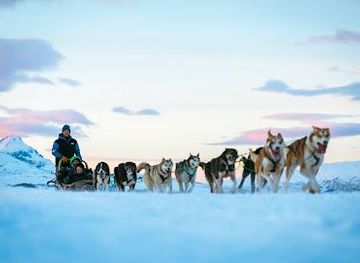
Tromso Wilderness Center - Dog sledding
Experience the thrill of dog sledding at Tromso Wilderness Center, where adventure meets stunning Arctic landscapes in Kvaløya, Norway.
-
Scenic spot
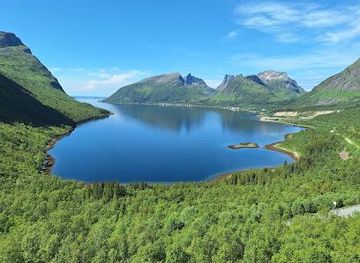
Bergsbotn utsiktsplattform
Discover the breathtaking beauty of Bergsbotn Utsiktsplattform in Skaland, Norway, where stunning landscapes await every traveler.


Best landmarks in Northern Norway
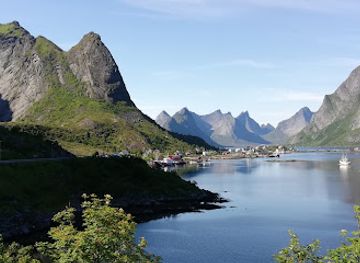
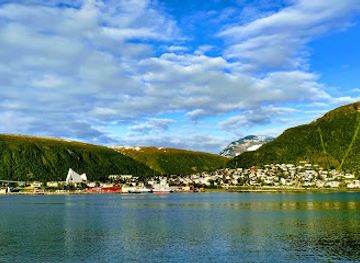
The Lofoten skyline, with sharply rising peaks above narrow sounds, is one of Northern Norway's most recognisable natural landmarks, while the Seven Sisters near Sandnessjøen form a notable mountain group on the Helgeland coast. Saltstraumen near Bodø is famed for powerful tidal currents passing through a narrow strait, a geographical phenomenon best viewed with attention to local safety guidance. In Alta, the shoreline rock-art site records thousands of years of human activity and is recognised as a UNESCO World Heritage property. Vardøhus Fortress stands on the far northeastern coast as a reminder of royal authority and the strategic history of Finnmark. Narvik's harbour and railway corridor embody the industrial and wartime importance of the Ofoten region. Tromsø's Arctic Cathedral is a prominent modern landmark across the sound from the city centre, while the historic wooden buildings of places such as Henningsvær and Nyksund reflect the continuing influence of fishing and maritime trade. These places differ in kind: some are geological, some archaeological, and others architectural or industrial, together expressing the region's breadth.
-
Historical place
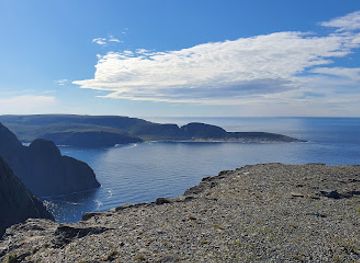
North Cape
Experience the breathtaking beauty and rich history at North Cape, the iconic northernmost point of mainland Europe.
-
Cathedral
Arctic Cathedral
Explore the Arctic Cathedral, a stunning architectural gem in Tromsø, Norway, blending modern design with the natural beauty of the Arctic landscape.
-
Tour operator
Tromso Wilderness Center - Dog sledding
Discover the thrill of dog sledding in the Arctic wilderness at Tromsø Wilderness Center, where adventure meets stunning natural beauty.
-
Cathedral
Tromsø Cathedral
Discover the architectural beauty and serene atmosphere of Tromsø Cathedral, a must-visit destination in Norway's northern capital.
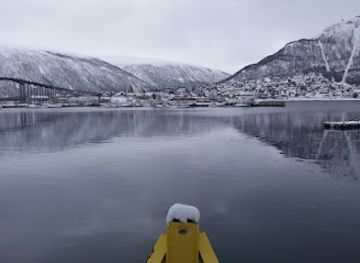
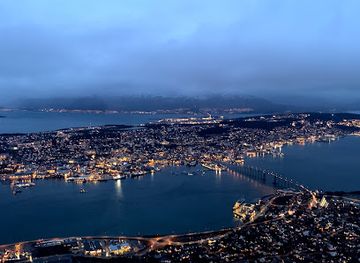
Explore Northern Norway on the map
Plan your trip on one map. See where the top cities, national parks and sights are, and book hotels and experiences in a few clicks.
Best hotels in Northern Norway
Best restaurants in Northern Norway
Dining in Northern Norway reflects a long coastline, inland valleys and a growing interest in local produce. Cod and other white fish remain central, appearing fresh, dried or salted, while salmon, Arctic char, king crab and seasonal shellfish are common in coastal restaurants. Reindeer is associated with Sámi and northern inland food traditions, but it should be understood within the particular cultural and regional context of the dish rather than treated as a generic novelty. Lamb, game, potatoes, berries and locally made dairy products appear on menus across the mainland. Towns such as Bodø, Tromsø and Alta offer the broadest choice of contemporary restaurants, cafés, bakeries and international food, while villages often centre on seasonal seafood, simple cafés and traditional dining rooms. Markets and farm shops can provide cheese, preserves, cloudberries and baked goods, although availability varies by season. Local beer and spirits may accompany meals, but prices and licensing practices are governed by Norway's national framework.
-
Traditional Norwegian restaurant
Den Glade Gris
Discover authentic Norwegian cuisine in Oslo at Den Glade Gris - a traditional restaurant offering hearty dishes and warm hospitality.
-
Restaurant
Egon
Experience delicious local and international cuisine at Egon in Tromsø – where every meal is a celebration of flavors.
-
Fine Dining
Ekebergrestauranten
Experience exquisite Norwegian cuisine at Ekebergrestauranten while enjoying breathtaking views of Oslo's skyline and fjords.
-
Gastropub
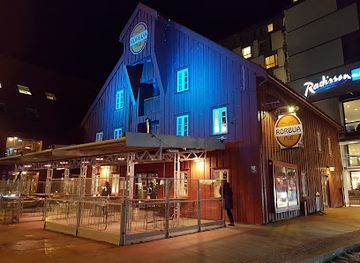
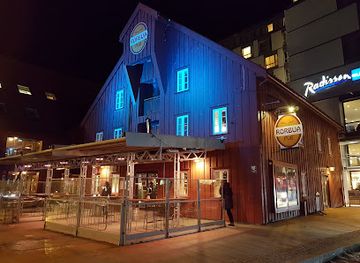
Rorbua Pub
Experience Tromsø's vibrant nightlife at Rorbua Pub - where local cuisine meets live music in a cozy atmosphere.
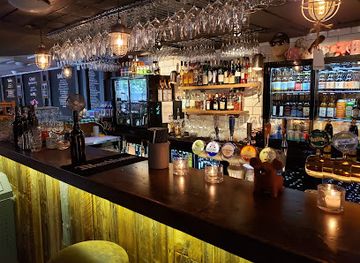
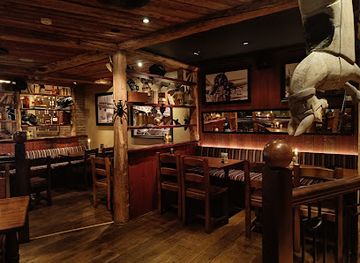
Best bars in Northern Norway
Evening life varies sharply across Northern Norway. Bodø and Tromsø have the region's broadest selection of bars, live-music venues, cafés and later-night establishments, supported by sizeable student and cultural communities. Narvik, Alta and other larger towns offer pubs, restaurants and occasional live entertainment, while smaller fishing and inland settlements tend to favour traditional pubs, hotel bars and social gatherings rather than a substantial nightclub scene. In coastal towns, historic inns and harbourside venues provide a more restrained evening atmosphere, and local breweries or taprooms may feature regional beer where available. Winter visitors often combine dinner with an organised aurora excursion, whereas summer's continuous daylight changes the rhythm of the evening. Opening arrangements vary, especially outside the largest towns, so relying on a particular venue without checking current information is unwise. Nightlife is only one part of the region's evening culture; concerts, museums, community events and outdoor activity are equally important.
-
Brewpub
Ølhallen
Experience the taste of Tromsø at Ølhallen, Norway's historic brewpub, featuring local craft beers and a welcoming atmosphere.
-
Traditional Norwegian restaurant
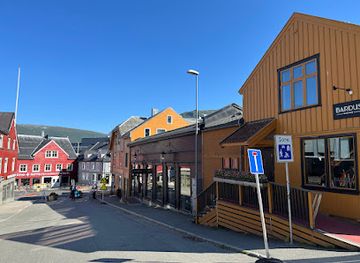
Bardus Bistro
Experience authentic Norwegian flavors at Bardus Bistro, Tromsø's top traditional restaurant and cocktail bar for an unforgettable culinary journey.
-
Gastropub
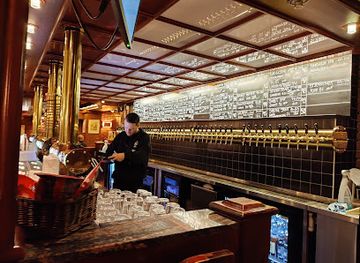
Rorbua Pub
Discover Rorbua Pub in Tromsø for a taste of local brews, traditional Norwegian cuisine, and live music in a charming wooden setting.
-
Bar
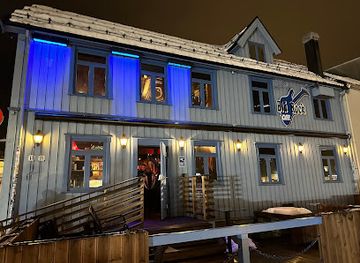
Blårock Cafe
Experience Tromsø's vibrant culture at Blårock Cafe, where great food, drinks, and live music come together in a welcoming atmosphere.
Best nightclubs in Northern Norway
-
Tourist attraction
Nordkapphallen
Discover Nordkapphallen, the breathtaking northernmost point of Europe, where stunning landscapes and rich Sámi culture await your exploration.
-
Night club
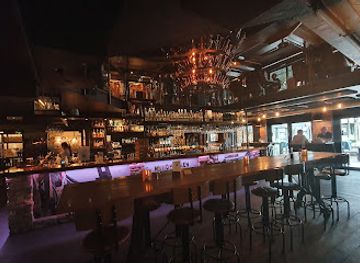
Hundholmen Brygghus
Discover Hundholmen Brygghus, Bodø's vibrant night club, bar, and brewpub offering local brews and delicious cuisine in a lively atmosphere.
-
Bar
Magic Ice Lofoten
Discover the magic of ice artistry at Magic Ice Lofoten, a unique bar and art gallery in Svolvær blending stunning sculptures with vibrant nightlife.
-
Bar
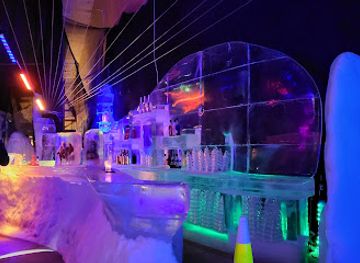
Magic Ice Bar Tromsø
Experience the enchanting atmosphere of Magic Ice Bar Tromsø, where artistry meets nightlife in a mesmerizing icy wonderland.

Best shops in Northern Norway
Shopping in Northern Norway is concentrated in the larger towns and established fishing communities rather than in one continuous retail district. Bodø and Tromsø provide the widest choice of clothing, outdoor equipment, books, galleries, design shops and specialist food retailers, while Narvik and Alta serve as practical regional shopping centres. In Lofoten and Vesterålen, former fishing settlements contain small galleries, craft studios and shops selling locally made goods, though opening patterns can be seasonal. Appropriate regional purchases include woollen products, food preserves, dried fish, berry products, ceramics, prints and outdoor clothing; Sámi handicrafts should be bought from reputable makers and described accurately rather than treated as generic souvenirs. Markets and farm shops may offer cheese, bakery products and other local produce when in season. Visitors should distinguish contemporary Sámi design and handicraft from mass-produced items using Sámi motifs. Remote areas have limited retail choice, so essential equipment and medicines are best obtained in a larger town before travelling onward.
-
Gift shop
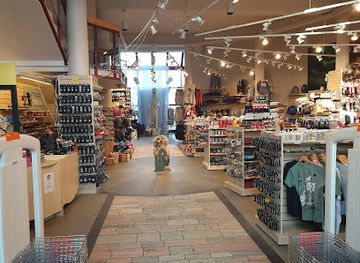
The Arctic Circle Centre
Experience the charm of the Arctic Circle Centre, where local culture, dining, and unforgettable adventures await in stunning Northern Norway.
-
Shopping mall
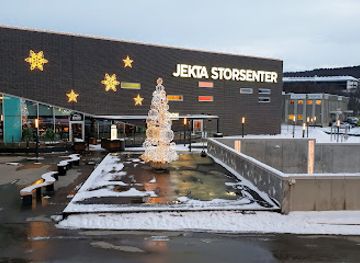
Jekta Storsenter
Explore Jekta Storsenter, Tromsø's largest shopping mall, offering diverse shops, delicious dining, and exciting entertainment options.
-
Shopping mall
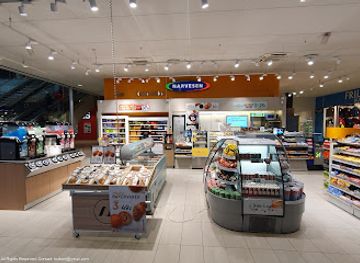
K1 Storhandel
Discover the vibrant shopping scene at K1 Storhandel in Tromsø, Norway, where local culture meets modern retail experiences in a clean and welcoming environment.
-
Store
Bryggejentene AS
Explore the charming Bryggejentene AS in Kvaløya for local crafts, culinary delights, and a memorable shopping experience in Norway.
Get your free copy of our complete guide to Northern Norway, delivered straight to you.
Everything on this page, from attractions and restaurants to essentials and local phrases, in one PDF you can read offline, print or share.
Already have an account? Sign in
Your Northern Norway guide is ready.
We'll send it to · Not you? Sign out

Getting your guide ready…
We are putting together a fresh copy of the Northern Norway guide. This can take up to a minute.
This can take a few moments. If your browser asks, choose Allow so the download can start. You'll find the guide in your Downloads folder.
Nothing happened? Download it again
Sorry, the guide is taking longer than usual. Please try again in a minute, or get it by email instead.
Northern Norway essentials
Currency and Payment
Safety
Emergency Situations
Do's and Don'ts
Local Tips
From Eve
Local phrases worth knowing
You don't need to get them perfect. A few words go a long way, and locals appreciate the effort.
Basics
| English | Local | Say it |
|---|---|---|
| Hello | Hei | [Hay] |
| Goodbye | Ha det | [Hah deh] |
| Yes | Ja | [Yah] |
| No | Nei | [Nay] |
| Please/You're welcome | Vær så snill/Takk for det | [Vair shaw snill/Tahk for deh] |
| Thank you | Takk | [Tahk] |
| Excuse me/Sorry | Unnskyld | [Oonshild] |
| How are you? | Hvordan har du det? | [Vordan har doo deh?] |
| Fine. And you? | Bra. Og du? | [Brah. Oh doo?] |
| Do you speak English? | Snakker du engelsk? | [Snahkker doo engelsk?] |
| I don't understand | Jeg forstår ikke | [Yayg forstorr ee-kay] |
Eating & Drinking
| English | Local | Say it |
|---|---|---|
| I'd like to see the menu, please | Jeg vil gjerne se menyen, vær så snill | [Yayg vil yair-nuh seh mehnyen, vair shaw snill] |
| I don't eat meat | Jeg spiser ikke kjøtt | [Yayg spee-ser ee-kay shutt] |
| Cheers! | Skål! | [Skawl!] |
| I would like to pay, please | Jeg vil gjerne betale, vær så snill | [Yayg vil yair-nuh beh-tah-lay, vair shaw snill] |
Emergencies
| English | Local | Say it |
|---|---|---|
| Help! | Hjelp! | [Yelp!] |
| Go away! | Gå bort! | [Gaw bort!] |
| Call the Police! | Ring politiet! | [Ring poh-lee-teet!] |
| Call a doctor! | Ring en lege! | [Ring en leh-geh!] |
| I'm lost | Jeg er tapt | [Yayg air tahpt] |
| I'm ill | Jeg er syk | [Yayg air seek] |
Shopping
| English | Local | Say it |
|---|---|---|
| I'd like to buy... | Jeg vil gjerne kjøpe... | [Yayg vil yair-nuh shay-pay...] |
| I'm just looking | Jeg bare ser | [Yayg bah-reh sehr] |
| How much is it? | Hvor mye koster det? | [Vhor mee-eh koh-sterr deh?] |
| That's too expensive | Det er for dyrt | [Deh air for deer-t] |
| Can you lower the price? | Kan du senke prisen? | [Kahn doo sen-keh pree-sen?] |
Time & Numbers
| English | Local | Say it |
|---|---|---|
| What time is it? | Hva er klokken? | [Vah air klokken?] |
| It's one o'clock | Den er ett | [Den air et] |
| Half past (10) | Halv (10) | [Halv (10)] |
| Morning | Morgen | [Morgen] |
| Afternoon | Ettermiddag | [Etter-mid-dahg] |
| Evening | Kveld | [Kveld] |
| Yesterday | I går | [Ee gor] |
| Today | I dag | [Ee dahg] |
| Tomorrow | I morgen | [Ee morgen] |
| 1 | 1 | [1] |
| 2 | 2 | [2] |
| 3 | 3 | [3] |
| 4 | 4 | [4] |
| 5 | 5 | [5] |
| 6 | 6 | [6] |
| 7 | 7 | [7] |
| 8 | 8 | [8] |
| 9 | 9 | [9] |
| 10 | 10 | [10] |
Transport & Directions
| English | Local | Say it |
|---|---|---|
| Where's a/the...? | Hvor er en...? | [Vhor air en...?] |
| What's the address? | Hva er adressen? | [Vah air ah-dressen?] |
| Can you show me (on the map)? | Kan du vise meg (på kartet)? | [Kahn doo vee-seh mai (poh kartet)?] |
| When's the next (bus)? | Når går neste (buss)? | [Nahr gawr nes-teh (boos)?] |
| A ticket (to ....) | En billett (til ....) | [En bee-lett (til ....)] |
History of Northern Norway
Early Coastal Settlement and Rock Art
People have lived along Northern Norway's coasts and inland waterways since the retreat of the ice sheet, using marine resources, wild reindeer and seasonal hunting grounds. The rock carvings at Alta, dating from roughly 5200 to 500 BCE, provide one of the region's most important archaeological records, depicting boats, animals, people and hunting scenes. Other prehistoric remains, including house sites and artefacts across Nordland, Troms and Finnmark, show that northern societies adapted to varied coastal and inland environments over many thousands of years.
Sámi Society and Northern Landscapes
Sámi communities developed economic, social and cultural systems across the northern parts of present-day Norway, Sweden, Finland and Russia. Fishing, hunting, gathering and reindeer husbandry all formed part of different local livelihoods; no single Sámi way of life describes the whole region. Norse settlement expanded along the coast and fjords during the medieval period, creating long-standing interaction, trade and later conflict between communities. Sámi languages, handicrafts, music, land relationships and political institutions remain living elements of Northern Norway today.
Medieval Fishing and Trade
The seasonal cod fishery, especially around the Lofoten islands, became central to the medieval economy of northern Norway. Fish was dried as stockfish and exported through the trading system centred on Bergen, linking Arctic waters with European markets. Seasonal fishing settlements, known as rorbuer, developed around this economy, while churches and trading sites marked the consolidation of Norwegian authority along the coast. The fishery shaped settlement patterns and remains visible in the architecture, food traditions and maritime identity of Nordland.
Churches, Kingdoms and Borderlands
From the Middle Ages onwards, the Norwegian crown and church strengthened their presence through taxation, parish organisation and trading networks. Northern Norway was also a borderland of competing interests involving Denmark-Norway, Sweden and Russia, particularly in Finnmark. Vardøhus Fortress, established in the far northeast in the late medieval period and rebuilt several times, symbolised Norwegian authority in a strategically important area. The region's mixed place names and cultural histories reflect centuries of movement and interaction across the north.
Mining, Shipping and the Narvik Railway
Modern industrial development accelerated in the nineteenth and early twentieth centuries. Iron ore from the Swedish mines at Kiruna was transported by the Ofoten Railway to the ice-free port of Narvik, linking the interior of Scandinavia to the Atlantic coast. Mining and shipping changed Narvik's scale and strategic importance, while other northern communities grew through fisheries, trade and mineral extraction. The railway and port also became crucial during the Second World War, when Narvik was the scene of major fighting in 1940.
Second World War and Reconstruction
Northern Norway was heavily affected by the Second World War. Narvik was contested because of its ore exports and port, while the far north became a military frontier facing the Soviet Union. The German occupation brought fortifications, forced labour and severe disruption. In 1944 and 1945, retreating German forces used scorched-earth tactics in Finnmark and northern Troms, destroying homes and infrastructure and displacing much of the population. Post-war reconstruction reshaped towns and villages, often replacing traditional buildings with practical modern structures.
Contemporary Northern Norway
After the war, Northern Norway developed through public investment, improved roads and aviation, modern fisheries, offshore activity, tourism and higher education. Tromsø became a major university and research centre, while Bodø, Alta and other towns gained important regional institutions. Sámi political and cultural revival, including the establishment of the Sámediggi, or Sámi Parliament, at Karasjok in 1989, strengthened recognition of Sámi rights and public life. Today the region balances resource industries, coastal communities, environmental pressures and growing interest in Arctic travel.
Northern Norway in Photos
Browse through our photo collection highlighting the charm and character of the destination.
Neighbouring regions of Northern Norway
The closest regions to Northern Norway, if you have time for more than one.
-

-

-

-

-


Swipe for more regions
Explore more

Explore more of Norway
Explore Norway's spectacular fjords, vibrant cities, and natural wonders. Experience the Northern Lights, Midnight Sun, and rich cultural heritage in this Scandinavian gem.
Explore Norway