

Free Østfold Travel Guide & Mobile App
Explore Østfold with free travel guides. Discover regional history, expert tips, proposed trips, and audio guides on web or mobile app.


Explore Østfold’s historic fortresses, Oslofjord islands, coastal towns, forests and farmland between Oslo and the Swedish border.
Read more about Østfold
When is the best time to visit Østfold?
Best: June–August · 20–22°C| Month | High (°C) | Rainfall (mm) |
|---|---|---|
| January | 1 | 50 |
| February | 2 | 40 |
| March | 6 | 40 |
| April | 10 | 40 |
| May | 17 | 50 |
| June (best) | 20 | 60 |
| July (best) | 22 | 70 |
| August (best) | 21 | 80 |
| September | 17 | 70 |
| October | 11 | 60 |
| November | 5 | 50 |
| December | 2 | 50 |
Getting to and around Østfold
How to get there
Transportation
Top city travel guides in Østfold
The cities of Østfold, and the easiest places to base yourself.
-

-


Swipe for more cities
Best attractions in Østfold
Østfold’s attractions range from fortified towns and military history to islands, forests and waterways. Fredrikstad Old Town is the region’s major heritage experience, with preserved ramparts, gates, streets and museums within a working urban community. Sarpsborg adds Borgarsyssel Museum and the powerful Sarpsfossen waterfall, while Halden combines Fredriksten Fortress with the historic atmosphere of a border town. On the coast, Hvaler offers beaches, skerries, walking paths and boat-based exploration, and Ytre Hvaler National Park protects both terrestrial and marine environments. Moss provides a different cultural focus through Jeløya’s landscapes and Galleri F 15, while the inland districts are suited to paddling, fishing, cycling and forest walks around lakes such as Vansjø. Prehistoric rock carvings near Sarpsborg and Skjeberg connect outdoor excursions with the region’s Bronze Age past. Visitors should expect attractions to be spread across the county: urban museums and fortresses are relatively accessible by public transport, whereas islands, nature areas and rural heritage sites are easier to reach by car or carefully planned local transport.
-
Tourist attraction
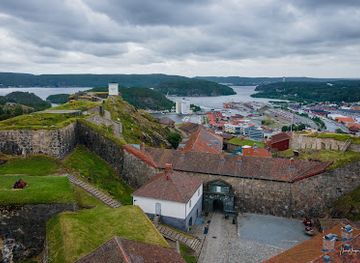
Fredriksten fortress
Discover the captivating history and breathtaking views at Fredriksten Fortress in Halden, Norway, a unique blend of culture and nature.
-
Tourist attraction
Oscarsborg Fortress
Explore the historic Oscarsborg Fortress, a scenic military site with stunning views and rich stories of Norway's past, located in the Oslofjord.
-
National park
Kosterhavet National Park
Explore the breathtaking beauty and diverse marine life at Kosterhavet National Park, Sweden's first marine national park, a must-visit for nature lovers.
-
Water park
Østfoldbadet
Experience the ultimate water adventure at Østfoldbadet, Norway's top water park, featuring thrilling slides, relaxing pools, and fun for all ages.
Best landmarks in Østfold
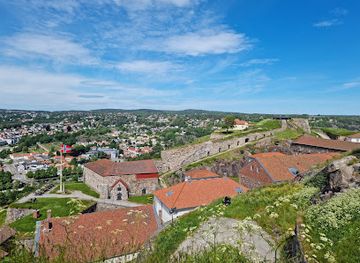
Fredrikstad Old Town is Østfold’s defining architectural landmark: its planned streets, bastions, moat and gates form a rare surviving fortified cityscape from the early modern period. Above Halden, Fredriksten Fortress occupies a strategic height overlooking the town and frontier, with extensive defensive works that embody Norway’s conflict with Sweden. Sarpsfossen, one of Europe’s more powerful waterfalls by historical industrial importance, is both a natural feature and the reason Sarpsborg developed as a settlement and manufacturing centre. The Glomma and its bridges provide further visual structure through Fredrikstad and Sarpsborg. At Skjeberg and nearby districts, prehistoric rock carvings mark exposed surfaces with images left by Bronze Age communities. Moss’s Jeløya contributes a softer landmark landscape of shoreline, woodland, cultivated estates and galleries, while the Hvaler archipelago is defined by low granite islands, narrow channels and open Oslofjord horizons. Together these sites show Østfold as a frontier and maritime region rather than simply an extension of the Oslo metropolitan area.
-
Historical landmark
Fredriksten fortress
Discover the historic Fredriksten Fortress in Halden, Norway, a stunning landmark that offers breathtaking views and rich military history.
-
Shopping mall
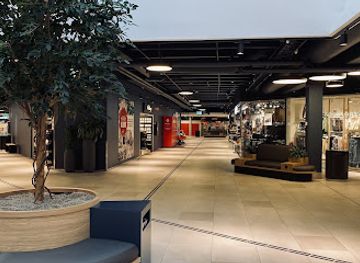
Østfoldhallen
Experience a shopping paradise at Østfoldhallen in Rolvsøy, Norway, where retail therapy meets delightful dining and entertainment options.
-
Science museum
Inspiria Science Center
Explore the fascinating world of science at Inspiria Science Center in Grålum, Norway, with interactive exhibits and educational experiences for all ages.
-
Park
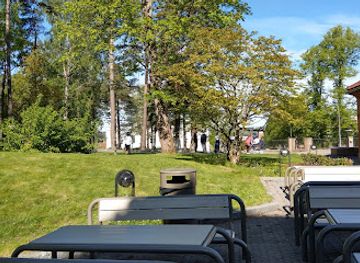
Kulåsparken
Discover tranquility and natural beauty at Kulåsparken, a perfect escape in Sarpsborg with lush greenery and recreational activities for everyone.
Explore Østfold on the map
Plan your trip on one map. See where the top cities, national parks and sights are, and book hotels and experiences in a few clicks.
Best hotels in Østfold
Best restaurants in Østfold
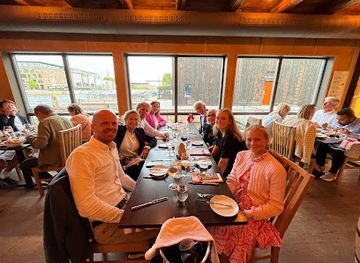
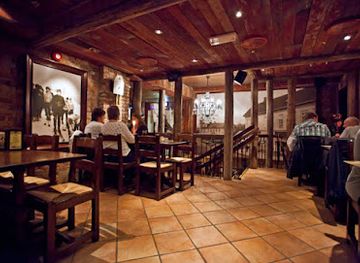
Dining in Østfold reflects its position between the Oslofjord, productive farmland and the Swedish border. Coastal communities and the Hvaler islands provide access to seafood, while inland farms contribute vegetables, potatoes, berries, grains and other seasonal produce. Restaurants in Fredrikstad, Moss, Sarpsborg and Halden range from cafés and traditional pubs to contemporary kitchens, with rural inns and farm-based businesses offering a more local setting outside the towns. Fresh fish, shellfish, open sandwiches, baked goods and Norwegian dairy products are common elements of the wider regional menu, while game and freshwater fish may appear seasonally. Farmers’ markets, farm shops and bakeries are useful places to find regional produce without expecting a single dish to define Østfold’s cuisine. In summer, coastal dining and ice-cream stops become part of the visitor experience, while the colder months favour hearty meals, coffee and pastries in the historic town centres.
-
Restaurant
Restaurant Slippen
Discover the exquisite flavors of Norway at Restaurant Slippen in Kråkerøy – where culinary excellence meets stunning ambiance.
-
Seafood
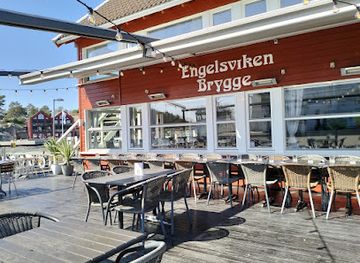
Engelsviken Brygge Fiskerestaurant
Discover fresh seafood delights at Engelsviken Brygge Fiskerestaurant with stunning views and authentic Norwegian flavors.
-
Restaurant
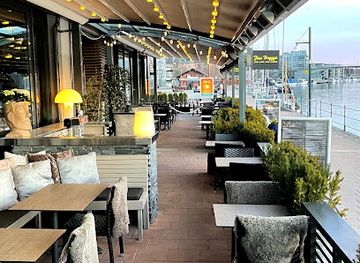
Paa Brygga i Fredrikstad
Experience the exquisite flavors of Norway at Paa Brygga in Fredrikstad - where culinary artistry meets stunning waterfront views.
-
Restaurant
Egon
Discover Egon in Fredrikstad: A family-friendly restaurant offering diverse dishes and cozy ambiance perfect for every occasion.
Best bars in Østfold
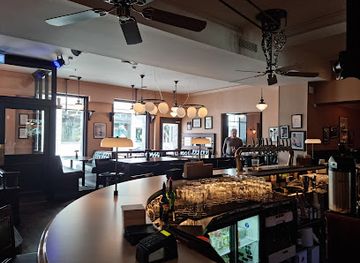
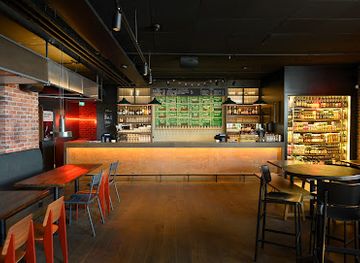
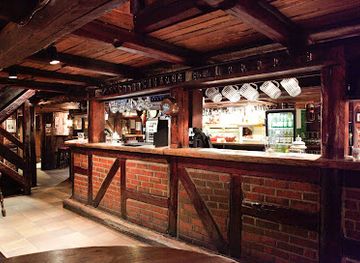
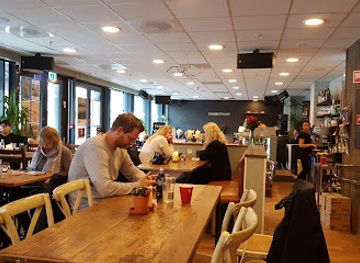
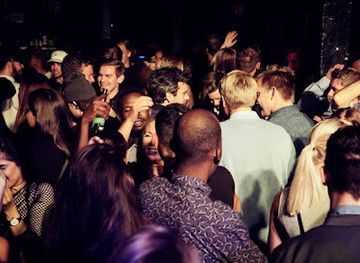
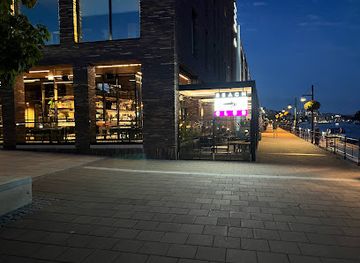
Evening life in Østfold is concentrated in Fredrikstad, Moss, Sarpsborg and Halden rather than spread evenly across the countryside. Fredrikstad Old Town and the waterfront provide atmospheric settings for pubs, cafés and restaurants, while central Moss, Sarpsborg and Halden have bars, live-music spaces and later evening venues aimed at local residents and younger crowds. Halden’s cultural life is also influenced by its music traditions and historic venues, though programmes and business arrangements change. Outside the main towns, nightlife is generally based on traditional pubs, hotel bars, restaurants and seasonal events rather than large clubs. Summer brings more activity to coastal communities and harbours, but many island and rural businesses operate on shorter or seasonal schedules. Visitors should check current arrangements and plan a return journey in advance when staying beyond the urban centres.
-
Gastropub
Havnelageret AS
Discover the culinary treasures of Havnelageret AS, a premier gastropub in Fredrikstad, offering local flavors in a cozy atmosphere.
-
Beer hall
Tæps
Experience the vibrant atmosphere of Tæps, Fredrikstad's premier beer hall, offering an extensive selection of craft beers and a lively social scene.
-
Bar
Dickens Sarpsborg
Experience the vibrant nightlife and dining at Dickens Sarpsborg, the hotspot for great food, drinks, and live entertainment in Sarpsborg.
-
Bar
Bryggerhuset Syd
Experience the flavors of Halden at Bryggerhuset Syd, a cozy bar and restaurant offering delicious local cuisine and a welcoming atmosphere.
Best nightclubs in Østfold
Evening life in Østfold is concentrated in Fredrikstad, Moss, Sarpsborg and Halden rather than spread evenly across the countryside. Fredrikstad Old Town and the waterfront provide atmospheric settings for pubs, cafés and restaurants, while central Moss, Sarpsborg and Halden have bars, live-music spaces and later evening venues aimed at local residents and younger crowds. Halden’s cultural life is also influenced by its music traditions and historic venues, though programmes and business arrangements change. Outside the main towns, nightlife is generally based on traditional pubs, hotel bars, restaurants and seasonal events rather than large clubs. Summer brings more activity to coastal communities and harbours, but many island and rural businesses operate on shorter or seasonal schedules. Visitors should check current arrangements and plan a return journey in advance when staying beyond the urban centres.
-
Live Music
BLÅ
Discover Oslo's lively cultural scene at BLÅ, a premier live music venue and disco club in Grünerløkka, where unforgettable nights await.
-
Restaurant
Beach Club
Experience the vibrant atmosphere and delicious cuisine at Beach Club in Fredrikstad, where relaxation meets culinary excellence.
-
Pub
Edvarts Pub
Experience the vibrant atmosphere of Edvarts Pub in Sarpsborg, where live music and local brews create an unforgettable night out.
-
Live music bar
Feelgood
Experience the vibrant nightlife of Halden at Feelgood, a premier live music bar where local talent shines and every night is a celebration.


Best shops in Østfold
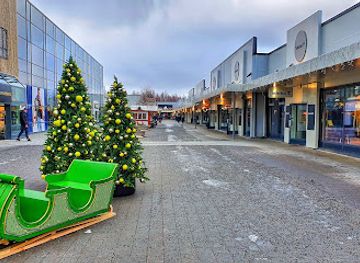
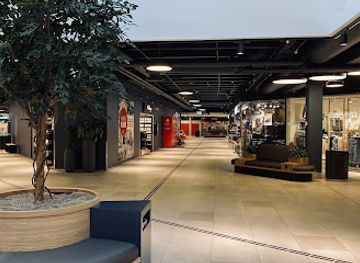
Shopping in Østfold is centred on the high streets and commercial centres of Moss, Fredrikstad, Sarpsborg and Halden, with smaller market towns providing independent shops, cafés and practical services. Fredrikstad’s Old Town is the most atmospheric place for browsing galleries, design shops, antiques, books and craft-oriented businesses, although stock and opening arrangements vary. Local food is a useful purchase across the county: look for farm-shop vegetables, berries, preserves, baked goods and other seasonal produce near agricultural districts. Hvaler and the coastal towns offer maritime gifts, outdoor equipment and small-scale craft products, while Jeløya’s cultural scene around Moss supports galleries and art-related shopping. Markets and temporary stalls are more common during the warmer months, so visitors should check local listings rather than assume that a particular market operates year-round. Norway’s national outdoor brands and everyday retail are widely available in the larger towns, but Østfold’s more distinctive souvenirs are generally connected with local food, art, ceramics, textiles and the region’s coastal or historic character.
-
Outlet mall
Oslo Fashion Outlet Vestby
Discover unbeatable deals on top brands at Oslo Fashion Outlet Vestby – the ultimate shopping destination near Oslo.
-
Shopping mall
Østfoldhallen
Explore Østfoldhallen, a vibrant shopping mall in Rolvsøy, Norway, featuring diverse shops, dining options, and family-friendly entertainment.
-
Shopping mall
Storbyen Center
Explore the Storbyen Center in Sarpsborg, a shopping mall filled with diverse shops, dining options, and a vibrant atmosphere perfect for every tourist.
-
Shopping mall
AMFI Borg
Discover a vibrant shopping experience at AMFI Borg, Sarpsborg's premier mall with diverse stores, delicious dining, and exciting events.
Get your free copy of our complete guide to Østfold, delivered straight to you.
Everything on this page, from attractions and restaurants to essentials and local phrases, in one PDF you can read offline, print or share.
Already have an account? Sign in
Your Østfold guide is ready.
We'll send it to · Not you? Sign out

Getting your guide ready…
We are putting together a fresh copy of the Østfold guide. This can take up to a minute.
This can take a few moments. If your browser asks, choose Allow so the download can start. You'll find the guide in your Downloads folder.
Nothing happened? Download it again
Sorry, the guide is taking longer than usual. Please try again in a minute, or get it by email instead.
Østfold essentials
Currency and Payment
Safety
Emergency Situations
Do's and Don'ts
Local Tips
From Eve
Local phrases worth knowing
You don't need to get them perfect. A few words go a long way, and locals appreciate the effort.
Basics
| English | Local | Say it |
|---|---|---|
| Hello | Hei | [hay] |
| Goodbye | Ha det | [ha deh] |
| Yes | Ja | [yah] |
| No | Nei | [nay] |
| Please/You're welcome | Vær så snill | [vaer sho sneel] |
| Thank you | Takk | [tahk] |
| Excuse me/Sorry | Unnskyld | [oon-shild] |
| How are you? | Hvordan har du det? | [vor-dahn har doo deh] |
| Fine. And you? | Bra. Og du? | [brah. oh doo?] |
| Do you speak English? | Snakker du engelsk? | [snakker doo eng-elsk?] |
| I don't understand | Jeg forstår ikke | [yay for-stor ik-eh] |
Eating & Drinking
| English | Local | Say it |
|---|---|---|
| I'd like to see the menu, please | Jeg vil gjerne se menyen, vær så snill | [yay vil yar-neh seh meh-nuen, vaer sho sneel] |
| I don't eat meat | Jeg spiser ikke kjøtt | [yay spee-ser ik-eh sh-yuh-t] |
| Cheers! | Skål! | [skawl] |
| I would like to pay, please | Jeg vil gjerne betale, vær så snill | [yay vil yar-neh beh-tah-leh, vaer sho sneel] |
Emergencies
| English | Local | Say it |
|---|---|---|
| Help! | Hjelp! | [yelp] |
| Go away! | Gå bort! | [goh bort] |
| Call the Police! | Ring politiet! | [ring poh-lee-teh] |
| Call a doctor! | Ring en lege! | [ring en leh-geh] |
| I'm lost | Jeg er tapt | [yay air tahpt] |
| I'm ill | Jeg er syk | [yay air seek] |
Shopping
| English | Local | Say it |
|---|---|---|
| I'd like to buy... | Jeg vil gjerne kjøpe... | [yay vil yar-neh shuh-peh...] |
| I'm just looking | Jeg bare ser | [yay bah-reh sehr] |
| How much is it? | Hvor mye koster det? | [vor mye kohs-ter deh?] |
| That's too expensive | Det er for dyrt | [deh air for deer-t] |
| Can you lower the price? | Kan du senke prisen? | [kan doo sen-keh pree-sen?] |
Time & Numbers
| English | Local | Say it |
|---|---|---|
| What time is it? | Hva er klokken? | [vah air kloh-ken?] |
| It's one o'clock | Den er ett | [dehn air eht] |
| Half past (10) | Halv ti | [halv tee] |
| Morning | Morgen | [mor-gen] |
| Afternoon | Ettermiddag | [et-ter-meed-ahg] |
| Evening | Kveld | [kveld] |
| Yesterday | I går | [ee gor] |
| Today | I dag | [ee dahg] |
| Tomorrow | I morgen | [ee mor-gen] |
| 1 | 1 | [1] |
| 2 | 2 | [2] |
| 3 | 3 | [3] |
| 4 | 4 | [4] |
| 5 | 5 | [5] |
| 6 | 6 | [6] |
| 7 | 7 | [7] |
| 8 | 8 | [8] |
| 9 | 9 | [9] |
| 10 | 10 | [10] |
Transport & Directions
| English | Local | Say it |
|---|---|---|
| Where's a/the...? | Hvor er en...? | [vor air en...?] |
| What's the address? | Hva er adressen? | [vah air ah-dressen?] |
| Can you show me (on the map)? | Kan du vise meg (på kartet)? | [kan doo vee-seh myg (poh kar-teh)?] |
| When's the next (bus)? | Når går neste (buss)? | [nor gor nes-teh (boos)?] |
| A ticket (to ....) | En billett (til ....) | [en bee-lett (til ....)] |
History of Østfold
Bronze Age Rock Art and Early Settlement
Østfold contains some of southern Norway’s important prehistoric rock-art landscapes, especially around Skjeberg and the area east of Sarpsborg. Carvings of ships, animals, people and symbols were made on exposed rock during the Bronze Age and later prehistoric periods, when the Oslofjord and its surrounding valleys supported maritime movement, farming and exchange. Sites such as the Solbergfeldet and the carvings at Begby provide evidence of communities with established ritual practices and connections across Scandinavia. Their survival in the landscape offers a direct, if fragmentary, link to societies that existed long before written records or Norway’s medieval kingdom.
Borg and the Medieval Glomma Valley
Sarpsborg stands on the site of Borg, founded by King Olav Haraldsson, later Saint Olav, in 1016 beside the Sarpsfossen waterfall. The settlement became an important royal and ecclesiastical centre in the medieval landscape of the lower Glomma. Its position connected river transport, farming districts and routes towards the Oslofjord and Sweden. Although the medieval town did not remain the dominant urban centre of the region, its legacy is represented by Borgarsyssel Museum, archaeological remains and the continuing importance of the waterfall and river corridor to Sarpsborg’s identity.
Fredrikstad and the Danish-Norwegian Frontier
Fredrikstad was founded in 1567 by King Frederik II after the destruction of Sarpsborg during conflict with Sweden. Its location on the Glomma was strategically important in a period when the Danish-Norwegian kingdom faced repeated pressure from its eastern neighbour. The fortified town, now known as Gamlebyen or the Old Town, developed according to a planned military design, with ramparts, moats and defensive gateways. Its surviving fortifications make it one of northern Europe’s notable early modern fortified urban environments and explain why Fredrikstad became a durable centre of administration, trade and shipping.
Fredriksten Fortress and Border Wars
Halden’s Fredriksten Fortress was built and expanded from the seventeenth century to defend the frontier against Sweden. The stronghold played a prominent role in the wars between the Danish-Norwegian kingdom and Sweden, including the campaign in which King Karl XII of Sweden was killed in 1718 during an attack on the fortress. The site reflects the changing technology of early modern warfare, with extensive walls, bastions and elevated defensive positions. Its strategic setting above Halden also shaped the town’s development as a border, military and commercial centre.
Timber, Waterways and Industrialisation
Østfold’s rivers, forests and proximity to the sea supported a long timber economy. Logs moved through the Glomma system and other waterways to sawmills, ports and overseas markets, while waterfalls such as Sarpsfossen supplied power for later industrial expansion. Paper, pulp, engineering and other manufacturing industries became especially important around Sarpsborg, Fredrikstad, Moss and Halden. The Halden waterway, including its locks and connected lakes, illustrates how nineteenth-century transport infrastructure sought to make the forest interior more accessible to industry and trade.
Moss, Manufacturing and Political Change
Moss developed as a port and manufacturing town, becoming associated with sawmilling, paper and metalworking as well as coastal trade. The town also entered Norway’s national political history in 1814, when the Convention of Moss helped bring the short war between Norway and Sweden to an end after Norway had adopted its constitution. Moss’s industrial buildings, museums and waterfront provide reminders of how political events, maritime connections and manufacturing shaped the town. On nearby Jeløya, estates and cultivated landscapes preserve a different aspect of the area’s social and agricultural history.
Modern Regional Transformation
During the twentieth century, Østfold changed from a predominantly rural and industrial county into a varied region of commuter towns, advanced manufacturing, agriculture, tourism and protected landscapes. Improved roads and rail links strengthened connections with Oslo while the Swedish border encouraged continuing cross-border movement. Some traditional heavy industries declined or modernised, but industrial heritage remains visible beside cultural institutions, working farms and coastal communities. The creation of protected areas such as Ytre Hvaler National Park reflects a more recent effort to balance recreation, habitation, fishing and conservation in the Oslofjord environment.
Østfold in Photos
Browse through our photo collection highlighting the charm and character of the destination.
Neighbouring regions of Østfold
The closest regions to Østfold, if you have time for more than one.
-

-

-

-

-


Swipe for more regions
Explore more

Explore more of Norway
Explore Norway's spectacular fjords, vibrant cities, and natural wonders. Experience the Northern Lights, Midnight Sun, and rich cultural heritage in this Scandinavian gem.
Explore Norway