

Free Østlandet Travel Guide & Mobile App
Explore Østlandet with free travel guides. Discover regional history, expert tips, proposed trips, and audio guides on web or mobile app.


Explore Østlandet for Oslo culture, Oslofjord coastlines, historic towns, forest trails, inland lakes and Norway’s eastern mountain landscapes.
Read more about Østlandet
When is the best time to visit Østlandet?
Best: June–August · 20–23°C| Month | High (°C) | Rainfall (mm) |
|---|---|---|
| January | -1 | 50 |
| February | -1 | 40 |
| March | 4 | 40 |
| April | 9 | 40 |
| May | 16 | 50 |
| June (best) | 20 | 60 |
| July (best) | 23 | 70 |
| August (best) | 21 | 70 |
| September | 15 | 60 |
| October | 10 | 50 |
| November | 4 | 50 |
| December | 1 | 50 |
Getting to and around Østlandet
How to get there
Transportation
Top city travel guides in Østlandet
The cities of Østlandet, and the easiest places to base yourself.
-

-

-

-

-

-


Swipe for more cities
Destinations in Østlandet
Resorts, valleys and scenic spots worth a trip of their own.
-

-

-

-

-

-


Swipe for more destinations
Best attractions in Østlandet
Østlandet’s attractions range from Oslo’s museums, galleries, opera house and waterfront cultural institutions to quiet forest paths within easy reach of the capital. The Oslofjord provides islands, boating routes, swimming places and coastal towns, while Fredrikstad’s fortified old town and the historic centres of Halden and Kongsberg offer distinct architectural and military heritage. Around Lake Mjøsa, Hamar and Lillehammer combine museums, lakeside scenery and access to inland valleys; Lillehammer is also a practical base for Olympic-era venues and mountain excursions. Farther north and west, Rondane, Jotunheimen and Femundsmarka bring marked trails, high plateaux, lakes and wildlife-rich landscapes, though each requires serious seasonal preparation. Telemark contributes wooded valleys, waterways, traditional settlements and outdoor activities, while the agricultural districts around the Oslofjord and Glomma valley reveal a quieter rural side. Open-air museums, historic farms, galleries and former industrial sites help explain how farming, forestry, mining, hydropower and urban life developed together. Families can choose from museums, rail journeys, swimming areas and activity centres, but the strongest appeal lies in the contrast between metropolitan culture and broad, accessible countryside.
-
Tourist attraction
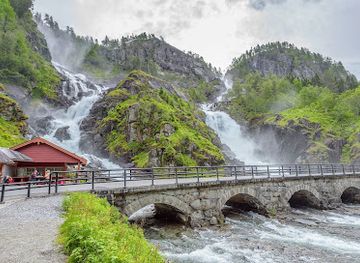
Låtefossen Waterfall
Experience the stunning beauty of Låtefossen Waterfall, a must-visit natural wonder in Skare, Norway, offering breathtaking views and unforgettable moments.
-
Tourist attraction
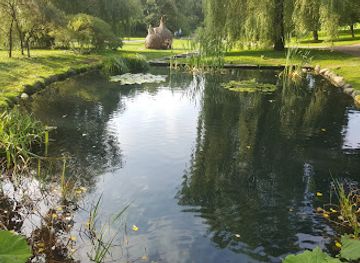
Naturhistorisk museum
Explore the Naturhistorisk Museum in Oslo, a captivating journey through the wonders of the natural world, perfect for families and nature lovers alike.
-
Tourist attraction
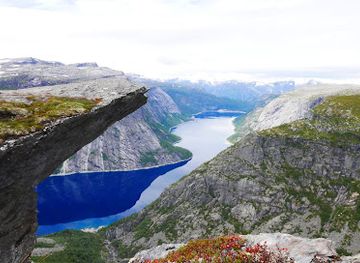
Trolltunga "Troll's Tongue"
Experience the breathtaking views and adventurous hike at Trolltunga, Norway's iconic Troll's Tongue, a must-see for nature lovers.
-
Tourist attraction
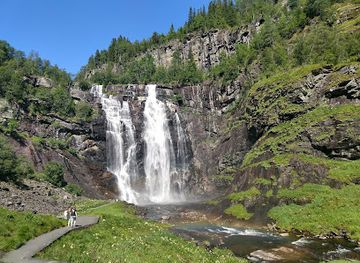
Skjervsfossen Waterfall
Experience the breathtaking beauty of Skjervsfossen Waterfall, a stunning natural attraction that showcases Norway's majestic landscapes.
Best landmarks in Østlandet
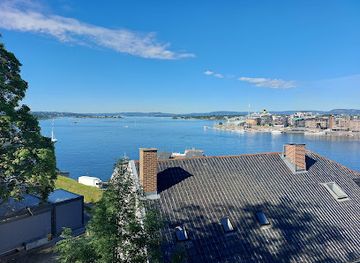
The Oslofjord and the forested hills around Oslo are defining geographical landmarks, showing how closely the capital is tied to water and woodland. In Oslo, the Royal Palace, Akershus Fortress and the modern waterfront skyline represent different phases of national and urban development, while the Holmenkollen ski jump embodies the region’s long sporting relationship with snow. Fredrikstad’s star-shaped old town and defensive walls are among Østlandet’s most recognisable historic ensembles, and Fredriksten Fortress at Halden commands a strategic border landscape shaped by conflict with Sweden. Kongsberg’s historic silver-mining environment preserves the architectural and industrial legacy of Norway’s early mining economy. Around Lake Mjøsa, the lake itself is the dominant natural landmark, bordered by settlements and transport routes that have connected eastern Norway for centuries. Inland, the summits and valleys of Rondane and Jotunheimen provide a markedly different visual identity, while the Telemark Canal is a notable engineering and landscape landmark linking lakes and waterways through southern inland Norway. Wooden churches, old farmsteads and historic town streets complete a regional landscape in which natural and built heritage are closely interwoven.
-
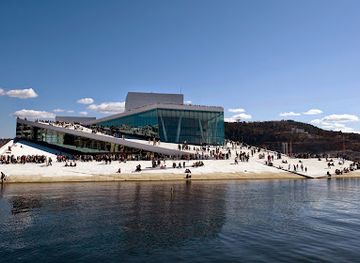
Opera house
Oslo Opera House
Discover the architectural wonder and cultural heart of Oslo at the stunning Oslo Opera House, where world-class performances meet breathtaking views.
-
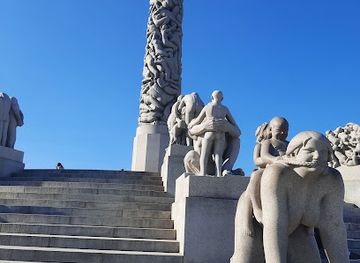
Sculpture museum
The Vigeland Park
Explore the breathtaking Vigeland Park in Oslo, a unique open-air museum of over 200 stunning sculptures by Gustav Vigeland, surrounded by nature's beauty.
-
Fortress
Akershus Fortress
Discover the rich history of Norway at Akershus Fortress, a majestic medieval castle offering breathtaking views and cultural insights in the heart of Oslo.
-
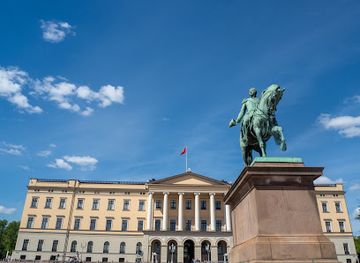
Castle
The Royal Palace
Explore the grandeur of The Royal Palace in Oslo, a stunning castle showcasing Norway's rich royal history and breathtaking architecture.
Explore Østlandet on the map
Plan your trip on one map. See where the top cities, national parks and sights are, and book hotels and experiences in a few clicks.
Best hotels in Østlandet
Best restaurants in Østlandet
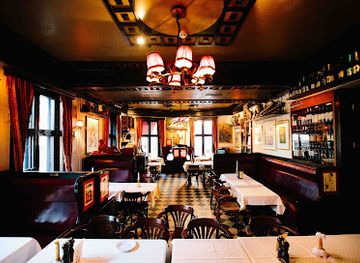
Dining in Østlandet reflects both Oslo’s international population and the region’s farming, forestry and freshwater traditions. In the capital, visitors can find contemporary Norwegian cooking alongside cuisines from across the world, with seafood, seasonal vegetables and carefully sourced local ingredients common themes. Outside Oslo, traditional cafés, bakeries, rural inns and town-centre restaurants provide a more local rhythm, often featuring open sandwiches, fish, potatoes, dairy products and baked goods. Brown cheese, flatbreads, cured meat, game and freshwater fish are useful regional reference points, although recipes vary between districts and many are shared with wider Norwegian food culture. Around the Oslofjord, seafood is prominent, while inland communities are more closely associated with farm produce, berries, mushrooms and game when in season. Farmers’ markets and food halls are good places to look for cheeses, preserves, breads and locally made drinks. Alcohol is comparatively expensive, and stronger beer, wine and spirits are subject to Norway’s national licensing arrangements, so rural dining options may be more limited and should be planned ahead.
-
Traditional Norwegian restaurant
Den Glade Gris
Savor authentic Norwegian cuisine at Den Glade Gris in Oslo - where tradition meets taste!
-
Norwegian
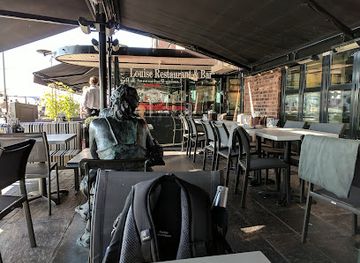
Louise Restaurant & Bar
Experience the essence of Norwegian cuisine at Louise Restaurant & Bar in Oslo – where tradition meets modern dining.
-
Norwegian
Lorry Restaurant
Experience authentic Norwegian cuisine in Oslo's vibrant Lorry Restaurant - where tradition meets modern dining.
-
Restaurant
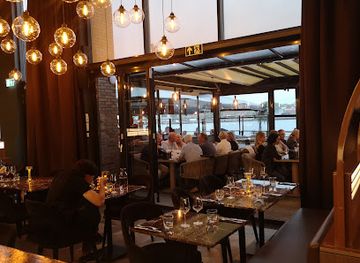
Seaport Restaurant - Sørenga/Bjørvika
Experience exquisite flavors at Seaport Restaurant in Oslo’s vibrant Sørenga/Bjørvika - where culinary diversity meets stunning waterfront views.
Best bars in Østlandet
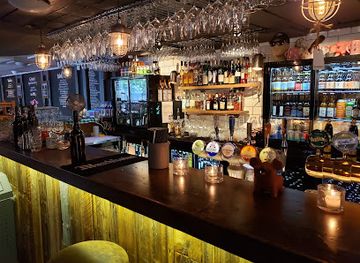
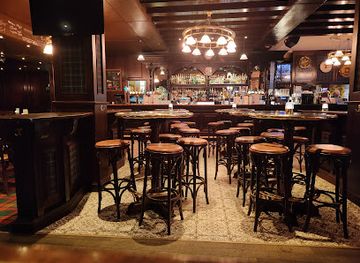
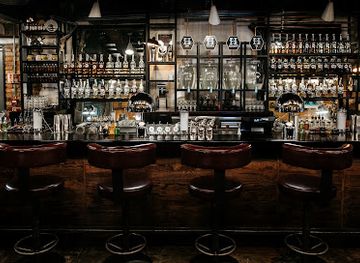
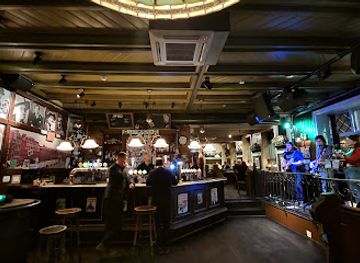
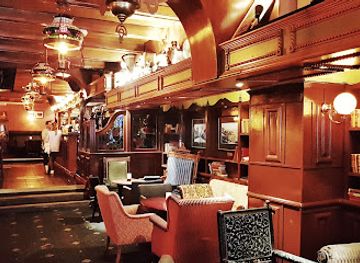
Oslo is the centre of Østlandet’s evening life, with cocktail bars, traditional pubs, live-music venues, wine bars, theatres and nightclubs concentrated across the central districts and inner neighbourhoods. Its scene changes quickly, so visitors should check current arrangements rather than rely on old venue lists. University communities give places such as Lillehammer and Ås a youthful element, while larger towns including Fredrikstad, Hamar, Tønsberg and Drammen offer pubs, restaurants, concert venues and seasonal events without matching Oslo’s scale. In smaller inland communities, evenings generally revolve around local pubs, hotel bars, cafés, cultural performances or occasional live music rather than a dense club circuit. Coastal towns can become busier during the summer, especially around restaurant and harbour areas, whereas mountain resorts often have a more seasonal après-ski atmosphere. Norway’s alcohol rules and prices are important practical considerations, and a relaxed evening meal, concert or walk through a historic town can be as characteristic of regional nightlife as a late night out.
-
Pub
Scotsman
Experience the lively spirit of Oslo at The Scotsman, a vibrant pub offering delicious food, live music, and sports entertainment in the heart of the city.
-
Cocktail bar
HIMKOK Storgata Destilleri
Discover HIMKOK Storgata Destilleri, a top cocktail bar in Oslo known for its innovative drinks and vibrant atmosphere.
-
Irish pub
The Dubliner Folk Pub
Experience the vibrant spirit of Ireland at The Dubliner Folk Pub in Oslo, where delicious food meets live music in a cozy setting.
-
Pub
Sir Winston's Public House
Discover the lively ambiance of Sir Winston's Public House in Oslo, where great food, drinks, and entertainment come together for an unforgettable experience.
Best nightclubs in Østlandet
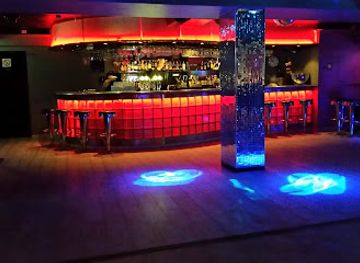
Oslo is the centre of Østlandet’s evening life, with cocktail bars, traditional pubs, live-music venues, wine bars, theatres and nightclubs concentrated across the central districts and inner neighbourhoods. Its scene changes quickly, so visitors should check current arrangements rather than rely on old venue lists. University communities give places such as Lillehammer and Ås a youthful element, while larger towns including Fredrikstad, Hamar, Tønsberg and Drammen offer pubs, restaurants, concert venues and seasonal events without matching Oslo’s scale. In smaller inland communities, evenings generally revolve around local pubs, hotel bars, cafés, cultural performances or occasional live music rather than a dense club circuit. Coastal towns can become busier during the summer, especially around restaurant and harbour areas, whereas mountain resorts often have a more seasonal après-ski atmosphere. Norway’s alcohol rules and prices are important practical considerations, and a relaxed evening meal, concert or walk through a historic town can be as characteristic of regional nightlife as a late night out.
-
Live Music
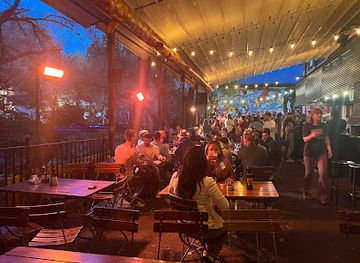
BLÅ
Discover BLÅ: Oslo's premier live music venue and beer garden, where unforgettable performances and a vibrant atmosphere come together.
-
Night club
F6 Cocktailbar
Delve into Oslo's nightlife at F6 Cocktailbar, where exquisite cocktails meet a vibrant atmosphere in the heart of Frogner.
-
Night club
Ingensteds
Immerse yourself in Oslo's vibrant nightlife at Ingensteds, a premier nightclub in Grünerløkka with electrifying music and a welcoming atmosphere.
-
Night club
London Pub
Vibrant nightlife awaits at London Pub, Oslo's premier night club featuring a mix of entertainment, drinks, and a welcoming atmosphere.


Best shops in Østlandet
Shopping in Østlandet ranges from Oslo’s broad selection of department stores, independent boutiques, design shops, bookshops and food halls to the smaller high streets of inland and coastal towns. The capital is the best place for contemporary Norwegian design, fashion and specialist food, while towns such as Lillehammer, Fredrikstad, Hamar, Tønsberg and Kongsberg offer locally focused shops alongside ordinary everyday retail. Market days and farmers’ markets vary by season and location, but are useful for cheeses, breads, preserves, berries, honey and other regional produce when operating. Craft shops and galleries may offer ceramics, woollen goods, woodwork, glass, jewellery and artwork inspired by eastern landscapes, although quality and provenance differ between sellers. In rural districts, farm shops and roadside stalls can be more rewarding than conventional shopping centres, particularly during the growing season. Traditional souvenirs should be chosen thoughtfully: locally made textiles, food products or practical outdoor goods are generally more meaningful than generic items marketed as Norwegian. Opening arrangements are more limited in small communities, especially on Sundays and outside the main summer season.
-
Shopping mall
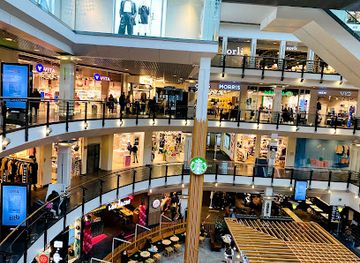
Oslo City
Discover Oslo City, the ultimate shopping destination in the heart of Norway's capital, offering a variety of shops, dining, and entertainment options.
-
Comic book store
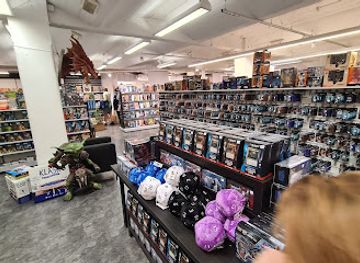
Outland
Discover Outland in Oslo: Your ultimate destination for comics, books, and gaming culture.
-
Shopping mall
Storo Storsenter
Discover Storo Storsenter, Oslo's vibrant shopping mall with over 200 stores and diverse dining options for an unforgettable shopping experience.
-
Shopping mall
Paleet
Explore Paleet, Oslo's vibrant shopping mall featuring a mix of luxury boutiques, popular stores, and delightful dining options!
Get your free copy of our complete guide to Østlandet, delivered straight to you.
Everything on this page, from attractions and restaurants to essentials and local phrases, in one PDF you can read offline, print or share.
Already have an account? Sign in
Your Østlandet guide is ready.
We'll send it to · Not you? Sign out

Getting your guide ready…
We are putting together a fresh copy of the Østlandet guide. This can take up to a minute.
This can take a few moments. If your browser asks, choose Allow so the download can start. You'll find the guide in your Downloads folder.
Nothing happened? Download it again
Sorry, the guide is taking longer than usual. Please try again in a minute, or get it by email instead.
Østlandet essentials
Currency and Payment
Safety
Emergency Situations
Do's and Don'ts
Local Tips
From Eve
Local phrases worth knowing
You don't need to get them perfect. A few words go a long way, and locals appreciate the effort.
Basics
| English | Local | Say it |
|---|---|---|
| Hello | Hei | [hay] |
| Goodbye | Ha det | [hah deh] |
| Yes | Ja | [yah] |
| No | Nei | [nai] |
| Please/You're welcome | Vær så snill/Ingen årsak | [vair so snill/eeng-eh or-sahk] |
| Thank you | Takk | [tahk] |
| Excuse me/Sorry | Unnskyld | [oon-sheel] |
| How are you? | Hvordan har du det? | [vor-dahn har doo deh] |
| Fine. And you? | Bra. Og du? | [bra. oh doo?] |
| Do you speak English? | Snakker du engelsk? | [snah-ker doo eng-elsk?] |
| I don't understand | Jeg forstår ikke | [yai for-store ik-keh] |
Eating & Drinking
| English | Local | Say it |
|---|---|---|
| I'd like to see the menu, please | Jeg vil gjerne se menyen, vær så snill | [yai vil yair-neh seh meh-nyen, vair so snill] |
| I don't eat meat | Jeg spiser ikke kjøtt | [yai spee-ser ik-keh shutt] |
| Cheers! | Skål! | [skawl] |
| I would like to pay, please | Jeg vil gjerne betale, vær så snill | [yai vil yair-neh beh-tah-leh, vair so snill] |
Emergencies
| English | Local | Say it |
|---|---|---|
| Help! | Hjelp! | [yelp] |
| Go away! | Gå bort! | [goh bort] |
| Call the Police! | Ring politiet! | [ring po-li-teet] |
| Call a doctor! | Ring en lege! | [ring en leh-geh] |
| I'm lost | Jeg er tapt | [yai air ta-pt] |
| I'm ill | Jeg er syk | [yai air seek] |
Shopping
| English | Local | Say it |
|---|---|---|
| I'd like to buy... | Jeg vil gjerne kjøpe... | [yai vil yair-neh shoo-peh...] |
| I'm just looking | Jeg ser bare | [yai ser bar-eh] |
| How much is it? | Hvor mye koster det? | [vor myeh koster deh?] |
| That's too expensive | Det er for dyrt | [deh air for deert] |
| Can you lower the price? | Kan du senke prisen? | [kan doo sen-keh pree-sen?] |
Time & Numbers
| English | Local | Say it |
|---|---|---|
| What time is it? | Hva er klokka? | [vah air klohk-ah?] |
| It's one o'clock | Den er ett | [den air ett] |
| Half past (10) | Halv (ti) | [halv (tee)] |
| Morning | Morgen | [mor-gen] |
| Afternoon | Ettermiddag | [ett-er-mid-dahg] |
| Evening | Kveld | [kveld] |
| Yesterday | I går | [ee gor] |
| Today | I dag | [ee dahg] |
| Tomorrow | I morgen | [ee mor-gen] |
| 1 | 1 | [1] |
| 2 | 2 | [2] |
| 3 | 3 | [3] |
| 4 | 4 | [4] |
| 5 | 5 | [5] |
| 6 | 6 | [6] |
| 7 | 7 | [7] |
| 8 | 8 | [8] |
| 9 | 9 | [9] |
| 10 | 10 | [10] |
Transport & Directions
| English | Local | Say it |
|---|---|---|
| Where's a/the...? | Hvor er en...? | [vor air en...?] |
| What's the address? | Hva er adressen? | [vah air ah-dres-sen?] |
| Can you show me (on the map)? | Kan du vise meg (på kartet)? | [kan doo vee-seh mai (poh kar-teht)?] |
| When's the next (bus)? | Når går neste (buss)? | [nor gorr nes-teh (boos)?] |
| A ticket (to ....) | En billett (til ....) | [en bee-lett (til ....)] |
History of Østlandet
Stone Age settlement and early farming
People have lived across eastern Norway since the retreat of the last Ice Age, using the Oslofjord, major rivers and inland lakes as routes for fishing, hunting and exchange. Farming became established during the Neolithic period, and later communities left burial mounds, rock carvings and other traces across the lowlands. The region’s varied terrain encouraged different ways of life: agriculture on fertile plains, seasonal hunting in the uplands and woodland use in the forest districts. These early patterns help explain the long-term importance of the Oslofjord, Lake Mjøsa and the eastern valleys as corridors between coast, lowland and mountain.
Roman-era trade and the Viking Age
During the Iron Age, eastern Norway developed increasingly organised farming communities and local centres of power. Imported objects and burial evidence show that the region participated in long-distance exchange well before the Viking Age. Oslo did not yet exist as the modern capital, but the Oslofjord and nearby waterways connected settlements to the wider Scandinavian world. Viking-period activity involved farming, craft production, trade and warfare, while inland routes linked eastern lowlands with western Norway and Sweden. The region’s later political importance grew from this combination of productive land, navigable water and overland connections.
Medieval Oslo and the consolidation of Norway
Medieval Oslo emerged as an important settlement and ecclesiastical centre on the northern shore of the Oslofjord. Its development was connected to royal administration, trade and the Christian Church, while other eastern towns and estates supported agriculture and regional commerce. In the inland valleys, farms and transport routes linked communities with the coast and with western mountain passes. Medieval churches, farm landscapes and surviving town plans provide reminders of this period, although many settlements were rebuilt or altered over later centuries. Eastern Norway’s location made it central to the administration of the kingdom and to contact with neighbouring Sweden.
Fortifications, timber trade and border politics
From the sixteenth to the eighteenth centuries, Østlandet was shaped by the timber trade, sawmilling and its exposed position along the Swedish border. Rivers carried timber from forest districts towards coastal ports, creating wealth for merchants and landowners and supporting the growth of towns. Fortresses at places including Fredrikstad, Halden and Kongsvinger reflected repeated conflict and political tension between Denmark-Norway and Sweden. Fredriksten Fortress at Halden became especially associated with the Great Northern War, during which the Swedish king Charles XII was killed in 1718. The fortifications and old towns of the region still make this military history visible.
Kongsberg silver and early industrial development
The discovery of silver at Kongsberg in 1623 led to one of Norway’s most important early mining enterprises. The mines brought workers, officials, engineers and skilled craftspeople to an inland town that developed institutions and architecture unusual for its size. Mining was supported by demanding systems of water power, transport and administration, and its influence extended into wider debates about technology and state finance. Kongsberg’s heritage forms part of a broader Østlandet story in which forests, minerals, rivers and later hydropower supplied the foundations for industrial growth beyond the coastal cities.
Nineteenth-century nation building and transport
After Norway entered a union with Sweden in 1814, eastern Norway experienced expanding trade, administration and transport links. Roads, canals and railways connected Oslo with inland districts, Lake Mjøsa, the Swedish border and southern Norway. The railway to Hamar and later extensions towards Lillehammer strengthened the lake region’s role in commerce and travel. Urban growth, improved education and the development of national institutions accompanied the political work that eventually led to independence in 1905. Industrial towns and port communities grew alongside farms and timber settlements, creating the mixed urban-rural character that still distinguishes Østlandet.
Hydropower, industry and the modern region
Twentieth-century Østlandet was transformed by hydropower, engineering, manufacturing and expanding public infrastructure. Waterfalls and rivers supported important industrial projects, while railways and roads made tourism and commuting increasingly practical. Oslo grew into Norway’s dominant administrative, cultural and economic centre, and surrounding municipalities became closely connected to it. Lillehammer’s Winter Olympics in 1994 brought international attention to inland mountain and lake landscapes, while the legacy of forestry, farming and industry remained strong beyond the capital. Today the region combines metropolitan growth with extensive rural and protected landscapes.
Østlandet in Photos
Browse through our photo collection highlighting the charm and character of the destination.
Neighbouring regions of Østlandet
The closest regions to Østlandet, if you have time for more than one.
-

-

-

-

-


Swipe for more regions
Explore more

Explore more of Norway
Explore Norway's spectacular fjords, vibrant cities, and natural wonders. Experience the Northern Lights, Midnight Sun, and rich cultural heritage in this Scandinavian gem.
Explore Norway