

Free Fredrikstad Travel Guide & Mobile App
Plan your Fredrikstad trip with Evendo. Get free guides to top attractions, restaurants, hotels, and bars. Web access or download the mobile app.


Fredrikstad, Norway, pairs a 16th-century fortified Old Town with Glomma river walks, galleries, seafood, green islands and easy coastal excursions.
A City Shaped by the Glomma
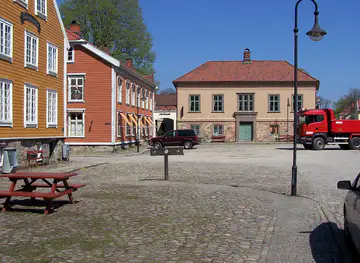
Fredrikstad stands in southeastern Norway where the Glomma, the country's longest river, approaches the Oslofjord. Founded in 1567 after the destruction of Sarpsborg during the Northern Seven Years' War, the city developed as a strategic river port and defensive settlement. Its best-known district, Gamlebyen, occupies the historic fortified town across the river from the newer centre. Moats, ramparts, cobbled lanes and carefully preserved wooden buildings give it a distinctive sense of historical continuity, while cafés, galleries, workshops and small shops bring everyday life inside the old defences.Read more about Fredrikstad
Gamlebyen and the Modern Centre
River, Coast and Creative Culture
When is the best time to visit Fredrikstad?
Best: June–August · 19–23°C| Month | High (°C) | Rainfall (mm) |
|---|---|---|
| January | 1 | 42 |
| February | 1 | 33 |
| March | 4 | 27 |
| April | 9 | 21 |
| May | 15 | 17 |
| June (best) | 19 | 12 |
| July (best) | 23 | 10 |
| August (best) | 22 | 11 |
| September | 16 | 15 |
| October | 10 | 20 |
| November | 6 | 27 |
| December | 2 | 35 |
Getting to and around Fredrikstad
How to get there
Transportation
Best attractions in Fredrikstad
Fredrikstad's principal sightseeing experience is Gamlebyen, the remarkably well-preserved fortified town on the east bank of the Glomma. Visitors can pass through its historic gateways, follow grassy ramparts and moats, and browse galleries, craft shops and cafés in former military and residential buildings. The Fredrikstad Museum, including sites in the old town, explains the city's social, military and maritime past. Across the river, the city ferry provides a pleasant way to connect the centre with Gamlebyen and Isegran, a small historic island associated with boatbuilding and river defence. The waterfront promenade offers views of working river traffic and bridges, while nearby green spaces provide a quieter change of pace. The Østfold Art Centre and other independent cultural venues add contemporary creative life, and the coastal municipality of Hvaler offers a separate excursion for visitors seeking granite shores, skerries and open sea.
-
Tourist attraction
Old Town Model Train Center
Explore the enchanting Old Town Model Train Center in Gamle Fredrikstad, where the magic of miniature railways comes to life in captivating detail.
7 min drive · 2.2 km from city centre
-
Historical landmark
Isegran fort
Explore Isegran Fort, a historical landmark in Kråkerøy, Norway, offering insights into military history and stunning coastal views.
6 min drive · 2.0 km from city centre
-
Hiking area
Bjørneparken Fredrikstad, wooden carvings on the marked trail.
Explore the scenic trails of Bjørneparken in Fredrikstad, adorned with stunning wooden carvings that celebrate nature and artistry.
5 min drive · 1.6 km from city centre
-
Tourist attraction
Kongsten fort
Explore Kongsten Fort in Gamle Fredrikstad, a historic fortress offering stunning views and insights into Norway's military past.
9 min drive · 2.9 km from city centre


Best landmarks in Fredrikstad
The defining landmark of Fredrikstad is Gamlebyen's bastioned fortress, whose angular earthworks, moat and gateways preserve the principles of seventeenth-century military engineering. Within the walls, the Fredrikstad Cathedral, completed in the nineteenth century, provides a later architectural counterpoint to the fortress town. The Old Town's timber houses, cobbled lanes and public squares are significant as a surviving planned settlement rather than simply a collection of individual buildings. Across the river, the Fredrikstad Bridge links the historic and modern city, while the waterfront and Isegran reflect the importance of river transport, defence and boatbuilding. The Kongsten Fort, positioned on higher ground outside the old town, forms part of the wider defensive landscape. Together, these sites show how Fredrikstad developed around strategic control of the Glomma, then adapted its military and maritime inheritance to civic life.
-
Rail museum
Old Town Model Train Center
Discover the magic of model railways at the Old Town Model Train Center in Gamle Fredrikstad, a delightful museum for all ages.
7 min drive · 2.2 km from city centre
-
Ferry service
Fredrikstad ferry port
Discover the charm of Fredrikstad Ferry Port, your gateway to Norway's breathtaking islands and maritime adventures, rich in culture and scenic beauty.
5 min drive · 1.8 km from city centre
-
Historical landmark
Isegran fort
Explore Isegran Fort: A historical gem in Norway offering stunning views and a rich military heritage for an unforgettable experience.
6 min drive · 2.0 km from city centre
-
Beer hall
Tæps
Discover the lively atmosphere of Tæps, Fredrikstad's premier beer hall, featuring an extensive craft beer selection and delicious local cuisine.
11 min walk · 0.9 km from city centre


Explore Fredrikstad on the map
Plan your Fredrikstad trip on one map. See where the top attractions, landmarks, restaurants, bars and hotels are, find what's near where you're staying, and book hotels and experiences in a few clicks.
Neighbourhoods in Fredrikstad
-
-


Swipe for more neighbourhoods
Best hotels in Fredrikstad
Best restaurants in Fredrikstad
Fredrikstad's dining scene reflects its position between the forested Glomma basin and the Skagerrak coast. Menus commonly draw on Norwegian ingredients such as fish, shellfish, game, root vegetables, berries and locally produced dairy, while cafés and bakeries provide familiar Scandinavian pastries and open sandwiches. Waterfront restaurants and bars focus on river views and seasonal seafood, whereas Gamlebyen offers smaller, characterful places in historic buildings. The modern centre has a broader choice of international food and informal dining, with restaurants suited to an active shopping or cultural day. Local markets and seasonal events may bring produce, baked goods and prepared food into public spaces, although their exact timing varies. Visitors should distinguish Fredrikstad's own food culture from the wider Østfold region, where farms, coastal fisheries and craft producers contribute ingredients to the city's restaurants.
-
Restaurant
Restaurant Slippen
Discover exquisite Norwegian cuisine and stunning waterfront views at Restaurant Slippen in Kråkerøy.
9 min walk · 0.7 km from city centre
-
Restaurant
Egon Fredrikstad
Discover Egon Fredrikstad: A delightful blend of local and international cuisine in a cozy setting perfect for every traveler.
8 min walk · 0.7 km from city centre
-
Restaurant
Paa Brygga i Fredrikstad
Discover Paa Brygga: A waterfront restaurant in Fredrikstad offering exquisite dishes made from fresh local ingredients.
11 min walk · 0.9 km from city centre
-
Restaurant
Restaurant Køl AS
Experience culinary mastery at Restaurant Køl AS in Fredrikstad – where local flavors meet modern elegance for an unforgettable dining experience.
10 min walk · 0.8 km from city centre


Best bars in Fredrikstad
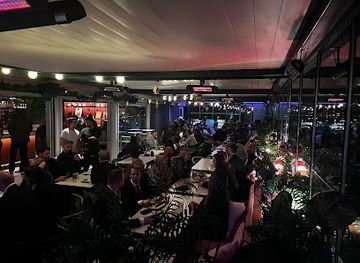
Fredrikstad's evening scene is varied but moderate in scale, centred on the modern town centre, the waterfront and selected venues in or near Gamlebyen. Pubs and bars provide relaxed settings for Norwegian beer, conversation and live sport, while wine bars and contemporary restaurants create a quieter alternative. During warmer months, riverside terraces and outdoor cultural events bring more activity to the water's edge. Concerts, theatre and exhibitions offer important evening entertainment beyond drinking, with local cultural venues and seasonal programmes contributing to the city's social life. Gamlebyen is particularly atmospheric after dark, though its residential character means nightlife is generally restrained rather than club-dominated. Opening arrangements and event programmes vary, so the most reliable information comes from individual venues and local listings.
-
Gastropub
Havnelageret Gastropub
Discover the flavors of Norway at Havnelageret Gastropub, where local ingredients meet waterfront charm in Fredrikstad.
7 min walk · 0.6 km from city centre
-
Restaurant
Mormors Cafe
Savor the essence of Norwegian cuisine at Mormors Cafe, a cozy restaurant in Gamle Fredrikstad, perfect for food lovers and tourists alike.
7 min drive · 2.2 km from city centre
-
Gastropub
Heim Fredrikstad
Experience the essence of Norwegian cuisine at Heim Fredrikstad, a lively gastropub offering fresh dishes and a vibrant atmosphere.
8 min walk · 0.6 km from city centre
-
Restaurant
Major Inn and Living Room
Discover the flavors of Gamle Fredrikstad at Major Inn and Living Room, a premier buffet restaurant perfect for all occasions.
7 min drive · 2.2 km from city centre


Best nightclubs in Fredrikstad
Fredrikstad's evening scene is varied but moderate in scale, centred on the modern town centre, the waterfront and selected venues in or near Gamlebyen. Pubs and bars provide relaxed settings for Norwegian beer, conversation and live sport, while wine bars and contemporary restaurants create a quieter alternative. During warmer months, riverside terraces and outdoor cultural events bring more activity to the water's edge. Concerts, theatre and exhibitions offer important evening entertainment beyond drinking, with local cultural venues and seasonal programmes contributing to the city's social life. Gamlebyen is particularly atmospheric after dark, though its residential character means nightlife is generally restrained rather than club-dominated. Opening arrangements and event programmes vary, so the most reliable information comes from individual venues and local listings.
-
Pub
Tamburen
Discover the lively atmosphere and local culture at Tamburen Pub in historic Gamle Fredrikstad - a perfect spot for relaxation and enjoyment.
6 min drive · 2.1 km from city centre
-
Wine bar
Gallery Wine Bar
Discover Fredrikstad's Gallery Wine Bar, where exceptional wines meet a cozy atmosphere in the heart of Gamlebyen.
6 min drive · 2.1 km from city centre
-
Restaurant
Beach Club
Experience the best of Fredrikstad's coastal cuisine at Beach Club, where delightful dishes meet a lively atmosphere and stunning views.
10 min walk · 0.8 km from city centre
-
Lounge
Savoy Terrasse
Experience the vibrant nightlife of Fredrikstad at Savoy Terrasse, a chic lounge offering exquisite cocktails and a lively atmosphere.
9 min walk · 0.7 km from city centre


Best shops in Fredrikstad
Shopping in Fredrikstad combines everyday Norwegian retail with the individual character of Gamlebyen. The old town's small shops and studios occupy historic buildings and are particularly associated with crafts, design, art, vintage goods and locally made gifts rather than large-scale retail. Independent galleries provide a useful route into Østfold's creative scene, while cafés and food businesses make the district easy to explore at a relaxed pace. The newer centre has pedestrian shopping streets, practical chain stores and services, with larger retail areas located outside the most historic core. Seasonal markets may offer baked goods, preserves, textiles, ceramics and other regional products, but their dates vary. For distinctive purchases, look for Scandinavian design, handmade objects and food specialities from the surrounding coastal and agricultural region rather than generic souvenirs.
-
Shopping mall
Torvbyen Shopping Center
Experience shopping, dining, and entertainment at Torvbyen Shopping Center in Fredrikstad, Norway - a must-visit for every traveler.
9 min walk · 0.7 km from city centre
-
Grocery store
United Mega Store
Explore the flavors of Norway at United Mega Store, Fredrikstad's premier grocery destination offering a wide variety of local and international products.
4 min walk · 0.3 km from city centre
-
Comic book store
Outland Fredrikstad
Explore a vibrant world of comics, games, and collectibles at Outland Fredrikstad, a must-visit destination for enthusiasts and tourists alike.
9 min walk · 0.7 km from city centre
-
Computer store
Eplehuset Fredrikstad
Discover Eplehuset Fredrikstad: Your destination for the latest Apple products and electronics in the heart of a vibrant Norwegian city.
9 min walk · 0.7 km from city centre


Get your free copy of our complete guide to Fredrikstad, delivered straight to you.
Everything on this page, from attractions and restaurants to essentials and local phrases, in one PDF you can read offline, print or share.
Already have an account? Sign in
Your Fredrikstad guide is ready.
We'll send it to · Not you? Sign out

Getting your guide ready…
We are putting together a fresh copy of the Fredrikstad guide. This can take up to a minute.
This can take a few moments. If your browser asks, choose Allow so the download can start. You'll find the guide in your Downloads folder.
Nothing happened? Download it again
Sorry, the guide is taking longer than usual. Please try again in a minute, or get it by email instead.
Fredrikstad essentials
Currency and Payment
Safety
Emergency Situations
Do's and Don'ts
Local Tips
From Eve
Local phrases worth knowing
You don't need to get them perfect. A few words go a long way, and locals appreciate the effort.
Basics
| English | Local | Say it |
|---|---|---|
| Hello | Hei | [hay] |
| Goodbye | Ha det | [ha deh] |
| Yes | Ja | [ya] |
| No | Nei | [nay] |
| Please/You're welcome | Vær så god | [vair so goh] |
| Thank you | Takk | [tahk] |
| Excuse me/Sorry | Unnskyld | [oon-shil] |
| How are you? | Hvordan har du det? | [hvohr-dahn har doo deh] |
| Fine. And you? | Bra. Og du? | [bra. oh doo] |
| Do you speak English? | Snakker du engelsk? | [snak-ehr doo eng-ehlsk] |
| I don't understand | Jeg forstår ikke | [yeh for-stor eek-eh] |
Eating & Drinking
| English | Local | Say it |
|---|---|---|
| I'd like to see the menu, please | Jeg vil gjerne se menyen, takk | [yeh veal yair-nuh se meh-nyen, tahk] |
| I don't eat meat | Jeg spiser ikke kjøtt | [yeh spee-sehr eek-eh chut] |
| Cheers! | Skål! | [skohl] |
| I would like to pay, please | Jeg vil gjerne betale, takk | [yeh veal yair-nuh beh-tah-leh, tahk] |
Emergencies
| English | Local | Say it |
|---|---|---|
| Help! | Hjelp! | [yelp] |
| Go away! | Gå bort! | [goh bohrt] |
| Call the Police! | Ring politiet! | [ring poh-lee-tee-eh] |
| Call a doctor! | Ring en lege! | [ring ehn leh-geh] |
| I'm lost | Jeg er lost | [yeh ahr lohst] |
| I'm ill | Jeg er syk | [yeh ahr seek] |
Shopping
| English | Local | Say it |
|---|---|---|
| I'd like to buy... | Jeg vil kjøpe... | [yeh veal chuh-peh] |
| I'm just looking | Jeg bare ser | [yeh bah-reh sair] |
| How much is it? | Hvor mye koster det? | [vohr mee-yeh kus-ter deh] |
| That's too expensive | Det er for dyrt | [deh ahr fohr deert] |
| Can you lower the price? | Kan du senke prisen? | [kahn doo sen-keh pree-sehn] |
Time & Numbers
| English | Local | Say it |
|---|---|---|
| What time is it? | Hva er klokken? | [vah ahr klohk-ehn] |
| It's one o'clock | Klokken er ett | [klohk-ehn ahr eht] |
| Half past (10) | Halv ti | [hahlv tee] |
| Morning | Morgen | [mohr-gn] |
| Afternoon | Ettermiddag | [et-ehr-meed-dahg] |
| Evening | Kveld | [kvehld] |
| Yesterday | I går | [ee gohr] |
| Today | I dag | [ee dahg] |
| Tomorrow | I morgen | [ee mohr-gn] |
| 1 | En | [ehn] |
| 2 | To | [too] |
| 3 | Tre | [treh] |
| 4 | Fire | [fee-reh] |
| 5 | Fem | [fem] |
| 6 | Seks | [sehks] |
| 7 | Sju | [shoo] |
| 8 | Åtte | [awt-teh] |
| 9 | Ni | [nee] |
| 10 | Ti | [tee] |
Transport & Directions
| English | Local | Say it |
|---|---|---|
| Where's a/the...? | Hvor er en/et... | [vohr ahr ehn/eht] |
| What's the address? | Hva er adressen? | [vah ahr a-drass-ehn] |
| Can you show me (on the map)? | Kan du vise meg (på kartet)? | [kahn doo vee-seh may (poh kahr-teh)] |
| When's the next (bus)? | Når kommer neste (buss)? | [nor kohm-ehr nes-teh (boos)] |
| A ticket (to ....) | En billett (til ....) | [ehn bee-leht (teel)] |
History of Fredrikstad
A New Town after Sarpsborg
Fredrikstad was founded in 1567 by King Frederik II after Sarpsborg, farther up the Glomma, had been damaged during the Northern Seven Years' War. The new settlement was named Fredrikstad after its founder and placed close to the river's lower reaches, where it could support trade and offer a stronger defensive position. Timber, agricultural goods and river transport shaped its early economy. The town's location also reflected the strategic importance of the borderlands between Norway and Sweden, where military security and access to the waterways were closely connected.
The Fortress Takes Shape
During the seventeenth century, Fredrikstad became one of Norway's principal fortified towns. Dutch engineer Willem Coucheron designed the bastioned defences of what is now Gamlebyen, using angular ramparts, moats and covered approaches suited to contemporary artillery warfare. Construction continued and changed over several decades, producing a planned military town rather than an organically grown medieval centre. The fortifications helped protect the lower Glomma and the route towards the interior, while homes, workshops, religious buildings and military facilities developed within the walls.
War on the Swedish Border
Fredrikstad's strategic position repeatedly drew it into conflicts between Denmark-Norway and Sweden. Swedish forces attacked the town during the Great Northern War in 1716, when King Charles XII invaded Norway, and the fortress was again involved in the campaigns of 1814. The town's military importance declined after the political union between Norway and Sweden, but the surviving ramparts and gateways preserve the physical story of a city built to guard a vulnerable frontier. The old fortifications later became an important part of Fredrikstad's civic and cultural identity.
Timber, Trade and Industry
The Glomma connected Fredrikstad with one of Norway's major timber-producing regions, and forestry, sawmilling, shipping and export trade became central to the city's growth. Industrial activity expanded particularly outside the old fortress, where the river provided transport and power. Friedrichshald-style timber commerce and later manufacturing helped create the modern city on the west bank. The contrast between the military settlement of Gamlebyen and the industrial waterfront reflects Fredrikstad's transformation from frontier garrison to commercial and manufacturing centre.
Urban Expansion beyond the Walls
As population and industry increased in the nineteenth and twentieth centuries, Fredrikstad's urban centre extended beyond Gamlebyen. Bridges, roads, rail connections and port facilities strengthened links between the historic east bank and newer districts. The city became an important regional centre for commerce and employment, while the old fortress gradually lost its military function. The preservation of Gamlebyen allowed its streets, ramparts and buildings to remain a visible record of earlier urban planning even as the surrounding city adopted modern infrastructure.
Heritage and Renewal
In the modern era, Fredrikstad has increasingly presented its historic and maritime heritage as part of everyday city life rather than as an isolated monument. Gamlebyen contains museums, cultural venues, independent businesses and residences, while the riverfront has gained public paths, ferry connections and renewed civic importance. The city also became part of the municipality of Fredrikstad through twentieth-century local-government changes, bringing several surrounding communities into one urban region. Today, military architecture, industrial history and coastal culture coexist in a city still shaped by the Glomma.
Travel experiences inspired by this city


Swipe for more travel diaries
Fredrikstad in Photos
Browse through our photo collection highlighting the charm and character of the destination.
Cities near Fredrikstad
The closest cities to Fredrikstad, if you have time for more than one stop.
-

-

-

-

-


Swipe for more cities
Explore more

Explore more of Norway
Explore Norway's spectacular fjords, vibrant cities, and natural wonders. Experience the Northern Lights, Midnight Sun, and rich cultural heritage in this Scandinavian gem.
Explore Norway