

Free Telemark Travel Guide & Mobile App
Explore Telemark with free travel guides. Discover regional history, expert tips, proposed trips, and audio guides on web or mobile app.


Explore Telemark’s Norwegian coast, mountain landscapes, historic canal, stave churches and UNESCO-listed industrial heritage by road, boat and trail.
Read more about Telemark
When is the best time to visit Telemark?
Best: June–August · 19–21°C| Month | High (°C) | Rainfall (mm) |
|---|---|---|
| January | 0 | 60 |
| February | 1 | 50 |
| March | 4 | 60 |
| April | 10 | 50 |
| May | 15 | 60 |
| June (best) | 19 | 70 |
| July (best) | 21 | 80 |
| August (best) | 20 | 80 |
| September | 16 | 70 |
| October | 12 | 60 |
| November | 5 | 60 |
| December | 1 | 50 |
Getting to and around Telemark
How to get there
Transportation
Top city travel guides in Telemark
The cities of Telemark, and the easiest places to base yourself.
-

-


Swipe for more cities
Destinations in Telemark
Resorts, valleys and scenic spots worth a trip of their own.
-

-

-


Swipe for more destinations
Best attractions in Telemark
Telemark’s attractions are spread across several contrasting landscapes. The Telemark Canal is the region’s most distinctive slow-travel experience, combining historic locks, lake scenery and boat journeys between Skien and Dalen. Rjukan and Notodden offer museums, industrial structures and landscapes associated with the UNESCO-listed hydroelectric and fertiliser industry. Heddal Stave Church and the nearby open-air museum provide insight into medieval craftsmanship and rural life, while Morgedal explores the history of skiing and Sondre Norheim. Outdoor attractions range from forest walks and cycling around the central lakes to mountain hiking near Gaustatoppen and winter sports in the highland districts. Along the coast, Kragerø, Langesund and the surrounding skerries invite boating, kayaking, swimming and island exploration. The county also has galleries, local museums, farm experiences and cultural venues in its larger towns. Because the attractions are widely distributed, a route-based itinerary works better than expecting a single resort or city to provide access to every part of Telemark.
-
Tourist attraction
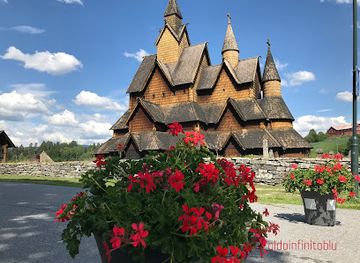
Heddal stave church
Explore the enchanting Heddal Stave Church, Norway's largest stave church, showcasing stunning medieval architecture and rich cultural heritage.
-
Tourist attraction
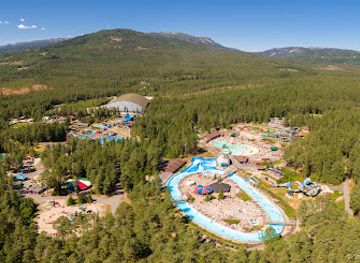
Bø Sommerland
Experience the thrill of Bø Sommerland, a premier water park in Telemark, Norway, offering endless fun and adventure for all ages.
-
Mountain cable car
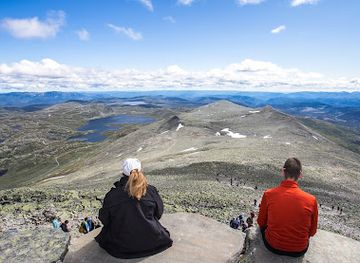
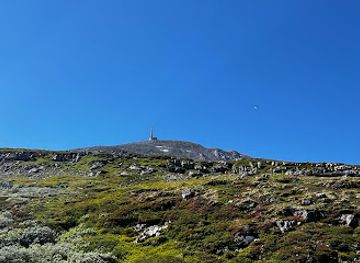
Gaustabanen
Embark on a scenic adventure with Gaustabanen mountain cable car, offering stunning views of Norway's breathtaking landscapes from the summit.
-
Tourist attraction
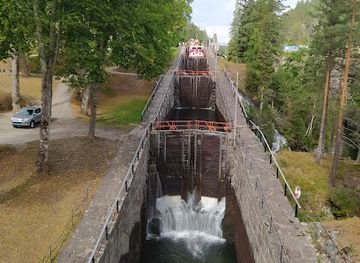
Ulefoss sluser
Explore the historic Ulefoss Sluser, where Norway's engineering marvels meet breathtaking natural beauty along the Telemark Canal.

Best landmarks in Telemark
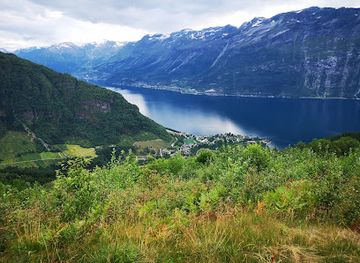
Heddal Stave Church is Telemark’s most recognisable medieval landmark, its tiered wooden form illustrating the architectural tradition that makes Norway’s stave churches so distinctive. The Telemark Canal’s locks, bridges and canal-side engineering are a different kind of landmark, marking the nineteenth-century effort to connect inland waterways with Skien and the coast. In Rjukan, the steep valley, Vemork industrial complex and surviving infrastructure express the scale of the region’s hydroelectric and fertiliser industries; together with Notodden, this landscape forms the core of a UNESCO World Heritage Site. Gaustatoppen provides Telemark with one of its most prominent natural landmarks, rising above the surrounding mountain country and offering extensive views in clear conditions. The white-painted streets and waterfront of Kragerø, framed by wooded islands and granite shorelines, give the southern coast a strong visual identity. Inland lakes such as Bandak and Tinnsjå are geographical landmarks as well as recreational settings, while Dalen’s position at the head of the Telemark Canal gives it particular historical and scenic importance.
-
Castle
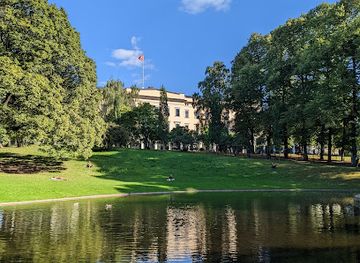
The Royal Palace
Explore the Royal Palace of Oslo, a neoclassical masterpiece and the heart of Norway's royal heritage amidst lush gardens and rich history.
-
Stave church
Heddal stave church
Discover the enchanting Heddal Stave Church, Norway's largest stave church, showcasing medieval craftsmanship and rich cultural heritage amidst stunning landscapes.
-
National park
Hardangervidda National Park
Discover the breathtaking wilderness of Hardangervidda National Park, a haven for nature lovers and adventure seekers in Norway.
-
Mountain cable car
Gaustabanen
Experience breathtaking views and adventure at the Gaustabanen mountain cable car in Rjukan, Norway, a true gem for nature lovers and thrill-seekers.
Explore Telemark on the map
Plan your trip on one map. See where the top cities, national parks and sights are, and book hotels and experiences in a few clicks.
Best hotels in Telemark
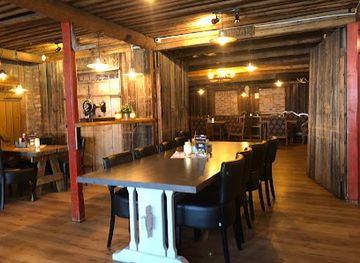
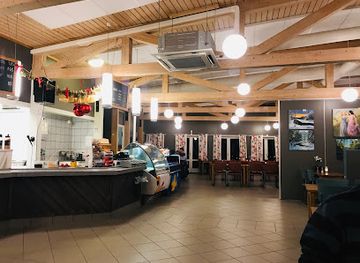
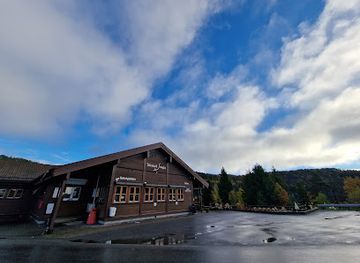
Best restaurants in Telemark
Telemark’s food culture combines coastal, agricultural and mountain traditions rather than belonging to one single cuisine. Restaurants, cafés and rural inns may serve freshwater fish, game, lamb, cured meats, potatoes, berries and seasonal vegetables, while coastal communities add seafood to the regional menu. Traditional Norwegian dishes such as rømmegrøt, a sour-cream porridge, belong to the food heritage of rural Telemark and may appear at museums, farms or occasional cultural events as well as in contemporary interpretations. Local bakeries and cafés are useful places to sample breads, cakes and coffee alongside everyday Norwegian fare. In Skien, Porsgrunn and other larger towns, visitors will find broader modern dining, while inland villages often concentrate on informal restaurants, hotel dining rooms and farm-based food. Farmers’ markets and seasonal producers offer opportunities to buy cheeses, preserves, berries and cured products, but availability varies by place and time of year. Booking ahead is sensible in small communities, particularly outside the main towns and during peak summer travel.
-
Restaurant
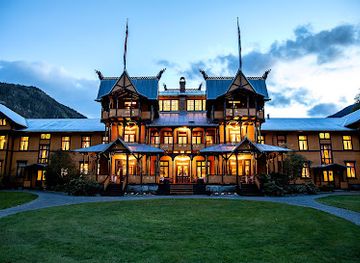
Dalen Hotel
Experience the historical charm and natural beauty at Dalen Hotel, your perfect retreat in Norway.
-
Restaurant
Pizzafjoset AS
Discover the ultimate family-friendly dining experience at Pizzafjoset AS in Bø – where delicious pizza meets warm hospitality.
-
Restaurant
Sjøormen Kro
Experience authentic Norwegian cuisine at Sjøormen Kro in Seljord – where tradition meets taste in a cozy setting.
-
Restaurant
Telemarksvingen Veikro
Experience authentic Norwegian cuisine at Telemarksvingen Veikro in Stathelle – where tradition meets flavor in every bite.
Best bars in Telemark
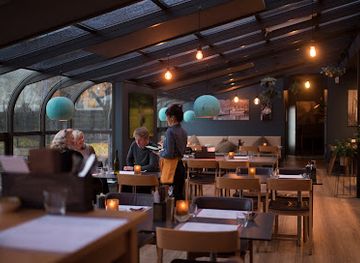
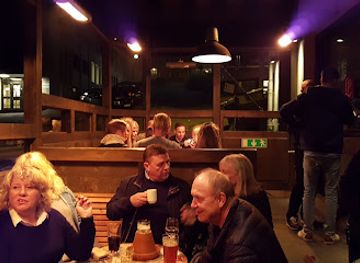
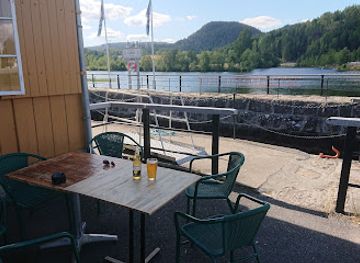
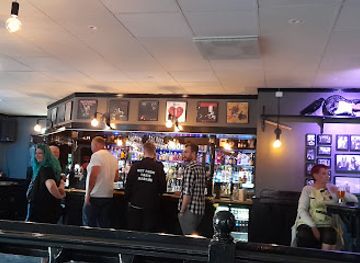
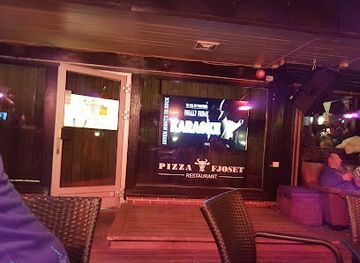
Telemark’s evening scene is generally relaxed and town-centred rather than built around a large club circuit. Skien and Porsgrunn have the broadest choice of pubs, cafés, restaurants, cultural venues and occasional live music, with activity often linked to theatre, concerts or local events. In smaller towns such as Notodden, Bø and Kragerø, evenings may centre on traditional pubs, hotel bars, restaurants and seasonal waterfront venues. Notodden’s established blues heritage contributes to its music identity, although event programming changes from year to year. Coastal nightlife becomes more active in summer when visitors arrive by boat and seasonal businesses open, while mountain and inland districts tend towards quiet bars, lodge dining and après-ski during the winter season. Craft beer and locally produced drinks can be found in parts of the county, but opening arrangements and late-night options are limited outside the principal towns. Check current listings rather than assuming rural venues operate late every night.
-
American
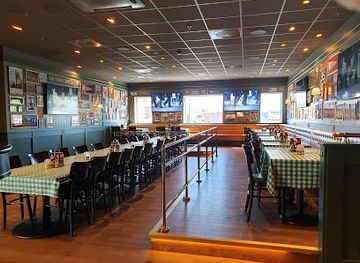
O'Learys Skien
Discover the ultimate American sports bar experience at O'Learys Skien, featuring delicious food, bowling fun, and live sports entertainment.
-
Restaurant
Strom Food & Bar
Experience the best of modern Norwegian cuisine at Strom Food & Bar in Skien, where every meal is a delightful culinary adventure.
-
Pub
Lundetangen pub AS
Experience the vibrant atmosphere and local flavors at Lundetangen Pub in Skien, Norway's beloved gathering spot for food and fun.
-
Bar
Lunde Slusekro AS
Discover the serene Lunde Slusekro, where delicious local cuisine meets a cozy bar atmosphere in the heart of Norway's scenic landscapes.
Best nightclubs in Telemark
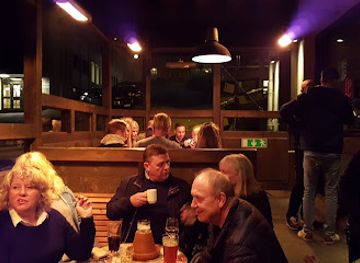
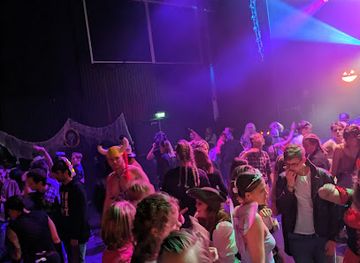
Telemark’s evening scene is generally relaxed and town-centred rather than built around a large club circuit. Skien and Porsgrunn have the broadest choice of pubs, cafés, restaurants, cultural venues and occasional live music, with activity often linked to theatre, concerts or local events. In smaller towns such as Notodden, Bø and Kragerø, evenings may centre on traditional pubs, hotel bars, restaurants and seasonal waterfront venues. Notodden’s established blues heritage contributes to its music identity, although event programming changes from year to year. Coastal nightlife becomes more active in summer when visitors arrive by boat and seasonal businesses open, while mountain and inland districts tend towards quiet bars, lodge dining and après-ski during the winter season. Craft beer and locally produced drinks can be found in parts of the county, but opening arrangements and late-night options are limited outside the principal towns. Check current listings rather than assuming rural venues operate late every night.
-
Pub
Lundetangen pub AS
Experience the essence of Norwegian hospitality at Lundetangen Pub in Skien, a vibrant hub for drinks, entertainment, and local culture.
-
Bar
Telerock AS
Experience the vibrant nightlife of Notodden at Telerock AS, a must-visit bar for craft drinks, live music, and great company.
-
Bar
The Bull inn AS
Experience the vibrant nightlife of Bø at The Bull Inn – your go-to bar for local drinks and a friendly atmosphere.
-
Club
Kroa i Bø
Experience the vibrant nightlife at Kroa i Bø, a lively club in Telemark with live music, delicious food, and a welcoming atmosphere.
Best shops in Telemark
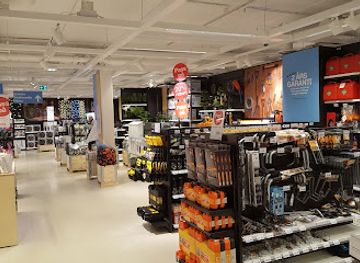
Shopping in Telemark is concentrated in the larger towns and traditional market centres rather than in extensive retail districts. Skien and Porsgrunn provide the widest choice of high-street shops, department-style retail, cafés and practical services, while Kragerø combines small independent shops, galleries and seasonal coastal retail with its historic streets. Inland towns such as Bø, Seljord, Notodden and Dalen are useful for local provisions, outdoor equipment, books, crafts and regionally themed gifts. Markets and farm shops may offer cheeses, preserves, honey, berries, cured meats and baked goods, with selection depending on the season. Visitors interested in Norwegian craft traditions can look for woollen goods, woodwork, ceramics, jewellery and locally made textiles, but should check provenance when buying items marketed as traditional. Museum shops near Heddal, Morgedal and the industrial heritage sites often stock books and well-presented cultural souvenirs. Summer brings the greatest choice in coastal and canal communities; outside the main season, opening patterns in small villages can be limited.
-
Shopping mall
Alti Brotorvet
Discover Alti Brotorvet, Stathelle's vibrant shopping mall offering diverse stores, dining, and entertainment for an unforgettable experience.
-
Shopping mall
Arkaden Skien
Explore Arkaden Skien, your premier shopping destination in Norway with over 100 stores, dining options, and entertainment for everyone.
-
Shopping mall
Lietorvet mall
Discover Lietorvet Mall in Skien, a vibrant shopping destination with diverse shops and delicious dining options, perfect for all travelers.
-
Shopping mall
Bøsenteret
Explore Bøsenteret in Bø, Telemark – Your ultimate shopping destination with diverse shops, delightful dining, and a vibrant atmosphere.
Get your free copy of our complete guide to Telemark, delivered straight to you.
Everything on this page, from attractions and restaurants to essentials and local phrases, in one PDF you can read offline, print or share.
Already have an account? Sign in
Your Telemark guide is ready.
We'll send it to · Not you? Sign out

Getting your guide ready…
We are putting together a fresh copy of the Telemark guide. This can take up to a minute.
This can take a few moments. If your browser asks, choose Allow so the download can start. You'll find the guide in your Downloads folder.
Nothing happened? Download it again
Sorry, the guide is taking longer than usual. Please try again in a minute, or get it by email instead.
Telemark essentials
Currency and Payment
Safety
Emergency Situations
Do's and Don'ts
Local Tips
From Eve
Local phrases worth knowing
You don't need to get them perfect. A few words go a long way, and locals appreciate the effort.
Basics
| English | Local | Say it |
|---|---|---|
| Hello | Hei | [Hay] |
| Goodbye | Ha det | [Hah deh] |
| Yes | Ja | [Yah] |
| No | Nei | [Nay] |
| Please/You're welcome | Vær så snill | [Vair soh snill] |
| Thank you | Takk | [Tahk] |
| Excuse me/Sorry | Unnskyld | [Oon-shild] |
| How are you? | Hvordan har du det? | [Vordan har du deh?] |
| Fine. And you? | Bra. Og deg? | [Brah. Oh die?] |
| Do you speak English? | Snakker du engelsk? | [Snakker du eng-elsk?] |
| I don't understand | Jeg forstår ikke | [Yai for-stor eek-keh] |
Eating & Drinking
| English | Local | Say it |
|---|---|---|
| I'd like to see the menu, please | Jeg vil gjerne se menyen, vær så snill | [Yai vil yar-ne seh menyen, vair soh snill] |
| I don't eat meat | Jeg spiser ikke kjøtt | [Yai spee-ser eek-keh kyot] |
| Cheers! | Skål! | [Skol!] |
| I would like to pay, please | Jeg vil gjerne betale, vær så snill | [Yai vil yar-ne be-tah-leh, vair soh snill] |
Emergencies
| English | Local | Say it |
|---|---|---|
| Help! | Hjelp! | [Yelp!] |
| Go away! | Gå bort! | [Gaw bort!] |
| Call the Police! | Ring politiet! | [Ring po-li-teh!] |
| Call a doctor! | Ring en lege! | [Ring en leh-geh!] |
| I'm lost | Jeg er tapt | [Yai ar ta-pt] |
| I'm ill | Jeg er syk | [Yai ar seek] |
Shopping
| English | Local | Say it |
|---|---|---|
| I'd like to buy... | Jeg vil kjøpe... | [Yai vil kyeh-peh...] |
| I'm just looking | Jeg bare ser | [Yai bar-eh sehr] |
| How much is it? | Hvor mye koster det? | [Vor mee-eh kos-ter deh?] |
| That's too expensive | Det er for dyrt | [Deh ar for dyert] |
| Can you lower the price? | Kan du senke prisen? | [Kan du sen-keh pree-sen?] |
Time & Numbers
| English | Local | Say it |
|---|---|---|
| What time is it? | Hva er klokka? | [Hva ar klo-kka?] |
| It's one o'clock | Den er ett | [Den ar ett] |
| Half past (10) | Halv elleve | [Halv el-leh-veh] |
| Morning | Morgen | [Mor-gen] |
| Afternoon | Ettermiddag | [Et-ter-mid-dahg] |
| Evening | Kveld | [Kveld] |
| Yesterday | I går | [Ee gor] |
| Today | I dag | [Ee dahg] |
| Tomorrow | I morgen | [Ee mor-gen] |
| 1 | 1 | [1] |
| 2 | 2 | [2] |
| 3 | 3 | [3] |
| 4 | 4 | [4] |
| 5 | 5 | [5] |
| 6 | 6 | [6] |
| 7 | 7 | [7] |
| 8 | 8 | [8] |
| 9 | 9 | [9] |
| 10 | 10 | [10] |
Transport & Directions
| English | Local | Say it |
|---|---|---|
| Where's a/the...? | Hvor er en...? | [Vor ar en...?] |
| What's the address? | Hva er adressen? | [Hva ar ad-ressen?] |
| Can you show me (on the map)? | Kan du vise meg (på kartet)? | [Kan du vee-seh mai (poh kar-tet)?] |
| When's the next (bus)? | Når går neste (buss)? | [Nar gor nes-teh (boos)?] |
| A ticket (to ....) | En billett (til ....) | [En bee-lett (til ....)] |
History of Telemark
Early settlement and prehistoric landscapes
People have used Telemark’s coast, forests, lakes and mountain valleys since prehistoric times. The region’s waterways provided routes between settlements, while hunting, fishing and farming shaped communities in both the lowlands and uplands. Rock carvings and other archaeological traces in the wider county testify to activity long before written records. The combination of fertile river valleys, sheltered coast and highland pasture helped create a dispersed settlement pattern that remains visible in Telemark’s farms and villages.
Medieval churches and rural communities
During the Middle Ages, Christianity and expanding royal administration left a lasting mark on Telemark. Heddal Stave Church, probably built in the thirteenth century, is the most celebrated surviving example, with a complex wooden structure reflecting the technical skill of medieval builders. Parish churches, farms and market connections developed around valleys and waterways. Telemark’s relative distance from Norway’s principal urban centres also helped preserve distinctive building traditions, folkloric practices and elements of customary rural life.
Timber, waterways and early trade
From the early modern period, forestry and timber became central to Telemark’s economy. Rivers and lakes carried logs and goods towards sawmills, ports and the coast, linking inland communities with Skien, Porsgrunn and other commercial centres. Farming, iron production and craft industries supplemented the timber trade. The landscape of managed woodland, timber routes and small industrial sites established economic connections that later made Telemark well suited to large-scale industrial development.
The Telemark Canal and nineteenth-century transformation
The Telemark Canal, completed in stages in the nineteenth century, connected the inland lakes with Skien and the coast through locks, channels and engineered waterways. It improved the movement of people, timber, agricultural goods and industrial products while bringing remote settlements into closer contact with regional markets. Although railways and roads later reduced its commercial importance, the canal remains a major expression of nineteenth-century engineering and a functioning cultural landscape linking Skien, Dalen and communities along the route.
Skiing traditions and Sondre Norheim
The mountain village of Morgedal is associated with Sondre Norheim, a nineteenth-century skier whose techniques and equipment helped shape modern skiing. Telemark skiing developed through practical travel, play and competition in a snowy rural environment, rather than as a purely urban sport. The region’s contribution is commemorated through museums and cultural interpretation in Morgedal, while the name 'Telemark' remains attached internationally to a distinctive turning technique and to the broader history of skiing.
Hydropower and the industrial age
At the beginning of the twentieth century, the waterfalls and steep valleys around Rjukan and Notodden enabled an ambitious industrial project based on hydroelectric power. Large plants produced electricity for fertiliser manufacture, and new towns, railways, roads and infrastructure were built around the enterprise. The Rjukan–Notodden Industrial Heritage Site, inscribed on the UNESCO World Heritage List, preserves this connection between natural resources, modern engineering, industrial labour and planned urban development.
Wartime resistance and post-industrial Telemark
The industrial complex at Rjukan became strategically important during the Second World War because of its production of heavy water, which was connected to Germany’s nuclear research efforts. Norwegian resistance operations and Allied attention focused on the site, leaving a significant wartime legacy in the region. After the war, industry continued to shape Telemark, but later economic change diversified the county towards tourism, education, services, energy, agriculture and cultural heritage while retaining important industrial sites.
Telemark in Photos
Browse through our photo collection highlighting the charm and character of the destination.
Neighbouring regions of Telemark
The closest regions to Telemark, if you have time for more than one.
-

-

-

-

-


Swipe for more regions
Explore more

Explore more of Norway
Explore Norway's spectacular fjords, vibrant cities, and natural wonders. Experience the Northern Lights, Midnight Sun, and rich cultural heritage in this Scandinavian gem.
Explore Norway