

Amish Country, Ohio Travel Guide
Explore the serene beauty and rich traditions of Ohio's Amish Country, where time-honored ways of life, exquisite craftsmanship, and scenic landscapes await.
Nestled in the rolling hills of Ohio, Amish Country offers a unique and serene escape from the hustle and bustle of modern life. This picturesque region is home to one of the largest Amish communities in the United States, and it provides a rare glimpse into a way of life that has remained largely unchanged for centuries. Visitors can expect to step back in time as they explore charming villages, rustic farms, and scenic landscapes. Amish Country is renowned for its craftsmanship, particularly in furniture and quilts. Many local shops and markets sell handmade goods that reflect the meticulous attention to detail and quality that the Amish are known for. A visit to an Amish bakery is a must, where you can savor freshly baked bread, pies, and other treats that are made from traditional recipes. For a deeper understanding of the Amish way of life, consider taking a guided tour of an Amish farm or village. These tours often include visits to homes, schools, and workshops, providing an educational and respectful look at Amish culture and traditions. Don't miss out on the opportunity to enjoy a horse-drawn buggy ride, which is not only a fun experience but also a great way to see the countryside. Nature enthusiasts will find plenty to do in Amish Country as well. The area is dotted with beautiful parks, hiking trails, and scenic byways perfect for a leisurely drive. Autumn is a particularly stunning time to visit, with the fall foliage painting the landscape in vibrant hues. When planning your trip, be mindful of the Amish community's values and customs. Photography is generally discouraged, and Sundays are a day of rest, with most businesses closed. With respect and curiosity, a visit to Amish Country in Ohio can be a truly enriching experience.

Know before you go
Hi, I'm Eve. Here are a few practical things to know before exploring Amish Country.
- Visit during the week as many businesses are closed on Sundays.
- Respect local customs by avoiding photography of Amish people.
- Try the local cuisine, especially homemade pies and cheeses.
- Book a guided tour to gain insights into Amish culture.
- Enjoy a horse-drawn buggy ride for an authentic experience.
- Visit in the fall to see beautiful autumn foliage.
Explore Amish Country: Things to Do, Places to Eat, Hotels & More
Handpicked recommendations for top attractions, local dining, accommodations, and more

Best attractions in Amish Country
Top-rated picks
Best Attractions

Victorian House Museum
Discover the elegance of the Victorian era at the Victorian House Museum in Millersburg, Ohio, a historical landmark filled with captivating artifacts and stories.

Holmes County Open Air Art Museum
Discover the enchanting Holmes County Open Air Art Museum, where art meets nature in a breathtaking outdoor setting in Ohio.

Berlin Main Street Merchants
Explore the delightful Berlin Main Street Merchants in Ohio, a charming destination offering unique shops, local dining, and vibrant community events.

Best landmarks in Amish Country
Top-rated picks
Best Landmarks

Berlin Farmstead
Experience the flavors of American cuisine at Berlin Farmstead, a charming buffet restaurant in the heart of Ohio's Amish country.

Boyd & Wurthmann Restaurant
Discover the authentic flavors of Ohio at Boyd & Wurthmann Restaurant, where tradition meets comfort in every delicious bite.

Hershberger's Farm and Bakery
Experience the best of Amish country at Hershberger's Farm and Bakery, where homemade treats and farm fun await every visitor.

Amish Door Restaurant
Experience the heart of Amish Country at Amish Door Restaurant, where authentic dishes and warm hospitality come together in a charming setting.

Best restaurants in Amish Country
Top-rated picks
Best Restaurants
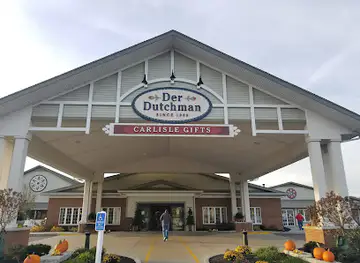
Der Dutchman
Experience authentic Amish cuisine at Der Dutchman in Plain City, Ohio—where hearty meals meet warm hospitality.

Dutch Valley Restaurant
Discover delicious American cuisine in the heart of Ohio's Amish country at Dutch Valley Restaurant - where family-friendly dining meets local flavor.

Mrs Yoders Kitchen
Discover Mrs. Yoder's Kitchen: A beloved buffet restaurant offering authentic Amish cuisine in a welcoming family-friendly atmosphere.

Berlin Farmstead
Discover authentic American flavors at Berlin Farmstead—an inviting buffet-style restaurant perfect for brunch lovers in scenic Amish Country.

Best bars in Amish Country
Top-rated picks
Best Bars

Der Dutchman
Discover the heartwarming flavors of American comfort food at Der Dutchman in Walnut Creek, perfect for family gatherings and sweet bakery treats.

Berlin Farmstead
Savor the flavors of America at Berlin Farmstead, where hearty dishes and local ingredients come together for a memorable dining experience in Ohio's Amish Country.

Boyd & Wurthmann Restaurant
Discover Boyd & Wurthmann Restaurant, where homemade American favorites meet the charm of Berlin, Ohio.

Bags Sports Pub
Dive into the lively atmosphere of Bags Sports Pub in Millersburg, Ohio—where great food, drinks, and sports unite for an unforgettable experience.

Best nightclubs in Amish Country
Top-rated picks
Best Nightclubs

Bags Sports Pub
Experience the thrill of live sports while enjoying delicious food and drinks at Bags Sports Pub in Millersburg, Ohio.

Amish Country Theater
Discover the charm of Amish Country Theater in Ohio, where laughter and music create a memorable performing arts experience for all ages.

Axis Nightclub
Experience the vibrant nightlife of Columbus at Axis Nightclub, where diversity and energy combine for unforgettable evenings in the Short North Arts District.

Bullwinkles
Discover the lively nightlife of Bullwinkles, a premier night club in Columbus offering dancing, drinks, and unforgettable experiences.

Best shops in Amish Country
Top-rated picks
Best Shops

Hershberger's Farm and Bakery
Discover Hershberger's Farm and Bakery: a delightful spot for homemade treats, unique gifts, and a taste of Amish culture in Ohio's beautiful countryside.

Lehman's
Discover the charm of Lehman's, a home goods store in Kidron, Ohio, offering unique products and a glimpse into Amish craftsmanship.

Walnut Creek Marketplace
Explore Walnut Creek Marketplace: your gateway to local crafts, dining, and vibrant entertainment in Sugarcreek, Ohio.

Sol's In Berlin
Discover unique gifts and local crafts at Sol's In Berlin, a charming shop in Millersburg, Ohio, perfect for souvenirs that tell a story.

Explore Amish Country on the Map
A handpicked selection of must-see spots in Amish Country, mapped for you.
Amish Country Essentials
-
Amish Country in Ohio is located primarily within Holmes County, but also extends into surrounding counties such as Wayne and Tuscarawas. The nearest major airport is Cleveland Hopkins International Airport (CLE), about 70 miles away. From there, you can rent a car and drive to Amish Country, which typically takes around 1.5 to 2 hours. Alternatively, you can reach the area by taking a bus or train to a nearby city like Canton or Wooster and then renting a car or taking a taxi.
-
The most convenient way to explore Amish Country is by car. Renting a vehicle allows you to travel at your own pace and visit the various towns and attractions spread across the region. While there is limited public transportation within Amish Country, some towns offer local taxi services. Bicycles can also be rented in certain areas for a more immersive and eco-friendly way to explore the countryside. Be aware that the Amish primarily use horse-drawn buggies, so drive cautiously and respect their right of way.
-
The official currency in the United States is the US Dollar (USD). Credit and debit cards are widely accepted in most shops, restaurants, and hotels in Amish Country. However, some smaller, family-owned businesses, especially those run by the Amish, may only accept cash. ATMs are available in most towns, but it is advisable to carry some cash for purchases at markets, roadside stands, and smaller establishments.
-
Amish Country is generally a very safe destination for tourists. The area is known for its low crime rates and friendly communities. However, it is always wise to take standard safety precautions such as locking your car, keeping an eye on your belongings, and avoiding isolated areas at night. There are no specific high-crime areas targeting tourists, but remaining vigilant and aware of your surroundings is always recommended.
-
In case of emergency, dial 911 for immediate assistance from police, fire, or medical services. The region has several medical facilities, including Pomerene Hospital in Millersburg and Wooster Community Hospital. It is advisable to have travel insurance that covers medical emergencies. For minor health issues, pharmacies are available in towns like Berlin and Millersburg. Always keep a list of emergency contacts and local addresses handy.
-
Fashion: Do dress modestly, as the Amish community values simplicity and modesty. Avoid wearing overly revealing or flashy clothing. Religion: Do respect the Amish people's religious beliefs and customs. Refrain from photographing them, as many Amish do not believe in having their pictures taken. Public Transport: Do be respectful and patient if you encounter a horse-drawn buggy on the road. Don't honk or rush them. Greetings: Do greet people with a friendly nod or a simple 'hello.' The Amish are generally reserved, so a warm but respectful greeting is appreciated. Eating & Drinking: Do try local Amish dishes and baked goods, as they are an integral part of the experience. Don't refuse hospitality if invited into an Amish home, but respect their customs and traditions.
-
To experience Amish Country like a local, visit the numerous farmers' markets and roadside stands for fresh produce, homemade jams, and baked goods. Engage with locals at community events or fairs, and consider taking a guided tour to learn more about the Amish way of life. Don't miss out on visiting local attractions such as the Amish & Mennonite Heritage Center, Yoder's Amish Home, and the Holmes County Flea Market. For a unique experience, take a scenic drive through the rolling hills and picturesque farmland, and enjoy the peaceful ambiance of the countryside.
When is the best time to visit Amish Country?
Useful Local Phrases for Amish Country
You don't need to speak the language perfectly. Even learning a few simple words can make conversations warmer—and locals usually appreciate the effort.
— Eve

Here are the phrases I use most often in Amish Country. Try a few—you'll be surprised how far they go! 😊
❤️
-
- HelloGruess Gott
[gr-ess got] - GoodbyeAuf Wiedersehen
[ow-f vee-der-zayn] - YesYa
[yah] - NoNee
[nee] - Please/You're welcomeGern gscheh
[gern g-shay] - Thank youDanke
[dahn-kuh] - Excuse me/SorryEntschuldigung
[ent-shool-dee-gung] - How are you?Wie bischt du?
[vee bish doo] - Fine. And you?Gut. Un du?
[goot. oon doo] - Do you speak English?Schwetzscht du Englisch?
[shvetzst doo eng-lish] - I don't understandIch versteh net
[ikh fer-shtay net]
- HelloGruess Gott
-
- I'd like to see the menu, pleaseIch mog gern die Speisekarte sehn
[ikh mohg gern dee shpy-zuh-kar-teh zen] - I don't eat meatIch esse ken Fleesch
[ikh ess-eh ken flay-sh] - Cheers!Proscht!
[pro-sht] - I would like to pay, pleaseIch mohg gern bezohle
[ikh mohg gern beh-tsoo-luh]
- I'd like to see the menu, pleaseIch mog gern die Speisekarte sehn
-
- Help!Helf!
[helf] - Go away!Geh weg!
[geh veg] - Call the Police!Ruf die Polizei!
[roof dee poh-lee-ts-eye] - Call a doctor!Ruf'n Doktor!
[roof-n dawk-tor] - I'm lostIch bin ferlaare
[ikh bin fair-lah-reh] - I'm illIch bin krank
[ikh bin krah-nk]
- Help!Helf!
-
- I'd like to buy...Ich mog ... kaafe
[ikh mohg ... kah-fuh] - I'm just lookingIch kucke nor
[ikh koo-k-eh nor] - How much is it?Wie feel kost's?
[vee feel kohst-s] - That's too expensiveDes is zu teier
[dess is tsoo tay-er] - Can you lower the price?Kannscht du de Preis nierer macha?
[kann-sht doo duh pr-ice nee-er-er mokh-uh]
- I'd like to buy...Ich mog ... kaafe
-
- What time is it?Wie spaat is es?
[vee shpaht is es] - It's one o'clockEs is ains
[es is ayns] - Half past (10)Halb feer (zeh)
[halb feer (zeh)] - MorningMorge
[mor-guh] - AfternoonNoomiddaag
[noo-mid-dahg] - EveningOwend
[oh-vend] - YesterdayGeschder
[gaysht-er] - TodayHitt
[hit] - TomorrowMorge
[mor-guh] - 1Eins
[ayns] - 2Zwei
[tsv-eye] - 3Drei
[dr-eye] - 4Vier
[feer] - 5Fieff
[feef] - 6Sechs
[zeks] - 7Siwwe
[sih-vuh] - 8Acht
[ah-kh-t] - 9Noin
[noyn] - 10Zeh
[zeh]
- What time is it?Wie spaat is es?
-
- Where's a/the...?Wo isch en...
[voh ish en] - What's the address?Was isch die Addresse?
[vahs ish dee ah-drehs] - Can you show me (on the map)?Kannscht mir des zaisa (uf'm Plan)?
[kann-sht meer dess zay-suh (oofm plahn)] - When's the next (bus)?Wann kummt der naegschde (Bus)?
[vahn koomt dare naygsht-uh (boos)] - A ticket (to ....)En Billett (noh ....)
[en bil-let (noh)]
- Where's a/the...?Wo isch en...
History of Amish Country
-
The Amish began arriving in Ohio in the early 19th century, fleeing religious persecution in Europe. The first groups settled in the eastern part of the state, particularly in Holmes County, which remains the heart of Ohio's Amish Country today. These early settlers brought with them a simple way of life and a deep commitment to their Anabaptist faith.
-
Holmes County was officially formed in 1824, with the Amish community playing a significant role in its development. The county quickly became a sanctuary for the Amish, who were attracted by the fertile farmland and the relative isolation, which allowed them to preserve their traditional way of life.
-
Throughout the 19th century, the Amish population in Ohio grew steadily. Families expanded their farms, built schools, and established churches. This period also saw the establishment of key industries, such as furniture making and cheese production, which remain important to the local economy today.
-
In 1862, a significant split occurred within the Amish community in Ohio, known as the 'Great Schism.' This divide was primarily over issues of religious practices and modernity. The more conservative Old Order Amish rejected any form of modernization, while the Amish Mennonites were more open to change. This schism had lasting impacts on the community, leading to the formation of distinct Amish groups that still exist today.
-
The 20th century brought unprecedented challenges and changes to Amish Country. World Wars, the Great Depression, and technological advancements tested the community's resilience. Despite these challenges, the Amish maintained their traditional lifestyle, though some adaptations were made, such as the use of gas-powered farm equipment. This period also saw an increase in tourism, which became an important source of income for many Amish families.
-
Today, Ohio's Amish Country is home to one of the largest Amish populations in the world. The community continues to thrive, balancing the preservation of their heritage with the demands of the modern world. Visitors to the region can experience a unique blend of history, culture, and simplicity, from horse-drawn buggies and hand-crafted goods to traditional Amish cuisine.
Cities in Amish Country
Browse our curated selection of top destinations, scenic points, and must-visit spots in the area.


Neighbouring destination travel guides
Browse our curated selection of top destinations, scenic points, and must-visit spots in the area.


Your all‑in‑one travel companion app
Explore expert travel guides, compare and book tours, experiences, hotels, and more—all from the palm of your hand. Download now for seamless trip planning wherever your wanderlust takes you.


Explore More of Northeast Ohio

Looking beyond Amish Country? Discover Northeast Ohio for broader travel guides, local hot-spots, and regional highlights.
Explore Northeast OhioExplore More of Ohio

Looking beyond Amish Country? Discover Ohio for broader travel guides, local hot-spots, and regional highlights.
Explore OhioAmish Country in Photos
Browse through our photo collection highlighting the charm and character of the destination.


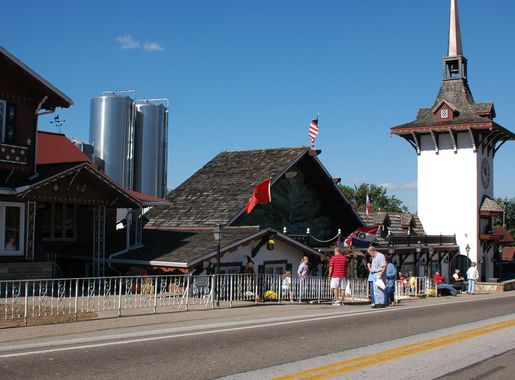


Discover the Heart of Amish Country in Ohio
Nestled in the rolling hills of Ohio, Amish Country offers a unique and serene escape from the hustle and bustle of modern life. This picturesque region is home to one of the largest Amish communities in the United States, and it provides a rare glimpse into a way of life that has remained largely unchanged for centuries. Visitors can expect to step back in time as they explore charming villages, rustic farms, and scenic landscapes. Amish Country is renowned for its craftsmanship, particularly in furniture and quilts. Many local shops and markets sell handmade goods that reflect the meticulous attention to detail and quality that the Amish are known for. A visit to an Amish bakery is a must, where you can savor freshly baked bread, pies, and other treats that are made from traditional recipes. For a deeper understanding of the Amish way of life, consider taking a guided tour of an Amish farm or village. These tours often include visits to homes, schools, and workshops, providing an educational and respectful look at Amish culture and traditions. Don't miss out on the opportunity to enjoy a horse-drawn buggy ride, which is not only a fun experience but also a great way to see the countryside. Nature enthusiasts will find plenty to do in Amish Country as well. The area is dotted with beautiful parks, hiking trails, and scenic byways perfect for a leisurely drive. Autumn is a particularly stunning time to visit, with the fall foliage painting the landscape in vibrant hues. When planning your trip, be mindful of the Amish community's values and customs. Photography is generally discouraged, and Sundays are a day of rest, with most businesses closed. With respect and curiosity, a visit to Amish Country in Ohio can be a truly enriching experience.