

Free Marietta Travel Guide & Mobile App
Plan your Marietta trip with Evendo. Get free guides to top attractions, restaurants, hotels, and bars. Web access or download the mobile app.


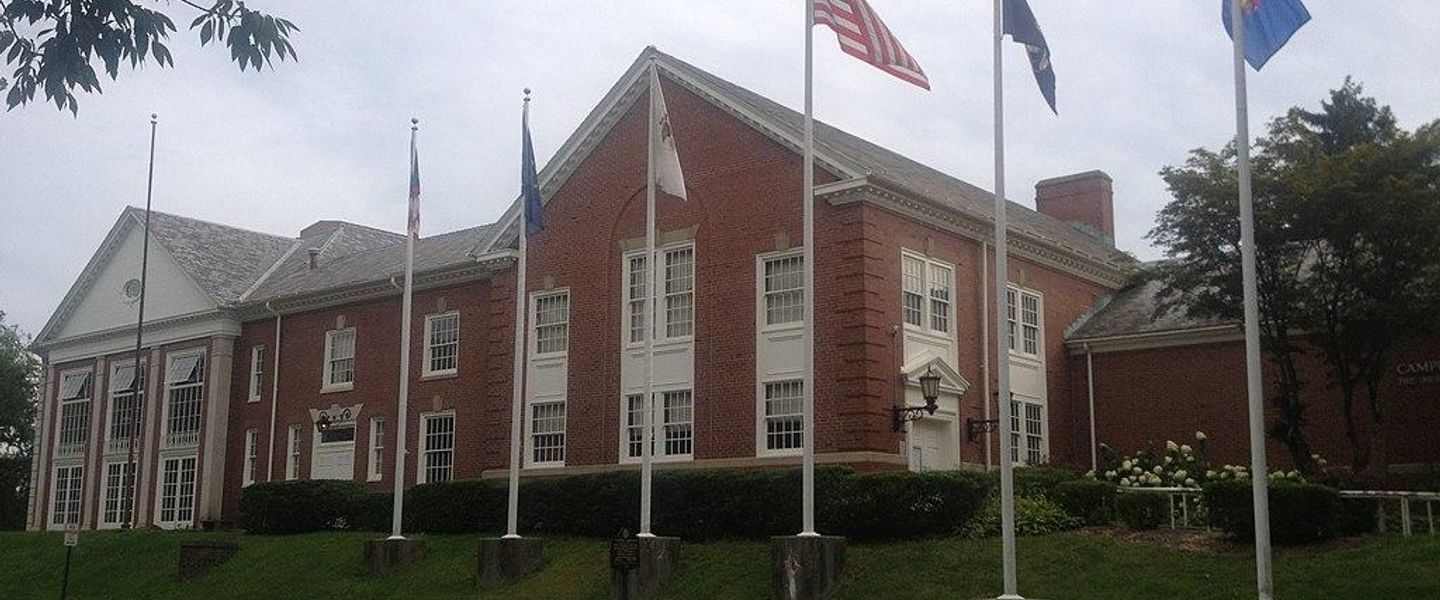


Discover Marietta, Ohio’s oldest city, where history, nature, and culture converge by the scenic Ohio and Muskingum Rivers.
Read more about Marietta
When is the best time to visit Marietta?
Best: May–June, September · 24–29°C| Month | High (°C) | Rainfall (mm) |
|---|---|---|
| January | 5 | 70 |
| February | 8 | 65 |
| March | 14 | 80 |
| April | 19 | 85 |
| May (best) | 24 | 90 |
| June (best) | 29 | 95 |
| July | 31 | 100 |
| August | 30 | 90 |
| September (best) | 26 | 85 |
| October | 19 | 80 |
| November | 12 | 75 |
| December | 7 | 70 |
Getting to and around Marietta
How to get there
Transportation
Best attractions in Marietta
Marietta, Ohio offers a unique blend of history, culture, and natural beauty for visitors to explore. From the historic Mound Cemetery and Campus Martius Museum to the charming streets lined with 19th-century architecture, there is no shortage of landmarks to discover. Outdoor enthusiasts will enjoy the scenic views along the Ohio River and the opportunity for kayaking, hiking, and biking. The vibrant arts scene, local shops, and delicious dining options add to the appeal of this hidden gem in the Midwest.
-
Boat tour agency
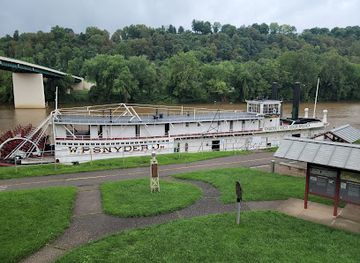
Valley Gem Sternwheeler
Explore the beauty of the Ohio River with the Valley Gem Sternwheeler in Marietta, Ohio - a perfect blend of adventure and history on the water.
18 min walk · 1.5 km from city centre
-
Tourist attraction
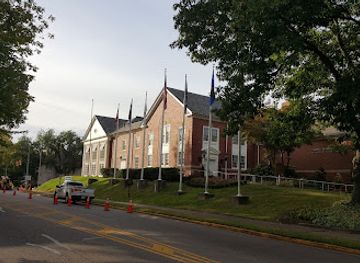
Campus Martius Museum
Explore Marietta's vibrant history at Campus Martius Museum, where the past comes alive through engaging exhibits and rich artifacts.
16 min walk · 1.3 km from city centre
-
Tourist attraction
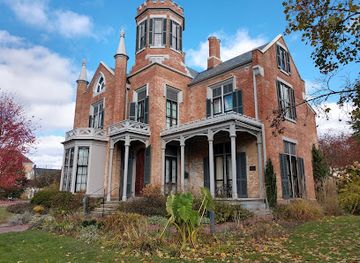
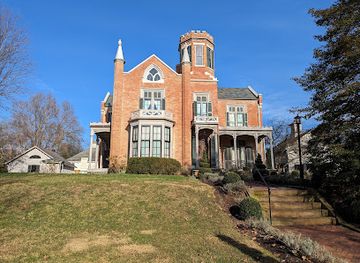
The Castle Historic House Museum
Explore The Castle Historic House Museum in Marietta, Ohio - a Victorian-era gem that reveals the rich history and culture of the region.
10 min walk · 0.8 km from city centre
-
Tourist attraction
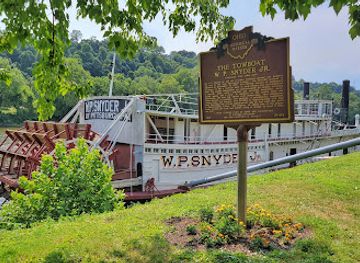
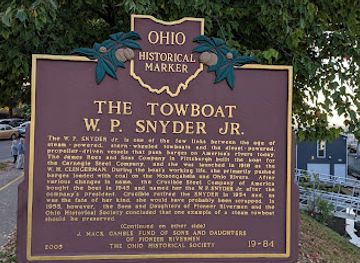
Ohio River Museum
Discover the Ohio River Museum, a captivating destination that brings to life the rich maritime history of Marietta, Ohio, and the scenic Ohio River.
18 min walk · 1.5 km from city centre
Best landmarks in Marietta
Marietta, Ohio offers visitors a rich historical experience with its charming landmarks. From the historic Mound Cemetery, where early settlers are buried, to the awe-inspiring Campus Martius Museum showcasing artifacts from the city's past, there is no shortage of cultural immersion. The intriguing Castle, a Gothic Revival style mansion, and the beautiful Lafayette Hotel, a historic riverfront hotel, add to the city's allure. Visitors can also explore the Ohio River Museum and the Anderson Hancock Planetarium for a unique blend of history and science. Marietta's landmarks provide a glimpse into the city's fascinating past and are sure to captivate any tourist.
-
Boat tour agency
Valley Gem Sternwheeler
Experience the beauty and history of the Ohio River aboard the Valley Gem Sternwheeler in Marietta, Ohio.
18 min walk · 1.5 km from city centre
-
Museum
Campus Martius Museum
Discover the roots of American history at Campus Martius Museum, showcasing the rich heritage of Marietta and the Northwest Territory.
16 min walk · 1.3 km from city centre
-
Historical place museum
The Castle Historic House Museum
Explore the charm of The Castle Historic House Museum in Marietta, Ohio—an iconic journey into the past through captivating architecture and rich history.
10 min walk · 0.8 km from city centre
-
Museum
Ohio River Museum
Explore the Ohio River Museum in Marietta, Ohio, for an engaging look into the region's maritime history and cultural heritage.
18 min walk · 1.5 km from city centre
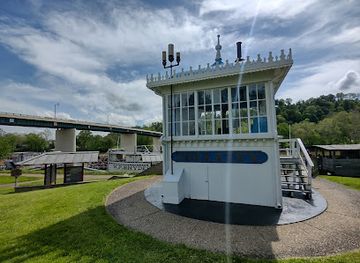
Explore Marietta on the map
Plan your Marietta trip on one map. See where the top attractions, landmarks, restaurants, bars and hotels are, find what's near where you're staying, and book hotels and experiences in a few clicks.
Best hotels in Marietta
Best restaurants in Marietta
Marietta offers a diverse dining scene that caters to all tastes and preferences. From cozy cafes serving up freshly brewed coffee and delicious pastries to upscale restaurants offering gourmet cuisine, visitors can indulge in a variety of culinary experiences. Local eateries showcase the region's rich history and culture through dishes like fried chicken and cornbread, while international flavors can be found at ethnic restaurants serving up authentic cuisine from around the world. Whether you're looking for a quick bite on the go or a leisurely meal with a view of the Ohio River, Marietta's dining options are sure to satisfy any appetite.
-
Barbecue
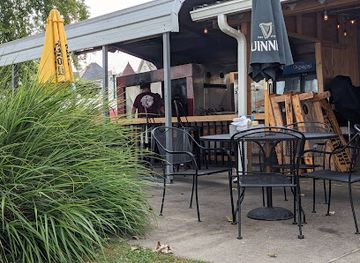
Boat House of Marietta (Boathouse BBQ)
Experience authentic barbecue at Boat House of Marietta – where smoky flavors meet scenic riverside views.
7 min drive · 2.3 km from city centre
-
Breakfast
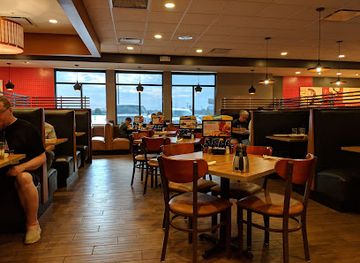
IHOP
Discover delicious breakfasts at IHOP in Marietta—where fluffy pancakes meet family-friendly dining in a cozy atmosphere.
11 min drive · 3.6 km from city centre
-
Restaurant
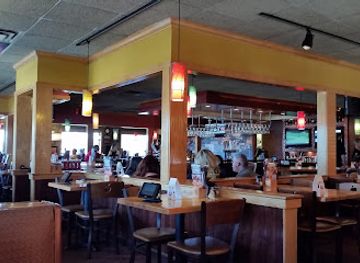
Applebee's Grill + Bar
Discover delicious American classics at Applebee's Grill + Bar in Marietta - where great food meets family-friendly fun!
6 min drive · 1.9 km from city centre
-
Grill
Wings Etc.
Experience delicious chicken wings and burgers at Wings Etc., Marietta's go-to American grill for food lovers and sports fans.
11 min drive · 3.7 km from city centre
Best bars in Marietta
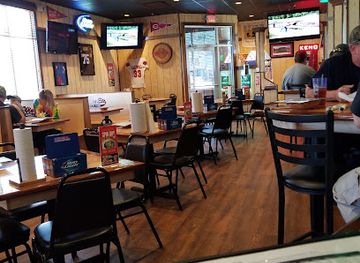
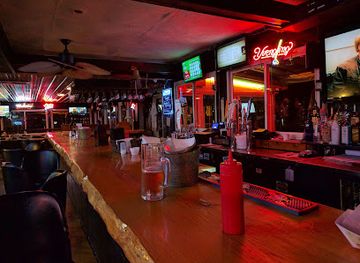
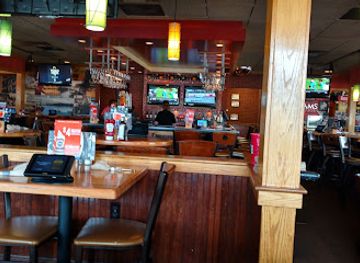
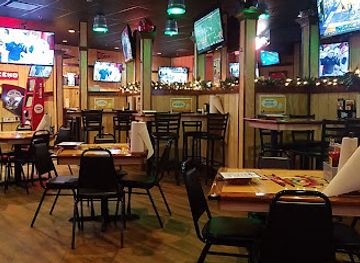
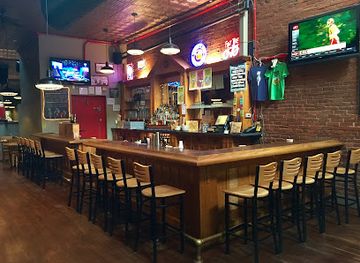
Marietta offers a vibrant nightlife scene with a variety of bars and nightclubs to suit every taste. From cozy pubs with live music to trendy cocktail lounges and high-energy dance clubs, visitors can expect a lively atmosphere and plenty of entertainment options. Whether you're looking to unwind with a craft beer, dance the night away, or enjoy a specialty cocktail, Marietta's nightlife has something for everyone to enjoy.
-
Barbecue
Boat House of Marietta (Boathouse BBQ)
Experience the best of Ohio barbecue at the Boat House of Marietta, where delicious flavors and riverside views create unforgettable dining moments.
7 min drive · 2.3 km from city centre
-
Restaurant
Applebee's Grill + Bar
Discover delicious American cuisine at Applebee's Grill + Bar in Marietta, Ohio, perfect for families and travelers seeking a casual dining experience.
6 min drive · 1.9 km from city centre
-
Grill
Wings Etc.
Experience the best wings, burgers, and cocktails at Wings Etc., a lively American grill in Marietta, Ohio, perfect for families and sports fans.
11 min drive · 3.7 km from city centre
-
Brewpub
Marietta Brewing Company
Experience the best of Ohio's craft beer scene at Marietta Brewing Company, a brewpub offering unique flavors and a welcoming atmosphere.
19 min walk · 1.5 km from city centre
Best nightclubs in Marietta
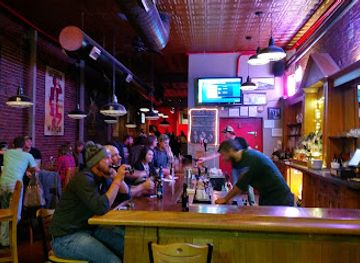
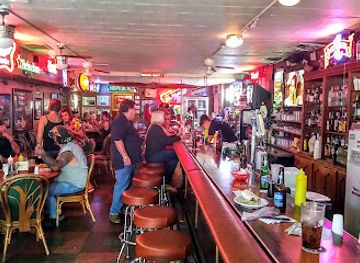
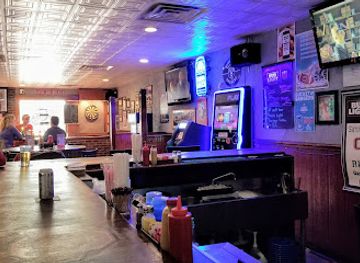
Marietta offers a vibrant nightlife scene with a variety of bars and nightclubs to suit every taste. From cozy pubs with live music to trendy cocktail lounges and high-energy dance clubs, visitors can expect a lively atmosphere and plenty of entertainment options. Whether you're looking to unwind with a craft beer, dance the night away, or enjoy a specialty cocktail, Marietta's nightlife has something for everyone to enjoy.
-
Brewpub
Marietta Brewing Company
Experience the finest craft beers and delicious cuisine at Marietta Brewing Company, a premier brewpub along the Ohio River in Marietta, Ohio.
19 min walk · 1.5 km from city centre
-
Grill
Harmar Tavern
Discover the heart of Marietta at Harmar Tavern, a grill and pub offering local flavors, cozy ambiance, and a vibrant atmosphere.
5 min drive · 1.8 km from city centre
-
Grill
Town House
Experience the best of Marietta dining at Town House, where grilled delights and local charm combine for an unforgettable meal.
17 min walk · 1.4 km from city centre
-
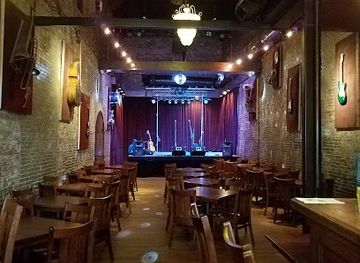
Live music bar
The Adelphia Music Hall
Discover the heart of Marietta’s nightlife at The Adelphia Music Hall, where live music and vibrant atmosphere converge for an unforgettable experience.
16 min walk · 1.3 km from city centre
Best shops in Marietta
Marietta's shopping scene offers a charming mix of boutiques, antique shops, and specialty stores that cater to every taste and budget. From unique handmade items to vintage treasures, visitors can explore a variety of shops along Front Street and beyond. Whether you're looking for a one-of-a-kind souvenir or a stylish new outfit, Marietta's shopping scene is sure to delight and surprise shoppers of all kinds.
-
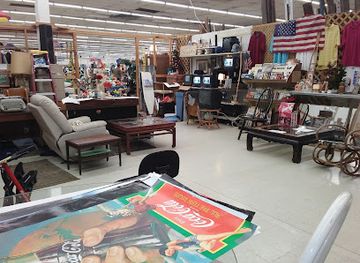
Flea market
Rinky Dink Flea Market
Explore the vibrant Rinky Dink Flea Market in Marietta, Ohio, where unique treasures and local charm await every visitor.
8 min drive · 2.7 km from city centre
-
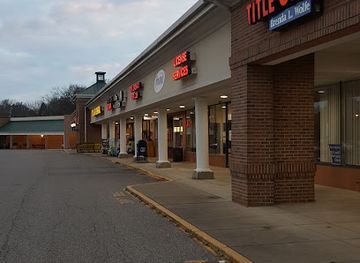
Shopping mall
Lafayette Center
Discover shopping bliss at Lafayette Center in Marietta, Ohio, where retail therapy meets delightful dining and family fun.
6 min drive · 1.9 km from city centre
-
Outlet mall
Frontier Shopping Center
Discover unbeatable deals and diverse shopping experiences at Frontier Shopping Center in Marietta, Ohio's premier outlet mall.
3 min walk · 0.2 km from city centre
-
Pet store
We Lov Pets
Discover a treasure trove of pet supplies and adopt your new best friend at We Lov Pets in Marietta, Ohio, where animal lovers unite.
6 min drive · 1.9 km from city centre

Get your free copy of our complete guide to Marietta, delivered straight to you.
Everything on this page, from attractions and restaurants to essentials and local phrases, in one PDF you can read offline, print or share.
Already have an account? Sign in
Your Marietta guide is ready.
We'll send it to · Not you? Sign out

Getting your guide ready…
We are putting together a fresh copy of the Marietta guide. This can take up to a minute.
This can take a few moments. If your browser asks, choose Allow so the download can start. You'll find the guide in your Downloads folder.
Nothing happened? Download it again
Sorry, the guide is taking longer than usual. Please try again in a minute, or get it by email instead.
Marietta essentials
Currency and Payment
Safety
Emergency Situations
Do's and Don'ts
Local Tips
From Eve
Local phrases worth knowing
You don't need to get them perfect. A few words go a long way, and locals appreciate the effort.
Basics
| English | Local | Say it |
|---|---|---|
| Hello | Howdy | [hau-dee] |
| Goodbye | See ya | [see yuh] |
| Yes | Yup | [yuhp] |
| No | Nah | [nuh] |
| Please/You're welcome | Please/No problem | [pleez/no prob-lem] |
| Thank you | Thanks | [thanks] |
| Excuse me/Sorry | Pardon me/My bad | [par-dn me/my bad] |
| How are you? | How ya doin'? | [hau yuh doo-in] |
| Fine. And you? | Good. You? | [good. yuh?] |
| Do you speak English? | Ya speak English? | [ya speak in-glish?] |
| I don't understand | I ain't gettin' it | [I aint get-tin it] |
Eating & Drinking
| English | Local | Say it |
|---|---|---|
| I'd like to see the menu, please | Can I see the menu, please | [can I see the menu, please] |
| I don't eat meat | I don't do meat | [I don't do meat] |
| Cheers! | Bottoms up! | [bot-ums up] |
| I would like to pay, please | I'll take the bill, please | [I'll take the bill, please] |
Emergencies
| English | Local | Say it |
|---|---|---|
| Help! | I need a hand! | [I need a hand] |
| Go away! | Back off! | [back off] |
| Call the Police! | Get the cops! | [get the cops] |
| Call a doctor! | Get a doc! | [get a doc] |
| I'm lost | I'm all turned around | [I'm all turned around] |
| I'm ill | I'm feelin' under the weather | [I'm feelin' under the weather] |
Shopping
| English | Local | Say it |
|---|---|---|
| I'd like to buy... | I'm lookin' to buy... | [I'm look-in to buy] |
| I'm just looking | Just browsin' | [just brows-in] |
| How much is it? | How much does it cost? | [how much dus it cost] |
| That's too expensive | That's a bit steep | [thats a bit steep] |
| Can you lower the price? | Any chance for a discount? | [any chance for a dis-count] |
Time & Numbers
| English | Local | Say it |
|---|---|---|
| What time is it? | What's the time? | [whats the time] |
| It's one o'clock | It's one | [its one] |
| Half past (10) | Ten-thirty | [ten-thur-tee] |
| Morning | Mornin' | [morn-in] |
| Afternoon | Afternoon | [after-noon] |
| Evening | Evenin' | [even-in] |
| Yesterday | Yest'day | [yest-day] |
| Today | Today | [to-day] |
| Tomorrow | Tomorrer | [tom-orr-er] |
| 1 | One | [wun] |
| 2 | Two | [too] |
| 3 | Three | [three] |
| 4 | Four | [four] |
| 5 | Five | [five] |
| 6 | Six | [six] |
| 7 | Seven | [sev-en] |
| 8 | Eight | [ait] |
| 9 | Nine | [nine] |
| 10 | Ten | [ten] |
Transport & Directions
| English | Local | Say it |
|---|---|---|
| Where's a/the...? | Where's the...? | [wheres the] |
| What's the address? | What's the addy? | [whats the add-ee] |
| Can you show me (on the map)? | Can ya point it out (on the map)? | [can ya point it out (on the map)] |
| When's the next (bus)? | When's the next (bus)? | [whens the next] |
| A ticket (to ....) | A ticket (to ....) | [a ticket (to)] |
History of Marietta
The Founding of Marietta
Marietta, founded on April 7, 1788, is the first permanent settlement in the Northwest Territory. Named after Marie Antoinette in honor of France's aid during the American Revolution, the city was established by the Ohio Company of Associates, veterans of the Revolutionary War who were granted land in Ohio as payment for their service. This event marked the beginning of westward expansion and set the stage for the development of the Midwest.
Campus Martius and Picketed Point
The early settlers built Campus Martius, a large fortification, to protect themselves from potential Native American attacks. The fort included blockhouses, a covered walkway, and living quarters, and it served as a community center. Picketed Point, another fortification, was constructed on the Muskingum River’s bank. Both structures were vital for the settlers' safety and symbolized their resilience and determination to establish a thriving community in the wilderness.
The Harmar Settlement
Across the Muskingum River from Marietta, Colonel Josiah Harmar established Fort Harmar in 1785. The fort played a crucial role in maintaining peace between settlers and Native Americans. It also served as a trading post and attracted additional settlers to the area. The presence of the fort ensured a sense of security and stability, which was essential for the growth of Marietta and the surrounding regions.
The Birthplace of Ohio
Marietta holds the distinction of being the 'Birthplace of Ohio.' In 1803, as Ohio became the 17th state of the Union, Marietta's significance as a political and cultural hub grew. The Northwest Ordinance of 1787, which governed the settlement of the Northwest Territory, laid the groundwork for the establishment of new states and prohibited slavery in the region, setting a precedent for the future state’s values and governance.
The Underground Railroad
Marietta played a notable role in the Underground Railroad, providing a safe haven for enslaved people seeking freedom in the North. The city’s location along the Ohio River made it a critical stop on the path to liberation. Local residents, including members of the Unitarian Church, were active participants in the abolitionist movement, offering shelter and assistance to those escaping the bonds of slavery.
The Steamboat Era
In the 19th century, Marietta became a bustling riverboat town. The city’s strategic location at the confluence of the Ohio and Muskingum Rivers made it a key hub for trade and transportation. The steamboat era brought economic prosperity, facilitating the movement of goods and people, and contributing to the growth and development of Marietta as a vibrant commercial center.
The Great Flood of 1913
One of the most devastating events in Marietta’s history was the Great Flood of 1913, which caused widespread destruction and loss of life. The floodwaters inundated homes, businesses, and infrastructure, leaving a lasting impact on the community. Despite the destruction, the resilience of Marietta’s citizens shone through as they rebuilt and restored their city, demonstrating the enduring spirit of this historic town.
Marietta College
Founded in 1835, Marietta College is a cornerstone of the city’s educational and cultural landscape. The college has a rich history of academic excellence and community involvement. Its historic campus, listed on the National Register of Historic Places, includes landmarks such as Erwin Hall and Andrews Hall. Marietta College continues to be a beacon of learning and a significant contributor to the city’s cultural and intellectual life.
The Modern Era
Today, Marietta is a city that cherishes its rich history while embracing modernity. The historic downtown area features well-preserved 19th-century architecture, boutique shops, and cultural attractions like the Peoples Bank Theatre. The city hosts numerous festivals and events that celebrate its heritage, including the Ohio River Sternwheel Festival and the Marietta Sweet Corn Festival, making it a vibrant community with a deep appreciation for its past and an eye towards the future.
Marietta in Photos
Browse through our photo collection highlighting the charm and character of the destination.
Cities near Marietta
The closest cities to Marietta, if you have time for more than one stop.
-

-

-

-

-


Swipe for more cities
Explore more

Explore more of Ohio
Explore Ohio's vibrant cities, rich history, and stunning natural landscapes. From bustling urban centers to serene state parks, Ohio offers diverse attractions for every traveler.
Explore Ohio