

Beavers Bend State Park Travel Guide - Free Web & App
Your ultimate guide to Beavers Bend State Park. Discover top landmarks, proposed trips, and local tips. Free on the web or via the Evendo companion app.


Beavers Bend State Park in Oklahoma combines Ouachita Mountain forests, Broken Bow Lake, trout fishing, hiking, cabins and outdoor recreation.
Landscape and Setting
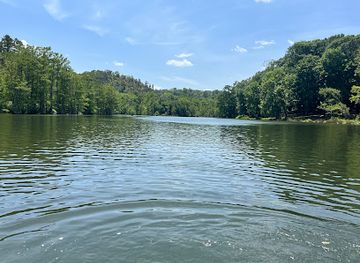
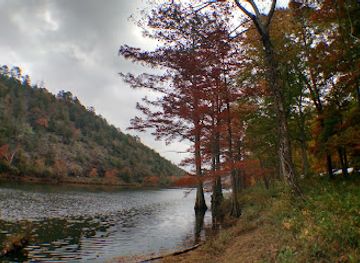
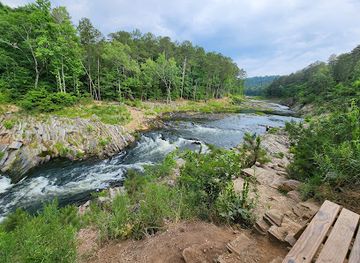
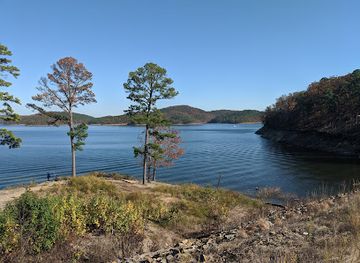
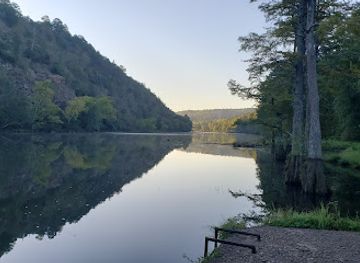
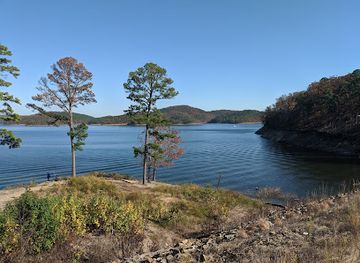
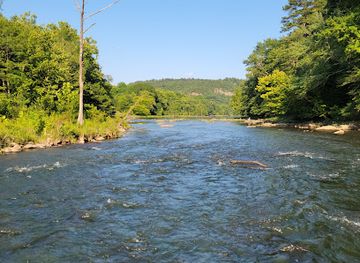
Beavers Bend State Park occupies a wooded section of the Ouachita Mountains in south-eastern Oklahoma, near the town of Broken Bow and the community of Hochatown. Its centrepiece is Broken Bow Lake, a long, clear reservoir bordered by pine-covered hills, coves and rocky shorelines. The Mountain Fork River flows through the park below the dam, creating a contrasting landscape of rapids, trout water, quiet pools and riverside forest. Although the park is within Oklahoma, its topography and vegetation give it a distinctly upland character unlike the state's western plains.Read more about Beavers Bend State Park
Outdoor Recreation
Gateway Communities
When is the best time to visit Beavers Bend State Park?
Best: April, October–November · 18–25°C| Month | High (°C) | Rainfall (mm) |
|---|---|---|
| January | 11 | 76 |
| February | 13 | 79 |
| March | 18 | 97 |
| April (best) | 23 | 102 |
| May | 28 | 122 |
| June | 33 | 112 |
| July | 35 | 91 |
| August | 34 | 97 |
| September | 31 | 107 |
| October (best) | 25 | 102 |
| November (best) | 18 | 86 |
| December | 12 | 81 |
Getting to and around Beavers Bend State Park
How to get there
Transportation
Best attractions in Beavers Bend State Park
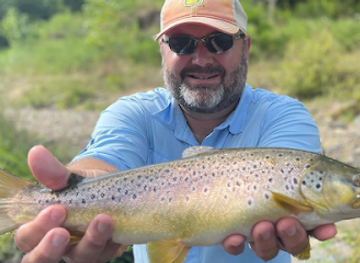
Beavers Bend State Park's principal attractions are its forested shoreline, Broken Bow Lake and the Mountain Fork River, which together offer a varied setting for walking, fishing, boating and quiet nature observation. The lake's coves and wooded hills are best explored from authorised access points or on the water, while the river below Broken Bow Dam is particularly associated with trout fishing and scenic riverside landscapes. Trails such as the Beaver Lodge Nature Trail provide an accessible introduction to the park's woodland environment, while longer routes reveal more uneven and hilly terrain. The Forest Heritage Center Museum, within the park, explains the history of Oklahoma's timber industry through exhibits and handcrafted woodwork. Nearby Hochatown, outside the park boundary, adds cabins, restaurants and commercial outdoor activities, while Broken Bow provides broader town services and a practical base for exploring the surrounding lake and Ouachita foothills.
-
Park
Beavers Bend Depot and Trail Rides
Discover the adventure and beauty of Beavers Bend Depot and Trail Rides in Oklahoma, where nature meets fun for the whole family.
-
State park
Beavers Bend Nature Center
Discover the untouched beauty of Beavers Bend Nature Center, a state park in Oklahoma offering adventure, tranquility, and family-friendly activities.
-
Hiking area
Friends Trail Loop Trailhead
Discover the picturesque Friends Trail Loop Trailhead in Broken Bow, Oklahoma—your gateway to breathtaking hikes and serene natural beauty.
-
Scenic spot
Broken Bow Overlook At Beavers Bend State Park
Experience the stunning vistas and serene beauty of Broken Bow Overlook in Beavers Bend State Park, a must-visit scenic spot in Oklahoma.
Best landmarks in Beavers Bend State Park
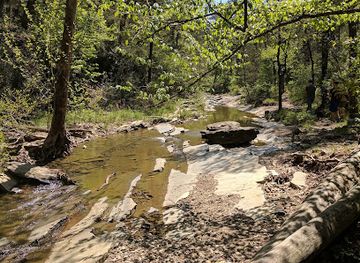
Broken Bow Lake is the defining physical landmark of the area, its long reservoir occupying the Mountain Fork valley among wooded Ouachita hills. The Mountain Fork River below Broken Bow Dam provides a second contrasting landmark, changing from reservoir shoreline to flowing river and recognised trout water. Within the park, the Forest Heritage Center Museum is an important cultural landmark because it interprets the timber history that shaped south-eastern Oklahoma and presents regional woodcraft. The surrounding rounded ridges, forested coves and rocky stream margins are less a collection of isolated monuments than a connected mountain landscape. Broken Bow Dam, operated by the United States Army Corps of Engineers, explains the origin of the reservoir and remains central to understanding the area's modern geography, although the dam itself is not the same attraction as the state park.
-
State park
Beavers Bend State Park and Nature Center
Discover the breathtaking landscapes and outdoor adventures at Beavers Bend State Park, a premier destination for nature lovers in Oklahoma.
-
Heritage museum
Beaver's Bend State Park Forest Heritage Center
Explore the beauty and cultural heritage of Beaver's Bend State Park Forest Heritage Center in Broken Bow, Oklahoma – a must-visit for nature and history lovers.
-
State park
Beavers Bend Nature Center
Explore the breathtaking beauty and tranquility of Beavers Bend Nature Center, a top destination for nature lovers in Broken Bow, Oklahoma.
-
Scenic spot
Broken Bow Overlook At Beavers Bend State Park
Explore the stunning Broken Bow Overlook at Beavers Bend State Park, where breathtaking views and nature's beauty await every visitor.

Explore Beavers Bend State Park on the map
Plan your trip on one map. See where the top attractions, landmarks, restaurants and hotels are, and book hotels and experiences in a few clicks.
Best hotels in Beavers Bend State Park
Best restaurants in Beavers Bend State Park
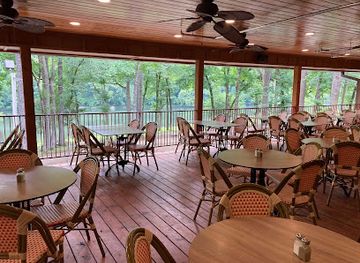
Dining is concentrated in Broken Bow and Hochatown rather than deep inside Beavers Bend State Park. Visitors staying in cabins or campsites often prepare meals, while the gateway communities provide restaurants, cafés, takeaway food and casual venues serving the needs of a busy lake-and-forest tourism area. Regional dining reflects south-eastern Oklahoma's broader American and Southern influences, with familiar barbecue, burgers, fried dishes, breakfasts and country-style cooking more characteristic than a single dish associated exclusively with the park. Groceries and provisions are easier to obtain before heading into the wooded recreation areas, although Hochatown has a substantial concentration of visitor-oriented food businesses. The park itself should not be treated as a restaurant district: facilities and opening patterns vary, and visitors should check current arrangements if they plan to eat away from Broken Bow or Hochatown.
-
American
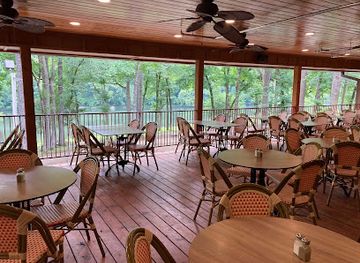
Beavers Bend Lookout Kitchen
Experience delightful American cuisine surrounded by the stunning landscapes of Beavers Bend State Park.
Best bars in Beavers Bend State Park
Evening entertainment around Beavers Bend is relaxed and dispersed rather than centred on nightclubs. Hochatown, immediately outside the park, has the area's strongest concentration of visitor-oriented restaurants, bars and seasonal entertainment, while Broken Bow offers a more conventional small-town selection of evening venues. Many visitors spend nights at cabins, lodges or campsites, cooking, sitting outdoors or enjoying the quiet of the forest and lake rather than seeking a late-night scene. Music, family attractions and other activities may be available through private businesses at different times of year, but they should not be assumed to operate on every visit. Inside the state park, darkness, wildlife considerations and quiet-use expectations make it more appropriate for low-key evenings than loud entertainment, and visitors should follow campground rules and respect neighbouring accommodation.
-
American
Beavers Bend Lookout Kitchen
Experience the best of American cuisine amidst the stunning landscapes of Broken Bow, Oklahoma at Beavers Bend Lookout Kitchen.
Best shops in Beavers Bend State Park
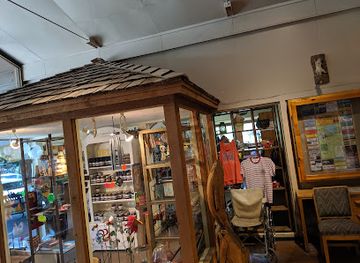
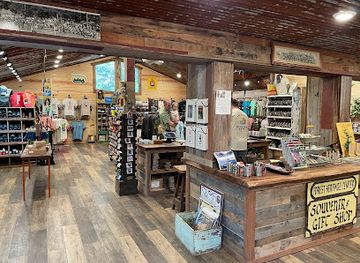
Shopping within Beavers Bend State Park is limited and primarily connected with visitor needs, interpretation and recreation rather than a substantial retail district. The Forest Heritage Center Museum offers a direct connection with local timber culture and woodcraft, while park facilities may provide selected visitor supplies subject to current arrangements. More extensive shopping is found in Broken Bow and Hochatown, where visitors can obtain groceries, camping provisions, fishing and outdoor equipment, souvenirs, locally themed gifts and products associated with the surrounding woodland destination. Independent businesses and craft-oriented outlets in the gateway communities reflect the area's cabin, lake and forest economy, although stock and opening patterns vary. Visitors heading to remote campsites should buy food, fuel and essentials in town rather than relying on a small number of park-side facilities.
-
State park
Beavers Bend State Park and Nature Center
Explore the breathtaking landscapes and diverse wildlife at Beavers Bend State Park and Nature Center, a top destination for nature enthusiasts in Oklahoma.
-
Heritage museum
Beaver's Bend State Park Forest Heritage Center
Discover the cultural treasures of Oklahoma at Beaver's Bend State Park Forest Heritage Center, a vibrant heritage museum in a stunning natural setting.
-
Fishing charter
Beavers Bend Fly Shop & Professional Guide Service
Explore the beauty of Oklahoma’s outdoors with an unforgettable fishing experience at Beavers Bend Fly Shop, where nature meets adventure.
-
Gift shop
Hochatime Hideaway
Explore Hochatime Hideaway in Broken Bow, Oklahoma - a charming gift shop offering unique local crafts and souvenirs that capture the essence of your travels.
Get your free copy of our complete guide to Beavers Bend State Park, delivered straight to you.
Everything on this page, from attractions and restaurants to essentials and local phrases, in one PDF you can read offline, print or share.
Already have an account? Sign in
Your Beavers Bend State Park guide is ready.
We'll send it to · Not you? Sign out

Getting your guide ready…
We are putting together a fresh copy of the Beavers Bend State Park guide. This can take up to a minute.
This can take a few moments. If your browser asks, choose Allow so the download can start. You'll find the guide in your Downloads folder.
Nothing happened? Download it again
Sorry, the guide is taking longer than usual. Please try again in a minute, or get it by email instead.
Beavers Bend State Park essentials
Currency and Payment
Safety
Emergency Situations
Do's and Don'ts
Local Tips
From Eve
Local phrases worth knowing
You don't need to get them perfect. A few words go a long way, and locals appreciate the effort.
Basics
| English | Local | Say it |
|---|---|---|
| Hello | Howdy | [haw-dee] |
| Goodbye | See ya later | [see yuh lay-tur] |
| Yes | Yep | [yep] |
| No | Nope | [nohp] |
| Please/You're welcome | Please | [pleez] |
| Thank you | Thanks a lot | [thanks uh lot] |
| Excuse me/Sorry | Pardon me | [pahr-dun me] |
| How are you? | Howdy | [haw-dee] |
| Fine. And you? | Just fine. How 'bout you? | [just fine. how 'bout yuh] |
| Do you speak English? | Ya speak English? | [yah speak ing-glish] |
| I don't understand | I ain't catchin' on | [eye aint ketch-in on] |
Eating & Drinking
| English | Local | Say it |
|---|---|---|
| I'd like to see the menu, please | Can I take a gander at the menu? | [kan eye take a gan-dur at the menu] |
| I don't eat meat | I don't eat critters | [eye don't eat crit-ters] |
| Cheers! | Bottoms up! | [bot-tums up] |
| I would like to pay, please | I reckon I'll settle up | [eye ree-kin eye'll set-ul up] |
Emergencies
| English | Local | Say it |
|---|---|---|
| Help! | I need a hand! | [eye need uh hand] |
| Go away! | Git! | [git] |
| Call the Police! | Ring up the Sheriff! | [ring up the shair-uff] |
| Call a doctor! | Fetch the Doc! | [fetch the doc] |
| I'm lost | I done gone and lost myself | [eye dun gone and lost myself] |
| I'm ill | I'm feelin' poorly | [eye'm feelin' poor-lee] |
Shopping
| English | Local | Say it |
|---|---|---|
| I'd like to buy... | I'm fixin' to purchase... | [eye'm fix-in' tuh pur-chase] |
| I'm just looking | I'm just browsin' | [eye'm just brow-sin'] |
| How much is it? | How much fer that? | [how much fur that] |
| That's too expensive | That's a mite pricey | [that's uh myt prye-see] |
| Can you lower the price? | Can y'all do better on the price? | [can y'all do bet-ur on the prye-see] |
Time & Numbers
| English | Local | Say it |
|---|---|---|
| What time is it? | What's the hour? | [whuts the our] |
| It's one o'clock | It's one in the mornin' | [its one in the morn-in'] |
| Half past (10) | Half past ten | [half past ten] |
| Morning | Mornin' | [morn-in'] |
| Afternoon | Afternoon | [after-noon] |
| Evening | Evenin' | [even-in'] |
| Yesterday | Yest'day | [yest-day] |
| Today | Today | [toh-day] |
| Tomorrow | Tomorrer | [tom-or-ur] |
| 1 | One | [wun] |
| 2 | Two | [too] |
| 3 | Three | [three] |
| 4 | Four | [four] |
| 5 | Five | [five] |
| 6 | Six | [six] |
| 7 | Seven | [seven] |
| 8 | Eight | [ate] |
| 9 | Nine | [nine] |
| 10 | Ten | [ten] |
Transport & Directions
| English | Local | Say it |
|---|---|---|
| Where's a/the...? | Where's the... | [wheres the] |
| What's the address? | What's the holler? | [whuts the hawl-ur] |
| Can you show me (on the map)? | Kin ya point it out (on the map)? | [kin yuh point it out (on the map)] |
| When's the next (bus)? | When's the next stage? | [whens the next stage] |
| A ticket (to ....) | A passage (to ....) | [uh pass-ij (to)] |
History of Beavers Bend State Park
Ouachita Mountains and Early Inhabitants
Beavers Bend lies within the Ouachita Mountains, an ancient folded mountain system extending across parts of Oklahoma and Arkansas. Long before the modern park and reservoir, the region was used by Indigenous peoples, including the Choctaw, whose historic homeland encompassed south-eastern Oklahoma after forced removal from the south-eastern United States. Rivers, woodland and mountain clearings supported movement, hunting and settlement, while the area's later history remained closely connected to timber and water.
Timber and Settlement
The forests of the Mountain Fork country became increasingly important during the nineteenth and early twentieth centuries as communities, roads and timber operations developed in south-eastern Oklahoma. Logging altered parts of the woodland, but the region's forest resources also shaped its economic identity. The Forest Heritage Center Museum in Beavers Bend State Park interprets this relationship between people, trees and the timber industry, preserving a cultural history that extends beyond the park's recreational role.
The Reservoir and State Park
Broken Bow Dam was built by the United States Army Corps of Engineers on the Mountain Fork River during the 1960s, creating Broken Bow Lake and changing the valleys above the dam. The reservoir provided flood-control and water-management benefits while also establishing the broad water landscape that now defines the area. Beavers Bend State Park developed as a public recreation landscape around the lake and river, combining camping, trails, cabins, fishing and boating with protection of the surrounding woodland.
Conservation and Recreation Today
Modern Beavers Bend reflects the continuing transition from working forest and river valley to a managed recreation landscape. Oklahoma State Parks oversees facilities and visitor use, while the Forest Heritage Center connects present-day tourism with the region's timber traditions. The park's value now rests on the balance between public access and the care of forest, shoreline and river habitats. Broken Bow Lake, the Mountain Fork River and the surrounding Ouachita hills remain the foundation of the area's outdoor economy and regional identity.
Beavers Bend State Park in Photos
Browse through our photo collection highlighting the charm and character of the destination.
Neighbouring destination travel guides
The closest destinations to Beavers Bend State Park, if you have time for more than one.
-

-

-

-

-


Swipe for more destinations
Explore more

Explore more of Ouachita Mountains
Explore Oklahoma’s Ouachita Mountains for forested ridges, Talimena views, Choctaw heritage, hiking, lakes and quiet outdoor escapes.
Explore Ouachita Mountains
Explore more of Oklahoma
Discover Oklahoma: Where the spirit of the Old West meets modern charm, offering a rich mix of history, nature, and vibrant culture in the heart of the United States.
Explore Oklahoma