

Free Shreveport Travel Guide & Mobile App
Plan your Shreveport trip with Evendo. Get free guides to top attractions, restaurants, hotels, and bars. Web access or download the mobile app.


Shreveport, Louisiana blends Red River history, Cajun and Creole flavours, museums, live music and North Louisiana culture for distinctive city breaks.
A River City in North Louisiana
Shreveport occupies a strategic bend of the Red River in north-western Louisiana, where the waterway, former port routes and modern interstate links meet the pine forests and low rolling country of the Ark-La-Tex. The city was established in the 1830s as Shreve Town, named for steamboat captain Henry Miller Shreve, whose work helped clear the Red River for navigation. That commercial beginning still shapes Shreveport's identity: its historic core, riverfront and museums preserve the story of transport, trade, cotton and the energy industries that later transformed the region.Read more about Shreveport
Museums, Neighbourhoods and Local Character
Food, Music and the Wider Landscape
When is the best time to visit Shreveport?
Best: March–April, October · 20–26°C| Month | High (°C) | Rainfall (mm) |
|---|---|---|
| January | 13 | 105 |
| February | 16 | 103 |
| March (best) | 20 | 119 |
| April (best) | 25 | 104 |
| May | 29 | 141 |
| June | 33 | 127 |
| July | 34 | 102 |
| August | 34 | 96 |
| September | 31 | 110 |
| October (best) | 26 | 98 |
| November | 19 | 111 |
| December | 14 | 121 |
Getting to and around Shreveport
How to get there
Transportation
Best attractions in Shreveport
Shreveport's principal attractions bring together science, regional history, art and riverfront entertainment. Sci-Port Discovery Center offers hands-on science exhibits and an immersive planetarium experience, while the nearby Shreveport Aquarium interprets aquatic life in a compact waterfront setting. The Louisiana State Exhibit Museum is known for its large regional dioramas and displays on Louisiana's landscapes, communities and natural history. At the R.W. Norton Art Gallery, European and American works are displayed alongside landscaped grounds, creating a slower-paced cultural visit. Downtown's Strand Theatre contributes historic atmosphere through theatre, music and other performances, and the Red River waterfront provides open space and views across to Bossier City. The Spring Street Historical Museum, housed in an early twentieth-century residence, adds a more intimate account of local life. Sports, festivals and riverfront events provide further ways to encounter contemporary Shreveport beyond its formal museums.
-
Tourist attraction
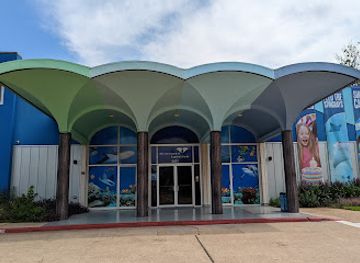
Shreveport Aquarium
Discover the vibrant marine life and interactive exhibits at Shreveport Aquarium, a top attraction for tourists and families along the Downtown Riverfront.
15 min walk · 1.2 km from city centre
-
Tourist attraction
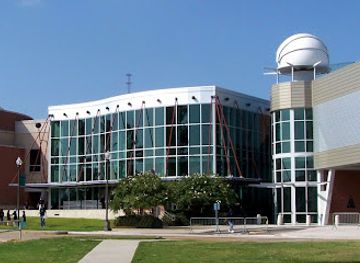
Sci-Port Discovery Center
Discover science and fun at the Sci-Port Discovery Center in Shreveport, LA—a thrilling destination for families and science enthusiasts.
5 min drive · 1.5 km from city centre
-
Tourist attraction
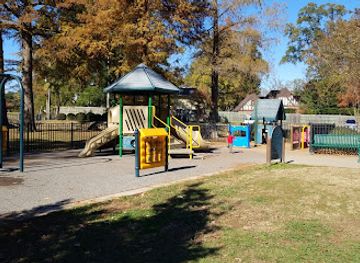
Betty Virginia Park
Discover the beauty and tranquility of Betty Virginia Park, an urban oasis in Shreveport, Louisiana, perfect for families and nature lovers.
19 min drive · 6.3 km from city centre
-
Tourist attraction
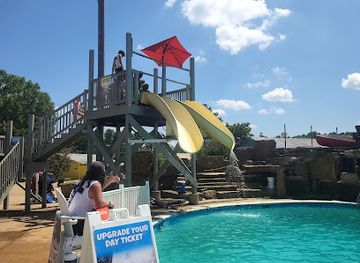
Wonder Oasis Waterpark
Discover exhilarating water slides, relaxing pools, and family-friendly fun at Wonder Oasis Waterpark in Shreveport, Louisiana.
38 min drive · 18 km from city centre
Best landmarks in Shreveport
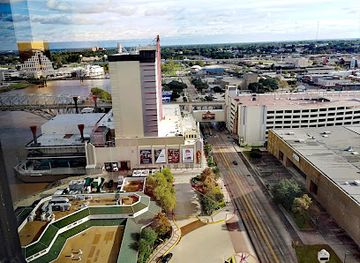
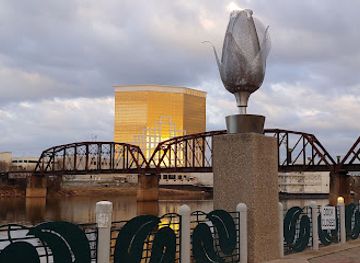
The J. Bennett Johnston Waterway Regional Visitor Center, housed in a former United States Army Corps of Engineers pumping station on the Red River, reflects the engineering and navigation projects that shaped modern river commerce. The Shreveport Water Works Museum preserves the McNeill Street Pumping Station, a major nineteenth-century municipal waterworks complex and one of the city's most distinctive industrial heritage sites. The Strand Theatre, opened in 1925, is a prominent historic performance building whose ornate interior recalls downtown's early twentieth-century entertainment culture. Spring Street Historical Museum occupies the Logan Mansion, an 1897 residence associated with the city's prosperous Victorian era. Across the central districts, churches, civic buildings and older commercial structures reveal the growth of Shreveport from river port to railway and oil centre, while the Red River waterfront remains the geographical landmark around which the city's founding story is told.
-
Resort hotel
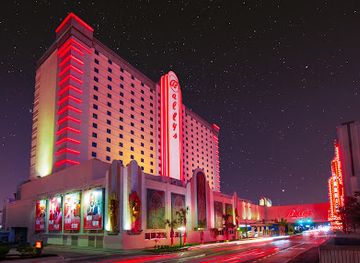
Bally's Shreveport Casino & Hotel
Discover the ultimate gaming and relaxation experience at Bally's Shreveport Casino & Hotel, where luxury meets entertainment on the beautiful Riverfront.
13 min walk · 1.0 km from city centre
-
Casino
Sam's Town Hotel & Casino, Shreveport
Discover the excitement and entertainment at Sam's Town Hotel & Casino, your ultimate destination for gaming and relaxation in Shreveport.
11 min walk · 0.9 km from city centre
-
Aquarium
Shreveport Aquarium
Discover the aquatic wonders at Shreveport Aquarium, where marine life comes alive along the banks of the Red River.
15 min walk · 1.2 km from city centre
-
Hotel
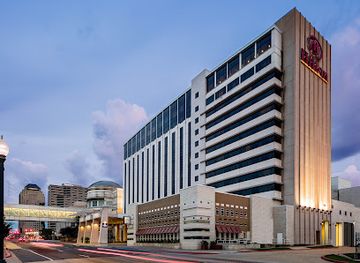
Hilton Shreveport
Discover Southern hospitality and modern comfort at Hilton Shreveport, your ideal home base for exploring Louisiana's vibrant attractions.
11 min walk · 0.9 km from city centre
Explore Shreveport on the map
Plan your Shreveport trip on one map. See where the top attractions, landmarks, restaurants, bars and hotels are, find what's near where you're staying, and book hotels and experiences in a few clicks.
Neighbourhoods in Shreveport
-

-


Swipe for more neighbourhoods
Best hotels in Shreveport
Best restaurants in Shreveport
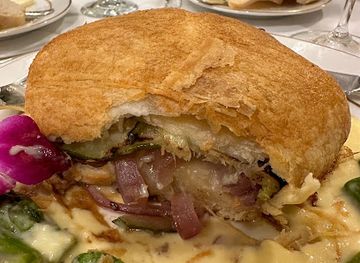
Shreveport's food culture reflects the meeting of Louisiana, Southern and African American traditions with influences from the wider Ark-La-Tex. Gumbo, seafood, crawfish when in season, po'boys, fried dishes and slow-cooked comfort food appear alongside steaks, barbecue and contemporary interpretations of regional cooking. Established local institutions such as Herby-K's are associated with brothy seafood dishes and a relaxed neighbourhood atmosphere, while Strawn's Eat Shop is known for diner fare and its distinctive icebox pies. Marilynn's Place brings Cajun and Creole flavours to a casual setting, and independent restaurants, cafés and food counters extend across the downtown, South Highlands and Broadmoor areas. Farmers' markets and seasonal events offer Louisiana produce and prepared foods, although the city's culinary identity is best understood through its mixture of seafood, rice dishes, rich sauces, pastries and everyday Southern hospitality rather than a single signature plate.
-
American
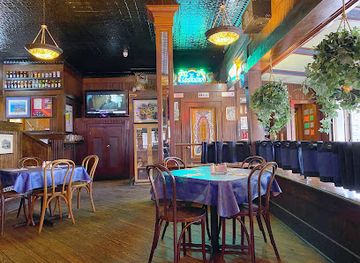
The Blind Tiger
Discover The Blind Tiger in Shreveport - A lively American restaurant serving delectable Cajun cuisine amidst vibrant Southern hospitality.
14 min walk · 1.2 km from city centre
-
Seafood
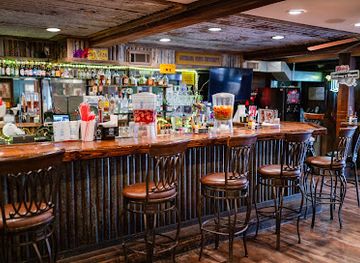
Crawdaddy's Kitchen
Discover the vibrant flavors of Cajun cuisine at Crawdaddy's Kitchen in Shreveport - a seafood lover's paradise!
35 min drive · 15 km from city centre
-
Restaurant
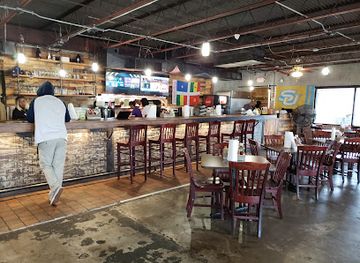
Orlandeaux's Café
Experience authentic Creole cuisine at Orlandeaux's Café in Shreveport - where flavor meets tradition in every dish.
20 min drive · 6.8 km from city centre
-
American
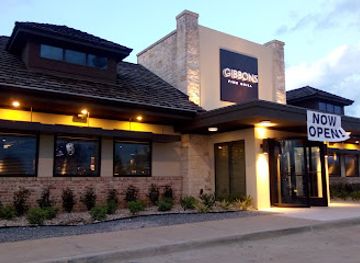
Gibbons Fine Grill
Experience the flavors of America at Gibbons Fine Grill in Shreveport – where quality ingredients meet Southern hospitality.
29 min drive · 9.6 km from city centre
Best bars in Shreveport
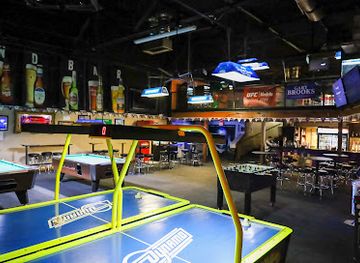
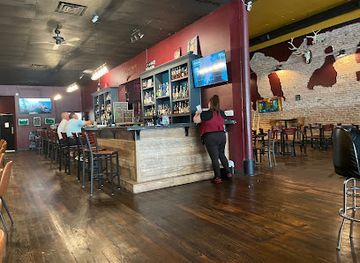
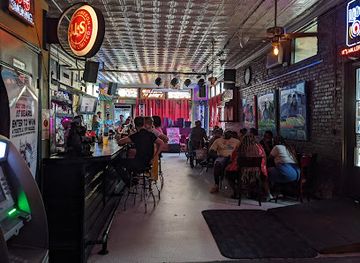
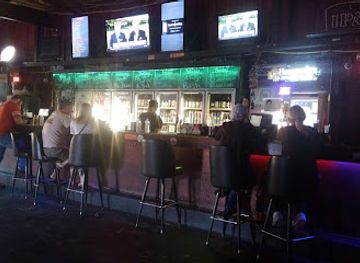
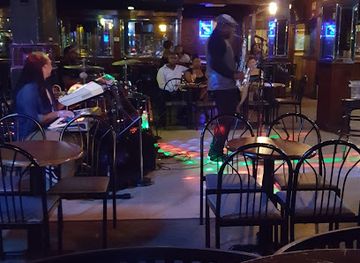
Shreveport's evening scene is varied but regional in scale, with activity concentrated around downtown, the Red River District, casinos and established live-music venues rather than a large club circuit. Downtown bars and restaurants provide places for informal drinks before or after a performance at the Strand Theatre, while casino resorts offer gaming, bars, entertainment and occasional live shows under one roof. The city's musical life draws on blues, country, rock, gospel and Louisiana traditions, with concerts and community events often shaping the nightlife calendar. Craft beer, cocktails and relaxed neighbourhood bars are more characteristic than late-night superclubs, and some evenings are better suited to theatre, comedy or a festival than to dancing. Visitors should plan transport in advance, particularly when crossing between Shreveport and Bossier City, and observe United States drinking laws and venue age restrictions.
-
Bar
Sand Bar
Experience the dynamic nightlife at Sand Bar in Shreveport, a hub for food, drinks, and entertainment in a vibrant setting.
14 min walk · 1.1 km from city centre
-
Restaurant
The Noble Savage
Discover the heart of Shreveport at The Noble Savage, where great food meets vibrant live music in a family-friendly atmosphere.
17 min walk · 1.4 km from city centre
-
Pub
Bear's
Experience the vibrant atmosphere of Bear's Pub, where delicious bites meet live music in the heart of Shreveport, Louisiana.
9 min drive · 2.9 km from city centre
-
Bar
Strange Brew LLC
Experience the vibrant nightlife of Shreveport at Strange Brew LLC, where local craft beers and live music create an unforgettable atmosphere.
9 min drive · 3.1 km from city centre
Best nightclubs in Shreveport
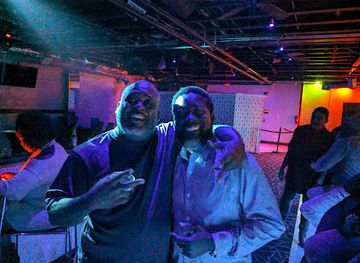
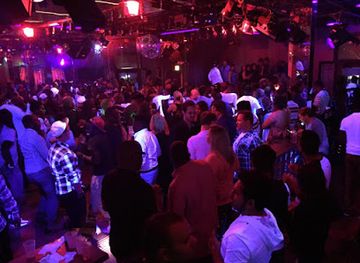
Shreveport's evening scene is varied but regional in scale, with activity concentrated around downtown, the Red River District, casinos and established live-music venues rather than a large club circuit. Downtown bars and restaurants provide places for informal drinks before or after a performance at the Strand Theatre, while casino resorts offer gaming, bars, entertainment and occasional live shows under one roof. The city's musical life draws on blues, country, rock, gospel and Louisiana traditions, with concerts and community events often shaping the nightlife calendar. Craft beer, cocktails and relaxed neighbourhood bars are more characteristic than late-night superclubs, and some evenings are better suited to theatre, comedy or a festival than to dancing. Visitors should plan transport in advance, particularly when crossing between Shreveport and Bossier City, and observe United States drinking laws and venue age restrictions.
-
Night club
Haze On Texas
Discover the vibrant nightlife at Haze On Texas, Shreveport's premier night club, offering unforgettable music and a lively atmosphere.
14 min walk · 1.2 km from city centre
-
Night club
J.O.S.H. Lounge
Immerse yourself in the vibrant nightlife of Shreveport at J.O.S.H. Lounge, where great music and drinks await.
12 min walk · 0.9 km from city centre
-
Night club
Central Station
Discover the electrifying nightlife at Central Station, Shreveport's top night club and bar, featuring great music, dance, and drinks.
6 min drive · 1.9 km from city centre
-
Club
The Shreveport Club
Experience the vibrant nightlife of The Shreveport Club, where music, dancing, and exceptional service come together in an upscale setting.
15 min walk · 1.2 km from city centre
Best shops in Shreveport
Shopping in Shreveport combines everyday retail corridors with independent businesses, antiques and Louisiana-oriented food and gifts. Youree Drive is one of the city's principal commercial areas, with a broad selection of shops and restaurants, while Shreve City and other suburban centres provide practical retail and dining. Downtown and nearby historic districts are better suited to browsing small businesses, galleries, vintage goods and occasional artisan markets, with availability varying by day and event calendar. Visitors may find regional seasonings, hot sauces, pralines, preserves, Louisiana cookbooks and locally made crafts more distinctive than generic souvenirs. Farmers' markets and cultural festivals sometimes bring together growers, makers and prepared-food sellers, offering a more direct connection with north-western Louisiana's agricultural and culinary traditions. Because Shreveport is geographically spread out, checking a business's location and opening pattern is useful before setting out, particularly when combining shopping with museums or riverfront sightseeing.
-
Shopping mall
Bayou Walk Shopping Center
Discover Bayou Walk Shopping Center, Shreveport's top destination for shopping, dining, and entertainment, perfect for every traveler.
28 min drive · 9.4 km from city centre
-
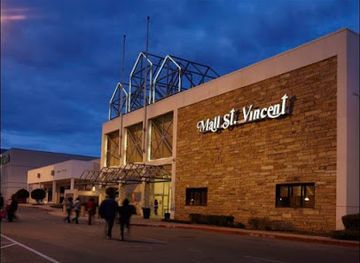
Shopping mall
Mall St. Vincent
Discover the vibrant shopping experience at Mall St. Vincent in Shreveport, featuring diverse stores, dining options, and community events for all ages.
16 min drive · 5.4 km from city centre
-
Shopping mall
Eastgate Shopping Center
Explore Eastgate Shopping Center: Shreveport's premier destination for shopping, dining, and local culture.
29 min drive · 9.5 km from city centre
-
Shopping mall
Shoppes at Bellemead
Explore Shreveport's favorite shopping destination with diverse stores, delightful dining, and a relaxing spa experience at the Shoppes at Bellemead.
27 min drive · 9.1 km from city centre
Get your free copy of our complete guide to Shreveport, delivered straight to you.
Everything on this page, from attractions and restaurants to essentials and local phrases, in one PDF you can read offline, print or share.
Already have an account? Sign in
Your Shreveport guide is ready.
We'll send it to · Not you? Sign out

Getting your guide ready…
We are putting together a fresh copy of the Shreveport guide. This can take up to a minute.
This can take a few moments. If your browser asks, choose Allow so the download can start. You'll find the guide in your Downloads folder.
Nothing happened? Download it again
Sorry, the guide is taking longer than usual. Please try again in a minute, or get it by email instead.
Shreveport essentials
Currency and Payment
Safety
Emergency Situations
Do's and Don'ts
Local Tips
From Eve
Local phrases worth knowing
You don't need to get them perfect. A few words go a long way, and locals appreciate the effort.
Basics
| English | Local | Say it |
|---|---|---|
| Hello | Hey y'all | [Hey y'all] |
| Goodbye | See ya later | [See ya later] |
| Yes | Yeah | [Yeah] |
| No | Nah | [Nah] |
| Please/You're welcome | Please/Sure thing | [Please/Sure thing] |
| Thank you | Thank ya | [Thank ya] |
| Excuse me/Sorry | Pardon me/My bad | [Pardon me/My bad] |
| How are you? | How y'all doin'? | [How y'all doin'] |
| Fine. And you? | Fine. And you? | [Fine. And you?] |
| Do you speak English? | Ya speak English? | [Ya speak English?] |
| I don't understand | I don't get it | [I don't get it] |
Eating & Drinking
| English | Local | Say it |
|---|---|---|
| I'd like to see the menu, please | Let me see the menu, please | [Let me see the menu, please] |
| I don't eat meat | I don't eat meat | [I don't eat meat] |
| Cheers! | Cheers! | [Cheers!] |
| I would like to pay, please | I would like to pay, please | [I would like to pay, please] |
Emergencies
| English | Local | Say it |
|---|---|---|
| Help! | Help! | [Help!] |
| Go away! | Get outta here! | [Get outta here!] |
| Call the Police! | Call the Po-lice! | [Call the Po-lice!] |
| Call a doctor! | Call a doc! | [Call a doc!] |
| I'm lost | I'm lost | [I'm lost] |
| I'm ill | I'm sick | [I'm sick] |
Shopping
| English | Local | Say it |
|---|---|---|
| I'd like to buy... | I wanna buy... | [I wanna buy...] |
| I'm just looking | Just lookin' | [Just lookin'] |
| How much is it? | How much is it? | [How much is it?] |
| That's too expensive | That's too high | [That's too high] |
| Can you lower the price? | Can ya lower the price? | [Can ya lower the price?] |
Time & Numbers
| English | Local | Say it |
|---|---|---|
| What time is it? | What time is it? | [What time is it?] |
| It's one o'clock | It's one o'clock | [It's one o'clock] |
| Half past (10) | Half past ten | [Half past ten] |
| Morning | Mornin' | [Mornin'] |
| Afternoon | Afternoon | [Afternoon] |
| Evening | Evenin' | [Evenin'] |
| Yesterday | Yesterday | [Yesterday] |
| Today | Today | [Today] |
| Tomorrow | Tomorrow | [Tomorrow] |
| 1 | One | [One] |
| 2 | Two | [Two] |
| 3 | Three | [Three] |
| 4 | Four | [Four] |
| 5 | Five | [Five] |
| 6 | Six | [Six] |
| 7 | Seven | [Seven] |
| 8 | Eight | [Eight] |
| 9 | Nine | [Nine] |
| 10 | Ten | [Ten] |
Transport & Directions
| English | Local | Say it |
|---|---|---|
| Where's a/the...? | Where's a/the...? | [Where's a/the...?] |
| What's the address? | What's the address? | [What's the address?] |
| Can you show me (on the map)? | Can you show me (on the map)? | [Can you show me (on the map)?] |
| When's the next (bus)? | When's the next (bus)? | [When's the next (bus)?] |
| A ticket (to ....) | A ticket (to ....) | [A ticket (to ....)] |
History of Shreveport
The Red River and Shreve Town
Shreveport's origins are closely tied to the Red River and to Captain Henry Miller Shreve, the river engineer and steamboat captain who led efforts to remove the Great Raft, a vast logjam that obstructed navigation. In 1836 the Shreve Town Company established a settlement at the river's head of navigation, naming it after Shreve. The new town quickly became a commercial centre for north-western Louisiana, linking plantations, inland farms and river traffic. Its location also gave it strategic importance in the expanding United States, although the river's changing course and periodic flooding continually influenced the shape and fortunes of the young community.
Cotton, Commerce and Civic Growth
During the nineteenth century Shreveport developed as a market and transport centre for cotton, timber and agricultural goods. Steamboats connected the city with the lower Mississippi system, while merchants, warehouses and financial institutions supported a growing urban economy. The Civil War disrupted river commerce and placed Shreveport at the centre of Confederate administration in the Trans-Mississippi West; the city became the Confederate capital of Louisiana after Union forces occupied Baton Rouge and later New Orleans. The Red River Campaign of 1864 brought military activity to the surrounding region, and the Confederate presence remained in Shreveport until the war's final months in 1865.
Railways and a New Regional Network
Railway construction in the late nineteenth century altered Shreveport's relationship with the Red River. Lines connected the city with Texas, Arkansas, eastern Louisiana and the wider national market, reducing dependence on steamboats while strengthening its role as a distribution centre. Warehouses, shops, banks and civic buildings expanded around the central business district, and residential neighbourhoods grew beyond the original town site. The period also brought difficult social realities, including racial segregation, political conflict and unequal access to education and public services. The surviving street pattern, commercial buildings and historic homes reflect both the prosperity and the divisions of this formative era.
Oil, Industry and Urban Expansion
The discovery of petroleum at the nearby Caddo field in the early twentieth century made Shreveport an important centre of the region's oil industry. Drilling, refining, equipment supply and associated finance brought new investment and strengthened the city's position in north-western Louisiana. Manufacturing, timber and transport continued to support the economy, while paved roads and later federal highways encouraged outward growth. The city acquired many of the civic institutions and neighbourhoods associated with modern Shreveport during this era, including schools, cultural organisations and substantial homes in areas such as South Highlands. Industrial change also accelerated migration and reshaped the city's social and cultural life.
Modern Shreveport and Cultural Renewal
After the Second World War, Shreveport expanded through suburban development, new roads and the growth of health, education, government and service industries. The decline of river freight and changes in oil production reduced the dominance of older commercial sectors, while the city continued to serve as a regional centre for north-western Louisiana. Downtown renewal has focused on the riverfront, cultural institutions, theatres and public spaces, alongside efforts to preserve historic buildings and neighbourhoods. Contemporary Shreveport carries the influence of its river-port beginnings, African American cultural traditions, Louisiana cuisine, music and the wider Ark-La-Tex region, with museums and heritage sites interpreting these overlapping histories.
Shreveport in Photos
Browse through our photo collection highlighting the charm and character of the destination.
Cities near Shreveport
The closest cities to Shreveport, if you have time for more than one stop.
-

-
-

-

-


Swipe for more cities
Explore more

Explore more of Louisiana
Discover Louisiana: A melting pot of cultures, flavors, and music in the heart of the American South. Experience the vibrant heritage and natural beauty of the Bayou State.
Explore Louisiana