

Free Plano Travel Guide & Mobile App
Plan your Plano trip with Evendo. Get free guides to top attractions, restaurants, hotels, and bars. Web access or download the mobile app.


Plano, Texas blends historic Downtown Plano, acclaimed dining, major arts venues, green spaces and modern Legacy West with easy access to North Texas.
A North Texas City with Its Own Character
Plano lies in Collin County, north of Dallas, where the flat prairie landscape of North Texas meets a carefully planned, highly connected suburban city. Its identity is shaped by several distinct areas: the brick streets and preserved buildings of Historic Downtown Plano, the corporate campuses and contemporary restaurants around Legacy West, and broad green spaces such as Arbor Hills Nature Preserve and Oak Point Park and Nature Preserve. The result is a city that feels spacious and modern while retaining visible traces of its railway and agricultural beginnings.Read more about Plano
Historic Streets and Contemporary Districts
Open Landscapes and Cultural Diversity
When is the best time to visit Plano?
Best: March–April, October · 21–26°C| Month | High (°C) | Rainfall (mm) |
|---|---|---|
| January | 12 | 48 |
| February | 15 | 50 |
| March (best) | 21 | 61 |
| April (best) | 26 | 70 |
| May | 29 | 90 |
| June | 33 | 80 |
| July | 36 | 60 |
| August | 35 | 50 |
| September | 31 | 70 |
| October (best) | 25 | 80 |
| November | 18 | 60 |
| December | 13 | 50 |
Getting to and around Plano
How to get there
Transportation
Best attractions in Plano
Plano's attractions range from preserved railway heritage to expansive outdoor spaces. Historic Downtown Plano centres on a compact collection of nineteenth- and early twentieth-century buildings, Haggard Park and the Interurban Railway Museum, where the story of North Texas electric rail travel is presented inside a former station setting. The ArtCentre of Plano provides exhibitions and cultural programming in the historic Saigling House, while the Courtyard Theater adds performances and community events nearby. For nature, Arbor Hills Nature Preserve has wooded paths, limestone outcrops and elevated prairie views, and Oak Point Park and Nature Preserve offers lakes, trails and open areas for recreation. In western Plano, Legacy West and The Shops at Legacy provide contemporary public spaces, restaurants and retail in a distinctly modern setting. The city also makes a useful base for exploring the wider Dallas–Fort Worth region.
-
Tourist attraction
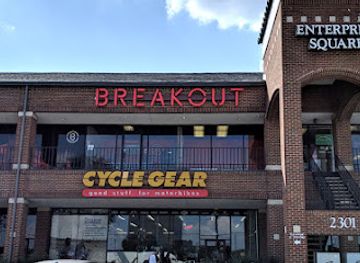
Breakout Games - Dallas (Plano)
Experience the Thrill of Teamwork and Adventure at Breakout Games in Plano, Texas - Exciting Escape Rooms Await!
5 min drive · 1.6 km from city centre
-
Tourist attraction
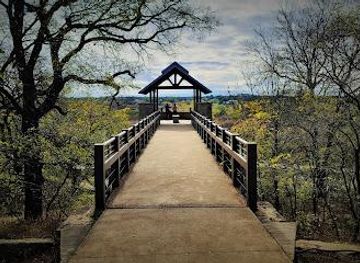
Arbor Hills Nature Preserve
Discover the natural beauty of Arbor Hills Nature Preserve, a peaceful retreat in Plano, Texas, perfect for hiking, picnicking, and wildlife watching.
35 min drive · 15 km from city centre
-
Tourist attraction
Arbor Hills Nature Preserve
Explore the stunning landscapes and wildlife of Arbor Hills Nature Preserve, a serene escape in Plano, Texas, perfect for outdoor adventures and relaxation.
35 min drive · 15 km from city centre
-
Tourist attraction
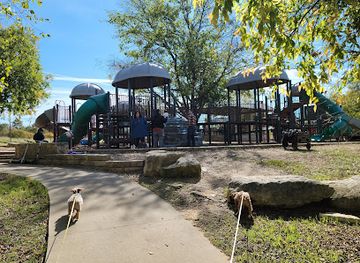
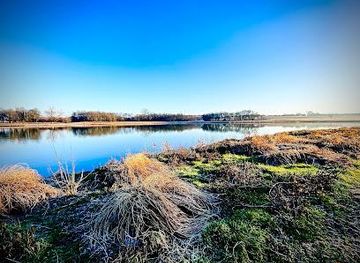
Oak Point Park and Nature Preserve
Explore the natural beauty and recreational wonders of Oak Point Park, a premier destination for outdoor enthusiasts in Plano, Texas.
15 min drive · 4.9 km from city centre
Best landmarks in Plano
Plano's most telling landmarks preserve the stages through which the city developed. The Interurban Railway Museum occupies the former Texas Electric Railway station and commemorates the electric railway that connected Plano with other North Texas communities in the early twentieth century. Haggard Park, with its mature trees and civic setting, forms an important open space beside Historic Downtown Plano, while the restored Saigling House now accommodates the ArtCentre of Plano and reflects the domestic architecture of the older town. The brick commercial buildings along the Downtown Plano railway corridor are significant as a surviving historic business district rather than as isolated monuments. Elsewhere, the large corporate developments of Legacy West represent Plano's later transformation into a regional employment centre. Together these places show a shift from agricultural railway settlement to a diverse, metropolitan North Texas city.
-
Childrens club
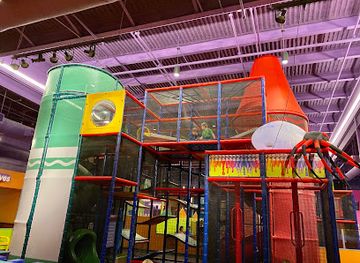
Crayola Experience Plano
Explore creativity at Crayola Experience Plano, a vibrant amusement park and children’s museum filled with fun and interactive art activities for the whole family.
33 min drive · 13 km from city centre
-
Park
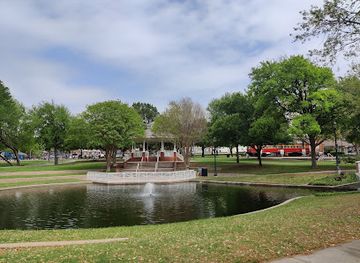
Haggard Park
Discover the serene beauty and historical charm of Haggard Park in Plano, Texas, a perfect escape for nature lovers and families alike.
3 min walk · 0.3 km from city centre
-
Haunted house
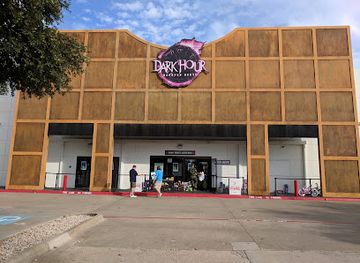
Dark Hour Haunted House
Experience spine-chilling thrills at Dark Hour Haunted House in Plano, Texas, where horror meets escape room challenges for an unforgettable adventure.
16 min walk · 1.2 km from city centre
-
Museum
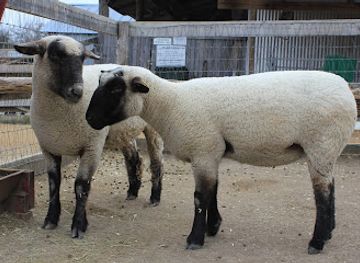
Heritage Farmstead Museum
Explore the rich agricultural heritage of Plano, Texas at the Heritage Farmstead Museum, where history comes alive in a charming outdoor setting.
9 min drive · 3.0 km from city centre
Explore Plano on the map
Plan your Plano trip on one map. See where the top attractions, landmarks, restaurants, bars and hotels are, find what's near where you're staying, and book hotels and experiences in a few clicks.
Best hotels in Plano
Best restaurants in Plano
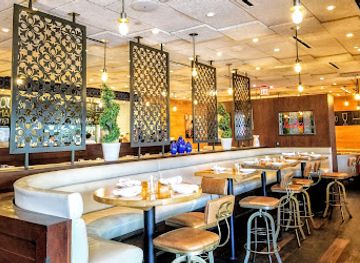
Plano's dining scene reflects the international population and commercial growth of North Texas. Tex-Mex, barbecue, burgers and other familiar regional staples sit alongside strong concentrations of Chinese, Taiwanese, Korean, Vietnamese, Indian, Persian and other South Asian and Middle Eastern cuisines. Restaurants are spread through Downtown Plano, the Legacy area, shopping developments and commercial corridors along roads such as Coit Road and US 75, so the character changes from historic-town cafés to polished dining rooms and specialist family-run establishments. Casual noodle shops, bakeries, tea rooms and regional grocery stores can be as revealing as formal restaurants, particularly for visitors interested in Plano's Asian food culture. Farmers' markets and seasonal food events add a local dimension, while contemporary chefs draw on both Texas ingredients and international traditions without making the city dependent on a single culinary style.
-
Spanish
Bulla Gastrobar
Experience the vibrant flavors of Spain at Bulla Gastrobar in Plano - tapas, cocktails & unforgettable moments await!
34 min drive · 14 km from city centre
-
New American
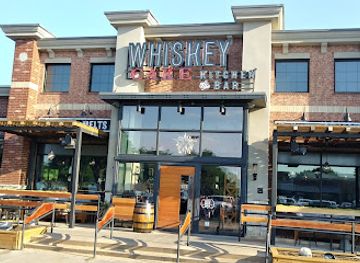
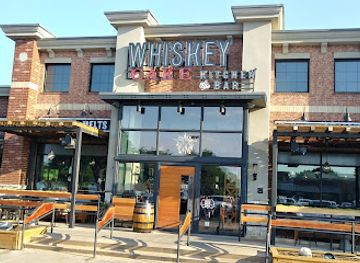
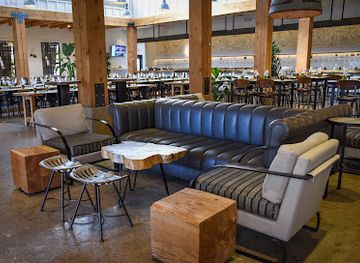
Whiskey Cake Kitchen & Bar
Discover Whiskey Cake Kitchen & Bar: A New American gastropub in Plano serving creative dishes made from locally sourced ingredients.
33 min drive · 13 km from city centre
-
New American
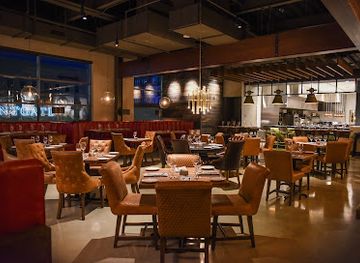
Haywire
Discover innovative New American cuisine with a Southwestern twist at Haywire in Plano, Texas – where every meal is a celebration.
34 min drive · 14 km from city centre
-
Italian
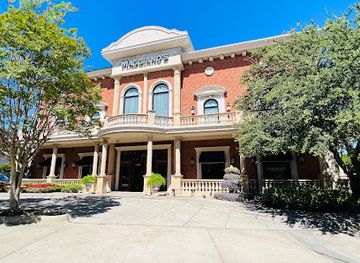
Maggiano's Little Italy
Experience authentic Italian cuisine at Maggiano's Little Italy in Plano – where every meal feels like a celebration of flavor and tradition.
32 min drive · 12 km from city centre
Best bars in Plano
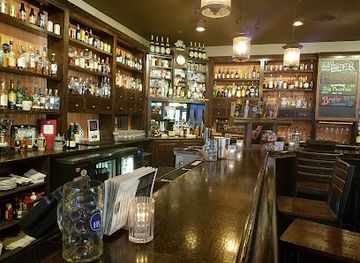
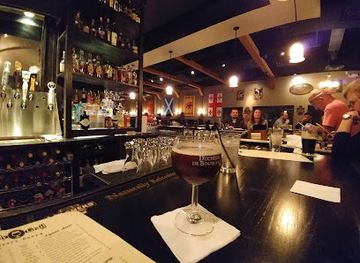
Plano's evening scene is varied but generally more social and dining-led than club-centred. Historic Downtown Plano has bars, breweries, cafés and restaurants within a walkable older district, while The Shops at Legacy and Legacy West offer cocktail lounges, wine-focused venues, outdoor terraces and late-evening dining in a more contemporary setting. Live music, comedy, theatre and community performances provide alternatives to drinking, with the Courtyard Theater and other local arts spaces contributing to the cultural calendar. Entertainment is distributed rather than concentrated in one large nightlife quarter, and many venues are reached most easily by car or rideshare. Visitors should expect North Texas distances between districts and should check current venue arrangements independently, as programming and opening patterns can change.
-
New American
Whiskey Cake Kitchen & Bar
Discover the New American culinary experience at Whiskey Cake Kitchen & Bar in Plano, Texas, where local flavors meet rustic charm.
33 min drive · 13 km from city centre
-
Wine bar
Sixty Vines
Discover Sixty Vines in Plano, Texas, a premier wine bar and New American restaurant offering exquisite wines, delicious seasonal dishes, and a vibrant atmosphere.
33 min drive · 13 km from city centre
-
Pub
The Fillmore Pub
Experience authentic British pub culture at The Fillmore Pub in Plano, where delicious fish and chips meet a vibrant atmosphere.
2 min walk · 0.1 km from city centre
-
Pub
Holy Grail Pub
Discover Holy Grail Pub in Plano, TX - a lively destination for delicious American and European cuisine, craft beverages, and a vibrant atmosphere.
33 min drive · 13 km from city centre
Best nightclubs in Plano
Plano's evening scene is varied but generally more social and dining-led than club-centred. Historic Downtown Plano has bars, breweries, cafés and restaurants within a walkable older district, while The Shops at Legacy and Legacy West offer cocktail lounges, wine-focused venues, outdoor terraces and late-evening dining in a more contemporary setting. Live music, comedy, theatre and community performances provide alternatives to drinking, with the Courtyard Theater and other local arts spaces contributing to the cultural calendar. Entertainment is distributed rather than concentrated in one large nightlife quarter, and many venues are reached most easily by car or rideshare. Visitors should expect North Texas distances between districts and should check current venue arrangements independently, as programming and opening patterns can change.
-
Sports bar
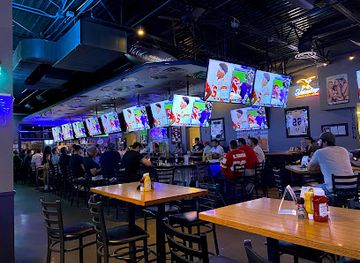
Tight Ends Sports Bar & Grill
Experience the ultimate sports atmosphere at Tight Ends Sports Bar & Grill in Plano, where great food meets thrilling live sports action.
33 min drive · 13 km from city centre
-
Restaurant
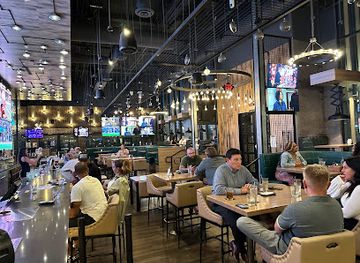
Shark Club Sports Bar & Grill
Experience the best of sports and dining at Shark Club Sports Bar & Grill in Plano, Texas - where every game night is a celebration.
33 min drive · 13 km from city centre
-
Night club
Sambuca 360
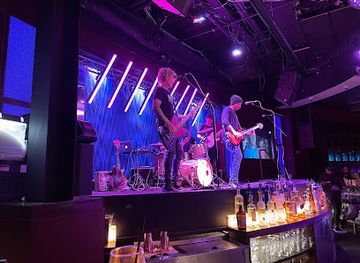
Experience the vibrant nightlife of Plano, Texas at Sambuca 360 - a unique blend of dining, drinks, and live entertainment.
33 min drive · 13 km from city centre
-
Grill
ll Brothers Grill & Bar
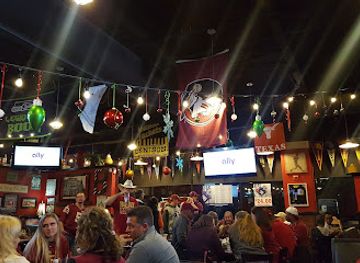
Discover a vibrant dining and entertainment experience at II Brothers Grill & Bar in Plano, Texas, where great food meets karaoke fun.
33 min drive · 13 km from city centre
Best shops in Plano
Shopping in Plano ranges from restored historic storefronts to large, contemporary developments. Historic Downtown Plano has independent boutiques, galleries, gift shops, specialist retailers and restaurants in buildings close to the former railway corridor, making browsing part of a broader heritage outing. Legacy West and The Shops at Legacy provide a modern mix of fashion, lifestyle brands, dining and open-air public spaces, while larger retail areas along major roads serve everyday shopping and national chains. The city's international population is reflected in specialist Asian, South Asian and Middle Eastern grocers, bakeries and shops, where visitors may find teas, spices, sweets and regional food products rather than conventional souvenirs. Texas-themed goods, local art and handmade items are more likely to be found in independent shops and cultural events than in a single traditional market.
-
Shopping mall
Galleria Dallas
Explore Galleria Dallas, a shopping haven with luxury stores, dining delights, and vibrant entertainment in the heart of Texas.
35 min drive · 15 km from city centre
-
Shopping mall
The Shops at Legacy
Explore The Shops at Legacy, Plano's premier shopping mall featuring a diverse range of retail, dining, and entertainment options perfect for every visitor.
33 min drive · 13 km from city centre
-
Shopping mall
The Shops at Willow Bend
Explore an upscale shopping haven at The Shops at Willow Bend, where luxury meets a unique retail experience in Plano, Texas.
32 min drive · 12 km from city centre
-
Shopping mall
Preston Village Shopping Center
Explore a vibrant shopping and dining experience at Preston Village Shopping Center in Plano, Texas, where every visit is a delightful adventure.
33 min drive · 13 km from city centre

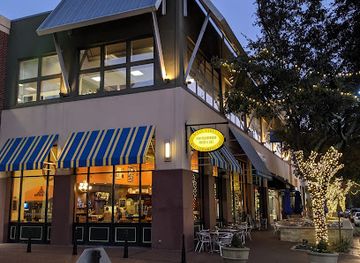
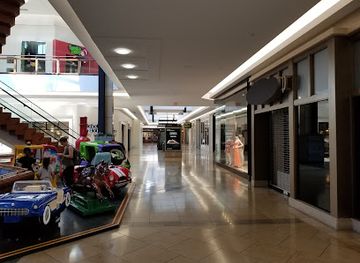
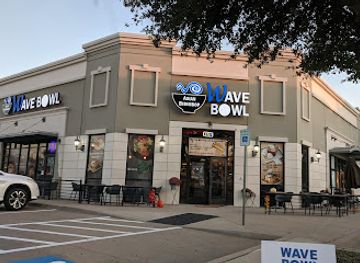
Get your free copy of our complete guide to Plano, delivered straight to you.
Everything on this page, from attractions and restaurants to essentials and local phrases, in one PDF you can read offline, print or share.
Already have an account? Sign in
Your Plano guide is ready.
We'll send it to · Not you? Sign out

Getting your guide ready…
We are putting together a fresh copy of the Plano guide. This can take up to a minute.
This can take a few moments. If your browser asks, choose Allow so the download can start. You'll find the guide in your Downloads folder.
Nothing happened? Download it again
Sorry, the guide is taking longer than usual. Please try again in a minute, or get it by email instead.
Plano essentials
Currency and Payment
Safety
Emergency Situations
Do's and Don'ts
Local Tips
From Eve
Local phrases worth knowing
You don't need to get them perfect. A few words go a long way, and locals appreciate the effort.
Basics
| English | Local | Say it |
|---|---|---|
| Hello | Howdy | [haw-dee] |
| Goodbye | See ya | [see yuh] |
| Yes | Yep | [yep] |
| No | Nah | [nah] |
| Please/You're welcome | Please/You're welcome | [please/yur welcome] |
| Thank you | Thanks | [thanks] |
| Excuse me/Sorry | Excuse me/Sorry | [excuse me/sorry] |
| How are you? | Howdy | [haw-dee] |
| Fine. And you? | Fine. And you? | [fine and yuh] |
| Do you speak English? | You speak English? | [yuh speak ing-glish] |
| I don't understand | I don't get it | [eye dun get it] |
Eating & Drinking
| English | Local | Say it |
|---|---|---|
| I'd like to see the menu, please | Can I see the menu? | [kann eye see the menu?] |
| I don't eat meat | I don't eat meat | [eye dun eat meet] |
| Cheers! | Cheers! | [cheers] |
| I would like to pay, please | Can I pay, please | [kann eye pay, please] |
Emergencies
| English | Local | Say it |
|---|---|---|
| Help! | Help! | [help!] |
| Go away! | Get lost! | [get lost!] |
| Call the Police! | Call the Cops! | [call the cops!] |
| Call a doctor! | Get a doc! | [get a doc!] |
| I'm lost | I'm lost | [eye-m lost] |
| I'm ill | I'm sick | [eye-m sik] |
Shopping
| English | Local | Say it |
|---|---|---|
| I'd like to buy... | I wanna buy... | [eye wanna buy...] |
| I'm just looking | Just browsing | [just browsin] |
| How much is it? | How much? | [how much?] |
| That's too expensive | That's pricey | [thats pry-see] |
| Can you lower the price? | Can you do a deal? | [kann yuh do a deal?] |
Time & Numbers
| English | Local | Say it |
|---|---|---|
| What time is it? | What's the time? | [whats the time?] |
| It's one o'clock | It's one | [its one] |
| Half past (10) | Half ten | [half ten] |
| Morning | Morning | [morning] |
| Afternoon | Afternoon | [afternoon] |
| Evening | Evening | [evening] |
| Yesterday | Yesterday | [yester-day] |
| Today | Today | [to-day] |
| Tomorrow | Tomorrow | [to-mor-row] |
| 1 | One | [wun] |
| 2 | Two | [too] |
| 3 | Three | [three] |
| 4 | Four | [four] |
| 5 | Five | [five] |
| 6 | Six | [six] |
| 7 | Seven | [sev-en] |
| 8 | Eight | [ate] |
| 9 | Nine | [nine] |
| 10 | Ten | [ten] |
Transport & Directions
| English | Local | Say it |
|---|---|---|
| Where's a/the...? | Where's the...? | [wheres the...?] |
| What's the address? | What's the address? | [whats the address?] |
| Can you show me (on the map)? | Can you show me (on the map)? | [kann yuh show me (on the map)?] |
| When's the next (bus)? | When's the next (bus)? | [whens the next (bus)?] |
| A ticket (to ....) | A ticket (to ....) | [a ticket (to ....)] |
History of Plano
Indigenous Prairie and Early Settlement
The land around present-day Plano formed part of the North Texas prairie, a region inhabited and used by Indigenous peoples including Caddo communities and later Comanche groups. Nineteenth-century settlement brought Anglo-American farmers into Collin County, where the fertile prairie supported cotton and other crops. The area's broad, relatively level terrain influenced both agriculture and the later shape of the town. Early settlers established farms, homes and local institutions before Plano had a formal urban identity, while Indigenous presence and displacement formed part of the wider history of Texas during the period of American expansion.
Railway Town Founded in 1873
Plano emerged as a town beside the Houston and Texas Central Railway, which reached the area in the early 1870s. The railway connected local farmers with regional markets and encouraged shops, warehouses, churches and homes to cluster around the line. Plano was incorporated in 1873, and its name is generally associated with the Spanish word for 'plain', reflecting the surrounding landscape. The original commercial centre developed close to the tracks, establishing the street pattern and civic core that remain visible in Historic Downtown Plano today.
Cotton, Commerce and the Interurban
For many decades Plano remained a small agricultural and trading community whose economy depended heavily on cotton and the services required by surrounding farms. Electricity and improved transport brought further connections in the early twentieth century. The Texas Electric Railway, an electric interurban system, began serving Plano in 1908 and linked the town with other North Texas communities until passenger service ended in 1948. The preserved Interurban Railway Museum recalls this period, when electric rail travel expanded access to work, shopping and education beyond the immediate town.
Postwar Growth and Suburban Change
After the Second World War, improved roads, rising car ownership and the expansion of the Dallas metropolitan area began to alter Plano's scale and economy. Housing developments spread beyond the old railway centre, while schools, shopping areas and civic facilities followed the growing population. Cotton agriculture declined as land was converted to residential, commercial and institutional uses. The historic core survived in parts because later development concentrated elsewhere, leaving a visible contrast between the older railway town and the planned suburban districts that came to surround it.
Corporate Expansion and a New Urban Identity
From the late twentieth century, Plano became an important corporate and employment centre within the Dallas–Fort Worth region. Large office developments, particularly in the Legacy area, attracted national and international companies and encouraged new restaurants, hotels, apartments and retail districts. This expansion reshaped western Plano while the city invested in parks, trails and cultural facilities. Downtown Plano's preservation and revitalisation gave the older centre a renewed civic and social role, allowing railway-era buildings and contemporary businesses to coexist within the city's rapidly changing urban landscape.
A Diverse North Texas Community
Plano's economic growth and its position within the Dallas–Fort Worth metropolitan area drew residents from across the United States and from many parts of the world. The resulting cultural diversity is evident in the city's restaurants, specialist shops, festivals and religious communities. At the same time, nature preserves and extensive parkland reflect an effort to retain open landscapes within a developed environment. Modern Plano is therefore defined not by a single historic period but by the meeting of prairie geography, railway heritage, corporate urbanism and an increasingly international population.
Plano in Photos
Browse through our photo collection highlighting the charm and character of the destination.
Cities near Plano
The closest cities to Plano, if you have time for more than one stop.
-

-

-

-

-


Swipe for more cities
Explore more
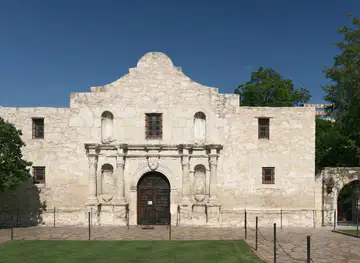
Explore more of Texas
Discover the diverse landscapes, rich history, vibrant cities, and culinary delights of Texas, the Lone Star State, where adventure and culture await at every turn.
Explore Texas