

Free Tyler Travel Guide & Mobile App
Plan your Tyler trip with Evendo. Get free guides to top attractions, restaurants, hotels, and bars. Web access or download the mobile app.


Tyler, Texas blends rose gardens, East Texas history, museums, family attractions and Piney Woods scenery for memorable sightseeing and local culture.
Rose Capital of America
Tyler lies among the softly rolling pine and hardwood landscapes of East Texas, roughly midway between Dallas and the Louisiana border. Its identity is closely tied to roses: commercial rose-growing expanded in the early twentieth century, and the city's annual Texas Rose Festival has celebrated that connection since 1933. The Tyler Municipal Rose Garden, one of the country's largest public rose gardens, gives the tradition a living, seasonal presence, while the surrounding Azalea District adds broad lawns, mature trees and historic homes to the city's established residential character.Read more about Tyler
Heritage and City Life
Parks and Piney Woods
When is the best time to visit Tyler?
Best: March–April, October · 21–24°C| Month | High (°C) | Rainfall (mm) |
|---|---|---|
| January | 14 | 85 |
| February | 16 | 80 |
| March (best) | 21 | 100 |
| April (best) | 24 | 95 |
| May | 28 | 120 |
| June | 32 | 95 |
| July | 34 | 80 |
| August | 34 | 95 |
| September | 30 | 105 |
| October (best) | 24 | 110 |
| November | 19 | 95 |
| December | 14 | 90 |
Getting to and around Tyler
How to get there
Transportation
Best attractions in Tyler
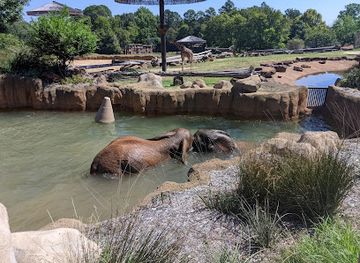
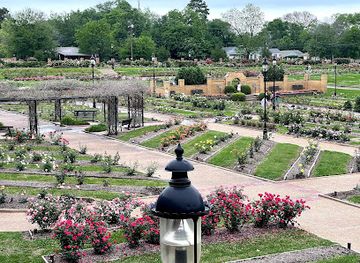
Tyler's principal attractions combine horticulture, regional history, science and family recreation. The Tyler Municipal Rose Garden is the city's signature sight, with formal beds, seasonal displays and the Tyler Rose Garden Center interpreting the local rose-growing tradition. In the historic centre, the Goodman-LeGrand House and Museum preserves an antebellum home and its grounds, while the Smith County Historical Society offers further context on local life. The Tyler Museum of Art presents exhibitions in a contemporary setting, and Discovery Science Place provides interactive learning for children and families. On the city's western side, Caldwell Zoo contains animal habitats and landscaped grounds, offering a substantial outdoor visit. The Azalea District is less a single attraction than a scenic neighbourhood of historic houses, tree-lined streets and flowering gardens, particularly attractive during the annual spring azalea season. The Cowan Center adds theatre, music and touring performances to Tyler's cultural calendar.
-
Tourist attraction
Caldwell Zoo
Experience the magic of wildlife at Caldwell Zoo, Tyler, Texas - a family-friendly attraction with diverse animal exhibits and conservation education.
9 min drive · 3.1 km from city centre
-
Tourist attraction
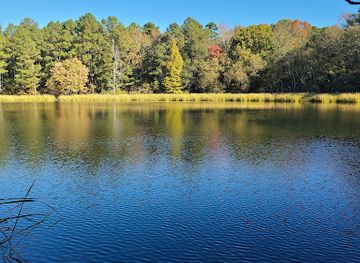
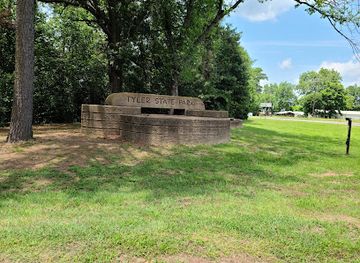
Tyler State Park
Explore Tyler State Park - a natural paradise in Texas for hiking, fishing, and camping amidst serene landscapes and diverse wildlife.
34 min drive · 14 km from city centre
-
Tourist attraction
Tyler Rose Garden
Explore the Tyler Rose Garden, a floral haven in Texas featuring thousands of rose varieties, serene landscapes, and a perfect retreat for nature lovers.
6 min drive · 2.0 km from city centre
-
Tourist attraction
Tyler Rose Garden
Discover the breathtaking beauty of the Tyler Rose Garden, a floral paradise with thousands of vibrant roses and rich cultural heritage in Texas.
6 min drive · 2.0 km from city centre

Best landmarks in Tyler
Tyler's landmarks express its roles as a county seat, horticultural centre and regional East Texas city. The Smith County Courthouse is the visual anchor of the civic centre and represents the county-government function around which Tyler developed. Goodman-LeGrand House and Museum, a nineteenth-century residence with historic grounds, preserves the scale and domestic character of the city's earlier prosperous families. The Tyler Municipal Rose Garden is both a public landscape and a civic monument to the rose industry that earned Tyler its familiar title. The nearby Rose Garden Center supports that horticultural identity, while the historic downtown contains surviving commercial and institutional buildings from the city's rail-era growth. The Azalea District contributes a broader architectural landscape through its early and mid-twentieth-century houses, mature trees and carefully maintained streets. Together, these places connect Tyler's political, residential, commercial and floral histories without relying on a single monumental structure.
-
Zoo
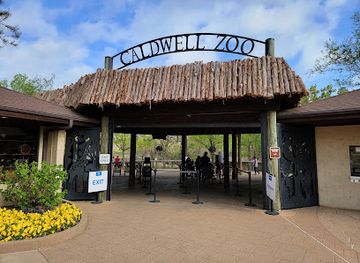
Caldwell Zoo
Immerse yourself in wildlife at Caldwell Zoo, a family-friendly attraction in Tyler, Texas, where adventure and conservation come together beautifully.
9 min drive · 3.1 km from city centre
-
State park
Tyler State Park
Explore Tyler State Park: An enchanting Texas getaway with pristine nature, outdoor activities, and breathtaking landscapes.
34 min drive · 14 km from city centre
-
Garden
Tyler Rose Garden
Explore the stunning Tyler Rose Garden, a vibrant floral oasis in Texas, featuring thousands of rose varieties and serene landscapes perfect for relaxation.
6 min drive · 2.0 km from city centre
-
Park
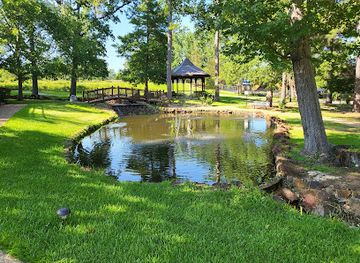
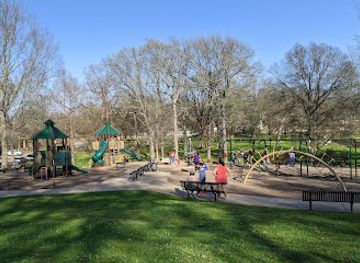
Bergfeld Park
Discover tranquility at Bergfeld Park in Tyler, Texas—a lush escape featuring beautiful gardens, serene walking paths, and family-friendly spaces.
6 min drive · 2.0 km from city centre
Explore Tyler on the map
Plan your Tyler trip on one map. See where the top attractions, landmarks, restaurants, bars and hotels are, find what's near where you're staying, and book hotels and experiences in a few clicks.
Best hotels in Tyler
Best restaurants in Tyler
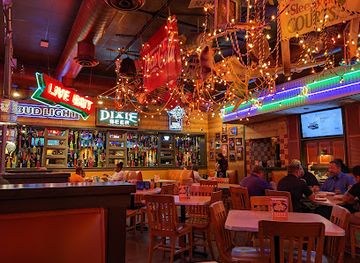
Tyler's dining scene reflects East Texas's position between Southern, Texan and wider American food traditions. Barbecue, burgers, steaks, fried seafood, chicken-fried steak and comfort-food plates are readily represented, while locally grown produce and regional farm products appear seasonally on menus and at community markets. Independent cafés and bakeries give downtown and nearby commercial districts a daytime social focus, and family restaurants remain an important part of the city's everyday eating culture. Mexican and Tex-Mex cooking are also well established, with familiar combinations of grilled meats, tortillas, beans, rice and salsas. Diners will find both casual counter-service establishments and more polished restaurants along the main commercial corridors, while food trucks and seasonal events add variety. The regional character is generally relaxed and generous, with portions and service reflecting East Texas hospitality rather than formal metropolitan dining conventions.
-
Barbecue
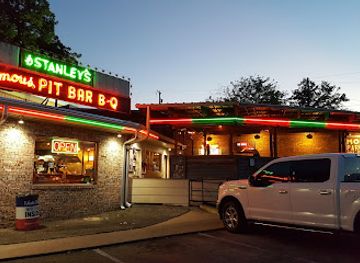
Stanley's Famous Pit Barbecue
Experience authentic Texas barbecue at Stanley's Famous Pit Barbecue—where flavor meets fun in Tyler!
13 min walk · 1.0 km from city centre
-
Cajun
Razzoo's Cajun Café
Experience authentic Cajun cuisine at Razzoo's Cajun Café in Tyler, Texas—where every bite is a celebration of Southern flavors.
26 min drive · 8.8 km from city centre
-
Italian
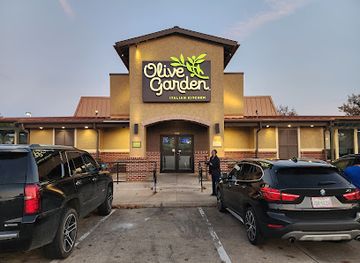
Olive Garden Italian Restaurant
Discover authentic Italian cuisine at Olive Garden in Tyler - perfect for families and food lovers alike.
21 min drive · 7.0 km from city centre
-
Family-friendly
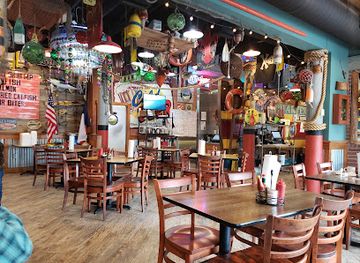
Happy's Fish House
Discover the flavors of seafood at Happy's Fish House in Tyler - where Cajun meets Italian in a family-friendly atmosphere.
10 min drive · 3.3 km from city centre
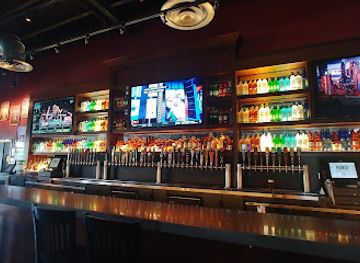
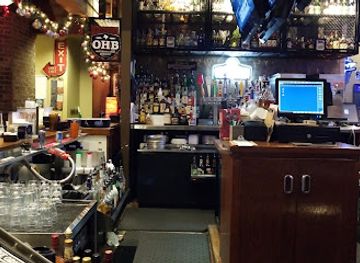
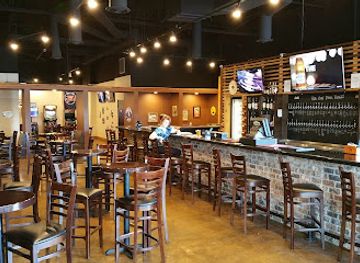
Best bars in Tyler
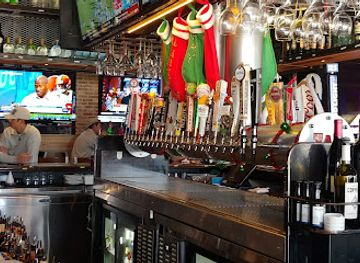
Tyler's evening scene is modest and regional rather than dominated by large clubs. Downtown provides the most concentrated setting for bars, breweries and casual evening venues, where residents gather for drinks, conversation, live music and occasional events. Other nightlife is distributed along the city's commercial roads and includes sports bars, relaxed pubs and restaurants that remain active after dinner. The Cowan Center presents theatre, concerts and other performing arts, offering an alternative to bar-based entertainment, while local event calendars may include community festivals, outdoor music and cultural programmes. Evening activity tends to be social and unhurried, with audiences shaped by the university, business community and surrounding East Texas towns. Visitors should verify current entertainment schedules and transport arrangements, particularly when attending events outside the downtown area.
-
Restaurant
Walk-On's Sports Bistreaux - Tyler Restaurant
Dive into a unique culinary experience at Walk-On's Sports Bistreaux in Tyler, where Cajun flavors meet sports excitement.
24 min drive · 8.2 km from city centre
-
Bar
BJ's Restaurant & Brewhouse
Discover the perfect blend of delicious cuisine, handcrafted beers, and a lively atmosphere at BJ's Restaurant & Brewhouse in Tyler, Texas.
16 min drive · 5.4 km from city centre
-
Restaurant
Republic Icehouse
Discover Republic Icehouse in Tyler, TX - a lively spot for delicious American dishes, refreshing drinks, and exciting sports entertainment.
19 min drive · 6.4 km from city centre
-
Bar
Rose City Draft House
Experience the vibrant nightlife at Rose City Draft House, Tyler's go-to bar for craft beers and lively events in a welcoming atmosphere.
20 min drive · 6.8 km from city centre
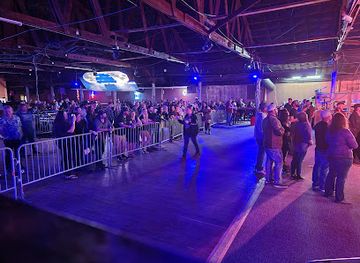
Best nightclubs in Tyler
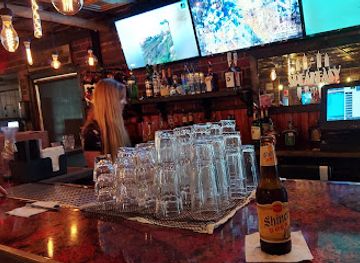
Tyler's evening scene is modest and regional rather than dominated by large clubs. Downtown provides the most concentrated setting for bars, breweries and casual evening venues, where residents gather for drinks, conversation, live music and occasional events. Other nightlife is distributed along the city's commercial roads and includes sports bars, relaxed pubs and restaurants that remain active after dinner. The Cowan Center presents theatre, concerts and other performing arts, offering an alternative to bar-based entertainment, while local event calendars may include community festivals, outdoor music and cultural programmes. Evening activity tends to be social and unhurried, with audiences shaped by the university, business community and surrounding East Texas towns. Visitors should verify current entertainment schedules and transport arrangements, particularly when attending events outside the downtown area.
-
Night club
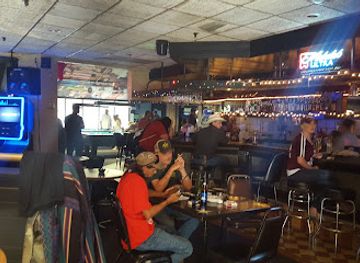
SOUTH TYLER SPEAKEASY
A lively night club experience in Tyler, TX, featuring live music, dart games, and delicious pizza in a vibrant atmosphere.
34 min drive · 14 km from city centre
-
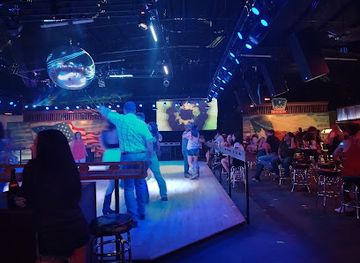
Bar
Cowboys
Unleash your inner dancer at Cowboys Dance Hall, a lively bar and dance hall in Tyler, Texas, perfect for unforgettable nights filled with music and fun.
29 min drive · 9.8 km from city centre
-
Bar
The Brass Star Club
Discover The Brass Star Club in Tyler, Texas - a vibrant bar with live music, a fantastic drink selection, and a welcoming atmosphere for all.
13 min drive · 4.3 km from city centre
-
Bar
Country River Club
Discover Tyler's vibrant nightlife at Country River Club, where live music, delicious tacos, and a lively bar scene create unforgettable moments.
34 min drive · 14 km from city centre
Best shops in Tyler
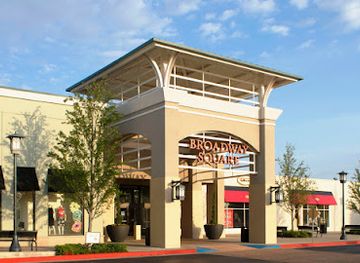
Shopping in Tyler is divided between historic downtown businesses, established suburban retail corridors and larger commercial centres. Downtown offers independent boutiques, cafés, gifts, antiques, specialist services and locally oriented shops in a more walkable setting, while Broadway Square provides the city's principal enclosed shopping-centre experience. Along South Broadway Avenue and Old Jacksonville Highway, visitors will find national retailers, restaurants and practical services typical of a regional Texas city. Local purchases may include rose-themed gifts, East Texas food products, handmade items, home décor and products associated with gardening and horticulture. Seasonal markets and community events add opportunities to meet small producers and artisans, although their dates and locations vary. Tyler's retail character is consequently less about a single traditional bazaar than about combining independent central-city businesses with broad modern shopping areas and the region's enduring interest in roses, gardens and locally made goods.
-
Shopping mall
The Village at Cumberland Park
Explore The Village at Cumberland Park in Tyler, Texas - a premier shopping destination featuring a blend of trendy shops, dining, and outdoor enjoyment.
31 min drive · 11 km from city centre
-
Shopping mall
Broadway Square
Discover the ultimate shopping experience at Broadway Square in Tyler, Texas, featuring diverse shops, delicious dining, and lively entertainment.
17 min drive · 5.8 km from city centre
-
Shopping mall
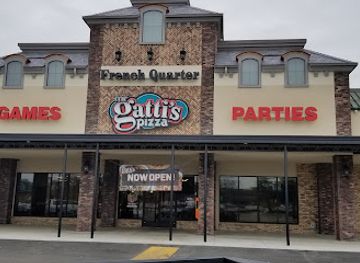
French Quarter Shopping Center
Discover the charm of Tyler's French Quarter Shopping Center, where shopping, dining, and entertainment come together in a vibrant atmosphere.
17 min drive · 5.5 km from city centre
-
Shopping mall
Bergfeld Center
Discover the vibrant shopping and dining experience at Bergfeld Center, Tyler's premier shopping mall, offering unique boutiques and delightful eateries.
8 min drive · 2.7 km from city centre

Get your free copy of our complete guide to Tyler, delivered straight to you.
Everything on this page, from attractions and restaurants to essentials and local phrases, in one PDF you can read offline, print or share.
Already have an account? Sign in
Your Tyler guide is ready.
We'll send it to · Not you? Sign out

Getting your guide ready…
We are putting together a fresh copy of the Tyler guide. This can take up to a minute.
This can take a few moments. If your browser asks, choose Allow so the download can start. You'll find the guide in your Downloads folder.
Nothing happened? Download it again
Sorry, the guide is taking longer than usual. Please try again in a minute, or get it by email instead.
Tyler essentials
Currency and Payment
Safety
Emergency Situations
Do's and Don'ts
Local Tips
From Eve
Local phrases worth knowing
You don't need to get them perfect. A few words go a long way, and locals appreciate the effort.
Basics
| English | Local | Say it |
|---|---|---|
| Hello | Howdy | [haw-dee] |
| Goodbye | See ya | [see yah] |
| Yes | Yep | [yep] |
| No | Nah | [na] |
| Please/You're welcome | Please/You're welcome | [please/yur welcome] |
| Thank you | Thank ya | [thank yah] |
| Excuse me/Sorry | Pardon me/Sorry | [pahr-dn me/sorry] |
| How are you? | How y'all doin'? | [how y'all doin] |
| Fine. And you? | Fine. How 'bout you? | [fine. how 'bout yah] |
| Do you speak English? | Ya speak English? | [yah speak english] |
| I don't understand | I ain't gettin' it | [i aint get-tin it] |
Eating & Drinking
| English | Local | Say it |
|---|---|---|
| I'd like to see the menu, please | Can I see the menu, please | [can i see the menu please] |
| I don't eat meat | I don't eat meat | [i don't eat meat] |
| Cheers! | Cheers! | [cheers] |
| I would like to pay, please | I'd like to pay now, please | [i'd like to pay now please] |
Emergencies
| English | Local | Say it |
|---|---|---|
| Help! | Help! | [help] |
| Go away! | Git away! | [git away] |
| Call the Police! | Call the Cops! | [call the cops] |
| Call a doctor! | Get a doc! | [get a doc] |
| I'm lost | I'm lost | [i'm lost] |
| I'm ill | I'm sick | [i'm sick] |
Shopping
| English | Local | Say it |
|---|---|---|
| I'd like to buy... | I wanna buy... | [i wanna buy] |
| I'm just looking | I'm just lookin' | [i'm just lookin] |
| How much is it? | How much does it cost? | [how much does it cost] |
| That's too expensive | That's too pricey | [that's too pricey] |
| Can you lower the price? | Can ya lower the price? | [can ya lower the price] |
Time & Numbers
| English | Local | Say it |
|---|---|---|
| What time is it? | What time is it? | [what time is it] |
| It's one o'clock | It's one o'clock | [it's one o'clock] |
| Half past (10) | Half past ten | [half past ten] |
| Morning | Mornin' | [mornin] |
| Afternoon | Afternoon | [afternoon] |
| Evening | Evenin' | [evenin] |
| Yesterday | Yestaday | [yestaday] |
| Today | Today | [today] |
| Tomorrow | Tomorra | [tomorra] |
| 1 | One | [wun] |
| 2 | Two | [too] |
| 3 | Three | [three] |
| 4 | Four | [four] |
| 5 | Five | [five] |
| 6 | Six | [six] |
| 7 | Seven | [seven] |
| 8 | Eight | [eight] |
| 9 | Nine | [nine] |
| 10 | Ten | [ten] |
Transport & Directions
| English | Local | Say it |
|---|---|---|
| Where's a/the...? | Where's a/the...? | [where's a/the] |
| What's the address? | What's the address? | [what's the address] |
| Can you show me (on the map)? | Can you show me (on the map)? | [can you show me on the map] |
| When's the next (bus)? | When's the next (bus)? | [when's the next bus] |
| A ticket (to ....) | A ticket (to ....) | [a ticket to] |
History of Tyler
A County Seat in East Texas
Tyler was established in 1846 as the seat of the newly organised Smith County and was named for John Tyler, the tenth president of the United States. Its early development reflected the settlement of East Texas after Texas statehood, when agricultural communities, county administration and regional trade began to shape the town. Timber, cotton and other farm products supported the local economy, while the courthouse helped make Tyler a political and commercial focus for surrounding rural communities. The street plan and civic role established in this period remain visible in the central city, particularly around the courthouse square and the historic downtown district.
Railways and Commercial Growth
Rail connections transformed Tyler during the 1870s, linking the town more effectively with markets elsewhere in Texas and encouraging population and commercial growth. Rail transport strengthened the movement of agricultural goods, timber and manufactured supplies, while merchants and professional services gathered around the expanding centre. Residential districts developed beyond the original core, and substantial homes and commercial buildings appeared as local prosperity increased. The Goodman-LeGrand House, built in 1859 and later enlarged, preserves part of this era's domestic history, while downtown streets retain evidence of Tyler's transition from a county seat into a regional trading town.
Roses Take Root
Tyler's rose industry emerged in the early twentieth century and became one of the defining forces in the city's cultural and economic identity. Commercial growers found that the area's climate and soils could support rose cultivation, and nurseries developed a national reputation for producing plants and cut flowers. The Texas Rose Festival, first held in 1933, formalised the connection between horticulture, civic pride and tourism. The Rose Capital tradition influenced public gardens, local businesses and the visual character of the city, with the Tyler Municipal Rose Garden later becoming a lasting public expression of that heritage.
Oil and East Texas Transformation
The discovery of the East Texas Oil Field in 1930 altered the region's economy and brought new investment, workers and infrastructure to Tyler and surrounding communities. Tyler did not become an oil-field boomtown on the scale of some nearby settlements, but its position as a commercial and administrative centre made it an important service city during the petroleum expansion. Oil revenues and associated business activity helped finance construction and modernisation, while the wider economic shift reduced the area's dependence on agriculture and timber. The period also accelerated the growth of roads, utilities and institutions that supported Tyler's later development.
War, Industry and Civil Rights
During the Second World War, Camp Fannin, a United States Army infantry replacement-training centre, operated near Tyler from 1943 to 1946. The camp brought military personnel and federal activity to the area, leaving a significant mark on the local wartime experience even after its closure. Post-war Tyler expanded through new housing, schools, businesses and roads, but like other American cities it also faced racial segregation and the struggle for equal rights. Desegregation and civil-rights activism changed public institutions and civic life during the mid-twentieth century, while the city's economy continued to broaden beyond agriculture and oil.
A Regional City Today
Late twentieth- and early twenty-first-century Tyler developed as a regional centre for healthcare, education, retail, business and culture. The University of Texas at Tyler, founded in 1971 as Tyler State College, became an important educational institution, while the city invested in museums, performing arts and public recreation. The historic core, Rose Garden and Azalea District remain important markers of identity as newer commercial corridors and suburban districts expand around them. Contemporary Tyler therefore combines the institutions of a growing regional city with the horticultural traditions and East Texas landscapes that shaped its earlier history.
Tyler in Photos
Browse through our photo collection highlighting the charm and character of the destination.
Cities near Tyler
The closest cities to Tyler, if you have time for more than one stop.
-
 Longview
, Texas blends East Texas history, oil heritage, museums, gardens and local dining with relaxed small-city culture and outdoor escapes nearby.
1 h 15 min drive · 55 km from city centre
Longview
Longview, Texas blends East Texas history, oil heritage, museums, gardens and local dining with relaxed small-city culture and outdoor escapes nearby.
1 h 15 min drive · 55 km from city centre
-

-

-

-


Swipe for more cities
Explore more
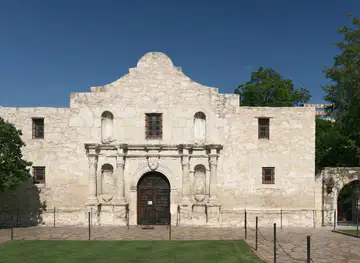
Explore more of Texas
Discover the diverse landscapes, rich history, vibrant cities, and culinary delights of Texas, the Lone Star State, where adventure and culture await at every turn.
Explore Texas