

Free Dallas Travel Guide & Mobile App
Plan your Dallas trip with Evendo. Get free guides to top attractions, restaurants, hotels, and bars. Web access or download the mobile app.


Dallas blends Texas history, acclaimed museums, live music, modern architecture and distinctive Tex-Mex dining across broad, energetic neighbourhoods.
A City Shaped by Trade and Transformation
Dallas occupies a broad sweep of North Texas where prairie, waterways and commercial ambition have long influenced the city's character. The arrival of railways in the late nineteenth century accelerated its growth from a regional trading centre into a major business and cultural hub, while the twentieth century brought aviation, telecommunications, finance and technology to its economic life. That history remains visible around Dealey Plaza, the site of President John F. Kennedy's assassination in 1963, and in the restored nineteenth-century buildings of the West End Historic District.Read more about Dallas
Museums, Neighbourhoods and Public Life
Wide Horizons and Texas Scale
When is the best time to visit Dallas?
Best: March–April, October · 21–25°C| Month | High (°C) | Rainfall (mm) |
|---|---|---|
| January | 13 | 53 |
| February | 16 | 61 |
| March (best) | 21 | 71 |
| April (best) | 25 | 79 |
| May | 29 | 97 |
| June | 33 | 66 |
| July | 36 | 49 |
| August | 36 | 46 |
| September | 32 | 64 |
| October (best) | 25 | 78 |
| November | 19 | 60 |
| December | 14 | 56 |
Getting to and around Dallas
How to get there
Transportation
Best attractions in Dallas
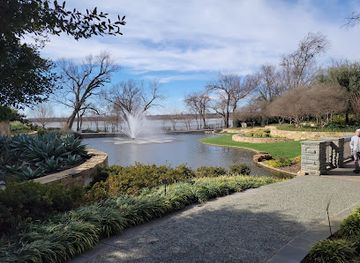
Dallas offers a varied sightseeing circuit that ranges from major museums to open-air districts and landscaped public spaces. Dealey Plaza and the Sixth Floor Museum provide a carefully interpreted encounter with the 1963 assassination of President John F. Kennedy, while the West End's brick warehouses reveal the city's nineteenth-century commercial past. In the Arts District, the Dallas Museum of Art spans global collections, the Nasher Sculpture Center presents modern and contemporary works in a garden setting, and the Crow Museum of Asian Art adds further cultural depth. Fair Park combines museums with an important group of 1930s buildings, and the Dallas Arboretum and Botanical Garden overlooks White Rock Lake through formal gardens and seasonal displays. Klyde Warren Park, the Katy Trail and the Trinity River corridor offer urban walking and outdoor respite, while Deep Ellum brings murals, music and street-level energy.
-
Tourist attraction
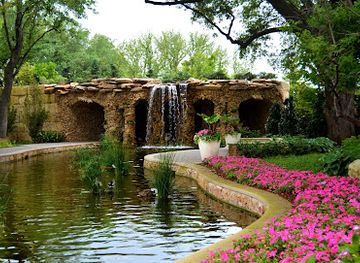
The Dallas Arboretum and Botanical Garden
Discover vibrant floral displays and serene landscapes at The Dallas Arboretum and Botanical Garden, a must-see oasis in the heart of Dallas.
27 min drive · 9.1 km from city centre
-
Tourist attraction
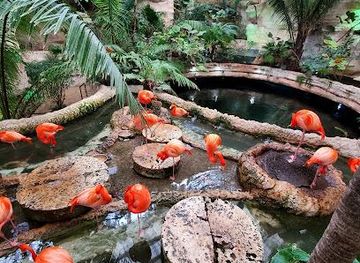
The Dallas World Aquarium
Experience the magic of marine life and exotic wildlife at the Dallas World Aquarium, a unique fusion of education and entertainment in the heart of Dallas.
14 min walk · 1.1 km from city centre
-
Tourist attraction
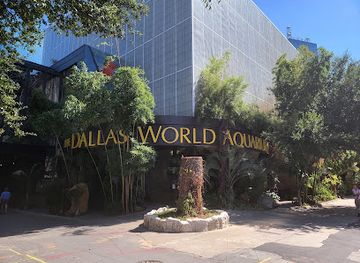
The Dallas World Aquarium
An extraordinary fusion of aquarium, zoo, and dining experience in the heart of Dallas, showcasing the beauty of wildlife and emphasizing conservation.
14 min walk · 1.1 km from city centre
-
Tourist attraction
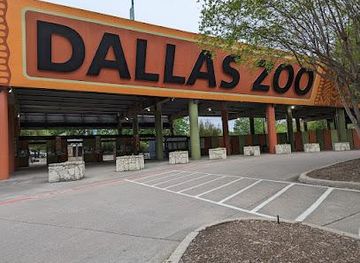
Dallas Zoo
Discover the Dallas Zoo, a wildlife paradise featuring over 400 species and a commitment to conservation in the heart of Texas.
12 min drive · 3.9 km from city centre
Best landmarks in Dallas
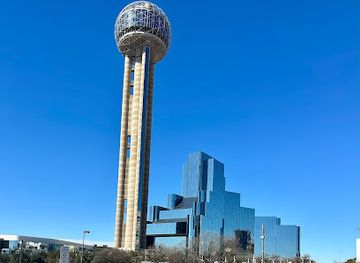
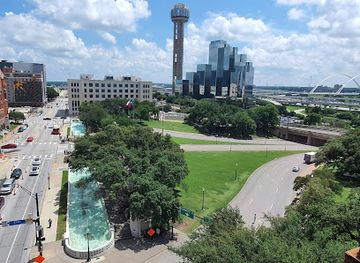
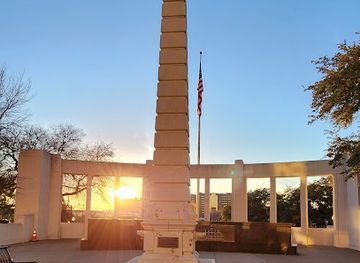
Dallas's landmarks express its commercial growth, civic ambitions and place in American history. Dealey Plaza, the former Texas School Book Depository and the nearby John F. Kennedy Memorial form a significant commemorative landscape connected with the events of 22 November 1963. Reunion Tower, with its geodesic observation sphere, is a defining element of the skyline, while the red sandstone Old Red Museum courthouse reflects the city's late nineteenth-century civic architecture. Dallas City Hall, designed by I. M. Pei, introduced a bold modernist presence to the civic centre, and the Margaret Hunt Hill Bridge spans the Trinity River with a sweeping cable-stayed silhouette. In the Arts District, the Winspear Opera House and Meyerson Symphony Center represent Dallas's investment in contemporary cultural architecture. Fair Park's Art Deco buildings provide another important architectural layer, rooted in the 1936 Texas Centennial Exposition.
-
Botanical garden
The Dallas Arboretum and Botanical Garden
Immerse yourself in the beauty of The Dallas Arboretum and Botanical Garden, where every season reveals a stunning floral masterpiece.
27 min drive · 9.1 km from city centre
-
Observation deck
Reunion Tower
Discover stunning views and the heart of Dallas from Reunion Tower's observation deck, where modern architecture meets breathtaking landscapes.
14 min walk · 1.1 km from city centre
-
History museum
The Sixth Floor Museum at Dealey Plaza
Delve into the legacy of President John F. Kennedy at The Sixth Floor Museum, a poignant historical site in Dallas that captures a defining moment in American history.
14 min walk · 1.1 km from city centre
-
Park
Dealey Plaza
Explore Dealey Plaza, the historic heart of Dallas, where history comes alive amidst lush greenery and iconic landmarks.
14 min walk · 1.1 km from city centre
Explore Dallas on the map
Plan your Dallas trip on one map. See where the top attractions, landmarks, restaurants, bars and hotels are, find what's near where you're staying, and book hotels and experiences in a few clicks.
Neighbourhoods in Dallas
-

-

-


Swipe for more neighbourhoods
Best hotels in Dallas
Best restaurants in Dallas
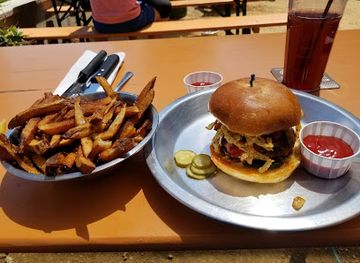
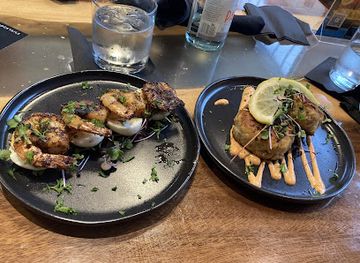
Dallas dining reflects the meeting of Texan, Mexican, Southern and international traditions. Tex-Mex staples such as enchiladas, tacos, fajitas and chile con queso sit alongside Central Texas-style barbecue, chicken-fried steak, burgers and refined interpretations of Gulf and Southern cooking. Mexican and Latin American food is especially varied across the city, while Vietnamese restaurants and other Asian cuisines reflect Dallas's diverse communities. Bishop Arts District, Deep Ellum, Lower Greenville, Knox-Henderson, Trinity Groves and the Design District all offer different combinations of independent restaurants, cafés and bars, although the city is too spread out for one single dining quarter to define it. Traditional barbecue joints, taquerias, bakeries, farmers' markets and ambitious contemporary kitchens each form part of the local food culture, with seasonal produce and regional meat often central to menus.
-
Hamburger
Rodeo Goat
Experience gourmet burgers in a lively bar setting at Rodeo Goat in Dallas' Design District.
10 min drive · 3.4 km from city centre
-
American
Kitchen + Kocktails
Experience the vibrant flavors of American cuisine with soul at Kitchen + Kocktails in Dallas – where comfort food meets contemporary flair.
9 min walk · 0.7 km from city centre
-
American
The Rustic
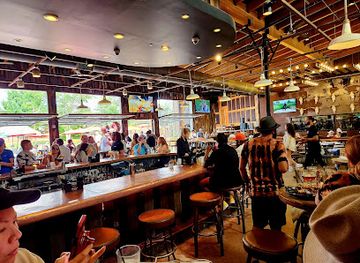
Experience the heart of Texas at The Rustic - where delicious American cuisine meets vibrant live music in Dallas.
9 min drive · 3.2 km from city centre
-
Steak
Y.O. Ranch Steakhouse
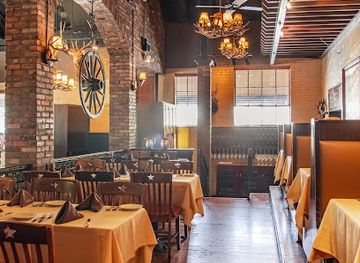
Experience authentic Texan flavors at Y.O. Ranch Steakhouse - where premium steaks meet Southern hospitality.
13 min walk · 1.0 km from city centre
Best bars in Dallas
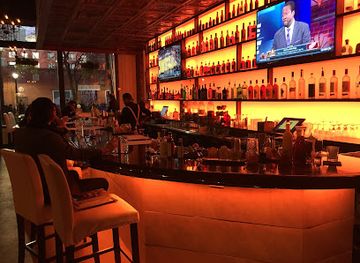
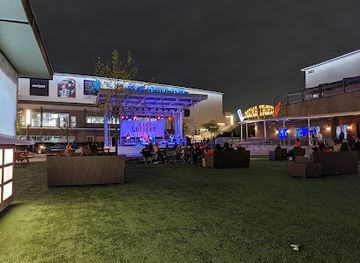
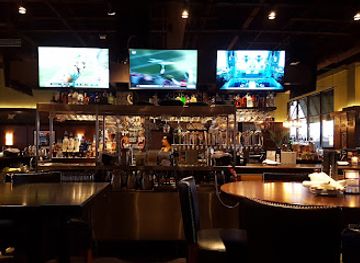
Dallas evenings range from live music and relaxed neighbourhood bars to polished cocktail rooms, theatre and large entertainment venues. Deep Ellum remains the city's best-known music district, with clubs, murals and venues associated with blues, rock, jazz and newer local acts, while Lower Greenville and Uptown offer a broad mixture of bars and late-night social spaces. The Design District and Downtown add cocktail lounges, hotel bars and event-led nightlife, and Oak Cliff's Bishop Arts District is more suited to a slower evening of drinks, conversation and performances. The Winspear Opera House, Wyly Theatre and other venues in the Arts District provide cultural alternatives to clubbing, with programmes that may include opera, theatre, dance and concerts. Dallas nightlife is dispersed, so evening plans often work best when centred on one district rather than attempting to cross the metropolitan area repeatedly.
-
American
3Eleven Kitchen and Cocktails
Discover the best of American cuisine and vibrant cocktails at 3Eleven Kitchen and Cocktails in the heart of Dallas.
13 min walk · 1.1 km from city centre
-
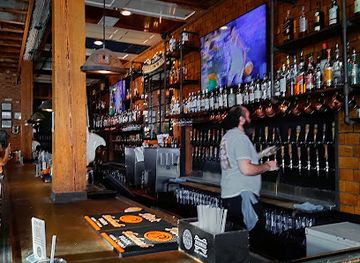
Bar
Dot's Hop House & Cocktail Courtyard
Discover the lively atmosphere and diverse menu at Dot's Hop House & Cocktail Courtyard, a premier bar and grill in Dallas' Deep Ellum neighborhood.
17 min walk · 1.4 km from city centre
-
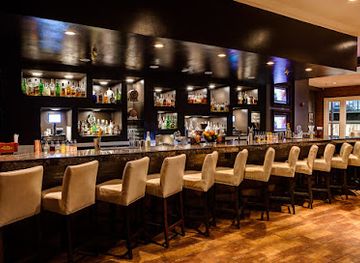
Restaurant
The Woolworth
Discover The Woolworth in Dallas, where modern dining meets historic charm, offering delightful dishes and crafted cocktails in a vibrant setting.
7 min walk · 0.5 km from city centre
-
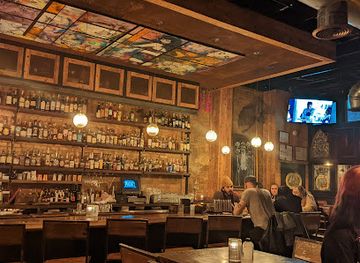
Bar
Armoury D.E.
Discover the perfect blend of Hungarian cuisine and innovative cocktails at Armoury D.E. in Dallas' Deep Ellum, where live music amplifies the experience.
19 min walk · 1.5 km from city centre
Best nightclubs in Dallas
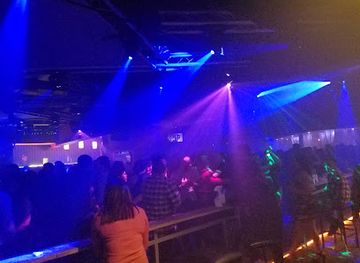
Dallas evenings range from live music and relaxed neighbourhood bars to polished cocktail rooms, theatre and large entertainment venues. Deep Ellum remains the city's best-known music district, with clubs, murals and venues associated with blues, rock, jazz and newer local acts, while Lower Greenville and Uptown offer a broad mixture of bars and late-night social spaces. The Design District and Downtown add cocktail lounges, hotel bars and event-led nightlife, and Oak Cliff's Bishop Arts District is more suited to a slower evening of drinks, conversation and performances. The Winspear Opera House, Wyly Theatre and other venues in the Arts District provide cultural alternatives to clubbing, with programmes that may include opera, theatre, dance and concerts. Dallas nightlife is dispersed, so evening plans often work best when centred on one district rather than attempting to cross the metropolitan area repeatedly.
-
Bar
Toyota Music Factory
Discover live music, diverse dining, and unforgettable entertainment at Toyota Music Factory in Irving, Texas.
38 min drive · 18 km from city centre
-
Grill
Bar Louie - Music Factory
Experience the vibrant atmosphere of Bar Louie - Music Factory, where delicious American cuisine meets a lively entertainment scene in Irving, Texas.
38 min drive · 18 km from city centre
-
Night club
Escapade 2001 Dallas
Discover the ultimate nightlife experience at Escapade 2001 in Dallas, where electrifying music and vibrant energy come together for an unforgettable evening.
34 min drive · 14 km from city centre
-
Night club
It'll Do Club
Discover a night of unforgettable fun and vibrant energy at It'll Do Club, the heartbeat of Dallas nightlife.
9 min drive · 3.1 km from city centre

Best shops in Dallas
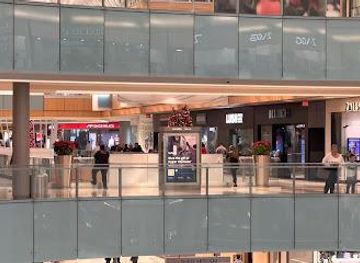
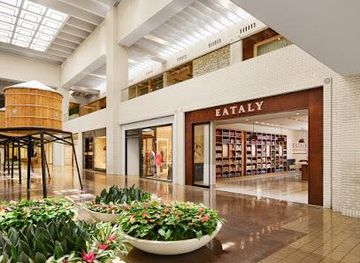
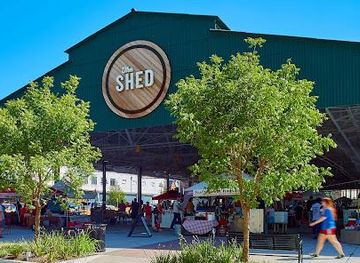
Dallas combines large-scale retail with neighbourhood shopping and specialist markets. NorthPark Center is the city's best-known high-end shopping destination, while Highland Park Village offers an established luxury-oriented setting; both lie outside the historic core and are most easily reached by car or rideshare. In central districts, Bishop Arts District is known for independent boutiques, galleries, bookshops and gift stores, and Knox Street and Lower Greenville provide smaller retailers alongside cafés and restaurants. Deep Ellum adds local art, records, clothing and music-related shops, while the Dallas Farmers Market offers regional produce, prepared food and artisanal goods in a downtown setting. Visitors seeking distinctly Texan purchases may find leather goods, boots, jewellery, artwork, gourmet foods and Western-inspired crafts, but quality and authenticity vary, so independent makers and established speciality retailers are preferable to generic souvenir outlets.
-
Shopping mall
Galleria Dallas
Explore Galleria Dallas, a luxurious shopping mall with over 400 stores, exquisite dining, and vibrant entertainment in the heart of Texas.
37 min drive · 17 km from city centre
-
Shopping mall
NorthPark Center
Explore NorthPark Center: Dallas's premier shopping mall featuring luxury brands, exquisite dining, and captivating art exhibits.
30 min drive · 10 km from city centre
-
Farmers' market
Dallas Farmers Market
Explore the Dallas Farmers Market - a vibrant blend of fresh produce, artisanal foods, and local culture in the heart of Texas.
8 min walk · 0.7 km from city centre
-
Shopping mall
West Village
Experience the vibrant shopping and dining scene at West Village, Dallas - a must-visit destination for every tourist.
11 min drive · 3.6 km from city centre
Get your free copy of our complete guide to Dallas, delivered straight to you.
Everything on this page, from attractions and restaurants to essentials and local phrases, in one PDF you can read offline, print or share.
Already have an account? Sign in
Your Dallas guide is ready.
We'll send it to · Not you? Sign out

Getting your guide ready…
We are putting together a fresh copy of the Dallas guide. This can take up to a minute.
This can take a few moments. If your browser asks, choose Allow so the download can start. You'll find the guide in your Downloads folder.
Nothing happened? Download it again
Sorry, the guide is taking longer than usual. Please try again in a minute, or get it by email instead.
Dallas essentials
Currency and Payment
Safety
Emergency Situations
Do's and Don'ts
Local Tips
From Eve
Local phrases worth knowing
You don't need to get them perfect. A few words go a long way, and locals appreciate the effort.
Basics
| English | Local | Say it |
|---|---|---|
| Hello | Howdy | [haʊ-di] |
| Goodbye | See ya | [siː jə] |
| Yes | Yep | [yɛp] |
| No | Nah | [nɑː] |
| Please/You're welcome | Please/You're welcome | [pliːz/jər ˈwɛlkəm] |
| Thank you | Thank ya | [θæŋk jə] |
| Excuse me/Sorry | Pardon me/Sorry | [ˈpɑːrdən mi/ˈsɔri] |
| How are you? | Howdy | [haʊ-di] |
| Fine. And you? | Fine. And you? | [faɪn. ænd ju] |
| Do you speak English? | Ya speak English? | [jə spiːk ˈɪŋɡlɪʃ] |
| I don't understand | I don't get it | [aɪ doʊnt ˌʌndərˈstænd] |
Eating & Drinking
| English | Local | Say it |
|---|---|---|
| I'd like to see the menu, please | Let me check out the menu, please | [lɛt mi ˈtʃɛk aʊt ðə ˈmɛnju pliːz] |
| I don't eat meat | I don't eat meat | [aɪ doʊnt it mit] |
| Cheers! | Cheers! | [tʃɪrz] |
| I would like to pay, please | I need to pay now, please | [aɪ nid tu peɪ naʊ pliːz] |
Emergencies
| English | Local | Say it |
|---|---|---|
| Help! | Help! | [hɛlp] |
| Go away! | Get lost! | [ɡɛt lɔst] |
| Call the Police! | Call the cops! | [kɔl ðə kɑps] |
| Call a doctor! | Call a doc! | [kɔl ə dɑk] |
| I'm lost | I'm lost | [aɪm lɔst] |
| I'm ill | I'm sick | [aɪm sɪk] |
Shopping
| English | Local | Say it |
|---|---|---|
| I'd like to buy... | I wanna get... | [aɪ ˈwɑnə ɡɛt] |
| I'm just looking | I'm just browsing | [aɪm ˈdʒʌst ˈbraʊzɪŋ] |
| How much is it? | How much does it cost? | [haʊ mʌt ˈdəz ɪt kɔst] |
| That's too expensive | That's way too pricey | [ðæts weɪ tuː ˈpraɪsi] |
| Can you lower the price? | Can you bring the price down? | [kæn ju brɪŋ ðə praɪs daʊn] |
Time & Numbers
| English | Local | Say it |
|---|---|---|
| What time is it? | What's the time? | [wɑts ðə taɪm] |
| It's one o'clock | It's one o'clock | [ɪts wʌn əˈklɑk] |
| Half past (10) | Half past (10) | [hæf pæst (ˈtɛn)] |
| Morning | Morning | [ˈmɔrnɪŋ] |
| Afternoon | Afternoon | [ˌæftərˈnun] |
| Evening | Evening | [ˈivnɪŋ] |
| Yesterday | Yesterday | [ˈjɛstərˌdeɪ] |
| Today | Today | [təˈdeɪ] |
| Tomorrow | Tomorrow | [təˈmɔroʊ] |
| 1 | One | [wʌn] |
| 2 | Two | [tu] |
| 3 | Three | [θri] |
| 4 | Four | [fɔr] |
| 5 | Five | [faɪv] |
| 6 | Six | [sɪks] |
| 7 | Seven | [ˈsɛvən] |
| 8 | Eight | [eɪt] |
| 9 | Nine | [naɪn] |
| 10 | Ten | [tɛn] |
Transport & Directions
| English | Local | Say it |
|---|---|---|
| Where's a/the...? | Where's the...? | [wɛrz ðə] |
| What's the address? | What's the address? | [wɑts ðə ˈæˌdrɛs] |
| Can you show me (on the map)? | Can you show me (on the map)? | [kæn ju ʃoʊ mi (ɒn ðə mæp)] |
| When's the next (bus)? | When's the next (bus)? | [wɛnz ðə nɛkst (bʌs)] |
| A ticket (to ....) | A ticket (to ....) | [ə ˈtɪkɪt (tu ....)] |
History of Dallas
Indigenous North Texas and Early Settlement
The Dallas area lies within the historic homeland and wider sphere of movement of Indigenous peoples including the Caddo, Wichita, Comanche and Kiowa. European-American settlement expanded during the nineteenth century, after John Neely Bryan established a trading post near the Trinity River in 1841. The settlement developed around river crossings and regional exchange, although the Trinity proved less useful for navigation than early promoters expected. Dallas was incorporated as a town in 1856 and later as a city, while roads, migration and commercial agriculture steadily connected it with surrounding North Texas communities.
Railways Create a Commercial City
Rail connections transformed Dallas in the 1870s, linking the settlement with regional markets and encouraging the movement of cotton, livestock and manufactured goods. The Houston and Texas Central Railway arrived in 1872, followed by the Texas and Pacific line in 1873, helping the city become a distribution and wholesale centre. Warehouses, banks and commercial buildings multiplied around the rail corridors, and Dallas developed an economic identity based less on a single crop than on trade, finance and services. The West End's surviving nineteenth-century structures recall this period of rapid urban expansion.
Industry, Commerce and Urban Expansion
During the late nineteenth and early twentieth centuries, Dallas diversified through cotton trading, manufacturing, insurance, banking and retail. The city also became a centre for oil-related business after the wider North Texas petroleum boom, even though many major oilfields lay elsewhere in the region. Streetcars and improved roads encouraged residential growth beyond the original commercial core, while civic buildings and department stores expressed rising metropolitan ambitions. The 1930s brought the Texas Centennial Exposition at Fair Park, leaving a significant collection of Art Deco and Moderne exhibition architecture that remains central to Dallas's visual identity.
A Modern Metropolis Takes Shape
After the Second World War, Dallas expanded rapidly alongside the national growth of highways, aviation, electronics and corporate services. The opening of Dallas/Fort Worth International Airport in 1974 strengthened the region's position as a major transport and business centre, while the telecommunications industry gave Dallas a further association with technology and innovation. Suburban growth reshaped the metropolitan area, and new office towers changed the skyline. At the same time, historic districts such as Swiss Avenue, the Cedars and the West End preserved earlier layers of the city's development.
The Kennedy Assassination and National Memory
On 22 November 1963, President John F. Kennedy was assassinated as his motorcade passed through Dealey Plaza. The event profoundly affected the United States and fixed several Dallas locations in national and international memory, including the former Texas School Book Depository and the Grassy Knoll. The Sixth Floor Museum, established in the former book depository, interprets the assassination and its aftermath through historical exhibits. Dealey Plaza is now both a functioning civic space and a site of commemoration, requiring visitors to approach its history with care and attention.
Cultural Growth and Contemporary Identity
From the late twentieth century onwards, Dallas invested heavily in arts, public spaces and cultural institutions, particularly around the Arts District and Fair Park. The Dallas Museum of Art, Nasher Sculpture Center, Crow Museum of Asian Art and performing-arts venues broadened the city's cultural profile, while neighbourhoods such as Deep Ellum, Oak Cliff and the Cedars developed distinctive creative scenes. Dallas also became home to communities from across the United States and the world, influencing its restaurants, festivals, businesses and religious life. Contemporary Dallas combines corporate scale with increasingly visible neighbourhood identities.
Dallas in Photos
Browse through our photo collection highlighting the charm and character of the destination.
Cities near Dallas
The closest cities to Dallas, if you have time for more than one stop.
-

-

-

-

-


Swipe for more cities
Explore more
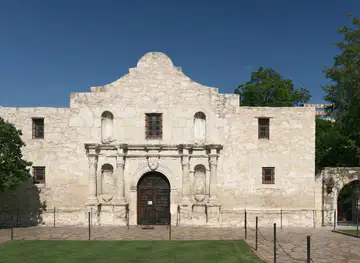
Explore more of Texas
Discover the diverse landscapes, rich history, vibrant cities, and culinary delights of Texas, the Lone Star State, where adventure and culture await at every turn.
Explore Texas