

Free Choctaw Country Travel Guide & Mobile App
Explore Choctaw Country with free travel guides. Discover regional history, expert tips, proposed trips, and audio guides on web or mobile app.


Explore Choctaw Country in southeastern Oklahoma for Ouachita mountain drives, forest lakes, outdoor adventure and living Choctaw heritage.
Read more about Choctaw Country
Getting to and around Choctaw Country
How to get there
Transportation
Top city travel guides in Choctaw Country
The cities of Choctaw Country, and the easiest places to base yourself.

Swipe for more cities
Destinations in Choctaw Country
Resorts, valleys and scenic spots worth a trip of their own.
-

-

-

-

-

-


Swipe for more destinations
Best attractions in Choctaw Country
Choctaw Country's attractions are defined by the meeting of living Indigenous culture, forested outdoor landscapes and local history. In Calera, the Choctaw Cultural Center offers an important introduction to Choctaw history, language, arts and traditions, while the Choctaw Nation's wider presence can be seen across the Durant area. Fort Towson Historic Site and Wheelock Academy interpret earlier periods of Choctaw life in Indian Territory. Robbers Cave State Park provides hiking, climbing, equestrian routes, lakes and wooded valleys near Wilburton. In McCurtain County, Beavers Bend State Park and the Mountain Fork River support boating, fishing, hiking and wildlife watching, with Hochatown functioning as a busy visitor base. Talimena Scenic Drive is the region's signature road journey, crossing the Ouachita ridges between Talihina and the Arkansas border. Smaller museums, historic downtowns, fishing lakes and wildlife areas add variety, while the changing landscape between coal country, pine forests, river valleys and mountain viewpoints makes travel by road part of the attraction.
-
 Casino
Choctaw Casino & Resort-Durant
Discover the ultimate entertainment hub at Choctaw Casino & Resort-Durant, where luxury meets excitement in Oklahoma.
-
State park
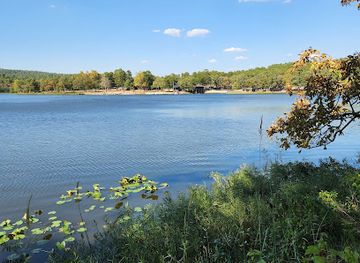
Robbers Cave State Park
Explore the captivating landscapes and rich history of Robbers Cave State Park, a hidden gem in Oklahoma perfect for outdoor enthusiasts and families.
-
Animal rescue service
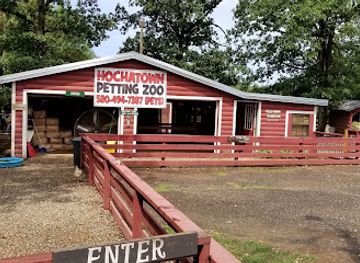
Hochatown Rescue Center & Petting Zoo
Discover and connect with rescued animals at Hochatown Rescue Center & Petting Zoo, a family-friendly wildlife experience in Oklahoma.
-
Museum
Choctaw Nation Museum
Explore the Choctaw Nation Museum, a cultural gem in Tuskahoma, celebrating the heritage and history of the Choctaw people through engaging exhibits.
Best landmarks in Choctaw Country
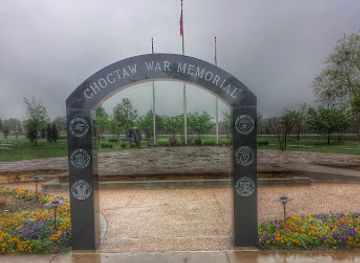
The Talimena Scenic Drive is Choctaw Country's defining geographical landmark, tracing the crest of the Ouachita Mountains through a succession of forested heights and long views near Talihina. The Mountain Fork River and Broken Bow Lake form another recognisable landscape, with Beavers Bend's wooded shoreline and clear waterways shaping the identity of southeastern McCurtain County. Fort Towson Historic Site preserves the setting of a nineteenth-century United States military post near the former Choctaw centre of Doaksville, while Wheelock Academy represents the history of Choctaw education and mission activity. In Calera, the Choctaw Cultural Center is a significant contemporary architectural and cultural landmark rather than a relic of the past. Robbers Cave's sandstone formations near Wilburton give the northern part of the region a distinctive physical profile, and McAlester's historic civic and commercial fabric reflects the town's development as a coal and railway centre.
-
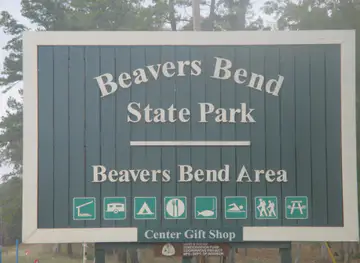
State park
Beavers Bend State Park and Nature Center
Experience the natural beauty and outdoor adventures at Beavers Bend State Park, Oklahoma's premier destination for nature lovers and families.
-
National reserve
Chickasaw National Recreation Area
Explore the breathtaking landscapes and rich heritage of Chickasaw National Recreation Area, Oklahoma's natural oasis for outdoor adventures.
-
Museum
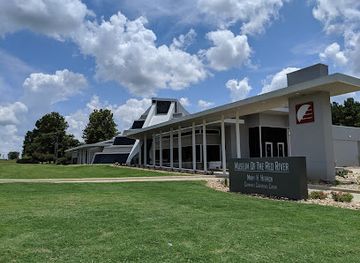
Museum of the Red River
Discover the cultural and natural treasures of the Museum of the Red River in Idabel, Oklahoma, showcasing rich history and engaging exhibits.
-
Museum
Choctaw Nation Museum
Discover the vibrant history and culture of the Choctaw Nation at the Choctaw Nation Museum in Tuskahoma, Oklahoma—a captivating journey awaits.
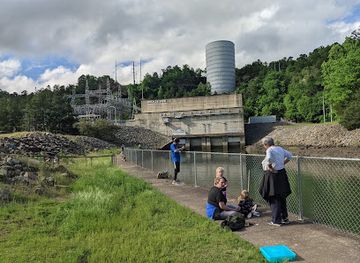
Explore Choctaw Country on the map
Plan your trip on one map. See where the top cities, national parks and sights are, and book hotels and experiences in a few clicks.
Best hotels in Choctaw Country
Best restaurants in Choctaw Country
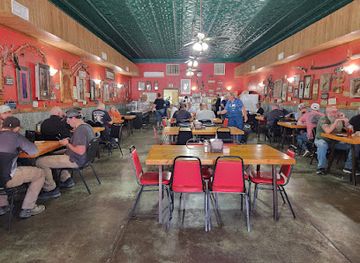
Dining in Choctaw Country is practical, regional and closely tied to the food culture of Oklahoma and the American South. Town cafés and family restaurants commonly serve breakfasts, burgers, fried catfish, chicken-fried steak, barbecue and homestyle sides, while rural diners remain useful stops on long road journeys. Around Broken Bow Lake and Hochatown, the restaurant scene is geared towards visitors and includes casual meals, barbecue, pizza, cafés and places suited to groups staying in cabins. Durant, McAlester and Poteau offer a broader choice of American, Mexican and contemporary dining. Local food shopping may include Oklahoma beef, pecans, preserves, baked goods and seasonal produce, although availability varies by town and season. Choctaw food traditions should not be reduced to a single restaurant style; cultural institutions and community events provide better contexts for learning about Indigenous foodways, while visitors should distinguish Choctaw traditions from the broader Southern and Oklahoma dishes commonly served throughout the region.
-
Pizza
Grateful Head Pizza Oven & Tap Room
Discover the ultimate pizza experience at Grateful Head Pizza Oven & Tap Room in Broken Bow, where delicious flavors meet local charm.
-
American
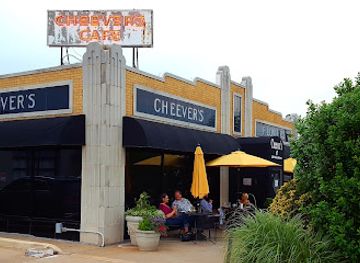
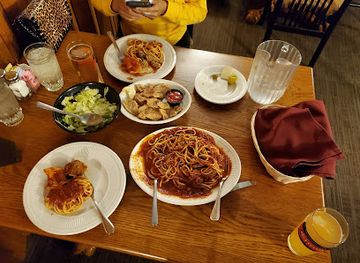
Cheever's Cafe
Experience the charm of Cheever's Cafe in Uptown Oklahoma City—where delightful American cuisine meets cozy ambiance.
-
Restaurant
Pete's Place Restaurant
Experience authentic Italian cuisine in Krebs at Pete's Place Restaurant – where tradition meets flavor in every dish.
-
American
In Town Southern Dining
Discover authentic Southern dining in Oklahoma City at In Town Southern Dining - where comfort food meets family-friendly hospitality.

Best bars in Choctaw Country
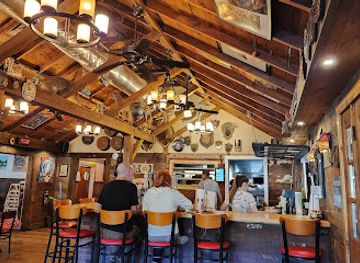
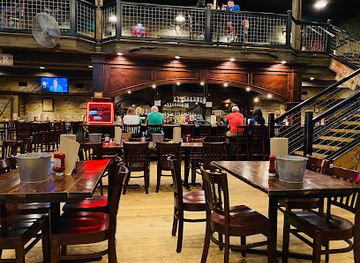
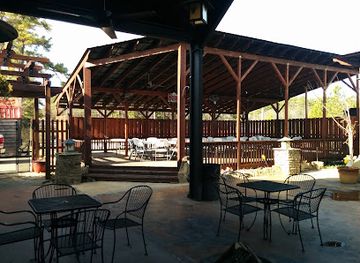
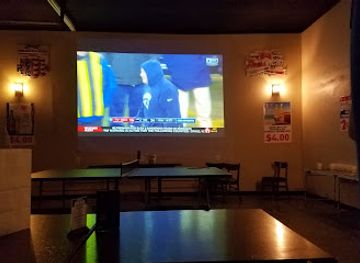
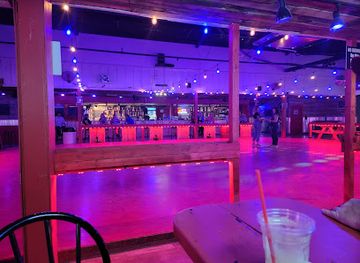
Evening life in Choctaw Country is concentrated in its larger towns, cabin areas and casino resorts rather than in a continuous club district. Durant, McAlester and Poteau have the widest choice of bars, breweries, casual restaurants and occasional live-music settings, while the Broken Bow and Hochatown area offers visitor-oriented bars and restaurants alongside a strong cabin-based evening culture. In smaller communities, traditional pubs, diners and local gathering places are more characteristic than late-night clubs. Casino resorts operated by the Choctaw Nation provide entertainment, dining and gaming in several locations, subject to their own age and access rules. Outdoor visitors should not combine alcohol with boating, swimming, driving or remote hiking, and should check current arrangements rather than assume that a rural venue stays open late.
-
Pizza
Grateful Head Pizza Oven & Tap Room
Discover Grateful Head Pizza Oven & Tap Room, where delicious pizzas meet a cozy atmosphere in the heart of Broken Bow, Oklahoma.
-
Grill
Hochatown Saloon
Experience the lively atmosphere of Hochatown Saloon in Broken Bow, Oklahoma, where delicious food meets local music and unique gifts.
-
Bar
Abendigo's
Discover Abendigo's in Broken Bow: A premier bar and steakhouse offering live music, delicious cuisine, and unique gifts in a charming setting.
-
Breakfast
Pams Diner
Experience the heartwarming atmosphere and delicious breakfast offerings at Pams Diner in Talihina, where every meal is a delightful journey.
Best nightclubs in Choctaw Country
-
American
E's Hideaway Restaurant
Discover the flavors of American cuisine at E's Hideaway Restaurant, where friendly service meets deliciously crafted meals in Eufaula, Oklahoma.
-
Sports bar
Baby Ruth's Sports Bar
Discover the ultimate sports bar experience at Baby Ruth's in Broken Arrow, offering great food, live entertainment, and a vibrant atmosphere.
-
Grill
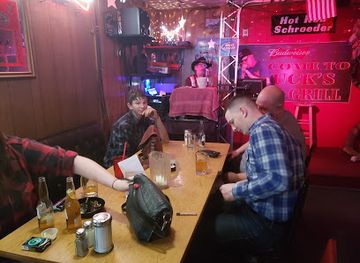
Chuck's Bar & Grill
Experience the vibrant flavors and welcoming atmosphere of Chuck's Bar & Grill in Eufaula, Oklahoma, where every meal is a celebration.
-
Night club
Calhoun's 2.0
Experience the vibrant nightlife at Calhoun's 2.0, Denison's top night club for music, dancing, and unforgettable fun.
Best shops in Choctaw Country
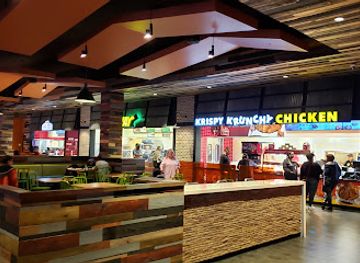
Shopping in Choctaw Country is centred on market towns, regional food, outdoor supplies and locally made work rather than large-scale luxury retail. Durant, McAlester, Poteau, Idabel and Hugo provide everyday shops, independent businesses, antiques, gifts and practical equipment, while the larger cabin and resort area around Hochatown has visitor-focused stores selling outdoor goods, souvenirs, clothing and crafts. Tribal cultural venues and events are appropriate places to look for Choctaw-made art, language materials and products connected to living traditions; buy from identifiable artists and respect restrictions on photography or handling. Farmers' markets and seasonal stalls may offer produce, jams, baked goods, pecans and other Oklahoma products, though schedules vary. Antique shops and small-town downtowns can yield locally distinctive finds, while a scenic drive through the region is better suited to collecting regional food and craft goods than to visiting conventional shopping centres.
-
Casino
Choctaw Casino & Resort-Durant
Experience the thrill of gaming and luxury at Choctaw Casino & Resort-Durant, Oklahoma’s premier entertainment destination.
-
Gift shop
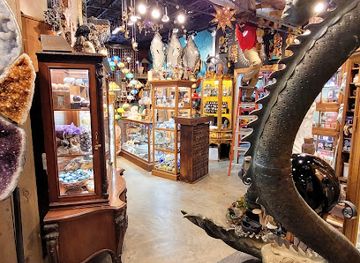
Craig's Curious Emporium
Explore an eclectic world of unique gifts, books, and mystical treasures at Craig's Curious Emporium in Oklahoma City.
-
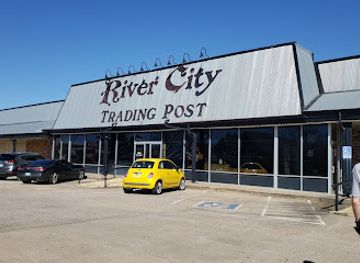
Antique store
River City Trading Post
Uncover unique antiques and collectibles at River City Trading Post in Jenks, Oklahoma, where every find tells a story.
-
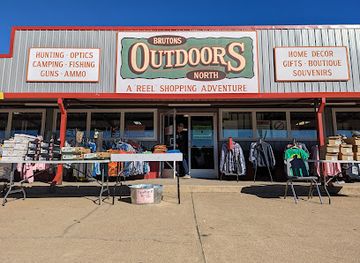
Outdoor sports store
Bruton's Outdoors North
Discover the ultimate outdoor sports store in Hochatown, offering quality gear, footwear, and a community spirit for all adventure lovers.
Get your free copy of our complete guide to Choctaw Country, delivered straight to you.
Everything on this page, from attractions and restaurants to essentials and local phrases, in one PDF you can read offline, print or share.
Already have an account? Sign in
Your Choctaw Country guide is ready.
We'll send it to · Not you? Sign out

Getting your guide ready…
We are putting together a fresh copy of the Choctaw Country guide. This can take up to a minute.
This can take a few moments. If your browser asks, choose Allow so the download can start. You'll find the guide in your Downloads folder.
Nothing happened? Download it again
Sorry, the guide is taking longer than usual. Please try again in a minute, or get it by email instead.
Choctaw Country essentials
Currency and Payment
Safety
Emergency Situations
Do's and Don'ts
Local Tips
From Eve
Local phrases worth knowing
You don't need to get them perfect. A few words go a long way, and locals appreciate the effort.
Basics
| English | Local | Say it |
|---|---|---|
| Hello | Halito | [ha-lee-to] |
| Goodbye | Chihowa | [chee-ho-wah] |
| Yes | Itta | [ee-tah] |
| No | Ala | [ah-lah] |
| Please/You're welcome | Chokma | [cho-kmah] |
| Thank you | Pilashuk | [pee-lah-shook] |
| Excuse me/Sorry | Kihci | [kee-chee] |
| How are you? | Nakni? | [nahk-nee] |
| Fine. And you? | Nokshchi. Ittan? | [noke-shee. ee-tahn] |
| Do you speak English? | Ittan hoshchifo? | [ee-tahn hos-chee-fo] |
| I don't understand | Ala, nashoba | [ah-lah, nah-sho-bah] |
Eating & Drinking
| English | Local | Say it |
|---|---|---|
| I'd like to see the menu, please | Nashoba homma, chokma. | [nah-sho-bah ho-mmah, cho-kmah.] |
| I don't eat meat | Ala, nashoba itak. | [ah-lah, nah-sho-bah ee-tak.] |
| Cheers! | Chokma! | [cho-kmah!] |
| I would like to pay, please | Nashoba hoshchik, chokma. | [nah-sho-bah hos-cheek, cho-kmah.] |
Emergencies
| English | Local | Say it |
|---|---|---|
| Help! | Tushka! | [toosh-kah!] |
| Go away! | Ihko! | [ee-hko!] |
| Call the Police! | Hattak a Police! | [haht-tahk ah po-leece!] |
| Call a doctor! | Hattak a tohklo! | [haht-tahk ah toh-kloh!] |
| I'm lost | Nashoba okcham. | [nah-sho-bah ok-chahm.] |
| I'm ill | Nashoba chukfi. | [nah-sho-bah chook-fee.] |
Shopping
| English | Local | Say it |
|---|---|---|
| I'd like to buy... | Nashoba iksa... | [nah-sho-bah eek-sah...] |
| I'm just looking | Nashoba iksa hoshki. | [nah-sho-bah eek-sah hos-kee.] |
| How much is it? | Ala chito? | [ah-lah chee-to?] |
| That's too expensive | Ala chito hoshki. | [ah-lah chee-to hos-kee.] |
| Can you lower the price? | Iye hoshchik a chi hoshki? | [ee-ye hos-cheek ah chee hos-kee?] |
Time & Numbers
| English | Local | Say it |
|---|---|---|
| What time is it? | Ishki hoshchifo? | [eesh-kee hos-chee-fo?] |
| It's one o'clock | Ishki isht ahto. | [eesh-kee isht ah-toh.] |
| Half past (10) | Ishki naht ahto (10). | [eesh-kee nah-t ah-toh (10).] |
| Morning | Ashi | [ah-shee] |
| Afternoon | Ishki hoshki | [eesh-kee hos-kee] |
| Evening | Ishki hoshki | [eesh-kee hos-kee] |
| Yesterday | Tuklo | [took-lo] |
| Today | Tuklochi | [took-lo-chee] |
| Tomorrow | Tuklochi hoshki | [took-lo-chee hos-kee] |
| 1 | Nana | [nah-nah] |
| 2 | Tuklo | [took-lo] |
| 3 | Nashoba | [nah-sho-bah] |
| 4 | Ni | [nee] |
| 5 | Nana hoshki | [nah-nah hos-kee] |
| 6 | Nana isht | [nah-nah isht] |
| 7 | Nana tuklo | [nah-nah took-lo] |
| 8 | Nana nashoba | [nah-nah nah-sho-bah] |
| 9 | Nana ni | [nah-nah nee] |
| 10 | Tuklo hoshki | [took-lo hos-kee] |
Transport & Directions
| English | Local | Say it |
|---|---|---|
| Where's a/the...? | Ihka a...? | [ee-hka ah...?] |
| What's the address? | Nashoba a chukma? | [nah-sho-bah ah choo-kmah?] |
| Can you show me (on the map)? | Iye hoshchik hoshki? | [ee-ye hos-cheek hos-kee?] |
| When's the next (bus)? | Ihko hoshchifo? | [ee-hko hos-chee-fo?] |
| A ticket (to ....) | Ishki ahtok. | [eesh-kee ah-tohk.] |
History of Choctaw Country
Choctaw Homeland and Early Contact
The Choctaw are a southeastern Indigenous people whose ancestral homeland lay chiefly in present-day Mississippi and western Alabama. European contact, colonial expansion, disease and pressure on land transformed Choctaw society, while trade and diplomacy linked the nation to the wider Southeast. The history of Choctaw Country in Oklahoma therefore begins before the region was part of the United States and cannot be separated from the political and cultural changes imposed on Native nations during the nineteenth century.
Removal to Indian Territory, 1830s
Under the Treaty of Dancing Rabbit Creek in 1830, the Choctaw ceded most of their remaining lands east of the Mississippi and agreed to removal to Indian Territory. The journeys were traumatic, involving inadequate provisions, disease and severe weather; the experience is remembered within Choctaw history as part of the removals often called the Trail of Tears. Choctaw communities established new political, educational and religious institutions in what is now southeastern Oklahoma.
The Choctaw Nation in Indian Territory
After removal, the Choctaw Nation developed a government, courts, schools and towns in Indian Territory. Doaksville, near present-day Fort Towson, became an important early centre, and communities such as Wheelock supported education and religious work. The Choctaw Nation operated within a complex political environment shaped by federal oversight, neighbouring tribes, missionaries, traders and the arrival of railways. Several historic sites in the region preserve evidence of this period of nation-building.
Civil War and Reconstruction
The American Civil War caused deep divisions and disruption among the Choctaw and other Indian Territory nations. Choctaw leaders and citizens made different choices during the conflict, while military activity, shortages and political uncertainty affected communities across the region. After the war, the Choctaw Nation faced revised agreements and increased federal pressure. The surviving sites and records are important reminders that Indian Territory was not a distant backdrop to the war but an active and contested political landscape.
Allotment, Statehood and the End of Indian Territory
During the late nineteenth and early twentieth centuries, federal policy shifted towards allotting communally held tribal lands to individuals and opening remaining lands to non-Native settlement. These measures weakened the territorial land base and altered Choctaw political and economic life. Oklahoma statehood in 1907 ended Indian Territory as a separate jurisdiction, but it did not erase Choctaw identity or government. Contemporary Choctaw institutions in southeastern Oklahoma are rooted in this difficult history as well as in older traditions.
Coal, Railways and Timber
Coal mining expanded around McAlester and other parts of southeastern Oklahoma from the late nineteenth century, supported by rail connections and demand from regional industry and transport. Mining brought wage labour, immigrant communities and company towns, while forestry and sawmilling became increasingly important in the Ouachita and Kiamichi country. These industries left a strong imprint on local landscapes and town histories, even as mechanisation, changing energy markets and resource management reduced their former dominance.
Contemporary Choctaw Cultural Renewal
The Choctaw Nation of Oklahoma remains a major civic, cultural and economic presence in southeastern Oklahoma. Language revitalisation, education, cultural programming, historic preservation and community development have strengthened public knowledge of Choctaw history and identity. The Choctaw Cultural Center in Calera represents this contemporary approach by presenting objects, stories and traditions within a living tribal context. For visitors, the region's Indigenous heritage is therefore both historical and actively maintained in the present.
Choctaw Country in Photos
Browse through our photo collection highlighting the charm and character of the destination.
Neighbouring regions of Choctaw Country
The closest regions to Choctaw Country, if you have time for more than one.
-
-

-

-

-


Swipe for more regions
Explore more
Explore more of Oklahoma
Discover Oklahoma: Where the spirit of the Old West meets modern charm, offering a rich mix of history, nature, and vibrant culture in the heart of the United States.
Explore Oklahoma