

Free Chiriquí Highlands Travel Guide & Mobile App
Explore Chiriquí Highlands with free travel guides. Discover regional history, expert tips, proposed trips, and audio guides on web or mobile app.


Explore Panama's Chiriquí Highlands for cloud forests, volcanic trails, renowned coffee, cool mountain towns and highland farm landscapes.
Read more about Chiriquí Highlands
When is the best time to visit Chiriquí Highlands?
Best: January–March · 21°C| Month | High (°C) | Rainfall (mm) |
|---|---|---|
| January (best) | 21 | 50 |
| February (best) | 21 | 55 |
| March (best) | 21 | 60 |
| April | 21 | 65 |
| May | 21 | 70 |
| June | 22 | 75 |
| July | 22 | 80 |
| August | 22 | 85 |
| September | 22 | 90 |
| October | 22 | 95 |
| November | 22 | 100 |
| December | 22 | 105 |
Getting to and around Chiriquí Highlands
How to get there
Transportation
Top city travel guides in Chiriquí Highlands
The cities of Chiriquí Highlands, and the easiest places to base yourself.

Swipe for more cities
Best attractions in Chiriquí Highlands
The Chiriquí Highlands combine outdoor adventure with working agricultural landscapes. Around Boquete, visitors can follow forest trails, seek waterfalls, explore the Caldera River valley and visit coffee farms where cultivation, processing and tasting are explained in practical detail. Volcán and Cerro Punta provide access to cooler upland scenery, vegetable farms, nurseries and routes towards Volcán Barú National Park. Higher trails and summit expeditions require preparation, a reliable weather assessment and, for many visitors, a local guide. Birdwatching is a major attraction, with cloud forests offering habitat for colourful montane species including the resplendent quetzal. The highlands also support rafting and river activities in suitable valleys, as well as canyoning, horseback riding and guided nature walks. Farm visits reveal another side of the region, from specialty coffee and flowers to dairy and highland vegetables. La Amistad International Park lies along the Panama-Costa Rica border and has access arrangements that vary by sector, so visitors should plan through authorised channels rather than treating it as an unrestricted day-trip landscape. Together, these attractions make the region less about a single monument than about moving between volcano, forest, farm and mountain community.
-
National park
Baru Volcano National Park
Explore Baru Volcano National Park: A Panamanian gem for adventurers with stunning views, lush ecosystems, and unforgettable hiking experiences.
-
Park
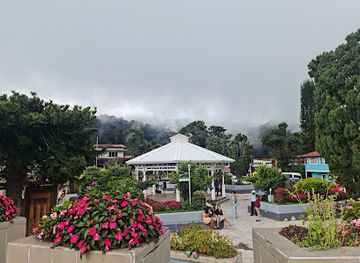
Domingo Medica Park
Discover tranquility and natural beauty at Domingo Medica Park in Boquete, a serene escape perfect for relaxation and exploration amidst lush landscapes.
-
Archaeological museum
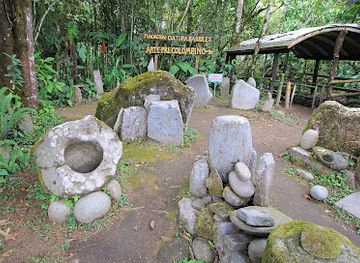
Sitio Barriles
Explore the archaeological wonders of Sitio Barriles, where history and nature unite in the heart of Panama's Chiriquí Province.
-
Observation deck
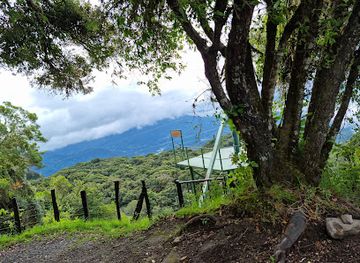
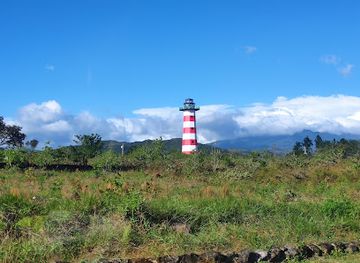
Faro Panama
Discover the breathtaking views and thrilling activities at Faro Panama, the ultimate observation deck in Alto Boquete, Chiriquí Province.
Best landmarks in Chiriquí Highlands
Volcán Barú is the defining natural landmark of the Chiriquí Highlands and, at 3,474 metres, the highest point in Panama. Its volcanic massif shapes the climate, drainage and views of the surrounding province, although summit access is demanding and weather can change rapidly. Volcán Barú National Park protects much of the mountain's upper environment and is also significant for its watersheds and cloud-forest habitats. The highland valleys around Boquete form another important geographical landmark, with steep slopes, river corridors and cultivated terraces creating a recognisable mountain setting. In the western sector, the uplands around Volcán, Cerro Punta and Guadalupe are marked by cool agricultural fields, nurseries and forested ridges rather than monumental architecture. The region's coffee farms, processing buildings and planted slopes are cultural landmarks in their own right, expressing the history of settlement and export agriculture. Along the Panama-Costa Rica frontier, La Amistad International Park represents a major conservation landmark, protecting a large transboundary mountain ecosystem; access should be understood through the specific Panamanian sector and its local regulations rather than assumed from its international status.
-
Historical place
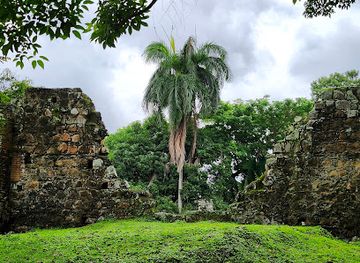
Panamá Viejo
Discover the historical remnants of Panamá Viejo, where the past meets the present in a stunning UNESCO World Heritage site.
-
Boat ramp
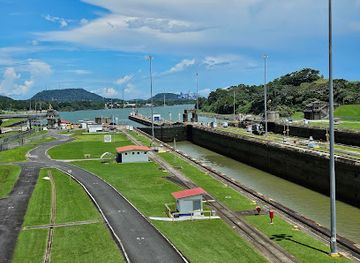
Miraflores Locks
Discover the Miraflores Locks, a pivotal part of the Panama Canal, offering breathtaking views and rich historical insights into this engineering marvel.
-
Park
Miguel de Cervantes Saavedra Park
Discover tranquility and natural beauty at Miguel de Cervantes Saavedra Park, a lush haven in David, Panama's Chiriquí Province.
-
Shopping mall
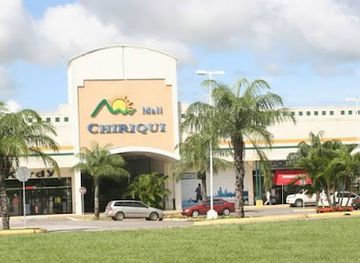
Chiriqui Mall
Experience the vibrant shopping scene at Chiriqui Mall in San Pablo Viejo, where local culture meets modern retail in a delightful atmosphere.
Explore Chiriquí Highlands on the map
Plan your trip on one map. See where the top cities, national parks and sights are, and book hotels and experiences in a few clicks.
Best hotels in Chiriquí Highlands
Best restaurants in Chiriquí Highlands
Dining in the Chiriquí Highlands reflects Panama's wider cuisine while making strong use of cool-climate produce and local farming. Boquete has the broadest selection of cafés, bakeries, casual restaurants and international dining, while Volcán and Cerro Punta are more closely tied to farm produce, roadside eateries and rural kitchens. Menus commonly include fresh vegetables, soups, rice and beans, chicken, beef and fried plantain, alongside trout and other dishes found in mountain-oriented establishments; the precise offer varies by business and season. Coffee is the defining local speciality, ranging from everyday cups to carefully prepared tastings of high-altitude Arabica, including Geisha coffees associated with the region's farms. Look for locally grown vegetables, flowers used in seasonal displays and dairy products from the highlands, and visit produce stalls when travelling through agricultural districts. Breakfasts, pastries and simple lunches are often useful before early trail departures. Tipping follows general Panamanian practice and should reflect service rather than being treated as an automatic regional charge.
-
 Restaurant
Valle Escondido Wellness Resort
Experience ultimate relaxation at Valle Escondido Wellness Resort in Boquete - your serene escape into nature's paradise.
-
Italian
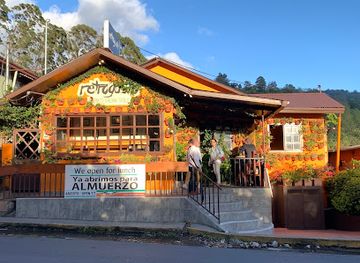
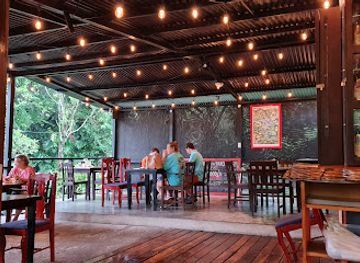
RetroGusto Restaurant & Bar
Experience authentic Italian cuisine amidst the breathtaking beauty of Boquete's mountains at RetroGusto Restaurant & Bar.
-
Restaurant
Big Daddy's Grill
Experience the vibrant flavors of Panama at Big Daddy's Grill, where every meal is a celebration of local culinary delights.
-
Italian
IL Pianista
Savor authentic Italian cuisine at IL Pianista in Chiriquí Province—where every dish tells a story.
Best bars in Chiriquí Highlands
Evenings in the Chiriquí Highlands are generally centred on restaurants, cafés, hotel lounges, breweries and traditional bars rather than a large nightclub scene. Boquete has the most varied after-dark choice, with places offering cocktails, local and imported beer, live music or relaxed dining, while Volcán and Cerro Punta tend towards low-key bars and establishments serving local residents, farmers and visitors. Coffee houses may be more characteristic than late-night venues, and some accommodation providers organise tastings or small cultural evenings without creating a formal nightlife district. Rural roads become dark and visibility can fall quickly in cloud or rain, so arrange transport rather than walking long distances between scattered venues. Alcohol is not necessary to experience the region's evening culture: an early dinner, a coffee tasting or a quiet view of the mountains often suits the highland pace better than a late night.
-
Hotel
Valle Escondido Wellness Resort
Experience luxury and tranquility at Valle Escondido Wellness Resort, your serene escape in Boquete's breathtaking landscapes.
-
Grill
TapOut
Explore the vibrant atmosphere and delicious grilled dishes at TapOut, the ultimate sports bar in Bajo Boquete.
-
Grill
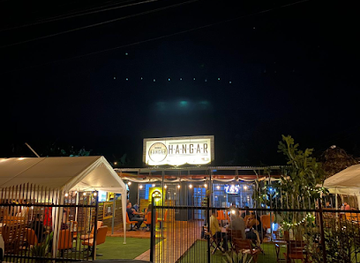
Hangar Bar and Grill.
Experience mouthwatering grilled dishes and vibrant atmosphere at Hangar Bar and Grill in David, Chiriquí Province.
-
Restaurant
SMOKEKING CHIRIQUI
Experience the vibrant culinary scene of Chiriquí at SMOKEKING CHIRIQUI, where delicious food and a lively bar atmosphere await.
Best nightclubs in Chiriquí Highlands
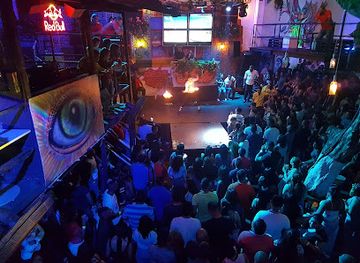
Evenings in the Chiriquí Highlands are generally centred on restaurants, cafés, hotel lounges, breweries and traditional bars rather than a large nightclub scene. Boquete has the most varied after-dark choice, with places offering cocktails, local and imported beer, live music or relaxed dining, while Volcán and Cerro Punta tend towards low-key bars and establishments serving local residents, farmers and visitors. Coffee houses may be more characteristic than late-night venues, and some accommodation providers organise tastings or small cultural evenings without creating a formal nightlife district. Rural roads become dark and visibility can fall quickly in cloud or rain, so arrange transport rather than walking long distances between scattered venues. Alcohol is not necessary to experience the region's evening culture: an early dinner, a coffee tasting or a quiet view of the mountains often suits the highland pace better than a late night.
-
Disco club
Chill out discotheque
Immerse yourself in the lively ambiance of Chill Out Discotheque, a premier nightlife destination in Panama City with great music and delicious drinks.
-
Night club
Club David
Discover the energetic nightlife at Club David, a premier night club in David, Chiriquí Province, known for its lively atmosphere and great music.
-
Host club
La Esmeralda
Experience the vibrant nightlife of David at La Esmeralda, a premier host club offering music, dance, and unforgettable memories.
-
Disco club
Oba Discoteca
Explore the electrifying nightlife of David at Oba Discoteca, the premier disco club offering unforgettable experiences and vibrant entertainment.


Best shops in Chiriquí Highlands
Shopping in the Chiriquí Highlands is practical and agricultural in character, with the strongest selection in Boquete and additional small-town shops in Volcán and Cerro Punta. The most distinctive purchases are locally produced coffees, especially beans sold with information about farm, elevation and processing method, although quality and price vary widely. Visitors will also find chocolate, preserves, baked goods, flowers, plants and seasonal highland produce, as well as Panama-made handicrafts in selected galleries and souvenir shops. Markets and roadside stalls can be useful for vegetables, fruit and simple provisions, but trading days and stock vary, so do not plan around an unverified schedule. Boquete's independent shops and galleries offer more browsing than the smaller settlements, while the western highlands are better for farm products and nursery goods. When buying Indigenous craftwork, ask about its maker and origin, pay a fair price and avoid items made from protected plants or wildlife. Internationally branded retail and large shopping centres are not a feature of this mountain region.
-
Shopping mall
Chiriqui Mall
Explore Chiriqui Mall in Panama: A vibrant shopping haven with local and international brands, dining options, and family-friendly entertainment.
-
Hotel
Hacienda Los Molinos Boutique Hotel
Discover the charm of Alto Boquete at Hacienda Los Molinos Boutique Hotel, where luxury meets nature in a breathtaking setting.
-
Department store
Shopping Center
Discover the vibrant Shopping Center in David, a premier destination for shopping, dining, and entertainment in Chiriquí Province, Panama.
-
Hotel
Valle Escondido Wellness Resort
Experience ultimate relaxation and rejuvenation at Valle Escondido Wellness Resort, set in the breathtaking landscapes of Boquete, Panama.


Get your free copy of our complete guide to Chiriquí Highlands, delivered straight to you.
Everything on this page, from attractions and restaurants to essentials and local phrases, in one PDF you can read offline, print or share.
Already have an account? Sign in
Your Chiriquí Highlands guide is ready.
We'll send it to · Not you? Sign out

Getting your guide ready…
We are putting together a fresh copy of the Chiriquí Highlands guide. This can take up to a minute.
This can take a few moments. If your browser asks, choose Allow so the download can start. You'll find the guide in your Downloads folder.
Nothing happened? Download it again
Sorry, the guide is taking longer than usual. Please try again in a minute, or get it by email instead.
Chiriquí Highlands essentials
Currency and Payment
Safety
Emergency Situations
Do's and Don'ts
Local Tips
From Eve
Local phrases worth knowing
You don't need to get them perfect. A few words go a long way, and locals appreciate the effort.
Basics
| English | Local | Say it |
|---|---|---|
| Hello | Hola | [Ola] |
| Goodbye | Adiós | [Adios] |
| Yes | Sí | [Si] |
| No | No | [No] |
| Please/You're welcome | Por favor | [Por favor] |
| Thank you | Gracias | [Grasias] |
| Excuse me/Sorry | Disculpe | [Disculpe] |
| How are you? | ¿Cómo estás? | [Como estas] |
| Fine. And you? | Bien. ¿Y tú? | [Bien. Y tu] |
| Do you speak English? | ¿Hablas inglés? | [Hablas ingles] |
| I don't understand | No entiendo | [No entiendo] |
Eating & Drinking
| English | Local | Say it |
|---|---|---|
| I'd like to see the menu, please | Me gustaría ver el menú, por favor | [Me gustaria ver el menu, por favor] |
| I don't eat meat | No como carne | [No como carne] |
| Cheers! | ¡Salud! | [Salud] |
| I would like to pay, please | Me gustaría pagar, por favor | [Me gustaria pagar, por favor] |
Emergencies
| English | Local | Say it |
|---|---|---|
| Help! | ¡Ayuda! | [Ayuda] |
| Go away! | ¡Vete! | [Vete] |
| Call the Police! | ¡Llama a la policía! | [Llama a la policia] |
| Call a doctor! | ¡Llama a un doctor! | [Llama a un doctor] |
| I'm lost | Estoy perdido | [Estoy perdido] |
| I'm ill | Estoy enfermo | [Estoy enfermo] |
Shopping
| English | Local | Say it |
|---|---|---|
| I'd like to buy... | Me gustaría comprar... | [Me gustaria comprar] |
| I'm just looking | Solo estoy mirando | [Solo estoy mirando] |
| How much is it? | ¿Cuánto cuesta? | [Cuanto cuesta] |
| That's too expensive | Eso es muy caro | [Eso es muy caro] |
| Can you lower the price? | ¿Puedes bajar el precio? | [Puedes bajar el precio] |
Time & Numbers
| English | Local | Say it |
|---|---|---|
| What time is it? | ¿Qué hora es? | [Que hora es] |
| It's one o'clock | Es la una | [Es la una] |
| Half past (10) | Y media (10) | [Y media] |
| Morning | Mañana | [Mañana] |
| Afternoon | Tarde | [Tarde] |
| Evening | Noche | [Noche] |
| Yesterday | Ayer | [Ayer] |
| Today | Hoy | [Hoy] |
| Tomorrow | Mañana | [Mañana] |
| 1 | Uno | [Uno] |
| 2 | Dos | [Dos] |
| 3 | Tres | [Tres] |
| 4 | Cuatro | [Cuatro] |
| 5 | Cinco | [Cinco] |
| 6 | Seis | [Seis] |
| 7 | Siete | [Siete] |
| 8 | Ocho | [Ocho] |
| 9 | Nueve | [Nueve] |
| 10 | Diez | [Diez] |
Transport & Directions
| English | Local | Say it |
|---|---|---|
| Where's a/the...? | ¿Dónde está un/una...? | [Donde esta un/una] |
| What's the address? | ¿Cuál es la dirección? | [Cual es la direccion] |
| Can you show me (on the map)? | ¿Puedes mostrarme (en el mapa)? | [Puedes mostrarme en el mapa] |
| When's the next (bus)? | ¿Cuándo es el próximo (bus)? | [Cuando es el proximo bus] |
| A ticket (to ....) | Un boleto (a ....) | [Un boleto a] |
History of Chiriquí Highlands
Indigenous Chiriquí and Pre-Columbian Traditions
Long before Spanish colonisation, western Panama was inhabited by Indigenous peoples whose descendants include Ngäbe communities living in and around the wider Chiriquí region. Archaeological work across the province has revealed distinctive pottery, goldwork and burial traditions often associated with the cultural area known as Gran Chiriquí. The highlands themselves were used within a broader network of settlement, cultivation and movement rather than existing as an isolated wilderness. Today, Indigenous presence remains an important part of the cultural context of western Panama, although the principal tourist settlements of the highlands have also been shaped by later migration and agricultural development.
Spanish Rule and the Interior Frontier
Spanish colonial control developed unevenly in western Panama, with settlements and religious institutions concentrated in more accessible valleys and lowland corridors. The rugged highlands were less intensively urbanised than the Pacific plains and remained difficult to reach from the colonial centres. Livelihoods depended on agriculture, livestock and local trade, while routes through the province connected communities to the coast and interior. Colonial influence affected landholding, religion and commerce, but the uplands retained a rural character and continued to be shaped by Indigenous communities and small-scale farming.
Independence and the Growth of Chiriquí Settlement
After independence from Spain and the later incorporation of the isthmus into the Republic of Panama, Chiriquí developed as an important agricultural province. Roads and commercial links gradually connected interior settlements with David and Pacific ports. The higher valleys attracted farmers because of their fertile volcanic soils, reliable rainfall and cooler conditions. Boquete, Volcán and surrounding communities expanded through a mixture of local settlement and immigration, creating the small-scale farms, gardens and town landscapes that distinguish the modern highlands.
Coffee, Immigration and Highland Agriculture
Coffee became one of the defining industries of the Chiriquí Highlands during the twentieth century. European and North American settlers, as well as Panamanian farmers, contributed to the development of estates, processing facilities and commercial agriculture around Boquete and other upland districts. The region's altitude, volcanic soils and cool nights proved suitable for high-quality Arabica production. Coffee remains economically and culturally significant, while vegetables, flowers, dairy farming and tourism have broadened the highlands' economy. Farm roads, processing buildings and planted slopes still reveal this agricultural history.
Volcán Barú and the Conservation Era
The prominence of Volcán Barú, Panama's highest mountain, helped focus scientific and conservation attention on the highlands' forests and watersheds. Volcán Barú National Park was established to protect the volcano, upper watersheds and habitats ranging from montane forest to páramo-like summit environments. The region also borders La Amistad International Park, a transboundary protected area shared by Panama and Costa Rica. Conservation has become increasingly important as farming, roads, settlement and tourism meet fragile cloud-forest ecosystems.
Specialty Coffee and Contemporary Tourism
In recent decades, the Chiriquí Highlands have become internationally recognised for specialty coffee, particularly coffee grown from the Geisha variety in high-elevation farms. Auctions, tastings and export markets have brought global attention to estates around Boquete and neighbouring districts, although production ranges from small farms to larger operations. At the same time, hiking, birdwatching, rafting, canyoning and farm tourism have expanded. This modern visitor economy rests on older agricultural foundations and continues to raise practical questions about water, land use, road capacity and the protection of highland habitats.
Chiriquí Highlands in Photos
Browse through our photo collection highlighting the charm and character of the destination.
Neighbouring regions of Chiriquí Highlands
The closest regions to Chiriquí Highlands, if you have time for more than one.
-

-

-

-

-


Swipe for more regions
Explore more

Explore more of Panama
Discover Panama: A vibrant blend of modernity and nature, where historic charm, tropical rainforests, and pristine beaches come together in the heart of Central America.
Explore Panama