

Free Western Panama Travel Guide & Mobile App
Explore Western Panama with free travel guides. Discover regional history, expert tips, proposed trips, and audio guides on web or mobile app.


Western Panama combines Chiriquí's coffee highlands, Bocas del Toro's Caribbean islands and Veraguas's Pacific parks, reefs and surf.
Read more about Western Panama
When is the best time to visit Western Panama?
Best: January–March · 31°C| Month | High (°C) | Rainfall (mm) |
|---|---|---|
| January (best) | 31 | 12 |
| February (best) | 31 | 10 |
| March (best) | 31 | 40 |
| April | 32 | 120 |
| May | 32 | 200 |
| June | 32 | 230 |
| July | 32 | 230 |
| August | 32 | 230 |
| September | 32 | 230 |
| October | 31 | 300 |
| November | 31 | 200 |
| December | 31 | 90 |
Getting to and around Western Panama
How to get there
Transportation
Top city travel guides in Western Panama
The cities of Western Panama, and the easiest places to base yourself.
-

-

-

-


Swipe for more cities
Best attractions in Western Panama
Western Panama's attractions range from cool highland forests to coral-fringed Caribbean islands and Pacific marine reserves. In Chiriquí, Boquete and Volcán provide access to cloud-forest walks, birdwatching, waterfalls, coffee farms and trails on the slopes of Volcán Barú. The Gulf of Chiriquí offers boating, diving, snorkelling, fishing and seasonal encounters with humpback whales, while the coast around Boca Chica is a gateway to island landscapes. Bocas del Toro combines rainforest, beaches and marine habitats, with Isla Bastimentos National Marine Park offering both terrestrial and underwater environments. On the Pacific side of Veraguas, Santa Catalina is known for surfing and as the principal visitor base for excursions to Coiba National Park. The Gulf of Montijo adds mangroves, wetlands and coastal communities, while inland towns such as David and Santiago provide markets, museums, churches and everyday regional life. Activities are often weather-dependent, and many of the region's finest natural sites are best experienced with a local guide who understands tides, trails and conservation rules.
-
Park
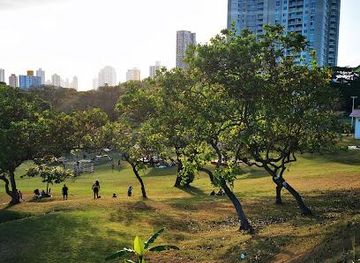
Parque Omar
Explore the enchanting Parque Omar in Panama City, a serene escape featuring lush greenery, diverse wildlife, and vibrant cultural art, perfect for relaxation and recreation.
-
Boat ramp
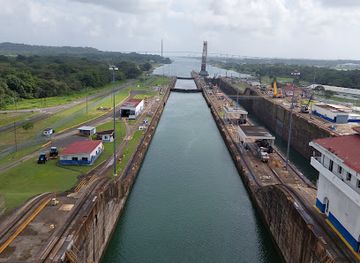
Miraflores Locks
Discover the engineering marvel of the Miraflores Locks, where ships navigate between oceans and history unfolds in the heart of Panama.
-
National park
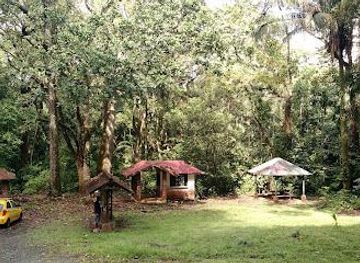
Parque Nacional Camino de Cruces
Explore the breathtaking beauty of Parque Nacional Camino de Cruces, a hidden gem in Panama City, rich in biodiversity and historical significance.
-
Canal
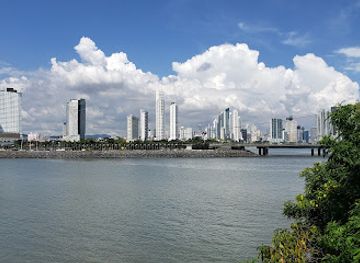
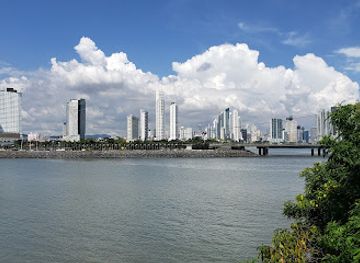
Panama Canal
Experience the breathtaking engineering marvel of the Panama Canal, a UNESCO World Heritage Site showcasing the ingenuity of mankind and nature's beauty.
Best landmarks in Western Panama
Volcán Barú is western Panama's defining natural landmark, rising above the Chiriquí Highlands and shaping the climate, agriculture and views around Boquete and Volcán. The highlands also contain the Barriles archaeological site, whose stone features and museum interpretation provide evidence of an ancient cultural tradition in the region. In Bocas del Toro, the chain of forested islands and low-lying Caribbean shores forms a distinctive geographic landmark, with Isla Bastimentos National Marine Park protecting an important part of that setting. The Pacific's most significant protected landscape is Coiba National Park, where Coiba Island's former penal-colony history stands alongside forests, reefs and marine habitats. Santa Catalina's long Pacific beach and surf break are prominent coastal features, while the Gulf of Chiriquí is marked by mangrove channels and scattered islands. La Amistad International Park, shared with Costa Rica, represents the region's high mountain wilderness and biological importance. These places are significant not merely for scenery but for the relationship between geology, Indigenous history, agriculture, conservation and maritime life.
-
Historical place
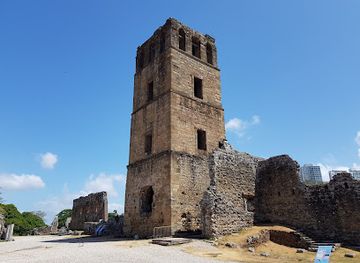
Panamá Viejo
Explore the historical ruins of Panamá Viejo, a UNESCO World Heritage Site, and uncover the rich tapestry of Panama's colonial history.
-
Boat ramp
Miraflores Locks
Explore the Miraflores Locks—an engineering marvel of the Panama Canal, where history and modernity converge to create a breathtaking spectacle.
-
National park
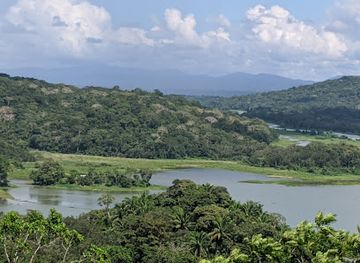
Parque Nacional Soberanía
Explore the lush rainforests and diverse wildlife of Parque Nacional Soberanía, a premier national park in Panama perfect for nature lovers and adventure seekers.
-
Tourist attraction
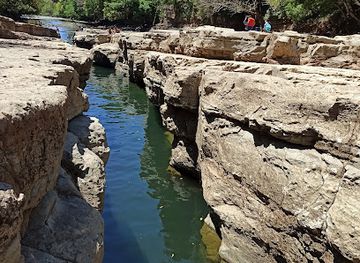
Los Cangilones de Gualaca
Experience the breathtaking beauty and adventure of Los Cangilones de Gualaca, a hidden gem in Panama with stunning turquoise waters and lush landscapes.
Explore Western Panama on the map
Plan your trip on one map. See where the top cities, national parks and sights are, and book hotels and experiences in a few clicks.
Best hotels in Western Panama
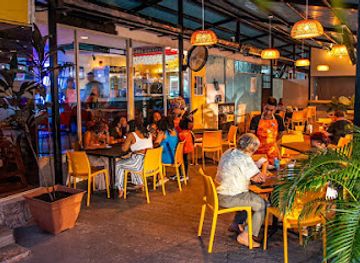
Best restaurants in Western Panama
Western Panama's food reflects its three contrasting environments. In Bocas del Toro, menus commonly draw on Caribbean traditions, with seafood, coconut, plantain, rice and spices appearing in home-style meals, cafés and waterfront restaurants. The Chiriquí Highlands are associated with coffee, dairy farming, vegetables and fruit grown in cooler conditions, and farm visits or local cafés provide opportunities to taste the region's celebrated arabica production. David has the broadest choice of Panamanian, Central American and international cooking, while Pacific towns such as Santa Catalina focus on fresh fish, shellfish, ceviche and straightforward meals suited to beach and boat excursions. Markets and small fondas offer an accessible introduction to dishes such as sancocho, tamales and fried plantain, although recipes vary across communities. In remote coastal and island areas, supplies and menus can be seasonal, so visitors should not expect the same range as in larger towns. Local seafood should be chosen from reputable businesses that follow responsible sourcing practices.
-
Grill
CasaCasco
Discover the ultimate blend of dining and nightlife at CasaCasco in Panama City - where great food meets vibrant atmosphere!
-
Caribbean
La Tapa Del Coco
Savor the rich flavors of Caribbean cuisine at La Tapa Del Coco in Panama City - an unforgettable dining experience awaits!
-
Central American
El Trapiche
Experience authentic Panamanian cuisine at El Trapiche – where vibrant flavors meet warm hospitality in Panama City.
-
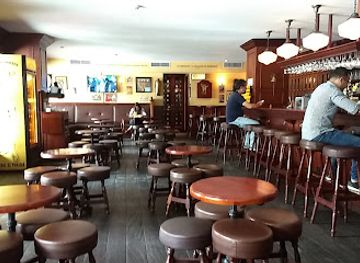
Brewpub
La Rana Dorada
Experience Panama's vibrant craft beer culture at La Rana Dorada, where local flavors meet an inviting atmosphere.

Best bars in Western Panama
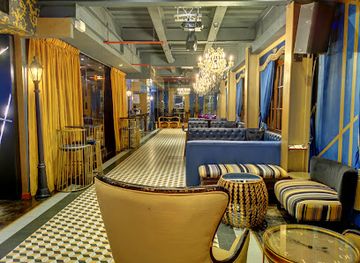
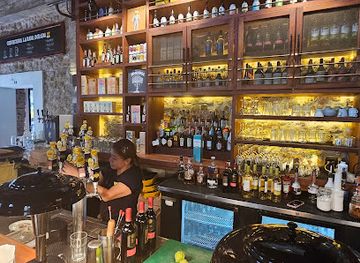
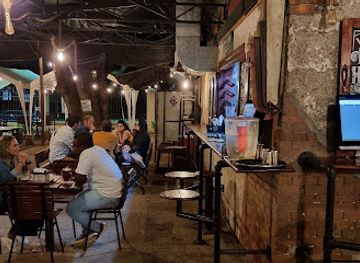
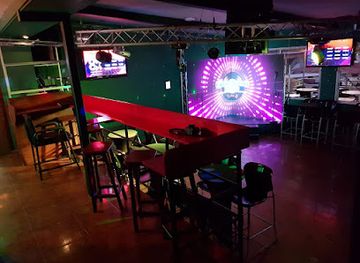
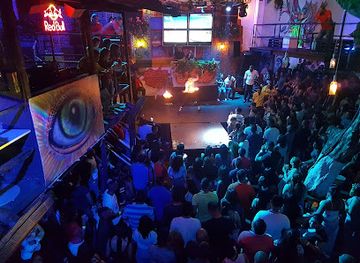
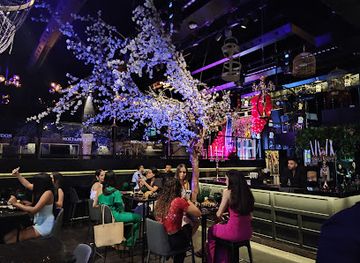
Nightlife in western Panama is concentrated in a few visitor centres rather than spread evenly across the region. Isla Colón in Bocas del Toro has the most recognisable evening scene, with casual bars, waterfront venues, restaurants and occasional dancing, while other islands are generally quieter and depend on small hotels or local establishments. Boquete offers relaxed pubs, cafés, restaurants and a modest live-music culture suited to cool evenings, and David has the widest choice of bars, social venues and late-night entertainment in Chiriquí. Santa Catalina's evenings tend to revolve around restaurants, beach bars and accommodation-based gatherings after surfing or boat trips, rather than a large club circuit. In rural Veraguas and the highland districts, traditional bars and community events are more significant than nightclubs. Check transport arrangements before drinking, especially on islands and along rural roads, and respect local communities where entertainment venues sit close to homes.
-
Grill
CasaCasco
Discover the perfect blend of fine dining and vibrant nightlife at CasaCasco, where exquisite grills meet dynamic cocktails in Panama City.
-
Brewpub
La Rana Dorada Casco
Experience the essence of Panama at La Rana Dorada Casco, a brewpub offering exquisite craft beers and delicious local dishes in a vibrant atmosphere.
-
Brewpub
La Fábrica
Discover La Fábrica Brewpub: Panama City's premier destination for craft beer and gourmet burgers in a lively atmosphere.
-
Karaoke bar
El Green Room
Discover the ultimate karaoke experience at El Green Room, Panama City’s lively hotspot for music lovers and fun seekers.
Best nightclubs in Western Panama
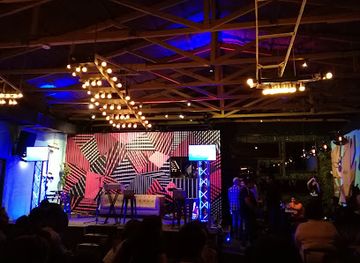
Nightlife in western Panama is concentrated in a few visitor centres rather than spread evenly across the region. Isla Colón in Bocas del Toro has the most recognisable evening scene, with casual bars, waterfront venues, restaurants and occasional dancing, while other islands are generally quieter and depend on small hotels or local establishments. Boquete offers relaxed pubs, cafés, restaurants and a modest live-music culture suited to cool evenings, and David has the widest choice of bars, social venues and late-night entertainment in Chiriquí. Santa Catalina's evenings tend to revolve around restaurants, beach bars and accommodation-based gatherings after surfing or boat trips, rather than a large club circuit. In rural Veraguas and the highland districts, traditional bars and community events are more significant than nightclubs. Check transport arrangements before drinking, especially on islands and along rural roads, and respect local communities where entertainment venues sit close to homes.
-
Disco club
Casa Jaguar
Discover the vibrant nightlife of Panama City at Casa Jaguar, a premier disco club and restaurant serving up unforgettable experiences and delicious cuisine.
-
Disco club
Chill out discotheque
Experience the vibrant nightlife of Panama City at Chill Out Discotheque, where music and dance unite in a lively ambiance.
-
Disco club
Moloko Plus
Discover the ultimate nightlife experience at Moloko Plus, Panama City's top disco club, where techno beats and vibrant social interactions await you.
-
Bar
La Tana
Dive into the vibrant nightlife of Panama City at La Tana, a bar and nightclub known for great music and an electrifying atmosphere.

Best shops in Western Panama
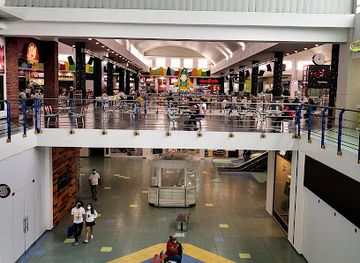
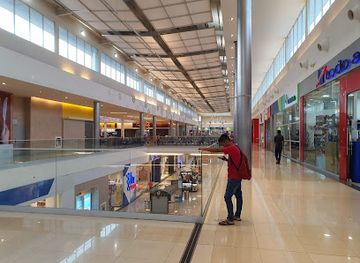
Shopping in western Panama is strongest in town centres and markets rather than in specialised retail districts. David has the region's broadest selection of supermarkets, department stores, practical goods and Panamanian food products, while Santiago serves as an important commercial centre for Veraguas. Boquete and Volcán offer coffee, locally produced foods, handicrafts, textiles, artwork and small independent shops aimed at both residents and visitors. In Bocas del Toro, Isla Colón has souvenir shops, galleries, beachwear and locally made crafts, with a smaller and more informal retail scene on other islands. Look for packaged Chiriquí coffee, tropical preserves, cacao products and regionally made crafts, but buy directly from reputable makers where possible. Indigenous artwork should be purchased respectfully and with attention to fair compensation; avoid items made from protected wildlife or plants. Farmers' markets and town markets are useful for fruit, vegetables, baked goods and everyday contact with local food culture, though opening days and stall selection can vary.
-
Shopping mall
Albrook Mall
Discover the best shopping, dining, and entertainment at Albrook Mall, Panama's largest shopping destination, perfect for every traveler.
-
Shopping mall
Multiplaza Panamá
Discover a shopping paradise with luxury brands, diverse dining, and entertainment options at Multiplaza Panamá, the heart of Panama City.
-
Shopping mall
Metromall Panamá
Explore Metromall Panamá: Your Ultimate Shopping and Dining Experience in Panama City.
-
Shopping mall
AltaPlaza Mall
Discover luxury shopping and a variety of dining experiences at AltaPlaza Mall in Panama City, a vibrant destination for all travelers.

Get your free copy of our complete guide to Western Panama, delivered straight to you.
Everything on this page, from attractions and restaurants to essentials and local phrases, in one PDF you can read offline, print or share.
Already have an account? Sign in
Your Western Panama guide is ready.
We'll send it to · Not you? Sign out

Getting your guide ready…
We are putting together a fresh copy of the Western Panama guide. This can take up to a minute.
This can take a few moments. If your browser asks, choose Allow so the download can start. You'll find the guide in your Downloads folder.
Nothing happened? Download it again
Sorry, the guide is taking longer than usual. Please try again in a minute, or get it by email instead.
Western Panama essentials
Currency and Payment
Safety
Emergency Situations
Do's and Don'ts
Local Tips
From Eve
Local phrases worth knowing
You don't need to get them perfect. A few words go a long way, and locals appreciate the effort.
Basics
| English | Local | Say it |
|---|---|---|
| Hello | Hola | [OH-lah] |
| Goodbye | Adiós | [ah-DYOS] |
| Yes | Sí | [SEE] |
| No | No | [NO] |
| Please/You’re welcome | Por favor/De nada | [por fah-VOR/deh NAH-dah] |
| Thank you | Gracias | [GRAH-syahs] |
| Excuse me/Sorry | Perdón | [pehr-DON] |
| How are you? | ¿Cómo estás? | [KOH-moh es-TAS] |
| Fine. And you? | Bien. ¿Y tú? | [BYEN. ee TOO] |
| Do you speak English? | ¿Hablas inglés? | [AH-blas een-GLES] |
| I don't understand | No entiendo | [NO en-TYEN-doh] |
Eating & Drinking
| English | Local | Say it |
|---|---|---|
| I’d like to see the menu, please | Me gustaría ver el menú, por favor | [meh goos-tah-REE-ah BEHR el meh-NOO, por fah-VOR] |
| I don’t eat meat | No como carne | [NO KOH-moh KAR-neh] |
| Cheers! | ¡Salud! | [sah-LOOD] |
| I would like to pay, please | Me gustaría pagar, por favor | [meh goos-tah-REE-ah pah-GAR, por fah-VOR] |
Emergencies
| English | Local | Say it |
|---|---|---|
| Help! | ¡Ayuda! | [ah-YOO-dah] |
| Go away! | ¡Vete! | [VEH-teh] |
| Call the Police! | ¡Llama a la policía! | [YAH-mah ah lah poh-lee-SEE-ah] |
| Call a doctor! | ¡Llama a un doctor! | [YAH-mah ah oon dok-TOR] |
| I’m lost | Estoy perdido | [es-TOY pehr-DEE-doh] |
| I’m ill | Estoy enfermo | [es-TOY en-FER-mo] |
Shopping
| English | Local | Say it |
|---|---|---|
| I’d like to buy... | Me gustaría comprar... | [meh goos-tah-REE-ah kom-PRAHR] |
| I’m just looking | Sólo estoy mirando | [SOH-lo es-TOY mee-RAN-doh] |
| How much is it? | ¿Cuánto cuesta? | [KWAN-to KWEH-stah] |
| That’s too expensive | Eso es muy caro | [EH-so es MOOY KAH-ro] |
| Can you lower the price? | ¿Puedes bajar el precio? | [PWEH-des bah-HAR el PREH-syo] |
Time & Numbers
| English | Local | Say it |
|---|---|---|
| What time is it? | ¿Qué hora es? | [KEH OH-rah es] |
| It’s one o’clock | Es la una | [es lah OO-nah] |
| Half past (10) | Y media (10) | [ee MEH-dyah (10)] |
| Morning | Mañana | [mah-NYAH-nah] |
| Afternoon | Tarde | [TAR-deh] |
| Evening | Noche | [NOH-cheh] |
| Yesterday | Ayer | [ah-YER] |
| Today | Hoy | [OY] |
| Tomorrow | Mañana | [mah-NYAH-nah] |
| 1 | Uno | [OO-no] |
| 2 | Dos | [DOS] |
| 3 | Tres | [TRES] |
| 4 | Cuatro | [KWAH-tro] |
| 5 | Cinco | [SEEN-ko] |
| 6 | Seis | [SAYS] |
| 7 | Siete | [SYEH-teh] |
| 8 | Ocho | [OH-cho] |
| 9 | Nueve | [NWEH-veh] |
| 10 | Diez | [DYEZ] |
Transport & Directions
| English | Local | Say it |
|---|---|---|
| Where's a/the...? | ¿Dónde hay un/una...? | [DON-deh ai oon/OO-nah] |
| What’s the address? | ¿Cuál es la dirección? | [KWAL es lah dee-rek-SYON] |
| Can you show me (on the map)? | ¿Puedes mostrarme (en el mapa)? | [PWEH-des mos-TRAR-me (en el MAH-pah)] |
| When’s the next (bus)? | ¿Cuándo es el próximo (bus)? | [KWAN-do es el PROK-si-mo (boos)] |
| A ticket (to ....) | Un boleto (a ....) | [OON bo-LEH-to (ah ....)] |
History of Western Panama
Pre-Columbian Cultures of the Western Isthmus
Long before Spanish colonisation, western Panama was inhabited by societies that farmed, traded and crafted distinctive ceramics and goldwork. The Barriles archaeological site near Volcán in Chiriquí is associated with an important highland cultural tradition, while wider western Panamanian archaeology shows connections between the Pacific lowlands, mountain valleys and Caribbean coast. These communities were not a single unified civilisation, and later Indigenous peoples, including the Ngäbe and Buglé, have their own histories and identities. Archaeological remains are a reminder that the isthmus was a zone of exchange rather than an empty corridor before European arrival.
Spanish Settlement and the Colonial Interior
Spanish expansion into western Panama proceeded through a network of settlements, ranches, missions and transport routes rather than one concentrated colonial city. Santiago de Veraguas became an important administrative and agricultural centre in the interior, while the Chiriquí region developed around dispersed cattle estates and farming communities. San José de David, established in the early seventeenth century, later became the principal urban centre of Chiriquí. Colonial influence is visible in the region's place names, Catholic traditions and historic town layouts, although much of western Panama remained rural and relatively distant from the principal commercial routes around Panama City and the Caribbean ports.
Indigenous Land and the Ngäbe-Buglé Comarca
The mountain and lowland territories of western Panama have long been home to Ngäbe and Buglé communities. Pressures from agricultural expansion, roads, mining proposals and other forms of development shaped modern debates over land, resources and political representation. The Ngäbe-Buglé Comarca was created in 1997 as an autonomous Indigenous territory, although its communities and cultural geography extend beyond a simple administrative boundary. Visitors should understand that community access, photography and participation in local activities may require permission and should be approached through respectful, locally informed arrangements.
Banana Agriculture and Caribbean Migration
From the late nineteenth and early twentieth centuries, banana cultivation transformed parts of Bocas del Toro and the Caribbean mainland. Commercial plantations, ports and railway links attracted workers from the Caribbean, creating communities whose languages, music, food and religious traditions contributed strongly to the province's identity. The industry also brought difficult labour conditions and environmental change, and its influence extended well beyond export agriculture. Contemporary Bocas del Toro is shaped by this layered history, in which Afro-Caribbean heritage, Indigenous communities, mainland migration and international tourism coexist across islands and mainland settlements.
The Pacific Frontier and Agricultural Expansion
During the twentieth century, roads and improvements in transport encouraged the expansion of cattle ranching, rice, sugar, coffee and other agriculture across Chiriquí and Veraguas. David grew into a regional commercial centre, while the Chiriquí Highlands became increasingly recognised for coffee production and temperate farming conditions. These changes connected formerly isolated valleys and coastal areas to national markets, but they also placed pressure on forests, watersheds and Indigenous lands. The modern road network and agricultural economy remain central to understanding why the region's towns, farms and conservation areas are distributed as they are today.
Coiba: Penal Colony to Protected Marine Landscape
Coiba Island served as a penal colony for much of the twentieth century, a history that limited access and left large areas of forest and coast relatively undisturbed. After the prison closed in 2004, conservation became central to the island's international importance. Coiba National Park, established in 1991 and later recognised by UNESCO as a World Heritage Site, protects terrestrial habitats and a wide marine area in the Gulf of Chiriquí. Its significance lies both in its biodiversity and in the unusual historical circumstances that helped preserve it.
Conservation and Contemporary Tourism
Late twentieth- and early twenty-first-century western Panama saw growing attention to protected areas, sustainable tourism and scientific research. La Amistad International Park, shared with Costa Rica, protects highland ecosystems around the Talamanca range, while marine parks in Bocas del Toro and the Gulf of Chiriquí conserve coral reefs, mangroves and island habitats. Coffee tourism, surfing, diving, birdwatching and guided rainforest travel have expanded alongside these initiatives. Tourism is now an important source of income, but responsible operators and careful visitor behaviour remain essential in places where ecosystems and local communities face development pressure.
Western Panama in Photos
Browse through our photo collection highlighting the charm and character of the destination.
Neighbouring regions of Western Panama
The closest regions to Western Panama, if you have time for more than one.
-

-

-

-

-


Swipe for more regions
Explore more

Explore more of Panama
Discover Panama: A vibrant blend of modernity and nature, where historic charm, tropical rainforests, and pristine beaches come together in the heart of Central America.
Explore Panama