

Free Veraguas Travel Guide & Mobile App
Explore Veraguas with free travel guides. Discover regional history, expert tips, proposed trips, and audio guides on web or mobile app.


Explore Veraguas in Panama for Coiba's marine wildlife, Santa Catalina surf, forested highlands, island communities and Pacific coastal culture.
Read more about Veraguas
When is the best time to visit Veraguas?
Best: January–March · 31–32°C| Month | High (°C) | Rainfall (mm) |
|---|---|---|
| January (best) | 31 | 25 |
| February (best) | 31 | 20 |
| March (best) | 32 | 30 |
| April | 32 | 60 |
| May | 32 | 140 |
| June | 32 | 200 |
| July | 32 | 180 |
| August | 32 | 210 |
| September | 32 | 220 |
| October | 31 | 270 |
| November | 31 | 230 |
| December | 31 | 90 |
Getting to and around Veraguas
How to get there
Transportation
Top city travel guides in Veraguas
The cities of Veraguas, and the easiest places to base yourself.
-

-


Swipe for more cities
Best attractions in Veraguas
Veraguas offers an unusually broad range of attractions for one Panamanian province. Coiba National Park is the headline experience, combining rainforest, beaches, coral and rocky reefs, mangroves and waters where divers and snorkellers may encounter turtles, rays, dolphins and abundant fish. Access is by boat, commonly from the Santa Catalina area, and conditions vary with weather. Santa Catalina itself is known for powerful Pacific surf, while nearby coastal viewpoints and boat trips provide a gentler way to experience the shoreline. Inland, Santa Fe brings forested hills, waterfalls, swimming holes and rural walking routes, with a cooler climate than the lowlands. The La Yeguada area has a lake, wooded landscapes and a distinctive highland setting, though facilities are more limited than in established tourist centres. The Gulf of Montijo and islands such as Cébaco offer mangroves, estuaries, birdlife and fishing culture, best explored with local arrangements. Santiago and Atalaya contribute churches, civic history and religious traditions, while markets and working towns reveal everyday provincial life. The attraction landscape is therefore defined less by a dense chain of monuments than by the combination of protected nature, maritime travel, highland scenery and communities connected by long roads.
-
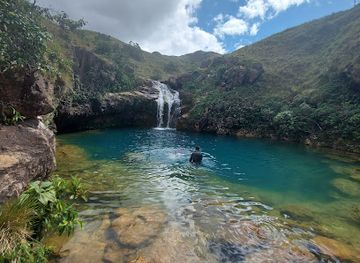
Swimming lake
La Silampa
Discover La Silampa, the captivating swimming lake in Veraguas Province, perfect for adventure seekers and nature lovers alike.
-
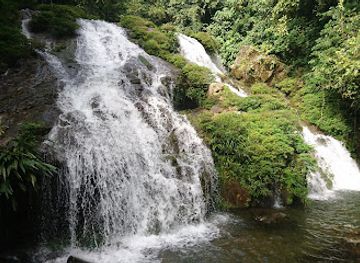
National park
Parque Nacional Santa Fe
Explore the enchanting beauty and biodiversity of Parque Nacional Santa Fe, a premier national park in Panama offering adventure and tranquility.
-
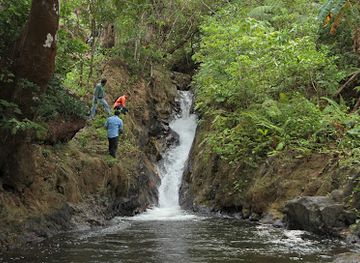
Tourist attraction
Chitra, Calobre
Explore the natural beauty and cultural richness of Chitra, a captivating tourist attraction in Veraguas Province, Panama.
-
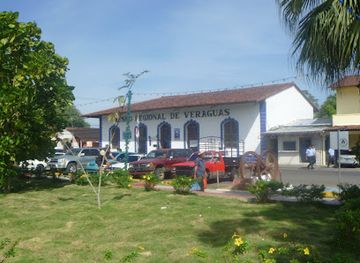
Museum
Museo Regional de Veraguas
Explore the Museo Regional de Veraguas and uncover the rich history and culture of Veraguas Province in Panama.
Best landmarks in Veraguas
The most recognisable landmark in Veraguas is Coiba Island, whose forested bulk and isolated beaches are inseparable from the history of the former penal colony and the protected waters of Coiba National Park. Its significance is both historical and ecological, rather than architectural. In Santiago, the Cathedral of Santiago Apóstol and the city's historic religious presence provide a focus for the provincial capital, while Atalaya's church and the sanctuary tradition associated with the Cristo Nazareno make the town an important pilgrimage destination. The Pacific coast around Santa Catalina is marked less by built monuments than by headlands, surf breaks and the island-studded horizon towards the Gulf of Chiriquí. Inland, the lake and forested setting of La Yeguada form a notable landscape landmark, contrasting with Santa Fe's mountainous terrain and waterfalls. The Gulf of Montijo, with its mangrove waterways and low islands, is another defining geographical feature. These landmarks show why Veraguas cannot be reduced to a single historic town: its identity is expressed through a combination of sacred places, penal history, protected sea, working coastline and interior landscapes.
-
Catholic church
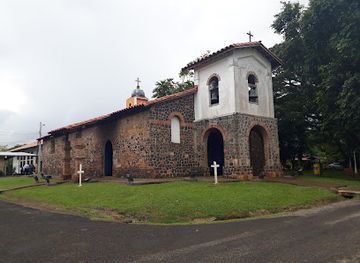
Church of San Francisco de la Montaña
Explore the Church of San Francisco de la Montaña, a serene Catholic church in Veraguas Province offering spiritual tranquility and stunning architecture.
-
Swimming lake
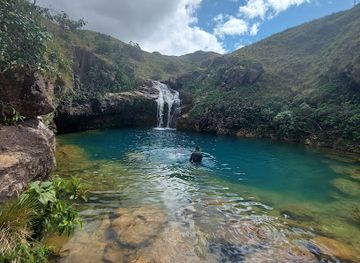
La Silampa
Discover La Silampa, a serene swimming lake in Veraguas Province, Panama, perfect for a refreshing dip and peaceful relaxation amidst nature's beauty.
-
Tourist attraction
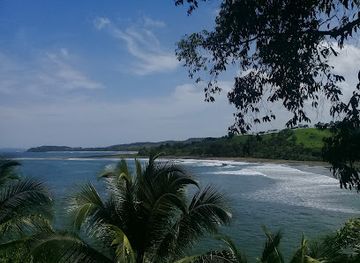
Playa Morrillo
Experience the serene beauty of Playa Morrillo, a hidden beach paradise in Panama offering relaxation, adventure, and stunning sunsets.
-
Tourist attraction
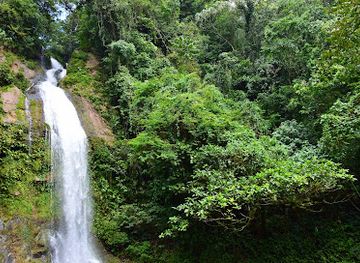
Alto de Piedra Waterfalls
Discover the breathtaking Alto de Piedra Waterfalls in Veraguas, a hidden paradise offering stunning views and serene hiking trails amidst lush nature.
Explore Veraguas on the map
Plan your trip on one map. See where the top cities, national parks and sights are, and book hotels and experiences in a few clicks.
Best hotels in Veraguas
Best restaurants in Veraguas
Veraguan dining draws on the contrast between Pacific coast and agricultural interior. In Santiago and the larger towns, visitors find everyday Panamanian cooking built around rice, beans, plantains, chicken, beef and corn, alongside seafood brought from coastal communities. Fish, shrimp and lobster may feature in coastal restaurants when available, while simpler eateries and roadside stops serve hearty soups, fried plantains, grilled meats and local breakfast plates. Santa Catalina has the broadest concentration of small restaurants aimed at surfers, divers and international travellers, but its food scene remains informal and seasonal rather than metropolitan. Around rural towns, look for fresh fruit, handmade corn products and produce from local farms; offerings change according to harvest and supply. Markets are useful for understanding the province's food economy, though prepared-food facilities vary. Panama's coffee culture is more strongly associated with the highlands farther west, yet Veraguas's upland districts also provide cooler settings for cafés and farm-based produce. Seafood should be ordered with awareness of seasonal availability, and island dining often requires advance planning rather than spontaneous restaurant-hopping.
-
Restaurant
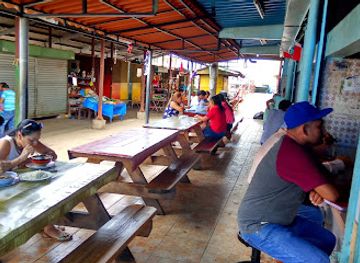
Comedor Popular #1 ( EL MOSQUERO )
Experience authentic Panamanian flavors at Comedor Popular #1 (EL MOSQUERO), where every dish tells a story from Veraguas Province.
-
Restaurant
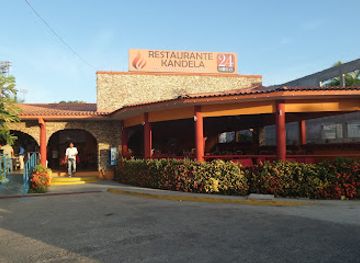
Restaurante Kandela
Experience authentic Panamanian flavors at Restaurante Kandela in Santiago - where local ingredients meet culinary tradition.
-
Restaurant
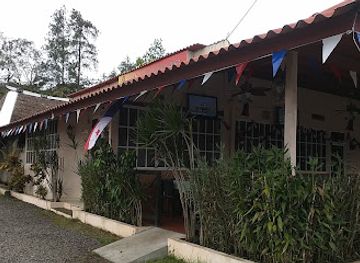
Terrazas Bar & Restaurant
Discover authentic Panamanian flavors at Terrazas Bar & Restaurant in Santiago—where every meal tells a story.
-
Restaurant
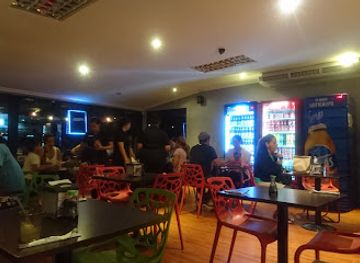
Annisa Restaurant
Experience the best of Panamanian cuisine at Annisa Restaurant in Santiago – where local flavors meet exceptional dining.
Best bars in Veraguas
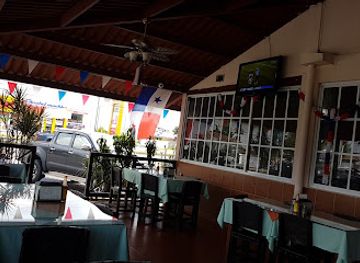
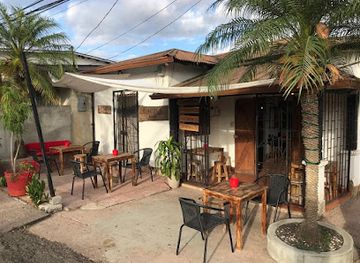
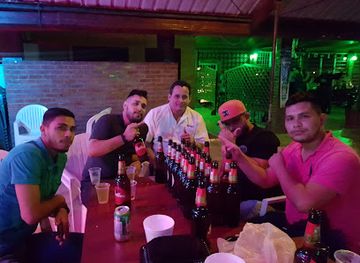
Evening life in Veraguas is generally low-key and local rather than centred on large clubs. Santiago has the province's widest selection of bars, casual restaurants and places for music, while smaller towns revolve around neighbourhood establishments and social gatherings. In Santa Catalina, evenings typically follow the rhythms of surf, diving and boat trips, with informal bars and restaurants where visitors and residents meet; activity can vary considerably by season. Rural communities and highland settlements are more likely to offer traditional bars, fondas and occasional live music than a dedicated nightlife district. Visitors should not expect Panama City's late-night scale, and transport back from coastal or rural venues can be limited. The most rewarding approach is to choose accommodation within walking distance of evening venues, ask locally about current arrangements and respect the quieter character of villages. Beer, rum-based drinks and non-alcoholic refreshments are widely available, but nightlife is not necessary to appreciate Veraguas's evening culture, which also includes open-air meals, conversation and the sounds of working towns after sunset.
-
Restaurant
Terrazas Bar & Restaurant
Discover the vibrant flavors of Terrazas Bar & Restaurant in Santiago, a culinary delight featuring local dishes and stunning views.
-
Restaurant
Le Cactus
Discover authentic Panamanian cuisine with a modern twist at Le Cactus in Santiago, Veraguas Province, where every dish tells a story.
-
Grill
Éxodo's Bar y Restaurante
Discover authentic local cuisine at Éxodo's Bar y Restaurante, where every dish is a celebration of Veraguas' rich culinary heritage.
-
 Lodge
LodgeTiki Lodge Bar & Restaurant
Experience the vibrant flavors of Panama at Tiki Lodge Bar & Restaurant, where tropical vibes meet delicious dining in Santa Catalina.
Best nightclubs in Veraguas
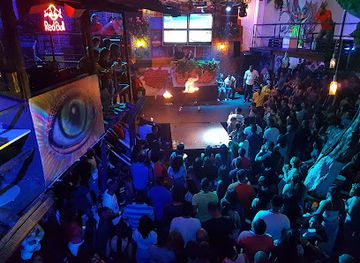
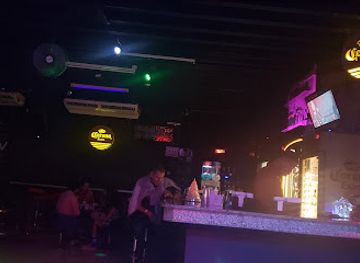
Evening life in Veraguas is generally low-key and local rather than centred on large clubs. Santiago has the province's widest selection of bars, casual restaurants and places for music, while smaller towns revolve around neighbourhood establishments and social gatherings. In Santa Catalina, evenings typically follow the rhythms of surf, diving and boat trips, with informal bars and restaurants where visitors and residents meet; activity can vary considerably by season. Rural communities and highland settlements are more likely to offer traditional bars, fondas and occasional live music than a dedicated nightlife district. Visitors should not expect Panama City's late-night scale, and transport back from coastal or rural venues can be limited. The most rewarding approach is to choose accommodation within walking distance of evening venues, ask locally about current arrangements and respect the quieter character of villages. Beer, rum-based drinks and non-alcoholic refreshments are widely available, but nightlife is not necessary to appreciate Veraguas's evening culture, which also includes open-air meals, conversation and the sounds of working towns after sunset.
-
Disco club
Chill out discotheque
Experience the vibrant nightlife of Panama City at Chill Out Discotheque, where music, dancing, and stunning views come together for an unforgettable night.
-
Disco club
DISCOTECA LIVE PENONOME
Dive into the electrifying nightlife of Penonome at Discoteca Live, where music and dance create unforgettable memories.
-
Bar
Play Sport Bar
Experience the thrill of live sports at Play Sport Bar in Santiago, where excitement and great company meet delicious drinks and local flavors.
-
Night club
La Mayor Night Club
Discover the heart of Panama City's nightlife at La Mayor Night Club, where music, dance, and unforgettable memories await.

Best shops in Veraguas
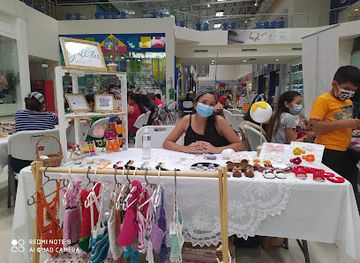
Santiago is Veraguas's principal shopping centre, with supermarkets, practical retail, pharmacies, market stalls and services for the wider province. Its markets are more useful for fresh produce, household goods and everyday Panamanian food than for a specialised souvenir scene. In small towns such as Santa Fe, Atalaya and Soná, independent shops and roadside stalls may offer fruit, sweets, snacks and locally made food products, while availability changes with the season. Santa Catalina has a modest visitor-oriented selection of surfwear, beach equipment, crafts and practical travel supplies, but it is not a major retail destination. Shoppers interested in regional character should look for handmade woven goods, carved items, pottery, simple jewellery and packaged agricultural products, checking quality and provenance rather than assuming every craft is locally made. Fresh produce from inland farms and coastal food products can be interesting purchases when transport and customs rules allow. Carry reusable bags, keep cash for small vendors and avoid buying coral, shells, archaeological objects or products made from protected wildlife.
-
Shopping mall
Santiago Mall
Explore Santiago Mall, the ultimate shopping and entertainment destination in Veraguas Province, Panama, where local culture meets modern convenience.
-
Store
NINA Concept Store
Explore the vibrant NINA Concept Store in Panama City for unique gifts and trendy fashion that captures the spirit of local artistry and craftsmanship.
-
Shopping mall
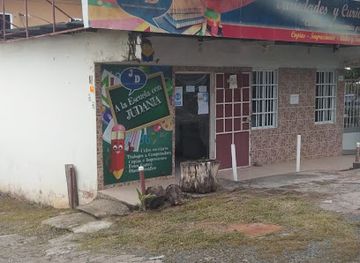
VARIEDADES Y CURIOSIDADES JUDANIA
Explore Variedades y Curiosidades Judania in Santiago for a delightful shopping experience filled with local culture and unique finds.
-
Clothing store
Carol's Boutique
Explore the fashion-forward offerings at Carol's Boutique, where local craftsmanship meets contemporary style in Santiago, Panama.

Get your free copy of our complete guide to Veraguas, delivered straight to you.
Everything on this page, from attractions and restaurants to essentials and local phrases, in one PDF you can read offline, print or share.
Already have an account? Sign in
Your Veraguas guide is ready.
We'll send it to · Not you? Sign out

Getting your guide ready…
We are putting together a fresh copy of the Veraguas guide. This can take up to a minute.
This can take a few moments. If your browser asks, choose Allow so the download can start. You'll find the guide in your Downloads folder.
Nothing happened? Download it again
Sorry, the guide is taking longer than usual. Please try again in a minute, or get it by email instead.
Veraguas essentials
Currency and Payment
Safety
Emergency Situations
Do's and Don'ts
Local Tips
From Eve
Local phrases worth knowing
You don't need to get them perfect. A few words go a long way, and locals appreciate the effort.
Basics
| English | Local | Say it |
|---|---|---|
| Hello | Hola | [Ola] |
| Goodbye | Adiós | [Adios] |
| Yes | Sí | [Si] |
| No | No | [No] |
| Please/You're welcome | Por favor/De nada | [Por favor/De nada] |
| Thank you | Gracias | [Grasias] |
| Excuse me/Sorry | Disculpe/Lo siento | [Disculpe/Lo siento] |
| How are you? | ¿Cómo estás? | [Como estas] |
| Fine. And you? | Bien. ¿Y tú? | [Bien. I tu] |
| Do you speak English? | ¿Hablas inglés? | [Hablas ingles] |
| I don't understand | No entiendo | [No entiendo] |
Eating & Drinking
| English | Local | Say it |
|---|---|---|
| I'd like to see the menu, please | Me gustaría ver el menú, por favor | [Me gustaria ver el menu, por favor] |
| I don't eat meat | No como carne | [No como carne] |
| Cheers! | ¡Salud! | [Salud] |
| I would like to pay, please | Me gustaría pagar, por favor | [Me gustaria pagar, por favor] |
Emergencies
| English | Local | Say it |
|---|---|---|
| Help! | ¡Ayuda! | [Ayuda] |
| Go away! | ¡Vete! | [Vete] |
| Call the Police! | ¡Llama a la policía! | [Llama a la policia] |
| Call a doctor! | ¡Llama a un doctor! | [Llama a un doctor] |
| I'm lost | Estoy perdido | [Estoy perdido] |
| I'm ill | Estoy enfermo | [Estoy enfermo] |
Shopping
| English | Local | Say it |
|---|---|---|
| I'd like to buy... | Me gustaría comprar... | [Me gustaria comprar] |
| I'm just looking | Solo estoy mirando | [Solo estoy mirando] |
| How much is it? | ¿Cuánto cuesta? | [Cuanto cuesta] |
| That's too expensive | Eso es muy caro | [Eso es muy caro] |
| Can you lower the price? | ¿Puedes bajar el precio? | [Puedes bajar el precio] |
Time & Numbers
| English | Local | Say it |
|---|---|---|
| What time is it? | ¿Qué hora es? | [Que hora es] |
| It's one o'clock | Es la una | [Es la una] |
| Half past (10) | Y media (10) | [Y media] |
| Morning | Mañana | [Mañana] |
| Afternoon | Tarde | [Tarde] |
| Evening | Noche | [Noche] |
| Yesterday | Ayer | [Ayer] |
| Today | Hoy | [Hoy] |
| Tomorrow | Mañana | [Mañana] |
| 1 | Uno | [Uno] |
| 2 | Dos | [Dos] |
| 3 | Tres | [Tres] |
| 4 | Cuatro | [Cuatro] |
| 5 | Cinco | [Cinco] |
| 6 | Seis | [Seis] |
| 7 | Siete | [Siete] |
| 8 | Ocho | [Ocho] |
| 9 | Nueve | [Nueve] |
| 10 | Diez | [Diez] |
Transport & Directions
| English | Local | Say it |
|---|---|---|
| Where's a/the...? | ¿Dónde está un/una...? | [Donde esta un/una] |
| What's the address? | ¿Cuál es la dirección? | [Cual es la direccion] |
| Can you show me (on the map)? | ¿Puedes mostrarme (en el mapa)? | [Puedes mostrarme en el mapa] |
| When's the next (bus)? | ¿Cuándo es el próximo (bus)? | [Cuando es el proximo bus] |
| A ticket (to ....) | Un boleto (a ....) | [Un boleto a] |
History of Veraguas
Pre-Columbian Veraguas and Gran Coclé
Long before Spanish settlement, communities in central Panama cultivated crops, traded across the isthmus and produced distinctive ceramics and goldwork. Veraguas lies within the wider cultural zone often associated with Gran Coclé, although pre-Columbian peoples were not organised as a single modern-style nation. Archaeological evidence from the central provinces shows connections between inland settlements, river routes and the Pacific coast. The surviving material record provides important context for the region's later reputation as a place of mineral wealth and strategic movement.
Spanish Conquest and Early Colonial Settlement
Spanish incursions into central Panama during the sixteenth century disrupted existing communities through warfare, disease and forced labour. Colonial settlement developed around routes linking the interior with Pacific ports and the larger isthmian economy. Santiago de Veraguas, founded in the early seventeenth century, became the principal Spanish settlement and later the administrative centre of the province. Churches, town plans and rural landholding patterns preserve traces of this period, although the colonial record also reflects the displacement and exploitation of Indigenous populations.
Mining, Agriculture and Pacific Trade
Colonial and later republican Veraguas depended heavily on agriculture, livestock and connections between inland communities and Pacific waterways. Gold and other mineral prospects attracted attention at different times, but farming remained the durable economic foundation. Cattle, maize, rice and later commercial crops shaped the landscape around Santiago and the central valleys. Coastal estuaries and islands supported fishing and small-scale trade, creating an enduring relationship between interior producers, river crossings and maritime communities.
Veraguas in the Formation of Panama
During the nineteenth century, Veraguas participated in the political changes that accompanied Panama's separation from Spain and its later relationship with Colombia. Santiago remained an important provincial centre, while rural districts developed through local agriculture rather than the international canal economy that transformed the central isthmus. In the early twentieth century, the new Republic of Panama retained Veraguas as one of its main provinces, with its interior and coastal districts continuing to evolve at different speeds.
Roads, Towns and Rural Modernisation
Improved roads and public services in the twentieth century connected Santiago more closely with Panama City and other provincial towns. This encouraged the growth of markets, schools, health facilities and commercial agriculture, while also changing patterns of rural migration. Transport links made the Pacific coast more accessible, but many communities remained dependent on local roads and boats. The contrast between Santiago's services, highland settlements and remote islands remains one of the defining human geographies of modern Veraguas.
Coiba Prison and the Island's Transformation
Coiba Island served as a penal colony for much of the twentieth century, with the prison eventually closing in 2004. Its isolation limited large-scale development and helped preserve extensive rainforest, beaches and surrounding marine habitats, though the prison history also involved hardship and coercion. The island's subsequent incorporation into a protected national park changed its public identity from penal outpost to conservation landscape. Coiba National Park was inscribed as a UNESCO World Heritage Site in 2005.
Conservation and Coastal Tourism
In recent decades, marine conservation and small-scale tourism have become increasingly important to Veraguas. Coiba National Park attracts divers, researchers and wildlife visitors, while Santa Catalina has developed an international profile for surfing and access to the park. Gulf of Montijo wetlands and other coastal areas remain important for mangroves, fisheries and birdlife. The region's current challenge is balancing visitor access, local livelihoods, road development and protection of ecosystems that are more fragile than their remote appearance suggests.
Veraguas in Photos
Browse through our photo collection highlighting the charm and character of the destination.
Neighbouring regions of Veraguas
The closest regions to Veraguas, if you have time for more than one.
-

-

-

-

-


Swipe for more regions
Explore more

Explore more of Panama
Discover Panama: A vibrant blend of modernity and nature, where historic charm, tropical rainforests, and pristine beaches come together in the heart of Central America.
Explore Panama