

Free Ngäbe-Buglé Comarca Travel Guide & Mobile App
Explore Ngäbe-Buglé Comarca with free travel guides. Discover regional history, expert tips, proposed trips, and audio guides on web or mobile app.


Explore Panama’s Ngäbe-Buglé Comarca through mountain landscapes, Indigenous culture, community-guided journeys and remote rural traditions.
Read more about Ngäbe-Buglé Comarca
When is the best time to visit Ngäbe-Buglé Comarca?
Best: January–March · 29°C| Month | High (°C) | Rainfall (mm) |
|---|---|---|
| January (best) | 29 | 60 |
| February (best) | 29 | 55 |
| March (best) | 29 | 65 |
| April | 30 | 85 |
| May | 30 | 125 |
| June | 30 | 175 |
| July | 30 | 165 |
| August | 30 | 155 |
| September | 29 | 145 |
| October | 29 | 135 |
| November | 29 | 115 |
| December | 29 | 85 |
Getting to and around Ngäbe-Buglé Comarca
How to get there
Transportation
Top city travel guides in Ngäbe-Buglé Comarca
The cities of Ngäbe-Buglé Comarca, and the easiest places to base yourself.
-

-


Swipe for more cities
Best attractions in Ngäbe-Buglé Comarca
The Ngäbe-Buglé Comarca offers a different kind of attraction landscape from Panama’s established resort and city destinations. Its principal draw is the combination of steep mountain scenery, forested watersheds, rural agriculture and living Indigenous culture. Community-guided walks can introduce visitors to local farming, plant knowledge, craft traditions and the practical realities of travel through the highlands, while homestays provide a more responsible alternative to brief, unplanned visits. The territory’s rivers and ridges also create opportunities for hiking, birdwatching and landscape photography, although trails, guides and accommodation are not consistently available. Visitors interested in high-altitude environments may explore approaches towards Cerro Fábrega, one of Panama’s highest mountain areas, but such journeys require specialist planning and should not be treated as casual excursions. The Tabasará watershed has historical and political significance because of the Barro Blanco hydroelectric conflict; it is better understood through informed local explanation than as a conventional sightseeing stop. There are few formal museums or purpose-built attractions inside the comarca, so the most rewarding experiences depend on prior arrangements, patience and respect for community decisions.
-
Tourist attraction
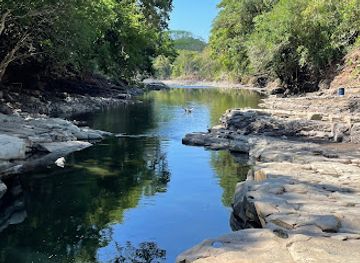
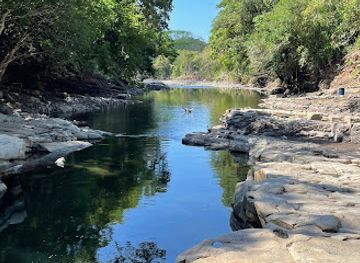
Los Cangilones de Gualaca
Explore the breathtaking beauty of Los Cangilones de Gualaca, a natural paradise with stunning rock formations and crystal-clear waters in Panama.
-
Tourist attraction
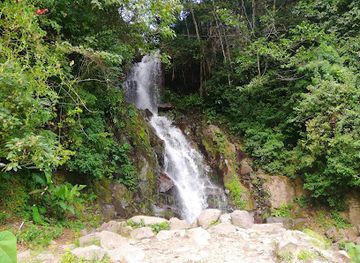
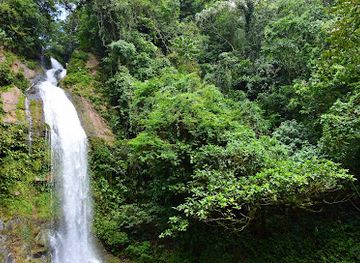
San Ramón Waterfall
Experience the breathtaking beauty of San Ramón Waterfall in Boquete, Panama, where serene nature and stunning landscapes await every visitor.
-
Botanical garden
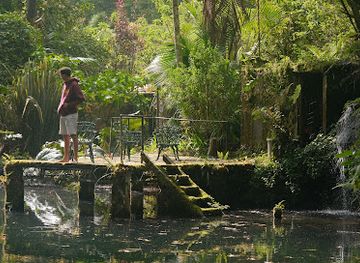
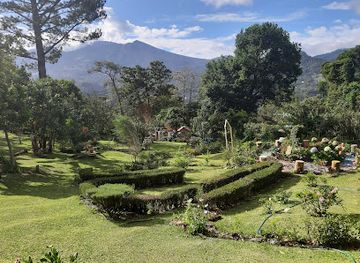
Finca Dracula
Experience the breathtaking beauty of Finca Dracula, a botanical garden in Cerro Punta featuring a stunning collection of orchids and diverse flora.
-
Hiking area
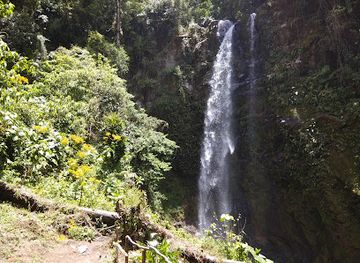
The Lost Waterfalls / Las Tres Cascadas
Explore the breathtaking beauty of The Lost Waterfalls in Chiriquí Province, Panama, where nature's splendor and adventure await.
Best landmarks in Ngäbe-Buglé Comarca
The most significant landmarks of the Ngäbe-Buglé Comarca are largely geographical and cultural rather than monumental. Cerro Fábrega, rising on the high mountain divide near the Bocas del Toro side of the territory, represents the remote upland character of western Panama and requires serious preparation to approach. The Tabasará River is both a major natural feature and a place of national political significance because the Barro Blanco hydroelectric project made its waters, surrounding communities and cultural sites central to debates about development and Indigenous rights. Beyond these named features, long ridgelines, cloud-forest slopes and river valleys define the territory’s visual identity, while dispersed settlements and agricultural landscapes show how communities use difficult terrain. Traditional Ngäbe dress, community meeting spaces and locally made chácaras are cultural landmarks in a broader sense, but they should be encountered through consent rather than displayed as tourist objects. The comarca has few grand colonial buildings, castles or monumental civic centres; its importance is expressed through land, language, living communities and the continuing authority of Indigenous institutions.
-
Tourist attraction
Los Cangilones de Gualaca
Discover the breathtaking beauty of Los Cangilones de Gualaca, a natural paradise in Panama with stunning rock formations and crystal-clear waters.
-
Museum
El Explorador
Explore the rich heritage and stunning views of El Explorador, a must-visit museum in Jaramillo, Chiriquí Province, perfect for cultural enthusiasts and nature lovers alike.
-
Tourist attraction
Alto de Piedra Waterfalls
Experience the breathtaking beauty of Alto de Piedra Waterfalls in Veraguas Province, Panama—an ideal destination for nature lovers and adventure seekers.
-
Island
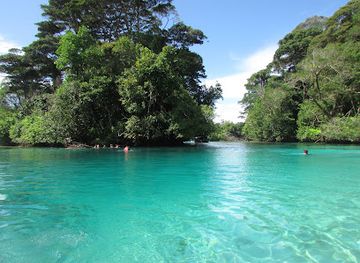
Isla Escudo de Veraguas
Experience the untouched beauty of Isla Escudo de Veraguas, a tranquil island paradise with rich cultural heritage and breathtaking natural landscapes.
Explore Ngäbe-Buglé Comarca on the map
Plan your trip on one map. See where the top cities, national parks and sights are, and book hotels and experiences in a few clicks.
Best hotels in Ngäbe-Buglé Comarca
Best restaurants in Ngäbe-Buglé Comarca
Food in the Ngäbe-Buglé Comarca is closely connected to household agriculture and the ingredients available in different elevations. Maize, beans, rice, plantains, cassava and other root crops form part of everyday cooking, while chicken and other locally available meats may appear in home meals. In suitable areas, coffee and cacao represent important crops, and visitors may encounter locally produced drinks or farm products through community arrangements rather than formal tasting venues. Rural eateries and family kitchens are generally simple, with availability varying by settlement and season; menus should not be expected to resemble those of Panama City or the country’s larger tourism centres. Gateway towns outside the comarca provide a wider choice of restaurants and supplies before an inland journey. Carry snacks and drinking water for remote travel, and advise hosts about allergies or dietary restrictions in advance. Purchasing food or crafts directly from local households, at an agreed price, can support communities more effectively than expecting a developed restaurant industry.
-
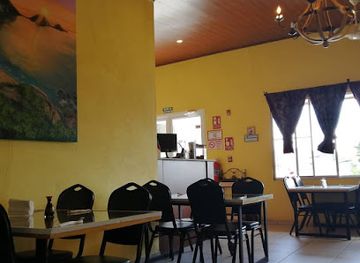
Restaurant
Chop Sticks A Restaurant
Experience the best of authentic Chinese cuisine in Alto Boquete at Chop Sticks A Restaurant - where flavors come alive!
-
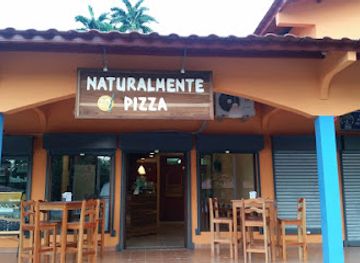
Pizza
Naturalmente Pizza
Discover the finest pizza experience at Naturalmente Pizza in Las Lajas, where every slice is crafted with love and local ingredients.
-
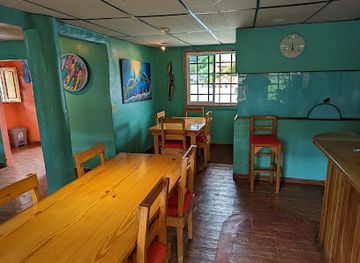
Restaurant
The Fish House
Experience exquisite seafood dining at The Fish House in Boquete – where fresh flavors meet stunning views in Panama's lush highlands.
-
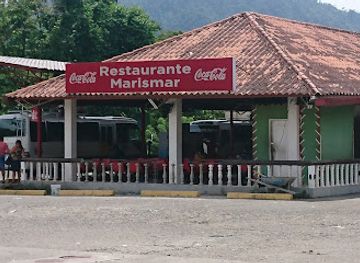
Restaurant
Restaurante Marismar (Punto de Ventas Panagas)
Experience authentic Panamanian cuisine at Restaurante Marismar in Bocas del Toro—where every meal tells a story.
Best bars in Ngäbe-Buglé Comarca
Nightlife is limited and community-oriented rather than centred on clubs or a dedicated entertainment district. In smaller settlements, evenings may involve conversation, family gatherings and early rest after travel or farm work; visitors should not assume that alcohol-led entertainment is part of a cultural visit. The gateway towns outside the comarca, including David, Santiago and Changuinola, offer the broader selection of restaurants, bars and evening services needed before or after a rural journey. Inside the territory, accommodation arranged through a community or family may provide a quiet evening meal and an opportunity to learn about local life, subject to the host’s preferences. Avoid walking unfamiliar roads after dark, and do not bring loud music or drinking behaviour into residential or communal settings. Any local social event should be attended only by invitation or with the agreement of the community arranging the visit.
-
Bar
Bar Las Americas Tolé
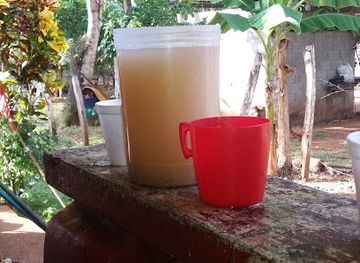
Discover the lively atmosphere and local flavors at Bar Las Americas Tolé, where every drink tells a story in Chiriquí Province.
-
Bar
Bar Los ALpes
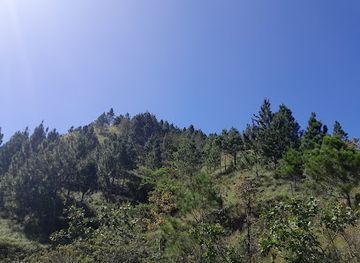
Discover the lively spirit of Canazas at Bar Los Alpes, where refreshing drinks meet a vibrant atmosphere in Veraguas Province.
-
Grill
Drunken Monkey Bar and Grill
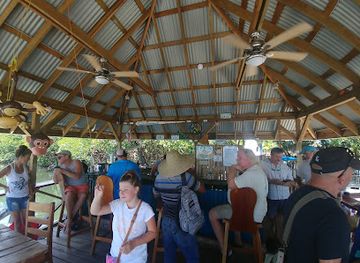
Experience Caribbean flavors and a laid-back atmosphere at Drunken Monkey Bar and Grill in Bocas del Toro, the ideal spot for relaxation and delicious dining.
-
Bar
CANTINA MILVA
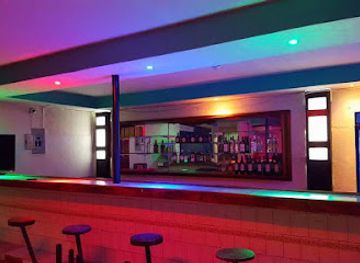
Discover the lively Cantina Milva, a must-visit bar in Remedios, where great drinks, delicious tapas, and a vibrant atmosphere await you.
Best nightclubs in Ngäbe-Buglé Comarca
Nightlife is limited and community-oriented rather than centred on clubs or a dedicated entertainment district. In smaller settlements, evenings may involve conversation, family gatherings and early rest after travel or farm work; visitors should not assume that alcohol-led entertainment is part of a cultural visit. The gateway towns outside the comarca, including David, Santiago and Changuinola, offer the broader selection of restaurants, bars and evening services needed before or after a rural journey. Inside the territory, accommodation arranged through a community or family may provide a quiet evening meal and an opportunity to learn about local life, subject to the host’s preferences. Avoid walking unfamiliar roads after dark, and do not bring loud music or drinking behaviour into residential or communal settings. Any local social event should be attended only by invitation or with the agreement of the community arranging the visit.
-
Club
Club David
Club David: Dive into the nightlife of David, Panama, where music, dance, and unforgettable memories await.
-
Bar
Taboo
Discover the lively atmosphere of Taboo in Bajo Boquete - the ultimate bar experience with great music, friendly staff, and unforgettable moments.
-
Disco club
Rush Bocas
Discover the lively nightlife of Rush Bocas, a premier disco club in Bocas del Toro, where unforgettable nights and great music await.
-
Night club
La Mayor Night Club
Dive into the vibrant nightlife of Panama City at La Mayor Night Club, where music and dance create unforgettable memories.

Best shops in Ngäbe-Buglé Comarca
Shopping in the Ngäbe-Buglé Comarca is modest and closely tied to local production rather than formal retail. The best-known craft associated with Ngäbe communities is the chácara, a sturdy woven bag traditionally made from plant fibres and often decorated with geometric designs; visitors should buy directly from makers or through trusted community arrangements and pay a fair price. Traditional clothing, including colourful dresses and head coverings, is culturally meaningful and should not be treated as costume or photographed without permission. Coffee, cacao, agricultural produce and small handicrafts may be available in particular settlements, but supply, quality and payment methods vary. Gateway towns outside the comarca offer supermarkets, pharmacies, equipment and a wider range of souvenirs before a journey into the mountains. Carry reusable bags and avoid buying products made from protected wildlife, rare plants or items whose origin is unclear. The most responsible purchases are those made transparently from local producers with a clear understanding of how the money will be used.
-
Store
IMPRESIONES Y FOTOGRAFIA RECORD
Explore the beauty of Kankintú through stunning photography and unique local prints at IMPRESIONES Y FOTOGRAFIA RECORD.
-
Shopping mall
CERRO SOMBRERO,Comarca Gnobe Buglé
Explore the colorful shopping haven of Cerro Sombrero in Ngäbe-Buglé, where culture meets commerce amidst stunning Panamanian landscapes.
-
Supermarket
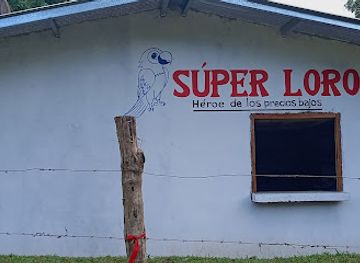
Super Loro
Explore the vibrant flavors of Panamá at Super Loro, a charming supermarket in Quebrada Loro offering local delicacies and fresh produce.
-
Shopping mall
LA ESQUINA CALOBREÑA
Explore La Esquina Calobreña, a vibrant shopping destination in Veraguas offering local crafts, delicious dining options, and a taste of Panamanian culture.
Get your free copy of our complete guide to Ngäbe-Buglé Comarca, delivered straight to you.
Everything on this page, from attractions and restaurants to essentials and local phrases, in one PDF you can read offline, print or share.
Already have an account? Sign in
Your Ngäbe-Buglé Comarca guide is ready.
We'll send it to · Not you? Sign out

Getting your guide ready…
We are putting together a fresh copy of the Ngäbe-Buglé Comarca guide. This can take up to a minute.
This can take a few moments. If your browser asks, choose Allow so the download can start. You'll find the guide in your Downloads folder.
Nothing happened? Download it again
Sorry, the guide is taking longer than usual. Please try again in a minute, or get it by email instead.
Ngäbe-Buglé Comarca essentials
Currency and Payment
Safety
Emergency Situations
Do's and Don'ts
Local Tips
From Eve
Local phrases worth knowing
You don't need to get them perfect. A few words go a long way, and locals appreciate the effort.
Basics
| English | Local | Say it |
|---|---|---|
| Hello | Nuk | [Nook] |
| Goodbye | Nuk sa | [Nook sah] |
| Yes | Mä | [Mah] |
| No | Nö | [Noh] |
| Please/You're welcome | Nü | [Noo] |
| Thank you | Tëna | [Teh-nah] |
| Excuse me/Sorry | Somboko | [Som-boh-koh] |
| How are you? | Dugüi? | [Doo-gee?] |
| Fine. And you? | Dugüi. Iñi dugüi? | [Doo-gee. Ee-nee doo-gee?] |
| Do you speak English? | Nuk dükënglis? | [Nook doo-keng-lis?] |
| I don't understand | Nuk nïdö | [Nook nee-doh] |
Eating & Drinking
| English | Local | Say it |
|---|---|---|
| I'd like to see the menu, please | Nuk dïgüi menú, nü | [Nook dee-gwee meh-noo, noo] |
| I don't eat meat | Nuk nïdö chicha | [Nook nee-doh chee-chah] |
| Cheers! | Suma! | [Soo-mah!] |
| I would like to pay, please | Nuk dïgüi pagár, nü | [Nook dee-gwee pah-gahr, noo] |
Emergencies
| English | Local | Say it |
|---|---|---|
| Help! | Ayuda! | [Ah-yoo-dah!] |
| Go away! | Bö sa! | [Boh sah!] |
| Call the Police! | Nuk dükë llama Policía! | [Nook doo-kay yah-mah Poh-lee-see-ah!] |
| Call a doctor! | Nuk dükë llama doctora! | [Nook doo-kay yah-mah dohk-toh-rah!] |
| I'm lost | Nuk nïdö perdí | [Nook nee-doh pair-dee] |
| I'm ill | Nuk nïdö enfermo | [Nook nee-doh en-fair-mo] |
Shopping
| English | Local | Say it |
|---|---|---|
| I'd like to buy... | Nuk dïgüi komprar... | [Nook dee-gwee kom-prahr...] |
| I'm just looking | Nuk nïdö, jö sa | [Nook nee-doh, hoh sah] |
| How much is it? | Dugüi chiri? | [Doo-gee chee-ree?] |
| That's too expensive | Nuk chiri jö | [Nook chee-ree hoh] |
| Can you lower the price? | Nuk dükë dïgüi chiri? | [Nook doo-kay dee-gwee chee-ree?] |
Time & Numbers
| English | Local | Say it |
|---|---|---|
| What time is it? | Dugüi chiri tiempo? | [Doo-gee chee-ree tee-em-poh?] |
| It's one o'clock | Chiri un tiempo | [Chee-ree oon tee-em-poh] |
| Half past (10) | Mitad chiri (10) | [Mee-tahd chee-ree (10)] |
| Morning | Mañana | [Mah-nyah-nah] |
| Afternoon | Tarde | [Tar-day] |
| Evening | Noche | [No-cheh] |
| Yesterday | Ayer | [Ah-yer] |
| Today | Hoy | [Oy] |
| Tomorrow | Mañana | [Mah-nyah-nah] |
| 1 | Un | [Oon] |
| 2 | Dos | [Dohs] |
| 3 | Tres | [Tres] |
| 4 | Cuatro | [Kwatro] |
| 5 | Cinco | [Seen-koh] |
| 6 | Seis | [Sace] |
| 7 | Siete | [Syeh-teh] |
| 8 | Ocho | [Ocho] |
| 9 | Nueve | [Nweh-beh] |
| 10 | Diez | [Dez] |
Transport & Directions
| English | Local | Say it |
|---|---|---|
| Where's a/the...? | Dugüi sa...? | [Doo-gee sah...?] |
| What's the address? | Dugüi chiri dirección? | [Doo-gee chee-ree dee-rek-syon?] |
| Can you show me (on the map)? | Nuk dükë muestra (en el mapa)? | [Nook doo-kay mwes-trah (en el mah-pah)?] |
| When's the next (bus)? | Dugüi chiri siguiente (bus)? | [Doo-gee chee-ree see-gyehn-teh (boos)?] |
| A ticket (to ....) | Un billete (a....) | [Oon bee-yet-teh (ah....)] |
History of Ngäbe-Buglé Comarca
Pre-colonial Ngäbe and Buglé societies
Before Spanish colonisation, the mountains and river valleys of western Panama were occupied by Indigenous communities with their own political networks, agricultural practices and exchange routes. The ancestors of today’s Ngäbe and Buglé peoples adapted to a demanding landscape of ridges, forests and watersheds rather than concentrating in large urban settlements. Archaeological evidence from western Panama demonstrates long-established human occupation and regional interaction, although the historical record is less monumental than that of some better-known Central American civilisations. Contemporary cultural identity, language and land relationships remain connected to this deep pre-colonial presence.
Spanish conquest and the colonial frontier
Spanish expansion into western Panama brought new diseases, forced labour, religious pressure and changing patterns of settlement. Mountainous terrain and determined Indigenous resistance limited colonial control in many areas, leaving the interior less densely incorporated into the Spanish system than the principal lowland towns and routes. Indigenous communities nevertheless faced sustained disruption through mission activity, land encroachment and demands for labour. The difficult geography that once restricted colonial authority later helped preserve substantial linguistic and cultural continuity among the communities that now form the Ngäbe-Buglé population.
The Ngäbe and Buglé in the Panamanian republic
After Panama became an independent republic in 1903, Indigenous communities in the western mountains continued to experience pressure from expanding agriculture, ranching, roads and non-Indigenous settlement. The Ngäbe, the country’s largest Indigenous people, and the smaller Buglé communities maintained their own languages and social structures while negotiating with national authorities over land and public services. These decades established the central political question that still shapes the comarca: how can the state provide infrastructure and development without weakening Indigenous authority or transferring control of ancestral territory?
Creation of the Ngäbe-Buglé Comarca in 1997
The Ngäbe-Buglé Comarca was established by Panamanian law in 1997 after prolonged Indigenous mobilisation and negotiations over territorial recognition. Its creation provided a legally recognised autonomous territory with organisational structures intended to protect Indigenous governance, culture and land rights. The comarca brought together areas in the provinces of Bocas del Toro, Chiriquí and Veraguas, although its boundaries and the rights of residents have remained subjects of political debate. For travellers, the comarca should be understood not simply as an administrative region but as a territory with its own institutions and expectations concerning access and consultation.
Hydroelectric development and the Tabasará conflict
The construction of the Barro Blanco hydroelectric project on the Tabasará River became one of the most internationally visible conflicts involving the comarca. Supporters presented the dam as an energy and infrastructure project, while opponents, including Indigenous activists, raised concerns about flooding, cultural sites, environmental effects and the adequacy of consultation and consent. Protests and negotiations during the 2010s brought wider attention to Indigenous rights in Panama. The dispute illustrates why rivers and development proposals in the comarca carry political as well as environmental significance, and why visitors should approach contested sites with care.
Contemporary cultural and economic change
Today, many Ngäbe-Buglé families combine subsistence and small-scale commercial agriculture with seasonal or migrant work outside the comarca. Coffee, cacao, plantains, maize and beans are important in different local environments, while education, mobile communications and road building are gradually changing access to services. At the same time, Ngäbere and Buglere, traditional dress, craft production and community institutions remain important markers of identity. Tourism is still limited compared with Panama’s better-known destinations, and locally managed visits are most appropriate where they support community priorities rather than treating culture as a commercial spectacle.
Ngäbe-Buglé Comarca in Photos
Browse through our photo collection highlighting the charm and character of the destination.
Neighbouring regions of Ngäbe-Buglé Comarca
The closest regions to Ngäbe-Buglé Comarca, if you have time for more than one.
-

-

-

-

-


Swipe for more regions
Explore more

Explore more of Panama
Discover Panama: A vibrant blend of modernity and nature, where historic charm, tropical rainforests, and pristine beaches come together in the heart of Central America.
Explore Panama