
Pacific Coast, Panama Travel Guide
Discover Panama's Pacific Coast: Pristine beaches, rich marine life, and vibrant culture await you in this tropical paradise.
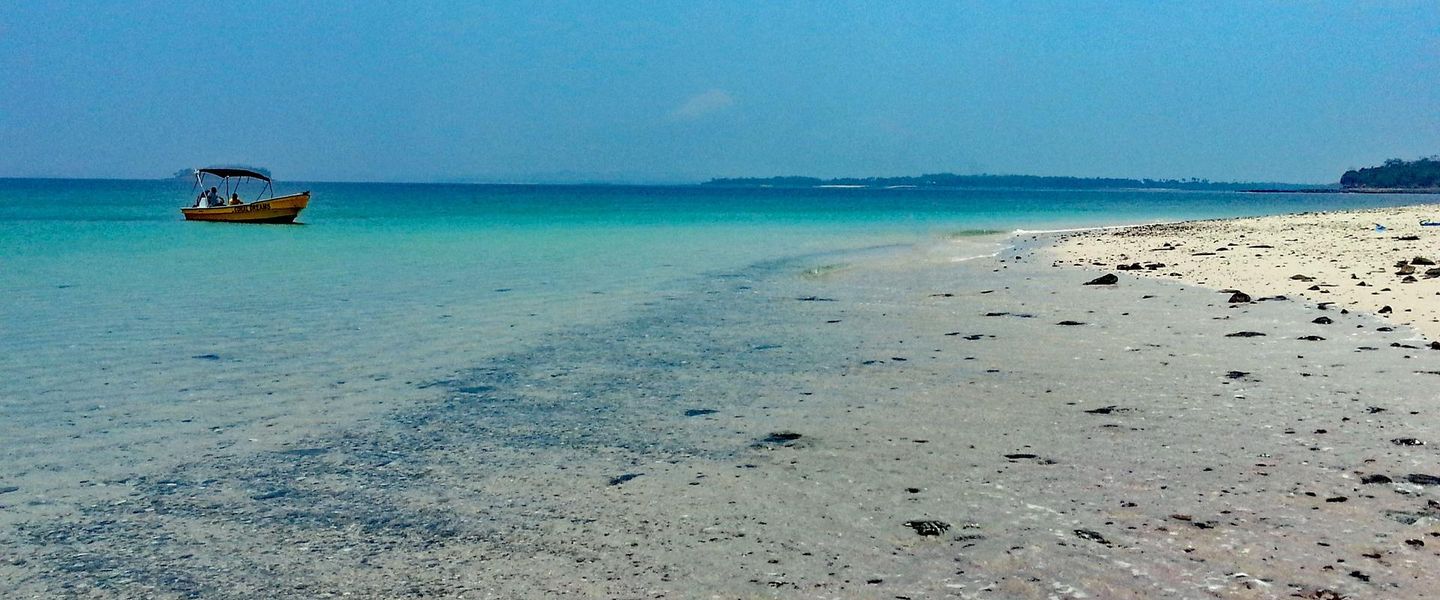
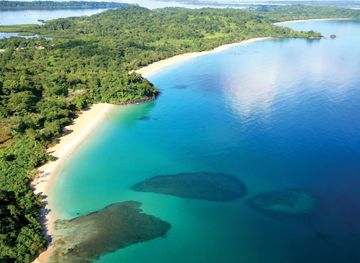
The Pacific Coast of Panama is a stunning stretch of coastline that offers a perfect blend of natural beauty, vibrant culture, and thrilling adventures. From pristine beaches to lush rainforests, this region promises an unforgettable experience for every type of traveler. Begin your journey with a visit to the charming beach towns like Santa Catalina and Pedasí. These towns are known for their relaxed vibes and friendly locals. Santa Catalina is a haven for surfers, offering some of the best waves in Central America. Pedasí, on the other hand, is famous for its fishing and wildlife watching opportunities, especially during the whale watching season. For nature lovers, the Pacific Coast is home to several national parks and reserves. Explore Coiba National Park, a UNESCO World Heritage site, where you can dive into crystal-clear waters teeming with marine life. Alternatively, head to Isla Iguana Wildlife Refuge to witness its diverse bird species and pristine beaches. Adventure seekers will find plenty to do here as well. Try your hand at deep-sea fishing, scuba diving, or snorkeling. For a more laid-back experience, simply relax on the sandy shores and soak up the sun. The region's rich history and culture are also worth exploring. Visit local museums and historical sites to learn about Panama's intriguing past and vibrant traditions.

Know before you go
Hi, I'm Eve. Here are a few practical things to know before exploring Pacific Coast.
- The best time to visit is during the dry season from December to April.
- Bring cash, as some remote areas may not accept credit cards.
- Learn some basic Spanish phrases to better interact with locals.
- Pack reef-safe sunscreen to protect the marine environment.
- Book tours and accommodations in advance, especially during peak season.
Top City Travel Guides in Pacific Coast
The cities of Pacific Coast, and the easiest places to base yourself.


Destinations in Pacific Coast
Resorts, valleys and scenic spots worth a trip of their own.


Explore Pacific Coast: Things to Do, Places to Eat, Hotels & More
Handpicked recommendations for top attractions, local dining, accommodations, and more

Top Attractions & Sightseeing in Pacific Coast
Top-rated picks
Best Attractions

Parque Omar
Experience the tranquil beauty and vibrant culture of Parque Omar, a must-visit urban park in the heart of Panama City perfect for relaxation and recreation.

Merca Panamá
Discover the vibrant flavors of Panama at Merca Panamá, the premier farmers' market offering fresh produce, local delicacies, and a taste of culture.

Los Ladrillos
Explore Los Ladrillos, a stunning tourist attraction in Panama, where lush landscapes and vibrant wildlife create the perfect natural escape.

San Ramón Waterfall
Discover the stunning beauty of San Ramón Waterfall in Boquete, Panama, where nature's tranquility meets breathtaking landscapes.

Best landmarks in Pacific Coast
Top-rated picks
Best Landmarks

Panamá Viejo
Discover the historical treasures of Panamá Viejo, a UNESCO World Heritage site showcasing the remains of the first Spanish settlement in the Pacific Americas.

Miraflores Locks
Discover the engineering marvel of Miraflores Locks, a key attraction in Panama that showcases the incredible Panama Canal operations.

France Square
Explore France Square in Panama City: A lush park offering stunning ocean views and a glimpse into Panama's rich cultural heritage.

Panama Canal
Explore the Panama Canal, a monumental engineering achievement connecting the Atlantic and Pacific Oceans, offering breathtaking views and rich history.

Best restaurants in Pacific Coast
Top-rated picks
Best Restaurants
CasaCasco
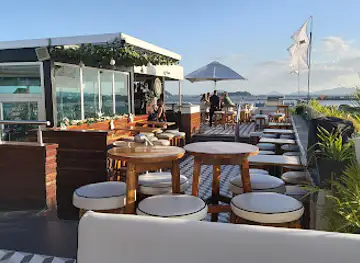
Experience exquisite grilled cuisine and vibrant nightlife at CasaCasco in Panama City – where culinary delights meet dynamic entertainment.

El Trapiche
Experience authentic Central American cuisine at El Trapiche in Panama City – a must-visit destination for breakfast lovers!

La Tapa Del Coco
Discover authentic Caribbean flavors at La Tapa Del Coco in Panama City - a culinary gem offering vibrant Latin American cuisine.

La Pulpería - Casco Antiguo
Discover authentic Latin American cuisine at La Pulpería in Casco Antiguo—where vibrant flavors meet warm hospitality.

Best bars in Pacific Coast
Top-rated picks
Best Bars

CasaCasco
Discover the vibrant culinary and nightlife experience at CasaCasco in Panama City, offering a unique blend of grill dishes, cocktails, and dancing.

El Green Room
Experience the ultimate karaoke night in Panama City at El Green Room, where every note sung is a memory made.

Alejandro's
Discover the vibrant nightlife at Alejandro's in Panama City, where cocktails, karaoke, and unforgettable experiences await.

Blue Moon TapHouse Casco Viejo
Discover the lively Blue Moon TapHouse in Casco Viejo, where craft beers, cocktails, and a vibrant atmosphere await your visit!

Best nightclubs in Pacific Coast
Top-rated picks
Best Nightclubs

Casa Jaguar
Discover the electrifying nightlife of Casa Jaguar in Panama City, where exquisite dining meets dancing under the stars.

Chill out discotheque
Dive into the vibrant nightlife of Panama City at Chill Out Discotheque, where music, dance, and unforgettable moments await you!

Barco Hundido
Experience the vibrant nightlife of Bocas del Toro at Barco Hundido, a premier disco club known for its lively atmosphere and diverse music.

La Tana
Experience the vibrant nightlife at La Tana, Panama City's premier night club, where great music and lively atmosphere await every visitor.

Best shops in Pacific Coast
Top-rated picks
Best Shops

Albrook Mall
Explore Albrook Mall, Panama's largest shopping destination, featuring diverse shops, delicious dining, and vibrant entertainment for all ages.

Multiplaza Panamá
Explore Multiplaza Panamá, where luxury shopping meets delightful dining and entertainment in the heart of Panama City.

Metromall Panamá
Experience the best shopping and dining at Metromall Panamá, the ultimate destination in Panama City for tourists and locals alike.

Causeway Amador
Discover Causeway Amador: A shopping haven with stunning ocean views, delicious dining, and vibrant atmosphere in Panama City.

Explore Pacific Coast on the Map
A handpicked selection of must-see spots in Pacific Coast, mapped for you.
Pacific Coast Essentials
-
The Pacific Coast of Panama is accessible via Tocumen International Airport (PTY) in Panama City, which is the main international gateway. From Panama City, you can drive, take a bus, or hire a taxi to reach various destinations along the Pacific Coast. The Pan-American Highway runs parallel to the coastline and connects major towns and cities. Domestic flights are also available to smaller regional airports such as Chitré (HTR) and David (DAV) if you wish to explore further reaches of the coast.
-
Transportation options along the Pacific Coast include rental cars, buses, and taxis. Renting a car offers the most flexibility for exploring various beaches and towns. Public buses are an affordable alternative, with routes connecting most coastal towns. Taxis are available but can be more expensive, especially for long distances. Ride-sharing apps like Uber operate in larger cities, providing a convenient option for short trips.
-
The official currency of Panama is the Panamanian Balboa (PAB), which is pegged to the US Dollar (USD). Both currencies are used interchangeably. Credit cards are widely accepted in hotels, restaurants, and larger stores, but it is advisable to carry cash for smaller establishments and rural areas. ATMs are available in most towns, but it’s wise to withdraw sufficient cash before traveling to remote locations.
-
The Pacific Coast of Panama is generally safe for tourists, but it is important to take standard safety precautions. Avoid walking alone at night in unfamiliar areas and keep an eye on your belongings in crowded places. Some areas in larger cities, such as parts of Panama City, may have higher crime rates targeting tourists. Exercise caution in neighborhoods like El Chorrillo and Curundú. Always stay vigilant and aware of your surroundings.
-
In case of emergency, dial 911 for immediate assistance. Major towns and cities along the Pacific Coast have local police stations and medical facilities. It is recommended to have travel insurance that covers medical emergencies. Pharmacies are available in most towns, where you can purchase over-the-counter medications. For serious medical issues, seek treatment in larger hospitals located in Panama City or David.
-
Fashion: Do dress casually and comfortably, but avoid overly revealing clothing, especially in rural areas. Religion: Do respect local customs and religious practices. When visiting churches, dress modestly. Public Transport: Do be respectful and offer your seat to elderly passengers. Don't eat or drink on public transport. Greetings: Do greet people with a handshake and a friendly 'Hola.' Eating & Drinking: Do try local dishes and accept food offerings graciously. Don't refuse hospitality, as it may be considered impolite.
-
To experience the Pacific Coast like a local, visit local markets where you can buy fresh produce and traditional Panamanian goods. Engage with locals, who are often friendly and eager to share stories about their culture and history. Don’t miss visiting the Azuero Peninsula for its beautiful beaches and cultural festivals. For a unique experience, take a boat tour to explore the Gulf of Chiriquí and its stunning marine life. Enjoy fresh seafood at local restaurants and try Panama's national dish, sancocho.
When is the best time to visit Pacific Coast?
Useful Local Phrases for Pacific Coast
You don't need to speak the language perfectly. Even learning a few simple words can make conversations warmer—and locals usually appreciate the effort.
— Eve

Here are the phrases I use most often in Pacific Coast. Try a few—you'll be surprised how far they go! 😊
❤️
-
- HelloHola
[OH-lah] - GoodbyeAdiós
[ah-DYOS] - YesSí
[SEE] - NoNo
[NO] - Please/You're welcomePor favor
[por fah-VOR] - Thank youGracias
[GRAH-syahs] - Excuse me/SorryPerdón
[pair-DON] - How are you?¿Cómo estás?
[KOH-moh es-TAS] - Fine. And you?Bien. ¿Y tú?
[BYEN. ee TOO] - Do you speak English?¿Hablas inglés?
[AH-blahs een-GLES] - I don't understandNo entiendo
[NO en-TYEN-do]
- HelloHola
-
- I'd like to see the menu, pleaseMe gustaría ver el menú, por favor
[may goos-tah-REE-ah BEHR el meh-NOO, por fah-VOR] - I don't eat meatNo como carne
[NO KOH-mo KAR-neh] - Cheers!¡Salud!
[sah-LOOD] - I would like to pay, pleaseMe gustaría pagar, por favor
[may goos-tah-REE-ah pah-GAR, por fah-VOR]
- I'd like to see the menu, pleaseMe gustaría ver el menú, por favor
-
- Help!¡Ayuda!
[ah-YOO-dah] - Go away!¡Vete!
[VEH-teh] - Call the Police!¡Llama a la policía!
[YAH-ma ah lah poh-lee-SEE-ah] - Call a doctor!¡Llama a un doctor!
[YAH-ma ah oon dok-TOR] - I'm lostEstoy perdido
[es-TOY pair-DIDO] - I'm illEstoy enfermo
[es-TOY en-FER-mo]
- Help!¡Ayuda!
-
- I'd like to buy...Me gustaría comprar...
[may goos-tah-REE-ah kom-PRAR] - I'm just lookingSolo estoy mirando
[SO-lo es-TOY mee-RAN-do] - How much is it?¿Cuánto cuesta?
[KWAN-to KWEH-stah] - That's too expensiveEso es muy caro
[EH-so es MOO-ee KAH-ro] - Can you lower the price?¿Puedes bajar el precio?
[PWEH-des bah-HAR el PREH-syo]
- I'd like to buy...Me gustaría comprar...
-
- What time is it?¿Qué hora es?
[KEH OH-rah es] - It's one o'clockEs la una
[es lah OO-nah] - Half past (10)Y diez y media
[ee DYAS ee MEH-dee-ah] - MorningMañana
[mah-NYAH-nah] - AfternoonTarde
[TAR-deh] - EveningNoche
[NOH-cheh] - YesterdayAyer
[ah-YER] - TodayHoy
[OY] - TomorrowMañana
[mah-NYAH-nah] - 1Uno
[OO-no] - 2Dos
[DOS] - 3Tres
[TRES] - 4Cuatro
[KWAH-tro] - 5Cinco
[SEEN-ko] - 6Seis
[SAYS] - 7Siete
[SYEH-teh] - 8Ocho
[OH-cho] - 9Nueve
[NWEH-beh] - 10Diez
[DYAS]
- What time is it?¿Qué hora es?
-
- Where's a/the...?¿Dónde está...?
[DON-deh es-TAH] - What's the address?¿Cuál es la dirección?
[KWAL es lah dee-rek-SYON] - Can you show me (on the map)?¿Puedes mostrarme (en el mapa)?
[PWEH-des mos-TRAR-meh (en el MAH-pah)] - When's the next (bus)?¿Cuándo es el siguiente (autobús)?
[KWAN-do es el see-GYEN-teh (ow-toh-BOOS)] - A ticket (to ....)Un boleto (a ....)
[oon boh-LEH-toh (ah ....)]
- Where's a/the...?¿Dónde está...?
History of Pacific Coast
-
In 1513, Spanish explorer Vasco Núñez de Balboa became the first European to see the Pacific Ocean from the New World. He crossed the Isthmus of Panama and named the new ocean 'Mar del Sur' (South Sea). This monumental discovery marked a significant event in the Age of Exploration, opening new routes for trade and conquest.
-
The construction of the Panama Canal from 1904 to 1914 transformed the Pacific Coast of Panama into a critical juncture for international maritime trade. The canal, which connects the Atlantic and Pacific Oceans, played a crucial role in global commerce and strategic military movements, cementing Panama's place in world history.
-
During the 17th and 18th centuries, the Pacific Coast of Panama was frequented by pirates and privateers. Figures like Sir Francis Drake and Henry Morgan raided Spanish settlements and ships, seeking the wealth being transported from South America to Spain. These raids contributed to the lore and tumultuous history of the region.
-
The Chiriquí civilization, which thrived along the Pacific Coast of Panama before the arrival of the Spanish, is known for its advanced metalwork and pottery. Archaeological findings in the region have uncovered intricate gold artifacts and ceramics, providing a glimpse into the sophisticated culture that once inhabited the area.
-
In the early 20th century, the Pacific Coast of Panama became a major area for banana cultivation, driven by companies like the United Fruit Company. This 'banana boom' brought economic growth but also led to significant social and environmental changes, with plantations altering the landscape and labor dynamics of the region.
-
During World War II, the Pacific Coast of Panama was heavily fortified to protect the strategic Panama Canal from potential Axis attacks. The U.S. military established several bases and defense installations in the region, leaving a lasting impact on the local infrastructure and communities.
-
In recent decades, the Pacific Coast of Panama has seen significant development as a tourist destination. Efforts to promote eco-tourism and sustainable travel have brought attention to the region's natural beauty, including its pristine beaches, rich marine life, and vibrant cultural heritage.
Neighbouring Regions of Pacific Coast
The closest regions to Pacific Coast, if you have time for more than one.



Your all‑in‑one travel companion app
Explore expert travel guides, compare and book tours, experiences, hotels, and more—all from the palm of your hand. Download now for seamless trip planning wherever your wanderlust takes you.


Explore More of Panama

Looking beyond Pacific Coast? Discover Panama for broader travel guides, local hot-spots, and regional highlights.
Explore PanamaPacific Coast in Photos
Browse through our photo collection highlighting the charm and character of the destination.


The Enchanting Pacific Coast of Panama
The Pacific Coast of Panama is a stunning stretch of coastline that offers a perfect blend of natural beauty, vibrant culture, and thrilling adventures. From pristine beaches to lush rainforests, this region promises an unforgettable experience for every type of traveler. Begin your journey with a visit to the charming beach towns like Santa Catalina and Pedasí. These towns are known for their relaxed vibes and friendly locals. Santa Catalina is a haven for surfers, offering some of the best waves in Central America. Pedasí, on the other hand, is famous for its fishing and wildlife watching opportunities, especially during the whale watching season. For nature lovers, the Pacific Coast is home to several national parks and reserves. Explore Coiba National Park, a UNESCO World Heritage site, where you can dive into crystal-clear waters teeming with marine life. Alternatively, head to Isla Iguana Wildlife Refuge to witness its diverse bird species and pristine beaches. Adventure seekers will find plenty to do here as well. Try your hand at deep-sea fishing, scuba diving, or snorkeling. For a more laid-back experience, simply relax on the sandy shores and soak up the sun. The region's rich history and culture are also worth exploring. Visit local museums and historical sites to learn about Panama's intriguing past and vibrant traditions.