

Free Azuero Peninsula Travel Guide & Mobile App
Explore Azuero Peninsula with free travel guides. Discover regional history, expert tips, proposed trips, and audio guides on web or mobile app.


Explore Panama’s Azuero Peninsula for traditional towns, pollera culture, Pacific beaches, surfing, wildlife and the dry landscapes of Herrera and Los Santos.
Read more about Azuero Peninsula
When is the best time to visit Azuero Peninsula?
Best: January–March · 30–31°C| Month | High (°C) | Rainfall (mm) |
|---|---|---|
| January (best) | 30 | 20 |
| February (best) | 30 | 15 |
| March (best) | 31 | 25 |
| April | 31 | 50 |
| May | 31 | 100 |
| June | 30 | 130 |
| July | 30 | 120 |
| August | 30 | 130 |
| September | 30 | 140 |
| October | 30 | 160 |
| November | 30 | 100 |
| December | 30 | 50 |
Getting to and around Azuero Peninsula
How to get there
Transportation
Top city travel guides in Azuero Peninsula
The cities of Azuero Peninsula, and the easiest places to base yourself.
-

-


Swipe for more cities
Destinations in Azuero Peninsula
Resorts, valleys and scenic spots worth a trip of their own.

Swipe for more destinations
Best attractions in Azuero Peninsula
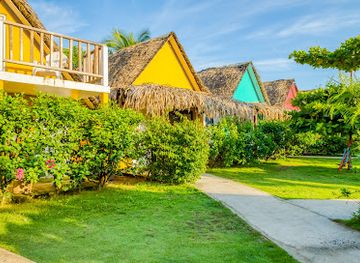
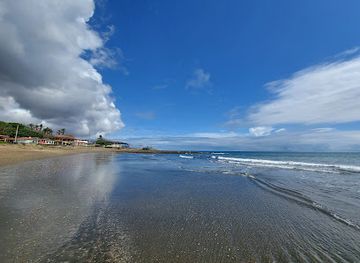
Azuero’s attractions combine cultural heritage, dry-season landscapes and Pacific recreation. Chitré and Las Tablas provide museums, churches, markets and opportunities to understand the peninsula’s crafts, music and festival traditions, while Parita and La Villa de Los Santos offer historic streets and religious architecture in a more compact setting. The archaeological site at Cerro Juan Díaz, near the southern peninsula, is important for its evidence of pre-Columbian society and the broader Gran Coclé tradition; access arrangements should be checked in advance. Along the coast, Playa Venao is the region’s best-known surfing centre, with conditions that appeal to both learners and experienced surfers. Pedasí provides access to boat excursions towards Isla Iguana Wildlife Refuge, where beaches, coral communities and seabird habitat are protected. Further south, Tonosí and Cambutal introduce quieter beaches, rural scenery and a more remote atmosphere. Birdwatching, fishing, swimming where conditions permit, horse riding and photography are possible across different parts of the peninsula, although facilities become increasingly limited away from the principal towns.
-
Tourist attraction
Belisario Porras Park
Explore the serene beauty of Belisario Porras Park in Las Tablas - a perfect blend of nature, culture, and community spirit.
-
Tourist attraction
Playa El Uverito
Experience the breathtaking beauty of Playa El Uverito, a tropical paradise in Panama's Los Santos Province, ideal for relaxation and adventure.
-
Beach
Playa Venao
Experience the natural beauty and adventure of Playa Venao, a stunning beach in Los Santos Province, Panama, perfect for relaxation and water sports.
-
Beach
Playa Guánico Abajo
Experience the tranquility of Playa Guánico Abajo, a pristine beach in Los Santos Province, perfect for relaxation and water adventures.



Best landmarks in Azuero Peninsula
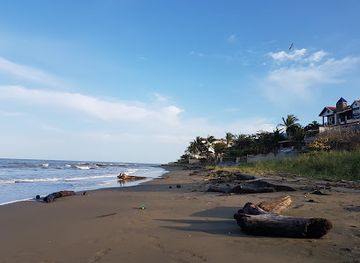
The Azuero Peninsula’s most significant landmarks reflect its Indigenous, colonial, cultural and coastal identities. The archaeological area of Cerro Juan Díaz is important for the study of central Pacific societies and the Gran Coclé cultural tradition, even though it is less visually monumental than a colonial building. The churches and historic urban settings of Parita and La Villa de Los Santos preserve the influence of Spanish Catholic settlement and remain closely connected to local religious calendars. In Las Tablas, the town’s public spaces and festival traditions are strongly associated with pollera culture and Carnival, making the town a symbolic cultural landmark as well as a practical base. On the coast, Isla Iguana’s pale beaches, reef-fringed waters and dry-island vegetation form one of the peninsula’s most recognisable natural landmarks. Playa Venao is visually defined by its broad Pacific bay and surf break, while the rugged coast around Cambutal and Tonosí shows the peninsula’s more exposed southern character.
-
Hotel
Selina Playa Venao
Experience the perfect blend of work and play at Selina Playa Venao, a vibrant destination for relaxation and adventure on Panama's stunning coast.
-
Tourist attraction
Playa El Uverito
Playa El Uverito in Santo Domingo offers stunning beaches, crystal-clear waters, and vibrant local culture perfect for an unforgettable getaway.
-
 Hotel
HotelBeach Break Surf Camp
Discover the ultimate surf getaway at Beach Break Surf Camp, where adventure meets relaxation on the stunning shores of Playa Venao, Panama.
-
Hotel
Eco Venao
Discover Eco Venao, a serene eco-friendly hotel in Playa Venao, perfect for relaxation and adventure amidst nature's beauty.
Explore Azuero Peninsula on the map
Plan your trip on one map. See where the top cities, national parks and sights are, and book hotels and experiences in a few clicks.
Best hotels in Azuero Peninsula
Best restaurants in Azuero Peninsula
Dining in Azuero is grounded in the food of Panama’s interior: rice, beans, maize, plantain, beef, chicken, fresh fish and seafood appear in home-style cooking, market stalls, fondas and roadside restaurants. Chitré and Las Tablas offer the widest range of everyday restaurants, while Pedasí and Playa Venao add cafés, seafood restaurants and internationally influenced menus shaped by coastal tourism. In rural areas, simple establishments may serve hearty portions of local cooking rather than extensive menus, and hours can be flexible. Look for corn-based preparations, fried or grilled fish, soups, empanadas, tamales and regional sweets, together with seasonal fruit and fresh juices. Markets and small food shops are useful for snacks and supplies when travelling towards remote beaches. Traditional drinks and desserts vary between communities, while Panama’s national beer and rum are widely available but are not specific to Azuero. The most distinctive culinary experience is often an informal meal linked to farming, fishing or a local festival rather than a formal dining room.
-
Pizza
Pizza Gavilan
Experience delicious artisanal pizzas at Pizza Gavilan in Playa Venao – where every slice is a taste of paradise!
-
Fast Food
MANGUITO'S FRITURAS Y ASADOS
Discover authentic Panamanian fast food at Manguito's Frituras y Asados - where every bite tells a delicious story.
Best bars in Azuero Peninsula
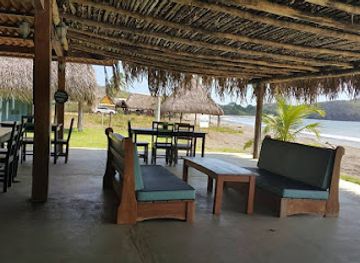
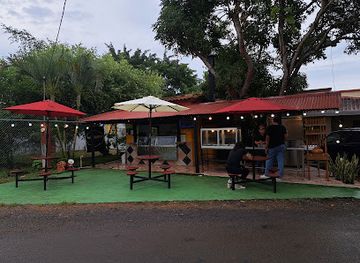
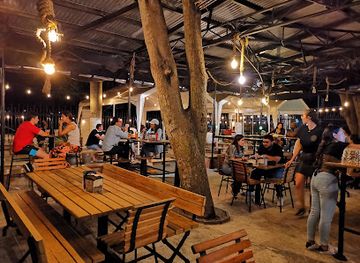
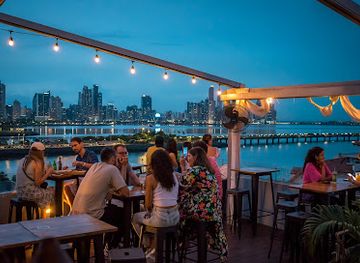
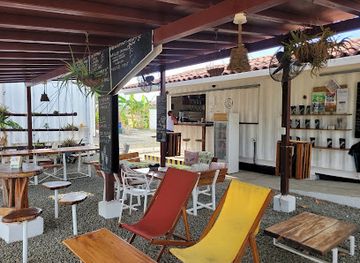
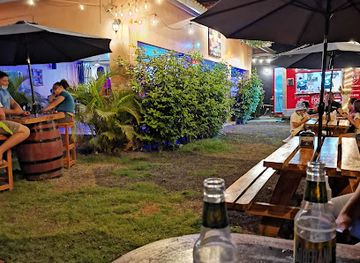
Evening life in the Azuero Peninsula is concentrated in town plazas, casual bars, restaurants and festival venues rather than a continuous nightclub circuit. Chitré and Las Tablas have the broadest choice of bars and late social venues, while Pedasí supports a modest evening scene built around restaurants, small bars and music. Playa Venao has the region’s most internationally oriented nightlife, with surf-focused establishments and occasional music events, although activity varies by season and venue. In smaller towns, a traditional cantina, family restaurant or plaza gathering is more typical than a large club. Carnival, patron-saint celebrations and local dances can create lively evenings, but their dates and programmes change annually. Visitors should avoid assuming that rural venues operate late, arrange transport before drinking and respect that community festivals may have religious and family dimensions as well as entertainment.
-
Brewpub
La Fábrica
Discover La Fábrica: Panama City's premier brewpub with craft beers, gourmet burgers, and a lively atmosphere to enjoy.
-
Cocktail bar
Sama Sky Lounge
Experience the ultimate blend of stunning views, exquisite cocktails, and vibrant nightlife at Sama Sky Lounge in Panama City.
-
Bar
Coucou Crazy
Discover the vibrant flavors and cozy ambiance of Coucou Crazy, the ultimate bar and café experience in Pedasi's stunning landscape.
-
Bar
TEXAS HOUSE
Experience the vibrant atmosphere and local flavors at Texas House, a must-visit bar and restaurant in Sabanagrande.
Best nightclubs in Azuero Peninsula
Evening life in the Azuero Peninsula is concentrated in town plazas, casual bars, restaurants and festival venues rather than a continuous nightclub circuit. Chitré and Las Tablas have the broadest choice of bars and late social venues, while Pedasí supports a modest evening scene built around restaurants, small bars and music. Playa Venao has the region’s most internationally oriented nightlife, with surf-focused establishments and occasional music events, although activity varies by season and venue. In smaller towns, a traditional cantina, family restaurant or plaza gathering is more typical than a large club. Carnival, patron-saint celebrations and local dances can create lively evenings, but their dates and programmes change annually. Visitors should avoid assuming that rural venues operate late, arrange transport before drinking and respect that community festivals may have religious and family dimensions as well as entertainment.
-
Disco club
Mansion Night Club
Discover the electric nightlife at Mansion Night Club in Las Tablas, where unforgettable moments and vibrant music come together.
Best shops in Azuero Peninsula
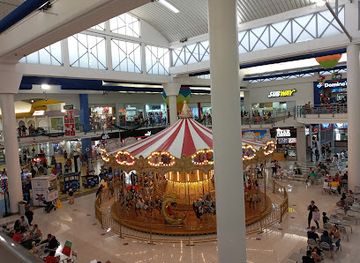
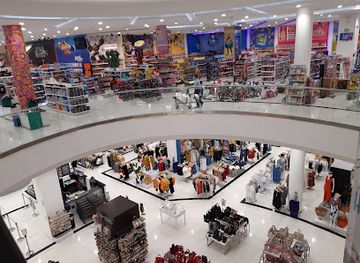
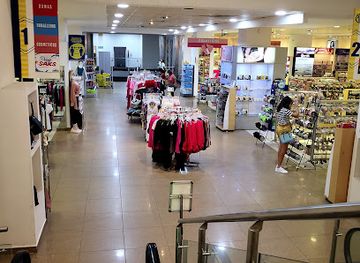
Shopping in Azuero centres on practical town commerce, traditional craftsmanship and regional food rather than large-scale luxury retail. Chitré has the peninsula’s broadest selection of supermarkets, department-style stores and everyday services, while Las Tablas is particularly associated with pollera-related craftsmanship, jewellery, embroidery and festival goods. In smaller towns such as Parita, La Villa de Los Santos and Pedasí, independent shops and market stalls offer clothing, household items, snacks, seasonal produce and locally made souvenirs. Look for woven or embroidered goods, carved objects, masks, Panama-themed crafts and small food products, but ask about materials and origin before buying. Farmers’ markets and roadside stalls can be useful for fruit, sweets and other provisions, although availability follows the agricultural season. Playa Venao has surf shops and beach-oriented businesses rather than a comprehensive shopping district. Purchases from artisans are best made respectfully, with fair bargaining and careful packing for handmade pieces.
-
Shopping mall
Albrook Mall
Discover unparalleled shopping, dining, and entertainment at Albrook Mall, the largest shopping center in Panama City, offering a vibrant experience for all visitors.
-
Shopping mall
Multiplaza Panamá
Discover Multiplaza Panamá, a vibrant shopping mall offering a blend of luxury brands, diverse dining options, and entertainment in the heart of Panama City.
-
Shopping mall
AltaPlaza Mall
Explore AltaPlaza Mall, a luxurious shopping haven in Panama City with exquisite brands and delightful dining options for every traveler.
-
Shopping mall
Centro Comercial El Dorado
Explore the heart of shopping in Panama City at Centro Comercial El Dorado - a vibrant mall with endless shopping, dining, and entertainment options.

Get your free copy of our complete guide to Azuero Peninsula, delivered straight to you.
Everything on this page, from attractions and restaurants to essentials and local phrases, in one PDF you can read offline, print or share.
Already have an account? Sign in
Your Azuero Peninsula guide is ready.
We'll send it to · Not you? Sign out

Getting your guide ready…
We are putting together a fresh copy of the Azuero Peninsula guide. This can take up to a minute.
This can take a few moments. If your browser asks, choose Allow so the download can start. You'll find the guide in your Downloads folder.
Nothing happened? Download it again
Sorry, the guide is taking longer than usual. Please try again in a minute, or get it by email instead.
Azuero Peninsula essentials
Currency and Payment
Safety
Emergency Situations
Do's and Don'ts
Local Tips
From Eve
Local phrases worth knowing
You don't need to get them perfect. A few words go a long way, and locals appreciate the effort.
Basics
| English | Local | Say it |
|---|---|---|
| Hello | Hola | [Ola] |
| Goodbye | Adiós | [Adios] |
| Yes | Sí | [Si] |
| No | No | [No] |
| Please/You're welcome | Por favor | [Por favor] |
| Thank you | Gracias | [Grasias] |
| Excuse me/Sorry | Perdón | [Perdon] |
| How are you? | ¿Cómo estás? | [Como estas] |
| Fine. And you? | Bien. ¿Y tú? | [Bien. I tu] |
| Do you speak English? | ¿Hablas inglés? | [Hablas ingles] |
| I don't understand | No entiendo | [No entiendo] |
Eating & Drinking
| English | Local | Say it |
|---|---|---|
| I'd like to see the menu, please | Me gustaría ver el menú, por favor | [Me gustaria ver el menu, por favor] |
| I don't eat meat | No como carne | [No como carne] |
| Cheers! | ¡Salud! | [Salud] |
| I would like to pay, please | Me gustaría pagar, por favor | [Me gustaria pagar, por favor] |
Emergencies
| English | Local | Say it |
|---|---|---|
| Help! | ¡Ayuda! | [Ayuda] |
| Go away! | ¡Vete! | [Vete] |
| Call the Police! | ¡Llama a la policía! | [Llama a la policia] |
| Call a doctor! | ¡Llama a un doctor! | [Llama a un doctor] |
| I'm lost | Estoy perdido | [Estoy perdido] |
| I'm ill | Estoy enfermo | [Estoy enfermo] |
Shopping
| English | Local | Say it |
|---|---|---|
| I'd like to buy... | Me gustaría comprar... | [Me gustaria comprar] |
| I'm just looking | Solo estoy mirando | [Solo estoy mirando] |
| How much is it? | ¿Cuánto cuesta? | [Cuanto cuesta] |
| That's too expensive | Eso es muy caro | [Eso es muy caro] |
| Can you lower the price? | ¿Puedes bajar el precio? | [Puedes bajar el precio] |
Time & Numbers
| English | Local | Say it |
|---|---|---|
| What time is it? | ¿Qué hora es? | [Que hora es] |
| It's one o'clock | Es la una | [Es la una] |
| Half past (10) | Y media (10) | [Y media 10] |
| Morning | Mañana | [Mañana] |
| Afternoon | Tarde | [Tarde] |
| Evening | Noche | [Noche] |
| Yesterday | Ayer | [Ayer] |
| Today | Hoy | [Hoy] |
| Tomorrow | Mañana | [Mañana] |
| 1 | Uno | [Uno] |
| 2 | Dos | [Dos] |
| 3 | Tres | [Tres] |
| 4 | Cuatro | [Cuatro] |
| 5 | Cinco | [Cinco] |
| 6 | Seis | [Seis] |
| 7 | Siete | [Siete] |
| 8 | Ocho | [Ocho] |
| 9 | Nueve | [Nueve] |
| 10 | Diez | [Diez] |
Transport & Directions
| English | Local | Say it |
|---|---|---|
| Where's a/the...? | ¿Dónde está un/una...? | [Donde esta un/una] |
| What's the address? | ¿Cuál es la dirección? | [Cual es la direccion] |
| Can you show me (on the map)? | ¿Puedes mostrarme (en el mapa)? | [Puedes mostrarme en el mapa] |
| When's the next (bus)? | ¿Cuándo es el próximo (bus)? | [Cuando es el proximo bus] |
| A ticket (to ....) | Un boleto (a....) | [Un boleto a] |
History of Azuero Peninsula
Pre-Columbian Gran Coclé and the Central Pacific
Before Spanish colonisation, the central Pacific region of present-day Panama supported complex Indigenous societies whose influence extended across parts of the Azuero Peninsula. Archaeological traditions commonly associated with Gran Coclé are noted for finely worked ceramics, distinctive painted designs and elaborate gold ornaments. Sites such as Cerro Juan Díaz, near the southern part of the peninsula, have provided evidence of chiefdom organisation, trade, ritual activity and long-distance contacts. These communities were not a single uniform nation, but their artistic and material legacy remains central to understanding Azuero’s deep history.
Spanish Settlement and Colonial Towns
Spanish conquest and settlement transformed the peninsula from the sixteenth century onwards. New towns, Catholic parishes and agricultural estates were established, while Indigenous populations were severely disrupted by disease, warfare and forced labour. Settlements including Parita and La Villa de Los Santos developed around churches, plazas, commerce and farming. Colonial buildings were generally modest rather than monumental, but their surviving churches, street plans and religious traditions show how Spanish institutions became embedded in the region.
Ranching, Agriculture and Rural Society
Over the colonial and republican periods, Azuero became strongly associated with cattle raising, farming and the cultivation of crops suited to its seasonal climate. Haciendas and smallholdings shaped land use, while horses, livestock fairs and rural religious celebrations became part of regional identity. Rice, maize, beans and sugar-related production have been important at different times, alongside fishing on the Pacific coast. The resulting landscape of pasture, fields, dry woodland and scattered settlements still distinguishes the peninsula from Panama’s wetter regions.
The Growth of Azuero’s Towns and Regional Trade
During the nineteenth and twentieth centuries, towns such as Chitré, Las Tablas and Los Santos grew as administrative, commercial and cultural centres. Improved roads and communications connected inland agriculture with markets and supported the movement of livestock, food and manufactured goods. Chitré developed a particularly important commercial role, while Las Tablas became closely associated with Carnival and the public performance of Azuero’s music, costume and dance traditions. Urban growth has modernised the region without eliminating its small-town networks.
Pollera, Craftsmanship and Folk Culture
Azuero is one of Panama’s leading centres for traditional dress, especially the pollera, whose embroidery, lacework, jewellery and styling can involve considerable skill and expense. Local artisans also produce masks, carved objects, woven goods and other items related to festivals and folk performance. These traditions developed through the interaction of Indigenous, Spanish and African influences and are maintained through families, schools, religious events and community celebrations. They are living cultural practices rather than museum pieces, and visitors should approach photography and costume respectfully.
Modern Tourism and Coastal Change
In recent decades, the Pacific coast has become increasingly important to Azuero’s economy and public image. Playa Venao developed an international reputation for surfing, while Pedasí became a base for marine excursions to Isla Iguana and for exploring nearby beaches. At the same time, conservation efforts have highlighted the peninsula’s dry forests, wetlands, reefs and seasonal wildlife. Tourism now sits alongside agriculture, fishing and local commerce, bringing investment and new visitors while making careful environmental management increasingly important.
Azuero Peninsula in Photos
Browse through our photo collection highlighting the charm and character of the destination.
Neighbouring regions of Azuero Peninsula
The closest regions to Azuero Peninsula, if you have time for more than one.
-

-

-

-

-


Swipe for more regions
Explore more

Explore more of Panama
Discover Panama: A vibrant blend of modernity and nature, where historic charm, tropical rainforests, and pristine beaches come together in the heart of Central America.
Explore Panama