

Free Caaguazú Plains Travel Guide & Mobile App
Explore Caaguazú Plains with free travel guides. Discover regional history, expert tips, proposed trips, and audio guides on web or mobile app.


Explore Paraguay’s Caaguazú Plains for red-earth landscapes, agricultural towns, Guaraní culture, regional food and journeys through the eastern interior.
Read more about Caaguazú Plains
When is the best time to visit Caaguazú Plains?
Best: May, August–September · 22–25°C| Month | High (°C) | Rainfall (mm) |
|---|---|---|
| January | 31 | 150 |
| February | 31 | 130 |
| March | 30 | 130 |
| April | 27 | 120 |
| May (best) | 23 | 110 |
| June | 21 | 90 |
| July | 20 | 90 |
| August (best) | 22 | 100 |
| September (best) | 25 | 120 |
| October | 28 | 140 |
| November | 29 | 140 |
| December | 31 | 150 |
Getting to and around Caaguazú Plains
How to get there
Transportation
Top city travel guides in Caaguazú Plains
The cities of Caaguazú Plains, and the easiest places to base yourself.
-

-


Swipe for more cities
Destinations in Caaguazú Plains
Resorts, valleys and scenic spots worth a trip of their own.
-

-
-

-


Swipe for more destinations
Best attractions in Caaguazú Plains
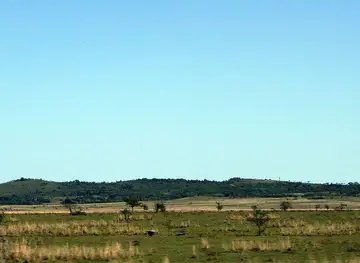
The Caaguazú Plains offer a quieter, landscape-led form of travel rather than a concentration of major ticketed sights. Coronel Oviedo and Caaguazú provide useful introductions to regional life through markets, civic buildings, churches, food stalls and small local collections, while the towns along National Route 2 reveal the area’s role as a trading and transport corridor. Outside the urban centres, the attractions are agricultural landscapes, cattle country, yerba-mate production, family farms and wooded remnants of the Atlantic Forest. Rural excursions can be arranged through local contacts, but access is often informal and permission may be needed. The region is also suitable for birdwatching, landscape photography and observing seasonal farm activity, provided visitors stay on authorised land. Smaller communities around Campo 9 and Repatriación show the varied settlement history of the interior, including agricultural colonies and Paraguayan rural traditions. Those seeking grand colonial monuments or extensive museum collections will find fewer options here than in Asunción or the historic mission districts farther south. The appeal lies instead in understanding how roads, farms, markets, language and forest fragments combine to form contemporary eastern Paraguay.
-
Ecological park
Techapyrã Ecological Park
Experience the natural beauty and tranquility of Techapyrã Ecological Park in Caaguazú, Paraguay, a perfect retreat for nature lovers and adventure seekers.
-
Ecological park
Ykua La Patria Park
Discover the serene beauty of Ykua La Patria Park, an ecological haven in Caaguazú, perfect for nature enthusiasts and families alike.
-
Tourist attraction
Parque Acuático Valle Delfina
Dive into adventure and relaxation at Parque Acuático Valle Delfina, a premier water park in Caaguazú, Paraguay, perfect for families and fun-seekers.
-
Tourist attraction
RANCHO CHE LA REINA PY
Experience the tranquil beauty and rich culture of Rancho Che La Reina, a must-visit tourist attraction in Paraguay's stunning landscapes.


Best landmarks in Caaguazú Plains
The principal landmarks of the Caaguazú Plains are tied to transport, settlement and civic identity rather than monumental architecture. Coronel Oviedo’s central urban area and the Cathedral of the Virgin of the Rosary represent the importance of the regional capital and its religious life, while the city’s position at a major road junction is itself a defining geographical feature. Caaguazú’s churches, public buildings and commercial streets reflect the development of a town that grew with agricultural expansion and road connections. Along National Route 2, the broad highway corridor is a contemporary landmark of Paraguay’s east-west integration, linking productive communities with Asunción and Ciudad del Este. Farther from the road, red-soil fields, pasture, yerba-mate areas and surviving forest corridors form the region’s most characteristic visual markers. These landscapes are economically active places rather than untouched scenery, and their meaning lies in the relationship between farming, settlement and environmental change. Individual rural landmarks may be difficult to visit without local arrangements, so travellers should confirm access before making a detour.
-
Ecological park
Techapyrã Ecological Park
Explore the lush landscapes and diverse wildlife at Techapyrã Ecological Park in Caaguazú, a serene retreat for nature enthusiasts and families alike.
-
Ecological park
Ykua La Patria Park
Experience the calming embrace of nature at Ykua La Patria Park, an ecological haven in Caaguazú, Paraguay, perfect for relaxation and family outings.
-
Tourist attraction
Casa Quinta Flia Giménez
Discover the architectural beauty and serene gardens of Casa Quinta Flia Giménez in Calle Piribebuy, a tranquil escape revealing Paraguay's rich heritage.
-
 Historical landmark
Picodromo San Bernardino
Experience the charm of Picodromo San Bernardino, a historical landmark in Costa Alegre showcasing Paraguay's rich cultural heritage and stunning architecture.


Explore Caaguazú Plains on the map
Plan your trip on one map. See where the top cities, national parks and sights are, and book hotels and experiences in a few clicks.
Best hotels in Caaguazú Plains
Best restaurants in Caaguazú Plains
Dining in the Caaguazú Plains is closely tied to Paraguayan home cooking, roadside commerce and the produce of an agricultural interior. Mandioca, maize, cassava flour, beef, pork, chicken, cheese and seasonal fruit appear frequently, with chipa, sopa paraguaya, mbejú and grilled meats among the familiar foods visitors may encounter. In Coronel Oviedo, Caaguazú and the larger highway towns, restaurants and cafés provide broader menus, while smaller communities tend towards simple eateries, bakeries and market stalls. Roadside stops are useful for regional snacks, tereré supplies and fresh produce, though quality and availability vary by location and time of day. Yerba mate is important culturally, and tereré is especially associated with Paraguay’s hot climate, but visitors should accept an invitation to share it respectfully rather than treating the ritual as a staged attraction. Menus may be more limited in rural areas, so travellers with dietary restrictions should explain their needs clearly in Spanish or Guaraní and carry suitable provisions on longer drives.
-
Produce market
Mercado Municipal de Abasto
Explore the lively Mercado Municipal de Abasto in Caaguazú—your gateway to authentic Paraguayan flavors and vibrant local culture.
-
Hotel
Hotel Tajy Internacional
Discover the perfect blend of modern comfort and traditional Paraguayan hospitality at Hotel Tajy Internacional in Caaguazú.
-
Bakery
Panadería & Confitería La Guaireña
Discover the essence of Paraguayan baking at Panadería & Confitería La Guaireña in Caaguazú – where tradition meets flavor!
-
Restaurant
Restaurant La Revancha
Experience authentic Paraguayan cuisine at Restaurant La Revancha in Caaguazú – a delightful destination for food enthusiasts.


Best bars in Caaguazú Plains
Nightlife across the Caaguazú Plains is concentrated in the larger towns and is generally social, informal and locally oriented rather than built around a major club scene. Coronel Oviedo has the widest choice of evening restaurants, cafés, bars and occasional live-music settings, while Caaguazú and the highway towns offer smaller establishments where residents meet after work. In rural districts, evenings are more likely to centre on family gatherings, food, community events or modest bars than on late-night entertainment. Music and conversation are important parts of the atmosphere, and tereré or soft drinks are common as well as alcoholic beverages. Opening arrangements can change, particularly outside the main towns, so local advice is more reliable than assuming a venue will remain open late. Visitors should use recognised transport after dark and remember that nightlife is a complement to regional travel, not its defining feature.
-
Restaurant
Cavas Resto Bar
Experience the best of Caaguazú dining at Cavas Resto Bar, where grilled delights and vibrant cocktails await in a lively atmosphere.
-
Pizza
El Combo Resto Bar
Experience the vibrant flavors of El Combo Resto Bar, the ultimate destination for pizza and bar lovers in Pedro Juan Caballero.
-
Bar
Wilchos Bar
Discover the vibrant energy of Wilchos Bar in Caaguazú, where refreshing drinks and a lively atmosphere await every visitor.
-
Bar
La Terraza de Candu
Discover the lively La Terraza de Candu in Caaguazú, where refreshing drinks and traditional Paraguayan cuisine create an unforgettable experience.


Best nightclubs in Caaguazú Plains
Nightlife across the Caaguazú Plains is concentrated in the larger towns and is generally social, informal and locally oriented rather than built around a major club scene. Coronel Oviedo has the widest choice of evening restaurants, cafés, bars and occasional live-music settings, while Caaguazú and the highway towns offer smaller establishments where residents meet after work. In rural districts, evenings are more likely to centre on family gatherings, food, community events or modest bars than on late-night entertainment. Music and conversation are important parts of the atmosphere, and tereré or soft drinks are common as well as alcoholic beverages. Opening arrangements can change, particularly outside the main towns, so local advice is more reliable than assuming a venue will remain open late. Visitors should use recognised transport after dark and remember that nightlife is a complement to regional travel, not its defining feature.
-
Dance club
ENERGY
Discover the vibrant nightlife at ENERGY, Caaguazú's premier dance club, where music, dance, and excitement come alive.
-
Disco club
ONE NIGHT CLUB
ONE NIGHT CLUB in Caaguazú offers an electrifying nightlife experience with diverse music, vibrant atmosphere, and unforgettable dance parties.
-
Restaurant
Del Cielo Restobar
Experience the rich flavors of Paraguay at Del Cielo Restobar in Caaguazú, where every dish tells a story of local culture and culinary artistry.
-
Night club
Break Club
Experience the vibrant nightlife of Caaguazú at Break Club, a top destination for dancing and entertainment in Paraguay.


Best shops in Caaguazú Plains
Shopping in the Caaguazú Plains is practical and market-based, with the strongest choices found in Coronel Oviedo, Caaguazú and the larger towns along National Route 2. Local markets and small food shops are useful for mandioca, fruit, cheese, chipa, yerba mate and other Paraguayan staples, while roadside stalls may sell seasonal produce directly from nearby farms. Independent shops in town centres provide clothing, household goods and everyday supplies rather than a specialised tourist retail scene. Visitors looking for souvenirs should favour packaged regional foods, woven goods, ceramics or modest craft items when provenance is clear, and should ask permission before photographing artisans or market sellers. Campo 9 and other agricultural communities reflect the region’s productive diversity, but they are working settlements rather than dedicated shopping destinations. Larger supermarkets offer dependable provisions for journeys, whereas rural stalls may operate at particular times and accept cash only. Shopping is therefore best treated as part of exploring local foodways and commerce, not as a separate luxury or designer experience.
-
Shopping mall
Shopping del Este
Explore Shopping del Este: the ultimate shopping destination in Ciudad del Este, Paraguay, featuring diverse shops, delicious dining, and lively entertainment.
-
Shopping mall
Mega Shopping Importados
Explore Mega Shopping Importados in Ciudad del Este for an unforgettable shopping adventure with unbeatable prices and diverse offerings.
-
Supermarket
Supermercados Stock Caaguazú.
Discover local flavors and essentials at Supermercados Stock Caaguazú, your gateway to authentic Paraguayan shopping.
-
Produce market
Mercado Municipal de Abasto
Experience the essence of Paraguay at the Mercado Municipal de Abasto, a lively market brimming with fresh produce and local flavors.




Get your free copy of our complete guide to Caaguazú Plains, delivered straight to you.
Everything on this page, from attractions and restaurants to essentials and local phrases, in one PDF you can read offline, print or share.
Already have an account? Sign in
Your Caaguazú Plains guide is ready.
We'll send it to · Not you? Sign out

Getting your guide ready…
We are putting together a fresh copy of the Caaguazú Plains guide. This can take up to a minute.
This can take a few moments. If your browser asks, choose Allow so the download can start. You'll find the guide in your Downloads folder.
Nothing happened? Download it again
Sorry, the guide is taking longer than usual. Please try again in a minute, or get it by email instead.
Caaguazú Plains essentials
Currency and Payment
Safety
Emergency Situations
Do's and Don'ts
Local Tips
From Eve
Local phrases worth knowing
You don't need to get them perfect. A few words go a long way, and locals appreciate the effort.
Basics
| English | Local | Say it |
|---|---|---|
| Hello | Hola | [Ola] |
| Goodbye | Adiós | [Adios] |
| Yes | Sí | [Si] |
| No | No | [No] |
| Please/You’re welcome | Por favor | [Por favor] |
| Thank you | Gracias | [Grasias] |
| Excuse me/Sorry | Disculpa | [Disculpa] |
| How are you? | ¿Cómo estás? | [Como estas] |
| Fine. And you? | Bien. ¿Y tú? | [Bien. I tu] |
| Do you speak English? | ¿Hablas inglés? | [Hablas ingles] |
| I don’t understand | No entiendo | [No entiendo] |
Eating & Drinking
| English | Local | Say it |
|---|---|---|
| I’d like to see the menu, please | Me gustaría ver el menú, por favor | [Me gustaria ver el menu, por favor] |
| I don’t eat meat | No como carne | [No como carne] |
| Cheers! | ¡Salud! | [Salud] |
| I would like to pay, please | Me gustaría pagar, por favor | [Me gustaria pagar, por favor] |
Emergencies
| English | Local | Say it |
|---|---|---|
| Help! | ¡Ayuda! | [Ayuda] |
| Go away! | ¡Vete! | [Vete] |
| Call the Police! | ¡Llama a la policía! | [Llama a la policia] |
| Call a doctor! | ¡Llama a un doctor! | [Llama a un doctor] |
| I’m lost | Estoy perdido | [Estoy perdido] |
| I’m ill | Estoy enfermo | [Estoy enfermo] |
Shopping
| English | Local | Say it |
|---|---|---|
| I’d like to buy... | Me gustaría comprar... | [Me gustaria comprar...] |
| I’m just looking | Solo estoy mirando | [Solo estoy mirando] |
| How much is it? | ¿Cuánto cuesta? | [Cuanto cuesta] |
| That’s too expensive | Eso es demasiado caro | [Eso es demasiado caro] |
| Can you lower the price? | ¿Puedes bajar el precio? | [Puedes bajar el precio] |
Time & Numbers
| English | Local | Say it |
|---|---|---|
| What time is it? | ¿Qué hora es? | [Que hora es] |
| It’s one o’clock | Es la una | [Es la una] |
| Half past (10) | Y media (10) | [Y media (10)] |
| Morning | Mañana | [Mañana] |
| Afternoon | Tarde | [Tarde] |
| Evening | Noche | [Noche] |
| Yesterday | Ayer | [Ayer] |
| Today | Hoy | [Hoy] |
| Tomorrow | Mañana | [Mañana] |
| 1 | Uno | [Uno] |
| 2 | Dos | [Dos] |
| 3 | Tres | [Tres] |
| 4 | Cuatro | [Cuatro] |
| 5 | Cinco | [Cinco] |
| 6 | Seis | [Seis] |
| 7 | Siete | [Siete] |
| 8 | Ocho | [Ocho] |
| 9 | Nueve | [Nueve] |
| 10 | Diez | [Diez] |
Transport & Directions
| English | Local | Say it |
|---|---|---|
| Where's a/the...? | ¿Dónde está un/una...? | [Donde esta un/una...] |
| What's the address? | ¿Cuál es la dirección? | [Cual es la direccion] |
| Can you show me (on the map)? | ¿Puedes mostrarme (en el mapa)? | [Puedes mostrarme (en el mapa)] |
| When's the next (bus)? | ¿Cuándo es el próximo (autobús)? | [Cuando es el proximo (autobus)] |
| A ticket (to ....) | Un boleto (a ....) | [Un boleto (a ....)] |
History of Caaguazú Plains
Guaraní Settlement and Cultural Continuity
Long before colonial settlement, the eastern Paraguayan interior was occupied and shaped by Guaraní-speaking peoples whose networks connected forest, river and cultivated landscapes. Their agricultural knowledge, place names and language remain fundamental to the cultural identity of the Caaguazú area. The region’s modern towns and farms therefore sit within an older human geography rather than an empty frontier. Mandioca, maize and other crops associated with Paraguayan foodways reflect this enduring inheritance, while Guaraní continues to be spoken widely alongside Spanish.
Colonial Frontier and the Jesuit-Guaraní World
During the colonial period, the land east of Paraguay’s main river corridor was a frontier of missions, estancias, forest travel and contested authority. The best-known Jesuit reductions lay farther south and east, so the Caaguazú Plains should not be confused with the principal mission towns. Nevertheless, the region was affected by the wider movements of missionaries, Indigenous communities, cattle, traders and colonial officials. This frontier history helps explain the mixture of Guaraní cultural continuity, dispersed settlement and later agricultural expansion found in the interior.
Yerba Mate, Timber and Inland Commerce
For much of the nineteenth and early twentieth centuries, eastern Paraguay’s forests supported the collection of yerba mate and valuable timber. Paths and river routes connected remote production areas with trading centres, while labour systems were frequently harsh and exploitative. The Caaguazú area participated in this wider extractive economy before large-scale mechanised farming became dominant. Yerba mate remains visible in daily Paraguayan culture, but the extensive forest that once covered much of the eastern region has been reduced by settlement, logging and agricultural conversion.
Postwar Settlement and Agricultural Expansion
After the War of the Triple Alliance, Paraguay underwent major land transfers and a gradual reorganisation of its rural economy. In the twentieth century, state policies, private colonisation and migration encouraged the settlement of the eastern interior. New agricultural communities developed around farming, cattle and local commerce, including settlements with immigrant backgrounds. The expansion of roads and services transformed the Caaguazú Plains from a sparsely connected forest frontier into one of Paraguay’s important productive zones, while also placing pressure on remaining native vegetation.
The Railway and the Rise of Coronel Oviedo
The railway linking Asunción with southern Paraguay helped integrate inland towns into national commerce, even though the line was never a complete solution to the region’s difficult distances. Coronel Oviedo grew in importance as a transport and trading centre because of its position between the capital, the southern interior and routes towards the eastern frontier. Passenger rail has ceased to be the practical way to explore the area, but the railway era shaped the settlement pattern and commercial role of several towns.
Modern Roads, Agribusiness and Regional Change
The development of National Route 2 and connecting roads brought faster links between Asunción and Ciudad del Este and strengthened the commercial importance of Caaguazú’s towns. Mechanised agriculture, especially soy, maize and cattle production, has expanded alongside family farming based on cassava and other crops. This transformation has brought investment and employment but has also intensified debates about soil, water, land use and the survival of forest remnants. Today the region combines agricultural modernisation with older rural livelihoods and strong Guaraní-Paraguayan cultural continuity.
Caaguazú Plains in Photos
Browse through our photo collection highlighting the charm and character of the destination.
Neighbouring regions of Caaguazú Plains
The closest regions to Caaguazú Plains, if you have time for more than one.
-

-
-
-
-


Swipe for more regions
Explore more

Explore more of Paraguay
Discover Paraguay: A blend of history, culture, and natural beauty in the heart of South America. Visit Asunción, explore Jesuit ruins, and experience the local cuisine.
Explore Paraguay