

Free Pocono Mountains Travel Guide & Mobile App
Explore Pocono Mountains with free travel guides. Discover regional history, expert tips, proposed trips, and audio guides on web or mobile app.


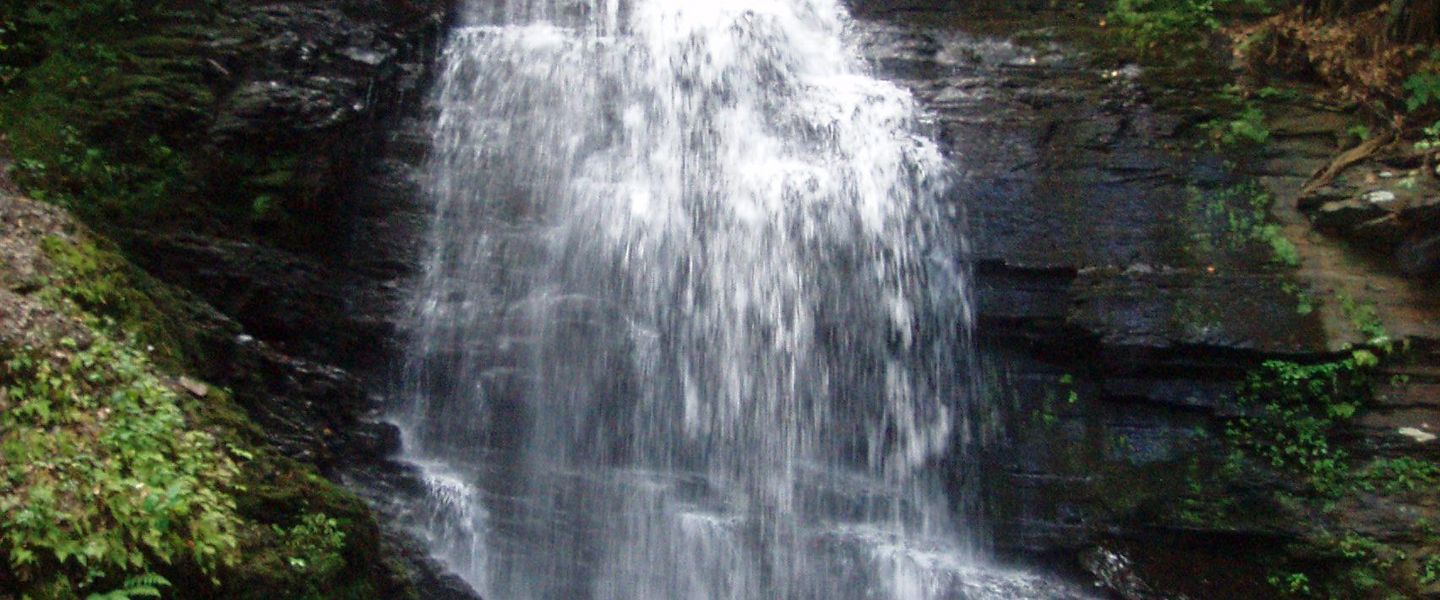


Explore Pennsylvania’s Pocono Mountains for forest trails, mountain lakes, historic towns, river scenery, skiing and four-season outdoor recreation.
Read more about Pocono Mountains
When is the best time to visit Pocono Mountains?
Best: June–August · 24–27°C| Month | High (°C) | Rainfall (mm) |
|---|---|---|
| January | 1 | 71 |
| February | 3 | 64 |
| March | 8 | 86 |
| April | 14 | 91 |
| May | 19 | 97 |
| June (best) | 24 | 102 |
| July (best) | 27 | 117 |
| August (best) | 26 | 112 |
| September | 21 | 107 |
| October | 15 | 86 |
| November | 9 | 86 |
| December | 3 | 76 |
Getting to and around Pocono Mountains
How to get there
Transportation
Top city travel guides in Pocono Mountains
The cities of Pocono Mountains, and the easiest places to base yourself.
-

-


Swipe for more cities
Destinations in Pocono Mountains
Resorts, valleys and scenic spots worth a trip of their own.
-

-


Swipe for more destinations
Best attractions in Pocono Mountains
The Pocono Mountains offer a broad mixture of protected nature, organised recreation and historic communities. Delaware Water Gap National Recreation Area is the region’s defining public landscape, with river access, forest trails, waterfalls, fishing areas and viewpoints around the Delaware River and Kittatinny Mountain. Hickory Run and Promised Land state parks add beaches, lakes, camping, wetlands, hiking and the notable Boulder Field at Hickory Run. Lake Wallenpaupack supports boating, fishing and waterside leisure, while ski and resort complexes around the central and eastern mountains provide winter sports, water parks and family activities. Bushkill Falls is a privately operated walking attraction centred on a series of waterfalls. Jim Thorpe, Milford, Honesdale and Stroudsburg contribute historic streets, museums, galleries, rail and canal stories, and local events. Cycling, paddling, horseback riding, zip lines and wildlife watching broaden the outdoor offer, but access and opening arrangements vary by season, ownership and weather, so visitors should check current details before setting out.
-
Kalahari Resorts & Convention Center - Poconos
Experience the ultimate family adventure at Kalahari Resorts & Convention Center in the Poconos, featuring a world-class water park and luxurious accommodations.
-
Great Wolf Lodge Water Park | Pocono Mountains
Experience the ultimate indoor water park adventure at Great Wolf Lodge in the Pocono Mountains, where family fun and relaxation await!
-
Mount Airy Casino Resort
Experience the thrill of gaming, fine dining, and relaxation at Mount Airy Casino Resort in the beautiful Pocono Mountains.
-

Bushkill Falls
Experience the breathtaking beauty of Bushkill Falls, a stunning hiking area featuring waterfalls, scenic trails, and picnic spots in the heart of Pennsylvania's Pocono Mountains.


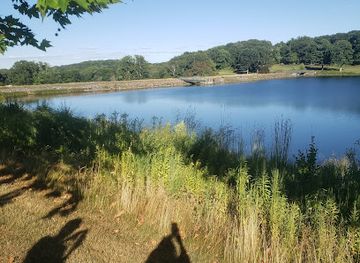
Best landmarks in Pocono Mountains
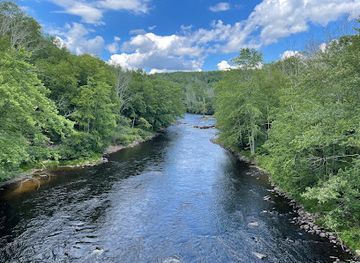
The Delaware Water Gap is the Pocono Mountains’ most recognisable natural landmark, where the Delaware River passes through Kittatinny Mountain and creates a powerful geographic gateway between Pennsylvania and New Jersey. In the southern region, Jim Thorpe’s preserved Victorian buildings and steep valley setting form a distinctive historic townscape shaped by the coal and railway era. Milford’s civic and residential architecture reflects its nineteenth-century prominence near the Delaware River, while Honesdale retains landmarks connected with the Delaware and Hudson Canal and early railway history. Boulder Field at Hickory Run State Park is an unusual landscape of weathered stones, produced by ancient environmental processes and now protected within a forested park. Lake Wallenpaupack is a major modern landscape landmark, its broad water surface and wooded shores defining the central Poconos. Mountain ridges, river bends, historic bridges and old canal or railway traces complete a landmark network that expresses both natural forces and industrial history.
-
Historical landmark
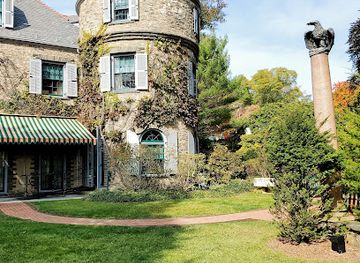
Grey Towers National Historic Site
Explore the historical richness and natural beauty of Grey Towers National Historic Site, the legacy of conservationist Gifford Pinchot in Milford, Pennsylvania.
-
History museum
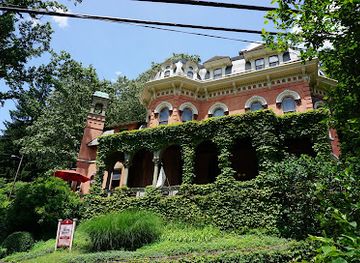
Asa Packer Mansion Museum
Discover the Asa Packer Mansion Museum, a historical gem in Jim Thorpe, PA, showcasing exquisite 19th-century artifacts and stunning Victorian architecture.
-
Historical landmark
Lehigh Tannery Historic Site
Explore the Lehigh Tannery Historic Site, a captivating glimpse into Pennsylvania's leather tanning industry and its historical significance.
-
Historical landmark
Hungry Hill
Discover the rich history and stunning landscapes at Hungry Hill, a captivating landmark nestled in the heart of the Pocono Mountains.
Explore Pocono Mountains on the map
Plan your trip on one map. See where the top cities, national parks and sights are, and book hotels and experiences in a few clicks.
Best hotels in Pocono Mountains
Best restaurants in Pocono Mountains
Dining in the Pocono Mountains ranges from independent cafés and traditional American diners to resort restaurants, rural inns, breweries and contemporary kitchens. Menus often draw on Pennsylvania’s wider food culture, including hearty meats, baked goods, seasonal produce and comfort food, while lake communities and resort areas add casual waterfront dining. Farmers’ markets and farm shops can provide fruit, vegetables, preserves, baked items and locally produced drinks, particularly in warmer months. Jim Thorpe, Stroudsburg and Milford have some of the region’s most concentrated choices, with Honesdale and Hawley offering further cafés, pubs and small restaurants. Around ski areas and family resorts, dining is designed for visitors and groups, whereas country roads lead to a more scattered selection of taverns, inns and roadside establishments. Reservations are sensible for popular restaurants at weekends, and opening patterns can be seasonal in smaller communities.
-
American
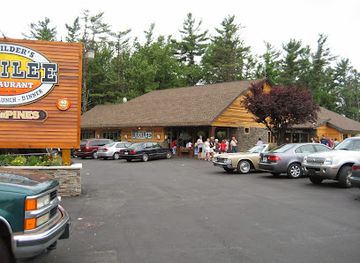
Jubilee Restaurant
Experience delightful American cuisine at Jubilee Restaurant in Pocono Pines—a perfect spot for families and food lovers alike.
-
Japanese
desaki Restaurant
Experience authentic Japanese flavors at Desaki Restaurant in Swiftwater – where every meal is a celebration of culinary artistry.
-
Restaurant
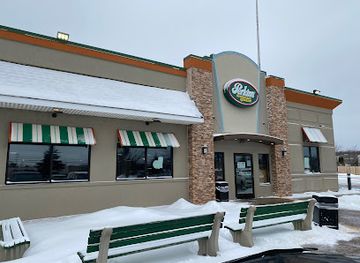
Perkins American Food Co.
Discover the heart of American cuisine at Perkins American Food Co., where delicious meals meet family-friendly hospitality in Mt. Pocono.
-
Seafood
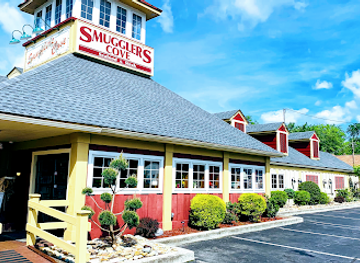
Smuggler's Cove
Experience fresh seafood delights at Smuggler's Cove in Tannersville - where coastal charm meets culinary excellence.

Best bars in Pocono Mountains
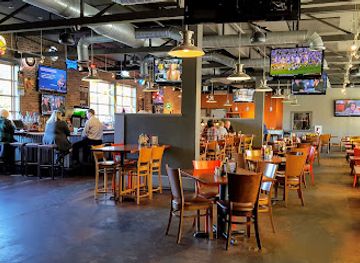
Evening life in the Pocono Mountains is generally centred on pubs, breweries, restaurants, live music and resort entertainment rather than a large nightclub circuit. Stroudsburg and East Stroudsburg provide the broadest concentration of bars, casual venues and late-evening dining, with Jim Thorpe, Honesdale, Milford and Hawley offering smaller local scenes. Historic-looking taverns and inns reflect the region’s transport and resort past, while breweries and taprooms have become part of the contemporary leisure landscape. Resorts may provide lounges, entertainment or seasonal activities, but arrangements change and should be checked before travelling. In rural areas, distances between venues, limited late-night transport and winding roads make planning important; designate a driver or arrange a reliable taxi or rideshare where available rather than relying on spontaneous transfers.
-
Restaurant
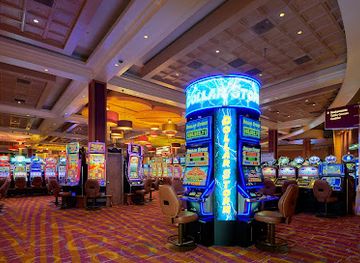
Mount Airy Casino Resort
Discover the excitement of gaming, fine dining, and relaxation at Mount Airy Casino Resort in the heart of the Pocono Mountains.
-
American
Jubilee Restaurant
Experience the heart of American cuisine at Jubilee Restaurant in Pocono Pines, where every meal is a celebration of flavor and community.
-
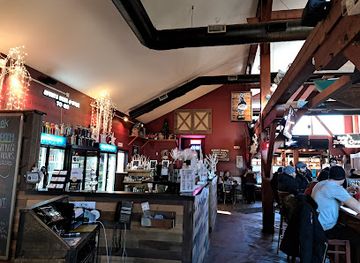
Barley Creek Brewing Company
Discover the best of craft brewing and local cuisine at Barley Creek Brewing Company in Tannersville, PA, where every sip tells a story.
-
Grill
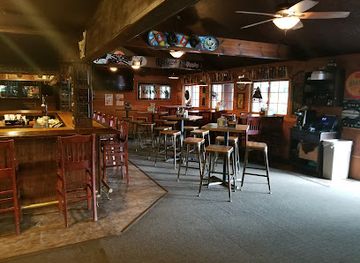
Trackside Grill & Bar
Experience delicious American cuisine and vibrant sports culture at Trackside Grill & Bar in East Stroudsburg, perfect for families and food lovers alike.
Best nightclubs in Pocono Mountains
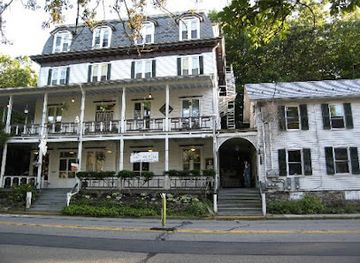
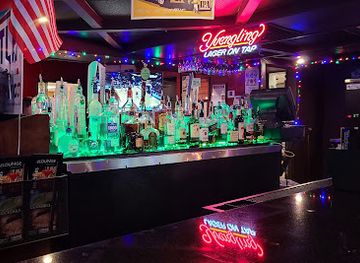
Evening life in the Pocono Mountains is generally centred on pubs, breweries, restaurants, live music and resort entertainment rather than a large nightclub circuit. Stroudsburg and East Stroudsburg provide the broadest concentration of bars, casual venues and late-evening dining, with Jim Thorpe, Honesdale, Milford and Hawley offering smaller local scenes. Historic-looking taverns and inns reflect the region’s transport and resort past, while breweries and taprooms have become part of the contemporary leisure landscape. Resorts may provide lounges, entertainment or seasonal activities, but arrangements change and should be checked before travelling. In rural areas, distances between venues, limited late-night transport and winding roads make planning important; designate a driver or arrange a reliable taxi or rideshare where available rather than relying on spontaneous transfers.
-
Deer Head Inn
Experience the magic of live jazz and fine dining at Deer Head Inn, a historic venue in Delaware Water Gap, Pennsylvania.
-
The LOUNGE at Baymont by Wyndham Poconos
Experience the vibrant cocktail culture and exceptional dining at The LOUNGE at Baymont by Wyndham in the scenic Poconos.
-
Bar
Goal Line
Discover the vibrant nightlife at Goal Line, East Stroudsburg's favorite bar, offering a lively atmosphere, craft drinks, and community spirit.
-
Gay bar
Heat Bar & Night Club
Discover the vibrant nightlife at Heat Bar & Night Club in Wilkes-Barre, PA, where inclusivity meets unforgettable entertainment.


Best shops in Pocono Mountains
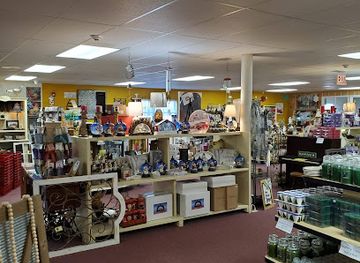
Shopping in the Pocono Mountains is concentrated in the historic centres of Jim Thorpe, Stroudsburg, Milford, Honesdale and Hawley rather than in one dominant retail district. Independent shops and galleries sell art, books, antiques, clothing, jewellery, home goods and locally made crafts, with each town offering a different balance of heritage streets and contemporary small businesses. Farmers’ markets and farm shops are useful for seasonal produce, baked goods, preserves and regional food gifts, while breweries and specialist food producers provide further take-home options. Resort areas include practical outdoor clothing, equipment and souvenirs, but visitors seeking distinctive purchases should explore the older town centres and local galleries. Retail availability and market days vary by season, especially in smaller communities, so checking current arrangements locally is advisable.
-
Outlet mall
Pocono Premium Outlets
Explore Pocono Premium Outlets - Your Destination for Discounted Designer Brands in the Scenic Poconos.
-
General store
Country Junction - World's Largest General Store
Explore Country Junction, the World's Largest General Store, where shopping turns into an unforgettable adventure with unique finds for everyone.
-
Shopping mall
Pocono Commons
Discover Pocono Commons in Stroudsburg, PA: A vibrant shopping mall with diverse stores, delicious dining, and entertainment options for everyone.
-
Gift shop
The Shoppes at American Candle
Discover a whimsical world of gifts, handcrafted candles, and sweet treats at The Shoppes at American Candle in Bartonsville, PA.



Get your free copy of our complete guide to Pocono Mountains, delivered straight to you.
Everything on this page, from attractions and restaurants to essentials and local phrases, in one PDF you can read offline, print or share.
Already have an account? Sign in
Your Pocono Mountains guide is ready.
We'll send it to · Not you? Sign out

Getting your guide ready…
We are putting together a fresh copy of the Pocono Mountains guide. This can take up to a minute.
This can take a few moments. If your browser asks, choose Allow so the download can start. You'll find the guide in your Downloads folder.
Nothing happened? Download it again
Sorry, the guide is taking longer than usual. Please try again in a minute, or get it by email instead.
Pocono Mountains essentials
Currency and Payment
Safety
Emergency Situations
Do's and Don'ts
Local Tips
From Eve
Local phrases worth knowing
You don't need to get them perfect. A few words go a long way, and locals appreciate the effort.
Basics
| English | Local | Say it |
|---|---|---|
| Hello | Hey there | [Hey thair] |
| Goodbye | See ya later | [See yah lay-ter] |
| Yes | Yup | [Yup] |
| No | Nah | [Nah] |
| Please/You're welcome | Sure thing | [Shoor thing] |
| Thank you | Thanks a lot | [Thanks a lot] |
| Excuse me/Sorry | Excuse me | [Ex-kyoos me] |
| How are you? | How ya doin'? | [How yah doin'?] |
| Fine. And you? | I’m good, you? | [I’m good, you?] |
| Do you speak English? | Ya speak English? | [Yah speek English?] |
| I don't understand | I don’t get it | [I don’t get it] |
Eating & Drinking
| English | Local | Say it |
|---|---|---|
| I'd like to see the menu, please | Can I see the menu? | [Can I see the menu?] |
| I don't eat meat | I’m a vegetarian | [I’m a vege-tay-ree-an] |
| Cheers! | Cheers! | [Cheers!] |
| I would like to pay, please | Can I get the check? | [Can I get the check?] |
Emergencies
| English | Local | Say it |
|---|---|---|
| Help! | Help! | [Help!] |
| Go away! | Get lost! | [Get lost!] |
| Call the Police! | Call the cops! | [Call the cops!] |
| Call a doctor! | Get a doctor! | [Get a doctor!] |
| I'm lost | I’m turned around | [I’m turned around] |
| I'm ill | I’m not feeling well | [I’m not feeling well] |
Shopping
| English | Local | Say it |
|---|---|---|
| I'd like to buy... | I want to buy... | [I want to buy...] |
| I'm just looking | Just browsing | [Just browsing] |
| How much is it? | What’s the price? | [What’s the price?] |
| That's too expensive | That’s too pricey | [That’s too pricey] |
| Can you lower the price? | Can ya make it cheaper? | [Can yah make it cheaper?] |
Time & Numbers
| English | Local | Say it |
|---|---|---|
| What time is it? | What time is it? | [What time is it?] |
| It's one o'clock | It's one o’clock | [It's one o’clock] |
| Half past (10) | Half past ten | [Half past ten] |
| Morning | Morning | [Morning] |
| Afternoon | Afternoon | [Afternoon] |
| Evening | Evening | [Evening] |
| Yesterday | Yesterday | [Yesterday] |
| Today | Today | [Today] |
| Tomorrow | Tomorrow | [Tomorrow] |
| 1 | One | [One] |
| 2 | Two | [Two] |
| 3 | Three | [Three] |
| 4 | Four | [Four] |
| 5 | Five | [Five] |
| 6 | Six | [Six] |
| 7 | Seven | [Seven] |
| 8 | Eight | [Eight] |
| 9 | Nine | [Nine] |
| 10 | Ten | [Ten] |
Transport & Directions
| English | Local | Say it |
|---|---|---|
| Where's a/the...? | Where’s the...? | [Where’s the...?] |
| What's the address? | What’s the address? | [What’s the address?] |
| Can you show me (on the map)? | Can you show me on the map? | [Can you show me on the map?] |
| When's the next (bus)? | When’s the next bus? | [When’s the next bus?] |
| A ticket (to ....) | A ticket to... | [A ticket to...] |
History of Pocono Mountains
Indigenous Homelands and River Corridors
Long before European settlement, the valleys and ridges of the Pocono region were used by Indigenous peoples, including Lenape communities associated with the Delaware River watershed. Rivers provided travel routes, fishing grounds and access through the forested uplands, while seasonal movement connected valleys, hunting areas and settlements. European colonisation brought conflict, displacement and profound disruption to these communities. The Delaware River corridor and place names preserving Indigenous languages remain important reminders that the region’s history began long before the development of resorts, roads and towns.
Colonial Settlement and the Delaware frontier
During the eighteenth century, European farms, mills and small settlements expanded through the valleys of what is now north-eastern Pennsylvania. The Delaware River formed a significant frontier corridor, and the region’s heavily wooded terrain made movement difficult but encouraged timbering, agriculture and local trade. Milford, Stroudsburg and other communities developed around roads, river crossings and county administration. The colonial period also brought contested land claims and violence connected with the wider frontier conflict, leaving a complicated legacy of settlement and Indigenous dispossession.
Canals, Railways and the Coal Economy
The nineteenth century transformed the Poconos through transport and extraction. The Delaware and Hudson Canal connected coal country in north-eastern Pennsylvania with markets on the Hudson River, and Honesdale became an important northern terminus. Railways later opened mountain communities to freight and passengers, while nearby anthracite coal fields supported industrial growth in the wider region. Jim Thorpe, originally Mauch Chunk, prospered through its position on transport routes serving the coal trade. Canal remnants, railway buildings and historic town centres still reveal how infrastructure reshaped the mountains.
The rise of mountain tourism
Rail access and changing ideas about health and leisure helped establish the Pocono Mountains as a destination in the late nineteenth and early twentieth centuries. Hotels and boarding houses promoted cool air, lakeside recreation and woodland scenery to visitors from New York and Philadelphia. Resorts grew around springs, fishing waters and mountain landscapes, making hospitality a major regional industry. Some grand hotels have disappeared, but the resort tradition survives in the region’s lodges, lake communities and activity-focused accommodation.
Conservation and protected landscapes
As roads and holiday development expanded, public bodies and local communities increasingly protected representative mountain and river landscapes. Promised Land State Park and Hickory Run State Park preserve forests, wetlands, lakes and unusual geological features, while Delaware Water Gap National Recreation Area protects a major stretch of the Delaware River and Kittatinny Mountain. These conservation efforts changed the visitor experience from one centred primarily on private resorts to one that also includes public trails, campgrounds, beaches, wildlife habitats and environmental education.
Modern recreation and a four-season economy
From the mid-twentieth century, improved highways and rising car ownership broadened access to the Poconos. Ski areas, golf courses, water parks, campgrounds and family resorts joined the established hotel industry, encouraging year-round tourism rather than a predominantly summer season. The region’s economy now combines recreation and hospitality with healthcare, retail, small manufacturing and ordinary rural services. Contemporary debates about development, traffic, water quality and habitat reflect the continuing challenge of balancing visitor demand with the character of mountain communities.
Pocono Mountains in Photos
Browse through our photo collection highlighting the charm and character of the destination.
Neighbouring regions of Pocono Mountains
The closest regions to Pocono Mountains, if you have time for more than one.
-
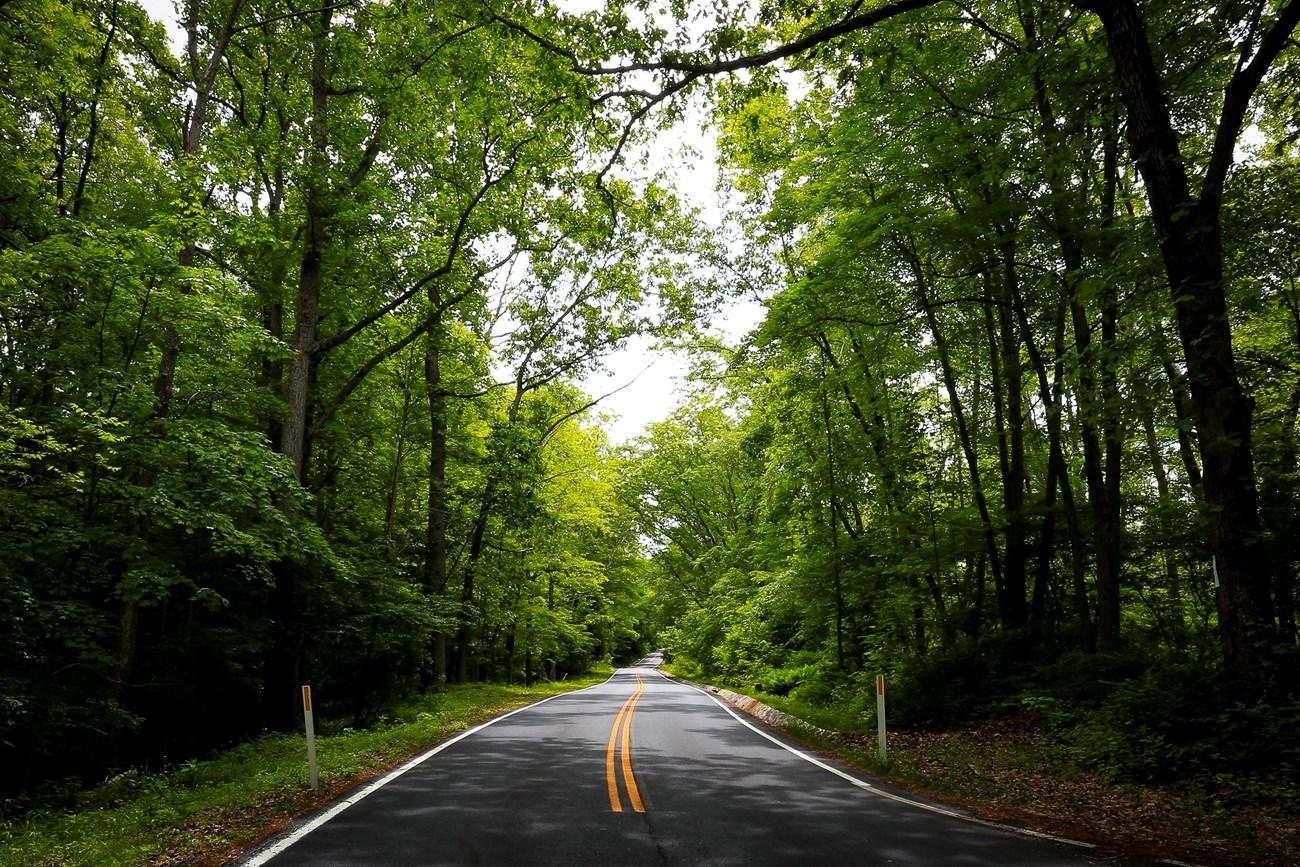 Upper Delaware Valley
Explore Pennsylvania’s Upper Delaware Valley for river landscapes, forested hills, historic towns, canal heritage and outdoor recreation.
Upper Delaware Valley
Explore Pennsylvania’s Upper Delaware Valley for river landscapes, forested hills, historic towns, canal heritage and outdoor recreation.
-

-

-

-


Swipe for more regions
Explore more

Explore more of Pennsylvania
Discover Pennsylvania: A blend of rich history, breathtaking nature, and vibrant culture awaits you in the Keystone State.
Explore Pennsylvania