

Free Allentown Travel Guide & Mobile App
Plan your Allentown trip with Evendo. Get free guides to top attractions, restaurants, hotels, and bars. Web access or download the mobile app.


Allentown, Pennsylvania pairs Lehigh Valley history with museums, arts venues, historic districts, parks and family-friendly attractions in an urban setting.
Industrial Heritage and Urban Character
Allentown stands along the Lehigh River in eastern Pennsylvania, at the centre of the Lehigh Valley and within reach of Philadelphia and New York. Once shaped by iron production, railways and heavy manufacturing, the city has developed a more varied identity while retaining visible traces of its industrial past. Downtown streets combine nineteenth-century commercial buildings with arts venues, independent businesses and the large PPL Center, while the Old Allentown Historic District preserves rows of Victorian-era houses and small urban parks.Read more about Allentown
Museums, Music and Public Life
The Lehigh Valley Setting
When is the best time to visit Allentown?
Best: June, August–September · 24–28°C| Month | High (°C) | Rainfall (mm) |
|---|---|---|
| January | 3 | 72 |
| February | 3 | 63 |
| March | 10 | 88 |
| April | 16 | 81 |
| May | 22 | 95 |
| June (best) | 26 | 101 |
| July | 29 | 109 |
| August (best) | 28 | 101 |
| September (best) | 24 | 96 |
| October | 18 | 85 |
| November | 11 | 85 |
| December | 4 | 82 |
Getting to and around Allentown
How to get there
Transportation
Best attractions in Allentown
Allentown's principal attractions range from art and science to local history and family entertainment. The Allentown Art Museum presents European, American and decorative works in a long-established civic institution, while the Da Vinci Science Center offers interactive exhibits designed around experimentation and discovery. At America On Wheels Museum, historic cars, trucks and other vehicles explain how transport changed everyday life and the region's economy. The Old Allentown Historic District is an attraction in its own right, with nineteenth-century architecture, independent businesses and a walkable residential streetscape. West Park provides open lawns, mature trees and a setting for community events, while the Allentown Rose Gardens bring formal planting to the city's park system. PPL Center adds concerts, ice hockey and large-scale events downtown, and Trout Hall offers a more intimate connection with the city's colonial beginnings. The nearby Allentown Fairgrounds host major seasonal events but are a separate venue from downtown.
-
Amusement park
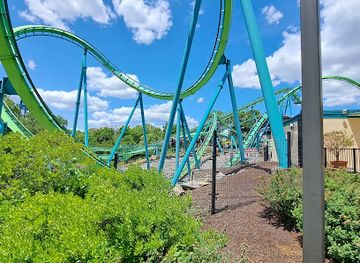
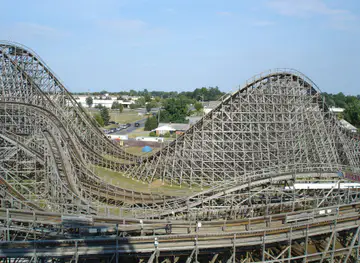
Dorney Park & Wildwater Kingdom
Experience the thrill of rides and splash into fun at Dorney Park & Wildwater Kingdom, where adventure awaits for everyone in Allentown, PA.
15 min drive · 4.9 km from city centre
-
Arena
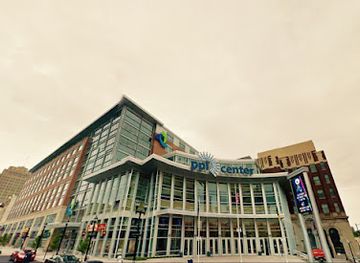
PPL Center
Discover the excitement of PPL Center in Allentown, PA, where unforgettable sports, concerts, and events await in a premier arena setting.
5 min drive · 1.6 km from city centre
-
Arena
PPL Center
Discover the excitement at PPL Center, Allentown's leading arena for sports, concerts, and unforgettable live events.
5 min drive · 1.6 km from city centre
-
Tourist attraction
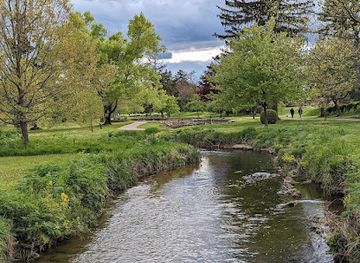
Cedar Beach Park
Discover the beauty of Cedar Beach Park, a serene escape in Allentown, PA with stunning landscapes, recreational activities, and family-friendly facilities.
7 min drive · 2.4 km from city centre

Best landmarks in Allentown
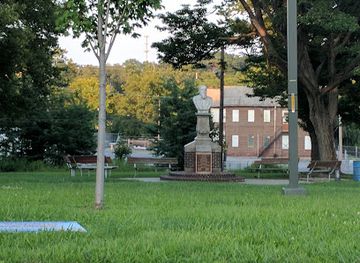
Allentown's landmarks trace its development from colonial settlement to industrial city. Trout Hall, associated with William Allen, recalls the town's eighteenth-century origins, while Zion's Reformed Church is linked to the wartime concealment of the Liberty Bell in 1777. The Old Allentown Historic District preserves substantial rows of nineteenth-century homes and commercial architecture, giving the city one of its most coherent historic streetscapes. The Soldiers and Sailors Monument in the centre of the city commemorates local service and sacrifice, and the Lehigh County Courthouse reflects the civic importance Allentown acquired as the area's principal urban centre. Miller Symphony Hall, originally built as a theatre, represents the city's long tradition of public entertainment and music. Together these sites reveal the changing roles of religion, government, commerce, memory and performance in Allentown's urban life.
-
Arena
PPL Center
Experience thrilling sports and top-tier concerts at PPL Center, Allentown's premier arena for entertainment and community events.
5 min drive · 1.6 km from city centre
-
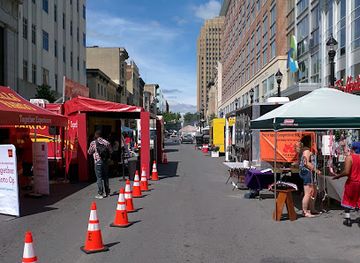
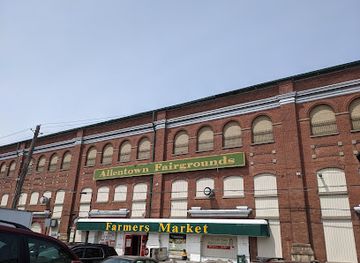
Farmers' market
Allentown Farmers Market
Explore fresh produce, artisanal treats, and vibrant local culture at the Allentown Farmers Market, a must-visit destination for food lovers.
13 min walk · 1.1 km from city centre
-
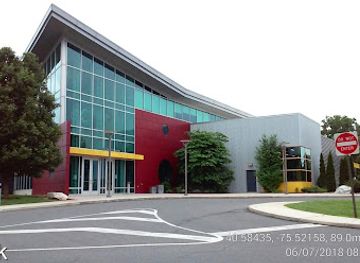
Science museum
Da Vinci Science Center
Explore interactive exhibits and hands-on science experiences at the Da Vinci Science Center in Allentown, PA, where learning meets fun for all ages.
19 min walk · 1.5 km from city centre
-
Museum
America On Wheels Museum
Discover the fascinating history of transportation at the America On Wheels Museum, showcasing vintage cars, bicycles, and interactive exhibits in Allentown, PA.
8 min drive · 2.8 km from city centre
Explore Allentown on the map
Plan your Allentown trip on one map. See where the top attractions, landmarks, restaurants, bars and hotels are, find what's near where you're staying, and book hotels and experiences in a few clicks.
Best hotels in Allentown
Best restaurants in Allentown
Allentown's food culture reflects the Lehigh Valley's Pennsylvania German foundations, later immigration and contemporary American dining. Visitors may encounter regional comfort food, bakery traditions, sausages, pretzels and hearty preparations associated with eastern Pennsylvania, alongside Italian, Latin American, Caribbean, Asian and other cuisines shaped by the city's modern communities. Restaurants and casual eateries are concentrated in and around downtown, Hamilton Street and nearby commercial districts, while cafés, bakeries and family-run businesses add a more local rhythm than the city's large event venues suggest. The city's historic and working-class background is also visible in diners, pizzerias and neighbourhood establishments, whereas newer dining rooms bring broader influences and updated interpretations. The Allentown Farmers Market, located outside the downtown core, is a long-established place to browse regional produce, prepared foods and speciality vendors, with its exact trading pattern best checked before visiting.
-
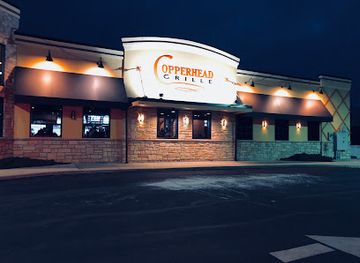
Grill
Copperhead Grille Allentown
Experience the vibrant flavors of American cuisine at Copperhead Grille in Allentown - where great food meets sports entertainment.
16 min drive · 5.3 km from city centre
-
Seafood
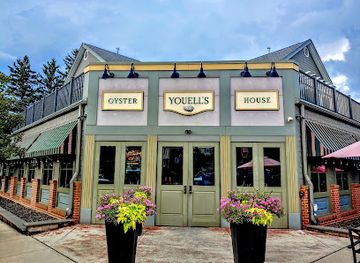
Youell's Oyster House
Experience culinary excellence at Youell's Oyster House in Allentown - where seafood dreams come true with every bite.
6 min drive · 2.1 km from city centre
-
Breakfast
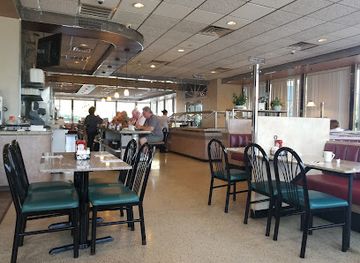
Sunrise Diner
Experience delicious breakfast delights at Sunrise Diner in Allentown - where every meal feels like home!
10 min drive · 3.5 km from city centre
-
Halal
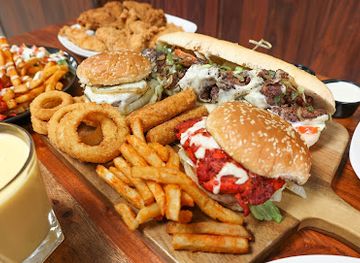
Crispy Halal
Explore the rich flavors of Crispy Halal in Allentown - where every dish tells a story of cultural fusion and culinary delight.
16 min walk · 1.2 km from city centre
Best bars in Allentown
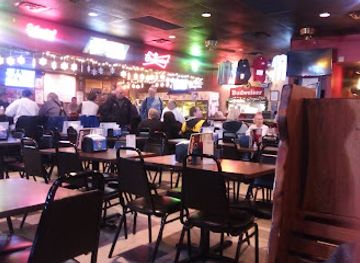
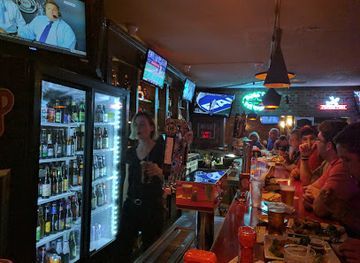
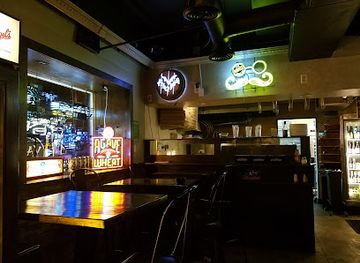
Allentown's evening life is centred on restaurants, neighbourhood bars, live performance and scheduled events rather than a single concentrated club quarter. Downtown and the Hamilton Street area offer bars and casual venues near PPL Center, where concerts, hockey and other events can make the central streets especially active. Miller Symphony Hall provides a more formal setting for orchestral music and performances, while smaller stages and community arts spaces contribute to the city's cultural calendar. Breweries and taprooms in the wider Lehigh Valley have added to the region's evening choices, though locations outside the city require transport planning. Nightlife varies considerably by night and season, and visitors should check current venue programmes rather than assume that every establishment operates late. As elsewhere in Pennsylvania, alcohol service and entry are subject to American age and identification requirements.
-
Grill
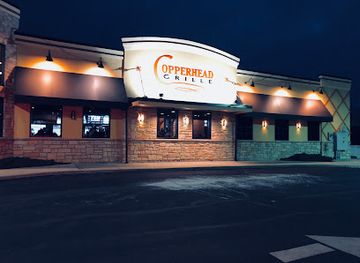
Copperhead Grille Allentown
Experience the vibrant flavors of Copperhead Grille in Allentown, a favorite American restaurant and sports bar where culinary creativity meets lively atmosphere.
16 min drive · 5.3 km from city centre
-
Grill
Stahley's Cellarette
Discover Stahley's Cellarette, Allentown's favorite grill and restaurant, offering a delicious menu and vibrant atmosphere for every palate.
16 min drive · 5.4 km from city centre
-
Grill
Ringers Roost
Discover the flavors of Allentown at Ringers Roost, a grill restaurant renowned for its delicious dishes and friendly atmosphere.
11 min walk · 0.9 km from city centre
-
Pub
Tavern on Liberty
Discover the lively atmosphere of Tavern on Liberty in Allentown, PA, where great food, craft beers, and friendly service await every visitor.
5 min drive · 1.7 km from city centre
Best nightclubs in Allentown
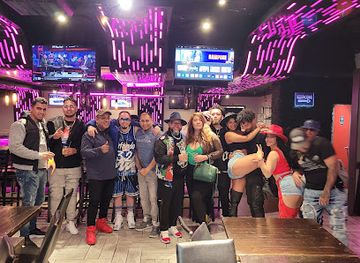
Allentown's evening life is centred on restaurants, neighbourhood bars, live performance and scheduled events rather than a single concentrated club quarter. Downtown and the Hamilton Street area offer bars and casual venues near PPL Center, where concerts, hockey and other events can make the central streets especially active. Miller Symphony Hall provides a more formal setting for orchestral music and performances, while smaller stages and community arts spaces contribute to the city's cultural calendar. Breweries and taprooms in the wider Lehigh Valley have added to the region's evening choices, though locations outside the city require transport planning. Nightlife varies considerably by night and season, and visitors should check current venue programmes rather than assume that every establishment operates late. As elsewhere in Pennsylvania, alcohol service and entry are subject to American age and identification requirements.
-
Bar
Nova Restaurant And Lounge
Discover Nova Restaurant And Lounge in Allentown, PA, where exquisite cuisine meets vibrant nightlife for an unforgettable experience.
13 min drive · 4.2 km from city centre
-
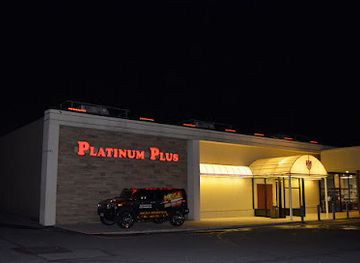
Night club
Platinum Plus
Discover the electric nightlife at Platinum Plus, Allentown's premier adult entertainment club featuring live performances and an unforgettable ambiance.
15 min drive · 4.9 km from city centre
-
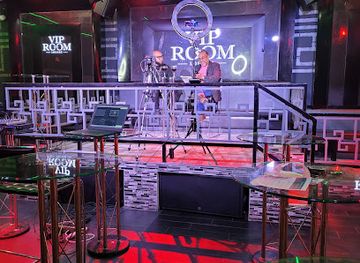
Bar
Vip Room Lounge
Discover the pulse of Allentown's nightlife at Vip Room Lounge, where stylish ambiance and electrifying music create unforgettable nights.
7 min drive · 2.3 km from city centre
-
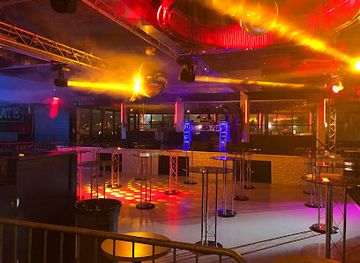
Night club
MainGate Nightclub
Discover Allentown's nightlife gem at MainGate Nightclub—where music, dance, and fun collide for an unforgettable evening.
9 min walk · 0.7 km from city centre
Best shops in Allentown
Shopping in Allentown ranges from independent businesses and speciality food sellers to larger retail areas outside the historic centre. Hamilton Street and downtown offer locally owned shops, cafés and services alongside the city's cultural venues, while the Old Allentown Historic District has a more residential, small-business atmosphere. The Allentown Farmers Market is a useful stop for produce, prepared foods, baked goods and regional specialities, although it is a market hall rather than a traditional open-air square. Shoppers seeking antiques, vintage goods and independent finds can explore selected businesses in older neighbourhoods, while the broader Lehigh Valley contains suburban shopping centres and national retailers beyond the city. Pennsylvania Dutch-influenced foods, local bakery products, craft beverages and small maker goods provide more distinctive souvenirs than generic merchandise, and market or shop schedules should be checked in advance.
-
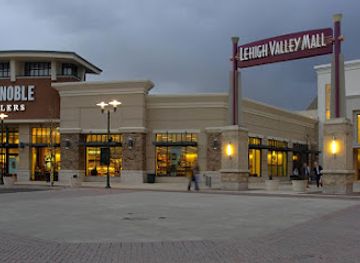
Shopping mall
Lehigh Valley Mall
Experience a shopping haven at Lehigh Valley Mall, where retail therapy meets delightful dining and family-friendly fun in Pennsylvania.
8 min drive · 2.7 km from city centre
-
Shopping mall
Airport Shopping Center
Explore the diverse shopping and dining options at the Airport Shopping Center in Allentown, a must-visit destination for travelers and locals alike.
16 min drive · 5.4 km from city centre
-
Shopping mall
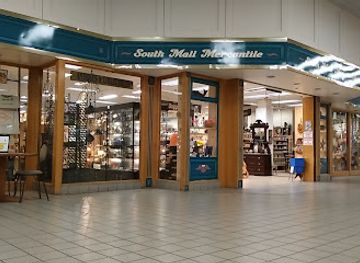
South Mall
Explore South Mall in Allentown, PA: Your ultimate shopping destination for fashion, food, and fun!
17 min drive · 5.8 km from city centre
-
Shopping mall
Allen Street Shopping Center
Explore the Allen Street Shopping Center in Allentown, PA, your ultimate destination for shopping, dining, and entertainment adventures.
2 min walk · 0.2 km from city centre
Get your free copy of our complete guide to Allentown, delivered straight to you.
Everything on this page, from attractions and restaurants to essentials and local phrases, in one PDF you can read offline, print or share.
Already have an account? Sign in
Your Allentown guide is ready.
We'll send it to · Not you? Sign out

Getting your guide ready…
We are putting together a fresh copy of the Allentown guide. This can take up to a minute.
This can take a few moments. If your browser asks, choose Allow so the download can start. You'll find the guide in your Downloads folder.
Nothing happened? Download it again
Sorry, the guide is taking longer than usual. Please try again in a minute, or get it by email instead.
Allentown essentials
Currency and Payment
Safety
Emergency Situations
Do's and Don'ts
Local Tips
From Eve
Local phrases worth knowing
You don't need to get them perfect. A few words go a long way, and locals appreciate the effort.
Basics
| English | Local | Say it |
|---|---|---|
| Hello | Hey | [hey] |
| Goodbye | See ya | [see ya] |
| Yes | Yeah | [yeah] |
| No | Nah | [nah] |
| Please/You're welcome | Please/No problem | [please/no problem] |
| Thank you | Thanks | [thanks] |
| Excuse me/Sorry | Sorry/Excuse me | [sorry/excuse me] |
| How are you? | How you doin'? | [how you doin'] |
| Fine. And you? | Good. And you? | [good. and you?] |
| Do you speak English? | Ya speak English? | [ya speak english?] |
| I don't understand | I don't get it | [i don't get it] |
Eating & Drinking
| English | Local | Say it |
|---|---|---|
| I'd like to see the menu, please | I wanna see the menu, please | [i wanna see the menu, please] |
| I don't eat meat | I don't eat meat | [i don't eat meat] |
| Cheers! | Cheers! | [cheers!] |
| I would like to pay, please | I wanna pay, please | [i wanna pay, please] |
Emergencies
| English | Local | Say it |
|---|---|---|
| Help! | Help! | [help!] |
| Go away! | Get outta here! | [get outta here!] |
| Call the Police! | Call the cops! | [call the cops!] |
| Call a doctor! | Call a doc! | [call a doc!] |
| I'm lost | I'm lost | [i'm lost] |
| I'm ill | I'm sick | [i'm sick] |
Shopping
| English | Local | Say it |
|---|---|---|
| I'd like to buy... | I wanna buy... | [i wanna buy...] |
| I'm just looking | Just browsing | [just browsing] |
| How much is it? | How much? | [how much?] |
| That's too expensive | That's too much | [that's too much] |
| Can you lower the price? | Can you do better? | [can you do better?] |
Time & Numbers
| English | Local | Say it |
|---|---|---|
| What time is it? | What time is it? | [what time is it?] |
| It's one o'clock | It's one | [it's one] |
| Half past (10) | Ten thirty | [ten thirty] |
| Morning | Morning | [morning] |
| Afternoon | Afternoon | [afternoon] |
| Evening | Evening | [evening] |
| Yesterday | Yesterday | [yesterday] |
| Today | Today | [today] |
| Tomorrow | Tomorrow | [tomorrow] |
| 1 | One | [one] |
| 2 | Two | [two] |
| 3 | Three | [three] |
| 4 | Four | [four] |
| 5 | Five | [five] |
| 6 | Six | [six] |
| 7 | Seven | [seven] |
| 8 | Eight | [eight] |
| 9 | Nine | [nine] |
| 10 | Ten | [ten] |
Transport & Directions
| English | Local | Say it |
|---|---|---|
| Where's a/the...? | Where's the...? | [where's the...?] |
| What's the address? | What's the address? | [what's the address?] |
| Can you show me (on the map)? | Can you show me (on the map)? | [can you show me (on the map)?] |
| When's the next (bus)? | When's the next (bus)? | [when's the next (bus)?] |
| A ticket (to ....) | A ticket (to ....) | [a ticket (to ....)] |
History of Allentown
William Allen Founds Northampton Town
Allentown began in 1762 when William Allen, a former mayor of Philadelphia and chief justice of Pennsylvania, laid out a town on land beside the Lehigh River. He named it Northampton Town, although local usage increasingly favoured Allen's Town, the name that eventually prevailed. The settlement occupied a strategic position near river crossings and established routes through the Lehigh Valley. Its early economy depended on farming, milling, trade and transport rather than the large-scale industry that later defined the city. The street plan and some early buildings, including Trout Hall, survive as reminders of this colonial foundation. Allentown's location between Philadelphia and the northern interior also helped it grow into a regional market centre during the late eighteenth and early nineteenth centuries.
Revolutionary War and the Liberty Bell
Allentown played a discreet but important role during the American Revolution. In September 1777, after British forces occupied Philadelphia, the Liberty Bell and other Pennsylvania bells were removed from the city to prevent them being melted for military use. The Liberty Bell was transported to Allentown and concealed beneath the floor of Zion's Reformed United Church, now known as Zion's Reformed Church, before eventually being returned to Philadelphia. The episode has become one of the city's best-known revolutionary associations. The church site and nearby Old Allentown buildings connect the modern city with a period when Pennsylvania's towns were directly exposed to the uncertainties of war and the practical demands of protecting public property.
Borough Growth and Civic Development
Allentown was incorporated as a borough in 1811 and became a city in 1867, reflecting the expansion of its population, commerce and civic institutions. During the nineteenth century, roads, canals and railways strengthened its position within the Lehigh Valley and connected local producers with markets beyond Pennsylvania. The town's built environment became more substantial, with churches, banks, public buildings and rows of brick and stone houses serving an increasingly urban population. Institutions established in this period helped give Allentown a civic identity distinct from nearby farming communities. The surviving streetscapes of Old Allentown and the city's central public buildings reveal the transition from a colonial market town to an industrial-era city.
Iron, Railways and Industrial Expansion
The Lehigh Valley's deposits of iron ore, access to anthracite coal and improving transport networks transformed Allentown during the nineteenth and early twentieth centuries. Ironworks, foundries, machine shops and railway connections generated employment and attracted workers from across the United States and overseas. Manufacturing became central to the local economy, while the Lehigh River corridor and rail infrastructure shaped the city's physical growth. This industrial character later extended into engineering, vehicle production and other forms of heavy manufacturing. Allentown's historic commercial blocks, workers' neighbourhoods and transportation museums preserve aspects of a period when the city was one of the Lehigh Valley's principal production and distribution centres.
Immigration, Industry and Community Life
Industrial growth brought successive waves of migration and enlarged the city's cultural life. German-speaking settlers had long influenced the region, while later arrivals from eastern and southern Europe and other parts of the United States contributed to Allentown's churches, neighbourhood associations, businesses and civic organisations. Manufacturing workplaces and rail connections encouraged the development of working-class districts, alongside new schools, theatres and public institutions. The city became part of the wider Pennsylvania tradition in which ethnic communities maintained religious and social customs while participating in an increasingly American urban culture. These layers remain visible in historic congregations, street patterns, family businesses and the region's continued appreciation of music, food and community festivals.
From Manufacturing Centre to Cultural City
Like many northeastern industrial cities, Allentown faced factory closures, population shifts and economic restructuring during the later twentieth century. The decline of traditional manufacturing altered the Lehigh Valley's employment landscape, but the city retained important institutions and invested in cultural, educational and downtown projects. The opening of venues such as PPL Center and the development of the Da Vinci Science Center reinforced Allentown's role as an urban centre for entertainment, learning and regional events. Historic preservation in districts such as Old Allentown has accompanied this change, keeping nineteenth-century architecture in daily use. Contemporary Allentown therefore reflects both industrial memory and an ongoing effort to build a more diversified civic and cultural identity.
Allentown in Photos
Browse through our photo collection highlighting the charm and character of the destination.
Cities near Allentown
The closest cities to Allentown, if you have time for more than one stop.
-

-

-

-

-


Swipe for more cities
Explore more

Explore more of Pennsylvania
Discover Pennsylvania: A blend of rich history, breathtaking nature, and vibrant culture awaits you in the Keystone State.
Explore Pennsylvania