

Free Upper Delaware Valley Travel Guide & Mobile App
Explore Upper Delaware Valley with free travel guides. Discover regional history, expert tips, proposed trips, and audio guides on web or mobile app.


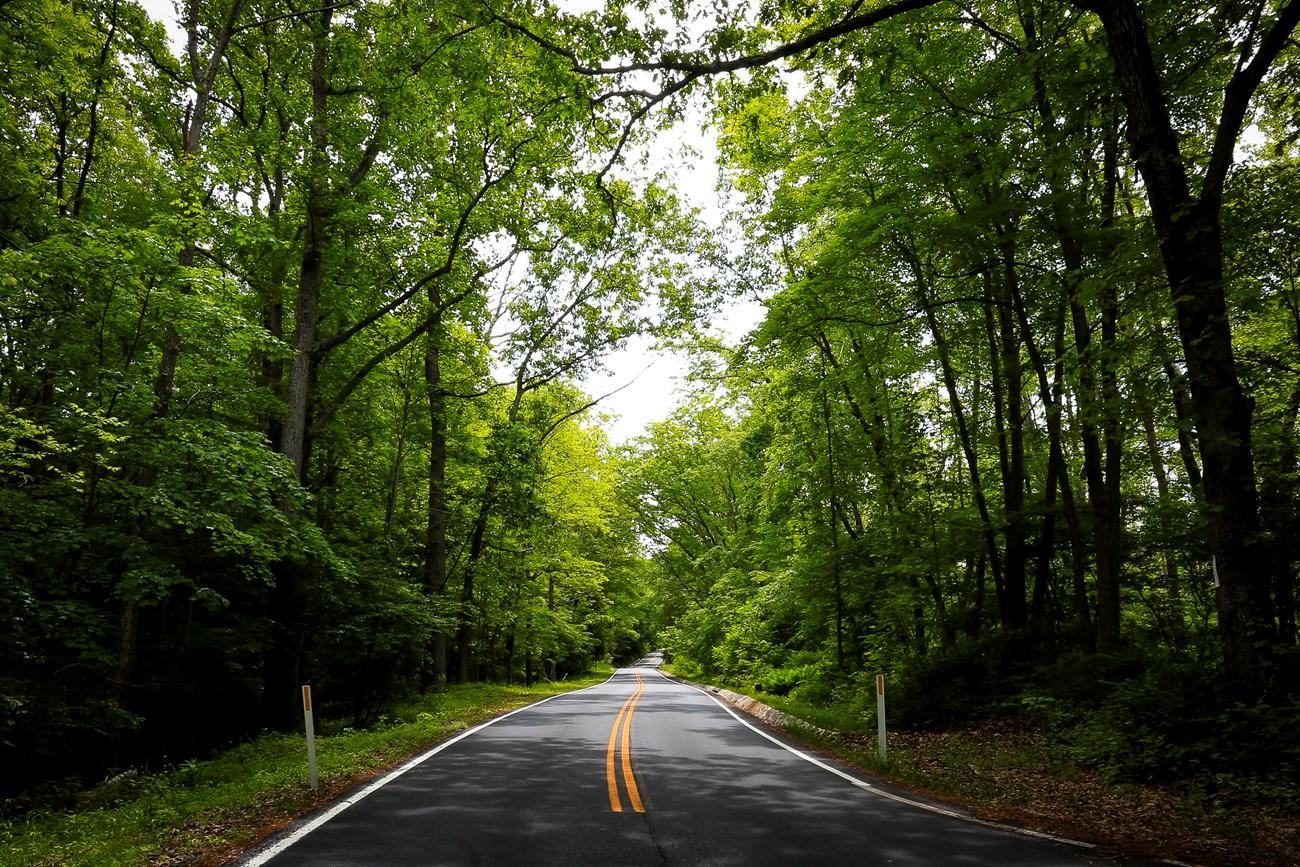


Explore Pennsylvania’s Upper Delaware Valley for river landscapes, forested hills, historic towns, canal heritage and outdoor recreation.
Read more about Upper Delaware Valley
Getting to and around Upper Delaware Valley
How to get there
Transportation
Best attractions in Upper Delaware Valley
The Upper Delaware Valley’s attractions are dispersed across river settlements, forested uplands and lakes rather than concentrated in one resort centre. On the river, the Upper Delaware Scenic and Recreational River supports canoeing, kayaking, fishing, wildlife observation and scenic drives, with access points near communities such as Milford and Lackawaxen. Historic attractions include Milford’s Victorian streets, Grey Towers in Milford, the Delaware and Hudson Canal heritage at Lackawaxen and the Roebling’s Delaware Aqueduct. Inland, Promised Land State Park offers walking, camping, swimming and boating amid Pocono forests and wetlands, while Lake Wallenpaupack is oriented towards boating, fishing and seasonal lakeside recreation. Honesdale adds local history, independent shops and cultural venues, and the surrounding countryside provides farm stands, quiet roads and birdwatching opportunities. The strongest itinerary combines one heritage site with a river activity or upland walk, recognising that travel times between attractions can be considerable.
-
Historical place
Independence National Historical Park
Explore Independence National Historical Park, home to America's founding landmarks like Independence Hall and the Liberty Bell, in the heart of Philadelphia.
-
Historical landmark
Liberty Bell
Discover the Liberty Bell, a timeless symbol of American freedom, located in the heart of Philadelphia's historic district.
-
Zoo
Philadelphia Zoo
Explore the Philadelphia Zoo - America's first zoo with over 1,300 animals and immersive exhibits in a stunning 42-acre setting.
-
Park
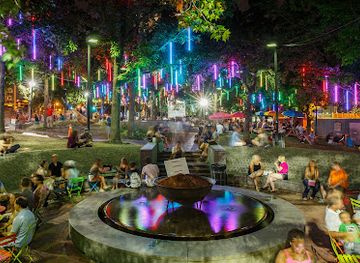
Spruce Street Harbor Park
Discover the vibrant charm of Spruce Street Harbor Park, a waterfront retreat in Philadelphia filled with games, food, and seasonal festivities.
Best landmarks in Upper Delaware Valley
The Delaware River is the region’s principal natural landmark, forming a defining corridor between Pennsylvania and New York and giving the valley its distinctive narrow, wooded geography. In Milford, the carefully preserved historic centre and Grey Towers express the area’s nineteenth-century prosperity and its later importance in American forestry. At Lackawaxen, Roebling’s Delaware Aqueduct spans the river as a rare surviving reminder of the Delaware and Hudson Canal era, while nearby canal structures reveal how anthracite coal moved towards the Hudson River. The upland lakes and forested ridges around Promised Land State Park and Lake Wallenpaupack provide a contrasting landscape of plateau, wetland and open water. Together these landmarks represent the valley’s principal themes: Indigenous and river history, transport engineering, conservation, rural settlement and recreation.
-
Historical landmark
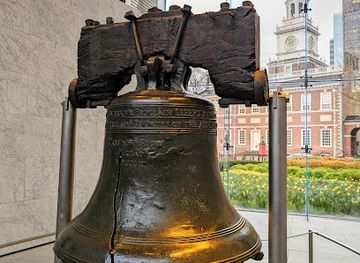
Liberty Bell
Explore the iconic Liberty Bell, a symbol of American independence and a must-visit historical landmark in Philadelphia's vibrant historic district.
-
Historical landmark
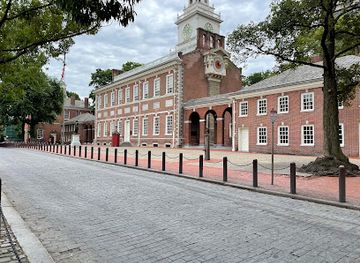
Independence Hall
Discover the iconic Independence Hall in Philadelphia, where America's founding documents were crafted and the spirit of democracy was born.
-
History museum
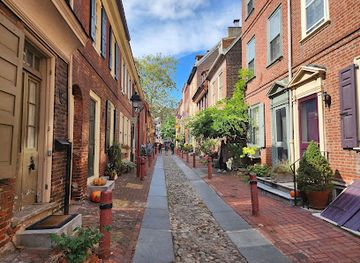
Elfreth's Alley Museum
Experience the charm of Elfreth's Alley Museum in Philadelphia, showcasing America's oldest residential street and its rich historical tapestry.
-
Wildlife refuge
John Heinz National Wildlife Refuge at Tinicum
Immerse yourself in nature at John Heinz National Wildlife Refuge, Philadelphia's serene escape featuring diverse wildlife and stunning landscapes.

Explore Upper Delaware Valley on the map
Plan your trip on one map. See where the top cities, national parks and sights are, and book hotels and experiences in a few clicks.
Best hotels in Upper Delaware Valley
Best restaurants in Upper Delaware Valley
Dining in the Upper Delaware Valley reflects its small towns, rural farms and seasonal outdoor economy. In Milford, Hawley and Honesdale, independent restaurants and cafés provide breakfast, light meals, baked goods and contemporary American cooking, while traditional bars and family restaurants remain important in smaller communities. Farm stands and local markets offer apples, seasonal vegetables, eggs, honey, baked products and other Pennsylvania produce when available. Around the river and Lake Wallenpaupack, summer dining often includes casual meals suited to boaters and visitors, while rural inns provide a more leisurely setting. Menus are generally rooted in wider northeastern American and Pennsylvania traditions rather than a single distinctive regional cuisine, so visitors should look for local sourcing rather than assume that every dish is unique to the valley. Craft beer and Pennsylvania-produced drinks are commonly encountered, but availability varies by town and season.
-
Breakfast
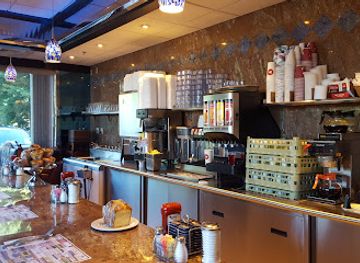
Springfield Diner
Experience the charm of classic American dining at Springfield Diner – your go-to spot for delicious breakfasts and more.
-
Seafood
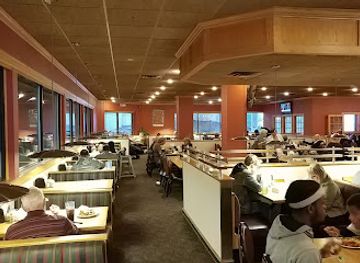
Ichiban Seafood Buffet
Experience a delightful feast at Ichiban Seafood Buffet with endless selections of fresh seafood and Asian delicacies in Springfield.
-
Restaurant
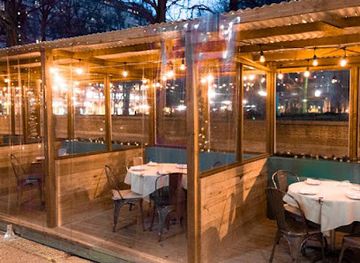
Talula's Garden
Discover the culinary charm of Talula's Garden in Philadelphia - where fresh ingredients meet innovative New American cuisine in a stunning garden setting.
-
American
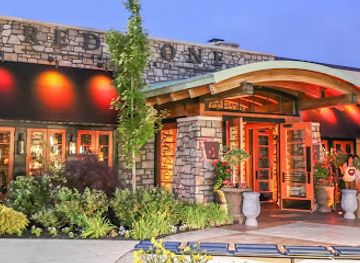
Redstone American Grill
Discover exquisite American dining at Redstone American Grill in Plymouth Meeting—where culinary excellence meets warm hospitality.
Best bars in Upper Delaware Valley
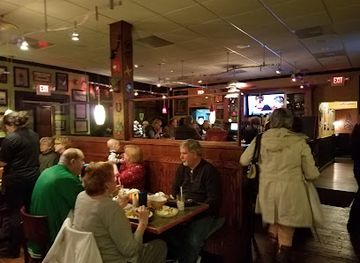
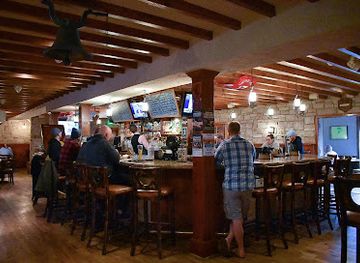
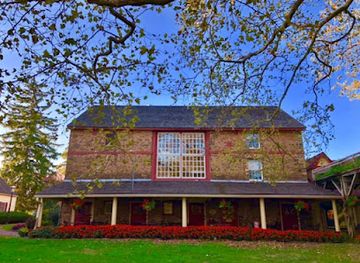
Evening life is modest and community-oriented rather than dominated by nightclubs. Traditional pubs, taverns, brewery taprooms and restaurant bars provide the main social settings in Milford, Hawley, Honesdale and other larger settlements, with occasional live music or seasonal entertainment. The river and lake communities become busier during summer, but many rural areas quieten early, and venues can be separated by long drives. Visitors should arrange transport responsibly because roadside walking is difficult and rideshare availability is limited outside town centres. The region’s evening appeal lies more in a relaxed meal, a local drink, a performance or conversation in a historic community than in a late-night club scene. Check current arrangements locally, as small venues and seasonal programmes can change.
-
Irish
Erin Pub
Experience authentic Irish cuisine and hospitality at Erin Pub, a charming restaurant in Norwood, Pennsylvania, perfect for every traveler.
-
Gastropub
Iron Abbey
Savor the best of American cuisine at Iron Abbey, a vibrant gastropub in Horsham, PA, known for its exceptional food and welcoming atmosphere.
-
Bar
The Pour House - North Wales
Discover the vibrant atmosphere of The Pour House in North Wales, a perfect blend of craft beers, delicious food, and live music.
-
Inn
Joseph Ambler Inn
Discover the charm of Joseph Ambler Inn, a perfect blend of comfort, fine dining, and picturesque Pennsylvania landscapes.

Best nightclubs in Upper Delaware Valley
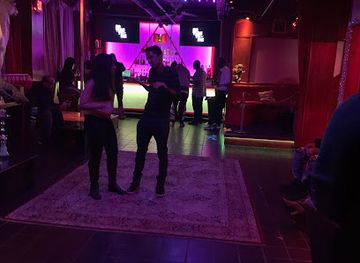
Evening life is modest and community-oriented rather than dominated by nightclubs. Traditional pubs, taverns, brewery taprooms and restaurant bars provide the main social settings in Milford, Hawley, Honesdale and other larger settlements, with occasional live music or seasonal entertainment. The river and lake communities become busier during summer, but many rural areas quieten early, and venues can be separated by long drives. Visitors should arrange transport responsibly because roadside walking is difficult and rideshare availability is limited outside town centres. The region’s evening appeal lies more in a relaxed meal, a local drink, a performance or conversation in a historic community than in a late-night club scene. Check current arrangements locally, as small venues and seasonal programmes can change.
-
Night club
Brasil's Nightclub
Discover the lively atmosphere of Brasil's Nightclub in Philadelphia, where vibrant music and exquisite cocktails create an unforgettable nightlife experience.
-
Night club
Trilogy Nightclub
Trilogy Nightclub: Discover Philadelphia's Premier Destination for Unforgettable Nightlife and Dance!
-
Night club
MainGate Nightclub
Discover the pulse of Allentown’s nightlife at MainGate Nightclub, featuring live music, dance floors, and an inviting beer garden.
-
Night club
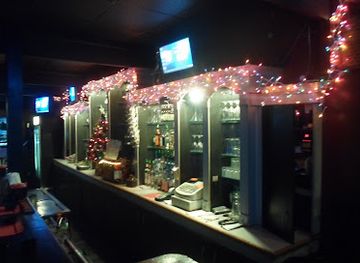
Rusty Nail Tavern / Nightclub
Discover a lively nightlife experience at Rusty Nail Tavern, where music, dancing, and great drinks come together in Ardmore, PA.


Best shops in Upper Delaware Valley
Shopping in the Upper Delaware Valley is focused on independent high streets, local produce and practical outdoor supplies rather than large retail complexes. Milford’s historic centre is the strongest setting for galleries, boutiques, books, antiques, gifts and cafés, while Honesdale offers a broader small-town mix of independent shops and everyday services. Hawley serves visitors heading towards Lake Wallenpaupack and the surrounding uplands, with seasonal retail and places to buy provisions for outdoor activities. Farm stands and roadside sellers may offer fruit, vegetables, honey, eggs, baked goods and other regional produce, particularly in warmer months. Useful souvenirs include locally made pottery, artwork, woodcraft and products connected with the river or forest landscape. Opening days and hours can be seasonal, so rural shopping is best combined with a planned town visit rather than treated as continuous strip retail.
-
Shopping mall
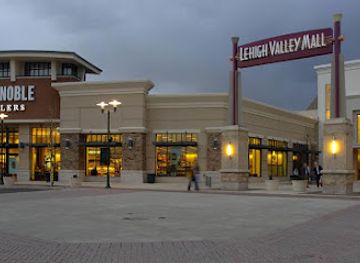
Lehigh Valley Mall
Discover the ultimate shopping experience at Lehigh Valley Mall, where fashion, dining, and entertainment come together in one vibrant location.
-
Shopping mall
The Shops at Valley Square
Explore a vibrant shopping and dining experience at The Shops at Valley Square in Warrington, Pennsylvania, with something for everyone to enjoy.
-
Gift shop
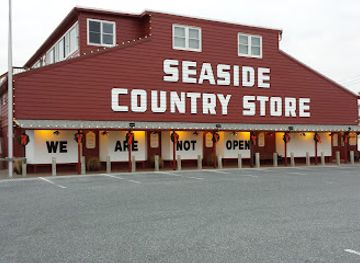
Seaside Country Store
Explore the unique treasures of Seaside Country Store in Fenwick Island, DE - a delightful gift shop filled with coastal charm and local artistry.
-
Gift shop
BUiLDiNG CHARACTER
Explore BUiLDiNG CHARACTER in Lancaster, PA for unique artisanal gifts, vintage clothing, and local craftsmanship that embody the spirit of the region.
Get your free copy of our complete guide to Upper Delaware Valley, delivered straight to you.
Everything on this page, from attractions and restaurants to essentials and local phrases, in one PDF you can read offline, print or share.
Already have an account? Sign in
Your Upper Delaware Valley guide is ready.
We'll send it to · Not you? Sign out

Getting your guide ready…
We are putting together a fresh copy of the Upper Delaware Valley guide. This can take up to a minute.
This can take a few moments. If your browser asks, choose Allow so the download can start. You'll find the guide in your Downloads folder.
Nothing happened? Download it again
Sorry, the guide is taking longer than usual. Please try again in a minute, or get it by email instead.
Upper Delaware Valley essentials
Currency and Payment
Safety
Emergency Situations
Do's and Don'ts
Local Tips
From Eve
Local phrases worth knowing
You don't need to get them perfect. A few words go a long way, and locals appreciate the effort.
Basics
| English | Local | Say it |
|---|---|---|
| Hello | Howdy | [Ha-dee] |
| Goodbye | See ya later | [See ya lay-ter] |
| Yes | Yup | [Yup] |
| No | Nah | [Nah] |
| Please/You're welcome | No problem | [No prob-lum] |
| Thank you | Thanks a lot | [Thanks a lot] |
| Excuse me/Sorry | Pardon me | [Par-don me] |
| How are you? | How ya doin'? | [How ya doin'?] |
| Fine. And you? | Good. And you? | [Good. An' you?] |
| Do you speak English? | You speakin' English? | [You speakin' English?] |
| I don't understand | I ain't gettin' it | [I ain't gettin' it] |
Eating & Drinking
| English | Local | Say it |
|---|---|---|
| I'd like to see the menu, please | Can I see the menu, please? | [Can I see the menu, please?] |
| I don't eat meat | I ain't eatin' meat | [I ain't eatin' meat] |
| Cheers! | Cheers! | [Cheers!] |
| I would like to pay, please | Can I get the check, please? | [Can I get the check, please?] |
Emergencies
| English | Local | Say it |
|---|---|---|
| Help! | Help! | [Help!] |
| Go away! | Beat it! | [Beat it!] |
| Call the Police! | Call the cops! | [Call the cops!] |
| Call a doctor! | Get a doctor! | [Get a doctor!] |
| I'm lost | I’m all turned around | [I’m all turned around] |
| I'm ill | I ain't feelin' good | [I ain't feelin' good] |
Shopping
| English | Local | Say it |
|---|---|---|
| I'd like to buy... | I wanna buy... | [I wanna buy...] |
| I'm just looking | Just browsin' | [Just browsin'] |
| How much is it? | What’s the price? | [What’s the price?] |
| That's too expensive | That’s way too pricey | [That’s way too pricey] |
| Can you lower the price? | Can ya bring the price down? | [Can ya bring the price down?] |
Time & Numbers
| English | Local | Say it |
|---|---|---|
| What time is it? | What time ya got? | [What time ya got?] |
| It's one o'clock | It's one | [It's one] |
| Half past (10) | Half past ten | [Half past ten] |
| Morning | Mornin' | [Mornin'] |
| Afternoon | Afternoon | [Afternoon] |
| Evening | Evenin' | [Evenin'] |
| Yesterday | Yesterday | [Yesterday] |
| Today | Today | [Today] |
| Tomorrow | Tomorrow | [Tomorrow] |
| 1 | One | [One] |
| 2 | Two | [Two] |
| 3 | Three | [Three] |
| 4 | Four | [Four] |
| 5 | Five | [Five] |
| 6 | Six | [Six] |
| 7 | Seven | [Seven] |
| 8 | Eight | [Eight] |
| 9 | Nine | [Nine] |
| 10 | Ten | [Ten] |
Transport & Directions
| English | Local | Say it |
|---|---|---|
| Where's a/the...? | Where's the...? | [Where's the...?] |
| What's the address? | What's the address? | [What's the address?] |
| Can you show me (on the map)? | Can ya point it out? | [Can ya point it out?] |
| When's the next (bus)? | When's the next bus? | [When's the next bus?] |
| A ticket (to ....) | A ticket to... | [A ticket to...] |
History of Upper Delaware Valley
Lenape Homeland and River Networks
Before European colonisation, the Delaware Valley was part of the homeland of Lenape communities, whose lives were connected to the river, tributary streams, forests and fertile clearings. The Delaware provided transport, fish and seasonal resources, while established trails linked the valley with the wider interior. European settlement, land purchases and colonial expansion disrupted Lenape life and contributed to their displacement, although Lenape history remains fundamental to understanding the region. The river’s name comes through colonial usage from Lenape associations with the area and its people.
Colonial Settlement and Agriculture
European settlement expanded through the Upper Delaware Valley during the eighteenth and early nineteenth centuries, producing farms, mills, ferries and small river communities. The terrain limited large-scale urban growth, but valleys and stream corridors supported dairy farming, timber cutting and local trade. Milford was established in the late eighteenth century and later became the county seat of Pike County. Roads and river crossings gradually tied the area to markets beyond northeastern Pennsylvania, while changing land ownership transformed the older Indigenous landscape.
The Delaware and Hudson Canal Era
The Delaware and Hudson Canal, opened in stages during the 1820s, connected coal mines around Honesdale with the Hudson River system. Coal was carried by canal boats from northeastern Pennsylvania, with the Lackawaxen area serving as an important junction where the canal met the Delaware River. The canal brought engineering works, warehouses, towpaths and employment to the valley, but its commercial importance declined after railways became more efficient. Surviving canal features and interpretive sites provide tangible evidence of the region’s role in the anthracite economy.
Coal, Timber and Early Industry
The surrounding uplands supported industries that were closely linked to the growth of Pennsylvania’s interior: anthracite coal, timber, tanning and small-scale manufacturing. Honesdale became an important transport and commercial centre, while rail connections helped move raw materials and goods through the countryside. Logging altered large areas of forest, and repeated exploitation contributed to the conservation concerns that later shaped public land policy. Although heavy industry did not produce a major city in the Upper Delaware Valley, it left a durable imprint on settlement patterns, transport routes and local heritage.
Railways and the Roebling Aqueduct
Railway expansion gradually displaced the Delaware and Hudson Canal and changed how people and goods moved through the region. At Lackawaxen, the Delaware Aqueduct, designed by John A. Roebling and opened in 1849, carried the canal across the river and is an early surviving example of wire-rope suspension bridge engineering. Its later adaptation for road use reflects the valley’s successive transport eras. The structure and surrounding canal remains connect local history to the wider development of American civil engineering and the coal trade.
Forest Conservation and Public Lands
By the late nineteenth and early twentieth centuries, severe forest clearance and erosion encouraged a new approach to land management. Gifford Pinchot, whose family estate at Milford was Grey Towers, became a leading figure in American forestry and the first chief of the United States Forest Service. His work, and the later growth of state and federal conservation programmes, helped establish the principle that forests could be managed for long-term public benefit. Today’s protected river corridor, state parks and forested landscapes reflect this important shift from extraction towards conservation and recreation.
Tourism, Reservoirs and Recreation
Improved roads, rail travel and later private motoring brought visitors seeking cooler upland air, lakes, hunting, fishing and rural scenery. Resort development expanded around places such as Lake Wallenpaupack, while Promised Land and other public lands provided a more accessible outdoor setting. The Upper Delaware Scenic and Recreational River was established in 1978, recognising both the river’s natural character and its cultural history. Modern tourism therefore rests on several layers: working communities, industrial heritage, conservation, seasonal recreation and the continuing importance of the river itself.
Upper Delaware Valley in Photos
Browse through our photo collection highlighting the charm and character of the destination.
Neighbouring regions of Upper Delaware Valley
The closest regions to Upper Delaware Valley, if you have time for more than one.
-

-

-

-

-


Swipe for more regions
Explore more

Explore more of Pennsylvania
Discover Pennsylvania: A blend of rich history, breathtaking nature, and vibrant culture awaits you in the Keystone State.
Explore Pennsylvania