

Tumbes, Peru Travel Guide
Discover Tumbes, Peru's coastal gem, where stunning beaches, rich biodiversity, and vibrant culture come together for an unforgettable experience.
Tumbes, located in the northwestern corner of Peru, is a coastal paradise that offers a blend of stunning beaches, rich biodiversity, and vibrant culture. Known for its warm climate and welcoming locals, Tumbes is the perfect destination for those seeking both relaxation and adventure. The region is famous for its pristine beaches, such as Punta Sal and Zorritos, where you can bask in the sun, swim in the warm waters, or try your hand at water sports. The nearby mangroves of the Tumbes National Reserve present a unique ecosystem, home to a variety of wildlife, including exotic birds and playful dolphins. Kayaking through these mangroves is a serene and unforgettable experience. Tumbes is also a gateway to the Cerros de Amotape National Park, a haven for nature lovers and hikers. The park's diverse landscapes range from dry forests to river valleys, providing a habitat for numerous plant and animal species. Exploring this park offers a chance to connect with nature and witness the beauty of Peru's natural heritage. The local cuisine in Tumbes is a highlight for any visitor. Fresh seafood is a staple, with dishes like ceviche and tiradito showcasing the region's culinary excellence. The bustling markets and seaside restaurants serve up these delicacies, ensuring a feast for your taste buds. Whether you're lounging on the beach, exploring natural reserves, or savoring local dishes, Tumbes offers a rich and diverse experience that will leave you with lasting memories.

Know before you go
Hi, I'm Eve. Here are a few practical things to know before exploring Tumbes.
- Visit during the dry season from May to October for the best weather and outdoor activities.
- Don't miss the Tumbes Mangroves for a unique kayaking experience among exotic wildlife.
- Try the local seafood dishes, particularly ceviche and tiradito, for a true taste of Tumbes.
- Bring insect repellent for visits to natural reserves and mangroves.
- Consider hiring a local guide for a more informative and safe exploration of the Cerros de Amotape National Park.
Explore Tumbes: Things to Do, Places to Eat, Hotels & More
Handpicked recommendations for top attractions, local dining, accommodations, and more

Top Attractions & Sightseeing in Tumbes
Top-rated picks
Best Attractions

Plaza De Armas De Tumbes
Explore the cultural heart of Tumbes at Plaza De Armas, a vibrant park filled with history, local crafts, and beautiful architecture.

Zoocriadero de Cocodrilos
Explore Zoocriadero de Cocodrilos: A unique animal park in Puerto Pizarro where you can witness crocodiles in a natural setting, perfect for nature lovers.

Reserva Nacional de Tumbes
Explore the diverse ecosystems and stunning landscapes of Reserva Nacional de Tumbes, a hidden gem of Peru's natural beauty.

Hot Springs Hervideros
Experience the serene beauty and therapeutic waters of Hot Springs Hervideros, a natural gem in Peru perfect for relaxation and adventure.

Best landmarks in Tumbes
Top-rated picks
Best Landmarks
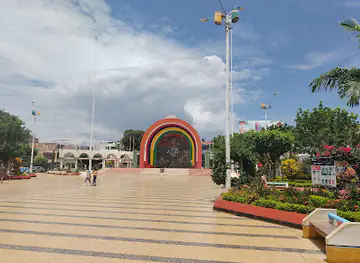
Plaza De Armas De Tumbes
Explore the vibrant Plaza De Armas De Tumbes, a cultural gem in Peru filled with history, lively atmosphere, and stunning architecture.

Zoocriadero de Cocodrilos
Explore the fascinating world of crocodiles at Zoocriadero de Cocodrilos, a premier animal park in Puerto Pizarro dedicated to wildlife conservation and education.

Reserva Nacional de Tumbes
Explore the breathtaking landscapes and rich biodiversity of Reserva Nacional de Tumbes, a premier nature preserve on Peru's northern coast.

Santuario Nacional Manglares de Tumbes
Explore the stunning beauty and biodiversity of Santuario Nacional Manglares de Tumbes, a serene national park in Peru's northwest region.

Best restaurants in Tumbes
Top-rated picks
Best Restaurants

Eduardo El Brujo
Discover authentic Peruvian cuisine at Eduardo El Brujo in Tumbes - where tradition meets flavor in every dish.
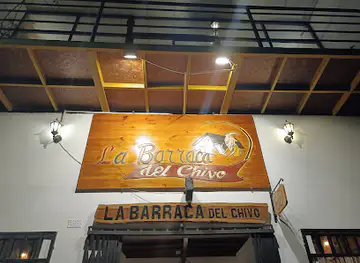
La Barraca Del Chivo
Experience authentic Peruvian cuisine at La Barraca Del Chivo in Tumbes—where every dish tells a story.

Cevichería La Cámara
Discover the vibrant flavors of coastal Peru at Cevichería La Cámara in Tumbes, where fresh ceviche steals the spotlight.

Cevicheria Nocturna El Globo
Experience the best of Peruvian cuisine at Cevicheria Nocturna El Globo in Tumbes – where fresh ceviche meets vibrant nightlife.

Best bars in Tumbes
Top-rated picks
Best Bars

Eduardo El Brujo
Discover the authentic flavors of Tumbes at Eduardo El Brujo, a restaurant that brings local culinary traditions to your table with every dish.

Acuarelas Café-Bar-Restaurant
Experience the vibrant flavors of Tumbes at Acuarelas Café-Bar-Restaurant, where local ingredients meet artistic ambiance.

RUNAS Pub Karaoke Restobar
Experience the vibrant atmosphere of RUNAS Pub Karaoke Restobar in Tumbes, where music and delicious cuisine come together for an unforgettable night.

Nautilus Disco Bar
Experience the vibrant nightlife at Nautilus Disco Bar in Tumbes, where electrifying music and delicious cocktails await every night.

Best nightclubs in Tumbes
Top-rated picks
Best Nightclubs

RUNAS Pub Karaoke Restobar
Discover the energetic vibe and unforgettable karaoke nights at RUNAS Pub Karaoke Restobar in Tumbes, where music lovers unite.

Nautilus Disco Bar
Dive into the vibrant nightlife at Nautilus Disco Bar, Tumbes' premier gastropub with great music, delightful food, and an unforgettable atmosphere.

Blend
Discover vibrant nightlife at Blend, Tumbes' premier bar offering an extensive drink menu and lively atmosphere for an unforgettable experience.

Katharsis
Experience the vibrant nightlife of Tumbes at Katharsis, a lively bar offering a diverse drink selection and a welcoming atmosphere.

Best shops in Tumbes
Top-rated picks
Best Shops

Plaza De Armas De Tumbes
Discover the vibrant heart of Tumbes at Plaza De Armas, where history, culture, and local life come together in a stunning park setting.

PlazaVea Tumbes
Discover the local charm and vibrant offerings of PlazaVea Tumbes, where shopping meets culture in the heart of Tumbes.

Municipal Market September 8
Explore the life and flavors of Tumbes at Municipal Market September 8, a vibrant hub of local culture and culinary delights.

Plaza Center Tumbes
Discover a shopper's paradise at Plaza Center Tumbes, the premier shopping mall with diverse stores and delightful dining in Tumbes, Peru.

Explore Tumbes on the Map
A handpicked selection of must-see spots in Tumbes, mapped for you.
Tumbes Essentials
-
Tumbes is located in the northwestern region of Peru, near the border with Ecuador. The closest major airport is Cap. FAP Pedro Canga Rodríguez Airport (TBP) in Tumbes, which receives domestic flights from Lima. International travelers typically fly into Jorge Chávez International Airport (LIM) in Lima and then take a domestic flight to Tumbes. Alternatively, you can travel by bus from Lima, which takes approximately 18 hours. There are also cross-border bus services from Ecuador.
-
Tumbes is a small city, and many attractions are within walking distance. For longer trips, taxis are readily available and relatively inexpensive. Mototaxis (three-wheeled vehicles) are also a popular and affordable mode of transportation within the city. For exploring nearby areas, renting a car can be convenient, but be aware that road conditions can vary. Public buses operate within the city and connect to nearby towns.
-
The official currency in Peru is the Peruvian Sol (PEN). Credit cards are accepted in most hotels, restaurants, and larger shops, but it is advisable to carry cash for smaller establishments and local markets. ATMs are available in Tumbes, and it is recommended to withdraw sufficient cash for your needs, especially if you plan to visit rural areas where ATMs may be scarce.
-
Tumbes is generally safe for tourists, but it is important to take standard precautions. Avoid walking alone at night in unfamiliar areas and be cautious of your belongings in crowded places, such as markets and bus stations. Some areas to be particularly cautious in include the border regions and less populated areas outside the city center. Always stay vigilant and aware of your surroundings.
-
In case of an emergency, dial 105 for police assistance and 116 for medical emergencies. The local police station and medical facilities are available in Tumbes. It is highly recommended to have travel insurance that covers medical emergencies. For minor health issues, there are pharmacies in the city where you can purchase over-the-counter medications.
-
Fashion: Do dress modestly, especially when visiting religious or rural areas. Avoid wearing overly revealing clothing. Religion: Do respect local customs and traditions. When visiting churches, dress conservatively and be quiet and respectful. Public Transport: Do be polite and offer your seat to elderly passengers. Don't eat or drink on public transport. Greetings: Do greet people with a handshake. A friendly 'buenos días' (good morning) or 'buenas tardes' (good afternoon) is appreciated. Eating & Drinking: Do try local delicacies and accept food offerings graciously. Don't refuse hospitality, as it is considered impolite.
-
To experience Tumbes like a local, visit the local markets such as Mercado Central where you can buy fresh produce and traditional Peruvian goods. Engage with locals, as they are often friendly and willing to share stories about the region's history and culture. Don't miss visiting the Tumbes Mangroves National Sanctuary, a unique ecosystem home to diverse wildlife. For a unique culinary experience, try the local ceviche, which is a regional specialty.
When is the best time to visit Tumbes?
Useful Local Phrases for Tumbes
You don't need to speak the language perfectly. Even learning a few simple words can make conversations warmer—and locals usually appreciate the effort.
— Eve

Here are the phrases I use most often in Tumbes. Try a few—you'll be surprised how far they go! 😊
❤️
-
- HelloHola
[Ola] - GoodbyeAdiós
[Adeeos] - YesSí
[See] - NoNo
[No] - Please/You're welcomePor favor
[Por favor] - Thank youGracias
[Gra-thias] - Excuse me/SorryDisculpe
[Dees-kool-peh] - How are you?¿Cómo estás?
[Komo estas] - Fine. And you?Bien. ¿Y tú?
[Bee-en. Ee too] - Do you speak English?¿Hablas inglés?
[A-blas in-glays] - I don't understandNo entiendo
[No en-tee-en-do]
- HelloHola
-
- I'd like to see the menu, pleaseMe gustaría ver el menú, por favor
[Me goo-sta-ree-a ver el men-oo, por favor] - I don't eat meatNo como carne
[No koh-mo kar-ne] - Cheers!¡Salud!
[Sa-lud] - I would like to pay, pleaseMe gustaría pagar, por favor
[Me goo-sta-ree-a pa-gar, por favor]
- I'd like to see the menu, pleaseMe gustaría ver el menú, por favor
-
- Help!¡Ayuda!
[A-yoo-da] - Go away!¡Vete!
[Ve-te] - Call the Police!¡Llama a la policía!
[Ya-ma a la po-li-sia] - Call a doctor!¡Llama a un doctor!
[Ya-ma a un doc-tor] - I'm lostEstoy perdido
[Es-toy per-dee-do] - I'm illEstoy enfermo
[Es-toy en-fer-mo]
- Help!¡Ayuda!
-
- I'd like to buy...Me gustaría comprar...
[Me goo-sta-ree-a kom-prar] - I'm just lookingSolo estoy mirando
[So-lo es-toy mee-ran-do] - How much is it?¿Cuánto cuesta?
[Kwanto kwes-ta] - That's too expensiveEs muy caro
[Es moo-ee ka-ro] - Can you lower the price?¿Puedes bajar el precio?
[Pwe-des ba-har el pre-syo]
- I'd like to buy...Me gustaría comprar...
-
- What time is it?¿Qué hora es?
[Ke o-ra es] - It's one o'clockEs la una
[Es la oo-na] - Half past (10)Y media (10)
[Ee me-dia] - MorningMañana
[Ma-nyana] - AfternoonTarde
[Tar-de] - EveningNoche
[No-che] - YesterdayAyer
[A-yer] - TodayHoy
[Oy] - TomorrowMañana
[Ma-nyana] - 1Uno
[Oo-no] - 2Dos
[Dos] - 3Tres
[Tres] - 4Cuatro
[Kwah-tro] - 5Cinco
[Sin-ko] - 6Seis
[Says] - 7Siete
[Syet-e] - 8Ocho
[O-cho] - 9Nueve
[Nwe-ve] - 10Diez
[Dyez]
- What time is it?¿Qué hora es?
-
- Where's a/the...?¿Dónde está un/una...?
[Don-de es-ta un/una] - What's the address?¿Cuál es la dirección?
[Kwal es la di-rek-syon] - Can you show me (on the map)?¿Puedes mostrarme (en el mapa)?
[Pwe-des mos-trar-me (en el ma-pa)] - When's the next (bus)?¿Cuándo es el próximo (bus)?
[Kwan-do es el pro-ksi-mo] - A ticket (to ....)Un pasaje (a ....)
[Un pa-sa-he (a ....)]
- Where's a/the...?¿Dónde está un/una...?
History of Tumbes
-
Before the arrival of the Spaniards, Tumbes was inhabited by various pre-Columbian cultures. The Tumpis were the most notable group, known for their advanced agricultural practices and intricate pottery. The region was a hub of trade and culture, connecting the coastal, highland, and jungle regions of what is now Peru.
-
In the 15th century, the Inca Empire expanded its territory to include Tumbes. This coastal region became an important part of the vast Inca network, serving as a strategic location for trade and military campaigns. The Incas introduced advanced agricultural techniques and built significant infrastructure, such as roads and storage facilities.
-
In 1528, Spanish conquistador Francisco Pizarro first arrived in Tumbes. The encounter was significant as it marked the initial contact between the Spanish and the Inca Empire. Pizarro's men were impressed by the wealth and organization of the Tumbes region, which influenced their decision to conquer the Inca Empire.
-
Following the Spanish conquest, Tumbes became part of the Viceroyalty of Peru. The region's indigenous population suffered greatly due to diseases brought by the Europeans and forced labor. During the colonial period, Tumbes was relatively neglected compared to other regions but remained a vital point for maritime activities.
-
Tumbes played a role in Peru's struggle for independence from Spain in the early 19th century. After achieving independence in 1821, Tumbes became a part of the newly formed Republic of Peru. The region saw gradual development and integration into the national economy over the 19th and 20th centuries.
-
In recent decades, Tumbes has developed into a vibrant region known for its rich biodiversity, stunning beaches, and cultural heritage. Tourism has become a significant part of the local economy, attracting visitors to its natural reserves, archaeological sites, and traditional festivals.
Neighbouring Regions of Tumbes
The closest regions to Tumbes, if you have time for more than one.


Your all‑in‑one travel companion app
Explore expert travel guides, compare and book tours, experiences, hotels, and more—all from the palm of your hand. Download now for seamless trip planning wherever your wanderlust takes you.


Explore More of Peru

Looking beyond Tumbes? Discover Peru for broader travel guides, local hot-spots, and regional highlights.
Explore PeruTumbes in Photos
Browse through our photo collection highlighting the charm and character of the destination.


Tumbes: Peru's Coastal Gem
Tumbes, located in the northwestern corner of Peru, is a coastal paradise that offers a blend of stunning beaches, rich biodiversity, and vibrant culture. Known for its warm climate and welcoming locals, Tumbes is the perfect destination for those seeking both relaxation and adventure. The region is famous for its pristine beaches, such as Punta Sal and Zorritos, where you can bask in the sun, swim in the warm waters, or try your hand at water sports. The nearby mangroves of the Tumbes National Reserve present a unique ecosystem, home to a variety of wildlife, including exotic birds and playful dolphins. Kayaking through these mangroves is a serene and unforgettable experience. Tumbes is also a gateway to the Cerros de Amotape National Park, a haven for nature lovers and hikers. The park's diverse landscapes range from dry forests to river valleys, providing a habitat for numerous plant and animal species. Exploring this park offers a chance to connect with nature and witness the beauty of Peru's natural heritage. The local cuisine in Tumbes is a highlight for any visitor. Fresh seafood is a staple, with dishes like ceviche and tiradito showcasing the region's culinary excellence. The bustling markets and seaside restaurants serve up these delicacies, ensuring a feast for your taste buds. Whether you're lounging on the beach, exploring natural reserves, or savoring local dishes, Tumbes offers a rich and diverse experience that will leave you with lasting memories.