

Free Lambayeque Travel Guide & Mobile App
Explore Lambayeque with free travel guides. Discover regional history, expert tips, proposed trips, and audio guides on web or mobile app.


Explore Lambayeque’s Moche and Sicán heritage, dry forests, archaeological pyramids, craft towns, seafood and Pacific coast from Chiclayo.
Read more about Lambayeque
When is the best time to visit Lambayeque?
Best: June–August · 25–26°C| Month | High (°C) | Rainfall (mm) |
|---|---|---|
| January | 28 | 1 |
| February | 29 | 4 |
| March | 30 | 10 |
| April | 28 | 4 |
| May | 27 | 1 |
| June (best) | 26 | 1 |
| July (best) | 25 | 1 |
| August (best) | 25 | 1 |
| September | 26 | 1 |
| October | 27 | 1 |
| November | 28 | 1 |
| December | 28 | 1 |
Getting to and around Lambayeque
How to get there
Transportation
Top city travel guides in Lambayeque
The cities of Lambayeque, and the easiest places to base yourself.

Swipe for more cities
Destinations in Lambayeque
Resorts, valleys and scenic spots worth a trip of their own.

Swipe for more destinations
Best attractions in Lambayeque
Lambayeque’s attractions centre on the relationship between ancient monuments, museums and the dry coastal environment. The Royal Tombs of Sipán Museum near Lambayeque is the region’s essential introduction to Moche archaeology, followed by the excavated tomb area at Huaca Rajada. Túcume offers a broad landscape of adobe pyramids and an interpretation museum, while the Sicán National Museum in Ferreñafe explains the later civilisation associated with the northern valleys. The Pómac Forest Historical Sanctuary combines algarrobo woodland, wildlife and major archaeological remains, including monumental huacas. Zaña provides a quieter historical excursion through colonial churches and ruins. Along the coast, Pimentel, Santa Rosa and Puerto Eten bring beaches, fishing activity and seafood to the itinerary. Chiclayo adds markets, museums and urban food culture, while Monsefú is associated with craft production and local traditions. Outdoor visits are shaped by heat and limited shade, so early starts are sensible for ruins and conservation areas. Travellers should distinguish the region’s archaeological sites from attractions in neighbouring La Libertad, even though both form part of a wider northern Peruvian cultural itinerary.
-
Park
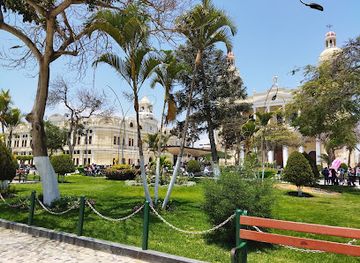
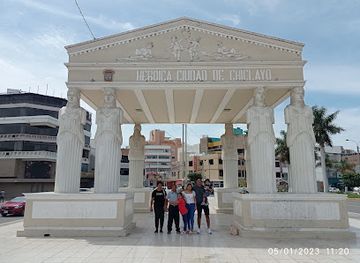
Main Square of Chiclayo
Experience the cultural heartbeat of Chiclayo at its Main Square, a picturesque gathering place rich in history and vibrant local life.
-
Park
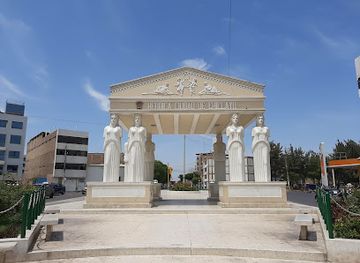
Las Musas
Discover the tranquility of Las Musas, a stunning park in Chiclayo, Peru, offering lush landscapes and cultural experiences for tourists.
-
Park
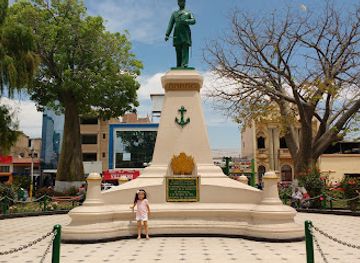
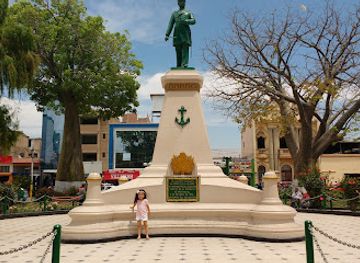
Plazuela Elías Aguirre
Experience the natural beauty and vibrant culture at Plazuela Elías Aguirre in Chiclayo, a tranquil park perfect for relaxation and exploration.
-
Historical landmark
PASEO YORTUQUE
Explore the vibrant Paseo Yortuque, a serene park showcasing the rich heritage of Lambayeque and Moche cultures through stunning sculptures and lush landscapes.

Best landmarks in Lambayeque
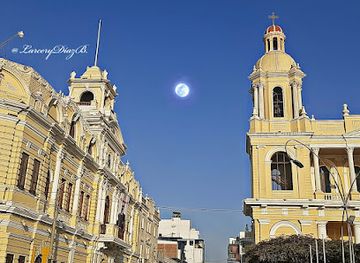
The Royal Tombs of Sipán Museum is one of Lambayeque’s defining modern landmarks, its architecture and collections presenting the material wealth of Moche elite burials. At Huaca Rajada, the surrounding archaeological landscape gives physical context to the discovery, while Túcume’s immense adobe pyramids mark the scale of later northern coastal ceremonial centres. The Pómac Forest Historical Sanctuary contains the most compelling combination of natural and archaeological landmark: algarrobo woodland surrounds huacas associated with the Sicán cultural tradition, including Huaca Las Ventanas. In Ferreñafe, the Sicán National Museum is a major reference point for understanding the region’s later pre-Hispanic heritage. Zaña’s ruined colonial churches, weathered by time and environmental events, form a different kind of landmark and recall the settlement’s former importance. On the coast, the long pier and seafront of Pimentel are recognisable markers of Lambayeque’s maritime identity, while the historic centre and churches of Lambayeque city help connect museum collections with the region’s colonial and republican urban history.
-
Park
Main Square of Chiclayo
Discover the vibrant Main Square of Chiclayo, a cultural hub bustling with local life, stunning architecture, and delicious Peruvian cuisine.
-
Archaeological museum
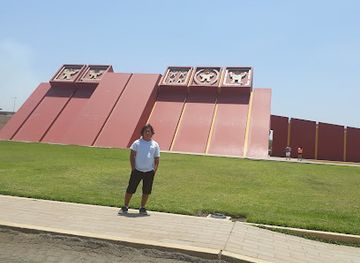
Royal Tombs Of Sipan Museum
Explore the treasures of the Moche civilization at the Royal Tombs of Sipan Museum, an archaeological gem in Lambayeque, Peru.
-
Park
Las Musas
Experience the natural beauty and cultural charm of Las Musas, a tranquil park in Chiclayo, perfect for relaxation and exploration.
-
Park
Plazuela Elías Aguirre
Experience the vibrant culture and scenic beauty of Plazuela Elías Aguirre in Chiclayo, a must-visit park for every traveler.
Explore Lambayeque on the map
Plan your trip on one map. See where the top cities, national parks and sights are, and book hotels and experiences in a few clicks.
Best hotels in Lambayeque
Best restaurants in Lambayeque
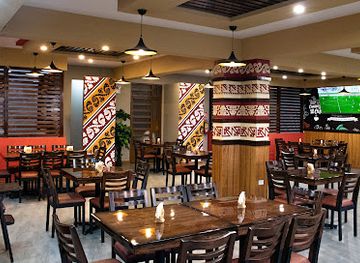
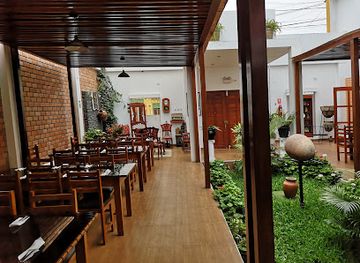
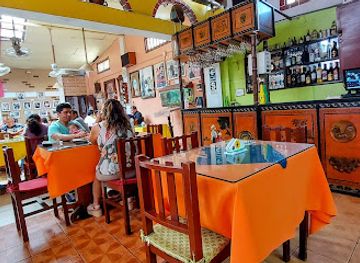
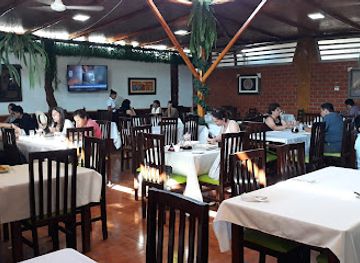
Lambayeque is one of northern Peru’s strongest food regions, with cooking shaped by irrigated agriculture, Pacific fishing and long-established coastal culinary traditions. Chiclayo is the main place to explore the breadth of the regional repertoire, from market stalls and family-run restaurants to more polished dining rooms. Dishes commonly associated with northern coastal cuisine include arroz con pato, seco de cabrito, espesado and duck or goat preparations served with rice, beans and herb-based sauces; recipes and names vary between households and towns. Seafood is prominent in Pimentel, Santa Rosa, Puerto Eten and Chiclayo, where ceviche, chinguirito and mixed seafood dishes reflect local access to the Pacific. Monsefú and nearby communities are also known for festive food traditions and generous regional cooking. Look for chicha de jora and other maize-based drinks where responsibly served, as well as sweet preparations and traditional breads. Menus may be seasonal, and smaller establishments may accept cash only, so asking what is freshest is often more useful than seeking a fixed signature dish.
-
Restaurant
Pacífico Restaurant Gourmet
Experience authentic Peruvian cuisine at Pacífico Restaurant Gourmet in Chiclayo – where every dish tells a story.
-
Restaurant
El Cántaro Restaurant Turístico
Discover authentic Peruvian cuisine at El Cántaro Restaurant Turístico in Lambayeque – where tradition meets flavor.
-
Restaurant
El Rincon del Pato
Experience authentic Peruvian cuisine at El Rincon del Pato in Lambayeque - where tradition meets flavor!
-
Restaurant
Restaurante Di Limon
Experience authentic Peruvian cuisine at Restaurante Di Limon in Lambayeque – where tradition meets taste.
Best bars in Lambayeque
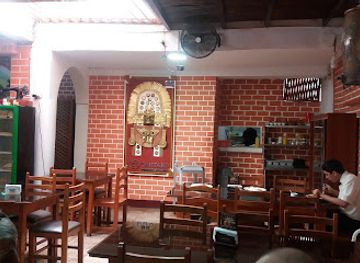
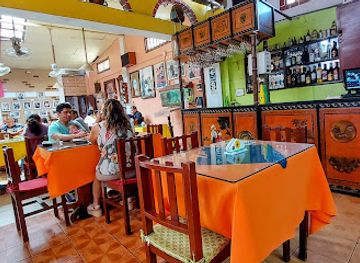
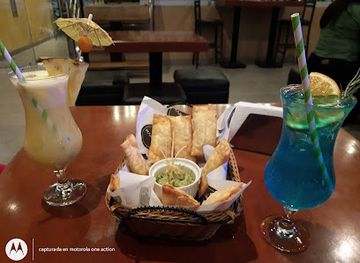
Lambayeque’s evening life is concentrated in Chiclayo, where restaurants, casual bars, karaoke venues and music-led establishments provide the broadest choice. The city’s nightlife is generally more social and dining-oriented than club-focused, with evening activity building around food, conversation and regional drinks. Pimentel has a more coastal atmosphere, with restaurants and bars serving visitors near the seafront, while Monsefú and other towns tend towards family celebrations, local eateries and traditional drinking spaces rather than a large formal club scene. In smaller communities, nightlife can be modest and may end earlier than international visitors expect. Ask accommodation staff about current venues rather than relying on old listings, and use recognised taxis after dark. Drinking is not necessary to experience Lambayeque’s evening culture: night markets, late meals and public squares can be equally characteristic, depending on the town and day of the week.
-
Restaurant
El Cántaro Restaurant Turístico
Discover the essence of Peruvian flavors at El Cántaro Restaurant Turístico, an inviting culinary haven in the heart of Lambayeque.
-
Restaurant
El Rincon del Pato
Experience the flavors of Peru at El Rincon del Pato, a restaurant in Lambayeque renowned for its authentic cuisine and warm ambiance.
-
Bar
Karma Restobar
Experience the best of Chiclayo's nightlife at Karma Restobar, where innovative cocktails meet vibrant local culture in a lively atmosphere.
-
Restaurant
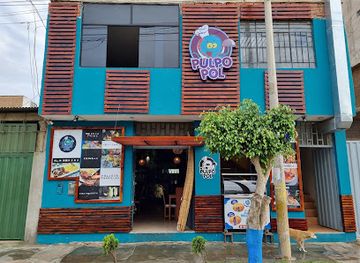
PULPO POL RESTOBAR
Experience the authentic flavors of Peru at Pulpo Pol Restobar, where local ingredients meet traditional culinary artistry in a vibrant setting.
Best nightclubs in Lambayeque
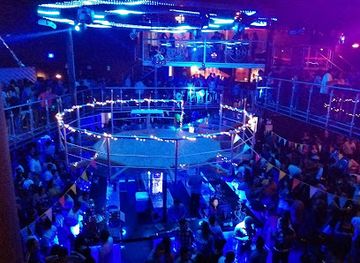
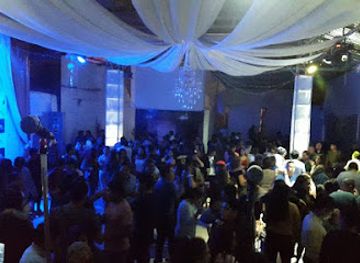
Lambayeque’s evening life is concentrated in Chiclayo, where restaurants, casual bars, karaoke venues and music-led establishments provide the broadest choice. The city’s nightlife is generally more social and dining-oriented than club-focused, with evening activity building around food, conversation and regional drinks. Pimentel has a more coastal atmosphere, with restaurants and bars serving visitors near the seafront, while Monsefú and other towns tend towards family celebrations, local eateries and traditional drinking spaces rather than a large formal club scene. In smaller communities, nightlife can be modest and may end earlier than international visitors expect. Ask accommodation staff about current venues rather than relying on old listings, and use recognised taxis after dark. Drinking is not necessary to experience Lambayeque’s evening culture: night markets, late meals and public squares can be equally characteristic, depending on the town and day of the week.
-
Disco club
Ozone Disco
Experience the pulse of Chiclayo's nightlife at Ozone Disco, where music, dance, and vibrant energy converge for an unforgettable night.
-
Disco club
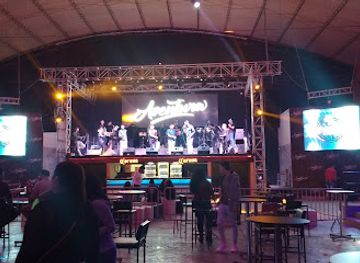
Aventura Disco
Experience the vibrant nightlife of Chiclayo at Aventura Disco, where music and dance create unforgettable memories.
-
Disco club
LA RUEDA RUSTICA
Discover Chiclayo's vibrant nightlife at La Rueda Rustica, where the rhythm never stops and memories are made on the dance floor.
-
Night club
Night Club Las Poncianas
Experience the vibrant nightlife of La Victoria at Las Poncianas Night Club, where music, dance, and fun come together in a lively atmosphere.

Best shops in Lambayeque
Shopping in Lambayeque ranges from Chiclayo’s busy markets and commercial streets to the craft workshops and smaller markets of surrounding towns. Chiclayo is the practical place for everyday goods, food products and regional provisions, although visitors should compare quality and prices and keep belongings secure in crowded areas. Monsefú is particularly associated with local handicrafts, including woven goods, textiles and decorative work, while artisans across the region produce objects linked to northern coastal traditions. Túcume and Lambayeque offer museum shops and craft outlets where available, with reproductions and locally made souvenirs often more appropriate than purchasing antiquities or unverified archaeological objects. Regional foods make useful gifts: packaged sweets, coffee from northern Peru, maize products, spices and other sealed goods are easier to transport than fresh produce. Independent galleries and craft shops may have irregular hours, especially outside Chiclayo, so visits are best combined with daytime cultural excursions. Never buy purported pre-Hispanic artefacts, as their export and sale may be illegal and can damage Peru’s archaeological heritage.
-
Shopping mall
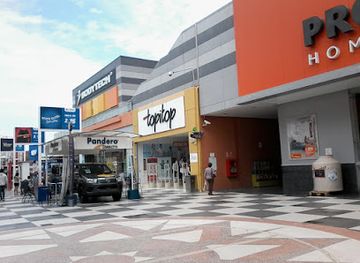
Real Plaza Chiclayo.
Experience the vibrant shopping scene at Real Plaza Chiclayo, where retail, dining, and entertainment come together in a lively atmosphere.
-
Shopping mall
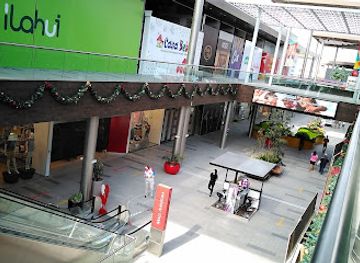
Mall Aventura Chiclayo
Discover the vibrant shopping and dining experience at Mall Aventura Chiclayo, a must-visit destination in the heart of Chiclayo, Peru.
-
General store
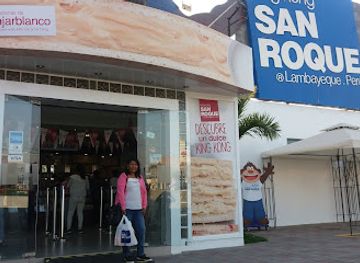
King Kong San Roque
Discover the flavors of Peru at King Kong San Roque, a charming general store famous for its traditional King Kong pastry and local delicacies.
-
Manufacturer
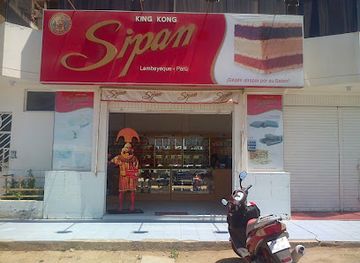
KING KONG Sipan Sipan SAC candy factory
Explore the sweet world of KING KONG Sipan Sipan SAC Candy Factory in Lambayeque, where candy-making meets delightful tasting experiences.
Get your free copy of our complete guide to Lambayeque, delivered straight to you.
Everything on this page, from attractions and restaurants to essentials and local phrases, in one PDF you can read offline, print or share.
Already have an account? Sign in
Your Lambayeque guide is ready.
We'll send it to · Not you? Sign out

Getting your guide ready…
We are putting together a fresh copy of the Lambayeque guide. This can take up to a minute.
This can take a few moments. If your browser asks, choose Allow so the download can start. You'll find the guide in your Downloads folder.
Nothing happened? Download it again
Sorry, the guide is taking longer than usual. Please try again in a minute, or get it by email instead.
Lambayeque essentials
Currency and Payment
Safety
Emergency Situations
Do's and Don'ts
Local Tips
From Eve
Local phrases worth knowing
You don't need to get them perfect. A few words go a long way, and locals appreciate the effort.
Basics
| English | Local | Say it |
|---|---|---|
| Hello | Hola | [OH-lah] |
| Goodbye | Adiós | [ah-DYOS] |
| Yes | Sí | [SEE] |
| No | No | [NO] |
| Please/You're welcome | Por favor | [por fah-VOR] |
| Thank you | Gracias | [GRAH-syahs] |
| Excuse me/Sorry | Disculpe | [dis-KOOL-peh] |
| How are you? | ¿Cómo estás? | [KOH-mo es-TAS] |
| Fine. And you? | Bien. ¿Y tú? | [BYEN. ee TOO] |
| Do you speak English? | ¿Hablas inglés? | [AH-blas een-GLES] |
| I don't understand | No entiendo | [NO en-TYEN-doh] |
Eating & Drinking
| English | Local | Say it |
|---|---|---|
| I'd like to see the menu, please | Quisiera ver el menú, por favor | [kee-SYEH-rah BEHR el meh-NOO, por fah-VOR] |
| I don't eat meat | No como carne | [NO KOH-mo KAR-neh] |
| Cheers! | ¡Salud! | [sah-LOOD] |
| I would like to pay, please | Quisiera pagar, por favor | [kee-SYEH-rah pah-GAR, por fah-VOR] |
Emergencies
| English | Local | Say it |
|---|---|---|
| Help! | ¡Ayuda! | [ah-YOO-dah] |
| Go away! | ¡Vete! | [VEH-teh] |
| Call the Police! | ¡Llama a la policía! | [YAH-mah ah lah poh-lee-SIA] |
| Call a doctor! | ¡Llama a un doctor! | [YAH-mah ah oon dok-TOR] |
| I'm lost | Estoy perdido | [es-TOY pehr-DEE-doh] |
| I'm ill | Estoy enfermo | [es-TOY en-FER-mo] |
Shopping
| English | Local | Say it |
|---|---|---|
| I'd like to buy... | Quisiera comprar... | [kee-SYEH-rah kom-PRAR] |
| I'm just looking | Solo estoy mirando | [SO-lo es-TOY mee-RAN-doh] |
| How much is it? | ¿Cuánto cuesta? | [KWAN-toh KWEST-ah] |
| That's too expensive | Es muy caro | [es MOOY KAH-roh] |
| Can you lower the price? | ¿Puedes bajar el precio? | [PWEH-des bah-HAR el PREH-syo] |
Time & Numbers
| English | Local | Say it |
|---|---|---|
| What time is it? | ¿Qué hora es? | [KEH OH-rah es] |
| It's one o'clock | Es la una | [es lah OO-nah] |
| Half past (10) | Y diez y media | [ee DYAS ee MEH-diah] |
| Morning | Mañana | [mah-NYAH-nah] |
| Afternoon | Tarde | [TAR-deh] |
| Evening | Noche | [NOH-cheh] |
| Yesterday | Ayer | [ah-YER] |
| Today | Hoy | [OY] |
| Tomorrow | Mañana | [mah-NYAH-nah] |
| 1 | Uno | [OO-noh] |
| 2 | Dos | [DOS] |
| 3 | Tres | [TRES] |
| 4 | Cuatro | [KWAH-troh] |
| 5 | Cinco | [SEEN-koh] |
| 6 | Seis | [SAYS] |
| 7 | Siete | [SYEH-teh] |
| 8 | Ocho | [OH-choh] |
| 9 | Nueve | [NWEH-beh] |
| 10 | Diez | [DYAS] |
Transport & Directions
| English | Local | Say it |
|---|---|---|
| Where's a/the...? | ¿Dónde está...? | [DON-deh es-TAH] |
| What's the address? | ¿Cuál es la dirección? | [KWAL es lah dee-rek-SYON] |
| Can you show me (on the map)? | ¿Puedes mostrarme (en el mapa)? | [PWEH-des mos-TRAR-meh en el MAH-pah] |
| When's the next (bus)? | ¿Cuándo es el próximo (bus)? | [KWAN-doh es el PROK-si-mo] |
| A ticket (to ....) | Un boleto (a ...) | [OON bo-LEH-toh a ...] |
History of Lambayeque
Early Coastal Societies and Irrigation
Long before the celebrated Moche and Lambayeque kingdoms, communities on Peru’s northern coast developed agriculture through irrigation, making productive settlement possible in an otherwise arid environment. Ceramics, monumental architecture and burial evidence across the Lambayeque valleys show the growth of complex societies with specialised craft production and organised labour. Water management remained fundamental throughout the region’s history: canals and cultivated valleys connected the coast with inland settlements and supported populations larger than the natural rainfall alone could sustain.
Moche Power and the Tomb of Sipán
Between roughly the first and eighth centuries, Moche societies flourished along Peru’s northern coast, including the Lambayeque area. Their political organisation was expressed through adobe monuments, elaborate ceramics, metalwork and ritual imagery. The discovery of richly furnished elite tombs at Huaca Rajada, near Sipán, transformed understanding of Moche society. The finds associated with the Lord of Sipán and other burials reveal ceremonial authority, long-distance exchange and sophisticated metallurgical techniques. The nearby Royal Tombs of Sipán Museum preserves and explains many of these discoveries.
The Lambayeque or Sicán Civilisation
After the decline of Moche political centres, a powerful culture developed in the Lambayeque valleys, conventionally known as Lambayeque or Sicán. Its influence is visible in the monumental pyramids of Túcume and the settlements of the La Leche valley, as well as in distinctive funerary masks and metal objects. From approximately the ninth to fourteenth centuries, Sicán society combined agricultural production, craft specialisation and regional exchange. The Pómac Forest contains important remains associated with this period, while the Sicán National Museum in Ferreñafe presents its archaeology and religious imagery.
Chimú and Inca Incorporation
Northern coastal politics changed as the Chimú state expanded from its centre at Chan Chan, in present-day La Libertad, and incorporated Lambayeque territories. Later, the Inca Empire extended authority over the north before the arrival of the Spanish. These transitions did not erase older local traditions: irrigation systems, settlements, craft practices and religious landscapes continued to shape life in the valleys. Archaeological evidence in Lambayeque therefore reflects overlapping political influences rather than a single uninterrupted kingdom.
Spanish Conquest and Colonial Zaña
Spanish rule reorganised Lambayeque through new forms of landholding, Catholic institutions and urban administration. Zaña, founded in the early colonial period in a fertile valley, became an important settlement whose churches and ruined buildings still testify to its former prosperity. Flooding, economic change and the rise of other regional centres altered its fortunes. Colonial society also brought forced labour, African presence and new agricultural and religious traditions, adding further layers to the region’s cultural history.
Republican Growth and the Rise of Chiclayo
During the republican period, improved transport, expanding agriculture and commercial networks strengthened Chiclayo’s role as the principal market and service centre of northern coastal Peru. Cotton, sugar and other valley crops linked Lambayeque to national and international markets, while roads and later modern highways encouraged movement between inland communities, ports and neighbouring regions. The development of Chiclayo did not replace older towns such as Lambayeque, Ferreñafe, Monsefú and Zaña; instead, it created a regional urban hierarchy that remains visible today.
Archaeology, Conservation and Living Heritage
From the late twentieth century onwards, major archaeological discoveries and museums helped establish Lambayeque as a central destination for Peru’s ancient history. At the same time, conservation initiatives have drawn attention to the Pómac dry forest, its wildlife and its relationship with archaeological remains. Contemporary Lambayeque is not simply a museum landscape: fishing, farming, craft production, food traditions and coastal town life continue alongside heritage tourism. Local identity is consequently shaped by both ancient civilisations and present-day communities.
Lambayeque in Photos
Browse through our photo collection highlighting the charm and character of the destination.
Neighbouring regions of Lambayeque
The closest regions to Lambayeque, if you have time for more than one.
-

-

-

-

-


Swipe for more regions
Explore more

Explore more of Peru
Discover the wonders of Peru: ancient ruins, stunning landscapes, and a vibrant culture that will captivate your heart and soul.
Explore Peru