

Free North Coast Travel Guide & Mobile App
Explore North Coast with free travel guides. Discover regional history, expert tips, proposed trips, and audio guides on web or mobile app.


Explore North Coast Peru for warm Pacific beaches, Moche and Chimú archaeology, desert valleys, mangroves and distinctive northern cuisine.
Read more about North Coast
When is the best time to visit North Coast?
Best: June–August · 25–26°C| Month | High (°C) | Rainfall (mm) |
|---|---|---|
| January | 28 | 0 |
| February | 29 | 0 |
| March | 30 | 0 |
| April | 29 | 0 |
| May | 27 | 0 |
| June (best) | 26 | 0 |
| July (best) | 25 | 0 |
| August (best) | 25 | 0 |
| September | 26 | 0 |
| October | 27 | 0 |
| November | 28 | 0 |
| December | 28 | 0 |
Getting to and around North Coast
How to get there
Transportation
Top city travel guides in North Coast
The cities of North Coast, and the easiest places to base yourself.
-

-
-

-


Swipe for more cities
Destinations in North Coast
Resorts, valleys and scenic spots worth a trip of their own.
-

-

-

-

-


Swipe for more destinations
Best attractions in North Coast
North Coast Peru’s attractions range from tropical wetlands and warm Pacific beaches to some of the country’s most important archaeological sites. In Tumbes, the mangroves around Puerto Pizarro offer boat trips through tidal channels and access to coastal wildlife, while the beaches towards Zorritos have a warmer, more tropical character. Piura is associated with Máncora, Los Órganos and Cabo Blanco, as well as the dry-forest landscapes and craft traditions of the interior. The archaeological focus intensifies around Lambayeque, where the Royal Tombs of Sipán Museum, Túcume and the museums of Lambayeque explain the Moche and Sicán worlds. Near Trujillo, Chan Chan, the Huacas del Sol y de la Luna and the El Brujo complex present different chapters of northern coastal civilisation. Huanchaco adds surfing, seafood and traditional reed boats, while colonial and republican architecture gives Trujillo a contrasting urban dimension. Visitors should plan around heat, distances and limited shade, particularly at desert sites.
-
Tourist attraction
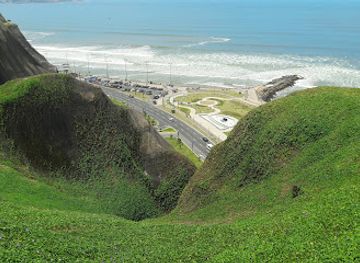
Malecon de Chorrillos
Explore the Malecon de Chorrillos: A vibrant beachfront promenade in Lima, Peru, perfect for leisurely strolls, local cuisine, and stunning ocean views.
-
Archaeological museum
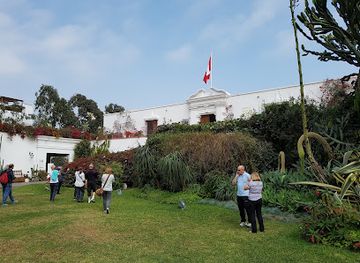
Larco Museum
Explore the Larco Museum: A Fascinating Journey Through Peru's Pre-Columbian History and Artistry.
-
Archaeological museum
Royal Tombs Of Sipan Museum
Explore the Royal Tombs of Sipan Museum, an archaeological marvel showcasing the ancient Moche civilization's treasures and history.
-
Beach
Playa Varadero - Huanchaco
Experience the stunning beauty and vibrant culture of Playa Varadero, a premier beach destination in Huanchaco, Peru.


Best landmarks in North Coast
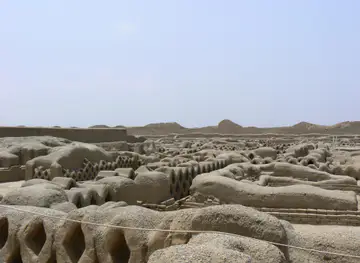
Chan Chan is the North Coast’s most imposing built landmark: the former Chimú capital spreads across the desert near Trujillo in vast adobe compounds decorated with geometric and marine reliefs. Nearby, the Huacas del Sol y de la Luna present the monumental religious architecture of the Moche, with surviving painted friezes and layered construction. In Lambayeque, the pyramidal landscape of Túcume and the archaeological setting associated with Sipán express the scale and sophistication of pre-Hispanic northern societies, while the Royal Tombs of Sipán Museum provides an important architectural and cultural counterpart to the excavations. Trujillo’s historic centre is marked by colonial churches, coloured façades, wrought-iron grilles and republican civic buildings. On the coast, Huanchaco’s caballitos de totora are a living maritime symbol: these narrow reed craft reflect a long relationship between fishing communities and the Pacific. Further north, Tumbes’s mangrove channels and Piura’s dry forests are natural landmarks shaped by water scarcity, tidal systems and seasonal climate variation.
-
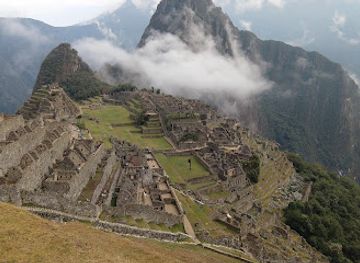
Historical place
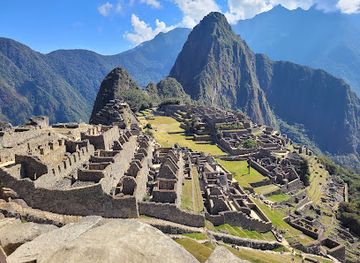
Historic Sanctuary of Machu Picchu
Explore the breathtaking heights of Machu Picchu, a UNESCO World Heritage Site, where ancient Incan history meets stunning Andean landscapes.
-
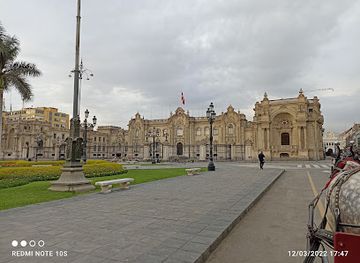
Historical landmark
Lima Main Square
Discover Lima Main Square, a historical landmark brimming with architecture, culture, and the vibrant spirit of Peru's capital city.
-
Park
Magic Water Circuit of the Reserve Park
Experience the enchanting water and light displays at the Magic Water Circuit, the largest fountain complex in the world, located in Lima, Peru.
-
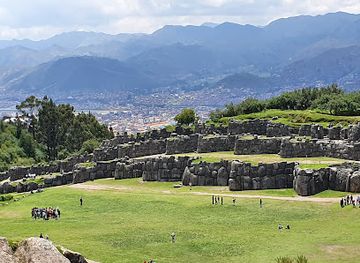
Historical place
Saqsaywaman
Discover the ancient wonders of Saqsaywaman, a majestic Inca fortress with stunning views and rich history in the heart of Cusco, Peru.
Explore North Coast on the map
Plan your trip on one map. See where the top cities, national parks and sights are, and book hotels and experiences in a few clicks.
Best hotels in North Coast
Best restaurants in North Coast
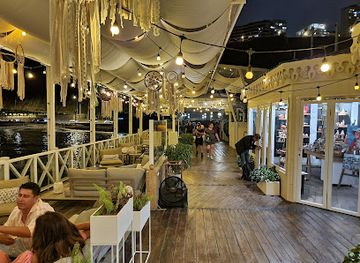
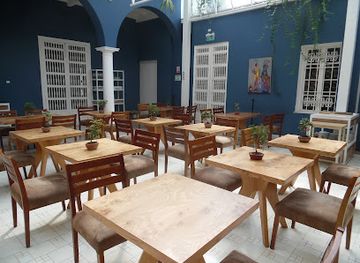
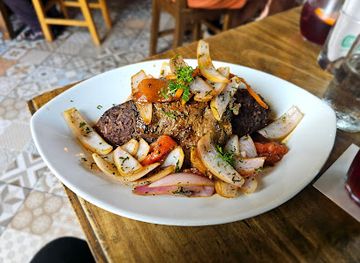
Northern coastal cooking is one of Peru’s most distinctive regional food traditions. Ceviche is central, often prepared with local fish and sharp citrus, while seaside towns offer tiradito, chicharrón de pescado and other seafood dishes. In the agricultural valleys and cities, look for cabrito, usually a young-goat stew or braise, arroz con pato, seco de chavelo and duck or goat dishes served with rice, beans and plantain. Piura is associated with algarrobo products and hearty regional cooking, while Chiclayo and Trujillo have strong traditions of family-run restaurants, picanterías and specialist seafood venues. Catacaos is a useful place to combine food with craft shopping. Desserts and sweets include Lambayeque’s king kong, a layered confection filled with manjar blanco and fruit preserves. Menus vary seasonally and by town; choose busy establishments with good turnover for raw seafood and ask which fish is freshest that day.
-
Fish restaurant
La Mar Cevichería Peruana
Experience the best ceviche in Lima at La Mar Cevichería Peruana - a must-visit seafood haven in Miraflores.
-
Restaurant
Restaurante La Rosa Náutica
Discover exquisite Peruvian seafood with breathtaking ocean views at La Rosa Náutica in Miraflores.
-
Peruvian
Astrid y Gastón
Experience the essence of Peruvian cuisine at Astrid y Gastón – where tradition meets innovation in every bite.
-
Restaurant
Isolina
Experience authentic Peruvian flavors at Isolina, Lima's vibrant restaurant known for its traditional dishes and warm hospitality.
Best bars in North Coast
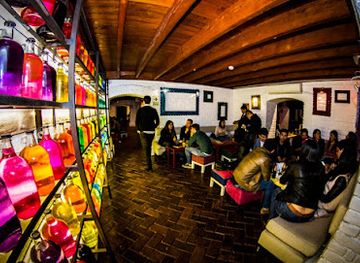
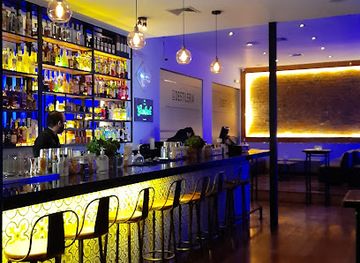
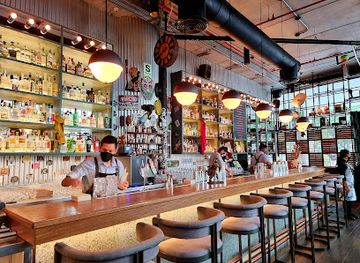
Evening life differs considerably across the North Coast. Máncora and nearby beach towns have the region’s most recognisable holiday nightlife, with bars, casual restaurants, music and a seasonal party atmosphere concentrated near the beaches and main streets. Huanchaco offers a more relaxed combination of seaside restaurants, bars and occasional live music, while Trujillo and Piura provide the broadest urban choice, including traditional bars, cafés, contemporary lounges and dance venues. Chiclayo’s nightlife is primarily city-based, with restaurants and bars rather than a single visitor-oriented strip. In smaller coastal and inland communities, evenings usually centre on food, conversation, plazas and local celebrations. Check transport arrangements before staying out late, use reputable taxis, and remember that opening patterns and venue status can change, particularly outside the main holiday season.
-
Bar
Ayahuasca
Explore the enchanting ambiance and exquisite cocktails at Ayahuasca, Barranco's premier bar for an unforgettable night of Peruvian nightlife.
-
Bar
La Destilería
Explore La Destilería in Miraflores for vibrant cocktails and a lively atmosphere, capturing the essence of Peru's nightlife.
-
Bar
La chupiteria the shot bar
Experience the vibrant nightlife of Cusco at La Chupiteria, a popular shot bar offering a unique blend of local and international flavors.
-
Gastropub
Carnaval
Discover the vibrant flavors of Carnaval, a top gastropub in San Isidro, known for its creative cocktails and lively atmosphere.
Best nightclubs in North Coast
Evening life differs considerably across the North Coast. Máncora and nearby beach towns have the region’s most recognisable holiday nightlife, with bars, casual restaurants, music and a seasonal party atmosphere concentrated near the beaches and main streets. Huanchaco offers a more relaxed combination of seaside restaurants, bars and occasional live music, while Trujillo and Piura provide the broadest urban choice, including traditional bars, cafés, contemporary lounges and dance venues. Chiclayo’s nightlife is primarily city-based, with restaurants and bars rather than a single visitor-oriented strip. In smaller coastal and inland communities, evenings usually centre on food, conversation, plazas and local celebrations. Check transport arrangements before staying out late, use reputable taxis, and remember that opening patterns and venue status can change, particularly outside the main holiday season.
-
Disco club
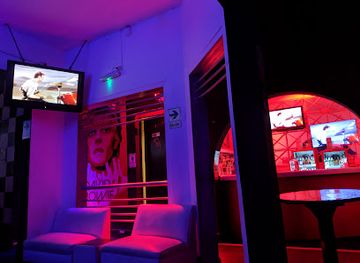
Bizarro
Dive into the electrifying nightlife of Bizarro, a premier disco club in Miraflores, where music, dancing, and unforgettable moments await.
-
Disco club
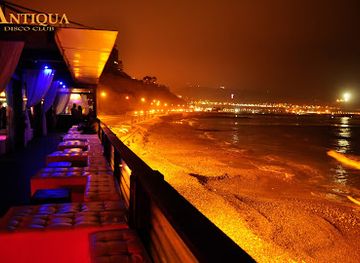
Antiqua Disco Club
Discover the vibrant nightlife at Antiqua Disco Club in Barranco, where music and energy fuse for an unforgettable experience by the coast.
-
Disco club
Nebula
Experience the vibrant energy of Lima at Nebula, the ultimate disco club where music, dance, and nightlife collide in style.
-
Disco club
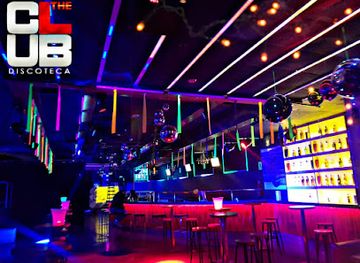
The Club Discoteca
Immerse yourself in the vibrant nightlife of Lima at The Club Discoteca, a lively venue for dancing and socializing with friends.
Best shops in North Coast
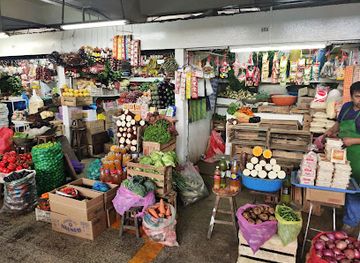
Shopping on the North Coast is strongest in market towns and craft centres rather than in luxury retail districts. Catacaos near Piura is known for jewellery and decorative work in silver and gold, as well as woven and carved goods; compare pieces carefully and buy from established shops when purchasing valuable items. In Lambayeque and Chiclayo, museum shops and artisan stalls offer archaeological-inspired designs, textiles, ceramics and regional foods, while Trujillo has craft shops and galleries alongside its historic centre. Markets are useful for fruit, spices, sweets and everyday produce, but bargaining should be polite and moderate. Look for algarrobo products, king kong sweets, locally made ceramics, woven items and traditional reed-work where provenance is clear. Beach towns concentrate on casual clothing, surf-related goods, jewellery and souvenirs, although selection and quality vary by season. Keep valuables secure in crowded markets and pack fragile crafts carefully for onward travel.
-
Shopping mall
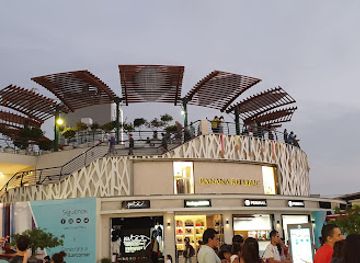
Larcomar
Explore Larcomar: A stunning cliffside shopping mall in Miraflores with luxury stores, dining, and breathtaking ocean views.
-
Shopping mall
Real Plaza Salaverry
Discover diverse shopping and dining experiences at Real Plaza Salaverry, a must-visit shopping mall in Jesús María, Peru.
-
Shopping mall
Jockey Plaza
Experience the best of shopping, dining, and entertainment at Jockey Plaza in Santiago de Surco, Peru.
-
Shopping mall
Mercado Central
Explore the bustling Mercado Central in Lima for an authentic taste of Peruvian culture, food, and unique shopping experiences.
Get your free copy of our complete guide to North Coast, delivered straight to you.
Everything on this page, from attractions and restaurants to essentials and local phrases, in one PDF you can read offline, print or share.
Already have an account? Sign in
Your North Coast guide is ready.
We'll send it to · Not you? Sign out

Getting your guide ready…
We are putting together a fresh copy of the North Coast guide. This can take up to a minute.
This can take a few moments. If your browser asks, choose Allow so the download can start. You'll find the guide in your Downloads folder.
Nothing happened? Download it again
Sorry, the guide is taking longer than usual. Please try again in a minute, or get it by email instead.
North Coast essentials
Currency and Payment
Safety
Emergency Situations
Do's and Don'ts
Local Tips
From Eve
Local phrases worth knowing
You don't need to get them perfect. A few words go a long way, and locals appreciate the effort.
Basics
| English | Local | Say it |
|---|---|---|
| Hello | Hola | [oh-lah] |
| Goodbye | Adiós | [ah-dee-ohs] |
| Yes | Sí | [see] |
| No | No | [noh] |
| Please/You're welcome | Por favor | [por fah-vor] |
| Thank you | Gracias | [grah-syahs] |
| Excuse me/Sorry | Perdón | [pehr-dohn] |
| How are you? | ¿Cómo estás? | [koh-moh ehs-tahs] |
| Fine. And you? | Bien. ¿Y tú? | [byen. ee too] |
| Do you speak English? | ¿Hablas inglés? | [ah-blahs een-gles] |
| I don't understand | No entiendo | [noh ehn-tyen-doh] |
Eating & Drinking
| English | Local | Say it |
|---|---|---|
| I'd like to see the menu, please | Me gustaría ver el menú, por favor | [meh goo-stah-ree-ah vehr el meh-noo, por fah-vor] |
| I don't eat meat | No como carne | [noh koh-moh kar-neh] |
| Cheers! | ¡Salud! | [sah-lood] |
| I would like to pay, please | Me gustaría pagar, por favor | [meh goo-stah-ree-ah pah-gar, por fah-vor] |
Emergencies
| English | Local | Say it |
|---|---|---|
| Help! | ¡Ayuda! | [ah-yoo-dah] |
| Go away! | ¡Vete! | [veh-teh] |
| Call the Police! | ¡Llama a la policía! | [yah-mah ah lah poh-lee-syah] |
| Call a doctor! | ¡Llama a un doctor! | [yah-mah ah oon dok-tor] |
| I'm lost | Estoy perdido | [es-toy pehr-dee-doh] |
| I'm ill | Estoy enfermo | [es-toy en-fehr-moh] |
Shopping
| English | Local | Say it |
|---|---|---|
| I'd like to buy... | Me gustaría comprar... | [meh goo-stah-ree-ah kom-prar] |
| I'm just looking | Solo estoy mirando | [soh-loh es-toy mee-ran-doh] |
| How much is it? | ¿Cuánto cuesta? | [kwahn-toh kwehs-tah] |
| That's too expensive | Eso es muy caro | [eh-so ehs mwee kah-roh] |
| Can you lower the price? | ¿Puedes bajar el precio? | [pweh-des bah-har el preh-syo] |
Time & Numbers
| English | Local | Say it |
|---|---|---|
| What time is it? | ¿Qué hora es? | [keh oh-rah ehs] |
| It's one o'clock | Es la una | [es lah oo-nah] |
| Half past (10) | Y diez y media | [ee dyess ee meh-dee-ah] |
| Morning | Mañana | [mah-nyah-nah] |
| Afternoon | Tarde | [tahr-deh] |
| Evening | Noche | [noh-cheh] |
| Yesterday | Ayer | [ah-yer] |
| Today | Hoy | [oy] |
| Tomorrow | Mañana | [mah-nyah-nah] |
| 1 | Uno | [oo-noh] |
| 2 | Dos | [dohs] |
| 3 | Tres | [tress] |
| 4 | Cuatro | [kwah-troh] |
| 5 | Cinco | [seen-koh] |
| 6 | Seis | [says] |
| 7 | Siete | [syay-teh] |
| 8 | Ocho | [oh-choh] |
| 9 | Nueve | [nwe-veh] |
| 10 | Diez | [dyess] |
Transport & Directions
| English | Local | Say it |
|---|---|---|
| Where's a/the...? | ¿Dónde está...? | [dohn-deh ehs-tah] |
| What's the address? | ¿Cuál es la dirección? | [kwahl ehs lah dee-rehk-syohn] |
| Can you show me (on the map)? | ¿Puedes mostrarme (en el mapa)? | [pweh-des mohs-trar-meh en el mah-pah] |
| When's the next (bus)? | ¿Cuándo es el siguiente (autobús)? | [kwahn-doh ehs el see-gyehn-teh ow-toh-boos] |
| A ticket (to ....) | Un boleto (a ....) | [oon boh-leh-toh ah] |
History of North Coast
Early Coastal Communities and Irrigation
Long before the better-known Moche and Chimú states, communities along northern Peru developed fishing, farming and irrigation systems adapted to an arid environment. River valleys descending from the Andes created narrow belts of fertile land, while the Pacific supplied abundant marine resources. Monumental construction and organised agriculture expanded over many centuries, establishing patterns that later states would inherit. The region’s archaeological remains demonstrate that desert societies were not isolated from one another: goods, ideas and religious practices moved along the coast and between coastal valleys and the highlands.
The Moche Civilisation, c. 100–800
The Moche, or Mochica, created powerful centres across several northern coastal valleys. Their society is represented by painted ceramics, metalwork, portrait vessels, elaborate burials and large adobe monuments. At the Huacas del Sol y de la Luna near Trujillo, ceremonial and political authority was expressed through architecture and vividly coloured reliefs. The discovery of the Lord of Sipán’s tomb in Lambayeque transformed understanding of Moche elite culture by revealing richly furnished burials and evidence of complex ritual and social hierarchy. Moche influence was substantial, although the region was not governed as one uniform state.
Lambayeque and Sicán Traditions, c. 750–1375
After the decline of Moche political centres, Lambayeque or Sicán traditions flourished in the valleys around present-day Lambayeque. The culture is especially associated with sophisticated metallurgy, distinctive gold objects and large adobe ceremonial complexes. The burial and pyramid landscapes of Batán Grande and Túcume reflect the scale of organised labour and the importance of regional religious centres. Modern museums in Lambayeque preserve objects recovered from this period and help distinguish Sicán achievements from the earlier Moche civilisation, whose monuments and artistic traditions remain closely connected to the same northern valleys.
The Chimú Kingdom and Chan Chan, c. 900–1470
The Chimú state developed its capital at Chan Chan in the Moche Valley near present-day Trujillo. Built principally from adobe, Chan Chan contained walled compounds, plazas, storerooms, ceremonial spaces and decorated reliefs, reflecting a highly organised urban and administrative system. Chimú power extended along much of the northern coast before the kingdom was incorporated into the expanding Inca Empire in the fifteenth century. Chan Chan remains the clearest physical expression of Chimú political authority, although its fragile earthen architecture requires careful conservation in a region exposed to rain events and seismic activity.
Inca Incorporation and Spanish Conquest
Northern coastal centres were incorporated into the Inca Empire relatively late, bringing the region into a wider system of roads, labour obligations and imperial administration. Spanish conquest in the sixteenth century then imposed new political, religious and economic structures. Trujillo was founded in 1535 and became an important colonial centre, while indigenous communities, agricultural systems and coastal trade continued beneath the new order. Churches, urban plans and surviving colonial buildings in Trujillo reveal this transformation, though the region’s pre-Hispanic heritage remained embedded in local landscapes and settlement patterns.
Colonial Agriculture, Trade and Coastal Society
During the colonial period and the centuries that followed, northern coastal valleys depended on irrigation, estates and commercial agriculture. Sugar production became particularly influential in parts of La Libertad, while cotton, rice and other crops shaped economies elsewhere. Coastal ports and roads connected agricultural districts with wider markets. Rural labour systems changed over time, including the legacy of colonial exploitation and later hacienda structures. These economic histories help explain the contrast between densely cultivated river valleys and the surrounding desert, a defining feature of northern Peru that remains visible from the road.
Republican Development and the Pan-American Coast
After Peruvian independence in the nineteenth century, Trujillo, Chiclayo, Piura and Tumbes developed as regional commercial centres. Railways, roads, ports and later the Pan-American Highway strengthened links between farming districts and the national economy. Cotton, sugar, rice, fishing and petroleum-related activity each influenced different parts of the coast. Urban growth accelerated during the twentieth century, while tourism brought new attention to beach communities such as Máncora and Huanchaco. Contemporary North Coast Peru therefore combines major cities, working agricultural landscapes, archaeological conservation and increasingly developed seaside destinations.
North Coast in Photos
Browse through our photo collection highlighting the charm and character of the destination.
Neighbouring regions of North Coast
The closest regions to North Coast, if you have time for more than one.
-

-

-

-

-


Swipe for more regions
Explore more

Explore more of Peru
Discover the wonders of Peru: ancient ruins, stunning landscapes, and a vibrant culture that will captivate your heart and soul.
Explore Peru