

Free Moquegua Travel Guide & Mobile App
Explore Moquegua with free travel guides. Discover regional history, expert tips, proposed trips, and audio guides on web or mobile app.


Explore Moquegua's colonial valley capital, vineyards, volcanic highlands, coastal Ilo and Pacific wildlife in southern Peru.
Read more about Moquegua
When is the best time to visit Moquegua?
Best: January–March · 24–25°C| Month | High (°C) | Rainfall (mm) |
|---|---|---|
| January (best) | 24 | 2 |
| February (best) | 25 | 2 |
| March (best) | 25 | 2 |
| April | 24 | 1 |
| May | 23 | 0 |
| June | 21 | 0 |
| July | 21 | 0 |
| August | 21 | 0 |
| September | 22 | 0 |
| October | 23 | 1 |
| November | 24 | 1 |
| December | 24 | 1 |
Getting to and around Moquegua
How to get there
Transportation
Top city travel guides in Moquegua
The cities of Moquegua, and the easiest places to base yourself.
-

-


Swipe for more cities
Best attractions in Moquegua
Moquegua's attractions range from the historic streets and churches of the regional capital to irrigated valleys, vineyards and rural settlements. The city is a natural starting point for exploring local architecture, regional food and pisco culture, while nearby Torata offers agricultural scenery and volcanic landscapes beneath Cerro Baúl. The archaeological site of Chen Chen provides insight into the Tiwanaku presence in the valley, and the Museum Contisuyo in Moquegua interprets the region's pre-Hispanic heritage. Ilo brings a different set of experiences, including Pacific beaches, a working port, seafood and access to coastal wildlife around Punta Coles. Inland, Omate and the highland districts offer orchards, mountain roads and views associated with the Ubinas volcanic area. Outdoor activities are generally self-directed or locally arranged rather than organised around a single national park, so visitors should check access, altitude, road conditions and conservation requirements before setting out.
-
Tourist attraction
Sabandía mill
Discover the enchanting Sabandía Mill in Arequipa - a historical gem surrounded by stunning landscapes and rich cultural heritage.
-
Park
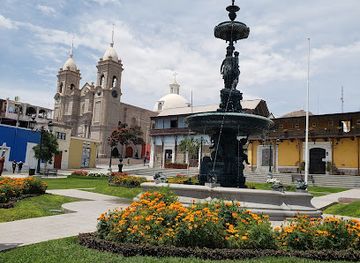
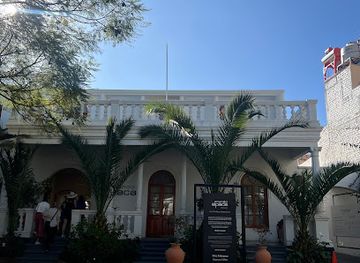
Plaza de Armas de Moquegua
Explore the vibrant Plaza de Armas de Moquegua, a cultural hub filled with lush gardens, historical architecture, and local traditions that define this beautiful Peruvian city.
-
Nature preserve
Reserva Nacional de Salinas y Aguada Blanca
Discover the breathtaking landscapes and vibrant wildlife of Reserva Nacional de Salinas y Aguada Blanca, a natural treasure near Arequipa, Peru.
-
Wildlife refuge
Patahuasi
Explore the breathtaking Patahuasi Wildlife Refuge in Vacas, Peru, a haven for nature lovers and wildlife enthusiasts seeking unforgettable experiences.

Best landmarks in Moquegua
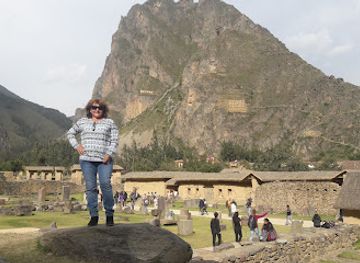
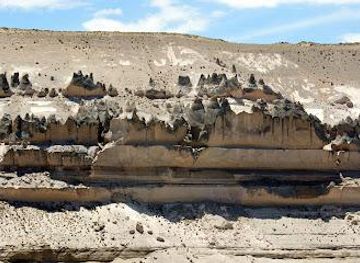
Moquegua's most recognisable landmarks express the region's combination of colonial history, geology and coastal identity. In the capital, the Plaza de Armas and its surrounding historic buildings form the civic centre, while the Co-Cathedral of Santo Domingo is notable for its religious importance and for the shrine associated with the image of the Lord of Locumba. Historic houses with broad façades and traditional architectural details reveal the prosperity once generated by the valley's estates and trade. Outside the city, Cerro Baúl is an unmistakable volcanic mesa rising above the surrounding dry valleys and carries both geological and archaeological significance. The archaeological complex of Chen Chen marks the earlier Tiwanaku presence in the Moquegua Valley. In Ilo, the waterfront, port structures and rugged Pacific coastline provide a very different visual landmark, while Punta Coles is distinguished by its sea-lion colony and protected coastal setting. The highland volcanoes around Ubinas add a powerful natural dimension, though access should always be checked locally.
-
Park
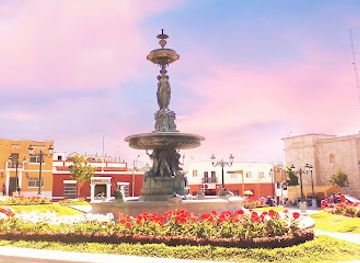
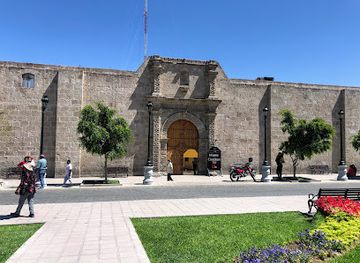
Plaza de Armas de Moquegua
Explore the historic Plaza de Armas de Moquegua, a vibrant park that captures the essence of Peruvian culture and beauty.
-
Restaurant
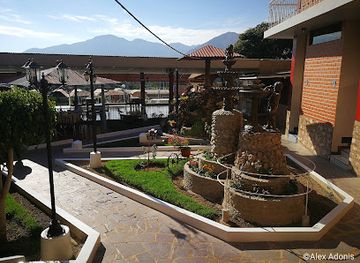
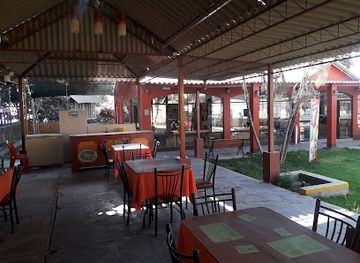
Restaurante Turístico LAS GLORIETAS
Experience the authentic taste of Peru at Restaurante Turístico LAS GLORIETAS, where tradition meets flavor in a vibrant setting.
-
Catholic church
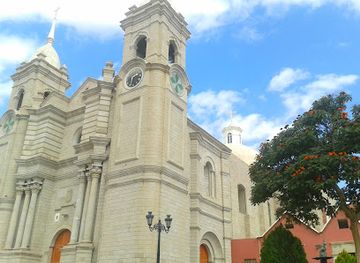
Catedral Santo Domingo - Diocesis de Tacna y Moquegua
Explore the stunning Catedral Santo Domingo in Moquegua, a captivating blend of history, architecture, and spiritual beauty.
-
Museum
Museo Contisuyo
Explore the ancient wonders of the Museo Contisuyo in Moquegua, where history and culture come alive through captivating exhibits and artifacts.
Explore Moquegua on the map
Plan your trip on one map. See where the top cities, national parks and sights are, and book hotels and experiences in a few clicks.
Best hotels in Moquegua
Best restaurants in Moquegua
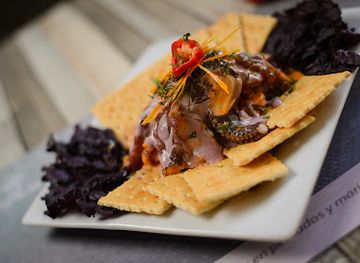
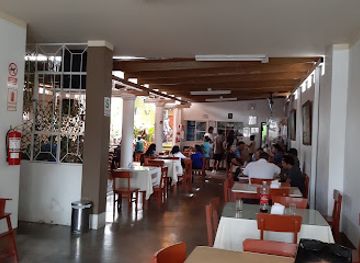
Moquegua's food reflects the meeting of irrigated valley agriculture, Andean cooking and the Pacific coast. In and around the capital, look for traditional dishes such as patasca, hearty chupe-style soups, chicharrón and cuy, as well as fruit-based sweets, preserves and pastries associated with the valley. The region's wine and pisco are central to its culinary identity, and vineyard visits can often be combined with tastings or local produce. Ilo has a stronger maritime repertoire, with fresh fish, ceviche and other seafood dishes prominent in restaurants near the coast and port. Markets and small family-run eateries offer a useful introduction to local ingredients, while contemporary restaurants in the larger towns may reinterpret southern Peruvian flavours. Food availability becomes more limited in remote highland districts, where arranging meals through accommodation or a local guide can be sensible.
-
Restaurant
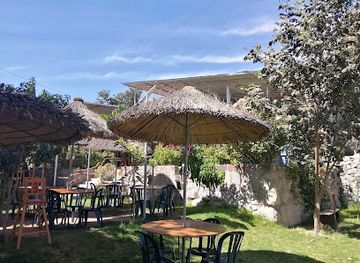
Restaurante La Campiña
Discover the authentic tastes of Peru at Restaurante La Campiña in Moquegua - a culinary treasure offering traditional dishes in a charming setting.
-
Restaurant
Restaurante Cuyeria "Los Angeles"
Experience the best of Peruvian gastronomy at Restaurante Cuyeria 'Los Angeles' in Moquegua – home of exquisite cuy and traditional dishes.
-
Restaurant
El Punto Del Paisa
Discover authentic Peruvian cuisine at El Punto Del Paisa in Moquegua - where tradition meets taste.
-
Restaurant
Restaurante Doña Peta
Discover authentic Peruvian flavors at Restaurante Doña Peta in Moquegua—an essential stop for every food lover.
Best bars in Moquegua
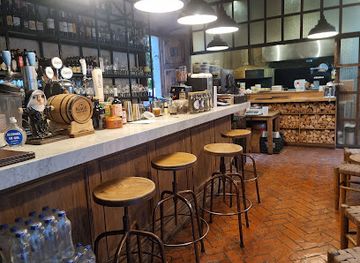
Evening life in Moquegua is generally social and low-key, centred on restaurants, cafés, neighbourhood bars and traditional establishments rather than a large nightclub circuit. The regional capital offers the widest choice of places to meet for a drink, including venues serving pisco-based cocktails, local wine and beer, while Ilo combines bars and restaurants with a more coastal atmosphere. Music, family gatherings and conversation are often more important than late-night clubbing, and smaller towns may become quiet early. Some venues offer live music or dancing at weekends, but opening arrangements change, so local recommendations are more reliable than assuming a fixed nightlife district. Visitors should drink moderately, use trusted transport after dark and remember that wine and pisco are regional products, not requirements for participating in local evening culture.
-
Restaurant
13 Monjas
Experience the vibrant flavors of Peruvian cuisine at 13 Monjas, a beloved restaurant and bar in Arequipa, offering a delightful culinary journey.
-
Restaurant
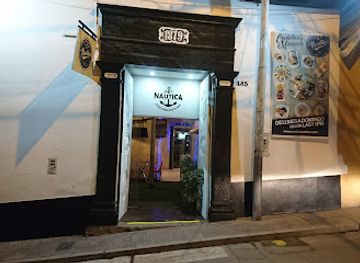
NAUTICA RESTOMAR
Experience the enchanting flavors of Peru at Nautica Restomar in Moquegua, where every meal is a delightful adventure.
-
Grill
MAWI RESTOBAR
Discover the vibrant culinary scene at MAWI RESTOBAR in Moquegua, where delightful grilled dishes and a lively atmosphere await every visitor.
-
Restaurant
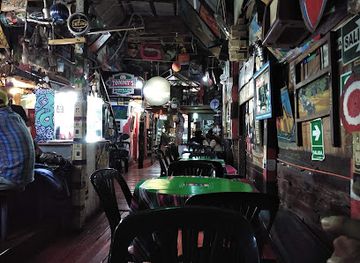
El Bandido Pizzeria Pisco Bar.
Discover the flavors of Italy and Peru at El Bandido Pizzeria Pisco Bar, a favorite dining spot in Moquegua for delicious pizzas and local pisco.
Best nightclubs in Moquegua
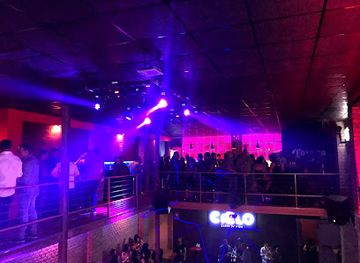
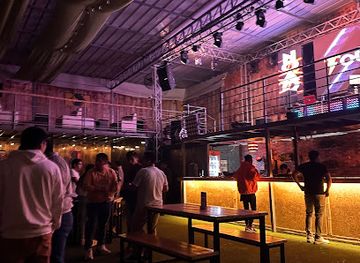
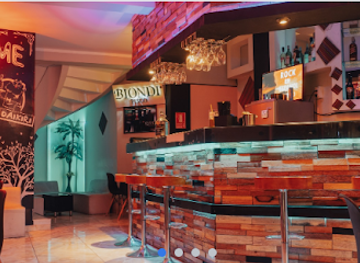
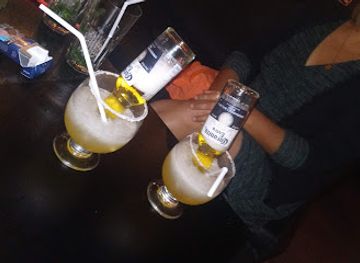
Evening life in Moquegua is generally social and low-key, centred on restaurants, cafés, neighbourhood bars and traditional establishments rather than a large nightclub circuit. The regional capital offers the widest choice of places to meet for a drink, including venues serving pisco-based cocktails, local wine and beer, while Ilo combines bars and restaurants with a more coastal atmosphere. Music, family gatherings and conversation are often more important than late-night clubbing, and smaller towns may become quiet early. Some venues offer live music or dancing at weekends, but opening arrangements change, so local recommendations are more reliable than assuming a fixed nightlife district. Visitors should drink moderately, use trusted transport after dark and remember that wine and pisco are regional products, not requirements for participating in local evening culture.
-
Club
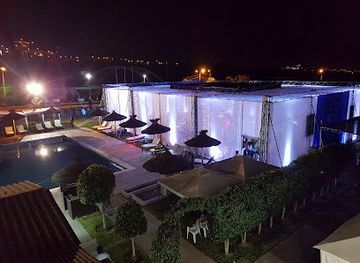
COUNTRY CLUB LA VILLA - MOQUEGUA
Experience leisure, culture, and entertainment at Country Club La Villa in Moquegua, the perfect destination for relaxation and fun.
-
Disco club
NOA NOA CLUB
Discover the vibrant nightlife of Moquegua at NOA NOA CLUB, where electrifying music meets an unforgettable atmosphere.
-
Bar
BaRock
Experience the vibrant nightlife of Moquegua at BaRock, where great drinks and a lively atmosphere await you.
-
Disco club
Bitter Club
Discover the energetic nightlife at Bitter Club, A3's premier disco destination for dancing, drinks, and unforgettable moments.
Best shops in Moquegua
Shopping in Moquegua is centred on markets, small independent businesses and regional food products rather than large-scale retail. The capital is a good place to look for pisco, valley wines, fruit preserves, traditional sweets and locally produced foods, with larger markets providing everyday produce and ingredients. Craft and souvenir choices vary, but pottery, textiles and small handmade items may be available through local markets or cultural initiatives rather than dedicated tourist districts. Ilo has a more coastal shopping character, with fresh seafood markets and shops supplying maritime communities, while olive products and other agricultural goods can appear in the wider coastal and valley trade. In rural towns, market days are important for both residents and visitors, although stock and schedules change. Buy packaged bottles and food products from reputable sellers, and remember that archaeological objects should never be purchased or removed.
-
Hypermarket
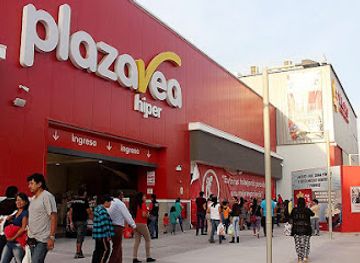
plazaVea Moquegua | Televisores, Laptops y más
Explore Moquegua's vibrant shopping scene at PlazaVea, where local flavors meet modern convenience in a hypermarket oasis.
-
Lingerie store
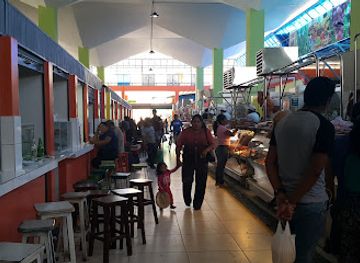
Central Market Moquegua
Explore Central Market Moquegua: A vibrant hub of local culture, crafts, and cuisine in the heart of Peru.
-
Tourist attraction
Mundo Alpaca
Explore the vibrant world of alpaca textiles at Mundo Alpaca, a cultural hub in Arequipa that blends shopping with rich Peruvian heritage.
-
Home goods store
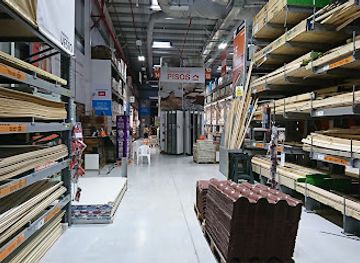
Promart Moquegua | Muebles, Herramientas, Electrohogar, Pisos y más
Explore a world of home improvement and decor at Promart Moquegua, your ultimate destination for quality products and expert advice.
Get your free copy of our complete guide to Moquegua, delivered straight to you.
Everything on this page, from attractions and restaurants to essentials and local phrases, in one PDF you can read offline, print or share.
Already have an account? Sign in
Your Moquegua guide is ready.
We'll send it to · Not you? Sign out

Getting your guide ready…
We are putting together a fresh copy of the Moquegua guide. This can take up to a minute.
This can take a few moments. If your browser asks, choose Allow so the download can start. You'll find the guide in your Downloads folder.
Nothing happened? Download it again
Sorry, the guide is taking longer than usual. Please try again in a minute, or get it by email instead.
Moquegua essentials
Currency and Payment
Safety
Emergency Situations
Do's and Don'ts
Local Tips
From Eve
Local phrases worth knowing
You don't need to get them perfect. A few words go a long way, and locals appreciate the effort.
Basics
| English | Local | Say it |
|---|---|---|
| Hello | Hola | [Ola] |
| Goodbye | Adiós | [Adios] |
| Yes | Sí | [Si] |
| No | No | [No] |
| Please/You're welcome | Por favor/De nada | [Por favor/De nada] |
| Thank you | Gracias | [Grasias] |
| Excuse me/Sorry | Disculpe/Lo siento | [Disculpe/Lo siento] |
| How are you? | ¿Cómo estás? | [Como estas] |
| Fine. And you? | Bien. ¿Y tú? | [Bien. Y tu] |
| Do you speak English? | ¿Hablas inglés? | [Hablas ingles] |
| I don't understand | No entiendo | [No entiendo] |
Eating & Drinking
| English | Local | Say it |
|---|---|---|
| I'd like to see the menu, please | Me gustaría ver el menú, por favor | [Me gustaria ver el menu, por favor] |
| I don't eat meat | No como carne | [No como carne] |
| Cheers! | ¡Salud! | [Salud] |
| I would like to pay, please | Me gustaría pagar, por favor | [Me gustaria pagar, por favor] |
Emergencies
| English | Local | Say it |
|---|---|---|
| Help! | ¡Ayuda! | [Ayuda] |
| Go away! | ¡Vete! | [Vete] |
| Call the Police! | ¡Llama a la policía! | [Llama a la policia] |
| Call a doctor! | ¡Llama a un doctor! | [Llama a un doctor] |
| I'm lost | Estoy perdido | [Estoy perdido] |
| I'm ill | Estoy enfermo | [Estoy enfermo] |
Shopping
| English | Local | Say it |
|---|---|---|
| I'd like to buy... | Me gustaría comprar... | [Me gustaria comprar] |
| I'm just looking | Solo estoy mirando | [Solo estoy mirando] |
| How much is it? | ¿Cuánto cuesta? | [Cuanto cuesta] |
| That's too expensive | Eso es muy caro | [Eso es muy caro] |
| Can you lower the price? | ¿Puedes bajar el precio? | [Puedes bajar el precio] |
Time & Numbers
| English | Local | Say it |
|---|---|---|
| What time is it? | ¿Qué hora es? | [Que hora es] |
| It's one o'clock | Es la una | [Es la una] |
| Half past (10) | Y media (10) | [Y media (10)] |
| Morning | Mañana | [Mañana] |
| Afternoon | Tarde | [Tarde] |
| Evening | Noche | [Noche] |
| Yesterday | Ayer | [Ayer] |
| Today | Hoy | [Hoy] |
| Tomorrow | Mañana | [Mañana] |
| 1 | Uno | [Uno] |
| 2 | Dos | [Dos] |
| 3 | Tres | [Tres] |
| 4 | Cuatro | [Cuatro] |
| 5 | Cinco | [Cinco] |
| 6 | Seis | [Seis] |
| 7 | Siete | [Siete] |
| 8 | Ocho | [Ocho] |
| 9 | Nueve | [Nueve] |
| 10 | Diez | [Diez] |
Transport & Directions
| English | Local | Say it |
|---|---|---|
| Where's a/the...? | ¿Dónde está un/a...? | [Donde esta un/a] |
| What's the address? | ¿Cuál es la dirección? | [Cual es la direccion] |
| Can you show me (on the map)? | ¿Puedes mostrarme (en el mapa)? | [Puedes mostrarme en el mapa] |
| When's the next (bus)? | ¿Cuándo es el próximo (bus)? | [Cuando es el proximo bus] |
| A ticket (to ....) | Un boleto (a ....) | [Un boleto a] |
History of Moquegua
Early Settlement and the Moquegua Valley
The Moquegua Valley has supported human settlement for many centuries because its river-fed terraces offer cultivable land within an otherwise arid landscape. Archaeological evidence records successive communities and changing connections with the wider southern Andes. The valley also formed part of networks linking the highlands with the Pacific coast, allowing crops, livestock, technologies and ideas to move between ecological zones. These long-established patterns of irrigation and exchange remain important to understanding the region's present-day concentration of agriculture in otherwise dry terrain.
Tiwanaku and Later Andean Influences
Between roughly the sixth and eleventh centuries, the Tiwanaku state, centred around Lake Titicaca, established an important presence in the Moquegua Valley. Archaeological sites such as Chen Chen preserve evidence of agricultural settlement and regional organisation associated with this period. Later societies, including the Lupaqa and the wider Inca world, connected the valley and surrounding highlands through systems of movement and exchange. The archaeological record shows that Moquegua was not an isolated oasis but part of larger political and cultural networks.
Spanish Foundation and Colonial Moquegua
The Spanish established the city of Moquegua in the sixteenth century, integrating the valley into colonial administrative, religious and agricultural systems. Churches, estates and urban houses developed around the irrigated valley, while crops and European livestock were introduced alongside existing Andean practices. Viticulture became especially significant, with grapes supporting wine and aguardiente production. Although earthquakes and later rebuilding altered the architectural fabric, the historic centre and surrounding agricultural landscape still reflect the combination of Spanish colonial planning and older valley-based farming.
Wine, Pisco and Valley Agriculture
From the colonial period onwards, Moquegua became one of southern Peru's notable wine- and pisco-producing areas. Vineyards flourished in the dry climate where irrigation made intensive cultivation possible, and family estates and small producers developed techniques suited to the valley. The industry faced changing markets, competition and periodic natural disasters, but viticulture remained an important marker of regional identity. Today, pisco, wine, fruit and traditional sweets connect Moquegua's agricultural history with its contemporary visitor economy.
The Port and Maritime Economy of Ilo
Ilo developed as Moquegua's principal Pacific port, with fishing, maritime trade and later industrial activity shaping its growth. Its coastal position connected the region's inland valleys and highlands with wider commercial routes, while the surrounding sea supported fishing communities and a seafood-based food culture. During the twentieth century, port infrastructure and mining-related industry strengthened Ilo's economic importance. The city consequently has a different character from the inland capital: more coastal, working and industrial, with its own relationship to the Pacific environment.
Earthquakes, Modernisation and Regional Change
Moquegua has repeatedly been affected by the earthquakes common to southern Peru, including the major earthquake of 2001, which damaged buildings across the region and prompted extensive reconstruction. Modern development has also been shaped by road connections, urban expansion, port activity and large-scale mining, particularly copper extraction in the wider Moquegua area. These changes have brought investment and employment while increasing pressure on water resources and fragile desert environments. Contemporary Moquegua therefore combines historic agricultural traditions with infrastructure and industries of national significance.
Volcanic Landscapes and Highland Communities
The eastern part of the region remains closely linked to high-altitude pastoral and agricultural life, with communities adapting to cold, dry conditions and volcanic terrain. Ubinas, one of Peru's active volcanoes, has periodically affected nearby settlements through ash emissions and eruptions, making geological risk part of local experience. Highland valleys such as Omate show how irrigation, orchards and local trade can prosper at altitude. Their history adds an Andean dimension to a region often introduced primarily through its coastal port or wine-producing capital.
Moquegua in Photos
Browse through our photo collection highlighting the charm and character of the destination.
Neighbouring regions of Moquegua
The closest regions to Moquegua, if you have time for more than one.
-

-

-

-

-


Swipe for more regions
Explore more

Explore more of Peru
Discover the wonders of Peru: ancient ruins, stunning landscapes, and a vibrant culture that will captivate your heart and soul.
Explore Peru