

Free Apurímac Travel Guide & Mobile App
Explore Apurímac with free travel guides. Discover regional history, expert tips, proposed trips, and audio guides on web or mobile app.


Discover Apurímac: Peru's hidden gem with stunning landscapes, rich cultural heritage, and thrilling adventures, perfect for nature enthusiasts and history buffs alike.
Read more about Apurímac
When is the best time to visit Apurímac?
Best: June–August · 12–13°C| Month | High (°C) | Rainfall (mm) |
|---|---|---|
| January | 15 | 100 |
| February | 15 | 90 |
| March | 15 | 80 |
| April | 15 | 60 |
| May | 14 | 40 |
| June (best) | 13 | 20 |
| July (best) | 12 | 20 |
| August (best) | 13 | 20 |
| September | 13 | 40 |
| October | 14 | 60 |
| November | 14 | 80 |
| December | 15 | 90 |
Getting to and around Apurímac
How to get there
Transportation
Top city travel guides in Apurímac
The cities of Apurímac, and the easiest places to base yourself.
-
 Machu Picchu
Discover the ancient Incan city of Machu Picchu, a UNESCO World Heritage site nestled in the Peruvian Andes. Experience breathtaking views and rich history in this timeless wonder.
Machu Picchu
Discover the ancient Incan city of Machu Picchu, a UNESCO World Heritage site nestled in the Peruvian Andes. Experience breathtaking views and rich history in this timeless wonder.
-
 Cusco
Discover Cusco, Peru: A blend of Incan heritage and Spanish colonial charm, offering a gateway to Machu Picchu and the Sacred Valley amidst stunning Andean landscapes.
Cusco
Discover Cusco, Peru: A blend of Incan heritage and Spanish colonial charm, offering a gateway to Machu Picchu and the Sacred Valley amidst stunning Andean landscapes.
Swipe for more cities
Destinations in Apurímac
Resorts, valleys and scenic spots worth a trip of their own.
-
 Inca Trail
Experience the legendary Inca Trail in Peru: a historic trek through Andean landscapes, ancient ruins, and the awe-inspiring Machu Picchu.
Inca Trail
Experience the legendary Inca Trail in Peru: a historic trek through Andean landscapes, ancient ruins, and the awe-inspiring Machu Picchu.
-
 Choquequirao Trek
Discover the Choquequirao Trek: A hidden Incan wonder in Peru, offering breathtaking landscapes, rich history, and an unforgettable adventure off the beaten path.
Choquequirao Trek
Discover the Choquequirao Trek: A hidden Incan wonder in Peru, offering breathtaking landscapes, rich history, and an unforgettable adventure off the beaten path.
-
 Sacred Valley
Discover the Sacred Valley of Peru: A blend of ancient Inca heritage, vibrant culture, and breathtaking Andean landscapes.
Sacred Valley
Discover the Sacred Valley of Peru: A blend of ancient Inca heritage, vibrant culture, and breathtaking Andean landscapes.
-
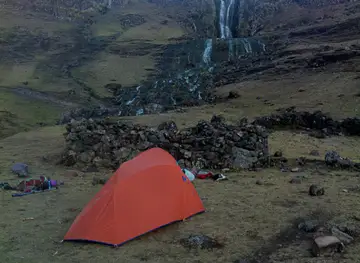 Lares Trek
Discover the Lares Trek in Peru: A Serene Andean Adventure with Stunning Landscapes, Cultural Encounters, and a Gateway to Machu Picchu.
Lares Trek
Discover the Lares Trek in Peru: A Serene Andean Adventure with Stunning Landscapes, Cultural Encounters, and a Gateway to Machu Picchu.
-
 Cusco Region
Explore the Cusco Region: A Journey Through Time with Majestic Landscapes, Ancient Ruins, and Rich Cultural Heritage in the Heart of Peru.
Cusco Region
Explore the Cusco Region: A Journey Through Time with Majestic Landscapes, Ancient Ruins, and Rich Cultural Heritage in the Heart of Peru.
-
 Salkantay Trail
Explore the Salkantay Trail in Peru: A mesmerizing trek through stunning Andean landscapes, ancient Inca ruins, and the captivating beauty of Machu Picchu.
Salkantay Trail
Explore the Salkantay Trail in Peru: A mesmerizing trek through stunning Andean landscapes, ancient Inca ruins, and the captivating beauty of Machu Picchu.
Swipe for more destinations
Best attractions in Apurímac
Nestled in the heart of the Andes, Apurímac offers a mesmerizing blend of natural beauty and rich history that promises an unforgettable journey for every traveler. Visitors can explore the stunning Sondor Archaeological Complex, an ancient Incan site that provides breathtaking views of the surrounding valleys and mountains. The region's dramatic landscapes are further highlighted by the Apurímac River Canyon, one of the deepest canyons in the world, perfect for thrill-seekers looking to enjoy white-water rafting and hiking adventures. For those interested in cultural experiences, the traditional towns of Andahuaylas and Abancay offer vibrant local markets, colorful festivals, and a chance to immerse oneself in the timeless customs and warm hospitality of the Peruvian highlands. Nature enthusiasts will be enchanted by the majestic Ampay National Sanctuary, home to rare flora and fauna, crystal-clear lakes, and the awe-inspiring Ampay Peak. Apurímac's blend of adventure, history, and culture ensures that every moment spent here is filled with discovery and wonder.
-
Tourist attraction
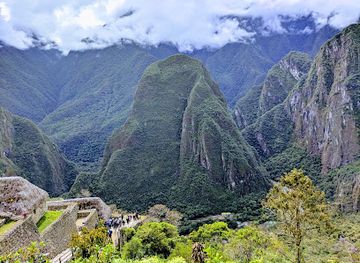
Historic Sanctuary of Machu Picchu
Discover the awe-inspiring ruins of Machu Picchu, a UNESCO World Heritage site, where ancient history meets breathtaking natural beauty in the heart of the Andes.
-
Historical landmark
Ollantaytambo Sanctuary
Discover the ancient wonders of Ollantaytambo Sanctuary, a UNESCO World Heritage Site, where history and breathtaking landscapes converge in Peru's Sacred Valley.
-
Museum
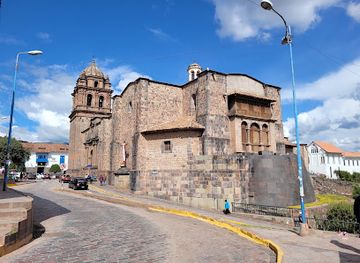
Qorikancha
Explore Qorikancha, the Temple of the Sun in Cusco, a remarkable blend of Incan and colonial history, where spirituality and artistry meet.
-
Archaeological site
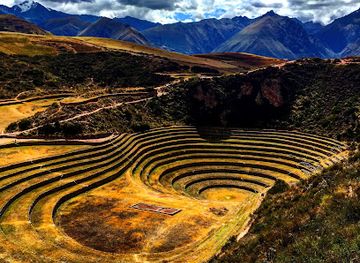
Moray
Explore Moray, an ancient Incan archaeological site featuring unique terraced agricultural systems that showcase the ingenuity and history of the Inca civilization.

Best landmarks in Apurímac
Nestled in the heart of the Peruvian Andes, Apurímac offers a treasure trove of captivating landmarks that beckon the adventurous spirit. Explore the awe-inspiring Abancay, where the lush Ampay National Sanctuary showcases diverse flora and fauna amidst stunning mountain landscapes. Discover the ancient archaeological site of Sayhuite, home to the enigmatic Sayhuite Monolith, a massive stone with intricate carvings that continue to baffle historians. For those seeking adrenaline, the Apurímac River provides thrilling white-water rafting opportunities through dramatic canyons. The charming town of Andahuaylas invites visitors to immerse themselves in local culture with its vibrant markets and traditional festivals. Journey to the remote Choquequirao ruins, often referred to as the 'sister city of Machu Picchu,' where fewer crowds reward you with breathtaking views and a sense of untouched history. Each corner of Apurímac promises an unforgettable experience, rich with natural beauty and ancient wonders.
-
 Historical place
Historic Sanctuary of Machu Picchu
Discover Machu Picchu, a UNESCO World Heritage site, where ancient Incan history meets stunning Andean landscapes and breathtaking views.
-
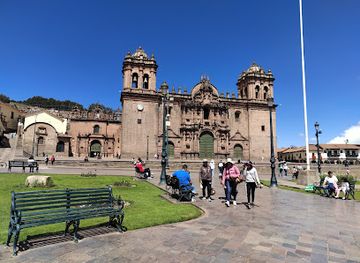
Plaza
Plaza Mayor de Cusco
Explore the vibrant Plaza Mayor de Cusco, a cultural gem showcasing stunning architecture and rich Peruvian heritage in the heart of the Incan Empire.
-
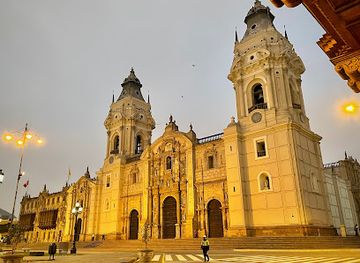
Historical landmark
Lima Main Square
Explore Lima Main Square, a UNESCO World Heritage Site brimming with history, vibrant culture, and stunning colonial architecture in the heart of Peru's capital.
-
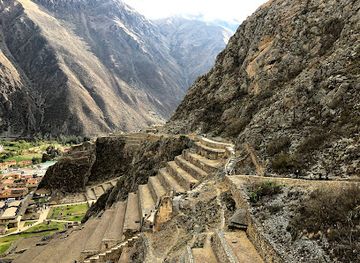
Historical landmark
Ollantaytambo Sanctuary
Explore the stunning Ollantaytambo Sanctuary, a historical landmark showcasing Inca architecture and breathtaking views in Peru's Sacred Valley.
Explore Apurímac on the map
Plan your trip on one map. See where the top cities, national parks and sights are, and book hotels and experiences in a few clicks.
Best hotels in Apurímac
Best restaurants in Apurímac
Dining in Apurímac is a culinary journey that tantalizes the taste buds with a blend of traditional Andean flavors and innovative contemporary twists. Visitors can expect to indulge in a variety of dishes that showcase the region's rich agricultural heritage, featuring ingredients like native potatoes, quinoa, and corn. Local markets burst with vibrant produce, while family-owned eateries serve up hearty soups, savory stews, and freshly grilled meats, often accompanied by the region's famed rocoto pepper sauce. Apurímac's dining scene also offers the chance to savor pachamanca, a traditional feast cooked in an earth oven, providing a unique and immersive cultural experience. From rustic roadside stands to charming restaurants with panoramic mountain views, the diversity and authenticity of Apurímac's gastronomy promise an unforgettable adventure for any food lover.
-
Peruvian
Pachapapa
Discover authentic Peruvian cuisine at Pachapapa in Cusco – where every dish is a celebration of local flavors and culinary heritage.
-
Restaurant
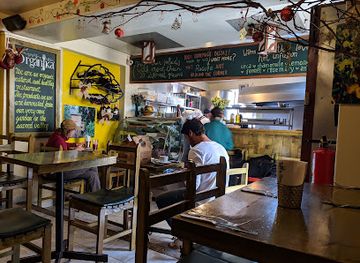
Organika Restaurant
Experience authentic Peruvian flavors at Organika Restaurant in Cusco—where fresh ingredients meet culinary artistry.
-
Peruvian
Mapacho Craft Beer Restaurant
Experience the rich flavors of Peru at Mapacho Craft Beer Restaurant with exquisite cuisine and locally brewed craft beers in Cusco.
-
Peruvian
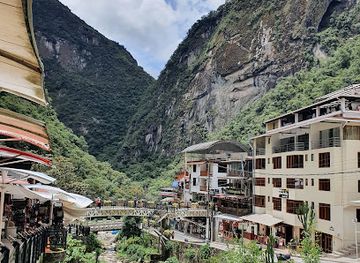
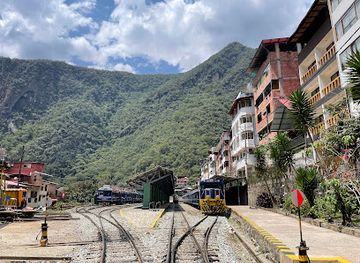
Chullos Restaurant & Craft Beer
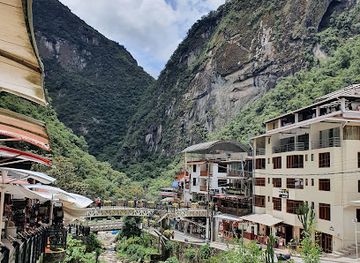
Experience authentic Peruvian flavors at Chullos Restaurant & Craft Beer in Aguas Calientes – where tradition meets modern dining.
Best bars in Apurímac
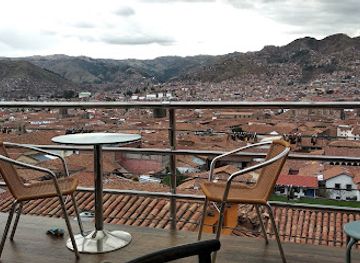
Apurímac's nightlife scene is a vibrant tapestry of traditional and contemporary experiences set against the backdrop of the stunning Andes. Visitors can expect lively peñas where the haunting melodies of Andean folk music play late into the night, paired with spirited performances of traditional dances. Bars and clubs in the region often blend indigenous culture with modern vibes, offering unique cocktails made from local ingredients like coca leaves and exotic fruits. The bustling town of Abancay is the epicenter of nocturnal activities, featuring everything from cozy taverns that serve pisco sours to energetic nightclubs where you can dance to a mix of Latin and international beats. Alongside the music and dance, many venues provide breathtaking views of the surrounding mountains, making every night out an unforgettable experience.
-
Irish pub
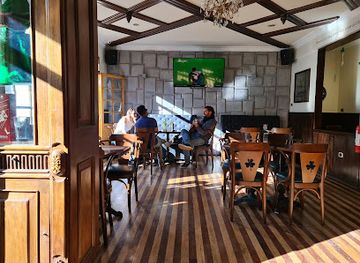
Molly's Irish Bar and Restaurant Cusco
Experience a lively Irish pub atmosphere in Cusco, featuring delicious food, live music, and a friendly ambiance perfect for relaxation.
-
Restaurant
LIMBUS RESTOBAR
Discover culinary delights and breathtaking views at LIMBUS RESTOBAR, a vibrant dining experience in the heart of Cusco.
-
Restaurant
Republica Del Pisco - Cusco
Experience the authentic taste of Peru at Republica Del Pisco, Cusco's premier destination for delectable cuisine and refreshing drinks.
-
Peruvian
Mapacho Craft Beer Restaurant
Experience the essence of Peru with delectable dishes and exquisite craft beers at Mapacho Craft Beer Restaurant in Cusco.

Best nightclubs in Apurímac
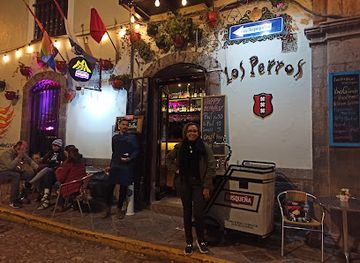
Apurímac's nightlife scene is a vibrant tapestry of traditional and contemporary experiences set against the backdrop of the stunning Andes. Visitors can expect lively peñas where the haunting melodies of Andean folk music play late into the night, paired with spirited performances of traditional dances. Bars and clubs in the region often blend indigenous culture with modern vibes, offering unique cocktails made from local ingredients like coca leaves and exotic fruits. The bustling town of Abancay is the epicenter of nocturnal activities, featuring everything from cozy taverns that serve pisco sours to energetic nightclubs where you can dance to a mix of Latin and international beats. Alongside the music and dance, many venues provide breathtaking views of the surrounding mountains, making every night out an unforgettable experience.
-
Bar
La chupiteria the shot bar
Discover the vibrant nightlife of Cusco at La Chupiteria, a lively shot bar offering an extensive menu and unforgettable experiences.
-
Bar
Ukukus Music Club - Bar
Ukukus Music Club in Cusco: A lively bar and dance club where local culture meets vibrant nightlife, perfect for an unforgettable evening.
-
Disco club
Inka Team
Experience the vibrant nightlife of Cusco at Inka Team, where rhythm and energy create unforgettable dance parties.
-
Disco club
El Muki
Experience the pulse of Cusco's nightlife at El Muki, where locals and tourists dance under the vibrant lights of this iconic disco club.



Best shops in Apurímac
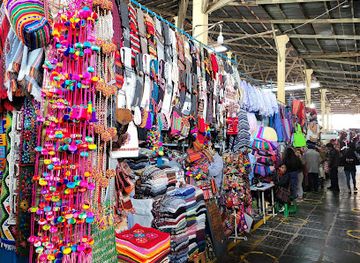
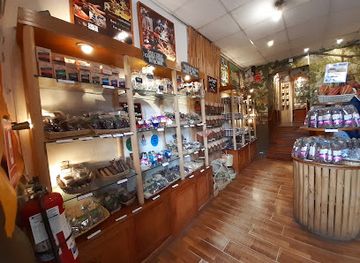
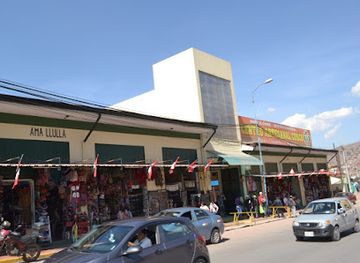
Apurímac offers a vibrant and diverse shopping scene that immerses visitors in the heart of Peruvian culture. Wander through bustling markets like the one in Abancay, where you can find an array of traditional textiles, handmade crafts, and locally sourced produce. The region's artisans are renowned for their intricate weavings and pottery, making it an ideal place to pick up unique souvenirs that tell a story of ancient Incan heritage. Don't miss out on the chance to taste and purchase regional specialties such as Andean grains, fresh cheeses, and exotic fruits, all while engaging with friendly vendors eager to share the secrets behind their craft. Whether you're searching for a one-of-a-kind gift or simply wish to experience the local way of life, the shopping opportunities in Apurímac promise to be as enriching as they are enjoyable.
-
Tourist attraction
Mercado Central de San Pedro
Explore the bustling Mercado Central de San Pedro in Cusco for an authentic taste of Peru's vibrant culture, food, and local crafts.
-
Chocolate factory
ChocoMuseo
Explore the sweet world of chocolate at ChocoMuseo, a must-visit attraction in Cusco, Peru, where you can taste, learn, and create.
-
Tourist attraction
Morada De Los Dioses
Explore the artistic essence of Peru at Morada De Los Dioses, a cultural hub featuring local crafts, authentic cuisine, and stunning sculptures.
-
Handicraft
Handicraft Center Cusco
Discover the vibrant artistry of Peru at the Handicraft Center Cusco, where local artisans showcase unique handicrafts and cultural treasures.
Get your free copy of our complete guide to Apurímac, delivered straight to you.
Everything on this page, from attractions and restaurants to essentials and local phrases, in one PDF you can read offline, print or share.
Already have an account? Sign in
Your Apurímac guide is ready.
We'll send it to · Not you? Sign out

Getting your guide ready…
We are putting together a fresh copy of the Apurímac guide. This can take up to a minute.
This can take a few moments. If your browser asks, choose Allow so the download can start. You'll find the guide in your Downloads folder.
Nothing happened? Download it again
Sorry, the guide is taking longer than usual. Please try again in a minute, or get it by email instead.
Apurímac essentials
Currency and Payment
Safety
Emergency Situations
Do's and Don'ts
Local Tips
From Eve
Local phrases worth knowing
You don't need to get them perfect. A few words go a long way, and locals appreciate the effort.
Basics
| English | Local | Say it |
|---|---|---|
| Hello | Hola | [Ola] |
| Goodbye | Adiós | [Adios] |
| Yes | Sí | [Si] |
| No | No | [No] |
| Please/You're welcome | Por favor | [Por favor] |
| Thank you | Gracias | [Grasias] |
| Excuse me/Sorry | Disculpe | [Disculpe] |
| How are you? | ¿Cómo estás? | [Como estas] |
| Fine. And you? | Bien. ¿Y tú? | [Bien. I tu] |
| Do you speak English? | ¿Hablas inglés? | [Hablas ingles] |
| I don't understand | No entiendo | [No entiendo] |
Eating & Drinking
| English | Local | Say it |
|---|---|---|
| I'd like to see the menu, please | Me gustaría ver el menú, por favor | [Me gustaria ver el menu, por favor] |
| I don't eat meat | No como carne | [No como carne] |
| Cheers! | ¡Salud! | [Salud] |
| I would like to pay, please | Me gustaría pagar, por favor | [Me gustaria pagar, por favor] |
Emergencies
| English | Local | Say it |
|---|---|---|
| Help! | ¡Ayuda! | [Ayuda] |
| Go away! | ¡Vete! | [Vete] |
| Call the Police! | ¡Llama a la policía! | [Llama a la policia] |
| Call a doctor! | ¡Llama a un médico! | [Llama a un medico] |
| I'm lost | Estoy perdido | [Estoy perdido] |
| I'm ill | Estoy enfermo | [Estoy enfermo] |
Shopping
| English | Local | Say it |
|---|---|---|
| I'd like to buy... | Me gustaría comprar... | [Me gustaria comprar] |
| I'm just looking | Solo estoy mirando | [Solo estoy mirando] |
| How much is it? | ¿Cuánto cuesta? | [Cuanto cuesta] |
| That's too expensive | Eso es muy caro | [Eso es muy caro] |
| Can you lower the price? | ¿Puedes bajar el precio? | [Puedes bajar el precio] |
Time & Numbers
| English | Local | Say it |
|---|---|---|
| What time is it? | ¿Qué hora es? | [Que hora es] |
| It's one o'clock | Es la una | [Es la una] |
| Half past (10) | Y media (10) | [Y media] |
| Morning | Mañana | [Mañana] |
| Afternoon | Tarde | [Tarde] |
| Evening | Noche | [Noche] |
| Yesterday | Ayer | [Ayer] |
| Today | Hoy | [Hoy] |
| Tomorrow | Mañana | [Mañana] |
| 1 | Uno | [Uno] |
| 2 | Dos | [Dos] |
| 3 | Tres | [Tres] |
| 4 | Cuatro | [Cuatro] |
| 5 | Cinco | [Cinco] |
| 6 | Seis | [Seis] |
| 7 | Siete | [Siete] |
| 8 | Ocho | [Ocho] |
| 9 | Nueve | [Nueve] |
| 10 | Diez | [Diez] |
Transport & Directions
| English | Local | Say it |
|---|---|---|
| Where's a/the...? | ¿Dónde está un/el...? | [Donde esta un/el] |
| What's the address? | ¿Cuál es la dirección? | [Cual es la direccion] |
| Can you show me (on the map)? | ¿Puedes mostrarme (en el mapa)? | [Puedes mostrarme en el mapa] |
| When's the next (bus)? | ¿Cuándo es el próximo (autobús)? | [Cuando es el proximo autobus] |
| A ticket (to ....) | Un boleto (a....) | [Un boleto a] |
History of Apurímac
The Incan Empire and Apurímac
Apurímac was a significant region within the vast Incan Empire. The area was known for its complex agricultural terraces, which utilized the steep Andean slopes to maximize farming efficiency. The Incas built intricate irrigation systems to support their crops, contributing to the prosperity of the empire. Apurímac was also a critical part of the Qhapaq Ñan, the extensive Inca road system, facilitating trade and communication across the empire.
Spanish Conquest and Colonial Era
The Spanish conquest in the 16th century brought dramatic changes to Apurímac. The region, like much of Peru, was heavily impacted by the arrival of the conquistadors. The local population faced significant upheaval as Spanish colonizers imposed new governance systems and converted indigenous people to Christianity. Colonial towns and churches were built, some of which remain standing today, offering a glimpse into this turbulent period in history.
The Battle of Abancay
The Battle of Abancay, fought in July 1537, was a crucial conflict during the Spanish conquest of Peru. The battle occurred near the modern-day city of Abancay in Apurímac. Spanish forces led by Diego de Almagro clashed with those loyal to Francisco Pizarro. The battle was a part of the larger conflict known as the Almagrist civil wars, which ultimately shaped the colonial administration of Peru.
Independence and Republican Era
With the wave of independence movements sweeping across South America in the early 19th century, Apurímac was no exception. The region played a role in the fight for Peruvian independence from Spanish rule. After the successful liberation, Apurímac became part of the newly formed Republic of Peru. The early republican era saw the establishment of regional governance structures and efforts to integrate Apurímac into the national economy.
Modern Development and Cultural Preservation
In the 20th and 21st centuries, Apurímac has seen significant development while striving to preserve its rich cultural heritage. The region is known for its vibrant festivals, traditional music, and dances that reflect a blend of indigenous and Spanish influences. Efforts to promote tourism have spotlighted Apurímac's natural beauty, archaeological sites, and cultural traditions, making it a fascinating destination for travelers interested in history and culture.
Apurímac in Photos
Browse through our photo collection highlighting the charm and character of the destination.
Neighbouring regions of Apurímac
The closest regions to Apurímac, if you have time for more than one.
-
 Huancavelica
Discover Huancavelica, a charming Peruvian town with colonial architecture, vibrant markets, and stunning natural landscapes in the heart of the Andes.
Huancavelica
Discover Huancavelica, a charming Peruvian town with colonial architecture, vibrant markets, and stunning natural landscapes in the heart of the Andes.
-
 South Coast
Discover Peru's South Coast: From the Paracas National Reserve to the Nazca Lines, explore nature, history, and adventure in one stunning region.
South Coast
Discover Peru's South Coast: From the Paracas National Reserve to the Nazca Lines, explore nature, history, and adventure in one stunning region.
-
 Moquegua
Discover Moquegua, Peru's hidden gem, where colonial charm meets natural beauty. Explore historic sites, stunning landscapes, and enjoy local flavors in this serene town.
Moquegua
Discover Moquegua, Peru's hidden gem, where colonial charm meets natural beauty. Explore historic sites, stunning landscapes, and enjoy local flavors in this serene town.
-
 Madre de Dios
Explore Madre de Dios, Peru: A biodiverse haven in the heart of the Amazon offering breathtaking wildlife, lush rainforests, and rich indigenous culture.
Madre de Dios
Explore Madre de Dios, Peru: A biodiverse haven in the heart of the Amazon offering breathtaking wildlife, lush rainforests, and rich indigenous culture.
-
 Junín
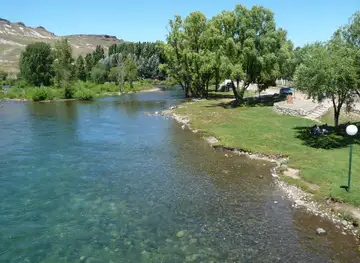
Explore Junín, Peru: A land of natural beauty, rich culture, and warm-hearted locals, perfect for nature lovers and adventure seekers.
Junín
Explore Junín, Peru: A land of natural beauty, rich culture, and warm-hearted locals, perfect for nature lovers and adventure seekers.
Swipe for more regions

