

Free Madre de Dios Travel Guide & Mobile App
Explore Madre de Dios with free travel guides. Discover regional history, expert tips, proposed trips, and audio guides on web or mobile app.


Explore Madre de Dios, Peru: A biodiverse haven in the heart of the Amazon offering breathtaking wildlife, lush rainforests, and rich indigenous culture.
Read more about Madre de Dios
When is the best time to visit Madre de Dios?
Best: May–July · 29–30°C| Month | High (°C) | Rainfall (mm) |
|---|---|---|
| January | 30 | 250 |
| February | 30 | 200 |
| March | 31 | 150 |
| April | 30 | 100 |
| May (best) | 30 | 75 |
| June (best) | 29 | 75 |
| July (best) | 29 | 75 |
| August | 29 | 100 |
| September | 30 | 150 |
| October | 30 | 200 |
| November | 30 | 250 |
| December | 30 | 300 |
Getting to and around Madre de Dios
How to get there
Transportation
Top city travel guides in Madre de Dios
The cities of Madre de Dios, and the easiest places to base yourself.
-

-


Swipe for more cities
Destinations in Madre de Dios
Resorts, valleys and scenic spots worth a trip of their own.
-

-

-

-

-
-


Swipe for more destinations
Best attractions in Madre de Dios
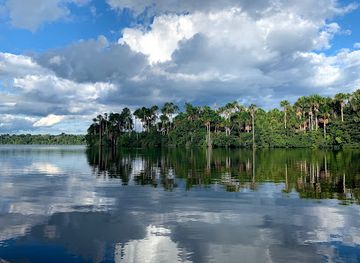
Madre de Dios in Peru is a veritable paradise for nature and adventure enthusiasts, offering a mesmerizing blend of lush rainforests, exotic wildlife, and rich indigenous culture. Explore the breathtaking Tambopata National Reserve, where you can traverse through dense jungle trails, encounter colorful macaws at the famous clay licks, and spot elusive jaguars and giant otters in their natural habitat. The region is also home to the pristine Lake Sandoval, perfect for serene canoe trips amidst towering palm trees and the chance to see caimans and playful capuchin monkeys. For a deeper cultural experience, visit the native communities that offer insights into their traditional way of life and sustainable practices. The vibrant port town of Puerto Maldonado serves as the gateway to these adventures, offering charming lodges, local markets, and the iconic Puente Billinghurst, which spans the mighty Madre de Dios River, setting the stage for unforgettable explorations.
-
National park
Reserva Nacional Tambopata
Discover the unparalleled beauty of Reserva Nacional Tambopata, a national park rich in biodiversity and adventure in the heart of the Amazon rainforest.
-
Tourist attraction
Balneario Natural Boca del Lagarto
Experience the natural beauty and tranquility at Balneario Natural Boca del Lagarto, a serene escape in Lanlacuni Bajo, Peru.
-
Park
Nueva Esperanza de la Ciudad de Puerto Maldonado - Madre de Dios - Peru Park
Discover the serene beauty of Nueva Esperanza Park in Puerto Maldonado, an enchanting escape into the heart of the Amazon rainforest.
-
Concesion para Conservacion Los Amigos
Discover the breathtaking biodiversity at Concesion para Conservacion Los Amigos, a premier nature preserve in the heart of Peru's Amazon rainforest.
Best landmarks in Madre de Dios
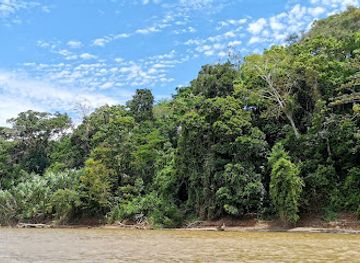
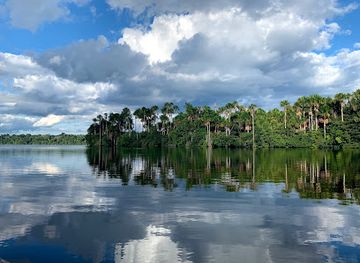
Madre de Dios, often referred to as the 'Biodiversity Capital of Peru,' offers visitors an unparalleled journey through pristine rainforests, abundant wildlife, and unique cultural experiences. The region is home to the Tambopata National Reserve, a haven for birdwatchers and nature enthusiasts with its dense canopy and diverse species of macaws, monkeys, and caimans. The awe-inspiring Manu National Park, a UNESCO World Heritage site, promises a deeper immersion into the Amazon's untouched wilderness. Adventure seekers can explore the mysterious and captivating Sandoval Lake, where giant river otters and black caimans thrive. For a cultural touch, the indigenous communities like the Ese Eja offer a glimpse into traditional ways of life, craftsmanship, and ancient rituals. Madre de Dios is not just a destination; it's an odyssey through nature's most exquisite and unspoiled splendor.
-
National park
Reserva Nacional Tambopata
Explore the breathtaking landscapes and unique wildlife of Reserva Nacional Tambopata, a gem of the Amazon rainforest and a must-visit for nature enthusiasts.
-
National park
Parque Nacional del Manu
Explore the breathtaking biodiversity of Parque Nacional del Manu, a UNESCO World Heritage site in Peru, where nature and culture intertwine for an unforgettable experience.
-
 Lodge
LodgeInkaterra Reserva Amazonica
Discover the enchanting Inkaterra Reserva Amazonica, a luxurious eco-lodge in the heart of the Amazon rainforest, where adventure meets sustainability.
-
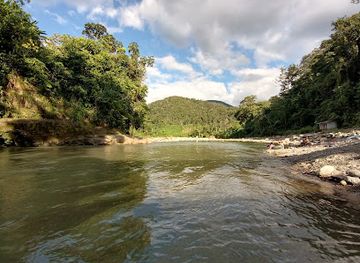
River
Rio Madre De Dios
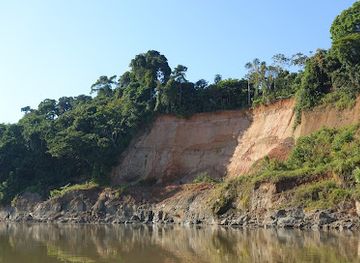
Discover the breathtaking beauty of the Rio Madre De Dios, the heart of the Amazon rainforest, where adventure and nature await.
Explore Madre de Dios on the map
Plan your trip on one map. See where the top cities, national parks and sights are, and book hotels and experiences in a few clicks.
Best hotels in Madre de Dios
Best restaurants in Madre de Dios
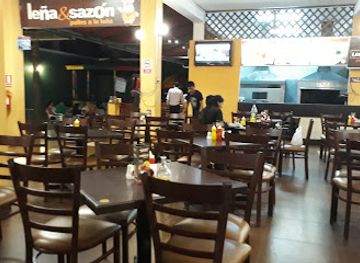
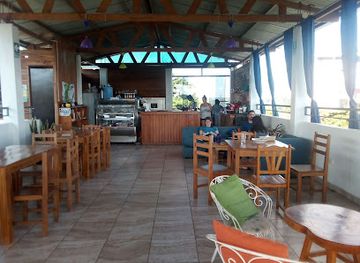
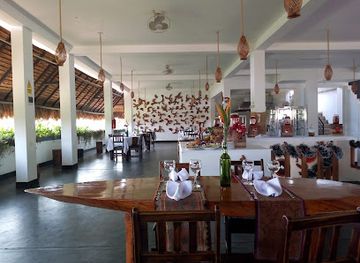
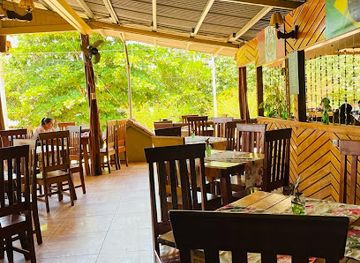
Madre de Dios offers an enchanting dining scene that tantalizes the taste buds with a fusion of Amazonian flavors and Peruvian culinary traditions. Visitors can expect to savor exotic dishes crafted from fresh, locally-sourced ingredients like tropical fruits, river fish, and wild game, often seasoned with unique jungle herbs and spices. From rustic open-air eateries nestled along the riverbanks to charming restaurants in the heart of Puerto Maldonado, the region's capital, the dining options are as diverse as they are delightful. Adventurous foodies will relish the chance to try specialties like 'patarashca'—fish wrapped in banana leaves and grilled to perfection—or 'juane,' a savory rice dish infused with turmeric and wrapped in bijao leaves. With the lush rainforest as a backdrop, dining in Madre de Dios is not just a meal; it's an immersive experience that connects visitors to the vibrant culture and natural beauty of the Amazon.
-
Chicken
Leña Y Sazon - Puerto Maldonado
Experience the authentic taste of Peru at Leña Y Sazon – where every bite is a celebration of local flavors.
-
Restaurant
“La Semilla” - Organic Coffee - Desserts - Restaurant Food
Experience organic dining at La Semilla - where fresh ingredients meet authentic Peruvian flavors in Puerto Maldonado.
-
Restaurant
BURGOS'S RESTAURANT
Discover authentic Peruvian cuisine at Burgos's Restaurant in Puerto Maldonado, where local flavors meet warm hospitality.
-
Restaurant
Restaurante Don Alberto
Experience authentic Peruvian cuisine at Restaurante Don Alberto in Iñapari - where flavor meets tradition.
Best bars in Madre de Dios
Madre de Dios, a hidden gem in the Peruvian Amazon, offers a unique nightlife experience that blends vibrant local culture with the mystique of the jungle. As the sun sets, the riverside town of Puerto Maldonado comes alive with an array of lively bars and nightclubs. Visitors can enjoy a refreshing cocktail made from exotic Amazonian fruits at rustic, open-air bars while listening to the rhythms of traditional Peruvian music mixed with contemporary beats. Nightclubs here often feature live performances, showcasing local talent and offering tourists an authentic taste of the region's rich musical heritage. For those seeking a more adventurous night out, guided nocturnal tours offer the chance to explore the jungle under the cloak of darkness, providing an exhilarating experience that contrasts with the more relaxed, yet equally captivating, urban nightlife.
-
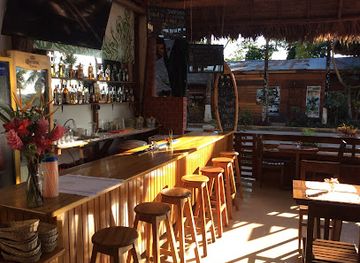
Bar
Shaman's Bar
Discover the vibrant atmosphere and authentic flavors of Shaman's Bar in Puerto Maldonado, a cultural gem in the heart of the Amazon.
-
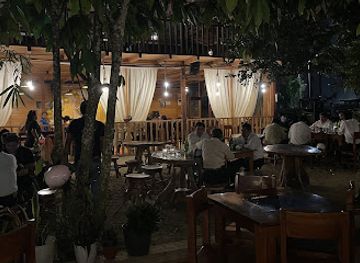
Gastropub
PUSHARO RESTO BAR
Discover a culinary gem in Puerto Maldonado at Pusharo Resto Bar, where local flavors and international flair collide for an unforgettable dining experience.
-
Bar
Bar La Chinita
Experience the vibrant local nightlife at Bar La Chinita in Alerta, offering a diverse drink menu in a friendly atmosphere.
-
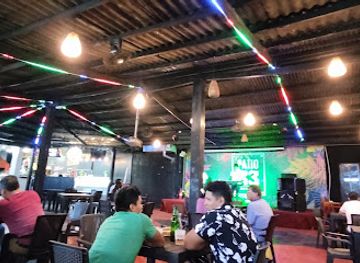
Food court
Patio 33
Explore the vibrant flavors of Peru at Patio 33, a lively food court and gastropub in Puerto Maldonado, perfect for food lovers and travelers.
Best nightclubs in Madre de Dios
Madre de Dios, a hidden gem in the Peruvian Amazon, offers a unique nightlife experience that blends vibrant local culture with the mystique of the jungle. As the sun sets, the riverside town of Puerto Maldonado comes alive with an array of lively bars and nightclubs. Visitors can enjoy a refreshing cocktail made from exotic Amazonian fruits at rustic, open-air bars while listening to the rhythms of traditional Peruvian music mixed with contemporary beats. Nightclubs here often feature live performances, showcasing local talent and offering tourists an authentic taste of the region's rich musical heritage. For those seeking a more adventurous night out, guided nocturnal tours offer the chance to explore the jungle under the cloak of darkness, providing an exhilarating experience that contrasts with the more relaxed, yet equally captivating, urban nightlife.
-
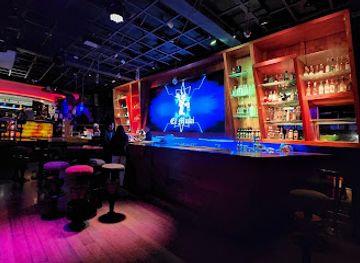
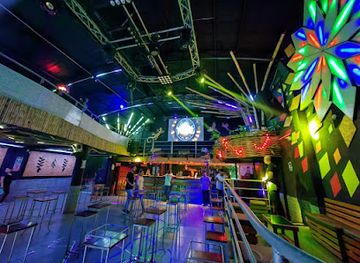
Disco club
El Muki
Experience the vibrant nightlife at El Muki, Cusco's premier disco club with pulsating music and an electric atmosphere for a memorable night out.
-
Disco club
Witite
Experience the vibrant nightlife at Witite, Puerto Maldonado's premier disco club, where dancing, music, and fun meet in an electrifying atmosphere.
-
Night club
La Pampa, Madre de Dios
Experience the vibrant nightlife at La Pampa, the premier night club in Madre de Dios, where music, dance, and culture come alive.
-
Night club
Amazon Club...
Vibrant nightlife awaits at Amazon Club, Puerto Maldonado - dance, celebrate and immerse in the Amazonian spirit.
Best shops in Madre de Dios
In the heart of the Amazon, Madre de Dios offers a unique shopping experience that captivates visitors with its vibrant blend of indigenous craftsmanship and exotic jungle finds. Stroll through bustling markets like Mercado Modelo in Puerto Maldonado, where colorful stalls brim with handmade jewelry, traditional textiles, and intricate carvings made from local hardwoods. Discover hidden gems in smaller artisanal shops that showcase the rich cultural heritage of the region, featuring items such as woven baskets, tribal masks, and natural beauty products made from rainforest botanicals. The lively atmosphere, combined with the opportunity to interact with local artisans, makes shopping in Madre de Dios an immersive and unforgettable adventure.
-
Shopping mall
Tres De Mayo Mercado
Experience the heartbeat of Puerto Maldonado at Tres De Mayo Mercado, where local culture, cuisine, and crafts come together in a vibrant shopping oasis.
-
Home goods store
Delta 1
Explore Delta 1, Peru's exquisite home goods store featuring unique local craftsmanship and a diverse selection of products.
-
Store
COFOPRI - Madre de Dios
Explore the vibrant culture and unique offerings of Puerto Maldonado at COFOPRI, a must-visit store in the heart of Madre de Dios.
-
Tattoo and piercing shop
La casa del hippie
Explore self-expression at La Casa del Hippie, a vibrant tattoo and piercing shop in Puerto Maldonado that celebrates creativity and individuality.
Get your free copy of our complete guide to Madre de Dios, delivered straight to you.
Everything on this page, from attractions and restaurants to essentials and local phrases, in one PDF you can read offline, print or share.
Already have an account? Sign in
Your Madre de Dios guide is ready.
We'll send it to · Not you? Sign out

Getting your guide ready…
We are putting together a fresh copy of the Madre de Dios guide. This can take up to a minute.
This can take a few moments. If your browser asks, choose Allow so the download can start. You'll find the guide in your Downloads folder.
Nothing happened? Download it again
Sorry, the guide is taking longer than usual. Please try again in a minute, or get it by email instead.
Madre de Dios essentials
Currency and Payment
Safety
Emergency Situations
Do's and Don'ts
Local Tips
From Eve
Local phrases worth knowing
You don't need to get them perfect. A few words go a long way, and locals appreciate the effort.
Basics
| English | Local | Say it |
|---|---|---|
| Hello | Hola | [O-la] |
| Goodbye | Adiós | [A-dee-os] |
| Yes | Sí | [See] |
| No | No | [No] |
| Please/You're welcome | Por favor | [Por fa-vor] |
| Thank you | Gracias | [Gra-see-as] |
| Excuse me/Sorry | Disculpa | [Dees-kool-pa] |
| How are you? | ¿Cómo estás? | [Ko-mo es-tas] |
| Fine. And you? | Bien. ¿Y tú? | [Bee-en. Ee too] |
| Do you speak English? | ¿Hablas inglés? | [A-blas een-glays] |
| I don't understand | No entiendo | [No en-tee-en-do] |
Eating & Drinking
| English | Local | Say it |
|---|---|---|
| I'd like to see the menu, please | Quisiera ver el menú, por favor | [Kee-sye-ra ver el me-nu, por fa-vor] |
| I don't eat meat | No como carne | [No ko-mo kar-ne] |
| Cheers! | ¡Salud! | [Sa-lud] |
| I would like to pay, please | Me gustaría pagar, por favor | [Me goo-sta-ree-a pa-gar, por fa-vor] |
Emergencies
| English | Local | Say it |
|---|---|---|
| Help! | ¡Ayuda! | [A-yu-da] |
| Go away! | ¡Vete! | [Ve-te] |
| Call the Police! | ¡Llama a la policía! | [Ya-ma a la po-li-see-a] |
| Call a doctor! | ¡Llama a un doctor! | [Ya-ma a un dok-tor] |
| I'm lost | Estoy perdido | [Es-toy per-dee-do] |
| I'm ill | Estoy enfermo | [Es-toy en-fer-mo] |
Shopping
| English | Local | Say it |
|---|---|---|
| I'd like to buy... | Me gustaría comprar... | [Me goo-sta-ree-a kom-prar] |
| I'm just looking | Solo estoy mirando | [So-lo es-toy mee-ran-do] |
| How much is it? | ¿Cuánto cuesta? | [Kwan-to kwes-ta] |
| That's too expensive | Eso es muy caro | [E-so es mooy ka-ro] |
| Can you lower the price? | ¿Puedes bajar el precio? | [Pwe-des ba-har el pre-cio] |
Time & Numbers
| English | Local | Say it |
|---|---|---|
| What time is it? | ¿Qué hora es? | [Ke o-ra es] |
| It's one o'clock | Es la una | [Es la oo-na] |
| Half past (10) | Y diez y media | [Ee dyez ee me-dia] |
| Morning | Mañana | [Ma-nyana] |
| Afternoon | Tarde | [Tar-de] |
| Evening | Noche | [No-che] |
| Yesterday | Ayer | [A-yer] |
| Today | Hoy | [Oy] |
| Tomorrow | Mañana | [Ma-nyana] |
| 1 | Uno | [Oo-no] |
| 2 | Dos | [Dos] |
| 3 | Tres | [Tres] |
| 4 | Cuatro | [Kwa-tro] |
| 5 | Cinco | [Sin-co] |
| 6 | Seis | [Says] |
| 7 | Siete | [See-eh-te] |
| 8 | Ocho | [O-cho] |
| 9 | Nueve | [Nwe-ve] |
| 10 | Diez | [Dyez] |
Transport & Directions
| English | Local | Say it |
|---|---|---|
| Where's a/the...? | ¿Dónde está el...? | [Don-de es-ta el] |
| What's the address? | ¿Cuál es la dirección? | [Kwal es la di-rek-syon] |
| Can you show me (on the map)? | ¿Puedes mostrarme (en el mapa)? | [Pwe-des mos-trar-me (en el ma-pa)] |
| When's the next (bus)? | ¿Cuándo es el próximo (bus)? | [Kwan-do es el prok-si-mo (bus)] |
| A ticket (to ....) | Un boleto (a....) | [Un bo-le-to (a....)] |
History of Madre de Dios
Pre-Columbian Era
The region of Madre de Dios was originally inhabited by indigenous groups such as the Machiguenga, Yine, and Huachipaeri, who lived in harmony with the rainforest. These tribes developed intricate knowledge of the flora and fauna, which they used for medicine, food, and shelter. Their culture was deeply intertwined with the natural environment, and they practiced sustainable living long before the concept became popular in modern times.
European Exploration
The arrival of European explorers in the 16th century marked a significant turning point for Madre de Dios. Spanish conquistadors ventured into the region in search of gold and other riches, leading to initial contact with indigenous tribes. The expeditions were often perilous due to the dense jungle and hostile encounters. Despite these challenges, European presence gradually increased, leading to more interactions and exchanges with the local population.
The Rubber Boom
In the late 19th and early 20th centuries, Madre de Dios experienced a surge in economic activity due to the global demand for rubber. This period, known as the Rubber Boom, brought significant changes to the region. Rubber barons established plantations and employed large numbers of indigenous people, often under harsh and exploitative conditions. The Rubber Boom led to both economic growth and social upheaval, as traditional ways of life were disrupted.
Creation of Manu National Park
In 1973, the government of Peru established the Manu National Park, a UNESCO World Heritage site, to protect the rich biodiversity of the region. Covering over 1.5 million hectares, the park is home to a vast array of wildlife, including jaguars, giant otters, and hundreds of bird species. The creation of Manu National Park marked a significant step in conservation efforts, highlighting the importance of preserving natural habitats and promoting sustainable tourism.
Modern-Day Ecotourism
Today, Madre de Dios is renowned for its ecotourism industry, attracting visitors from around the world who are eager to explore its lush rainforests and diverse wildlife. Lodges and tour operators in the region emphasize sustainable practices and work closely with local communities to ensure that tourism benefits both the environment and the people. This modern focus on ecotourism demonstrates a continued commitment to conservation and cultural preservation.
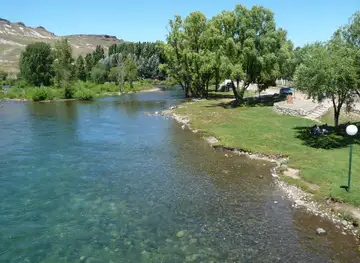
Madre de Dios in Photos
Browse through our photo collection highlighting the charm and character of the destination.
Neighbouring regions of Madre de Dios
The closest regions to Madre de Dios, if you have time for more than one.
-

-

-
-

-


Swipe for more regions
Explore more

Explore more of Peru
Discover the wonders of Peru: ancient ruins, stunning landscapes, and a vibrant culture that will captivate your heart and soul.
Explore Peru