

Free Ucayali Travel Guide & Mobile App
Explore Ucayali with free travel guides. Discover regional history, expert tips, proposed trips, and audio guides on web or mobile app.


Explore Ucayali from Pucallpa through Amazonian rivers, Lake Yarinacocha, Shipibo-Konibo culture, tropical forests and journeys to Aguaytía.
Read more about Ucayali
When is the best time to visit Ucayali?
Best: June–August · 30°C| Month | High (°C) | Rainfall (mm) |
|---|---|---|
| January | 31 | 200 |
| February | 31 | 190 |
| March | 31 | 210 |
| April | 31 | 230 |
| May | 30 | 220 |
| June (best) | 30 | 180 |
| July (best) | 30 | 160 |
| August (best) | 30 | 170 |
| September | 30 | 190 |
| October | 31 | 210 |
| November | 31 | 220 |
| December | 31 | 200 |
Getting to and around Ucayali
How to get there
Transportation
Top city travel guides in Ucayali
The cities of Ucayali, and the easiest places to base yourself.

Swipe for more cities
Destinations in Ucayali
Resorts, valleys and scenic spots worth a trip of their own.

Swipe for more destinations
Best attractions in Ucayali
Ucayali’s attractions centre on the relationship between rivers, forest and living cultures. In and around Pucallpa, Lake Yarinacocha provides the most accessible introduction to Amazonian waterways, with boat trips through channels and forest edges and opportunities to visit Shipibo-Konibo communities and workshops. Urban museums, craft spaces and markets offer further context for the region’s Indigenous art and river-based economy. The wider Coronel Portillo area includes forest excursions, fishing and wildlife observation, while the Aguaytía and Padre Abad area adds waterfalls, humid foothill landscapes and the Boquerón del Padre Abad. More remote districts require longer journeys by road or river and should be approached with specialist planning. Ucayali also contains portions of the Sierra del Divisor National Park, a large protected landscape of forest and isolated mountain formations, but it is not a simple day trip from Pucallpa. Across the department, the most rewarding activities are usually low-impact: canoeing, birdwatching, guided walks, community-based visits and learning about tropical plants. Conditions are seasonal, and wildlife sightings are never guaranteed, so responsible guiding and patience matter more than a tightly packed itinerary.
-
City park
Plaza de Armas of Pucallpa
Explore the vibrant Plaza de Armas in Pucallpa, a cultural hub filled with lush greenery, local artisans, and authentic Peruvian experiences.
-
Park
Plaza de Armas de Yarinacocha
Explore the scenic Plaza de Armas de Yarinacocha in Pucallpa, Peru, a tranquil park with lush greenery and rich local culture.
-
Zoo
Pucallpa Natural Park
Explore Pucallpa Natural Park, a unique zoo experience showcasing Amazonian wildlife and the beauty of nature in the heart of Peru.
-
Park
la Lupuna Park
Explore the lush landscapes and vibrant wildlife of La Lupuna Park, a serene oasis in Pucallpa perfect for relaxation and nature walks.
Best landmarks in Ucayali
The Ucayali River is the region’s defining geographical landmark, not simply a scenic backdrop but a major route that has shaped settlement, commerce and everyday life. In Pucallpa, the riverside area and port express the city’s continuing relationship with water, while Lake Yarinacocha is a recognisable oxbow landscape formed by the changing course of the Amazonian river system. The Boquerón del Padre Abad, in the province of Padre Abad, marks a dramatic passage through the eastern Andean foothills and is associated with the road approach towards Aguaytía. Forested hills and waterfalls in this area provide a sharp contrast with the flatter lowlands around Pucallpa. Shipibo-Konibo art is another important cultural landmark of Ucayali, particularly the structured kené designs found on textiles, ceramics and public or domestic artworks; these should be understood as expressions of knowledge and identity rather than generic decoration. In the far west and south, protected landscapes and Indigenous territories represent the department’s ecological and cultural significance, although many are remote and lack conventional visitor infrastructure.
-
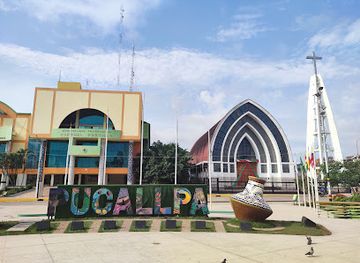
City park
Plaza de Armas of Pucallpa
Discover the vibrant Plaza de Armas in Pucallpa, a city park that showcases Peru's cultural richness and offers a lively atmosphere for tourists.
-
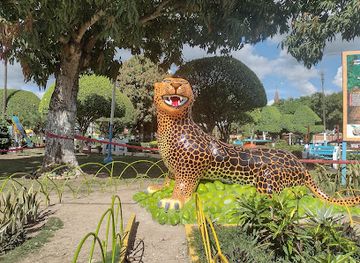
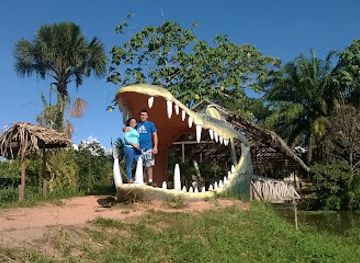
Zoo
Pucallpa Natural Park
Explore the enchanting Pucallpa Natural Park, a captivating zoo and tourist attraction in the heart of the Peruvian Amazon, showcasing diverse wildlife and lush landscapes.
-
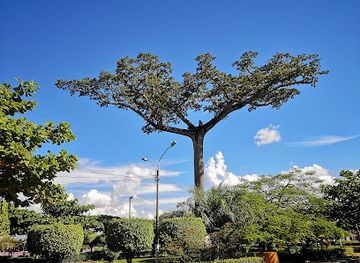
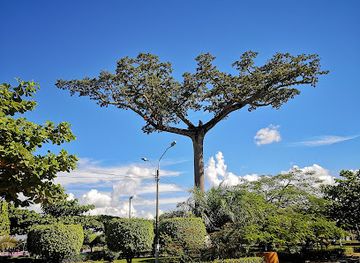
Park
la Lupuna Park
Experience the lush beauty and cultural richness of La Lupuna Park in Pucallpa, a serene escape perfect for relaxation and exploration.
-
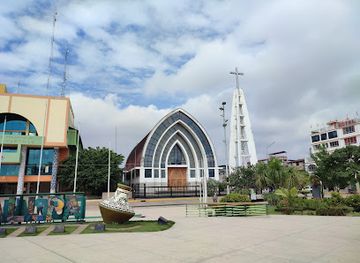
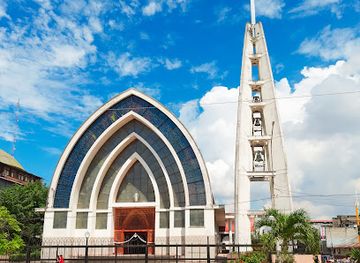
Cathedral
Immaculate Conception Cathedral
Discover the architectural beauty and spiritual serenity of the Immaculate Conception Cathedral in Pucallpa, a must-visit cultural landmark.
Explore Ucayali on the map
Plan your trip on one map. See where the top cities, national parks and sights are, and book hotels and experiences in a few clicks.
Best hotels in Ucayali
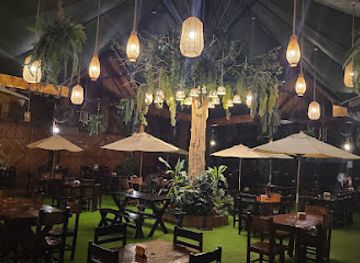
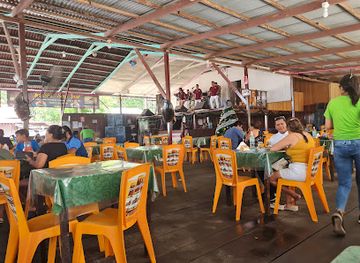
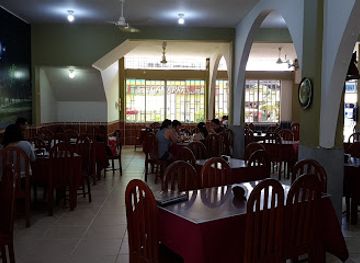
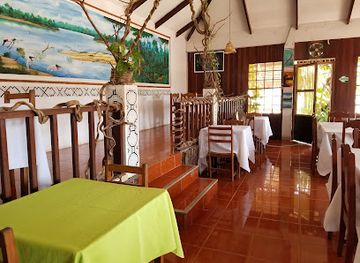
Best restaurants in Ucayali
Dining in Ucayali is shaped by Amazonian produce, river transport and the markets of Pucallpa. Freshwater fish such as paiche, where legally sourced, and locally available river fish are commonly grilled, fried or cooked in wrapped preparations. Plantain, cassava, rice and palm fruits provide familiar accompaniments, while tacacho and juanes connect regional cooking with broader Peruvian traditions without being exclusive to Ucayali. In Pucallpa, visitors will find market stalls, family-run eateries, casual restaurants and hotel dining rooms, with the widest choice around the urban centre and Lake Yarinacocha. Juices and refreshments made with tropical fruits are a useful way to sample local produce, though visitors should choose places with good food-handling practices and drink treated or bottled water. Rural meals may be simpler and dependent on the day’s supply, particularly during river journeys. Buying food directly from markets can reveal ingredients that are less familiar to international visitors, but protected wildlife and illegally caught fish should never be treated as culinary curiosities.
-
Restaurant
Al Palo y la Parrilla
Discover the rich flavors of Peru at Al Palo y la Parrilla, where delicious grilled meats meet vibrant atmosphere in Pucallpa.
-
Restaurant
Balsa Turistica Anaconda
Experience authentic Peruvian cuisine at Balsa Turistica Anaconda by Lago Yarinacocha - where local flavors meet stunning lake views.
-
Restaurant
Kitty Fusión & Tradición Restaurant
Experience the rich flavors of Amazonian cuisine at Kitty Fusión & Tradición Restaurant in Pucallpa.
-
Restaurant
El Tuyuyo
Discover El Tuyuyo: A vibrant restaurant in Pucallpa offering exquisite Peruvian cuisine blended with international flavors.
Best bars in Ucayali
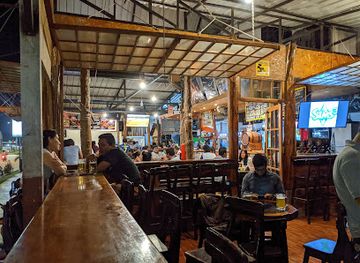
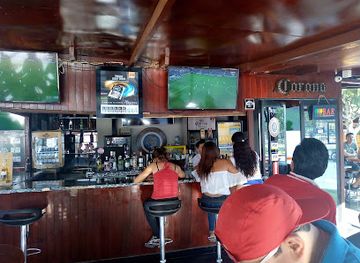
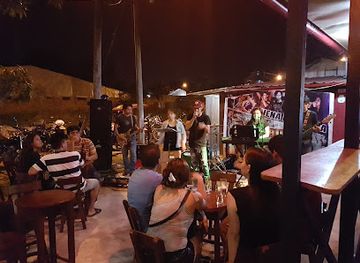
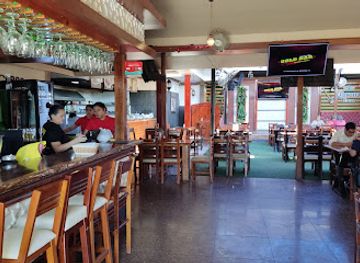
Nightlife in Ucayali is concentrated in Pucallpa rather than spread evenly across the department. The city offers conventional bars, cevicherías, restaurants, karaoke venues and places with recorded or live music, while evening activity around Lake Yarinacocha has a more relaxed, resort-like character. Mototaxis and taxis are the practical way to move between venues, and visitors should arrange their return rather than walking through unfamiliar areas late at night. In smaller towns such as Aguaytía, evening life is more likely to centre on restaurants, local bars and social gatherings than on a large club scene. Some venues play cumbia, salsa and contemporary Latin music, reflecting national and regional tastes, but programming and opening arrangements can change. Craft beers, soft drinks and fruit-based refreshments are available alongside spirits; alcohol is not necessary to experience Ucayali’s evening culture. During festivals or public celebrations, streets and plazas may become livelier, but visitors should follow local guidance and respect residential areas.
-
Bar
Tirol Bier
Discover the lively nightlife at Tirol Bier, a must-visit bar in Pucallpa offering refreshing drinks and a vibrant atmosphere.
-
Bar
Apolo's Bar
Discover the lively nightlife of Pucallpa at Apolo's Bar, where great drinks and a vibrant atmosphere await you.
-
Bar
Rockallpa
Experience the vibrant nightlife at Rockallpa, Pucallpa's go-to bar for delicious drinks and lively music in a welcoming atmosphere.
-
Live music bar
RED FOX - Restobar
Unwind at RED FOX - Restobar in Pucallpa for delicious eats, refreshing drinks, and live music that brings the local nightlife to life.
Best nightclubs in Ucayali
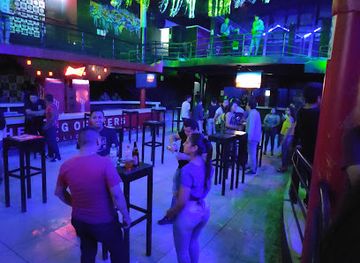
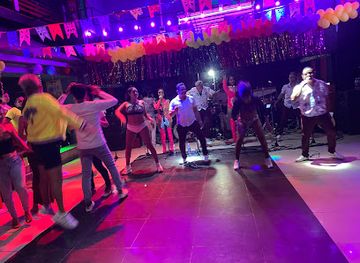
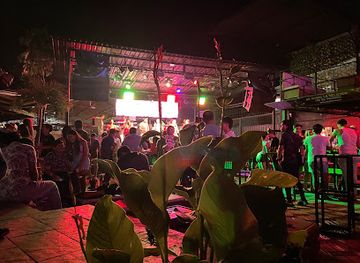
Nightlife in Ucayali is concentrated in Pucallpa rather than spread evenly across the department. The city offers conventional bars, cevicherías, restaurants, karaoke venues and places with recorded or live music, while evening activity around Lake Yarinacocha has a more relaxed, resort-like character. Mototaxis and taxis are the practical way to move between venues, and visitors should arrange their return rather than walking through unfamiliar areas late at night. In smaller towns such as Aguaytía, evening life is more likely to centre on restaurants, local bars and social gatherings than on a large club scene. Some venues play cumbia, salsa and contemporary Latin music, reflecting national and regional tastes, but programming and opening arrangements can change. Craft beers, soft drinks and fruit-based refreshments are available alongside spirits; alcohol is not necessary to experience Ucayali’s evening culture. During festivals or public celebrations, streets and plazas may become livelier, but visitors should follow local guidance and respect residential areas.
-
Dance club
GOLD DISCO CLUB - PUCALLPA
Unleash your spirit at Gold Disco Club Pucallpa, where the night comes alive with music, dance, and vibrant energy.
-
Disco club
Discoteca El Bosque Pucallpa
Discover the heart of Pucallpa's nightlife at Discoteca El Bosque, where music and dance come alive in a vibrant atmosphere.
-
Dance club
Ibiza Club - Pucallpa
Discover the electrifying nightlife of Ibiza Club in Pucallpa, where vibrant beats and unforgettable parties take center stage.
-
Disco club
DISCOTECA BELLAQUEO CLUB - PUCALLPA
Discover the lively beats and vibrant atmosphere of Discoteca Bellaqueo Club, Pucallpa's ultimate nightlife destination for an unforgettable experience.

Best shops in Ucayali
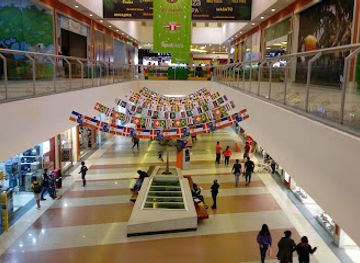
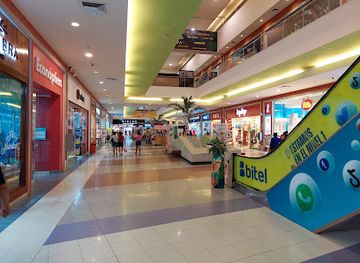
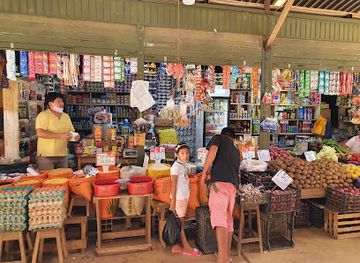
Pucallpa is the main shopping centre for Ucayali, with markets and commercial streets selling tropical produce, household goods, clothing and practical supplies for river travel. The most distinctive purchases are made through Indigenous artists and reputable craft organisations: Shipibo-Konibo textiles, ceramics, paintings and carved objects often feature kené designs, and buyers should ask about the artist and pay fairly for original work. Markets also offer plantains, cassava, fruits and regional food products, although fresh goods are usually better suited to immediate consumption than transport home. Around Lake Yarinacocha and in cultural spaces, visitors may find a broader selection of locally made handicrafts, but quality and authenticity vary. Avoid products made from protected wildlife, undocumented timber or archaeological material, and check customs rules before exporting plant, animal or natural products. Urban shops provide everyday Peruvian brands rather than specialist luxury retail; Ucayali’s strongest shopping identity lies in its food markets, Indigenous art and practical connection with the forest.
-
Shopping mall
Real Plaza Pucallpa
Explore Real Plaza Pucallpa: Your Ultimate Shopping and Dining Destination in the Heart of Pucallpa, Peru.
-
Hypermarket
Cyber Wow en plazaVea Real Plaza Pucallpa
Explore the Cyber Wow at Plaza Vea in Pucallpa for an unforgettable shopping experience filled with local flavors and products.
-
Produce market
Mercado Minorista
Explore Mercado Minorista, Pucallpa's vibrant market for fresh produce, local crafts, and authentic cultural experiences.
-
Shopping mall
The Huequito Pucallpa Ucayali market
Explore the bustling Huequito Pucallpa Ucayali Market, a cultural hub filled with local crafts, delicious street food, and vibrant community life.
Get your free copy of our complete guide to Ucayali, delivered straight to you.
Everything on this page, from attractions and restaurants to essentials and local phrases, in one PDF you can read offline, print or share.
Already have an account? Sign in
Your Ucayali guide is ready.
We'll send it to · Not you? Sign out

Getting your guide ready…
We are putting together a fresh copy of the Ucayali guide. This can take up to a minute.
This can take a few moments. If your browser asks, choose Allow so the download can start. You'll find the guide in your Downloads folder.
Nothing happened? Download it again
Sorry, the guide is taking longer than usual. Please try again in a minute, or get it by email instead.
Ucayali essentials
Currency and Payment
Safety
Emergency Situations
Do's and Don'ts
Local Tips
From Eve
Local phrases worth knowing
You don't need to get them perfect. A few words go a long way, and locals appreciate the effort.
Basics
| English | Local | Say it |
|---|---|---|
| Hello | Hola | [Olah] |
| Goodbye | Adiós | [Ah-dee-ohs] |
| Yes | Sí | [See] |
| No | No | [No] |
| Please/You're welcome | Por favor | [Por fah-vor] |
| Thank you | Gracias | [Grah-see-as] |
| Excuse me/Sorry | Disculpe | [Dees-kool-peh] |
| How are you? | ¿Cómo estás? | [Koh-moh es-tahs] |
| Fine. And you? | Bien. ¿Y tú? | [Bee-en. Ee too] |
| Do you speak English? | ¿Hablas inglés? | [Ah-blas een-glehs] |
| I don't understand | No entiendo | [No en-tee-en-doh] |
Eating & Drinking
| English | Local | Say it |
|---|---|---|
| I'd like to see the menu, please | Me gustaría ver el menú, por favor | [Meh goo-stah-ree-ah vehr el meh-noo, por fah-vor] |
| I don't eat meat | No como carne | [No koh-moh kar-neh] |
| Cheers! | ¡Salud! | [Sah-lood] |
| I would like to pay, please | Me gustaría pagar, por favor | [Meh goo-stah-ree-ah pah-gar, por fah-vor] |
Emergencies
| English | Local | Say it |
|---|---|---|
| Help! | ¡Ayuda! | [Ah-yoo-dah] |
| Go away! | ¡Vete! | [Veh-teh] |
| Call the Police! | ¡Llama a la policía! | [Yah-mah ah lah poh-lee-see-ah] |
| Call a doctor! | ¡Llama a un doctor! | [Yah-mah ah oon dok-tor] |
| I'm lost | Estoy perdido | [Es-toy per-dee-doh] |
| I'm ill | Estoy enfermo | [Es-toy en-fer-mo] |
Shopping
| English | Local | Say it |
|---|---|---|
| I'd like to buy... | Me gustaría comprar... | [Meh goo-stah-ree-ah kom-prar] |
| I'm just looking | Solo estoy mirando | [Soh-loh es-toy mee-ran-doh] |
| How much is it? | ¿Cuánto cuesta? | [Kwan-toh kwes-tah] |
| That's too expensive | Eso es muy caro | [Eh-soh es moo-ee kah-roh] |
| Can you lower the price? | ¿Puedes bajar el precio? | [Pweh-des bah-har el preh-syoh] |
Time & Numbers
| English | Local | Say it |
|---|---|---|
| What time is it? | ¿Qué hora es? | [Keh oh-rah es] |
| It's one o'clock | Es la una | [Es lah oo-nah] |
| Half past (10) | Y diez y media | [Ee dyez ee meh-dee-ah] |
| Morning | Mañana | [Mah-nyah-nah] |
| Afternoon | Tarde | [Tar-deh] |
| Evening | Noche | [Noh-cheh] |
| Yesterday | Ayer | [Ah-yer] |
| Today | Hoy | [Oy] |
| Tomorrow | Mañana | [Mah-nyah-nah] |
| 1 | Uno | [Oo-no] |
| 2 | Dos | [Dohs] |
| 3 | Tres | [Tres] |
| 4 | Cuatro | [Kwah-troh] |
| 5 | Cinco | [Seen-koh] |
| 6 | Seis | [Says] |
| 7 | Siete | [Syay-teh] |
| 8 | Ocho | [Oh-choh] |
| 9 | Nueve | [Nweh-beh] |
| 10 | Diez | [Dyez] |
Transport & Directions
| English | Local | Say it |
|---|---|---|
| Where's a/the...? | ¿Dónde está...? | [Dohn-deh es-tah] |
| What's the address? | ¿Cuál es la dirección? | [Kwahl es lah dee-rek-syohn] |
| Can you show me (on the map)? | ¿Puedes mostrarme (en el mapa)? | [Pweh-des mos-trar-meh (en el mah-pah)] |
| When's the next (bus)? | ¿Cuándo sale el próximo (bus)? | [Kwan-doh sah-leh el prohk-see-moh (boos)] |
| A ticket (to ....) | Un boleto (a ....) | [Oon boh-leh-toh (ah ....)] |
History of Ucayali
Indigenous river societies before European contact
The forests and waterways of present-day Ucayali have long been inhabited by Indigenous peoples, including Shipibo-Konibo, Iskonawa, Ashéninka and other communities. River systems provided transport, fishing grounds, fertile floodplain soils and routes between settlements, while knowledge of plants, animals and seasonal water levels shaped everyday life. Archaeological research in the wider central Amazon indicates long patterns of settlement and landscape management, although many aspects of the region’s past remain understood principally through Indigenous oral histories and living cultural practice.
Missionaries, traders and the colonial frontier
During the colonial period, Spanish expeditions and religious missions gradually entered the central Amazon from the Andean side, but control remained limited compared with the coast and highlands. Franciscan activity in the Huallaga and Ucayali basins formed part of a wider effort to establish routes, missions and trading connections. These encounters brought disease, forced disruption and attempts at cultural transformation, while Indigenous communities retained control over much of the forest and adapted, resisted or moved in response to changing pressures.
The rubber economy and river commerce
The late nineteenth- and early twentieth-century rubber boom connected Ucayali to international markets through the Amazon basin. Rubber extraction brought merchants, river traffic and new settlements, but it also imposed severe violence, debt, forced labour and population displacement on Indigenous peoples across the region. Pucallpa grew as a riverine settlement during this era and later developed a stronger commercial relationship with the Peruvian interior. The boom’s legacy remains visible in the region’s transport geography and in the difficult history of Amazonian industrial expansion.
Pucallpa and the opening of road connections
For much of its history, Ucayali’s rivers were the principal means of moving people and goods. During the twentieth century, air links and the road route through the eastern Andean foothills increasingly connected Pucallpa with central Peru. The Federico Basadre road corridor helped expand trade, migration and access to markets, while also accelerating pressure on forests and land around the main urban centres. Pucallpa consequently became one of the most important commercial gateways between the Peruvian Andes and Amazonian lowlands.
Creation of the Ucayali department
Ucayali became a separate department in 1980, with Pucallpa as its capital, following earlier periods of administration within the wider Loreto region. The change reflected the area’s growing population, economic importance and demand for a territorial government focused on the central Amazon. Contemporary Ucayali includes the provinces of Coronel Portillo, Padre Abad, Atalaya and Purús, each with different transport links, landscapes and Indigenous communities. The department’s size makes regional travel a matter of planning rather than a single compact itinerary.
Indigenous cultural recognition and conservation
In recent decades, Shipibo-Konibo artists and organisations have brought greater national and international attention to kené design, textile work, ceramics, music and associated knowledge. At the same time, conservation initiatives have sought to protect forests, rivers and remote habitats, including areas within the Sierra del Divisor National Park and other regional protected landscapes. These developments do not remove the pressures of logging, land conversion and infrastructure expansion, but they have strengthened public discussion about Indigenous rights, cultural continuity and the long-term stewardship of Ucayali’s forests.
Ucayali in Photos
Browse through our photo collection highlighting the charm and character of the destination.
Neighbouring regions of Ucayali
The closest regions to Ucayali, if you have time for more than one.
-

-
-

-

-


Swipe for more regions
Explore more

Explore more of Peru
Discover the wonders of Peru: ancient ruins, stunning landscapes, and a vibrant culture that will captivate your heart and soul.
Explore Peru