

Free Kashubia Travel Guide & Mobile App
Explore Kashubia with free travel guides. Discover regional history, expert tips, proposed trips, and audio guides on web or mobile app.


Explore Kashubia in northern Poland for glacial lakes, forested hills, Kashubian culture, castles, craft traditions and outdoor journeys.
Read more about Kashubia
When is the best time to visit Kashubia?
Best: June–August · 21–24°C| Month | High (°C) | Rainfall (mm) |
|---|---|---|
| January | 1 | 35 |
| February | 2 | 30 |
| March | 5 | 35 |
| April | 12 | 40 |
| May | 17 | 55 |
| June (best) | 21 | 65 |
| July (best) | 24 | 75 |
| August (best) | 23 | 70 |
| September | 19 | 55 |
| October | 13 | 45 |
| November | 7 | 40 |
| December | 3 | 40 |
Getting to and around Kashubia
How to get there
Transportation
Top city travel guides in Kashubia
The cities of Kashubia, and the easiest places to base yourself.
-

-


Swipe for more cities
Destinations in Kashubia
Resorts, valleys and scenic spots worth a trip of their own.
-

-

-

-

-


Swipe for more destinations
Best attractions in Kashubia
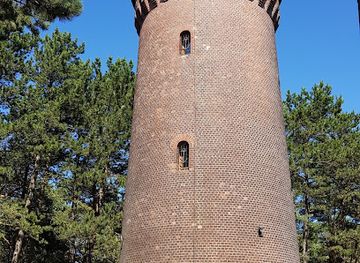
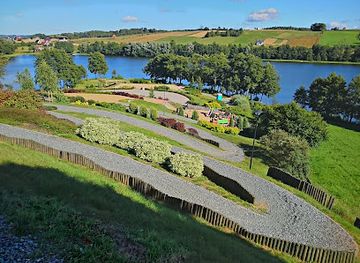
Kashubia's attractions are closely tied to its lakes, forests and cultural landscape. The Kashubian Ethnographic Park at Wdzydze Kiszewskie presents historic rural buildings, workshops and interiors from across the region, making it one of the most instructive places to understand traditional settlement. The Museum of Kashubian-Pomeranian Literature and Music in Wejherowo and the Kashubian Museum in Kartuzy provide complementary perspectives on language, craft and regional history. Around Chmielno, Ostrzyce and the Wdzydze lakes, visitors can walk, cycle, paddle and sail, while the wooded slopes around Wieżyca offer viewpoints and marked trails. Szymbark combines cultural displays with regional history, though its attractions are best approached selectively. Kościerzyna's railway heritage and Bytów's castle add urban and architectural interest, while smaller villages reveal wooden houses, roadside shrines and working landscapes. The region is particularly suited to itineraries that alternate museum visits with outdoor activity rather than concentrating solely on formal monuments.
-
National park
Słowiński National Park
Discover the breathtaking landscapes of Słowiński National Park, featuring shifting sand dunes, diverse ecosystems, and serene coastal beauty.
-
Ecological park
Kashubia Protected Landscape Area
Discover the natural beauty and tranquility of Kashubia Protected Landscape Area, an ecological park perfect for outdoor adventures and wildlife encounters.
-
Tourist attraction
Wydma Łącka
Explore Wydma Łącka: Poland's captivating sand dunes and hiking trails await you in this stunning natural attraction.
-
Ethnographic museum
Kashubian Ethnographic Park in Wdzydze
Explore the rich cultural heritage of the Kashubian Ethnographic Park in Wdzydze, where tradition and nature come together in a unique open-air museum experience.
Best landmarks in Kashubia
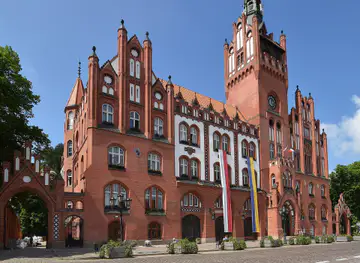
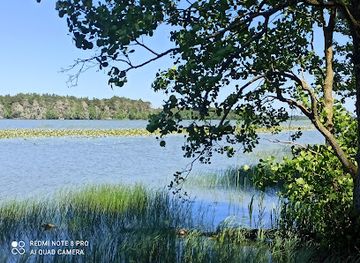
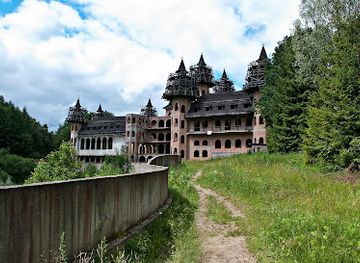
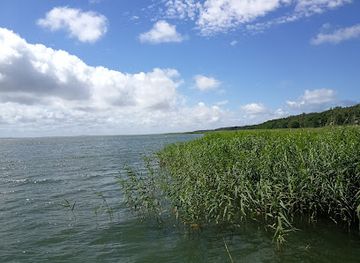
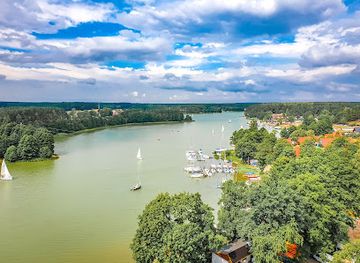
Bytów Castle is Kashubia's most imposing historic landmark, a substantial brick fortress begun by the Teutonic Order and later associated with the Pomeranian dukes; its towers and defensive form dominate the town. The former Carthusian monastery complex in Kartuzy, particularly the Gothic collegiate church, gives the town its strongest architectural identity and recalls the area's medieval religious history. At Wdzydze Kiszewskie, the spread of historic farmhouses, churches, windmills and workshops within the ethnographic park forms a landmark cultural landscape rather than a single building. Wieżyca, the highest point of the Kashubian landscape, is a geographical symbol of the region's glacial uplands and forested hills. The lakes around Wdzydze and the linked waterways near Chmielno and Ostrzyce are also recognisable natural landmarks, defining Kashubia through water, moraine relief and woodland. In towns and villages, brick churches, manor houses and roadside shrines provide smaller but important reminders of the region's layered past.
-
National park
Słowiński National Park
Discover the breathtaking landscapes and unique ecosystems of Słowiński National Park, a gem of Poland's natural heritage with stunning sand dunes and diverse wildlife.
-
Ecological park
Kashubia Protected Landscape Area
Explore the breathtaking Kashubia Protected Landscape Area in Poland, a paradise for nature lovers, hikers, and wildlife enthusiasts with vibrant landscapes and diverse ecosystems.
-
Ethnographic museum
Kashubian Ethnographic Park in Wdzydze
Explore the Kashubian Ethnographic Park in Wdzydze, where history, culture, and nature converge to offer a unique glimpse into Kashubian life.
-
Zoo
ZOO Canpol
Explore ZOO Canpol, a captivating zoo in Człuchów featuring diverse wildlife and engaging educational experiences for visitors of all ages.
Explore Kashubia on the map
Plan your trip on one map. See where the top cities, national parks and sights are, and book hotels and experiences in a few clicks.
Best hotels in Kashubia
Best restaurants in Kashubia
Kashubian cooking reflects the region's lakes, forests, farms and proximity to the Baltic, although menus vary considerably between traditional inns and contemporary restaurants. Fish, especially freshwater varieties, is common around the lake districts, while smoked products, potatoes, buckwheat, cabbage and dairy are recurring elements of rural cooking. Regional specialities may include potato-based dishes, buckwheat preparations and baked goods associated with Kashubian home cuisine; recipes and names can differ from one community to another. Look for soups, dumplings, preserved foods and seasonal mushrooms alongside more familiar Polish dishes. Kartuzy, Kościerzyna, Bytów and the larger lakeside settlements offer the broadest choice of cafés, restaurants and inns. Farmers' markets and food stalls can be useful for local bread, honey, preserves and smoked fish, while village dining may require planning outside peak meal periods. Kashubian cuisine is best understood as a regional tradition within Polish food culture, not as a completely separate culinary system.
-
Ethnographic museum
Kashubian Ethnographic Park in Wdzydze
Uncover the vibrant traditions of Kashubia at the captivating Ethnographic Park in Wdzydze—a journey through history awaits.
-
Restaurant
COLUMBUS Tavern Ustka - Restaurant
Experience the best of Polish cuisine and fresh seafood at COLUMBUS Tavern in Ustka – where every meal is a celebration by the sea.
-
Polish
Restauracja Ewa Zaprasza
Experience authentic Polish cuisine at Restauracja Ewa Zaprasza in Sasino - where tradition meets taste.
-
Polish
Mùlk Checz Kaszubska
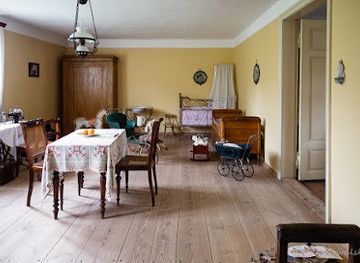
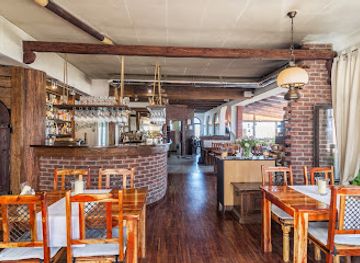
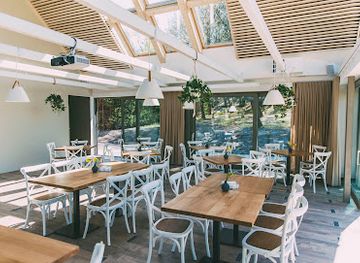
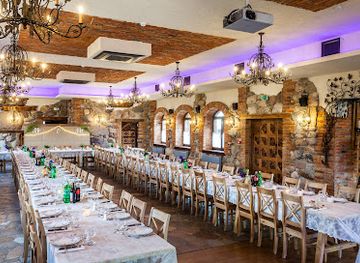
Experience authentic Polish cuisine and vibrant folk dances at Mùlk Checz Kaszubska in Kashubia.
Best bars in Kashubia
Evening life in Kashubia is generally quieter and more dispersed than in Gdańsk or Gdynia. Traditional pubs, hotel bars, cafés and restaurant terraces provide the main social settings in Kartuzy, Kościerzyna, Bytów and the larger summer resorts around the lakes. In warm months, lakeside accommodation may host occasional music or cultural events, but programming and opening arrangements vary by season. Craft beer and Polish spirits are available in established venues, while local restaurants often offer a more relaxed evening than a dedicated club scene. Nightclubs exist on a limited basis in larger towns and holiday areas, but visitors should not expect a concentrated nightlife district. Rural evenings are more likely to centre on conversation, meals, community events or live folk and popular music, with journeys between villages requiring a planned taxi or designated driver.
-
Fish restaurant
Bar Przystań
Experience the best of Sopot's seafood at Bar Przystań, a beloved fish restaurant offering fresh, flavorful dishes with stunning coastal views.
-
Ecological park
Kashubia Protected Landscape Area
Explore the enchanting Kashubia Protected Landscape Area, an ecological park filled with breathtaking landscapes, diverse wildlife, and thrilling hiking trails.
-
Polish
Mùlk Checz Kaszubska
Discover authentic Polish cuisine and vibrant dance culture at Mùlk Checz Kaszubska, a must-visit gem in the heart of Kashubia.
-
Restaurant
Restauracja Nordowi Mol
Indulge in authentic Polish cuisine at Restauracja Nordowi Mol, where local flavors meet a cozy atmosphere in the heart of Puck.
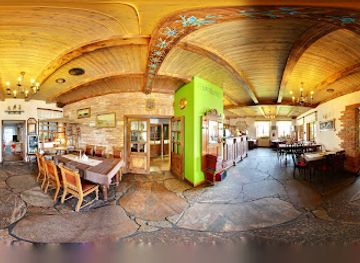
Best nightclubs in Kashubia
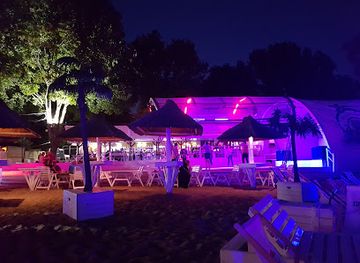
Evening life in Kashubia is generally quieter and more dispersed than in Gdańsk or Gdynia. Traditional pubs, hotel bars, cafés and restaurant terraces provide the main social settings in Kartuzy, Kościerzyna, Bytów and the larger summer resorts around the lakes. In warm months, lakeside accommodation may host occasional music or cultural events, but programming and opening arrangements vary by season. Craft beer and Polish spirits are available in established venues, while local restaurants often offer a more relaxed evening than a dedicated club scene. Nightclubs exist on a limited basis in larger towns and holiday areas, but visitors should not expect a concentrated nightlife district. Rural evenings are more likely to centre on conversation, meals, community events or live folk and popular music, with journeys between villages requiring a planned taxi or designated driver.
-
Ecological park
Kashubia Protected Landscape Area
Explore the breathtaking landscapes of Kashubia Protected Landscape Area, a nature lover's paradise in Poland with diverse wildlife and scenic hiking trails.
-
Night club
Level 27
Level 27: Warsaw's premier nightlife destination featuring electrifying music, stunning views, and an unforgettable party atmosphere.
-
Live Music
Shine Club Kraków
Experience the electrifying nightlife at Shine Club Kraków, your ultimate destination for live music, cocktails, and dancing in the heart of the city.
-
Night club
La Playa Music Bar
Experience the vibrant nightlife at La Playa Music Bar, where live music, delicious food, and riverside views create unforgettable memories in Warsaw.


Best shops in Kashubia
Shopping in Kashubia is focused on market towns, local producers and cultural crafts rather than large-scale retail. Kartuzy, Kościerzyna, Bytów and Wejherowo have the broadest selection of everyday shops, cafés, bookstores and independent businesses, while smaller settlements often have only basic services. Kashubian embroidery, with its recognised colours and floral patterns, is a popular souvenir when purchased from a reputable local maker; ceramics, carved wooden objects, woven goods and regional artwork offer other connections to local craft traditions. Open-air museums and cultural centres sometimes sell carefully labelled reproductions and locally made products, while markets and farm shops may offer honey, preserves, bread, smoked fish and seasonal produce. Check whether an item is genuinely made in the region rather than assuming that any folk-style product is Kashubian. Visitors seeking extensive fashion or luxury shopping should use the larger urban centres outside the region, whereas Kashubia is better suited to practical purchases, food gifts and distinctive handmade objects.
-
Shopping mall
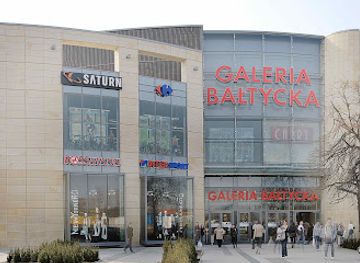
Galeria Bałtycka
Explore Galeria Bałtycka, Gdańsk's premier shopping and dining destination with a variety of stores, restaurants, and beauty services all under one roof.
-
Outlet mall
Designer Outlet Gdansk
Discover unbeatable savings on top brands at Designer Outlet Gdansk, where shopping meets style in a vibrant atmosphere.
-
Ecological park
Kashubia Protected Landscape Area
Discover the enchanting Kashubia Protected Landscape Area, a serene ecological park perfect for hiking and wildlife exploration in Poland.
-
Tourist attraction
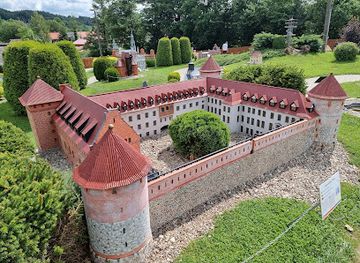
Kaszubski Miniature Park
Discover the charm of Poland's architectural treasures at Kaszubski Miniature Park, a perfect family-friendly destination filled with intricate miniatures.
Get your free copy of our complete guide to Kashubia, delivered straight to you.
Everything on this page, from attractions and restaurants to essentials and local phrases, in one PDF you can read offline, print or share.
Already have an account? Sign in
Your Kashubia guide is ready.
We'll send it to · Not you? Sign out

Getting your guide ready…
We are putting together a fresh copy of the Kashubia guide. This can take up to a minute.
This can take a few moments. If your browser asks, choose Allow so the download can start. You'll find the guide in your Downloads folder.
Nothing happened? Download it again
Sorry, the guide is taking longer than usual. Please try again in a minute, or get it by email instead.
Kashubia essentials
Currency and Payment
Safety
Emergency Situations
Do's and Don'ts
Local Tips
From Eve
Local phrases worth knowing
You don't need to get them perfect. A few words go a long way, and locals appreciate the effort.
Basics
| English | Local | Say it |
|---|---|---|
| Hello | Cześć | [Chehshch] |
| Goodbye | Do widzenia | [Doh vee-dzen-yah] |
| Yes | Tak | [Tahk] |
| No | Nie | [Nyeh] |
| Please/You're welcome | Proszę | [Proh-sheh] |
| Thank you | Dziękuję | [Dyen-koo-yeh] |
| Excuse me/Sorry | Przepraszam | [Psheh-prah-sham] |
| How are you? | Jak się masz? | [Yahk shay mahsh?] |
| Fine. And you? | Dobrze. A ty? | [Doh-bzheh. Ah ti?] |
| Do you speak English? | Czy mówisz po angielsku? | [Chih moo-veesh poh ahn-gyehl-skoo?] |
| I don't understand | Nie rozumiem | [Nyeh roh-zoo-myem] |
Eating & Drinking
| English | Local | Say it |
|---|---|---|
| I'd like to see the menu, please | Chciałbym zobaczyć menu, proszę | [Hchah-oo-bim zo-bah-chihch meh-noo, proh-sheh] |
| I don't eat meat | Nie jem mięsa | [Nyeh yem myen-sah] |
| Cheers! | Na zdrowie! | [Nah zdroh-vyeh!] |
| I would like to pay, please | Chciałbym zapłacić, proszę | [Hchah-oo-bim zah-pwah-chihch, proh-sheh] |
Emergencies
| English | Local | Say it |
|---|---|---|
| Help! | Pomocy! | [Poh-moh-tsih!] |
| Go away! | Idź stąd! | [Eedzh stohnd!] |
| Call the Police! | Zadzwoń po policję! | [Zahdz-von poh poh-leet-syeh!] |
| Call a doctor! | Zadzwoń po lekarza! | [Zahdz-von poh leh-kah-rzah!] |
| I'm lost | Zgubiłem się | [Zgoo-bee-wem shay] |
| I'm ill | Jestem chory | [Yeh-stem khoh-ree] |
Shopping
| English | Local | Say it |
|---|---|---|
| I'd like to buy... | Chciałbym kupić... | [Hchah-oo-bim koo-peech...] |
| I'm just looking | Tylko oglądam | [Tih-lkoh oh-glah-dahm] |
| How much is it? | Ile to kosztuje? | [Ee-leh toh kosh-too-yeh?] |
| That's too expensive | To za drogie | [Toh zah droh-gyeh] |
| Can you lower the price? | Czy możesz obniżyć cenę? | [Chih moh-zhehsh ob-nee-zhihch tseh-neh?] |
Time & Numbers
| English | Local | Say it |
|---|---|---|
| What time is it? | Która godzina? | [Ktoo-rah goh-dzee-nah?] |
| It's one o'clock | Jest pierwsza godzina | [Yeh-st pyer-shah goh-dzee-nah] |
| Half past (10) | Wpół do (11) | [Vpoo-doh (yeh-zhah-nyah)] |
| Morning | Poranek | [Poh-rah-nek] |
| Afternoon | Popołudnie | [Poh-poh-ood-nee-eh] |
| Evening | Wieczór | [Vyeh-choor] |
| Yesterday | Wczoraj | [Vcho-rah-yh] |
| Today | Dziś | [Jee-sh] |
| Tomorrow | Jutro | [Yoo-troh] |
| 1 | 1 | [1] |
| 2 | 2 | [2] |
| 3 | 3 | [3] |
| 4 | 4 | [4] |
| 5 | 5 | [5] |
| 6 | 6 | [6] |
| 7 | 7 | [7] |
| 8 | 8 | [8] |
| 9 | 9 | [9] |
| 10 | 10 | [10] |
Transport & Directions
| English | Local | Say it |
|---|---|---|
| Where's a/the...? | Gdzie jest...? | [Gdyeh yest...?] |
| What's the address? | Jakie jest adres? | [Yah-keh yest ah-dres?] |
| Can you show me (on the map)? | Czy możesz mi pokazać (na mapie)? | [Chih moh-zhehsh mee poh-kah-zach (nah mah-pyeh)?] |
| When's the next (bus)? | Kiedy jest następny (autobus)? | [Kyeh-dih yest nah-stem-ny (ow-toh-boos)?] |
| A ticket (to ....) | Bilet (do ....) | [Bee-let (doh ....)] |
History of Kashubia
Early Settlement and Pomerelian Roots
The Kashubian landscape has been occupied since prehistoric times, with archaeological evidence of communities using the forests, waters and fertile clearings of northern Pomerania. In the early medieval period, West Slavic groups developed settlements linked to the wider Pomerelian region. The name Kashubian came to describe a population and language tradition within this broader Pomeranian world. Lakes and rivers supported fishing, transport and small-scale agriculture, while wooded uplands encouraged dispersed settlement. Much of the region's later cultural character grew from this combination of local continuity and repeated political connections with neighbouring Pomeranian and Polish territories.
The Duchy of Pomerelia and Medieval Christianity
During the Middle Ages, Kashubia formed part of Pomerelia, ruled by local dynasties whose political centre lay around Gdańsk and other settlements of eastern Pomerania. Christianity became established through churches, monasteries and ecclesiastical institutions, changing both the landscape and the organisation of communities. The period also brought German-speaking settlers and urban legal traditions into some towns, while rural Kashubian-speaking populations remained connected to local agricultural and fishing economies. Medieval foundations are visible today in church architecture, historic town plans and the later castles and estates that developed across the region.
Teutonic Rule and the Polish Crown
In the fourteenth century, much of Pomerelia came under the control of the Teutonic Order, whose administrative and military presence reshaped the region. Bytów Castle, begun under Teutonic rule and later developed further, is one of the clearest surviving reminders of this era. Following the Second Peace of Thorn in 1466, western Pomerelia returned to the Polish Crown as part of Royal Prussia. Towns and rural communities thereafter existed within a political landscape influenced by both Polish institutions and German-speaking urban culture, a duality that remained important for later regional history.
Prussian Administration and the Partitions
The partitions of Poland in the late eighteenth century brought most of Kashubia under Prussian rule. The area was incorporated into the administrative structures of the Kingdom of Prussia and later the German Empire, with German becoming dominant in official life and education. Economic change included improved roads, new administrative centres and railway connections, although much of inland Kashubia remained rural. Kashubian language and customs survived within families and villages, while migration, schooling and military service connected local people to the wider Prussian state.
Kashubian Cultural Revival
The nineteenth and early twentieth centuries saw growing interest in Kashubian language, folklore and literature. Writers and activists, including Florian Ceynowa and later Aleksander Majkowski, treated Kashubian culture as a subject worthy of public scholarship and literary expression. Their work helped shift Kashubian identity from an assumption of local rural difference towards a more conscious cultural movement. Language, embroidery, music, legends and regional history became important tools for preserving distinctiveness during a period when official institutions often favoured German or standard Polish.
The Second Polish Republic and the Interwar Borderlands
After the First World War, the Treaty of Versailles transferred much of the region to the newly re-established Polish state, although western and southern Kashubian areas remained within Germany. The Polish Corridor connected Poland to the Baltic and gave the region renewed strategic importance. Kashubian communities found themselves near an international border, while questions of language, identity and administration remained complex. Infrastructure and education developed within the Polish framework, but older commercial, family and cultural links across the border did not disappear immediately.
War, Occupation and Post-war Transformation
The Second World War brought occupation, repression and displacement to Kashubia, as it did to other parts of Pomerania. Kashubians were subject to Germanisation policies, forced service and persecution, while some participated in resistance networks. After 1945, the region became part of post-war Poland and experienced major demographic and administrative changes. New residents arrived from other parts of Poland, while pre-war communities faced suspicion and pressure to conform to a simplified national identity. Later decades saw renewed public recognition of Kashubian language, heritage and cultural organisations.
Kashubia in Photos
Browse through our photo collection highlighting the charm and character of the destination.
Neighbouring regions of Kashubia
The closest regions to Kashubia, if you have time for more than one.
-

-

-

-

-


Swipe for more regions
Explore more

Explore more of Poland
Discover Poland's rich history, vibrant cities, and scenic landscapes, from the medieval streets of Kraków to the serene beauty of the Tatra Mountains and Masurian Lakes.
Explore Poland