

Free Azores Travel Guide & Mobile App
Explore Azores with free travel guides. Discover regional history, expert tips, proposed trips, and audio guides on web or mobile app.


Explore the Azores for volcanic lakes, Atlantic wildlife, historic ports, island food and distinctive landscapes across nine Portuguese islands.
Read more about Azores
When is the best time to visit Azores?
Best: July–September · 22–23°C| Month | High (°C) | Rainfall (mm) |
|---|---|---|
| January | 17 | 80 |
| February | 16 | 75 |
| March | 17 | 70 |
| April | 17 | 65 |
| May | 19 | 55 |
| June | 21 | 45 |
| July (best) | 22 | 40 |
| August (best) | 23 | 45 |
| September (best) | 22 | 55 |
| October | 20 | 70 |
| November | 18 | 80 |
| December | 17 | 80 |
Getting to and around Azores
How to get there
Transportation
Best attractions in Azores
The Azores offer an unusually concentrated range of volcanic, maritime and rural attractions. São Miguel is the principal base for visiting the crater landscapes of Sete Cidades and Lagoa do Fogo, the geothermal valley of Furnas and the island’s tea and pineapple-growing areas. Terceira combines the historic streets of Angra do Heroísmo with lava formations, caves and countryside, including Algar do Carvão, a volcanic chimney open to visitors. Pico is suited to mountain ascents, vineyard tours and maritime museums, while Faial pairs the Caldeira with the new volcanic landscape of Capelinhos and the harbour culture of Horta. São Jorge is noted for cliff-top scenery, fajãs and cheese production; Flores offers waterfalls, crater lakes and greener, more secluded walking landscapes; and Santa Maria has drier scenery and pale beaches unusual in the archipelago. Graciosa and Corvo provide smaller-scale encounters with volcanic geology, farming communities and quiet village life. Across the islands, activities include hiking, diving, canyoning, birdwatching, sea kayaking and whale watching, with conditions and access varying by season.
-
Botanical garden
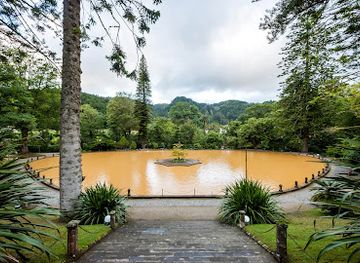
Parque Terra Nostra
Experience the serene beauty of Parque Terra Nostra, a stunning botanical garden in Furnas, Azores, featuring exotic flora and relaxing geothermal pools.
-
Historical landmark
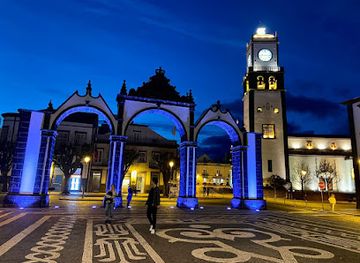
Portas da Cidade
Discover the historic Portas da Cidade, a stunning landmark in Ponta Delgada that embodies the rich cultural heritage of the Azores.
-
Nature preserve
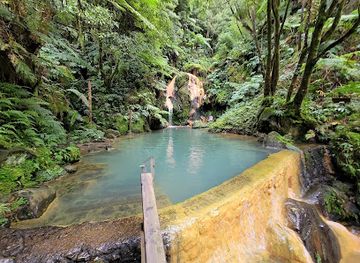
Centro de Interpretação Ambiental da Caldeira Velha
Explore the breathtaking beauty and geothermal wonders of the Caldeira Velha Environmental Interpretation Centre in the Azores.
-
Tourist attraction
Plantação Ananases A Arruda
Experience the lush beauty of Plantações Ananases A Arruda in Ponta Delgada, a vibrant pineapple farm that delights visitors with its scenic views and delicious fruits.
Best landmarks in Azores
Angra do Heroísmo’s historic centre is the Azores’ most important architectural landmark, with Renaissance-influenced streets, churches and fortifications expressing the city’s former role in Atlantic navigation. On São Miguel, the twin lakes of Sete Cidades form one of the archipelago’s best-known volcanic views, while Lagoa do Fogo occupies a high, protected caldera surrounded by steep green slopes. Furnas is distinguished by its steaming fumaroles, mineral springs and cooking grounds, where volcanic heat remains part of everyday visitor culture. Mount Pico, Portugal’s highest point, dominates the island of Pico and is surrounded by a remarkable vineyard landscape enclosed by black basalt walls. Faial’s Capelinhos lighthouse and ash fields record a twentieth-century eruption, contrasting with the forested Caldeira inland. Algar do Carvão on Terceira provides an unusual opportunity to see inside a volcanic vent. Across the islands, white churches, basalt farmhouses, lava-stone walls and harbour fortifications form a consistent architectural language shaped by oceanic weather and local geology.
-
Historical landmark
Portas da Cidade
Discover the historical Portas da Cidade in Ponta Delgada, a stunning gateway that reflects the rich culture and beauty of the Azores islands.
-
Museum
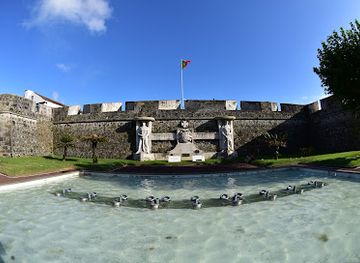
Forte de São Brás
Discover the rich military heritage of the Azores at Forte de São Brás, a stunning fortress and museum in Ponta Delgada offering captivating exhibits and beautiful views.
-
Army facility
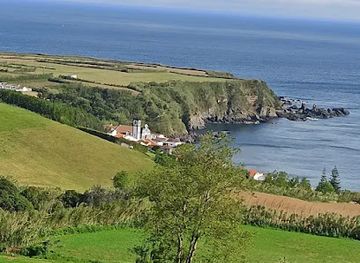
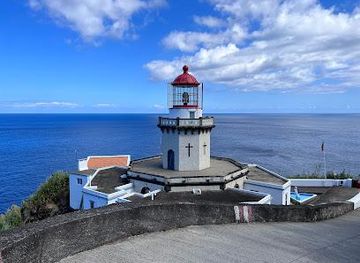
Farol do Arnel
Experience the breathtaking views and rich maritime history at Farol do Arnel in Nordeste, a stunning lighthouse on the cliffs of the Azores.
-
Tourist attraction
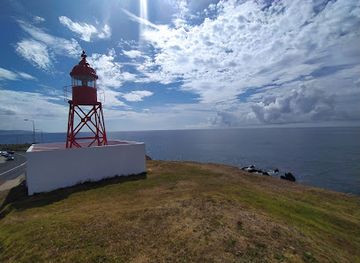
Farol de Santa Clara
Discover the historic Farol de Santa Clara, a stunning lighthouse in Ponta Delgada, offering breathtaking ocean views and rich maritime heritage.
Explore Azores on the map
Plan your trip on one map. See where the top cities, national parks and sights are, and book hotels and experiences in a few clicks.
Best hotels in Azores
Best restaurants in Azores
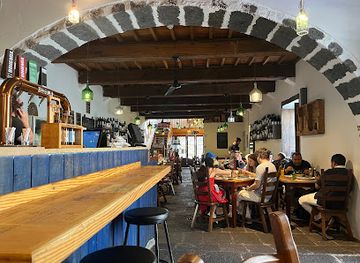
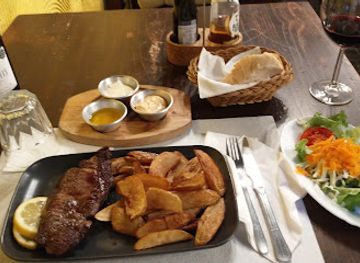
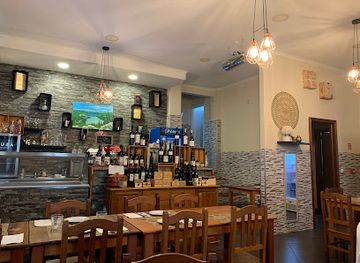
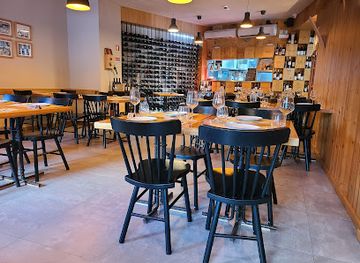
Azorean food reflects Atlantic fishing, volcanic pastures and a practical island tradition of preserving and transforming local produce. São Miguel’s cozido das Furnas is slow-cooked in geothermal ground, while grilled fish, limpets, octopus and other seafood appear widely in coastal restaurants. Beef from the islands and dairy products, including São Jorge cheese, are central to many menus. Pico contributes distinctive wines grown among lava-stone walls, and São Miguel is associated with tea, pineapples and bolo lêvedo, a slightly sweet griddled bread. Local cafés and bakeries are useful places to try pastries, soups and simple sandwiches, while village restaurants and traditional inns often serve more substantial regional cooking. Menus vary between islands, and imported ingredients can be expensive because of Atlantic transport, so seasonal availability matters. Farmers’ markets and small food shops offer cheese, preserves, honey, tea and wine for visitors who want to explore the archipelago’s agricultural identity beyond restaurant dining.
-
Portuguese
A Tasca
Experience authentic Portuguese cuisine at A Tasca in Ponta Delgada – where tradition meets flavor in every dish.
-
Traditional restaurant
Taberna Açor
Discover Taberna Açor: A Culinary Gem Offering Traditional Azorean Dishes in Ponta Delgada.
-
Restaurant
Gastrónomo
Experience authentic Azorean cuisine at Gastrónomo in Ponta Delgada – where every dish tells a story of flavor and tradition.
-
Restaurant
Casa do Abel
Discover Casa do Abel: A Culinary Gem in Água de Pau Offering Authentic Portuguese Flavors and Warm Hospitality.
Best bars in Azores
Azorean evening life is generally sociable and unhurried rather than centred on a large club scene. Ponta Delgada has the widest choice of bars, cafés, restaurants and live-music venues, with activity concentrated around the historic centre and waterfront. Angra do Heroísmo offers atmospheric streets, traditional establishments and a modest late-evening scene, while Horta’s harbour attracts an international maritime crowd alongside local bars. On Pico, São Jorge, Faial and the smaller islands, evenings tend to revolve around cafés, village festas, restaurants, wine bars and traditional pubs rather than nightclubs. During summer festivals and religious celebrations, public squares may become livelier, but programmes and opening arrangements vary. Local wines, beers and non-alcoholic drinks are widely available, and sampling regional products need not involve drinking heavily. In smaller communities, venues may close earlier or operate seasonally, so a relaxed meal and a walk through a harbour or town square are often the most characteristic night-time experiences.
-
Bar
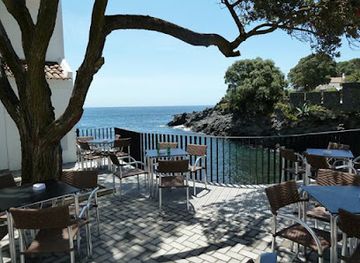
Bar Caloura
Experience the vibrant atmosphere and stunning coastal views at Bar Caloura, a must-visit bar and restaurant in Água de Pau, Azores.
-
Restaurant
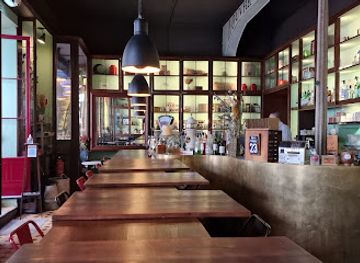
Louvre Michaelense Bar Bistro Mercearia
Discover local cuisine at Louvre Michaelense Bar Bistro Mercearia in Ponta Delgada, where delightful dishes meet a warm, inviting atmosphere.
-
Bar
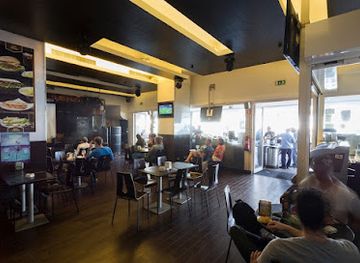
Baía dos Anjos
Experience the vibrant atmosphere and stunning views at Baía dos Anjos, the perfect bar in Ponta Delgada to unwind and enjoy local flavors.
-
Restaurant
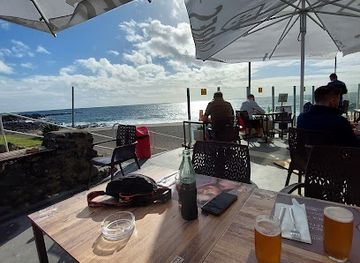
Sunset Beach - Restaurante & Bar
Discover the perfect blend of local cuisine and stunning ocean views at Sunset Beach - Restaurante & Bar in Ponta Delgada.
Best nightclubs in Azores
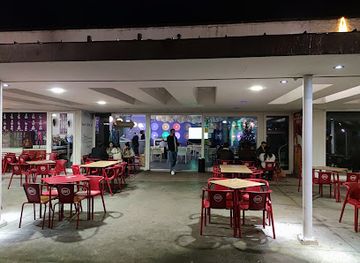
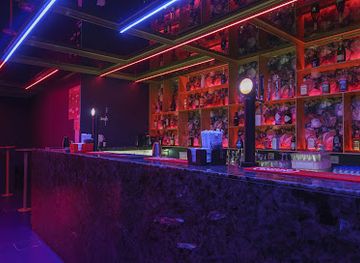
Azorean evening life is generally sociable and unhurried rather than centred on a large club scene. Ponta Delgada has the widest choice of bars, cafés, restaurants and live-music venues, with activity concentrated around the historic centre and waterfront. Angra do Heroísmo offers atmospheric streets, traditional establishments and a modest late-evening scene, while Horta’s harbour attracts an international maritime crowd alongside local bars. On Pico, São Jorge, Faial and the smaller islands, evenings tend to revolve around cafés, village festas, restaurants, wine bars and traditional pubs rather than nightclubs. During summer festivals and religious celebrations, public squares may become livelier, but programmes and opening arrangements vary. Local wines, beers and non-alcoholic drinks are widely available, and sampling regional products need not involve drinking heavily. In smaller communities, venues may close earlier or operate seasonally, so a relaxed meal and a walk through a harbour or town square are often the most characteristic night-time experiences.
-
Bar
Bar Do Pi
Experience the vibrant nightlife and local flavors at Bar Do Pi, a must-visit bar in the heart of Ponta Delgada, Azores.
-
Event venue
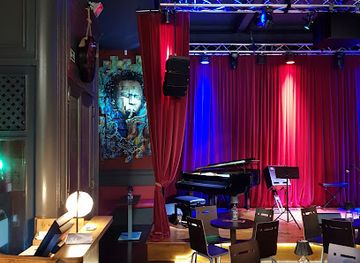
Lava Jazz
Lava Jazz: The Heartbeat of Ponta Delgada's Jazz Scene - Immerse Yourself in Unforgettable Live Performances.
-
Disco club
Ibiza Club
Experience the electrifying nightlife at Ibiza Club in Ponta Delgada, where the dance floor pulsates with life and energy until dawn.
-
Disco club
Elite Club
Dance the night away at Elite Club in Ponta Delgada, where vibrant music and electric atmosphere create an unforgettable nightlife experience.

Best shops in Azores
Shopping in the Azores is strongest in market towns, historic centres and small food and craft businesses rather than in large retail districts. Ponta Delgada offers the broadest choice of shops, with local produce, ceramics, textiles, books and contemporary goods alongside everyday Portuguese retail. Angra do Heroísmo, Horta and the principal towns of the other islands have independent shops and galleries where visitors can find island-made crafts and practical souvenirs. Notable regional purchases include São Jorge cheese, Pico wine, São Miguel tea, pineapple products, honey, preserves and locally made biscuits, although some fresh foods may be subject to airline or customs restrictions on onward travel. Look for basalt-based crafts, woven items, pottery and traditional decorative work, while checking labelling and provenance if authenticity matters. Local markets are useful for seeing what each island produces, but their days and scale vary. Because transport between islands can be weather-dependent, buy fragile or chilled products with enough time to store and carry them safely.
-
Shopping mall
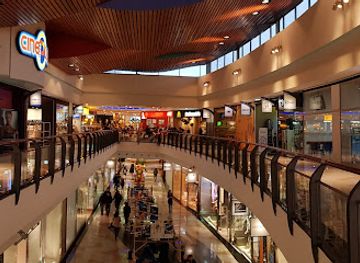
Parque Atlantico
Discover Parque Atlantico, Ponta Delgada's premier shopping destination, featuring an array of shops, dining experiences, and entertainment options for all ages.
-
Tea manufacturer
Gorreana Tea Factory
Discover the rich heritage of tea production at Gorreana Tea Factory, a picturesque destination in the Azores offering tours, tastings, and breathtaking views.
-
Dairy store
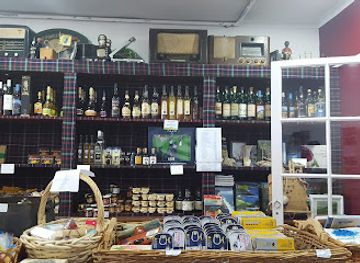
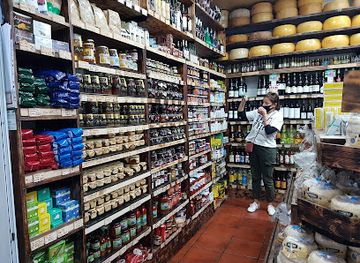
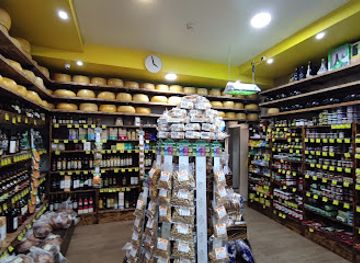
The King of Cheese
Explore the finest selection of local cheeses, liquors, and sweets at The King of Cheese in Ponta Delgada, a dairy paradise for every food lover.
-
Grocery store
Prince of Cheese
Experience the rich flavors of artisanal cheeses and gourmet products at Prince of Cheese in Ponta Delgada, a culinary gem in the Azores.
Get your free copy of our complete guide to Azores, delivered straight to you.
Everything on this page, from attractions and restaurants to essentials and local phrases, in one PDF you can read offline, print or share.
Already have an account? Sign in
Your Azores guide is ready.
We'll send it to · Not you? Sign out

Getting your guide ready…
We are putting together a fresh copy of the Azores guide. This can take up to a minute.
This can take a few moments. If your browser asks, choose Allow so the download can start. You'll find the guide in your Downloads folder.
Nothing happened? Download it again
Sorry, the guide is taking longer than usual. Please try again in a minute, or get it by email instead.
Azores essentials
Currency and Payment
Safety
Emergency Situations
Do's and Don'ts
Local Tips
From Eve
Local phrases worth knowing
You don't need to get them perfect. A few words go a long way, and locals appreciate the effort.
Basics
| English | Local | Say it |
|---|---|---|
| Hello | Olá | [oh-lah] |
| Goodbye | Adeus | [ah-deh-oos] |
| Yes | Sim | [seem] |
| No | Não | [now] |
| Please/You're welcome | Por favor/De nada | [poor fah-vor/deh nah-dah] |
| Thank you | Obrigado/Obrigada | [oh-bree-gah-do/oh-bree-gah-dah] |
| Excuse me/Sorry | Desculpe | [deh-school-peh] |
| How are you? | Como está? | [koh-moo es-tah] |
| Fine. And you? | Bem. E você? | [bang. eh voh-seh] |
| Do you speak English? | Você fala inglês? | [voh-seh fah-lah een-glez] |
| I don't understand | Não entendo | [now en-ten-do] |
Eating & Drinking
| English | Local | Say it |
|---|---|---|
| I'd like to see the menu, please | Gostaria de ver o menu, por favor | [goh-stah-ree-ah deh vehr oo meh-noo, poor fah-vor] |
| I don't eat meat | Não como carne | [now koh-moo kar-nee] |
| Cheers! | Saúde! | [sah-oo-deh] |
| I would like to pay, please | Gostaria de pagar, por favor | [goh-stah-ree-ah deh pah-gar, poor fah-vor] |
Emergencies
| English | Local | Say it |
|---|---|---|
| Help! | Socorro! | [soh-koh-roh] |
| Go away! | Vá embora! | [vah em-boh-rah] |
| Call the Police! | Chame a polícia! | [shah-meh ah poh-lee-see-ah] |
| Call a doctor! | Chame um médico! | [shah-meh oom meh-dee-koh] |
| I'm lost | Estou perdido | [es-toh pehr-dee-doo] |
| I'm ill | Estou doente | [es-toh do-ehn-teh] |
Shopping
| English | Local | Say it |
|---|---|---|
| I'd like to buy... | Gostaria de comprar... | [goh-stah-ree-ah deh kohm-prahr] |
| I'm just looking | Estou só a ver | [es-toh soh ah vehr] |
| How much is it? | Quanto custa? | [kwahn-toh koos-tah] |
| That's too expensive | Isso é muito caro | [ee-soh eh mooy-toh kah-roh] |
| Can you lower the price? | Pode baixar o preço? | [poh-deh bye-shar oo preh-soh] |
Time & Numbers
| English | Local | Say it |
|---|---|---|
| What time is it? | Que horas são? | [keh oh-rahs sah-ooh] |
| It's one o'clock | É uma hora | [eh oo-mah oh-rah] |
| Half past (10) | Dez e meia | [dehz eh meh-yah] |
| Morning | Manhã | [mahn-yah] |
| Afternoon | Tarde | [tahr-deh] |
| Evening | Noite | [noy-teh] |
| Yesterday | Ontem | [on-taym] |
| Today | Hoje | [oh-zhi] |
| Tomorrow | Amanhã | [ah-mahn-yah] |
| 1 | Um | [oom] |
| 2 | Dois | [doysh] |
| 3 | Três | [trehz] |
| 4 | Quatro | [kwah-tro] |
| 5 | Cinco | [seen-koh] |
| 6 | Seis | [says] |
| 7 | Sete | [seh-teh] |
| 8 | Oito | [oy-toh] |
| 9 | Nove | [noh-veh] |
| 10 | Dez | [dehz] |
Transport & Directions
| English | Local | Say it |
|---|---|---|
| Where's a/the...? | Onde fica um/a...? | [on-deh fee-kah oom/ah] |
| What's the address? | Qual é o endereço? | [kwal eh oo en-deh-reh-soo] |
| Can you show me (on the map)? | Pode me mostrar (no mapa)? | [poh-deh meh mohs-trar (no mah-pah)] |
| When's the next (bus)? | Quando é o próximo (autocarro)? | [kwahn-doo eh oo proh-see-moo (ow-toh-kah-roo)] |
| A ticket (to ....) | Um bilhete (para....) | [oom bee-lyeh-tay (pah-rah....)] |
History of Azores
Portuguese Settlement in the Fifteenth Century
The islands were settled by Portugal during the fifteenth century after their rediscovery and incorporation into the Portuguese Atlantic sphere. Settlement developed first on islands such as Santa Maria and São Miguel before spreading through the archipelago. Colonists brought farming systems, livestock, Catholic institutions and Portuguese legal traditions, while adapting to volcanic soils, limited flat land and long maritime distances. The early communities established the pattern that still defines the Azores: small coastal settlements linked to productive uplands, with local identity developing differently on each island.
Atlantic Navigation and the Growth of Angra
The Azores became strategically important during the age of Atlantic navigation. Their position made the islands a provisioning and sheltering point for ships travelling between Europe, Africa and the Americas. Angra, on Terceira, grew into a major port and administrative centre, with fortifications and religious buildings reflecting its maritime importance. The harbour’s role in oceanic trade helped create the urban form that survives in Angra do Heroísmo, whose historic centre is recognised as a UNESCO World Heritage site.
Agriculture, Export Crops and Island Economies
For centuries, Azorean livelihoods depended on mixed agriculture, livestock and export crops. Wheat, wine, oranges and other products supported island trade, while fluctuations in markets and Atlantic shipping repeatedly altered local fortunes. On Pico, vineyards were enclosed by painstakingly built lava-stone walls to protect vines from wind and salt spray; this landscape remains a powerful record of human adaptation. São Miguel later developed tea and pineapple cultivation, while dairy farming became particularly important across several islands.
Liberal Conflict and the Azores in Portuguese Politics
The Azores played a notable role during the Portuguese Liberal Wars of the nineteenth century. Terceira became a stronghold of the constitutional liberals opposed to the absolutist regime of Miguel I, and Angra served as the headquarters of the liberal regency for a period. The island’s political importance reflected its strategic position as well as the strength of local support for the constitutional cause. These events left monuments, civic associations and historical associations visible in Terceira’s public life.
Whaling and Maritime Communities
Whaling became a significant industry in several Azorean islands, especially from the nineteenth century into the twentieth. Lookouts, small boats, processing facilities and skilled crews connected coastal communities to the wider Atlantic economy. The trade eventually declined and ended as international attitudes, regulations and economic conditions changed. Museums and former whaling infrastructure, notably on Pico and Faial, now interpret this difficult maritime history. Contemporary whale watching uses the same ocean environment in a conservation-focused context rather than as an extractive industry.
The Second World War and Lajes Field
The Azores acquired renewed military and geopolitical importance during the Second World War because of their position in the Atlantic. Lajes Field on Terceira became an important Allied air base and later a major United States military facility. Its presence connected the island to international aviation, defence and diplomacy, while also influencing employment and local development. The installation remains part of the island’s modern history, although access and operations are subject to military arrangements rather than ordinary tourism.
Autonomy and Contemporary Azorean Identity
Following Portugal’s democratic transition, the Azores became an autonomous region in 1976, with its own regional political institutions while remaining part of Portugal. Autonomy strengthened the archipelago’s ability to address island-specific economic, environmental and transport concerns. Since then, tourism, marine conservation, agriculture and renewable energy have joined older maritime and farming traditions as important parts of the regional economy. Modern Azorean identity continues to combine Portuguese culture with strong island loyalties and awareness of the archipelago’s Atlantic position.
Azores in Photos
Browse through our photo collection highlighting the charm and character of the destination.
Neighbouring regions of Azores
The closest regions to Azores, if you have time for more than one.
-

-

-

-

-


Swipe for more regions
Explore more
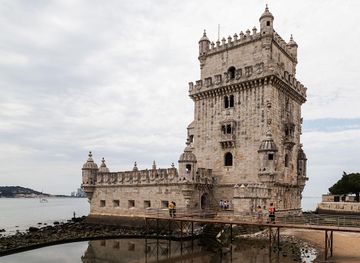
Explore more of Portugal
Discover Portugal: A blend of historic charm, stunning coastlines, and delightful cuisine awaits in this captivating European gem.
Explore Portugal