

Madeira, Portugal Travel Guide
Explore Madeira, the Pearl of the Atlantic, where stunning landscapes, rich culture, and unique adventures await. A perfect year-round destination for nature and wine lovers.
Madeira, an archipelago situated in the North Atlantic Ocean, is often referred to as the 'Pearl of the Atlantic'. This Portuguese region is a haven of natural beauty, with lush green landscapes, volcanic mountains, and a subtropical climate that makes it a year-round destination. The island's capital, Funchal, is a charming city filled with historic sites, vibrant markets, and beautiful gardens. The Laurisilva forest, a UNESCO World Heritage Site, offers hiking trails through ancient, misty woodlands. For adventure seekers, the levadas, which are irrigation channels, provide unique hiking paths that wind through the island's rugged terrain. Madeira is also famous for its wine and cuisine. Visitors can enjoy a glass of the island’s renowned Madeira wine while dining on traditional dishes such as espada com banana (scabbard fish with banana) and bolo do caco (a type of flatbread). The island's festivals, like the Flower Festival and the Madeira Wine Festival, showcase its rich culture and traditions. Nature lovers will appreciate the diverse flora and fauna, including endemic species found nowhere else in the world. The island's coastline offers stunning views and opportunities for whale watching, diving, and exploring hidden coves. Whether you're seeking relaxation or adventure, Madeira provides a perfect blend of both.

Know before you go
Hi, I'm Eve. Here are a few practical things to know before exploring Madeira.
- Best time to visit: Although Madeira is a year-round destination, spring and early summer offer the best weather and floral displays.
- Local transport: Rent a car to explore the island at your own pace, but be prepared for narrow and winding roads.
- Packing essentials: Bring comfortable walking shoes for hiking and exploring, and a light jacket as temperatures can vary.
- Foodie tip: Visit local markets like Mercado dos Lavradores in Funchal for fresh produce and authentic Madeiran flavors.
- Cultural experience: Don’t miss the traditional folklore performances and the vibrant festivals that take place throughout the year.
Explore Madeira: Things to Do, Places to Eat, Hotels & More
Handpicked recommendations for top attractions, local dining, accommodations, and more

Top Attractions & Sightseeing in Madeira
Top-rated picks
Best Attractions

Cabo Girão Skywalk
Discover breathtaking views and thrilling heights at Cabo Girão Skywalk, one of Europe's highest cliffs, in beautiful Madeira.

Monte Palace Madeira
Experience the serene beauty and cultural richness of Monte Palace Madeira, a stunning tourist attraction with breathtaking gardens and panoramic views.
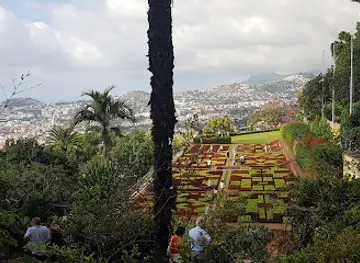
Madeira Botanical Garden
Explore the enchanting Madeira Botanical Garden, a vibrant oasis of unique plants and stunning vistas in the heart of Funchal, Portugal.

Miradouro da Eira do Serrado
Discover the stunning views and serene landscapes at Miradouro da Eira do Serrado, a top scenic spot in Funchal, Madeira.

Best landmarks in Madeira
Top-rated picks
Best Landmarks
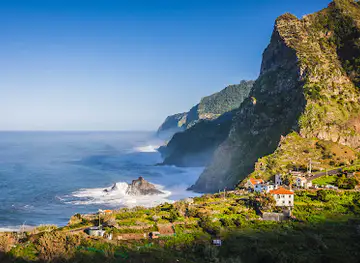
Monte Palace Madeira
Explore the stunning gardens, rich culture, and breathtaking views at Monte Palace Madeira, a must-visit tourist attraction in Funchal.
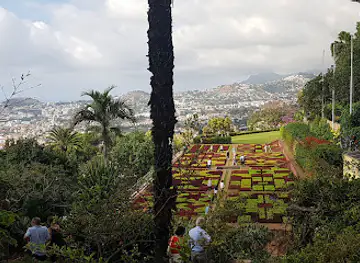
Madeira Botanical Garden
Discover the breathtaking beauty of Madeira Botanical Garden, a paradise of exotic flora and stunning views in the heart of Funchal.
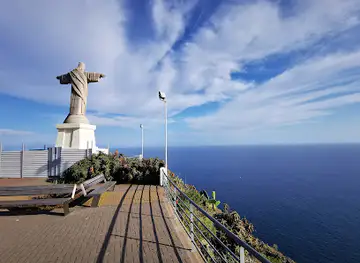
Cristo Rei
Experience the breathtaking views and serene spirituality at Cristo Rei, a magnificent statue in Caniço, Madeira, capturing the essence of faith and nature.

Ruins of St. George
Explore the Ruins of St. George in Sao Jorge, a historical landmark that harmonizes rich heritage with breathtaking ocean views.

Best restaurants in Madeira
Top-rated picks
Best Restaurants

Restaurante Alta Vista
Discover culinary excellence at Restaurante Alta Vista in Funchal Madeira - where stunning views meet authentic Portuguese flavors.

Restaurant & Grill Muralha Terrace
Discover exquisite Portuguese seafood at Restaurant & Grill Muralha Terrace with breathtaking ocean views in Madeira.

Restaurante Casal da Penha
Experience authentic Portuguese cuisine at Restaurante Casal da Penha in Funchal – a must-visit for every food lover exploring Madeira.

A Bica
Discover the heart of Portuguese cuisine at A Bica in Funchal – where every dish tells a story.

Best bars in Madeira
Top-rated picks
Best Bars

Poncha Tavern
Experience the vibrant local culture at Poncha Tavern, where traditional flavors and a welcoming atmosphere create unforgettable moments.

Barreirinha Bar Café
Discover Barreirinha Bar Café, where scenic views and refreshing drinks meet the vibrant atmosphere of Funchal's local culture.

Hole in One
Discover the heart of Funchal's nightlife at Hole in One, where live music and great food create unforgettable evenings.

Bar Castrinhos
Experience the authentic flavors of Madeira at Bar Castrinhos in Funchal, where friendly service meets a cozy atmosphere.

Best nightclubs in Madeira
Top-rated picks
Best Nightclubs

Venda Velha
Experience the vibrant nightlife of Funchal at Venda Velha, a bar known for its unique decor and fantastic music, perfect for all tourists.

Mini Eco Bar
Experience the vibrant nightlife of Funchal at Mini Eco Bar, where innovative cocktails and great music create unforgettable evenings.

23 Vintage Bar
Discover 23 Vintage Bar in Funchal - a lively cocktail bar with a retro vibe, perfect for indulging in expertly crafted cocktails and vibrant nightlife.

GPoint Funchal bar
Discover the vibrant nightlife at GPoint Funchal, a bar that combines cocktails, dancing, and karaoke in an inclusive atmosphere.

Best shops in Madeira
Top-rated picks
Best Shops

Forum Madeira
Discover Forum Madeira, Funchal's premier shopping destination, featuring international brands, local boutiques, and delightful dining options for every taste.

Forum Madeira
Discover an unforgettable shopping experience at Forum Madeira, where luxury meets budget-friendly options in Funchal's vibrant heart.

MadeiraShopping
Discover MadeiraShopping: a shopping mall in Funchal offering a blend of boutiques, local cuisine, and entertainment for an unforgettable experience.

Pingo Doce
Explore Pingo Doce in Funchal for a delightful shopping experience filled with local flavors and international products.

Explore Madeira on the Map
A handpicked selection of must-see spots in Madeira, mapped for you.
Madeira Essentials
-
Madeira is accessible by air with its primary gateway being Cristiano Ronaldo Madeira International Airport (FNC) in Santa Cruz. Direct flights are available from several major European cities. Alternatively, travelers can reach Madeira by sea, with cruise ships frequently docking at the port of Funchal. Ferries also operate between Madeira and the nearby island of Porto Santo.
-
Public transportation in Madeira includes buses operated by several companies, with routes covering most parts of the island. Taxis are readily available and can be hailed on the street or booked in advance. For greater flexibility, consider renting a car, as many of Madeira's scenic spots are best explored by road. Additionally, cable cars offer a unique way to see the island's stunning landscapes.
-
The official currency in Madeira, as in the rest of Portugal, is the Euro (EUR). Credit and debit cards are widely accepted in hotels, restaurants, and shops, but it's advisable to carry some cash for smaller establishments and rural areas. ATMs are plentiful in urban centers such as Funchal.
-
Madeira is generally a safe destination with low crime rates. However, tourists should still exercise standard precautions, such as avoiding poorly lit areas at night and safeguarding personal belongings. Pickpocketing can occur in crowded places, so stay vigilant. There are no specific high-crime neighborhoods targeting tourists.
-
In case of emergency, dial 112, the European emergency number, for police, fire, and medical services. Hospitals and pharmacies are available in Funchal and other main towns. For minor health issues, pharmacies can provide over-the-counter medications. It is advisable to have travel insurance that covers medical emergencies.
-
Fashion: Do dress comfortably but modestly, especially when visiting religious sites. Avoid overly revealing clothing. Religion: Do respect local customs in churches and chapels. Cover your shoulders and knees when entering these sacred places. Public Transport: Do have exact change or a prepaid ticket for buses. Don’t eat or drink on public transport. Greetings: Do greet people with a handshake or a kiss on both cheeks, which is a common practice. Eating & Drinking: Do try local dishes such as espetada and bolo do caco. Don’t rush through meals; dining is a leisurely activity in Madeira.
-
To experience Madeira like a local, visit the Mercado dos Lavradores in Funchal to buy fresh produce and local goods. Take part in traditional festivals such as the Flower Festival and the Wine Festival. Engage with locals who are known for their hospitality and willingness to share stories about their island. For a unique experience, explore the levadas (irrigation channels) by taking a guided hike.
When is the best time to visit Madeira?
Useful Local Phrases for Madeira
You don't need to speak the language perfectly. Even learning a few simple words can make conversations warmer—and locals usually appreciate the effort.
— Eve

Here are the phrases I use most often in Madeira. Try a few—you'll be surprised how far they go! 😊
❤️
-
- HelloOlá
[oh-LAH] - GoodbyeAdeus
[ah-DEH-oos] - YesSim
[seem] - NoNão
[nown] - Please/You're welcomePor favor/De nada
[poor fah-VOR/deh NAH-dah] - Thank youObrigado
[oh-bree-GAH-doo] - Excuse me/SorryDesculpe
[des-KOOL-peh] - How are you?Como está?
[KOH-moo es-TAH] - Fine. And you?Bem. E você?
[BAYM. ee vo-SEH?] - Do you speak English?Você fala inglês?
[vo-SEH FAH-lah een-GLESH?] - I don't understandNão entendo
[nown en-TEN-doo]
- HelloOlá
-
- I'd like to see the menu, pleaseGostaria de ver o menu, por favor
[goh-stah-REE-ah deh vehr oo meh-NOO, poor fah-VOR] - I don't eat meatNão como carne
[nown KOH-moo KAR-nee] - Cheers!Saúde!
[sah-OO-deh] - I would like to pay, pleaseGostaria de pagar, por favor
[goh-stah-REE-ah deh pah-GAR, poor fah-VOR]
- I'd like to see the menu, pleaseGostaria de ver o menu, por favor
-
- Help!Ajuda!
[ah-JOO-dah] - Go away!Vá embora!
[vah em-BOH-rah] - Call the Police!Chame a Polícia!
[SHAH-meh ah poh-LEE-see-ah] - Call a doctor!Chame um médico!
[SHAH-meh oom MEH-dee-co] - I'm lostEstou perdido
[es-TOH pehr-DEE-doo] - I'm illEstou doente
[es-TOH do-EHN-teh]
- Help!Ajuda!
-
- I'd like to buy...Gostaria de comprar...
[goh-stah-REE-ah deh kom-PRAR...] - I'm just lookingEstou só a ver
[es-TOH soh ah vehr] - How much is it?Quanto custa?
[KWAN-toh KOOS-tah?] - That's too expensiveIsso é muito caro
[EE-soh eh MOY-toh KAH-roo] - Can you lower the price?Pode baixar o preço?
[POH-deh bye-SHAR oo PREH-so?]
- I'd like to buy...Gostaria de comprar...
-
- What time is it?Que horas são?
[keh OH-ras sow?] - It's one o'clockÉ uma hora
[eh OO-mah OH-rah] - Half past (10)Dez e meia
[dehz ee MAY-ah] - MorningManhã
[mahn-YAH] - AfternoonTarde
[TAR-deh] - EveningNoite
[NOY-teh] - YesterdayOntem
[ON-tem] - TodayHoje
[OH-zheh] - TomorrowAmanhã
[ah-mahn-YAH] - 1Um
[oom] - 2Dois
[doyz] - 3Três
[trehz] - 4Quatro
[KWAH-tro] - 5Cinco
[SEEN-co] - 6Seis
[says] - 7Sete
[SEH-teh] - 8Oito
[OY-toh] - 9Nove
[NOH-veh] - 10Dez
[dehz]
- What time is it?Que horas são?
-
- Where's a/the...?Onde está um/a...?
[ON-deh es-TAH oom/ah...?] - What's the address?Qual é o endereço?
[kwahl eh oo en-deh-REH-so] - Can you show me (on the map)?Pode me mostrar (no mapa)?
[POH-deh meh mohs-TRAR (no MAH-pah)?] - When's the next (bus)?Quando é o próximo (autocarro)?
[KWAN-do eh oo PROH-see-mo (ow-toh-KAR-ro)?] - A ticket (to ....)Um bilhete (para ...)
[oom bee-LYEH-teh (PAH-rah ...)]
- Where's a/the...?Onde está um/a...?
History of Madeira
-
Madeira was discovered in 1419 by Portuguese explorers João Gonçalves Zarco and Tristão Vaz Teixeira. According to historical records, the island was discovered accidentally when Zarco's ship was driven off course by a storm. The explorers found the island uninhabited and named it 'Madeira,' which means 'wood' in Portuguese, due to its dense forests.
-
By the mid-15th century, Madeira was colonized by the Portuguese. Prince Henry the Navigator played a significant role in the early settlement of the island. Settlers brought with them wheat and sugar cane, which became the primary crops. The island's fertile volcanic soil and favorable climate made it an ideal location for agriculture.
-
During the 15th and 16th centuries, Madeira became a major producer of sugar, often referred to as 'white gold.' The sugar industry attracted merchants and traders from across Europe, particularly from Italy and Flanders. This period of prosperity led to the construction of beautiful manor houses and churches, many of which still stand today.
-
In the 17th century, as the sugar industry declined, Madeira shifted its focus to wine production. The unique climate and volcanic soil contributed to the creation of the world-renowned Madeira wine. The wine gained popularity in Europe and America, even being used to toast the United States Declaration of Independence in 1776.
-
During the Napoleonic Wars, Madeira fell under British control from 1807 to 1814. The British influence had a lasting impact on the island's culture, architecture, and economy. Many British merchants and families settled in Madeira, further boosting the wine industry and establishing a robust trade network.
-
During World War II, Madeira's strategic location in the Atlantic Ocean made it an important point for Allied naval operations. Although the island was not directly involved in combat, it served as a refueling and supply station for Allied forces. This period also saw an influx of refugees and soldiers, adding to the island's diverse cultural tapestry.
-
In the late 20th and early 21st centuries, Madeira has developed into a popular tourist destination known for its natural beauty, vibrant festivals, and rich cultural heritage. The island's economy is now primarily driven by tourism, agriculture, and services. Annual events like the Madeira Flower Festival and New Year's Eve fireworks draw visitors from around the world, making Madeira a must-visit destination.
Neighbouring Regions of Madeira
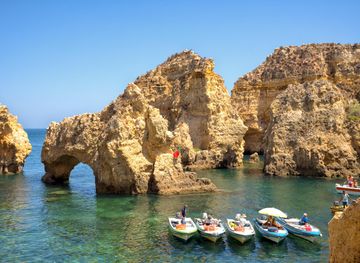
The closest regions to Madeira, if you have time for more than one.


Your all‑in‑one travel companion app
Explore expert travel guides, compare and book tours, experiences, hotels, and more—all from the palm of your hand. Download now for seamless trip planning wherever your wanderlust takes you.


Explore More of Portugal
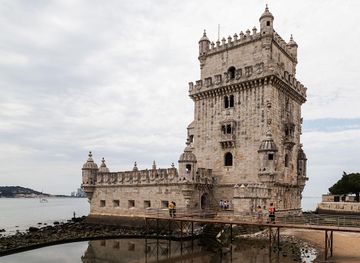
Looking beyond Madeira? Discover Portugal for broader travel guides, local hot-spots, and regional highlights.
Explore PortugalMadeira in Photos
Browse through our photo collection highlighting the charm and character of the destination.

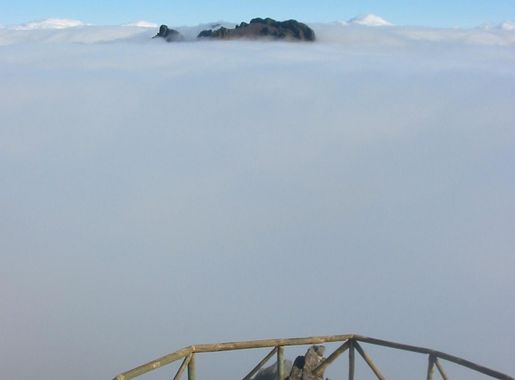


Madeira: The Pearl of the Atlantic
Madeira, an archipelago situated in the North Atlantic Ocean, is often referred to as the 'Pearl of the Atlantic'. This Portuguese region is a haven of natural beauty, with lush green landscapes, volcanic mountains, and a subtropical climate that makes it a year-round destination. The island's capital, Funchal, is a charming city filled with historic sites, vibrant markets, and beautiful gardens. The Laurisilva forest, a UNESCO World Heritage Site, offers hiking trails through ancient, misty woodlands. For adventure seekers, the levadas, which are irrigation channels, provide unique hiking paths that wind through the island's rugged terrain. Madeira is also famous for its wine and cuisine. Visitors can enjoy a glass of the island’s renowned Madeira wine while dining on traditional dishes such as espada com banana (scabbard fish with banana) and bolo do caco (a type of flatbread). The island's festivals, like the Flower Festival and the Madeira Wine Festival, showcase its rich culture and traditions. Nature lovers will appreciate the diverse flora and fauna, including endemic species found nowhere else in the world. The island's coastline offers stunning views and opportunities for whale watching, diving, and exploring hidden coves. Whether you're seeking relaxation or adventure, Madeira provides a perfect blend of both.