

Free Ribatejo Travel Guide & Mobile App
Explore Ribatejo with free travel guides. Discover regional history, expert tips, proposed trips, and audio guides on web or mobile app.


Explore Ribatejo's Tagus landscapes, medieval towns, horse culture, vineyards and generous regional cuisine close to central Portugal.
Read more about Ribatejo
When is the best time to visit Ribatejo?
Best: May–June, September · 26–30°C| Month | High (°C) | Rainfall (mm) |
|---|---|---|
| January | 16 | 90 |
| February | 17 | 81 |
| March | 20 | 69 |
| April | 22 | 53 |
| May (best) | 26 | 44 |
| June (best) | 30 | 20 |
| July | 33 | 4 |
| August | 33 | 7 |
| September (best) | 30 | 35 |
| October | 25 | 81 |
| November | 19 | 109 |
| December | 16 | 114 |
Getting to and around Ribatejo
How to get there
Transportation
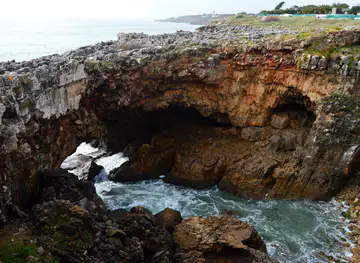
Top city travel guides in Ribatejo
The cities of Ribatejo, and the easiest places to base yourself.
-

-

-
-

-

-


Swipe for more cities
Destinations in Ribatejo
Resorts, valleys and scenic spots worth a trip of their own.
-

-

-

-

-

-


Swipe for more destinations
Best attractions in Ribatejo
Ribatejo's attractions follow the Tagus and the agricultural landscapes that surround it. Santarém offers a concentrated programme of historic churches, museums, viewpoints and urban archaeology, while Tomar brings together the castle and Convent of Christ with a well-preserved historic centre and riverside setting. Golegã is the region's principal equestrian destination, particularly during its November horse fair, and the surrounding towns provide insight into horse breeding and agricultural traditions. The broad floodplain is suited to birdwatching, walking, cycling and photography, with the river, reedbeds, pasture and cultivated fields changing character according to season and water level. Vineyards around Cartaxo, food traditions in Almeirim and the cork landscapes near Coruche add rural experiences rather than conventional sightseeing. River activities, including canoeing and gentle boat excursions where available, are best arranged with local providers and checked against conditions. Ribatejo is less about a single blockbuster attraction than about linking historic hill towns, working landscapes, equestrian culture, food and the changing ecology of the Tagus basin.
-
Basilica
Sanctuary of Our Lady of Fátima
Experience the serenity and spiritual richness of the Sanctuary of Our Lady of Fátima, a world-renowned pilgrimage site steeped in history and faith.
-
Monastery
Batalha Monastery
Explore the breathtaking Batalha Monastery, a stunning Gothic monument and UNESCO World Heritage Site, rich in history and architectural grandeur.
-
Basilica of the Most Holy Trinity
Explore the Basilica of the Most Holy Trinity in Fátima, a modern architectural gem and a center of pilgrimage that embodies peace and spirituality.
-
Church
Convent of Christ
Explore the Convent of Christ in Tomar, a UNESCO World Heritage Site showcasing stunning architecture and rich history of the Knights Templar.


Best landmarks in Ribatejo
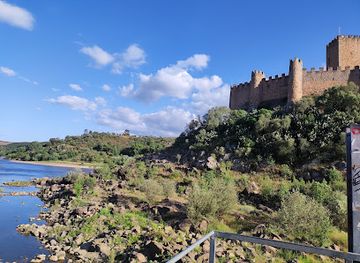
The most recognisable landmark in Ribatejo is the skyline of Santarém, where the old town stands above the Tagus plain and includes important Gothic and medieval religious buildings. The Igreja de Santa Maria da Graça, with its connection to the Portuguese Gothic tradition, and the Igreja do Santíssimo Milagre are among the historic structures that give the town its architectural weight. In Tomar, the castle and Convent of Christ form a major fortified and religious complex whose Templar origins and later expansions make it one of the region's defining monuments. The castle at Almourol, on a small island in the Tagus near Vila Nova da Barquinha, is another striking medieval landmark in the wider Ribatejo cultural landscape, though access arrangements can vary. Beyond built heritage, the Tagus floodplain itself is a defining geographical landmark: its open fields, drainage channels, reedbeds and raised river margins explain the region's agricultural history and distinctive views. Golegã's association with horses and the whitewashed architecture of its equestrian townscape provide a more living, cultural form of landmark.
-
Castle
Almourol Castle
Explore Almourol Castle, a stunning medieval fortress on an island in the Tagus River, showcasing Portugal's rich history and breathtaking landscapes.
-
Ecological park
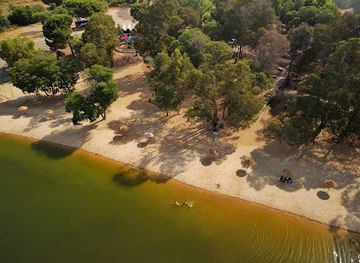
Parque Ecológico do Gameiro
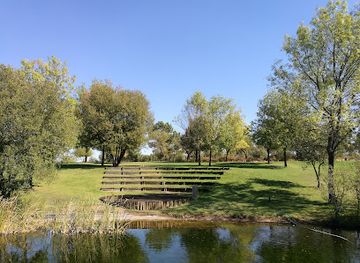
Explore the natural beauty and diverse ecosystems of Parque Ecológico do Gameiro, a serene ecological park in Cabeção, Portugal, perfect for nature lovers.
-
Castle
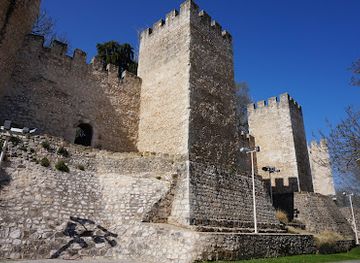
Castle Torres Novas
Discover the enchanting Castle of Torres Novas, a historical landmark offering stunning views and a glimpse into Portugal's medieval past.
-
Park
Environmental Park of Santa Margarida
Explore the Environmental Park of Santa Margarida, a serene haven of biodiversity and natural beauty in Portugal, featuring lush landscapes and a captivating butterfly garden.
Explore Ribatejo on the map
Plan your trip on one map. See where the top cities, national parks and sights are, and book hotels and experiences in a few clicks.
Best hotels in Ribatejo
Best restaurants in Ribatejo
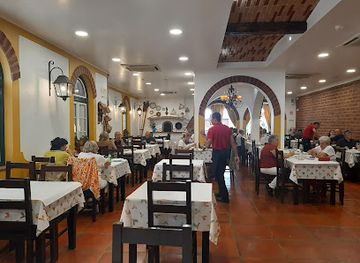
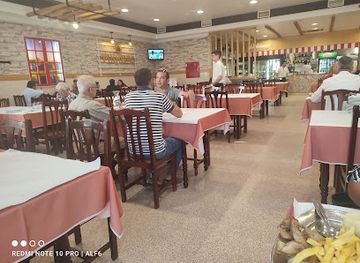
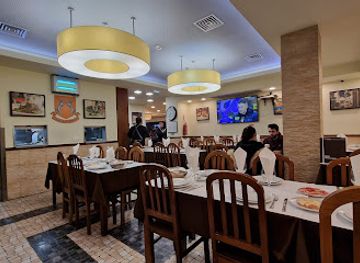
Ribatejo's food reflects the fertility of the Tagus plain and the hearty cooking of central Portugal. Regional menus commonly feature dishes such as sopa da pedra, a substantial bean and meat soup associated with Almeirim, as well as roast meats, stews, river fish, açorda, rice dishes and seasonal vegetables. Melons, tomatoes, olives, olive oil and vineyard produce are important local ingredients, while wines from the Tejo wine region provide a natural accompaniment to meals. In Santarém and the larger market towns, visitors will find traditional restaurants, cafés, pastry shops and more contemporary dining rooms; in rural areas, family-run establishments and local inns often follow simpler, generous menus. Bakers and convent-style sweet shops are useful stops in historic towns, although recipes and specialities vary from place to place. Markets and food fairs can reveal more about the region's produce than formal tasting rooms, particularly during harvest and agricultural festival seasons.
-
Restaurant
O Forno
Experience authentic Portuguese cuisine at O Forno in Almeirim, home of the famed 'sopa da Pedra' and delightful local dishes.
-
Restaurant
O Pinheiro
Experience authentic Portuguese flavors at O Pinheiro in Almeirim – where tradition meets affordability in every delicious bite.
-
Portuguese
O Cantinho da Adanaia
Experience authentic Portuguese flavors at O Cantinho da Adanaia in Alverca do Ribatejo, where every dish tells a story.
-
Restaurant
Taberna do Quinzena
Discover authentic Ribatejo cuisine at Taberna do Quinzena in Santarém, where every dish celebrates Portugal's rich culinary heritage.
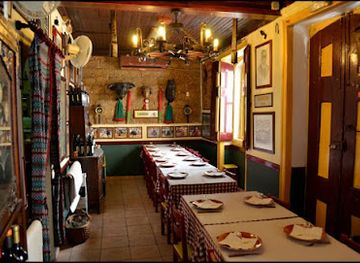
Best bars in Ribatejo
Evening life in Ribatejo is generally social and town-centred rather than built around large clubs. Santarém has the broadest selection of cafés, wine bars, restaurants and small live-music venues, with activity concentrated around the historic centre and central streets. In towns such as Almeirim, Cartaxo and Golegã, evenings commonly revolve around cafés, traditional Portuguese restaurants, local bars and seasonal events. Rural nightlife is quieter, with village cafés and festas providing the main occasions for meeting friends and neighbours. Wine from the Tejo region appears in many local establishments, alongside Portuguese beer and non-alcoholic drinks, but visitors do not need to drink alcohol to participate in the region's evening culture. During agricultural fairs, religious celebrations and equestrian events, public spaces may stay active later than usual, although temporary arrangements and entertainment programmes change from year to year.
-
Restaurant
Casa Plátano restaurante
Experience the authentic taste of Portugal at Casa Plátano, where traditional cuisine meets a welcoming atmosphere in the heart of Fátima.
-
Tapas Bar
Pitoresco
Experience the vibrant flavors of Pitoresco, a top tapas bar in Tancos, where every bite tells a story and riverside views enhance your dining experience.
-
Bar
Trampolim Tapas Bar
Experience the vibrant atmosphere and exquisite flavors of Trampolim Tapas Bar in Torres Novas, Portugal, a must-visit destination for tapas lovers.
-
Bar
The Celta Pub
Discover The Celta Pub in Entroncamento, where lively atmosphere meets local charm, ideal for unwinding with friends or enjoying vibrant nightlife.

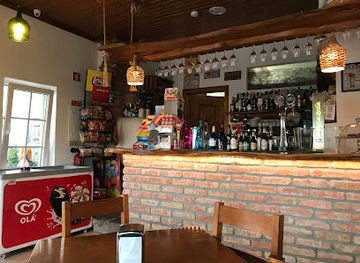
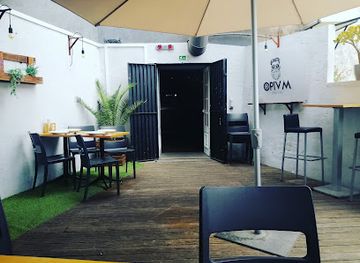
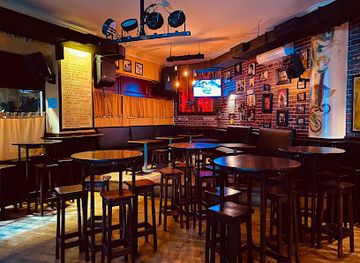
Best nightclubs in Ribatejo
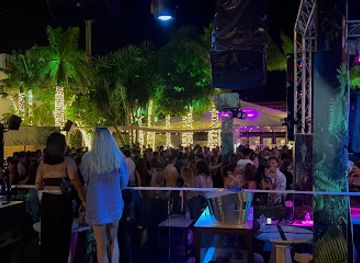
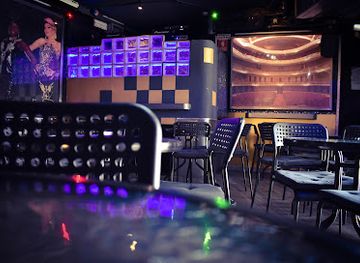
Evening life in Ribatejo is generally social and town-centred rather than built around large clubs. Santarém has the broadest selection of cafés, wine bars, restaurants and small live-music venues, with activity concentrated around the historic centre and central streets. In towns such as Almeirim, Cartaxo and Golegã, evenings commonly revolve around cafés, traditional Portuguese restaurants, local bars and seasonal events. Rural nightlife is quieter, with village cafés and festas providing the main occasions for meeting friends and neighbours. Wine from the Tejo region appears in many local establishments, alongside Portuguese beer and non-alcoholic drinks, but visitors do not need to drink alcohol to participate in the region's evening culture. During agricultural fairs, religious celebrations and equestrian events, public spaces may stay active later than usual, although temporary arrangements and entertainment programmes change from year to year.
-
Night club
LuxFrágil
Discover the electrifying nightlife of Lisbon at LuxFrágil, a premier night club featuring thrilling music and stunning riverside views.
-
Night club
Lust in Rio
Dive into the lively nightlife at Lust in Rio, Lisbon's premier night club featuring great music, cocktails, and an electric atmosphere.
-
Disco club
Seven Discoteca
Discover the dynamic nightlife of Torres Novas at Seven Discoteca – a premier spot for unforgettable music and dance experiences.
-
Gay night club
Finalmente Club
Discover the lively atmosphere of Finalmente Club, Lisbon's iconic gay night club with fabulous drag shows and exquisite cocktails.


Best shops in Ribatejo
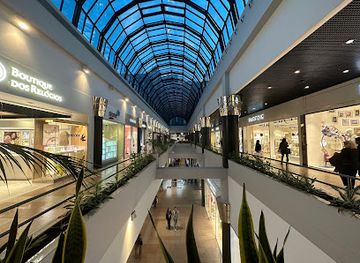
Shopping in Ribatejo is strongest in traditional market towns rather than large luxury retail centres. Santarém combines a conventional commercial centre with independent shops, bookshops, food stores and stalls selling regional products, while Cartaxo and Almeirim are useful for wine, food and everyday local shopping. Town markets and farmers' stalls may offer fruit, vegetables, bread, olive oil, preserves and seasonal produce, although market days differ and should be checked locally. Golegã is associated with equestrian goods, leatherwork and horse-related craft, particularly during its major annual fair. Specialist wine shops and producers around the Tejo wine area can provide bottles for travellers who have suitable luggage and a plan for transport. Other worthwhile purchases include cork goods, regional ceramics, woven items and traditional sweets, with quality and provenance varying between shops. In smaller villages, opening patterns can be limited outside market or festival periods, so do not rely on rural shopping for last-minute essentials.
-
Shopping mall
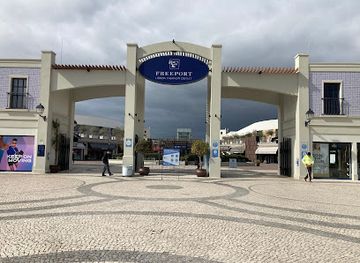
Freeport Fashion Outlet
Shop luxury and high-street brands at amazing prices in the stunning Freeport Fashion Outlet, a must-visit shopping destination in Alcochete, Portugal.
-
Shopping mall
Strada Outlet
Discover unbeatable deals and top brands at Strada Outlet, Odivelas' premier shopping destination, ideal for all styles and budgets.
-
Shopping mall
Amoreiras
Explore Amoreiras, Lisbon's bustling shopping mall, featuring global brands, delightful dining, and entertainment options for every visitor.
-
Tourist attraction
Mira de Aire Cave
Discover the stunning Mira de Aire Cave, Portugal's largest cave system, featuring breathtaking formations and an enchanting underground world.


Get your free copy of our complete guide to Ribatejo, delivered straight to you.
Everything on this page, from attractions and restaurants to essentials and local phrases, in one PDF you can read offline, print or share.
Already have an account? Sign in
Your Ribatejo guide is ready.
We'll send it to · Not you? Sign out

Getting your guide ready…
We are putting together a fresh copy of the Ribatejo guide. This can take up to a minute.
This can take a few moments. If your browser asks, choose Allow so the download can start. You'll find the guide in your Downloads folder.
Nothing happened? Download it again
Sorry, the guide is taking longer than usual. Please try again in a minute, or get it by email instead.
Ribatejo essentials
Currency and Payment
Safety
Emergency Situations
Do's and Don'ts
Local Tips
From Eve
Local phrases worth knowing
You don't need to get them perfect. A few words go a long way, and locals appreciate the effort.
Basics
| English | Local | Say it |
|---|---|---|
| Hello | Olá | [oh-LAH] |
| Goodbye | Adeus | [ah-DAY-oos] |
| Yes | Sim | [seem] |
| No | Não | [now] |
| Please/You're welcome | Por favor | [por fah-VOR] |
| Thank you | Obrigado | [oh-bree-GAH-doo] |
| Excuse me/Sorry | Desculpe | [des-KOOL-peh] |
| How are you? | Como está? | [KOH-moo es-TAH] |
| Fine. And you? | Bem. E você? | [BAYM. ee vo-SEH] |
| Do you speak English? | Você fala inglês? | [vo-SEH FAH-lah een-GLESH] |
| I don't understand | Não entendo | [now en-TEN-doo] |
Eating & Drinking
| English | Local | Say it |
|---|---|---|
| I'd like to see the menu, please | Gostaria de ver o menu, por favor | [goh-stah-REE-ah deh vehr oo meh-NOO, por fah-VOR] |
| I don't eat meat | Eu não como carne | [ay oo now-KOH moh-KAR-nee] |
| Cheers! | Saúde! | [sah-OO-deh] |
| I would like to pay, please | Gostaria de pagar, por favor | [goh-stah-REE-ah deh pah-GAHR, por fah-VOR] |
Emergencies
| English | Local | Say it |
|---|---|---|
| Help! | Ajuda! | [ah-ZHOO-dah] |
| Go away! | Vá embora! | [vah em-BOH-rah] |
| Call the Police! | Chame a polícia! | [SHAH-meh ah poh-LEE-see-ah] |
| Call a doctor! | Chame um médico! | [SHAH-meh oom MED-ee-coo] |
| I'm lost | Estou perdido | [es-TOH per-DEE-doo] |
| I'm ill | Estou doente | [es-TOH doh-EHN-teh] |
Shopping
| English | Local | Say it |
|---|---|---|
| I'd like to buy... | Gostaria de comprar... | [goh-stah-REE-ah deh kohm-PRAR] |
| I'm just looking | Estou só a olhar | [es-TOH so ah oh-YAR] |
| How much is it? | Quanto custa? | [KWAN-toh KOOS-tah] |
| That's too expensive | Isso é muito caro | [EE-so eh MOON-toh KAH-roo] |
| Can you lower the price? | Você pode baixar o preço? | [vo-SEH POH-jee bye-SHAHR oo PREH-soo] |
Time & Numbers
| English | Local | Say it |
|---|---|---|
| What time is it? | Que horas são? | [keh OH-ras sah-OHN] |
| It's one o'clock | É uma hora | [eh OO-mah OH-rah] |
| Half past (10) | Meia hora | [MAY-ah OH-rah] |
| Morning | Manhã | [mahn-YAH] |
| Afternoon | Tarde | [TAR-deh] |
| Evening | Noite | [NOY-teh] |
| Yesterday | Ontem | [ON-tem] |
| Today | Hoje | [OH-zhay] |
| Tomorrow | Amanhã | [ah-mahn-YAH] |
| 1 | Um | [oom] |
| 2 | Dois | [doysh] |
| 3 | Três | [traysh] |
| 4 | Quatro | [KWAH-tro] |
| 5 | Cinco | [SEEN-coo] |
| 6 | Seis | [saysh] |
| 7 | Sete | [SEH-teh] |
| 8 | Oito | [OY-toh] |
| 9 | Nove | [NOH-veh] |
| 10 | Dez | [DEZ] |
Transport & Directions
| English | Local | Say it |
|---|---|---|
| Where's a/the...? | Onde está um/a...? | [ON-deh es-TAH oom/ah] |
| What's the address? | Qual é o endereço? | [kwal eh oo en-deh-REH-soo] |
| Can you show me (on the map)? | Pode mostrar-me (no mapa)? | [POH-jee mohs-TRAR-meh (no MAH-pah)] |
| When's the next (bus)? | Quando é o próximo (autocarro)? | [KWAN-do eh oo PROH-seem-oh (ow-toh-KAHR-roo)] |
| A ticket (to ....) | Um bilhete (para....) | [oom bee-YEH-tay (PAH-rah....)] |
History of Ribatejo
Prehistoric Tagus Settlements
The Tagus basin has supported human settlement since prehistoric times, benefiting from water, fertile soils, fish and natural routes through central Portugal. Archaeological evidence from the wider Santarém and Tagus valley area includes settlements and artefacts connected with communities that farmed, traded and used the river long before Portugal existed as a kingdom. The landscape was never simply empty countryside: floodplain and upland zones offered different resources, while the river linked inland communities with the lower Tagus and the Atlantic. This long relationship between settlement and river remains fundamental to Ribatejo's geography.
Scallabis and Roman Agriculture
The Romans established a significant settlement at Scallabis, on the site of present-day Santarém, taking advantage of the hill's commanding position above the Tagus. The town formed part of the communications network connecting Lusitania with the lower river and other parts of the Iberian Peninsula. Roman rule brought roads, administrative organisation and more intensive agricultural production, including the management of estates and the movement of goods along the river. Later centuries altered the settlement, but Santarém's elevated position and strategic importance continued to reflect foundations laid during the Roman period.
Medieval Frontier and the Capture of Santarém
During the medieval period, the Tagus valley stood near the shifting frontier between Muslim-ruled territories and the expanding Christian kingdom of Portugal. Santarém was captured by Afonso Henriques in 1147, shortly before the conquest of Lisbon, and became an important royal town. The region's strategic value encouraged the construction and reinforcement of fortifications, religious houses and settlements along routes leading towards the interior. Medieval Ribatejo was therefore shaped by both conflict and colonisation, with Christian institutions, agriculture and river commerce developing around older urban and rural foundations.
Templars, Tomar and the Order of Christ
Tomar became one of the most important centres of the Knights Templar in Portugal after the order received lands in the region during the twelfth century. The castle and the Charola, a distinctive round church, formed the core of a powerful religious and military complex. After the suppression of the Templars, their Portuguese possessions passed to the Order of Christ, which continued to influence the town and its surrounding territory. The Convent of Christ, expanded over several centuries, preserves this layered history and later reflects the wealth generated during Portugal's maritime expansion.
The Tagus as a Commercial and Agricultural Route
From the early modern period into the nineteenth century, the Tagus connected Ribatejo's farms and market towns with Lisbon. Grain, wine, olive oil, timber, livestock and other agricultural goods moved through a landscape shaped by estates, tenant farming, river transport and seasonal labour. Towns such as Santarém developed as regional commercial centres, while the fertile lezíria supported crops and pasture. The river could also flood with destructive force, making embankments, drainage and land management continuing concerns. Ribatejo's agricultural identity was therefore both productive and dependent on careful adaptation to the Tagus.
Railways, Wine and Modern Regional Identity
The arrival of railways in the nineteenth century strengthened links between Ribatejo, Lisbon and northern Portugal, accelerating the movement of agricultural produce and people. Wine became particularly important around Cartaxo and other areas of the Tagus basin, while rice, horticulture, livestock and cork remained central to different local economies. In the twentieth century, equestrian fairs, agricultural exhibitions and traditions associated with rural life helped define Ribatejo's public image. Today the region combines mechanised farming, food and wine production, heritage tourism and a continuing cultural attachment to horses and the floodplain.
Ribatejo in Photos
Browse through our photo collection highlighting the charm and character of the destination.
Neighbouring regions of Ribatejo
The closest regions to Ribatejo, if you have time for more than one.
-

-

-

-

-


Swipe for more regions
Explore more
Explore more of Portugal
Discover Portugal: A blend of historic charm, stunning coastlines, and delightful cuisine awaits in this captivating European gem.
Explore Portugal