

Free Minho Travel Guide & Mobile App
Explore Minho with free travel guides. Discover regional history, expert tips, proposed trips, and audio guides on web or mobile app.


Explore Minho in northern Portugal for historic Braga and Guimarães, Atlantic Viana do Castelo, Vinho Verde vineyards and green mountain valleys.
Read more about Minho
When is the best time to visit Minho?
Best: June–July, September · 25–29°C| Month | High (°C) | Rainfall (mm) |
|---|---|---|
| January | 14 | 150 |
| February | 15 | 120 |
| March | 18 | 100 |
| April | 19 | 80 |
| May | 21 | 60 |
| June (best) | 25 | 40 |
| July (best) | 29 | 20 |
| August | 30 | 20 |
| September (best) | 26 | 50 |
| October | 22 | 90 |
| November | 17 | 120 |
| December | 14 | 140 |
Getting to and around Minho
How to get there
Transportation
Top city travel guides in Minho
The cities of Minho, and the easiest places to base yourself.
-

-

-

-

-

-


Swipe for more cities
Destinations in Minho
Resorts, valleys and scenic spots worth a trip of their own.
-

-


Swipe for more destinations
Best attractions in Minho
Minho offers a varied collection of attractions spread across cities, valleys, coast and mountains. Braga’s cathedral, Roman heritage and hillside sanctuaries provide a strong introduction to the region’s religious and architectural history, while Guimarães combines the castle, Palace of the Dukes of Braganza and medieval streets with museums and cultural venues. Viana do Castelo adds maritime history, craft traditions and Atlantic beaches. Smaller historic towns such as Ponte de Lima, Barcelos, Monção and Melgaço are useful bases for exploring market squares, bridges, fortifications and wine country. The coast supports beach walks, birdwatching and watersports, while the inland areas offer river trails, cycling, vineyard visits and rural landscapes. The Minho-facing landscapes of Peneda-Gerês bring mountain walking, granite villages, wooded valleys and traditional agricultural scenery, although some areas require a car and careful route planning. Local museums, craft workshops and seasonal religious celebrations add cultural depth beyond the headline monuments.
-
Bridge
Luís I Bridge
Discover the breathtaking beauty of Porto's Luís I Bridge, a stunning architectural masterpiece and a must-visit tourist attraction.
-
Stadium
Estádio do Dragão
Discover the heart of Portuguese football at Estádio do Dragão, home of FC Porto, where passion and history converge in a spectacular stadium experience.
-
Garden
Jardins do Palácio de Cristal
Discover the enchanting Jardins do Palácio de Cristal in Porto, where stunning landscapes meet rich history, perfect for relaxation and exploration.
-
Book store
Livraria Lello
Explore Livraria Lello, Porto's stunning bookstore that marries breathtaking architecture with a rich literary history, captivating visitors from around the world.


Best landmarks in Minho
Braga Cathedral is one of Minho’s defining architectural landmarks, representing the city’s long ecclesiastical importance through a complex history of Romanesque, Gothic, Manueline and Baroque additions. Above Braga, the monumental staircase and church of Bom Jesus do Monte form a celebrated hillside composition of chapels, steps, fountains and woodland. In Guimarães, the medieval castle and the Palace of the Dukes of Braganza recall the political history associated with the emergence of Portugal, while the historic centre’s granite houses and arcades retain a coherent urban character. Viana do Castelo is dominated by the Basilica of Santa Luzia, whose hilltop position overlooks the town, estuary and Atlantic coast. Ponte de Lima’s historic bridge is a powerful symbol of the Lima valley and its long role as a crossing point. Along the northern frontier, the fortifications of Valença and Monção express the strategic importance of the border, while village churches, manor houses and granite farm buildings give the rural landscape its distinctive visual identity.
-
Monument
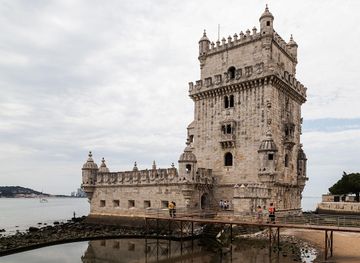
Belém Tower
Discover the rich maritime history of Portugal at the iconic Belém Tower, a stunning monument and UNESCO World Heritage site in Lisbon.
-
 Tourist attraction
Cabo da Roca
Explore Cabo da Roca, the westernmost point of Europe, featuring stunning cliffs, historical landmarks, and breathtaking ocean views.
-
Monastery
Jerónimos Monastery
Discover the architectural splendor and historical significance of Jerónimos Monastery, a UNESCO World Heritage site in Lisbon, Portugal.
-
Religious destination
Bom Jesus do Monte
Discover the spiritual and architectural beauty of Bom Jesus do Monte, a stunning baroque sanctuary in Portugal with breathtaking views and serene gardens.


Explore Minho on the map
Plan your trip on one map. See where the top cities, national parks and sights are, and book hotels and experiences in a few clicks.
Best hotels in Minho
Best restaurants in Minho
Minho’s cooking is rooted in farm produce, Atlantic fishing and the substantial meals of northern Portugal. Menus commonly include caldo verde, cod in several regional preparations, roast pork, chicken, sausages, rice dishes and hearty stews, with recipes varying between coast, city and countryside. In the Lima valley, visitors may encounter arroz de sarrabulho and rojões, traditionally associated with northern cuisine, while Viana do Castelo and other coastal towns offer fish and seafood. Green cabbage, beans, potatoes and locally produced meats remain important ingredients. Vinho Verde accompanies many meals, with Alvarinho from Monção and Melgaço offering a richer and more aromatic style than some lighter coastal wines. Bakeries and convent-influenced pastry shops provide regional sweets, and markets are good places to find bread, honey, cheese, fruit and cured products. Dining ranges from simple cafés and family restaurants to polished contemporary kitchens in the larger towns.
-
Cafe
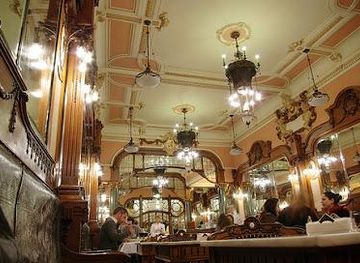
Majestic Café
Belle Époque elegance preserved in marble and memory, where Porto's golden age lives on in every detail.
-
Restaurant
Maus Hábitos
Alternative cultural hub serving Mediterranean cuisine with vibrant nightlife in Porto's creative heart.
-
Restaurant
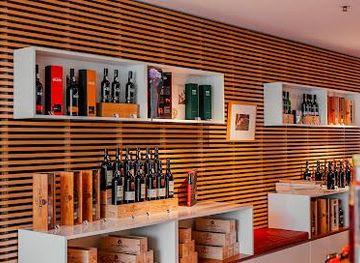
Espaço Porto Cruz
Modern Port wine haven in Gaia with immersive tastings, DeCastro Gaia dining, and epic Douro rooftop views fusing heritage, gastronomy, and culture.
-
Concert hall
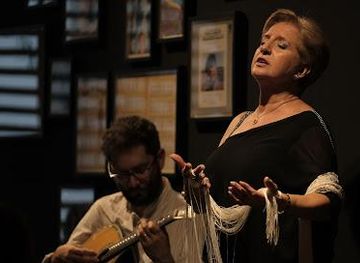
Ideal Clube de Fado
Authentic Fado tradition in an intimate Porto tavern where pure emotion transcends language.

Best bars in Minho
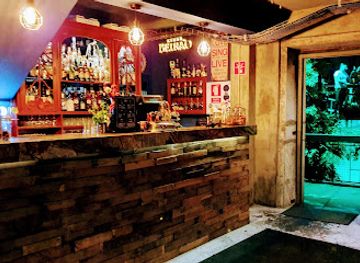
Evening life in Minho is centred more on cafés, wine bars, traditional tascas, restaurants and pubs than on a large club circuit. Braga has the broadest urban choice, with student life contributing to a later and more varied evening scene, while Guimarães combines bars around its historic centre with cultural programming and live music. Viana do Castelo has relaxed places for drinks and dinner, with a stronger coastal atmosphere during the warmer months. In smaller towns such as Ponte de Lima, Monção and Melgaço, evenings tend to focus on local restaurants, cafés, village festas and establishments serving regional wine. Rural areas become quiet earlier, although summer celebrations can bring music and communal gatherings to village squares. Visitors should treat wine and spirits as one part of the region’s food culture rather than the main purpose of the evening.
-
Bar
SETRA Urban & Cocktail Bar
Experience Braga's nightlife at SETRA Urban & Cocktail Bar, where innovative cocktails meet a vibrant atmosphere, perfect for socializing.
-
Cocktail bar
Terraplana Café
Discover the unique blend of cocktails and pizza at Terraplana Café, a culinary gem in Porto's vibrant nightlife.
-
Wine bar
Wine Quay Bar
Discover the essence of Porto's wine culture at Wine Quay Bar, offering stunning river views and an exquisite selection of wines.
-
Bar
Sogra
Experience the charm of Sogra in Lovelhe, a riverside bar offering local drinks, stunning views, and a vibrant atmosphere perfect for tourists.


Best nightclubs in Minho
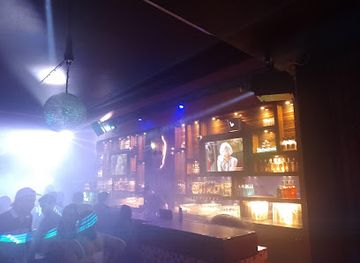
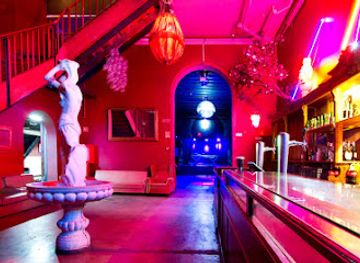
Evening life in Minho is centred more on cafés, wine bars, traditional tascas, restaurants and pubs than on a large club circuit. Braga has the broadest urban choice, with student life contributing to a later and more varied evening scene, while Guimarães combines bars around its historic centre with cultural programming and live music. Viana do Castelo has relaxed places for drinks and dinner, with a stronger coastal atmosphere during the warmer months. In smaller towns such as Ponte de Lima, Monção and Melgaço, evenings tend to focus on local restaurants, cafés, village festas and establishments serving regional wine. Rural areas become quiet earlier, although summer celebrations can bring music and communal gatherings to village squares. Visitors should treat wine and spirits as one part of the region’s food culture rather than the main purpose of the evening.
-
Disco club
Lustre
Discover the electrifying nightlife of Braga at Lustre, a lively disco club offering great music, drinks, and a vibrant atmosphere.
-
Night club
Moreclub, Lda.
Dive into Porto's vibrant nightlife at Moreclub, Lda. - dance, socialize, and enjoy unforgettable nights in a modern club atmosphere.
-
Night club
Plano B
Discover the vibrant nightlife of Porto at Plano B, a unique fusion of night club, art gallery, and concert hall.
-
Night club
The View
Discover the vibrant nightlife at The View, a premier night club in Vila Nova de Gaia offering stunning views, great music, and an unforgettable atmosphere.


Best shops in Minho
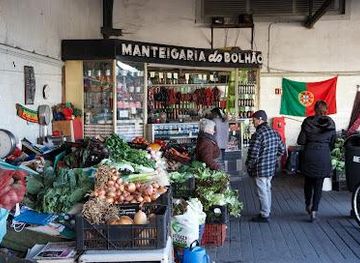
Shopping in Minho is strongest in historic town centres, traditional market towns and specialist food and craft outlets rather than in a single regional retail district. Braga and Guimarães provide the widest range of independent shops, department stores, bookshops, fashion retailers and contemporary design, while Viana do Castelo is particularly associated with regional jewellery, embroidery and the gold filigree tradition of northern Portugal. Barcelos is known for its long-standing market culture and ceramics, with colourful clay figures and pottery among the products associated with the town. In smaller towns, look for local honey, preserves, cheese, cured foods, woven goods and bottles from Vinho Verde producers. Monção and Melgaço are natural places to compare Alvarinho wines, though purchases should be packed carefully for travel. Weekly markets vary by town and date, so local tourist offices or municipal information points are useful for confirming current arrangements.
-
Shopping mall
NorteShopping
Discover NorteShopping, Senhora da Hora's premier shopping mall with diverse shops, dining, and entertainment for the perfect day out.
-
Market
Mercado do Bolhão
Explore Mercado do Bolhão, the heart of Porto's culinary scene, where fresh local produce and artisanal goods come together in a vibrant market atmosphere.
-
Shopping mall
Braga Parque
Discover Braga Parque, a premier shopping destination in Braga, Portugal, offering a diverse range of shops, dining, and entertainment options.
-
Shopping mall
ViaCatarina Shopping
Explore the best of shopping, dining, and entertainment at ViaCatarina Shopping, Porto's vibrant retail hub filled with local charm.



Get your free copy of our complete guide to Minho, delivered straight to you.
Everything on this page, from attractions and restaurants to essentials and local phrases, in one PDF you can read offline, print or share.
Already have an account? Sign in
Your Minho guide is ready.
We'll send it to · Not you? Sign out

Getting your guide ready…
We are putting together a fresh copy of the Minho guide. This can take up to a minute.
This can take a few moments. If your browser asks, choose Allow so the download can start. You'll find the guide in your Downloads folder.
Nothing happened? Download it again
Sorry, the guide is taking longer than usual. Please try again in a minute, or get it by email instead.
Minho essentials
Currency and Payment
Safety
Emergency Situations
Do's and Don'ts
Local Tips
From Eve
Local phrases worth knowing
You don't need to get them perfect. A few words go a long way, and locals appreciate the effort.
Basics
| English | Local | Say it |
|---|---|---|
| Hello | Olá | [oh-LAH] |
| Goodbye | Adeus | [ah-DEH-oos] |
| Yes | Sim | [seem] |
| No | Não | [now] |
| Please/You're welcome | Por favor/De nada | [poor fah-VOR/deh NAH-dah] |
| Thank you | Obrigado/Obrigada | [oh-bree-GAH-do/oh-bree-GAH-dah] |
| Excuse me/Sorry | Desculpe | [deh-SKOOL-peh] |
| How are you? | Como está? | [KOH-moo es-TAH] |
| Fine. And you? | Bem. E você? | [BANG. Eh vo-SEH] |
| Do you speak English? | Você fala inglês? | [vo-SEH FAH-lah een-GLEZ] |
| I don't understand | Não entendo | [now en-TEN-do] |
Eating & Drinking
| English | Local | Say it |
|---|---|---|
| I'd like to see the menu, please | Gostaria de ver o menu, por favor | [goh-stah-REE-ah deh vehr oo meh-NOO, poor fah-VOR] |
| I don't eat meat | Não como carne | [now KOH-moo KAR-nee] |
| Cheers! | Saúde! | [sah-OO-deh] |
| I would like to pay, please | Gostaria de pagar, por favor | [goh-stah-REE-ah deh pah-GAR, poor fah-VOR] |
Emergencies
| English | Local | Say it |
|---|---|---|
| Help! | Socorro! | [so-KOH-roh] |
| Go away! | Vai embora! | [vai em-BOH-rah] |
| Call the Police! | Chame a Polícia! | [SHAH-meh ah poh-LEE-syah] |
| Call a doctor! | Chame um médico! | [SHAH-meh oom MEH-dee-co] |
| I'm lost | Estou perdido | [es-TOH per-DEE-do] |
| I'm ill | Estou doente | [es-TOH do-EHN-te] |
Shopping
| English | Local | Say it |
|---|---|---|
| I'd like to buy... | Gostaria de comprar... | [goh-stah-REE-ah deh com-PRAR] |
| I'm just looking | Estou apenas a ver | [es-TOH ah-PEN-as ah vehr] |
| How much is it? | Quanto custa? | [KWAN-toh KOOS-tah] |
| That's too expensive | É muito caro | [eh MOY-toh KAH-roh] |
| Can you lower the price? | Pode baixar o preço? | [POH-deh bye-SHAHR oo PREH-soh] |
Time & Numbers
| English | Local | Say it |
|---|---|---|
| What time is it? | Que horas são? | [keh OH-ras sow] |
| It's one o'clock | É uma hora | [eh OO-mah OH-rah] |
| Half past (10) | Às dez e meia | [ahs DEZ ee MAY-ah] |
| Morning | Manhã | [mahn-YAH] |
| Afternoon | Tarde | [TAR-deh] |
| Evening | Noite | [NOY-teh] |
| Yesterday | Ontem | [ON-tem] |
| Today | Hoje | [OH-zhee] |
| Tomorrow | Amanhã | [ah-mahn-YAH] |
| 1 | Um | [oom] |
| 2 | Dois | [doyz] |
| 3 | Três | [trez] |
| 4 | Quatro | [KWAH-troh] |
| 5 | Cinco | [SEEN-koh] |
| 6 | Seis | [says] |
| 7 | Sete | [SEH-teh] |
| 8 | Oito | [OY-toh] |
| 9 | Nove | [NOH-veh] |
| 10 | Dez | [DEZ] |
Transport & Directions
| English | Local | Say it |
|---|---|---|
| Where's a/the...? | Onde está um/a...? | [ON-deh es-TAH oom/ah] |
| What's the address? | Qual é o endereço? | [kwahl eh oo en-deh-REH-soh] |
| Can you show me (on the map)? | Pode me mostrar (no mapa)? | [POH-deh meh mos-TRAR (no MAH-pah)] |
| When's the next (bus)? | Quando é o próximo (autocarro)? | [KWAN-do eh oo PROH-see-mo (ow-toh-KAR-roo)] |
| A ticket (to ....) | Um bilhete (para ...) | [oom bee-YEH-tay (PAH-rah ...)] |
History of Minho
Prehistoric Settlement and Romanisation
Minho has a substantial prehistoric legacy, including hilltop settlements known as castros, whose defensive enclosures and stone remains survive in several northern Portuguese landscapes. From the late first millennium BC, indigenous communities interacted with wider Atlantic and Iberian cultures. Roman conquest gradually incorporated the area into the empire, bringing roads, administration, agriculture and urban development. Bracara Augusta, present-day Braga, became one of the most important Roman cities in the north-western Iberian Peninsula. Roman traces, including roads, inscriptions and archaeological remains, help explain why Braga became a lasting administrative and religious centre.
The Suebi Kingdom and Early Christianity
After Roman authority weakened, the Suebi established a kingdom in north-western Iberia during the fifth century, with Braga as an important political and ecclesiastical centre. The conversion of the Suebi to Christianity and the work of church councils held at Braga strengthened the city’s religious influence. Visigothic rule followed before Muslim forces entered the Iberian Peninsula in the early eighth century. Although political control shifted repeatedly, the ecclesiastical structures and settlements of the Minho helped preserve the region’s importance during the transition from Roman to medieval society.
The County of Portugal and the Birth of the Kingdom
During the Christian reconquest, the lands around the Minho became central to the County of Portugal, a frontier territory governed by counts linked to the Kingdom of León. Guimarães is closely associated with Afonso Henriques, who became the first king of Portugal in the twelfth century, although the formation of the kingdom resulted from a longer political and military process rather than a single event. Churches, castles, monasteries and settlement patterns across Minho reflect this medieval frontier. The region’s proximity to Galicia also encouraged both conflict and enduring cultural exchange.
Medieval Towns, Monasteries and Agriculture
From the Middle Ages onwards, Minho developed a dense network of market towns, religious houses, parish churches and small agricultural holdings. Towns such as Ponte de Lima, Barcelos, Braga and Viana do Castelo connected local farming communities with regional trade. Monasteries and noble estates influenced landholding, religious practice and architecture, while rivers supported movement and agriculture. The scattered pattern of villages, granite houses, parish churches and cultivated plots that characterises much of the region is partly a legacy of this medieval and early modern development.
Maritime Trade and the Growth of Viana do Castelo
Viana do Castelo grew as a significant Atlantic port, linking the Minho hinterland with coastal and overseas commerce. Its merchants participated in maritime trade, while shipbuilding, fishing and seafaring shaped the town’s economy and identity. The town’s historic architecture, including richly decorated churches and civic buildings, reflects prosperity accumulated through trade. The port also became associated with emigration and connections to Portuguese communities abroad. Across the coast, fishing and salt-related activities complemented the agricultural economy of the interior.
Vinho Verde and Rural Commercial Networks
The cultivation of vines has long been part of Minho’s rural economy, frequently using distinctive training methods that allow vines to grow along field edges, pergolas or elevated supports. Modern production developed through cooperatives, merchants and regulated regional appellations, helping establish Vinho Verde as one of Portugal’s best-known wine identities. The broad wine region includes several contrasting subareas, from the Atlantic-influenced Lima valley to the warmer, more continental border districts of Monção and Melgaço, where Alvarinho has particular importance.
Industrialisation and Contemporary Minho
From the nineteenth century, industrial growth transformed parts of Minho, especially around Braga, Guimarães, Famalicão and the Ave valley. Textile production, clothing, footwear, metalworking and other manufacturing created employment and connected former agricultural communities to national and international markets. The process also brought urban expansion and environmental pressures, while leaving a legacy of industrial buildings and working traditions. Today Minho combines this manufacturing base with universities, technology, tourism, agriculture and cultural conservation, producing a region that is both strongly traditional and economically modern.
Minho in Photos
Browse through our photo collection highlighting the charm and character of the destination.
Neighbouring regions of Minho
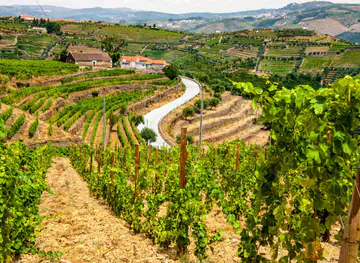
The closest regions to Minho, if you have time for more than one.
-
-
-

-

-


Swipe for more regions
Explore more
Explore more of Portugal
Discover Portugal: A blend of historic charm, stunning coastlines, and delightful cuisine awaits in this captivating European gem.
Explore Portugal