

Beira Litoral, Portugal Travel Guide
Explore Beira Litoral: Portugal's coastal treasure with historic cities, lush forests, and golden beaches, offering a perfect mix of culture, nature, and relaxation.
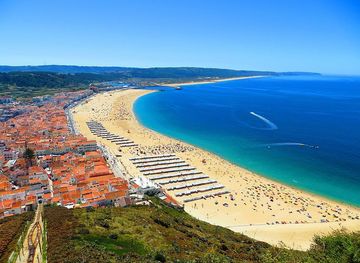
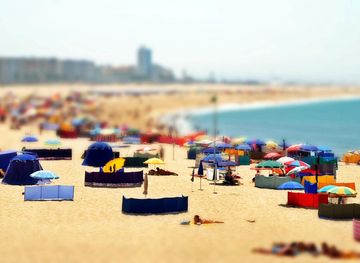
Beira Litoral, nestled between the mountains and the sea, offers a perfect blend of nature, history, and culture. This region of Portugal is known for its stunning coastline, charming towns, and rich heritage. Whether you're a history buff, nature lover, or foodie, Beira Litoral has something to offer. Start your journey in Coimbra, home to one of the world's oldest universities. Wander through the historic campus, visit the Joanina Library, and soak in the vibrant student atmosphere. The city's old town, with its narrow streets and ancient buildings, is perfect for a leisurely stroll. For nature enthusiasts, the Buçaco Forest is a must-visit. This ancient woodland is filled with rare plant species, serene walking paths, and the stunning Buçaco Palace. The forest's peaceful ambiance makes it a great escape from the hustle and bustle of city life. The region's coastline, known for its golden beaches and fishing villages, is perfect for a relaxing day by the sea. Figueira da Foz, with its long sandy beach and lively promenade, is a popular spot for sunbathing and water sports. Don't miss the opportunity to try the local seafood, fresh from the Atlantic. Lastly, explore the quaint towns of Aveiro and Fátima. Aveiro, often called the 'Venice of Portugal', is known for its picturesque canals and colorful moliceiro boats. Fátima, a major pilgrimage site, offers a glimpse into Portugal's religious traditions and attracts visitors from all over the world.

Know before you go
Hi, I'm Eve. Here are a few practical things to know before exploring Beira Litoral.
- Visit Coimbra's university early in the morning to avoid crowds and enjoy the serene atmosphere.
- Wear comfortable shoes for exploring the Buçaco Forest, as the terrain can be uneven.
- Try the local seafood in Figueira da Foz for an authentic taste of the region's cuisine.
- Take a boat ride in Aveiro to fully appreciate its unique canal system.
- If visiting Fátima, check the schedule for religious ceremonies to experience the site's spiritual significance.
Top City Travel Guides in Beira Litoral
The cities of Beira Litoral, and the easiest places to base yourself.


Destinations in Beira Litoral
Resorts, valleys and scenic spots worth a trip of their own.

Explore Beira Litoral: Things to Do, Places to Eat, Hotels & More
Handpicked recommendations for top attractions, local dining, accommodations, and more

Top Attractions & Sightseeing in Beira Litoral
Top-rated picks
Best Attractions
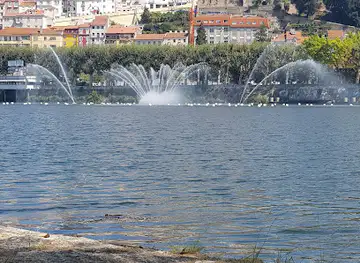
Portugal dos Pequenitos
Experience the charm of Portugal through miniature wonders at Portugal dos Pequenitos, a captivating theme park in Coimbra.

Passadiços do Paiva Trailhead (Areinho)
Discover the stunning Passadiços do Paiva Trailhead, a breathtaking hiking area in Portugal, perfect for nature lovers and adventurers alike.

Farol de Aveiro
Experience the stunning views and rich maritime heritage at Farol de Aveiro, a must-see lighthouse in Gafanha da Nazaré, Portugal.

Praia do Furadouro
Experience the breathtaking beauty of Praia do Furadouro, a serene beach destination in Ovar, Portugal, perfect for relaxation and seaside adventures.

Best landmarks in Beira Litoral
Top-rated picks
Best Landmarks

Praça do Comércio
Discover the vibrant charm of Praça do Comércio, Lisbon's iconic waterfront square, rich in history and culture, perfect for leisurely exploration and stunning views.

Belém Tower
Explore the stunning Belém Tower, a UNESCO World Heritage site in Lisbon, showcasing Portugal's rich maritime history and exquisite architecture.

Quinta da Regaleira
Explore the enchanting Quinta da Regaleira in Sintra, a captivating blend of history, architecture, and lush gardens in Portugal's magical landscape.

National Palace of Pena
Discover the enchanting National Palace of Pena in Sintra, a UNESCO World Heritage Site showcasing Romantic architecture and breathtaking gardens.

Best restaurants in Beira Litoral
Top-rated picks
Best Restaurants
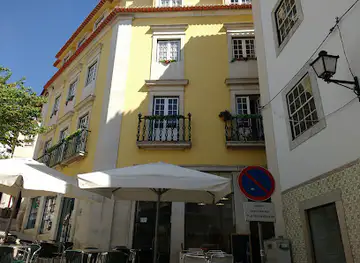
Restaurante Zé Manel dos Ossos
Experience the rich flavors of Portugal at Restaurante Zé Manel dos Ossos in Coimbra – a culinary delight for every traveler.

Itália
Discover the taste of Italy in Coimbra with breathtaking views and exquisite dishes at Itália Restaurant.

O Burgo
Experience authentic Portuguese cuisine at O Burgo in Lousã – where tradition meets taste in every dish.

Adega dos Apalaches
Discover the rich flavors of Portugal at Adega dos Apalaches - where culinary tradition meets modern flair.

Best bars in Beira Litoral
Top-rated picks
Best Bars

Café Santa Cruz
Experience the authentic flavors of Coimbra at Café Santa Cruz, where rich coffee and local delicacies meet a warm, inviting atmosphere.

Dux Taberna Urbana
Discover the flavors of Portugal at Dux Taberna Urbana, a lively tavern in Coimbra offering authentic cuisine in a warm and welcoming atmosphere.

Cocktail Bar
Experience gourmet burgers and vibrant cocktails at Cocktail Bar, a culinary gem in Figueira da Foz, perfect for all food lovers.

Galeria Santa Clara
Discover the vibrant flavors of Coimbra at Galeria Santa Clara, a culinary hotspot offering a unique blend of restaurant, bar, and café experiences.

Best nightclubs in Beira Litoral
Top-rated picks
Best Nightclubs

Dance club / disco Zen
Discover the vibrant nightlife of Amora at Zen Nightclub, the ultimate destination for dancing, music, and unforgettable experiences.

Window's Bar
Discover the lively ambiance and diverse drink selection at Window's Bar in Lousã, a must-visit spot for tourists seeking local flavor.

Discoteca Túnel
Dance the night away at Discoteca Túnel in Torres Vedras, where vibrant nightlife meets unforgettable music experiences.

Cobra Dourada
Discover Cobra Dourada, the ultimate disco club in Antanhol, Portugal, where unforgettable nights of dancing and music await every visitor.

Best shops in Beira Litoral
Top-rated picks
Best Shops

Forum Coimbra
Experience the best shopping, dining, and entertainment at Forum Coimbra, the vibrant heart of Coimbra's retail scene.

Alma Shopping
Discover a vibrant shopping experience at Alma Shopping in Coimbra, where fashion, dining, and entertainment come together.

Primark
Explore Primark in Coimbra for trendy, affordable fashion and stylish home essentials tailored for every budget and style.

Feira Semanal de Espinho
Explore the Feira Semanal de Espinho, a vibrant market in Portugal offering local delicacies, crafts, and a taste of authentic Portuguese culture.

Explore Beira Litoral on the Map
A handpicked selection of must-see spots in Beira Litoral, mapped for you.
Beira Litoral Essentials
-
Beira Litoral is located in the central part of Portugal. The nearest international airport is Humberto Delgado Airport in Lisbon, approximately 200 kilometers away. Another option is Francisco Sá Carneiro Airport in Porto, about 150 kilometers away. From Lisbon or Porto, you can take a train to Coimbra, which is one of the main cities in Beira Litoral. The train journey from Lisbon to Coimbra typically takes around 2 hours, while from Porto it takes about 1 hour. Alternatively, you can rent a car and drive, which offers the flexibility to explore the region at your own pace.
-
Public transportation in Beira Litoral is efficient and reliable. Trains and buses connect the major cities and towns. Coimbra, the main hub, has a well-developed local bus network. Taxis and ride-sharing services like Uber are also available. Renting a car is a good option if you want to explore remote areas or travel on your own schedule. Biking is another pleasant way to explore the scenic landscapes, especially along the coastal areas.
-
The official currency in Portugal is the Euro (EUR). Credit cards are widely accepted in hotels, restaurants, and shops. However, it is advisable to carry some cash, especially in smaller towns and rural areas where card payments might not be accepted. ATMs are readily available in cities and towns. Be aware that some ATMs may charge a fee for international cards.
-
Beira Litoral is generally a safe destination for tourists. However, as with any travel destination, it is important to take standard precautions. Petty crime like pickpocketing can occur, particularly in crowded areas and tourist hotspots. Coimbra is a safe city, but as with any urban area, be cautious at night and avoid poorly lit areas. Keep your belongings secure and be aware of your surroundings.
-
In case of emergency, dial 112 for immediate assistance. This number connects you to police, fire, and medical services. Coimbra has a well-equipped hospital, the Centro Hospitalar e Universitário de Coimbra, which provides comprehensive medical services. Pharmacies are widely available for minor health issues. It is recommended to have travel insurance that covers medical emergencies.
-
Fashion: Do dress modestly, especially when visiting religious sites. Avoid overly revealing clothing. Religion: Do respect local customs and traditions. In churches, it is advisable to dress conservatively. Public Transport: Do be respectful and give up your seat to elderly passengers. Don't eat or drink on public transport. Greetings: Do greet people with a handshake or a kiss on both cheeks, which is common among friends. Eating & Drinking: Do try local delicacies and accept food offerings graciously. Don't rush your meal; dining is a social activity that should be enjoyed leisurely.
-
To experience Beira Litoral like a local, visit the local markets where you can buy fresh produce and traditional Portuguese goods. Engage with locals, as they are often friendly and willing to share stories about the region's history and culture. Don't miss visiting the historic University of Coimbra, a UNESCO World Heritage Site. For a unique experience, take a boat ride on the Mondego River or explore the charming coastal towns such as Figueira da Foz.
When is the best time to visit Beira Litoral?
Useful Local Phrases for Beira Litoral
You don't need to speak the language perfectly. Even learning a few simple words can make conversations warmer—and locals usually appreciate the effort.
— Eve

Here are the phrases I use most often in Beira Litoral. Try a few—you'll be surprised how far they go! 😊
❤️
-
- HelloOlá
[oh-LAH] - GoodbyeAdeus
[ah-DAY-oos] - YesSim
[seem] - NoNão
[now] - Please/You're welcomePor favor/De nada
[por fah-VOR/deh NAH-dah] - Thank youObrigado/Obrigada
[oh-bree-GAH-do/oh-bree-GAH-dah] - Excuse me/SorryDesculpe
[deh-SKOOL-peh] - How are you?Como está?
[KOH-moo es-TAH] - Fine. And you?Bem. E você?
[BANG. eh vo-SEH] - Do you speak English?Você fala inglês?
[vo-SEH FAH-lah een-GLESH] - I don't understandEu não entendo
[eh-oo now en-TEN-doo]
- HelloOlá
-
- I'd like to see the menu, pleaseGostaria de ver o menu, por favor
[goh-stah-REE-ah deh vehr oo meh-NUH, por fah-VOR] - I don't eat meatEu não como carne
[eh-oo now KOH-moo KAR-nee] - Cheers!Saúde!
[sah-OO-deh] - I would like to pay, pleaseGostaria de pagar, por favor
[goh-stah-REE-ah deh pah-GAHR, por fah-VOR]
- I'd like to see the menu, pleaseGostaria de ver o menu, por favor
-
- Help!Socorro!
[so-KOHR-roh] - Go away!Vá embora!
[vah em-BOH-rah] - Call the Police!Chame a polícia!
[SHAH-meh ah poh-LEE-see-ah] - Call a doctor!Chame um médico!
[SHAH-meh oong MEH-dee-koh] - I'm lostEstou perdido
[es-TOH per-DEE-doo] - I'm illEstou doente
[es-TOH do-EHN-teh]
- Help!Socorro!
-
- I'd like to buy...Gostaria de comprar...
[goh-stah-REE-ah deh kom-PRAR...] - I'm just lookingEstou apenas a olhar
[es-TOH ah-PEH-nas ah oh-LYAR] - How much is it?Quanto custa?
[KWAHN-toh KOOS-tah] - That's too expensiveÉ muito caro
[eh MOYN-toh KAH-roh] - Can you lower the price?Você pode baixar o preço?
[vo-SEH POH-jee bye-SHAHR oo PREH-soh]
- I'd like to buy...Gostaria de comprar...
-
- What time is it?Que horas são?
[keh OH-ras sow] - It's one o'clockÉ uma hora
[eh OO-mah OH-rah] - Half past (10)Dez e meia
[dez eh MAY-ah] - MorningManhã
[mahn-YAH] - AfternoonTarde
[TAR-deh] - EveningNoite
[NOY-teh] - YesterdayOntem
[ON-tem] - TodayHoje
[OH-zhe] - TomorrowAmanhã
[ah-mahn-YAH] - 1Um
[oom] - 2Dois
[doys] - 3Três
[trays] - 4Quatro
[KWAH-troo] - 5Cinco
[SEEN-koo] - 6Seis
[says] - 7Sete
[SET-eh] - 8Oito
[OY-toh] - 9Nove
[NOH-veh] - 10Dez
[DEZ]
- What time is it?Que horas são?
-
- Where's a/the...?Onde fica ...?
[ON-deh FEE-kah ...?] - What's the address?Qual é o endereço?
[kwahl eh oo en-deh-REH-soh] - Can you show me (on the map)?Pode me mostrar (no mapa)?
[POH-deh mee mohs-TRAR (no MAH-pah)?] - When's the next (bus)?Quando é o próximo (autocarro)?
[KWAHN-do eh oo PROH-see-moo (ow-toh-KAH-roh)?] - A ticket (to ....)Um bilhete (para ....)
[oom bee-LYEH-tay (PAH-rah ....)]
- Where's a/the...?Onde fica ...?
History of Beira Litoral
-
Beira Litoral's history dates back to the Roman era when the region was part of the Lusitania province. Numerous archaeological sites, such as the ruins in Conímbriga, reveal the advanced urban planning and architectural prowess of the Romans. These ruins include well-preserved mosaics, thermal baths, and an aqueduct, offering a glimpse into the life of its ancient inhabitants.
-
In the Middle Ages, Beira Litoral was a significant battleground during the Reconquista, the Christian reconquest of the Iberian Peninsula from the Moors. The region saw the rise of fortified cities and castles, such as the Castle of Montemor-o-Velho, which played a crucial role in defending the territory. The town of Coimbra became a cultural and political center, home to the University of Coimbra, one of the oldest universities in Europe.
-
The Age of Discoveries in the 15th and 16th centuries had a profound impact on Beira Litoral. The region's coastal areas, particularly the port city of Aveiro, thrived on maritime trade and exploration. Aveiro was known for its salt production, which was a valuable commodity in trade. The region's connection to the sea is still evident today in its maritime traditions and the distinctive moliceiro boats used in the Aveiro lagoon.
-
During the 18th and 19th centuries, Beira Litoral experienced significant social and economic changes. The Pombaline reforms, led by the Marquis of Pombal, aimed to modernize Portugal and had lasting effects on the region. Agriculture was modernized, and new industries emerged, particularly in textiles and ceramics. The city of Figueira da Foz became a popular seaside resort, attracting visitors with its beautiful beaches and vibrant cultural scene.
-
The 20th century brought both challenges and progress to Beira Litoral. The region played a role in the revolutionary movements that led to the establishment of the Portuguese Republic in 1910. During the Estado Novo dictatorship, Beira Litoral saw economic growth but also political repression. The Carnation Revolution of 1974, which ended the dictatorship, brought significant political and social changes. Today, Beira Litoral is known for its rich cultural heritage, diverse landscapes, and thriving tourism industry.
Neighbouring Regions of Beira Litoral
The closest regions to Beira Litoral, if you have time for more than one.


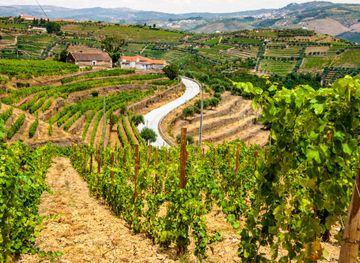


Your all‑in‑one travel companion app
Explore expert travel guides, compare and book tours, experiences, hotels, and more—all from the palm of your hand. Download now for seamless trip planning wherever your wanderlust takes you.


Explore More of Portugal
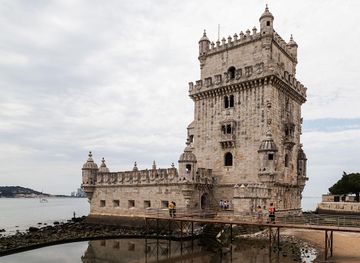
Looking beyond Beira Litoral? Discover Portugal for broader travel guides, local hot-spots, and regional highlights.
Explore PortugalBeira Litoral in Photos
Browse through our photo collection highlighting the charm and character of the destination.


Beira Litoral: Portugal's Coastal Gem
Beira Litoral, nestled between the mountains and the sea, offers a perfect blend of nature, history, and culture. This region of Portugal is known for its stunning coastline, charming towns, and rich heritage. Whether you're a history buff, nature lover, or foodie, Beira Litoral has something to offer. Start your journey in Coimbra, home to one of the world's oldest universities. Wander through the historic campus, visit the Joanina Library, and soak in the vibrant student atmosphere. The city's old town, with its narrow streets and ancient buildings, is perfect for a leisurely stroll. For nature enthusiasts, the Buçaco Forest is a must-visit. This ancient woodland is filled with rare plant species, serene walking paths, and the stunning Buçaco Palace. The forest's peaceful ambiance makes it a great escape from the hustle and bustle of city life. The region's coastline, known for its golden beaches and fishing villages, is perfect for a relaxing day by the sea. Figueira da Foz, with its long sandy beach and lively promenade, is a popular spot for sunbathing and water sports. Don't miss the opportunity to try the local seafood, fresh from the Atlantic. Lastly, explore the quaint towns of Aveiro and Fátima. Aveiro, often called the 'Venice of Portugal', is known for its picturesque canals and colorful moliceiro boats. Fátima, a major pilgrimage site, offers a glimpse into Portugal's religious traditions and attracts visitors from all over the world.