

Free Beira Baixa Travel Guide & Mobile App
Explore Beira Baixa with free travel guides. Discover regional history, expert tips, proposed trips, and audio guides on web or mobile app.


Explore Beira Baixa for granite villages, Templar heritage, Tagus gorges, river landscapes and the distinctive food culture of inland Portugal.
When is the best time to visit Beira Baixa?
Best: May, September–October · 24–29°C| Month | High (°C) | Rainfall (mm) |
|---|---|---|
| January | 15 | 70 |
| February | 16 | 60 |
| March | 19 | 56 |
| April | 21 | 60 |
| May (best) | 25 | 51 |
| June | 30 | 35 |
| July | 34 | 15 |
| August | 34 | 15 |
| September (best) | 29 | 40 |
| October (best) | 24 | 60 |
| November | 17 | 70 |
| December | 14 | 80 |
Getting to and around Beira Baixa
How to get there
Transportation
Destinations in Beira Baixa
Resorts, valleys and scenic spots worth a trip of their own.
-

-

-


Swipe for more destinations
Best attractions in Beira Baixa
Beira Baixa’s attractions are spread across a broad inland landscape rather than concentrated in one resort town. Castelo Branco combines an old quarter, the remains of its castle and the formal garden of the former Episcopal Palace, while the city’s cultural institutions explain local textile and regional traditions. In the east, Monsanto offers a dramatic walk through granite-built streets and boulder-framed houses, and nearby Idanha-a-Velha brings together Roman remains, medieval religious architecture and archaeological interpretation. Penamacor adds a quieter frontier setting with castle ruins and historic lanes. The region’s natural attractions are equally important: the Portas de Ródão gorge on the Tagus, quartzite cliffs, birdwatching sites and the wooded valleys of Proença-a-Nova and Oleiros support walking, cycling and other outdoor activities. Naturtejo Geopark, which includes much of Beira Baixa, places geology at the centre of the visitor experience, linking rock formations, river landscapes and human settlement. Rural festivals, craft traditions, local food producers and dark-sky conditions around the eastern plateau provide further reasons to travel slowly between the towns.
-
Tourist attraction
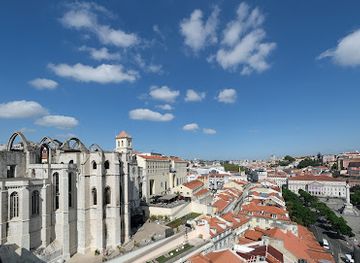
Santa Justa Lift
Experience the breathtaking views of Lisbon from the iconic Santa Justa Lift, a stunning blend of history, architecture, and stunning cityscapes.
-
Tourist attraction
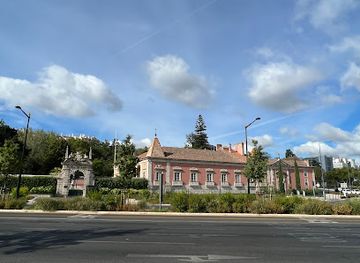
Garden of the Calouste Gulbenkian Foundation
Discover tranquility in the Garden of the Calouste Gulbenkian Foundation, a lush urban oasis filled with art, nature, and serene beauty in Lisbon.
-
Archaeological museum
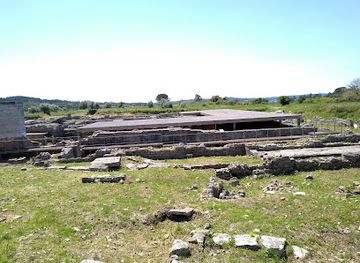
Conimbriga Ruins
Discover the ancient wonders of Conimbriga Ruins, an archaeological gem in Portugal showcasing Roman heritage with stunning mosaics and historical artifacts.
-
Tourist attraction
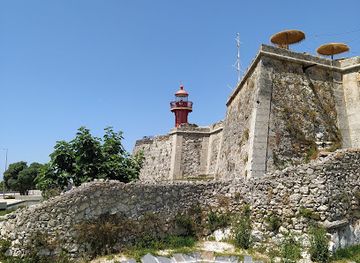
Clock tower
Explore the iconic Clock Tower of Figueira da Foz, a historic monument that symbolizes the city's vibrant culture and stunning coastal beauty.
Best landmarks in Beira Baixa
The castle of Castelo Branco occupies the historic town’s upper ground and preserves the frontier character of the settlement, with views across the surrounding plain. Below it, the former Episcopal Palace garden is a major landmark of eighteenth-century design, distinguished by terraces, fountains, statues and carefully arranged axes. Monsanto’s castle and granite-built village form one of Beira Baixa’s most recognisable architectural landscapes, in which defensive masonry and enormous natural boulders are inseparable. Idanha-a-Velha is notable for the concentration of Roman remains, reused stonework and early Christian and medieval buildings within a small settlement. At Penamacor, the castle area and surviving defensive traces mark the town’s position on the Spanish frontier. The Portas de Ródão is the region’s defining natural landmark: the Tagus passes through a narrow opening between quartzite cliffs, creating a viewpoint of geological, ecological and historical importance. The landscape around the gorge also preserves evidence of human occupation and traditional river use, giving the landmark significance beyond its visual drama.
-
Plaza
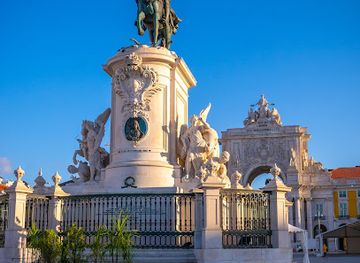
Praça do Comércio
Explore Praça do Comércio, Lisbon's majestic waterfront plaza, a hub of historical significance and vibrant culture perfect for every traveler.
-
 Castle
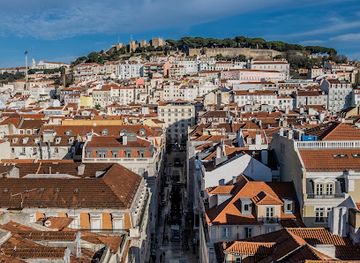
Castelo de São Jorge
Explore the majestic Castelo de São Jorge in Lisbon, where history, stunning views, and cultural treasures await every tourist.
-
Transportation service
Santa Justa Lift
Discover the stunning Santa Justa Lift in Lisbon, an architectural gem offering breathtaking views and a glimpse into the city’s rich history and culture.
-
Bridge
25 April Bridge
Experience the breathtaking views and architectural beauty of Lisbon's iconic 25 April Bridge, a must-see for every traveler.
Explore Beira Baixa on the map
Plan your trip on one map. See where the top cities, national parks and sights are, and book hotels and experiences in a few clicks.
Best hotels in Beira Baixa
Best restaurants in Beira Baixa
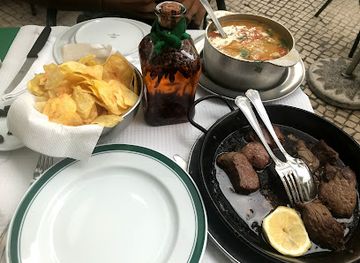
Dining in Beira Baixa is rooted in inland Portuguese cooking, with menus shaped by olive oil, bread, pulses, seasonal vegetables, pork, goat and sheep. Local cheeses, particularly Queijo de Castelo Branco, are among the region’s best-known products, while honey, olives, cured meats and sausages are common purchases at markets and specialist shops. Traditional restaurants and village eateries may serve dishes based on cabrito, grilled meats, river fish where available, soups and hearty stews, with recipes varying between the Tagus valley, the eastern plateau and the wooded north. Castelo Branco offers the broadest choice of cafés, bakeries and contemporary dining, while smaller towns and villages are better suited to unhurried meals in family-run establishments or rural inns. Look for regional sweets and pastries, as well as the embroidered-coloured symbolism of Castelo Branco’s colchas in local cultural settings rather than treating the region as a single culinary style. Olive oil from inland producers and locally made honey are useful, durable souvenirs.
-
Seafood
Pinóquio
Discover Pinóquio: A vibrant seafood restaurant in Lisbon offering fresh dishes and local brews in an inviting atmosphere.
-
Restaurant
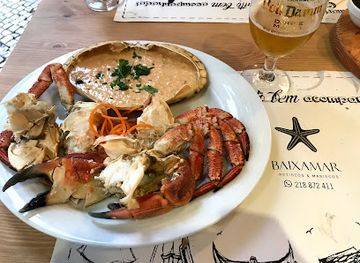
Baixamar - Mariscos e Petiscos
Discover authentic Portuguese seafood at Baixamar - where tradition meets taste in every delightful dish.
-
Brunch
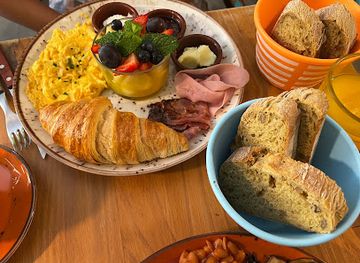
Brunch Café
Experience the heart of Lisbon at Brunch Café – where delicious brunch meets a cozy atmosphere.
-
Restaurant
Restaurante Capelo's
Experience authentic Portuguese cuisine at Restaurante Capelo's in Castelo Branco, where every dish tells a story of local flavor and tradition.
Best bars in Beira Baixa
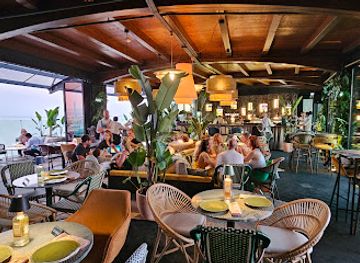
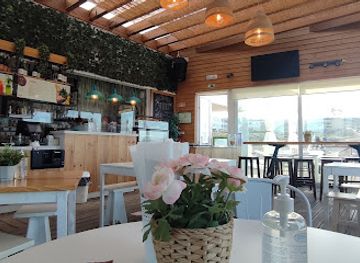
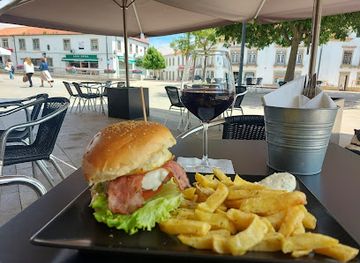
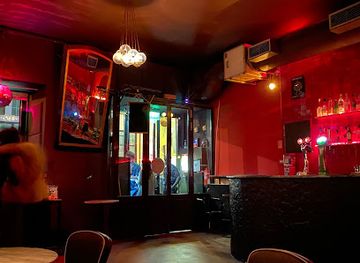
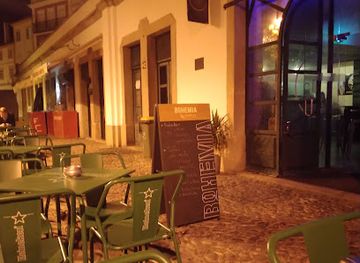
Beira Baixa has a modest evening scene centred on cafés, traditional cafés-bars, restaurants and village festivals rather than large-scale clubbing. Castelo Branco provides the widest choice, with bars and late-opening cafés around the central streets, while university life and cultural programming can add occasional live music and seasonal events. In Idanha-a-Nova, Penamacor and other smaller towns, evenings are generally social and unhurried, often beginning with coffee, a pastry or a meal and continuing in local bars. Rural areas may have little nightlife outside weekends, summer celebrations and programmed events, so visitors should not expect a dense network of venues between villages. Some restaurants and wine-focused establishments provide a more relaxed alternative to clubs, and local food and drink remain central to the region’s evening culture without being its sole focus.
-
Restaurant
Noobai - Rooftop Bar e Restaurante
Discover the charm of Lisbon from the rooftop of Noobai, where delicious tapas and stunning views create an unforgettable dining experience.
-
Bar
Sky Bar Oriente
Experience the vibrant nightlife of Lisbon at Sky Bar Oriente, a trendy rooftop bar offering stunning views and exquisite cocktails.
-
Restaurant
Areal Beach Bar by Chakall
Experience the perfect mix of stunning ocean views and exquisite cuisine at Areal Beach Bar by Chakall in Lourinhã.
-
Restaurant
Hamburgueria da Baixa
Experience the best burgers in Castelo Branco at Hamburgueria da Baixa, where local flavors meet gourmet craftsmanship for an unforgettable dining experience.
Best nightclubs in Beira Baixa
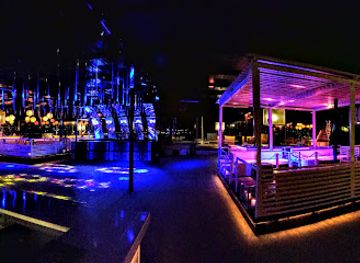
Beira Baixa has a modest evening scene centred on cafés, traditional cafés-bars, restaurants and village festivals rather than large-scale clubbing. Castelo Branco provides the widest choice, with bars and late-opening cafés around the central streets, while university life and cultural programming can add occasional live music and seasonal events. In Idanha-a-Nova, Penamacor and other smaller towns, evenings are generally social and unhurried, often beginning with coffee, a pastry or a meal and continuing in local bars. Rural areas may have little nightlife outside weekends, summer celebrations and programmed events, so visitors should not expect a dense network of venues between villages. Some restaurants and wine-focused establishments provide a more relaxed alternative to clubs, and local food and drink remain central to the region’s evening culture without being its sole focus.
-
Disco club
K Urban Beach Club
Experience the vibrant nightlife of Lisbon at K Urban Beach Club, where dancing, dining, and delicious cocktails collide in a stunning riverside setting.
-
Night club
Lounge
Experience the vibrant nightlife of Lisbon at Lounge, where fantastic music and exquisite cocktails create unforgettable nights.
-
Night club
Dock's Club
Discover the energy and elegance of Lisbon's nightlife at Dock's Club, where music, drinks, and stunning views come together for an unforgettable experience.
-
Bar
Clube Lounge
Experience the vibrant nightlife of Portalegre at Clube Lounge, a stylish bar offering craft cocktails and a lively atmosphere.

Best shops in Beira Baixa
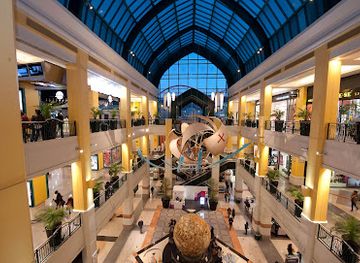
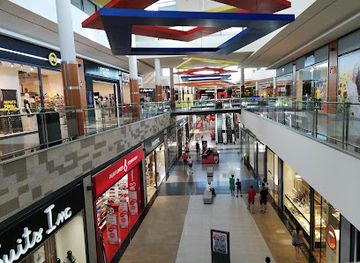
Shopping in Beira Baixa is mainly local and practical, with the strongest character found in market towns, municipal markets, specialist food shops and independent craft outlets rather than large retail districts. Castelo Branco is the principal centre for everyday shopping and offers the best selection of regional products, books, clothing and craft goods. Look for colchas de Castelo Branco, the embroidered linen bedspreads associated with the city, as well as ceramics, woven items and small-scale artwork where available. Farmers’ markets and village fairs are useful places to buy olive oil, honey, cheeses, cured meats, pulses and seasonal produce, although availability changes through the year. In Monsanto, Idanha-a-Nova and Penamacor, small shops often focus on local food and heritage-oriented souvenirs. Visitors should distinguish genuinely local products from generic Portuguese gifts and check labelling when buying olive oil, cheese or honey directly from producers.
-
Shopping mall
Colombo Shopping Centre
Experience the ultimate shopping adventure at Colombo Shopping Centre, Lisbon's premier retail destination with diverse shops, restaurants, and entertainment.
-
Shopping mall
Forum Castelo Branco
Discover the ultimate shopping experience at Forum Castelo Branco, where retail, dining, and entertainment converge in a vibrant atmosphere.
-
Department store
Alegro Castelo Branco
Discover the vibrant ambiance of Alegro Castelo Branco, where shopping, dining, and entertainment converge for an unforgettable experience.
-
Shopping mall
EmbaiXada
Discover the charm of EmbaiXada, Lisbon's unique shopping mall filled with local boutiques and delicious eateries, offering a taste of the city's vibrant culture.

Get your free copy of our complete guide to Beira Baixa, delivered straight to you.
Everything on this page, from attractions and restaurants to essentials and local phrases, in one PDF you can read offline, print or share.
Already have an account? Sign in
Your Beira Baixa guide is ready.
We'll send it to · Not you? Sign out

Getting your guide ready…
We are putting together a fresh copy of the Beira Baixa guide. This can take up to a minute.
This can take a few moments. If your browser asks, choose Allow so the download can start. You'll find the guide in your Downloads folder.
Nothing happened? Download it again
Sorry, the guide is taking longer than usual. Please try again in a minute, or get it by email instead.
Beira Baixa essentials
Currency and Payment
Safety
Emergency Situations
Do's and Don'ts
Local Tips
From Eve
Local phrases worth knowing
You don't need to get them perfect. A few words go a long way, and locals appreciate the effort.
Basics
| English | Local | Say it |
|---|---|---|
| Hello | Olá | [oh-LAH] |
| Goodbye | Adeus | [ah-DEH-oos] |
| Yes | Sim | [seem] |
| No | Não | [now] |
| Please/You’re welcome | Por favor/De nada | [poor fah-VOR/deh NAH-dah] |
| Thank you | Obrigado | [oh-bree-GAH-doo] |
| Excuse me/Sorry | Desculpe | [des-KOOL-peh] |
| How are you? | Como está? | [KOH-moo es-TAH] |
| Fine. And you? | Bem. E você? | [BAYM. eh vo-SEH?] |
| Do you speak English? | Você fala inglês? | [vo-SEH FAH-lah een-GLEZ?] |
| I don't understand | Não entendo | [now en-TEN-doo] |
Eating & Drinking
| English | Local | Say it |
|---|---|---|
| I’d like to see the menu, please | Gostaria de ver o menu, por favor | [goh-stah-REE-ah deh veh-r oh MEH-noo, poor fah-VOR] |
| I don't eat meat | Não como carne | [now KOH-moo KAR-nee] |
| Cheers! | Saúde! | [sah-OO-deh] |
| I would like to pay, please | Gostaria de pagar, por favor | [goh-stah-REE-ah deh pah-GAHR, poor fah-VOR] |
Emergencies
| English | Local | Say it |
|---|---|---|
| Help! | Ajuda! | [ah-ZHOO-dah] |
| Go away! | Vá embora! | [vah em-BOH-rah] |
| Call the Police! | Chame a polícia! | [SHAH-meh ah poh-LEE-syah] |
| Call a doctor! | Chame um médico! | [SHAH-meh oom MEH-dee-co] |
| I’m lost | Estou perdido | [es-TOH pehr-DEE-doo] |
| I’m ill | Estou doente | [es-TOH do-EHN-te] |
Shopping
| English | Local | Say it |
|---|---|---|
| I’d like to buy... | Gostaria de comprar... | [goh-stah-REE-ah deh kom-PRAR...] |
| I’m just looking | Estou apenas a olhar | [es-TOH ah-PEH-nas ah oh-LYAR] |
| How much is it? | Quanto custa? | [KWAN-toh KOOS-tah?] |
| That's too expensive | É muito caro | [eh MOON-toh KAH-roo] |
| Can you lower the price? | Pode baixar o preço? | [POH-jeh bye-SHAHR oh PREH-so?] |
Time & Numbers
| English | Local | Say it |
|---|---|---|
| What time is it? | Que horas são? | [keh OH-ras sah-o?] |
| It's one o'clock | É uma hora | [eh OO-mah OH-rah] |
| Half past (10) | Dez e meia | [dehz eh MAY-ah] |
| Morning | Manhã | [mahn-YAH] |
| Afternoon | Tarde | [TAR-deh] |
| Evening | Noite | [NOY-teh] |
| Yesterday | Ontem | [ON-tehm] |
| Today | Hoje | [OH-zhe] |
| Tomorrow | Amanhã | [ah-mahn-YAH] |
| 1 | Um | [oom] |
| 2 | Dois | [doyz] |
| 3 | Três | [trehz] |
| 4 | Quatro | [KWAH-troo] |
| 5 | Cinco | [SEEN-co] |
| 6 | Seis | [sayz] |
| 7 | Sete | [SEH-teh] |
| 8 | Oito | [OY-toh] |
| 9 | Nove | [NOH-veh] |
| 10 | Dez | [dehz] |
Transport & Directions
| English | Local | Say it |
|---|---|---|
| Where's a/the...? | Onde está um/a...? | [ON-deh es-TAH oom/ah...?] |
| What's the address? | Qual é o endereço? | [kwahl eh oo en-deh-REH-so] |
| Can you show me (on the map)? | Pode me mostrar (no mapa)? | [POH-jeh meh mohs-TRAR (no MAH-pah)?] |
| When's the next (bus)? | Quando é o próximo (autocarro)? | [KWAN-do eh oo PROH-see-moo (ow-toh-KAHR-roo)?] |
| A ticket (to ....) | Um bilhete (para ....) | [oom bee-LYEH-tay (PAH-rah ....)] |
History of Beira Baixa
Prehistoric and Megalithic Landscapes
Beira Baixa contains evidence of settlement long before the formation of Portugal, including prehistoric occupation around the Tagus valley and megalithic remains in parts of the region. The river corridor at Vila Velha de Ródão is especially important for understanding early human use of the landscape, while archaeological sites around Idanha-a-Nova reveal successive communities working the fertile plateau and its watercourses. These remains point to a long relationship with farming, hunting, stone resources and movement along the Tagus rather than to an isolated rural past.
Roman Civitas Igaeditanorum
Idanha-a-Velha preserves the remains of Civitas Igaeditanorum, a significant Roman settlement usually identified with the ancient city of Igaedis. Its position connected the interior of Lusitania with routes towards the Atlantic and the Iberian interior. Inscriptions, a bridge, urban traces and reused building materials testify to Roman administration, commerce and religious life. Later communities built over and adapted the Roman fabric, making Idanha-a-Velha one of Beira Baixa’s clearest places for seeing how ancient infrastructure continued to shape a medieval settlement.
Visigothic and Early Medieval Continuity
After Roman rule, the settlement at Idanha-a-Velha remained important under the Visigoths and later Islamic authorities. The surviving church traditionally known as the Sé de Idanha-a-Velha, together with other reused architectural elements, reflects the complex religious and political history of the site. The medieval period did not erase the Roman town; instead, stone, street patterns and buildings were repeatedly adapted. This continuity helps explain the unusually dense mixture of archaeological layers visible in the village today.
The Templar Frontier
During the Christian reconquest and the consolidation of Portugal’s eastern frontier, fortified settlements became essential. The Templars received lands and responsibilities in the region, helping defend and organise places such as Castelo Branco and nearby frontier communities. Castles at Castelo Branco, Monsanto and Penamacor formed part of a wider network facing territories then controlled by Muslim powers and, later, the neighbouring kingdoms of León and Castile. Their surviving walls and elevated positions reflect both military strategy and the need to attract permanent settlement.
Agriculture, Pastoralism and Border Exchange
For centuries, Beira Baixa’s economy rested on cereals, olives, vines, livestock, forestry and small-scale craft production. The border encouraged both conflict and exchange, while market towns connected scattered villages with the wider Portuguese interior. Products such as olive oil, honey, cheeses and cured meats emerged from this mixed economy and remain central to the region’s food identity. Seasonal labour, transhumance and village religious calendars also shaped social life, particularly in the rural districts beyond Castelo Branco.
Castelo Branco and the Episcopal Legacy
Castelo Branco expanded in importance as an administrative and religious centre, and its former Episcopal Palace became a major expression of eighteenth-century ecclesiastical wealth. The palace garden, laid out with terraces, fountains, statues and symbolic imagery, reflects the ambitions of the bishops who developed it. The town’s textile traditions, especially the embroidered colchas associated with Castelo Branco, also became an important cultural expression. Together, the garden, historic quarter and craft heritage illustrate the city’s role beyond that of a military frontier town.
Modern Transport, Forestry and Rural Change
The modern period brought roads, railways and changing patterns of settlement to Beira Baixa. The railway connection through Castelo Branco strengthened links with Lisbon and the interior, while mechanisation and the concentration of services in larger towns altered village life. Forestry became increasingly important in the northern municipalities, alongside agriculture and small industries. In recent decades, heritage conservation, geoparks, walking routes and nature tourism have offered new economic possibilities, although the region continues to face population decline and the environmental pressures associated with dry summers and woodland fires.
Beira Baixa in Photos
Browse through our photo collection highlighting the charm and character of the destination.
Neighbouring regions of Beira Baixa
The closest regions to Beira Baixa, if you have time for more than one.
-

-

-

-

-


Swipe for more regions
Explore more
Explore more of Portugal
Discover Portugal: A blend of historic charm, stunning coastlines, and delightful cuisine awaits in this captivating European gem.
Explore Portugal