

Free Beira Alta Travel Guide & Mobile App
Explore Beira Alta with free travel guides. Discover regional history, expert tips, proposed trips, and audio guides on web or mobile app.


Explore Beira Alta’s granite mountains, medieval border towns, Dão vineyards, Serra da Estrela landscapes and distinctive Portuguese food traditions.
Read more about Beira Alta
When is the best time to visit Beira Alta?
Best: May–June, September · 24–28°C| Month | High (°C) | Rainfall (mm) |
|---|---|---|
| January | 14 | 90 |
| February | 16 | 80 |
| March | 19 | 90 |
| April | 21 | 80 |
| May (best) | 24 | 60 |
| June (best) | 28 | 40 |
| July | 31 | 20 |
| August | 32 | 20 |
| September (best) | 28 | 40 |
| October | 22 | 80 |
| November | 16 | 90 |
| December | 13 | 100 |
Getting to and around Beira Alta
How to get there
Transportation
Top city travel guides in Beira Alta
The cities of Beira Alta, and the easiest places to base yourself.
-

-

-

-

-

-


Swipe for more cities
Destinations in Beira Alta
Resorts, valleys and scenic spots worth a trip of their own.
-

-

-

-

-


Swipe for more destinations
Best attractions in Beira Alta
Beira Alta’s attractions are distributed across a broad interior landscape rather than concentrated in one resort town. Viseu offers a strong urban starting point with its cathedral, historic centre, museums and artistic heritage, while the Dão wine country around the city introduces vineyard visits and rural estates. Guarda’s elevated old town and cathedral provide a contrasting high-plateau experience. In the western and central districts, the approaches to Serra da Estrela lead to mountain viewpoints, walking routes, traditional villages and seasonal snow landscapes; Seia and Gouveia are useful bases for exploring this area. East of Guarda, the walled towns of Trancoso, Pinhel and Almeida reveal Portugal’s former military frontier, while Belmonte adds important Jewish and medieval heritage. The Côa Valley Archaeological Park and its museum interpret open-air Palaeolithic engravings in a dry river landscape of schist, olive groves and vineyards. River beaches, forest tracks, cycling roads, local markets and food producers complete the region’s offering, with the greatest rewards usually coming from combining heritage and landscape rather than visiting isolated sights.
-
National park
Serra da Estrela Nature Park
Explore the breathtaking beauty and rich biodiversity of Serra da Estrela Nature Park, Portugal's largest national park, ideal for outdoor adventures.
-
Hiking area
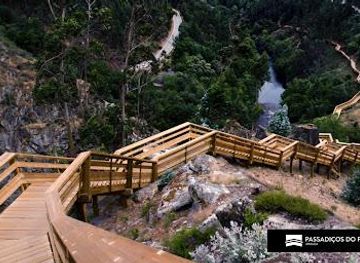
Passadiços do Paiva Trailhead (Areinho)
Discover the stunning Passadiços do Paiva Trailhead, where breathtaking views and adventurous hiking await in the heart of Portugal's natural beauty.
-
Park
Parque Dom Carlos I
Experience the natural beauty and historical charm of Parque Dom Carlos I in Caldas da Rainha, a serene escape perfect for relaxation and exploration.
-
Catholic church
Santuário de Nossa Senhora dos Remédios
Discover the serene beauty of Santuário de Nossa Senhora dos Remédios, a spiritual haven with stunning views and rich cultural heritage.


Best landmarks in Beira Alta
Beira Alta’s most recognisable landmarks express its position between mountain country and the historic Spanish frontier. Viseu Cathedral anchors the old city with its imposing granite façade and layered ecclesiastical history, while Guarda Cathedral dominates the high plateau with a substantial Gothic presence and a fortified urban setting. Trancoso’s walls and castle define a town shaped by medieval defence and commerce; nearby, the preserved ramparts of Pinhel offer another view of the former border system. Almeida is the region’s exceptional military landmark, where a polygonal star-shaped fortress surrounds the historic settlement and demonstrates the age of artillery warfare. Around Belmonte, the castle and historic streets evoke the town’s medieval importance and Jewish heritage. The Côa Valley’s engraved rock surfaces are landmarks of a different order: fragile archaeological landscapes rather than monumental architecture. In the mountains, granite villages, high passes and the Serra da Estrela skyline provide natural reference points that explain the region’s geology, climate and settlement patterns.
-
Plaza
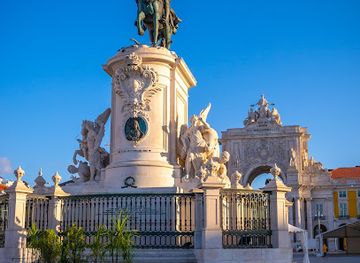
Praça do Comércio
Explore Praça do Comércio, Lisbon's historic waterfront plaza featuring stunning architecture, vibrant atmosphere, and breathtaking views of the Tagus River.
-
Bridge
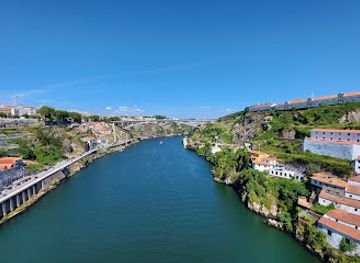
Luís I Bridge
Discover the breathtaking Luís I Bridge, a stunning architectural feat connecting Porto and Vila Nova de Gaia, offering panoramic views and rich history.
-
Monument
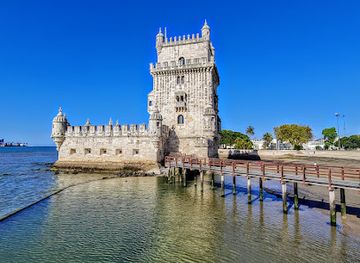
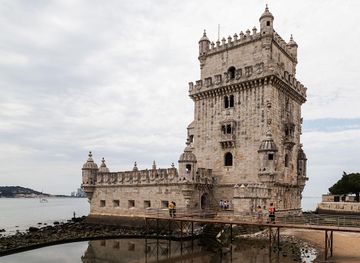
Belém Tower
Discover the breathtaking Belém Tower in Lisbon, a UNESCO World Heritage Site that showcases Portugal's maritime history and architectural beauty.
-
Castle
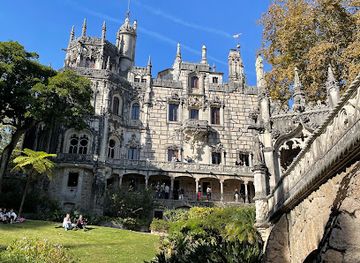
Quinta da Regaleira
Discover the enchanting Quinta da Regaleira in Sintra, a UNESCO World Heritage site featuring stunning architecture and magical gardens perfect for exploration.
Explore Beira Alta on the map
Plan your trip on one map. See where the top cities, national parks and sights are, and book hotels and experiences in a few clicks.
Best hotels in Beira Alta
Best restaurants in Beira Alta
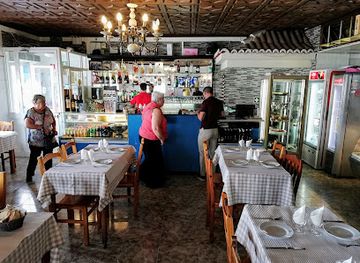
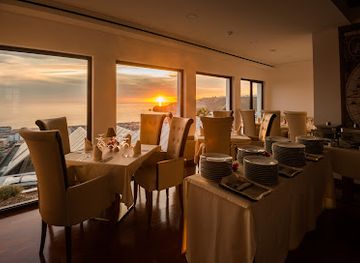
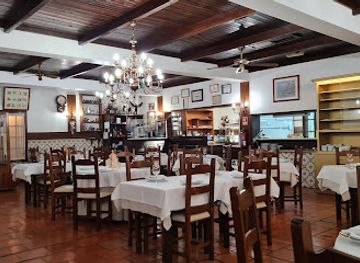
Dining in Beira Alta is rooted in mountain farming, vineyard country and the cooking of inland Portugal. Serra da Estrela cheese is the region’s signature product, a soft sheep’s-milk cheese traditionally associated with the highlands, while local tables also feature cured meats, sausages, rustic breads, beans, greens, roast meats and slow-cooked stews. Around Viseu and the Dão vineyards, restaurants and rural wine estates commonly pair regional food with Dão reds, whites and rosés. Mountain towns provide traditional casas de pasto, family restaurants and cafés serving filling everyday dishes, while historic centres and larger towns offer more contemporary interpretations. Seasonal produce varies from chestnuts and orchard fruit to mushrooms, potatoes and garden vegetables, and the eastern districts show stronger influences from the dry plateau and Côa landscape. Markets, delicatessens and farm shops are useful for buying cheese, honey, olive oil, wine and cured products to enjoy independently.
-
Restaurant
Beira Mar Restaurant São Mateus
Discover authentic Portuguese cuisine at Beira Mar Restaurant in São Mateus da Calheta – a culinary journey by the sea.
-
Restaurant
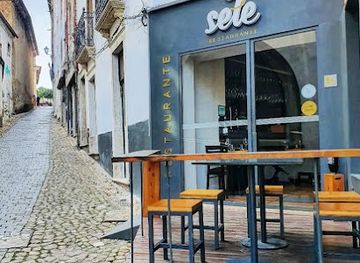
Restaurante Sete
Experience authentic Portuguese cuisine at Restaurante Sete in Coimbra – a culinary delight for every palate.
-
Restaurant
Pangeia
Experience exquisite dining at Pangeia - where high-quality ingredients meet vibrant flavors in beautiful Nazaré.
-
Traditional restaurant
O Peleiro
Experience authentic Portuguese flavors at O Peleiro, where traditional recipes meet warm hospitality in a charming setting.
Best bars in Beira Alta
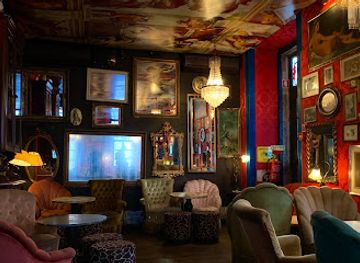
Evenings in Beira Alta are generally sociable but low-key, centred on cafés, traditional Portuguese cafés, wine bars, hotel lounges and neighbourhood restaurants rather than a large club circuit. Viseu has the broadest choice of evening venues, with bars and cafés around the historic centre and newer commercial areas, while university life contributes to a more active atmosphere during academic terms. Guarda also has a selection of cafés, bars and restaurants suited to a city whose evenings begin with conversation and dining. In Trancoso, Almeida and smaller mountain or border towns, nightlife is more likely to involve a local café, a traditional tasca, a seasonal terrace or occasional live entertainment than late-night dancing. Dão wine is a natural part of the region’s evening culture, and some producers offer tastings by arrangement. Opening patterns vary, particularly outside the larger towns, so rural visitors should plan dinner rather than assume that kitchens remain open late.
-
Bar
Pensão Amor
Discover the vibrant nightlife of Lisbon at Pensão Amor, a unique bar blending history, eclectic decor, and innovative cocktails in a lively atmosphere.
-
Bar
Ar d'Mar
Experience the perfect blend of delicious cuisine and stunning ocean views at Ar d'Mar, a coastal gem in Vila Nova de Gaia.
-
Bar
The Murphy's Irish Pub
Experience the vibrant atmosphere of Murphy's Irish Pub in Coimbra, where Irish charm meets Portuguese hospitality and live music delights.
-
Restaurant
Galeria Santa Clara
Explore Galeria Santa Clara in Coimbra: A perfect blend of local cuisine and vibrant atmosphere in the heart of Portugal.

Best nightclubs in Beira Alta
Evenings in Beira Alta are generally sociable but low-key, centred on cafés, traditional Portuguese cafés, wine bars, hotel lounges and neighbourhood restaurants rather than a large club circuit. Viseu has the broadest choice of evening venues, with bars and cafés around the historic centre and newer commercial areas, while university life contributes to a more active atmosphere during academic terms. Guarda also has a selection of cafés, bars and restaurants suited to a city whose evenings begin with conversation and dining. In Trancoso, Almeida and smaller mountain or border towns, nightlife is more likely to involve a local café, a traditional tasca, a seasonal terrace or occasional live entertainment than late-night dancing. Dão wine is a natural part of the region’s evening culture, and some producers offer tastings by arrangement. Opening patterns vary, particularly outside the larger towns, so rural visitors should plan dinner rather than assume that kitchens remain open late.
-
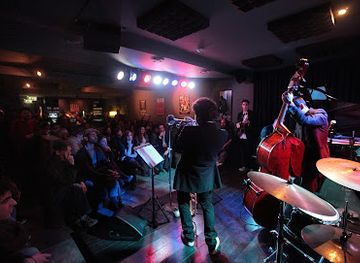
Jazz
Hot Club of Portugal
Discover the heart of Lisbon's jazz scene at the Hot Club of Portugal, where live music and an intimate atmosphere create unforgettable nights.
-
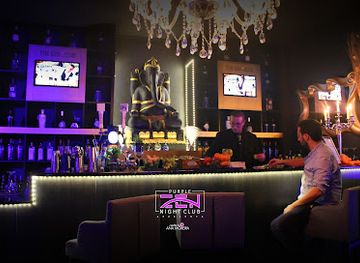
Disco club
Dance club / disco Zen
Dance Club Zen in Amora: Where unforgettable nightlife meets vibrant music and endless fun in a stunning atmosphere.
-
Night club
Moreclub, Lda.
Discover Porto's vibrant nightlife at Moreclub, the premier night club featuring electrifying music, energetic vibes, and a diverse crowd ready to dance.
-
Night club
Plano B
Discover Porto's nightlife at Plano B, an artistic nightclub that blends music, art, and culture for an unforgettable experience.

Best shops in Beira Alta
Shopping in Beira Alta is primarily local and practical, with independent food shops, market stalls, small craft businesses and traditional high streets providing a stronger sense of place than large retail complexes. Viseu has the widest urban choice, including central shops, galleries, delicatessens and contemporary retail, while Guarda serves as a commercial centre for the eastern plateau. In smaller towns such as Trancoso, Seia, Gouveia and Almeida, look for regional cheeses, Dão wines, honey, olive oil, cured meats, breads and seasonal produce. Specialist shops and producers may also sell woollen goods, woven textiles, pottery, wooden objects and other crafts connected with mountain life, although availability varies. Weekly markets are useful for inexpensive local food and household goods, but days differ between municipalities. When buying archaeological, antique or natural items, use established sellers and avoid removing stones, artefacts or material from historic and protected sites.
-
Shopping mall
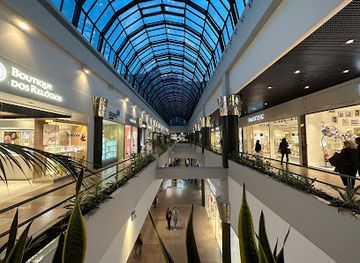
Colombo Shopping Centre
Discover a shopping and entertainment paradise at Colombo Shopping Centre, Lisbon's top destination for retail therapy and culinary delights.
-
Food court
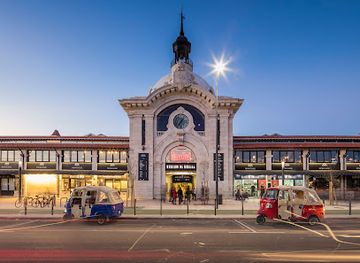
Time Out Market
Discover Lisbon's culinary treasures at Time Out Market, a vibrant food court showcasing the best local and international flavors.
-
National park
Serra da Estrela Nature Park
Explore the breathtaking landscapes and rich biodiversity of Serra da Estrela Nature Park, Portugal's largest national park and a haven for nature lovers.
-
Shopping mall
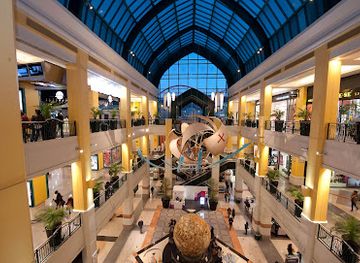
Amoreiras
Discover the vibrant shopping experience at Amoreiras in Lisbon, where luxury meets local charm amidst stunning architecture.

Get your free copy of our complete guide to Beira Alta, delivered straight to you.
Everything on this page, from attractions and restaurants to essentials and local phrases, in one PDF you can read offline, print or share.
Already have an account? Sign in
Your Beira Alta guide is ready.
We'll send it to · Not you? Sign out

Getting your guide ready…
We are putting together a fresh copy of the Beira Alta guide. This can take up to a minute.
This can take a few moments. If your browser asks, choose Allow so the download can start. You'll find the guide in your Downloads folder.
Nothing happened? Download it again
Sorry, the guide is taking longer than usual. Please try again in a minute, or get it by email instead.
Beira Alta essentials
Currency and Payment
Safety
Emergency Situations
Do's and Don'ts
Local Tips
From Eve
Local phrases worth knowing
You don't need to get them perfect. A few words go a long way, and locals appreciate the effort.
Basics
| English | Local | Say it |
|---|---|---|
| Hello | Olá | [oh-LAH] |
| Goodbye | Adeus | [ah-DEH-oos] |
| Yes | Sim | [seem] |
| No | Não | [now] |
| Please/You're welcome | Por favor | [pohr fah-VOR] |
| Thank you | Obrigado/Obrigada | [oh-bree-GAH-do/oh-bree-GAH-dah] |
| Excuse me/Sorry | Desculpe | [deh-SKOOL-peh] |
| How are you? | Como estás? | [KOH-moo es-TAHS?] |
| Fine. And you? | Bem. E tu? | [BAYM. Ee too?] |
| Do you speak English? | Você fala inglês? | [voh-SEH FAH-lah een-GLESH?] |
| I don't understand | Não entendo | [now en-TEN-do] |
Eating & Drinking
| English | Local | Say it |
|---|---|---|
| I'd like to see the menu, please | Gostaria de ver o menu, por favor | [goh-stah-REE-ah jeh VAIR oo meh-NOO, pohr fah-VOR] |
| I don't eat meat | Eu não como carne | [eh-oo now-KOH moo KAH-rneh] |
| Cheers! | Saúde! | [sah-OO-deh] |
| I would like to pay, please | Gostaria de pagar, por favor | [goh-stah-REE-ah jeh pah-GAR, pohr fah-VOR] |
Emergencies
| English | Local | Say it |
|---|---|---|
| Help! | Socorro! | [so-KOH-roh] |
| Go away! | Vai embora! | [VAI em-BOH-rah] |
| Call the Police! | Chame a polícia! | [SHAH-meh ah poh-LEE-syah] |
| Call a doctor! | Chame um médico! | [SHAH-meh oom MEH-dee-koh] |
| I'm lost | Estou perdido | [es-TOH per-DEE-doh] |
| I'm ill | Estou doente | [es-TOH doh-EHN-teh] |
Shopping
| English | Local | Say it |
|---|---|---|
| I'd like to buy... | Gostaria de comprar... | [goh-stah-REE-ah jeh kohm-PRAHR...] |
| I'm just looking | Estou apenas a olhar | [es-TOH ah-PEH-nahs ah oh-LYAR] |
| How much is it? | Quanto é? | [KWAN-toh eh?] |
| That's too expensive | É muito caro | [eh MOYN-toh KAH-roh] |
| Can you lower the price? | Pode baixar o preço? | [POH-deh bye-SHAHR oo PREH-soo?] |
Time & Numbers
| English | Local | Say it |
|---|---|---|
| What time is it? | Que horas são? | [keh OH-ras sow?] |
| It's one o'clock | É uma hora | [eh OO-mah OH-rah] |
| Half past (10) | Dez e meia | [dez ee MAY-ah] |
| Morning | Manhã | [mahn-YAH] |
| Afternoon | Tarde | [TAR-deh] |
| Evening | Noite | [NOY-teh] |
| Yesterday | Ontem | [ON-tem] |
| Today | Hoje | [OH-zhe] |
| Tomorrow | Amanhã | [ah-mahn-YAH] |
| 1 | Um | [oom] |
| 2 | Dois | [doysh] |
| 3 | Três | [tresh] |
| 4 | Quatro | [KWAH-tro] |
| 5 | Cinco | [SEEN-ko] |
| 6 | Seis | [SAYSH] |
| 7 | Sete | [SEH-tay] |
| 8 | Oito | [OY-toh] |
| 9 | Nove | [NOH-veh] |
| 10 | Dez | [DEZ] |
Transport & Directions
| English | Local | Say it |
|---|---|---|
| Where's a/the...? | Onde está um/a...? | [ON-deh es-TAH oom/ah...?] |
| What's the address? | Qual é o endereço? | [KWAL eh oo en-deh-REH-soo?] |
| Can you show me (on the map)? | Pode-me mostrar (no mapa)? | [POH-deh-meh mohs-TRAR (no MAH-pah)?] |
| When's the next (bus)? | Quando é o próximo (autocarro)? | [KWAN-do eh oo PROH-see-mo (ow-toh-KAR-roh)?] |
| A ticket (to ....) | Um bilhete (para....) | [oom bee-LYEH-tay (PAH-rah....)] |
History of Beira Alta
Prehistoric Côa Valley Rock Art
The Côa Valley preserves one of Iberia’s most important concentrations of open-air Palaeolithic rock art. Engravings of animals and other figures were made along schist surfaces beside the River Côa over many thousands of years, with later prehistoric and historic marks adding to the record. The site became internationally prominent in the 1990s when its archaeological importance helped halt plans for a dam that would have submerged much of the decorated landscape. The Côa Valley’s galleries and museum demonstrate how Beira Alta’s rivers preserve evidence of human activity far older than its castles and churches.
Roman Roads and Lusitanian Settlement
Roman rule reshaped the interior of Portugal through roads, administrative centres, agriculture and links between the Atlantic coast and the Meseta. The territory associated with Beira Alta was not a single Roman province or city, but it contained settlements and routes connecting places such as Viseu, Guarda and the wider interior. Roman building materials and archaeological remains survive in several towns and villages, often incorporated into later structures. The road network established patterns of movement that remained important long after Roman authority disappeared, helping to explain the strategic value of the high plateau and mountain passes.
Medieval Repopulation and the Portuguese Frontier
During the Christian reconquest and the formation of Portugal, Beira Alta became a zone of settlement, warfare and border consolidation. Monarchs granted charters to towns and encouraged communities to occupy and defend the interior, while castles and walled settlements controlled routes towards León and, later, Castile. Guarda, Trancoso, Pinhel, Celorico da Beira and other fortified places reflect this process. Their walls were not simply military structures: they protected markets, religious institutions and farming communities in a region where political boundaries could remain contested for generations.
Jewish Communities and Medieval Trade
Jewish communities played an important role in the commercial and civic life of several Beira Alta towns during the medieval period. Trancoso, Guarda, Belmonte and other settlements retain architectural and documentary traces associated with Jewish residents, including narrow historic streets, former quarters and later memorial or interpretive initiatives. Their activities were connected to trade, crafts, medicine and finance, linking inland markets with wider Iberian networks. The forced conversion of Jews in the late fifteenth century and subsequent persecution transformed these communities, leaving a complex legacy that remains part of the region’s cultural history.
The Expansion of Border Defences
Portugal’s conflicts with Castile and Spain led to repeated investment in frontier fortifications. Medieval castles were adapted, while new bastions and defensive systems appeared during the Restoration War of the seventeenth century and later conflicts. Almeida is the most recognisable example, with a remarkable star-shaped fortress encircling the historic settlement, while Pinhel and other towns preserve related defensive landscapes. These structures reveal how military architecture responded to artillery, changing state power and the need to secure roads across the plateau. Many later became peaceful civic spaces, although their strategic origins remain unmistakable.
Dão Wine and Agricultural Modernisation
Viticulture has long formed part of the agricultural economy around the Dão basin, where granitic soils, elevation and a relatively continental climate influence the wines. Modern regulation and improved production methods gave the Dão region a stronger identity in the twentieth century, while vineyards continued to coexist with pine, oak, olive and small-scale mixed farming. Wine cooperatives and independent producers helped connect rural communities to national markets. The vineyard landscape around Viseu, Mangualde, Nelas and nearby areas illustrates how Beira Alta’s older agricultural systems have adapted without losing their local character.
Roads, Railways and Twentieth-Century Change
Improved roads and railway links gradually reduced Beira Alta’s isolation, although some branch lines later declined or closed. The Linha da Beira Alta connected the interior with the coast and Spain, supporting passengers, freight and migration, while roads strengthened links between Viseu, Guarda and the national motorway network. The twentieth century also brought substantial emigration, depopulation in some rural villages and a shift from subsistence farming towards services, forestry, wine and tourism. Contemporary Beira Alta still shows this transition in its restored historic centres, working agricultural landscapes and quieter inland communities.
Beira Alta in Photos
Browse through our photo collection highlighting the charm and character of the destination.
Neighbouring regions of Beira Alta
The closest regions to Beira Alta, if you have time for more than one.
-

-

-

-

-


Swipe for more regions
Explore more
Explore more of Portugal
Discover Portugal: A blend of historic charm, stunning coastlines, and delightful cuisine awaits in this captivating European gem.
Explore Portugal