

Figueira da Foz Travel Guide - Free Web & App
Your ultimate guide to Figueira da Foz. Discover top landmarks, proposed trips, and local tips. Free on the web or via the Evendo companion app.


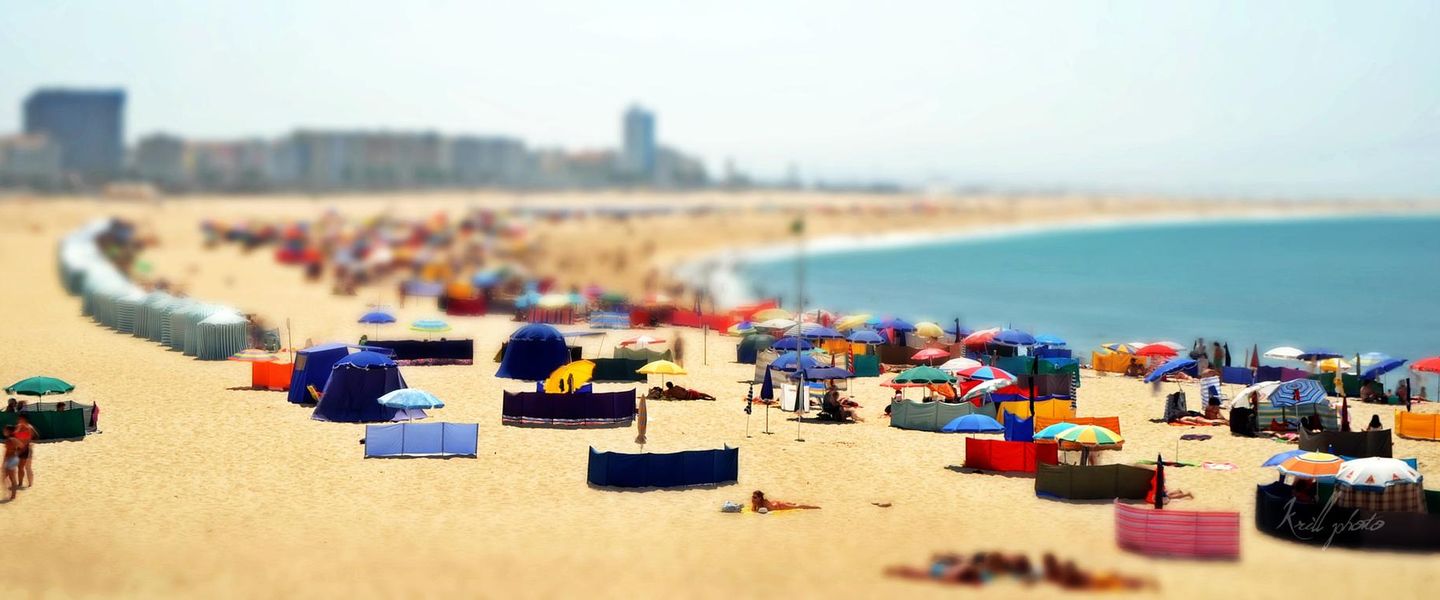


Figueira da Foz, Portugal combines Atlantic beaches, Mondego estuary scenery, seafood, historic Buarcos and the forested Serra da Boa Viagem.
Where River Meets Atlantic
Figueira da Foz stands on Portugal’s central coast where the Mondego River reaches the Atlantic, between the larger cities of Coimbra and Aveiro. Its broad urban beach, Praia da Claridade, is the defining feature: a long sweep of sand backed by promenades, dunes and the historic quarters of Figueira and Buarcos. The city is more than a seaside resort, however. The estuary, fishing port, salt pans and nearby hills reveal a working coastal landscape shaped by water, trade and seasonal tourism.Read more about Figueira da Foz
Beaches, Hills and Maritime Heritage
A Relaxed Central-Coast Base
When is the best time to visit Figueira da Foz?
Best: June–July, September · 24–27°C| Month | High (°C) | Rainfall (mm) |
|---|---|---|
| January | 15 | 117 |
| February | 15 | 95 |
| March | 16 | 78 |
| April | 18 | 68 |
| May | 21 | 54 |
| June (best) | 24 | 17 |
| July (best) | 27 | 2 |
| August | 28 | 2 |
| September (best) | 24 | 15 |
| October | 21 | 69 |
| November | 18 | 89 |
| December | 16 | 117 |
Getting to and around Figueira da Foz
How to get there
Transportation
Best attractions in Figueira da Foz
Figueira da Foz’s principal attraction is Praia da Claridade, a broad Atlantic beach extending along the urban waterfront and linking naturally with the beaches of Buarcos. Forte de Santa Catarina stands beside the Mondego mouth, while the older quarter of Buarcos offers streets, churches and fishing heritage away from the main resort frontage. North of the city, the Serra da Boa Viagem combines maritime viewpoints, woodland and access to Cabo Mondego, whose exposed geology gives the headland a particular scientific importance. The Mondego estuary and its salt pans introduce a quieter environment of tidal channels, reedbeds and working landscapes, best appreciated from suitable public access points. In the city, the Museu Municipal Santos Rocha presents archaeological, artistic and ethnographic collections, and Palácio Sotto Mayor adds an ornate historic residence to the cultural itinerary. The wider municipality also includes the former Cistercian Mosteiro de Santa Maria de Seiça, a substantial religious monument in a rural setting.
-
Monument
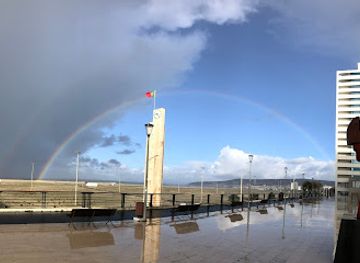
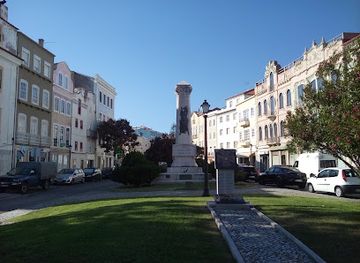
Clock tower
Discover the iconic Clock Tower in Figueira da Foz, a beautiful monument that showcases the city's rich history and vibrant culture.
-
Public beach
Praia de Quiaios
Experience the tranquil charm of Praia de Quiaios, a beautiful beach destination in Portugal ideal for relaxation and adventure.
-
Cultural center
CAE - Performing Arts Center
Discover the vibrant arts scene at CAE - Performing Arts Center in Figueira da Foz, offering a diverse array of performances and exhibitions for all art lovers.
-
Marina
Marina da Figueira da Foz
Experience the charm and beauty of Marina da Figueira da Foz, where the Atlantic meets vibrant culture and thrilling water activities.


Best landmarks in Figueira da Foz
The Mondego estuary is Figueira da Foz’s defining natural landmark, marking the point where a major central-Portugal river enters the Atlantic and supporting a landscape of channels, mudflats, salt pans and working waterfronts. Cabo Mondego, at the edge of the Serra da Boa Viagem, is significant for its coastal geology as well as its elevated views, while the wooded ridge forms a dramatic northern backdrop to the city. Forte de Santa Catarina, positioned beside the river mouth, recalls the defensive importance of the coast and harbour. In the historic urban fabric, Buarcos and its churches preserve the memory of an older fishing community, while Palácio Sotto Mayor represents the city’s resort-era architecture. The Museu Municipal Santos Rocha documents local archaeology, art and ethnography, and the rural Mosteiro de Santa Maria de Seiça provides a substantial religious landmark within the wider municipality.
-
Monument
Clock tower
Discover the iconic Clock Tower of Figueira da Foz, a stunning monument that reflects the city's rich history and vibrant culture.
-
Scenic spot
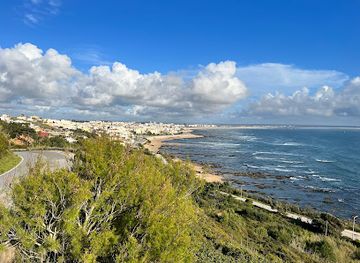
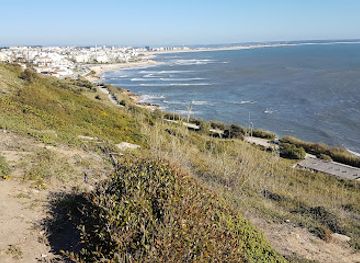
Cape Mondego viewpoint
Discover the stunning panoramic views of the Atlantic at Cape Mondego Viewpoint in Buarcos, a must-visit scenic spot for every traveler.
-
Tourist attraction
Miradouro da Bandeira
Experience the breathtaking views at Miradouro da Bandeira, a scenic gem in Quiaios that promises unforgettable moments and stunning landscapes.
-
Garden
Municipal Gardens Figueira da Foz
Experience tranquility in the heart of Figueira da Foz at the Municipal Gardens, a lush escape filled with vibrant flora and local charm.
Explore Figueira da Foz on the map
Plan your trip on one map. See where the top attractions, landmarks, restaurants and hotels are, and book hotels and experiences in a few clicks.
Best hotels in Figueira da Foz
Best restaurants in Figueira da Foz
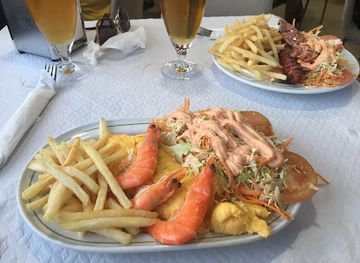
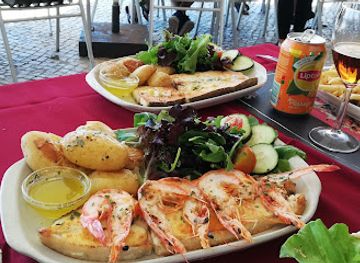
Figueira da Foz’s dining identity is strongly maritime, with fish and shellfish supplied by the Atlantic and the fishing port appearing on menus in restaurants, cafés and traditional eateries around the city and Buarcos. Portuguese staples such as grilled fish, sardines when in season, caldeirada and rice-based seafood dishes reflect the coast’s relationship with the sea, while simple petiscos and soups suit informal meals. The central waterfront and older fishing quarter provide the greatest concentration of places to eat, although visitors will also find cafés and restaurants in residential areas and nearby settlements. Inland meals draw on the wider cuisine of central Portugal, including pork, poultry, seasonal vegetables and regional cheeses. Market shopping and local food shops can be useful for picnics, particularly when exploring the Serra da Boa Viagem or estuary landscapes, where dining facilities are more limited.
-
Portuguese
Restaurante Fernandos Hideway
Experience authentic Portuguese flavors at Fernando's Hideaway in Figueira da Foz - where tradition meets taste!
-
Restaurant
Cervejaria Marisqueira Sagres
Discover the taste of Portugal at Cervejaria Marisqueira Sagres – a seafood lover's paradise in Figueira da Foz.
-
Hamburger
Cocktail Bar
Discover Cocktail Bar in Figueira da Foz - where exquisite cocktails meet vibrant nightlife for an unforgettable experience.
-
Gastropub
Gastrobar Acrópole
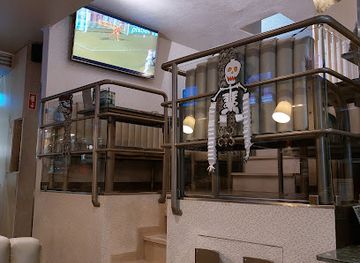
Discover Gastronomic Delights at Gastrobar Acrópole in Figueira da Foz - A Perfect Blend of Tradition and Modern Cuisine.
Best bars in Figueira da Foz
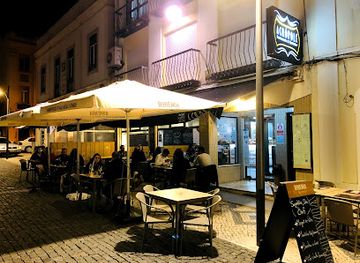
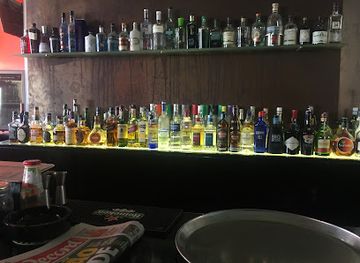
Evenings in Figueira da Foz range from quiet drinks in cafés and traditional bars to the more animated atmosphere of the seafront and casino area during the summer season. Buarcos has an established local hospitality scene, while the central waterfront is the place to look for later-opening venues when seasonal demand is highest. The Casino Figueira forms part of the city’s long entertainment history and may host performances or other programmed activity, but schedules vary. Outside the main summer period, nightlife is generally relaxed rather than club-focused, with residents and visitors gathering in bars, cafés and restaurants. The wider municipality has little concentrated nightlife, so those staying in rural areas should expect to return to Figueira or Buarcos for evening entertainment and should check current opening arrangements locally.
-
Restaurant
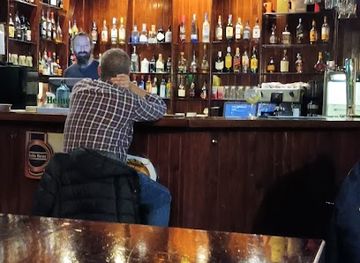
JET7.5 FOOD&DRINKS
Discover the delightful fusion of food and live music at JET7.5 Food & Drinks in Figueira da Foz, where every meal is a celebration.
-
Hamburger
Cocktail Bar
Experience the vibrant atmosphere and gourmet offerings at Cocktail Bar in Figueira da Foz, where cocktails and fast food create a delightful escape.
-
Bar
Tucano Beach Bar
Experience the vibrant atmosphere of Tucano Beach Bar in Figueira de Foz, offering stunning views, delicious drinks, and a taste of local culture.
-
Bar
Maresia Bar
Discover the vibrant atmosphere of Maresia Bar in Figueira da Foz, where refreshing drinks and stunning ocean views await you.
Best nightclubs in Figueira da Foz
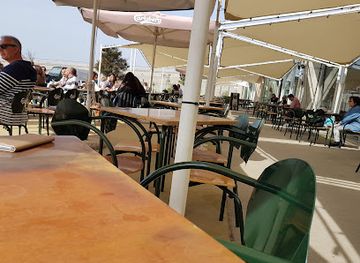
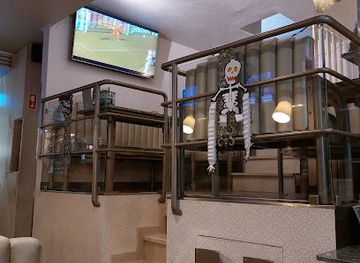
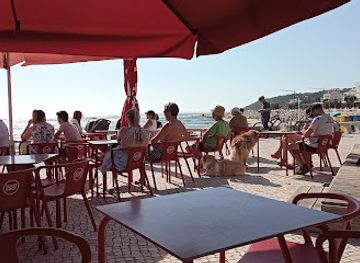
Evenings in Figueira da Foz range from quiet drinks in cafés and traditional bars to the more animated atmosphere of the seafront and casino area during the summer season. Buarcos has an established local hospitality scene, while the central waterfront is the place to look for later-opening venues when seasonal demand is highest. The Casino Figueira forms part of the city’s long entertainment history and may host performances or other programmed activity, but schedules vary. Outside the main summer period, nightlife is generally relaxed rather than club-focused, with residents and visitors gathering in bars, cafés and restaurants. The wider municipality has little concentrated nightlife, so those staying in rural areas should expect to return to Figueira or Buarcos for evening entertainment and should check current opening arrangements locally.
-
Bar
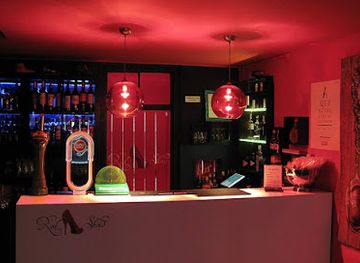
RedShoes
Discover the vibrant nightlife at RedShoes, Figueira da Foz's premier bar for cocktails, music, and unforgettable experiences.
-
Bar
Maktub Bar
Discover the vibrant nightlife at Maktub Bar in Figueira da Foz, where cocktails, music, and a lively atmosphere await.
-
Bar
Bairro Novo
Experience the vibrant nightlife at Bairro Novo, Figueira da Foz's premier bar offering lively ambiance and an extensive drink selection.
-
Bar
Irish Pub
Discover the vibrant atmosphere of the Irish Pub in Figueira da Foz, where local culture meets traditional pub charm in a lively coastal setting.
Best shops in Figueira da Foz
Shopping in Figueira da Foz is concentrated in the central commercial streets, around the market areas and in the established quarters of Figueira and Buarcos rather than in a large destination shopping district. The municipal market and local food shops are useful for fresh produce, fish and everyday Portuguese specialities, while supermarkets and small independent retailers serve visitors staying in the city. Portuguese ceramics, textiles, preserves, olive oil, wine and regional sweets can be found in shops selling national or central-coast products, although the exact selection varies. Salt from the Mondego coast can be a meaningful regional purchase where locally produced products are available. Visitors seeking specialist retail, larger commercial centres or a broader choice of brands may need to travel to nearby urban areas, while the Serra da Boa Viagem and estuary itself offer little conventional shopping.
-
Shopping mall
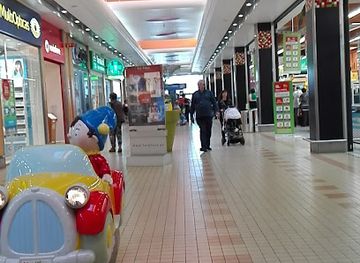
Foz Plaza
Explore Foz Plaza, a vibrant shopping mall in Figueira da Foz with diverse shops, delicious dining, and family-friendly entertainment.
-
Supermarket
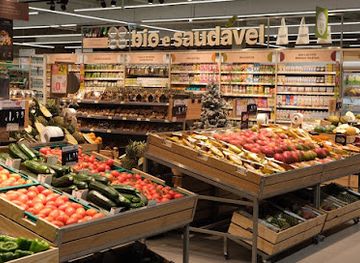
Continente Modelo Figueira da Foz
Experience the best of local and international shopping at Continente Modelo Figueira da Foz, your one-stop supermarket for all essentials.
-
Shopping mall
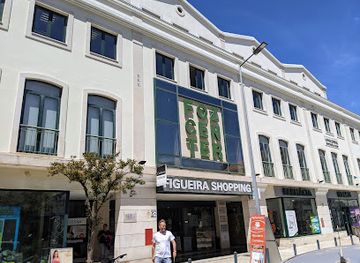
Foz Center Figueira Shopping
Discover a shopping paradise at Foz Center Figueira Shopping, where retail therapy meets culinary delights in beautiful Figueira da Foz.
-
Sportswear store
Sport Zone
Discover Figueira da Foz's finest sportswear store, Sport Zone, where quality meets style for every athletic enthusiast.
Get your free copy of our complete guide to Figueira da Foz, delivered straight to you.
Everything on this page, from attractions and restaurants to essentials and local phrases, in one PDF you can read offline, print or share.
Already have an account? Sign in
Your Figueira da Foz guide is ready.
We'll send it to · Not you? Sign out

Getting your guide ready…
We are putting together a fresh copy of the Figueira da Foz guide. This can take up to a minute.
This can take a few moments. If your browser asks, choose Allow so the download can start. You'll find the guide in your Downloads folder.
Nothing happened? Download it again
Sorry, the guide is taking longer than usual. Please try again in a minute, or get it by email instead.
Figueira da Foz essentials
Currency and Payment
Safety
Emergency Situations
Do's and Don'ts
Local Tips
From Eve
Local phrases worth knowing
You don't need to get them perfect. A few words go a long way, and locals appreciate the effort.
Basics
| English | Local | Say it |
|---|---|---|
| Hello | Olá | [oh-lah] |
| Goodbye | Adeus | [ah-deh-oosh] |
| Yes | Sim | [seem] |
| No | Não | [now] |
| Please/You're welcome | Por favor/De nada | [pohr fah-vohr/deh nah-dah] |
| Thank you | Obrigado | [oh-bree-gah-doo] |
| Excuse me/Sorry | Com licença/Desculpe | [kohm lee-sehn-sah/deh-skool-peh] |
| How are you? | Como está? | [koh-moo ehs-tah] |
| Fine. And you? | Bem. E você? | [behn/eh voh-seh] |
| Do you speak English? | Fala inglês? | [fah-lah een-glehsh] |
| I don't understand | Não entendo | [now ehn-tehn-doo] |
Eating & Drinking
| English | Local | Say it |
|---|---|---|
| I'd like to see the menu, please | Gostaria de ver o menu, por favor | [goh-stah-ree-ah deh vehr oo men-oo/por fah-vohr] |
| I don't eat meat | Não como carne | [now koh-moo kahr-neh] |
| Cheers! | Saúde! | [sow-deh] |
| I would like to pay, please | Gostaria de pagar, por favor | [goh-stah-ree-ah deh pah-gahr/por fah-vohr] |
Emergencies
| English | Local | Say it |
|---|---|---|
| Help! | Socorro! | [soh-koh-roh] |
| Go away! | Vai-te embora! | [vah-ee-teh ehm-boh-rah] |
| Call the Police! | Chama a polícia! | [shah-mah ah poh-lee-see-ah] |
| Call a doctor! | Chama um médico! | [shah-mah oom meh-dee-koo] |
| I'm lost | Estou perdido | [eh-stoh pehr-dee-doo] |
| I'm ill | Estou doente | [eh-stoh doo-ehn-teh] |
Shopping
| English | Local | Say it |
|---|---|---|
| I'd like to buy... | Gostaria de comprar... | [goh-stah-ree-ah deh kohm-prahr] |
| I'm just looking | Estou só a ver | [eh-stoh soh ah vehr] |
| How much is it? | Quanto custa? | [kwahn-too koos-tah] |
| That's too expensive | Isso é muito caro | [ee-soh eh moo-ee-too kah-roo] |
| Can you lower the price? | Pode baixar o preço? | [poh-deh bahy-shahr oo preh-soh] |
Time & Numbers
| English | Local | Say it |
|---|---|---|
| What time is it? | Que horas são? | [keh oh-rahz sao] |
| It's one o'clock | É uma hora | [eh oo-mah oh-rah] |
| Half past (10) | Meia hora (10) | [meh-yah oh-rah (deez)] |
| Morning | Manhã | [mah-nyah] |
| Afternoon | Tarde | [tahr-d] |
| Evening | Noite | [noy-cheh] |
| Yesterday | Ontem | [ohn-tehn] |
| Today | Hoje | [oh-zheh] |
| Tomorrow | Amanhã | [ah-mahn-yah] |
| 1 | Um | [oom] |
| 2 | Dois | [doh-eez] |
| 3 | Três | [trehsh] |
| 4 | Quatro | [kwah-troh] |
| 5 | Cinco | [seen-koh] |
| 6 | Seis | [saysh] |
| 7 | Sete | [seh-teh] |
| 8 | Oito | [oy-toh] |
| 9 | Nove | [noh-veh] |
| 10 | Dez | [dehz] |
Transport & Directions
| English | Local | Say it |
|---|---|---|
| Where's a/the...? | Onde fica o/a...? | [ohn-deh fee-kah oo/ah] |
| What's the address? | Qual é o endereço? | [kwahl eh oo ehn-deh-reh-soh] |
| Can you show me (on the map)? | Pode mostrar-me (no mapa)? | [poh-deh moh-shtr-meh (noo mah-pah)] |
| When's the next (bus)? | Quando é o próximo (autocarro)? | [kwahn-doo eh oo proh-ksee-moh (ow-toh-kah-roo)] |
| A ticket (to ....) | Um bilhete (para ....) | [oom bee-lyeh-teh (pah-rah)] |
History of Figueira da Foz
A Coast Shaped by the Mondego
Figueira da Foz developed at the meeting point of the Mondego and the Atlantic, a setting whose estuary supported fishing, salt production, agriculture and movement along Portugal’s central coast. The surrounding region has evidence of earlier Roman and medieval occupation, although the modern city’s identity emerged gradually from several settlements rather than from a single founding event. The river mouth also made the area strategically and commercially significant, while the Serra da Boa Viagem and Cabo Mondego provided a distinctive natural boundary to the north.
Buarcos and the Medieval Coast
Buarcos was the older maritime settlement and remained closely associated with fishing and coastal trade as Figueira grew. Its historic streets and churches preserve the character of a community shaped by the sea, while the wider municipality contains traces of long-established rural and religious landscapes. The nearby Mondego estuary connected local production with inland markets, and salt pans became an enduring part of the coastal economy. The relationship between Buarcos and Figueira remains central to understanding the area’s layered urban identity.
Port, Salt and Fishing
From the early modern period into the nineteenth century, Figueira da Foz expanded as a port serving the Mondego basin and the agricultural lands of central Portugal. Fishing, ship activity, salt making and trade supported the growth of the settlement, while improvements to the river mouth and harbour strengthened its regional importance. The port’s history is also linked to the Atlantic fishing economy, including the wider Portuguese tradition of cod fishing. Salt pans and fish-related work continued to shape the estuary’s landscape and local communities.
The Rise of the Seaside Resort
During the nineteenth century, improved communications and changing leisure habits brought greater attention to Figueira’s extensive sandy shore. Bathing culture encouraged promenades, hotels, villas and public entertainment, gradually transforming the city into one of central Portugal’s established coastal resorts. Buarcos and Figueira became connected by a continuous urban seafront, while the beach known as Praia da Claridade became a defining symbol of the destination. The arrival of rail connections further strengthened links with Coimbra and inland Portugal.
Modern Heritage and Coastal Stewardship
Twentieth-century tourism brought new recreational facilities and helped establish the casino and waterfront as important elements of Figueira’s public life. At the same time, the port, fishing activity, salt landscapes and Mondego estuary remained working environments rather than purely scenic backdrops. Modern conservation and heritage efforts have drawn attention to the geological significance of Cabo Mondego, the ecological value of estuarine habitats and the importance of historic buildings, museums and traditional coastal livelihoods within a changing tourism economy.
Figueira da Foz in Photos
Browse through our photo collection highlighting the charm and character of the destination.
Neighbouring destination travel guides
The closest destinations to Figueira da Foz, if you have time for more than one.
-

-

-

-

-


Swipe for more destinations
Explore more

Explore more of Beira Litoral
Explore Beira Litoral: Portugal's coastal treasure with historic cities, lush forests, and golden beaches, offering a perfect mix of culture, nature, and relaxation.
Explore Beira Litoral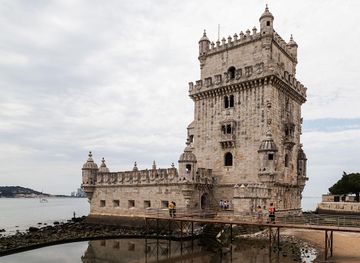
Explore more of Portugal
Discover Portugal: A blend of historic charm, stunning coastlines, and delightful cuisine awaits in this captivating European gem.
Explore Portugal