

Free Lamego Travel Guide & Mobile App
Plan your Lamego trip with Evendo. Get free guides to top attractions, restaurants, hotels, and bars. Web access or download the mobile app.


Lamego in Portugal combines baroque stairways, a medieval cathedral, terraced Douro landscapes, museums, wine culture and historic northern charm.
A City of Sacred Architecture
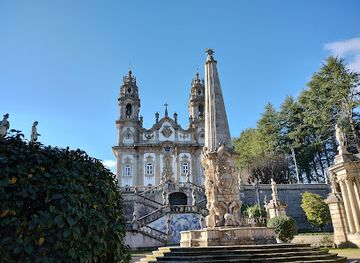
Lamego rises on the southern edge of the Douro wine region, where granite hills, vineyards and deep river valleys shape the landscape. Its most recognisable sight is the Sanctuary of Nossa Senhora dos Remédios, a late-Baroque pilgrimage church reached by an elaborate staircase of nearly 700 steps. Flights of granite, fountains, azulejos and clipped trees lead uphill from the town, creating one of northern Portugal's most memorable architectural viewpoints.Read more about Lamego
Medieval Streets and Cultural Collections
Wine, Markets and Mountain Landscapes
When is the best time to visit Lamego?
Best: May–July · 25–31°C| Month | High (°C) | Rainfall (mm) |
|---|---|---|
| January | 16 | 158 |
| February | 16 | 134 |
| March | 19 | 111 |
| April | 21 | 118 |
| May (best) | 25 | 72 |
| June (best) | 29 | 25 |
| July (best) | 31 | 11 |
| August | 31 | 18 |
| September | 29 | 55 |
| October | 24 | 125 |
| November | 19 | 168 |
| December | 16 | 186 |
Getting to and around Lamego
How to get there
Transportation
Best attractions in Lamego
Lamego's principal sights can be explored through a compact but hilly itinerary. The Sanctuary of Nossa Senhora dos Remédios dominates the town from its wooded slope, with a monumental staircase decorated by fountains, azulejos and ornamental features. In the old centre, the Sé de Lamego combines a medieval foundation with later architectural changes and remains a key expression of the city's episcopal past. Nearby, the castle quarter preserves the keep, sections of fortification and the Igreja de Santa Maria de Almacave, one of the town's most historic churches. The Museu de Lamego occupies the former episcopal palace and displays religious art, paintings, tapestries and decorative works. A stroll through the lanes around the cathedral leads to cafés, small shops and local squares, while viewpoints on the town's edges open towards vineyard-covered hills. The surrounding Douro and Távora-Varosa areas extend the sightseeing beyond the urban centre with estates, villages and dramatic valley roads.
-
Catholic church
Santuário de Nossa Senhora dos Remédios
Discover the serene beauty and spiritual significance of Santuário de Nossa Senhora dos Remédios in Lamego, Portugal – a must-see destination for pilgrims and tourists alike.
8 min drive · 2.8 km from city centre
-
Museum
Douro Museum
Explore the Douro Museum in Peso da Régua, a celebration of the region's rich winemaking heritage and breathtaking landscapes.
31 min drive · 11 km from city centre
-
Catholic cathedral
Lamego Cathedral
Discover the awe-inspiring Lamego Cathedral, a Baroque masterpiece in the heart of Portugal, rich in history and architectural beauty.
10 min drive · 3.3 km from city centre
-
Castle
Castelo de Lamego
Discover the historical charm of Castelo de Lamego, an iconic castle offering breathtaking views and a deep dive into Portugal's rich heritage.
11 min drive · 3.6 km from city centre

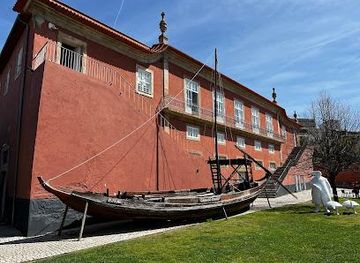
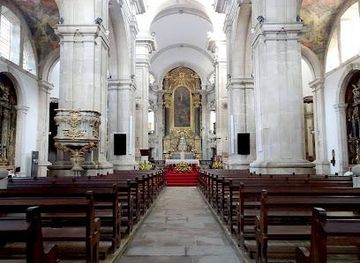

Best landmarks in Lamego
The Sanctuary of Nossa Senhora dos Remédios is Lamego's defining landmark, its late-Baroque church crowned by an elaborate stairway that climbs from the town through fountains, tiled panels and formal gardens. The Sé de Lamego anchors the old centre and preserves the authority of a former episcopal seat, with medieval origins beneath later architectural layers. Lamego Castle, represented chiefly by its keep and surviving defensive fabric, occupies the historic high ground and recalls the settlement's strategic medieval role. Close by, the Igreja de Santa Maria de Almacave is associated with the oldest religious traditions of the town. The former episcopal palace, now the Museu de Lamego, is itself an important civic and architectural landmark, linking the city's ecclesiastical history with its public cultural life. Together these buildings reveal how military, religious and administrative power shaped Lamego's compact urban form.
-
Catholic church
Santuário de Nossa Senhora dos Remédios
Discover the breathtaking Santuário de Nossa Senhora dos Remédios, a baroque gem and spiritual sanctuary in Lamego, Portugal, offering stunning views and rich history.
8 min drive · 2.8 km from city centre
-
Catholic cathedral
Lamego Cathedral
Discover the architectural wonder of Lamego Cathedral, a serene destination steeped in history and rich cultural heritage in the heart of Portugal.
10 min drive · 3.3 km from city centre
-
Castle
Castelo de Lamego
Explore the historic Castelo de Lamego, a stunning medieval castle with breathtaking views and rich Portuguese heritage.
11 min drive · 3.6 km from city centre
-
 Hotel
Quinta da Pacheca
Discover Quinta da Pacheca, an enchanting wine estate in the Douro Valley, offering luxurious accommodations and exquisite wine experiences in Portugal's stunning landscape.
30 min drive · 9.9 km from city centre


Explore Lamego on the map
Plan your Lamego trip on one map. See where the top attractions, landmarks, restaurants, bars and hotels are, find what's near where you're staying, and book hotels and experiences in a few clicks.
Best hotels in Lamego
Best restaurants in Lamego
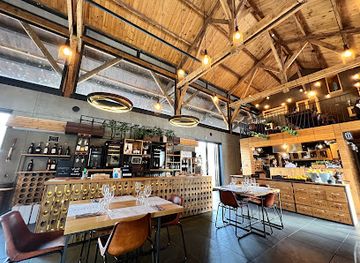
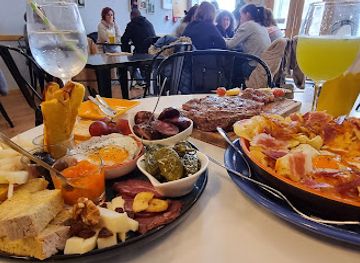
Lamego's cooking reflects the robust flavours of northern Portugal and the agricultural landscape around the Douro. Local tables feature cured meats, presunto, sausages, seasonal vegetables and slow-cooked dishes, while bola de Lamego, a regional savoury bread filled with meat, is a familiar speciality. Bacalhau and other Portuguese staples appear alongside dishes shaped by the hills and river valleys, including hearty stews and grilled meats. Cafés and bakeries provide pastries and simple snacks between visits to the cathedral and sanctuary, while the municipal market offers a glimpse of the ingredients used in household cooking. Wine is central to the area, with Douro table wines and the sparkling wines associated with Távora-Varosa complementing local meals. Dining ranges from traditional family restaurants in the centre to rural establishments and estate-based experiences outside town, where advance arrangements are often sensible.
-
Restaurant
Castas e Pratos
Experience exquisite dining and exceptional wines at Castas e Pratos in Peso da Régua - A true gem of Portuguese gastronomy.
30 min drive · 10 km from city centre
-
Restaurant
A Taberna do Porfírio
Discover authentic Portuguese tapas at A Taberna do Porfírio in Lamego – where every meal is a celebration of local flavors.
10 min drive · 3.2 km from city centre
-
Restaurant
Aneto & Table
Discover the essence of Portuguese cuisine at Aneto & Table, where exceptional dishes meet fine Douro Valley wines in Peso da Régua.
30 min drive · 10 km from city centre
-
Tapas
Casa da Rua
Experience authentic Portuguese tapas at Casa da Rua in Lamego, where local flavors meet exceptional hospitality.
10 min drive · 3.5 km from city centre
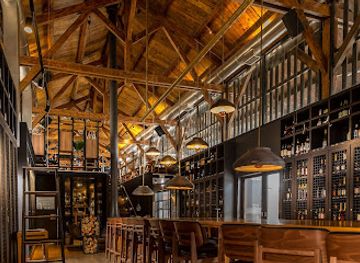

Best bars in Lamego
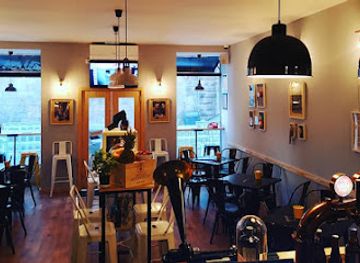
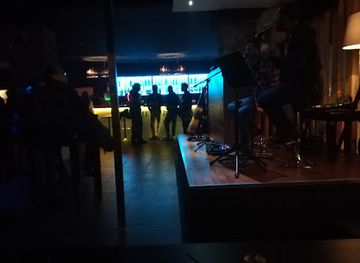
Lamego's evening scene is modest and social rather than club-focused. The historic centre has cafés, pastry shops and small bars where residents gather over coffee, beer or a glass of regional wine, particularly around the cathedral and central streets. Traditional Portuguese conversation and relaxed late-evening dining are more characteristic than a dense concentration of nightclubs. Wine bars and restaurant terraces provide opportunities to taste Douro and Távora-Varosa labels, while seasonal festivities connected with Nossa Senhora dos Remédios bring processions, music and public celebrations on a much larger scale. Cultural events, local performances and community programmes may add variety depending on the time of year. Visitors seeking late-night dancing generally need to look towards larger regional centres, while Lamego suits evenings built around food, wine, conversation and illuminated historic streets.
-
Restaurant
A Taberna do Porfírio
Savor authentic Portuguese tapas in the heart of Lamego at A Taberna do Porfírio, where every dish tells a story of tradition and flavor.
10 min drive · 3.2 km from city centre
-
Tapas
Casa da Rua
Discover Casa da Rua, a top-rated tapas restaurant in Lamego, known for its authentic flavors and inviting atmosphere.
10 min drive · 3.5 km from city centre
-
Restaurant
A Presunteca de Lamego
Experience authentic Portuguese flavors at A Presunteca de Lamego, where culinary tradition meets modern dining in a charming setting.
9 min drive · 3.0 km from city centre
-
Traditional restaurant
Restaurante Casa Filipe
Experience the essence of traditional Portuguese dining at Restaurante Casa Filipe in Lamego, where every dish is a culinary delight.
10 min drive · 3.3 km from city centre

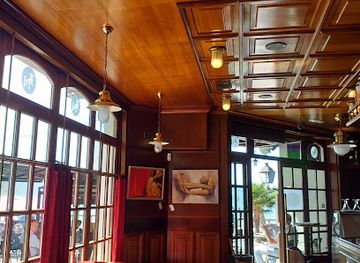
Best nightclubs in Lamego
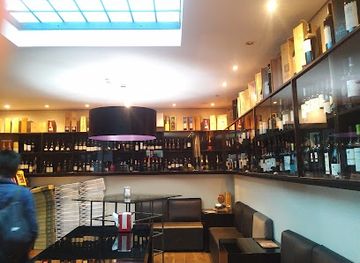
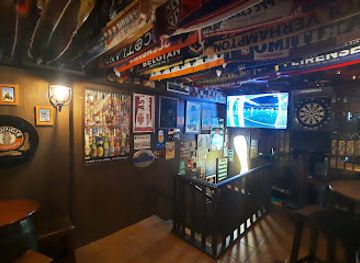
Lamego's evening scene is modest and social rather than club-focused. The historic centre has cafés, pastry shops and small bars where residents gather over coffee, beer or a glass of regional wine, particularly around the cathedral and central streets. Traditional Portuguese conversation and relaxed late-evening dining are more characteristic than a dense concentration of nightclubs. Wine bars and restaurant terraces provide opportunities to taste Douro and Távora-Varosa labels, while seasonal festivities connected with Nossa Senhora dos Remédios bring processions, music and public celebrations on a much larger scale. Cultural events, local performances and community programmes may add variety depending on the time of year. Visitors seeking late-night dancing generally need to look towards larger regional centres, while Lamego suits evenings built around food, wine, conversation and illuminated historic streets.
-
Bar
Brian Boru
Discover the lively atmosphere of Brian Boru, a vibrant bar in Lamego, Portugal, perfect for socializing and enjoying local nightlife.
10 min drive · 3.4 km from city centre
-
Bar
Trebaruna
Experience the vibrant nightlife of Sé-Lamego at Trebaruna, where local charm and lively atmosphere make every visit unforgettable.
10 min drive · 3.3 km from city centre
-
Bar
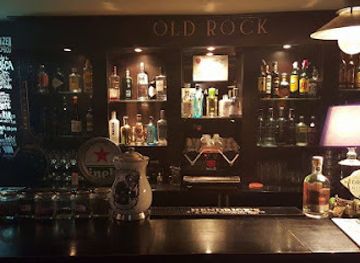
Old Rock Caffe
Experience the vibrant nightlife of Lamego at Old Rock Caffe, a lively bar offering local drinks and a welcoming atmosphere.
10 min drive · 3.4 km from city centre
-
Bar
MauMau Social Club
Experience the vibrant nightlife at MauMau Social Club in Lamego, a local favorite for cocktails, live music, and an unforgettable atmosphere.
10 min drive · 3.3 km from city centre
Best shops in Lamego
Shopping in Lamego is concentrated around the historic centre, where traditional food shops, cafés, small retailers and everyday businesses occupy streets near the cathedral. The municipal market offers regional produce and a more direct connection with local commerce, including fruit, vegetables, cured meats and other ingredients from the surrounding countryside. Food is among the most distinctive purchases: presunto, sausages, wines from the Douro and sparkling wine from the Távora-Varosa area travel well when properly packaged. Bakeries are useful for regional breads and bola de Lamego, while specialist shops may stock honey, jams and other products from the hills and vineyards. Visitors should distinguish locally made goods from generic souvenirs, and can find Portuguese ceramics, textiles and tableware in independent shops rather than in a large dedicated craft quarter. Retail is primarily local and practical, with fewer department stores or luxury boutiques than in Porto.
-
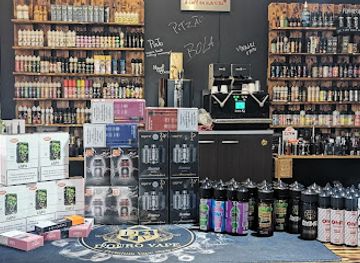
Vaporizer store
D'ouro Vape Lamego
Explore D'ouro Vape Lamego, a top vaporizer store in Lamego, Portugal, offering a variety of products for every vaping enthusiast.
9 min drive · 3.1 km from city centre
-
Fashion accessories store
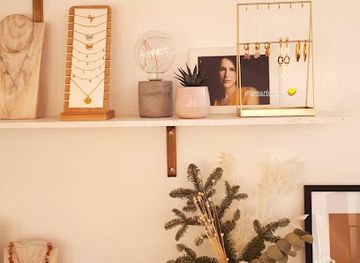
Catraia
Discover unique handcrafted jewelry at Catraia, a must-visit fashion accessories store in Lamego, Portugal, blending art and elegance.
11 min drive · 3.5 km from city centre
-
Fashion accessories store
Parfois
Discover Parfois in Lamego, where fashion meets style with an exceptional selection of accessories, clothing, and more.
10 min drive · 3.3 km from city centre
-
Fashion accessories store
MORAISFASHION
Explore MORAISFASHION in Lamego for unique fashion accessories that blend style and elegance, perfect for every outfit.
10 min drive · 3.3 km from city centre


Get your free copy of our complete guide to Lamego, delivered straight to you.
Everything on this page, from attractions and restaurants to essentials and local phrases, in one PDF you can read offline, print or share.
Already have an account? Sign in
Your Lamego guide is ready.
We'll send it to · Not you? Sign out

Getting your guide ready…
We are putting together a fresh copy of the Lamego guide. This can take up to a minute.
This can take a few moments. If your browser asks, choose Allow so the download can start. You'll find the guide in your Downloads folder.
Nothing happened? Download it again
Sorry, the guide is taking longer than usual. Please try again in a minute, or get it by email instead.
Lamego essentials
Currency and Payment
Safety
Emergency Situations
Do's and Don'ts
Local Tips
From Eve
Local phrases worth knowing
You don't need to get them perfect. A few words go a long way, and locals appreciate the effort.
Basics
| English | Local | Say it |
|---|---|---|
| Hello | Olá | [oh-lah] |
| Goodbye | Adeus | [ah-deh-oosh] |
| Yes | Sim | [seem] |
| No | Não | [now] |
| Please/You're welcome | Por favor/De nada | [pohr fah-vohr/deh nah-dah] |
| Thank you | Obrigado/a | [oh-bree-gah-doo/dah] |
| Excuse me/Sorry | Com licença/Desculpa | [kohm lee-sehn-sah/deh-skool-pah] |
| How are you? | Como está? | [koh-moo ehs-tah] |
| Fine. And you? | Bem. E você? | [behn/eh voh-seh] |
| Do you speak English? | Fala inglês? | [fah-lah een-glaysh] |
| I don't understand | Não entendo | [now ehn-tehn-doo] |
Eating & Drinking
| English | Local | Say it |
|---|---|---|
| I'd like to see the menu, please | Gostaria de ver o menu, por favor | [gohs-tah-ree-ah deh vehr oo meh-noo/pohr fah-vohr] |
| I don't eat meat | Não como carne | [now koh-moo kahr-neh] |
| Cheers! | Saúde! | [sow-deh] |
| I would like to pay, please | Gostaria de pagar, por favor | [gohs-tah-ree-ah deh pah-gahr/pohr fah-vohr] |
Emergencies
| English | Local | Say it |
|---|---|---|
| Help! | Ajuda! | [ah-joo-dah] |
| Go away! | Vai embora! | [vy ehm-boh-rah] |
| Call the Police! | Chama a polícia! | [shah-mah ah poh-lee-see-ah] |
| Call a doctor! | Chama um médico! | [shah-mah oom meh-dee-koo] |
| I'm lost | Estou perdido/a | [ehs-toh pehr-dee-doo/dah] |
| I'm ill | Estou doente | [ehs-toh doo-en-teh] |
Shopping
| English | Local | Say it |
|---|---|---|
| I'd like to buy... | Gostaria de comprar... | [gohs-tah-ree-ah deh kohm-prahr] |
| I'm just looking | Estou só a ver | [ehs-toh soh ah vehr] |
| How much is it? | Quanto custa? | [kwan-toh koosh-tah] |
| That's too expensive | Isso é muito caro | [ee-soh eh moo-ee-toh kahr-oo] |
| Can you lower the price? | Pode baixar o preço? | [poh-deh bai-sahr oo preh-soo] |
Time & Numbers
| English | Local | Say it |
|---|---|---|
| What time is it? | Que horas são? | [keh oh-rahz sawn] |
| It's one o'clock | É uma hora | [eh oo-mah oh-rah] |
| Half past (10) | Meia (dez) | [may-ah (dehz)] |
| Morning | Manhã | [mahn-yah] |
| Afternoon | Tarde | [tahr-deh] |
| Evening | Noite | [noy-teh] |
| Yesterday | Ontem | [ohn-tehm] |
| Today | Hoje | [oh-jeh] |
| Tomorrow | Amanhã | [ah-mahn-yah] |
| 1 | Um | [oom] |
| 2 | Dois | [doysh] |
| 3 | Três | [trehsh] |
| 4 | Quatro | [kwah-troh] |
| 5 | Cinco | [seen-koh] |
| 6 | Seis | [saysh] |
| 7 | Sete | [seh-teh] |
| 8 | Oito | [oy-toh] |
| 9 | Nove | [noh-veh] |
| 10 | Dez | [dehz] |
Transport & Directions
| English | Local | Say it |
|---|---|---|
| Where's a/the...? | Onde fica o/a...? | [ohn-deh fee-kah oo/ah] |
| What's the address? | Qual é o endereço? | [kwahl eh oo ehn-day-reh-soo] |
| Can you show me (on the map)? | Pode mostrar-me (no mapa)? | [poh-deh moh-strahr-meh (noo mah-pah)] |
| When's the next (bus)? | Quando é o próximo (autocarro)? | [kwahn-doo eh oo proh-ksih-moo (ow-toh-kah-roo)] |
| A ticket (to ....) | Um bilhete (para ...) | [oom beel-yeh-teh (pah-rah)] |
History of Lamego
Roman and Early Medieval Lamego
Lamego developed in a region occupied before Roman rule and became associated with the Roman settlement commonly identified as Lamecum. Its position between the interior plateau and the Douro valley gave it continuing strategic value, while roads and agricultural activity connected the area with wider settlements in northern Iberia. After the Roman period, control passed through the political changes that shaped the Iberian Peninsula, including the Visigothic kingdom and Muslim rule. The medieval town that emerged around the hilltop fortification and religious institutions inherited this layered setting. Archaeological evidence and surviving urban traces point to a settlement shaped less by a single foundation date than by successive periods of political, commercial and ecclesiastical importance.
Christian Reconquest and the Medieval Diocese
During the Christian reconquest, Lamego became part of the expanding Portuguese sphere in the twelfth century. Its castle occupied a defensible hill, while the cathedral and parish churches gave the settlement an enduring ecclesiastical identity. The Sé de Lamego preserves medieval foundations and later alterations, reflecting the long institutional history of the diocese. Lamego is also linked in later tradition to the Cortes of Lamego, supposedly held in 1143 and associated with the recognition of rules for the Portuguese monarchy. Historians treat the traditional account cautiously, as the documentary basis is disputed, but the story remains important to Portuguese historical memory and to the symbolic status attributed to the town.
An Episcopal and Commercial Centre
From the medieval period into the early modern age, Lamego's bishopric supported religious building, artistic commissions and administrative activity across the surrounding territory. The episcopal palace, now home to the Museu de Lamego, reflects the wealth and cultural reach of that institution. The town also benefited from regional trade linking the Douro valley with inland communities, exchanging agricultural products, wine and livestock. Its streets, churches and small squares gradually acquired the architectural mixture visible today, combining medieval survivals with Renaissance, Baroque and later interventions. Religious festivals and pilgrimage strengthened Lamego's regional importance, while the surrounding countryside supplied the food and wine traditions that remain central to its identity.
Baroque Devotion at Nossa Senhora dos Remédios
Lamego's most influential architectural transformation came with the development of the sanctuary dedicated to Nossa Senhora dos Remédios on the hill above the town. Work on the present church began in the eighteenth century, and the monumental staircase was developed over subsequent decades. Its granite flights, ornamental fountains, azulejo panels and formal planting express the theatrical visual language of Portuguese Baroque pilgrimage architecture. The sanctuary became a major religious destination, particularly during the annual September festivities. Beyond its devotional role, the complex reshaped Lamego's skyline and created an urban approach that links the lower town with a commanding hillside viewpoint.
Modern Lamego and Regional Identity
The modern history of Lamego has been closely tied to the surrounding wine economy, especially the Douro and the Távora-Varosa area. Vineyards, transport improvements and the growth of regional commerce connected the town with larger centres while preserving its role as a local administrative and service centre. The diocese was transferred to Vila Real in the eighteenth century, reducing Lamego's ecclesiastical prominence but not erasing its cathedral heritage. In the twentieth and twenty-first centuries, restoration of historic buildings, the development of the Museu de Lamego and interest in Douro wine tourism have reinforced the town's cultural profile. Contemporary Lamego remains a small inland city whose identity combines religious heritage, regional agriculture and mountain geography.
Travel experiences inspired by this city
-
 9 Day Trip
Family Journey to Vila Real: Douro Culture and Mountain Trails
Family escape to Vila Real: Douro Valley viewpoints, Mateus Palace, Serra do Alvão hikes, and northern Portuguese cuisine from a cozy, central base.
 16 Aug 2026
By Maryam Al Shehhi -
 9 Day Trip
Friends’ Hiking Escape in Portugal: Serra do Marão
Explore Portugal's Serra do Marão with friends—highland trails, panoramic viewpoints, village cuisine, and stargazing from a simple base near Amarante.
 10 Aug 2026
By Lamin Jallow -
 13 Day Trip
Hiking the Serra do Montemuro with Friends: Portugal’s Wild Heart
Eco-friendly hiking in Portugal's Serra do Montemuro with friends: rugged trails, remote villages, wild peaks, local flavors, and sustainable travel tips.
 10 Aug 2026
By Jessica Tremblay -
 11 Day Trip
Family Hiking Escape to Serra do Marão, Portugal
Family hiking in Portugal's Serra do Marão with Douro Valley views, river dips, rustic villages, and hearty local cuisine—an offbeat escape near Amarante.
 20 Jul 2026
By Sofia Romano -
 10 Day Trip
Solo Escape to Serra do Montemuro
Embark on a solo adventure to Serra do Montemuro, Portugal, for an authentic experience of nature, culture, and cuisine.
 12 Sep 2025
By Kevin Rivera -
 10 Day Trip
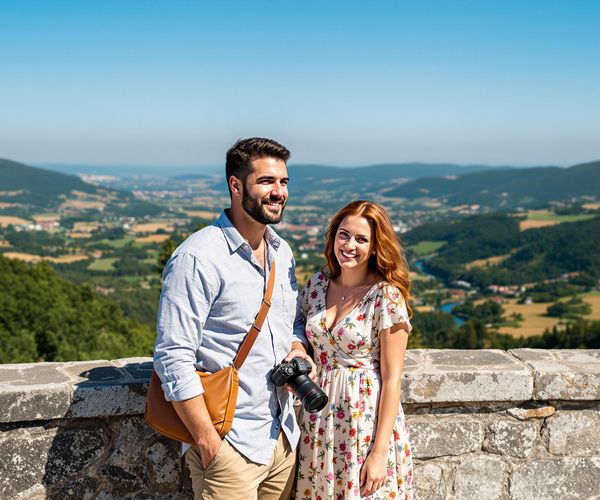
Exploring the Untamed Beauty of Serra do Montemuro with Friends
Join our adventure as we explore the stunning landscapes of Serra do Montemuro, Portugal, experiencing nature's beauty with friends.
 1 Aug 2025
By Jan Kovar
Swipe for more travel diaries
Lamego in Photos
Browse through our photo collection highlighting the charm and character of the destination.
Cities near Lamego
The closest cities to Lamego, if you have time for more than one stop.
-

-

-

-

-


Swipe for more cities
Explore more
Explore more of Portugal
Discover Portugal: A blend of historic charm, stunning coastlines, and delightful cuisine awaits in this captivating European gem.
Explore Portugal